Hiyashi Chuka: The Definitive Guide to Japan’s “Chilled Ramen”
As temperatures rise in May, a familiar sight appears across Japan: colorful flags outside convenience stores and ramen shops announcing “Hiyashi Chuka Hajime-mashita” (We have started serving Hiyashi Chuka).
While Japan has many cold noodle traditions like Somen, Zaru Soba, or Salad Udon, the undisputed king of the summer ramen world is undoubtedly Hiyashi Chuka.
Key Characteristics:
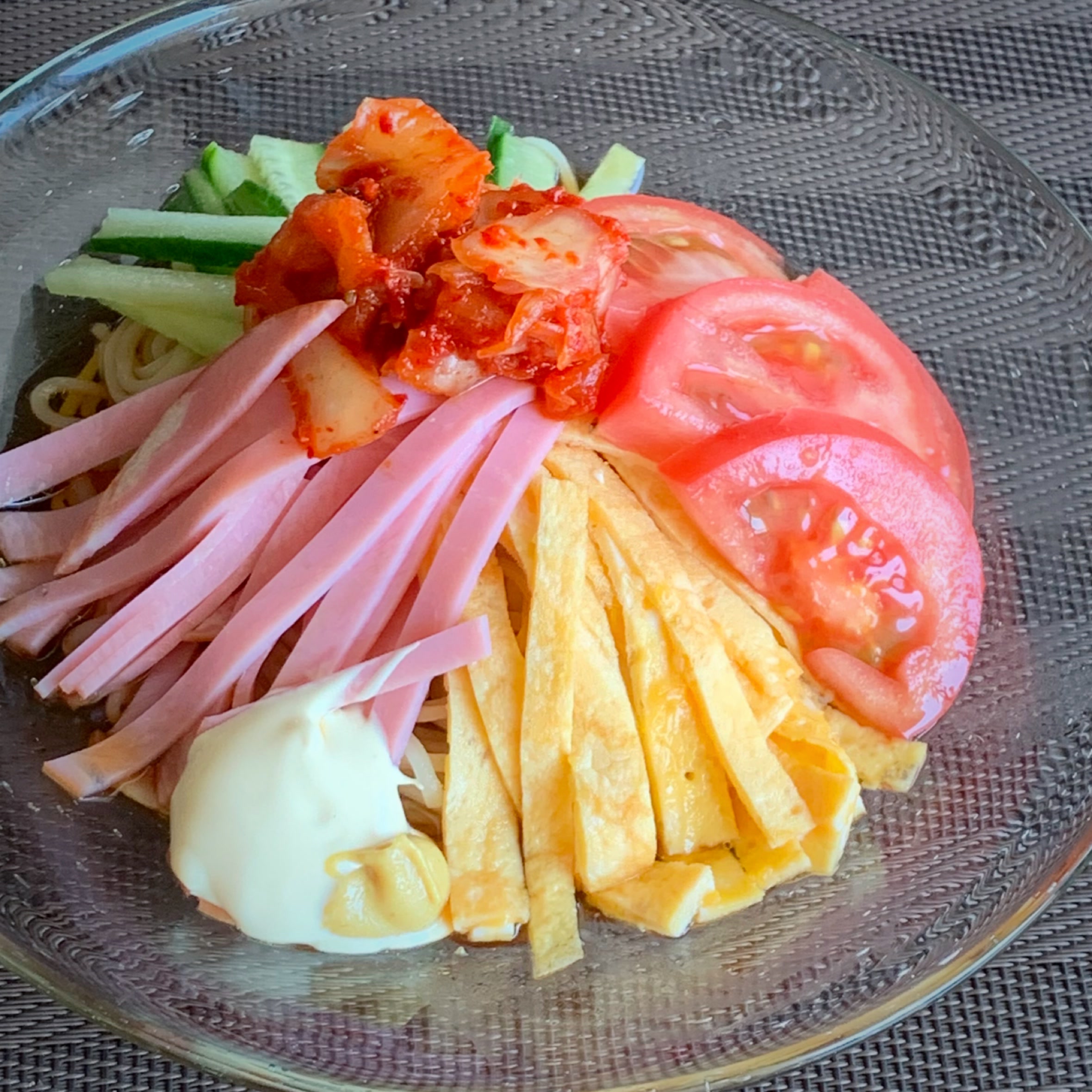
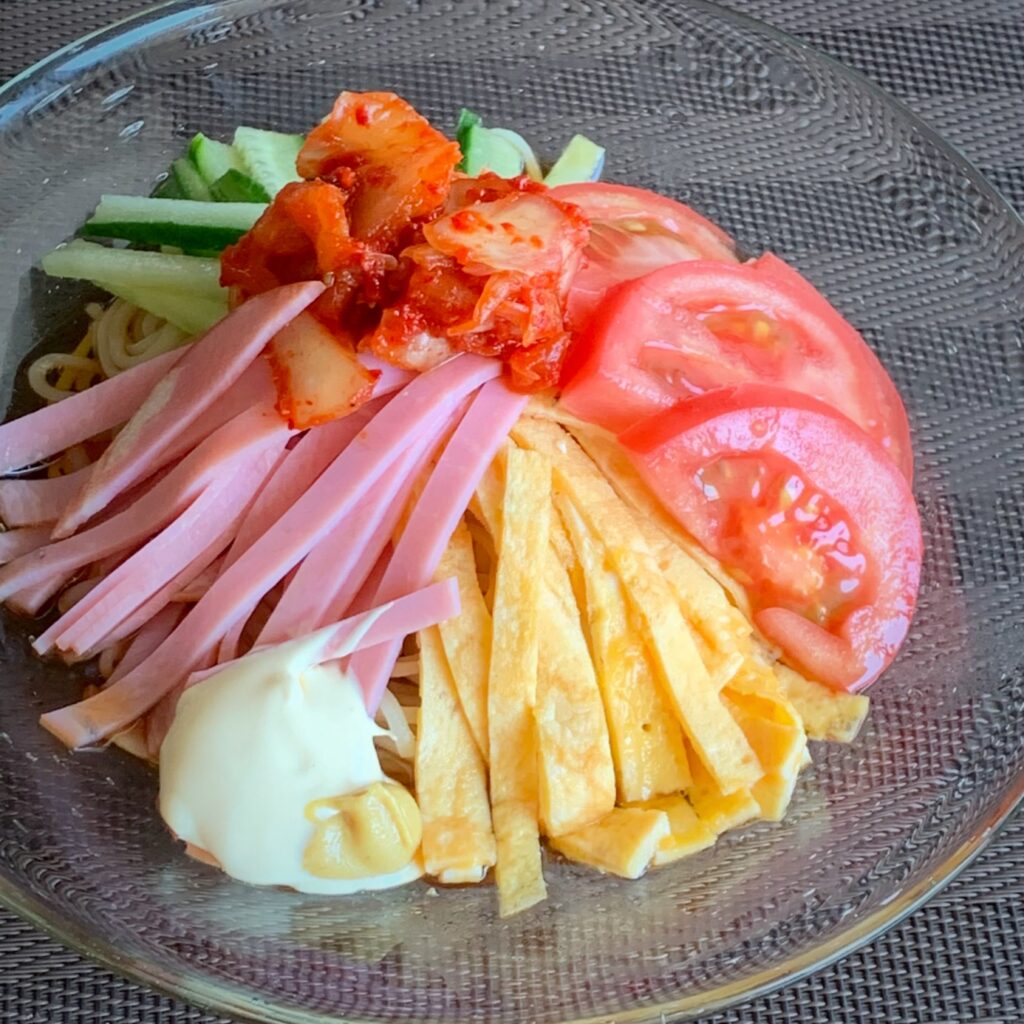
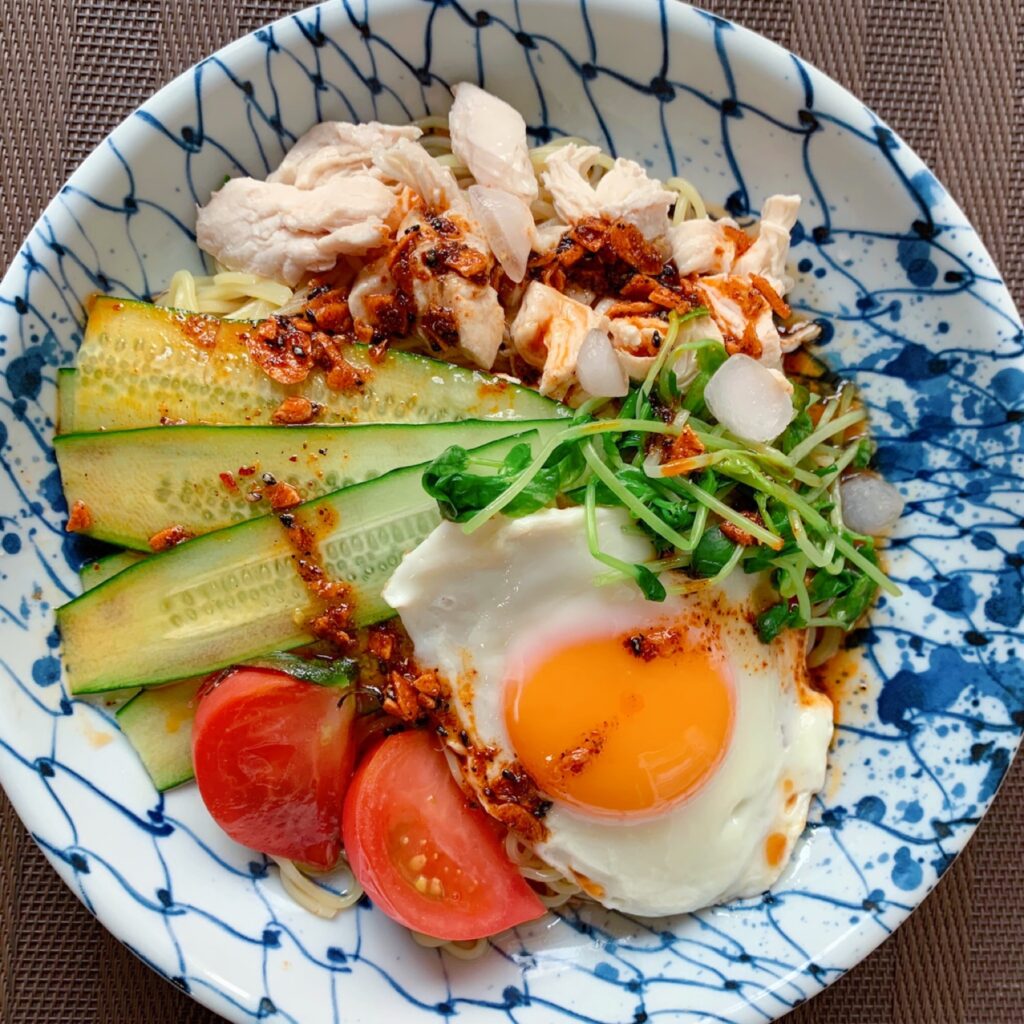
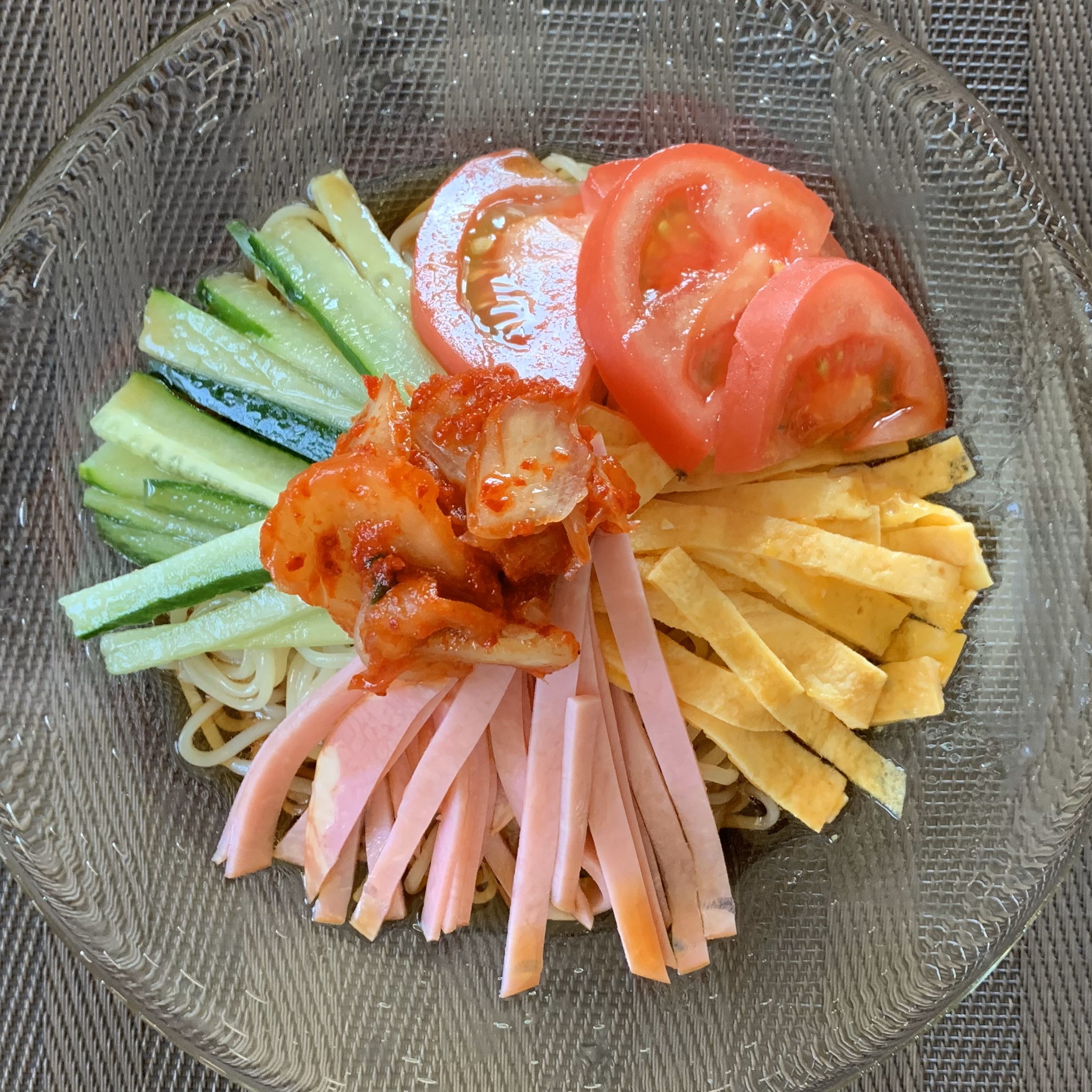
- The Toppings: Ingredients are typically julienned (cut into thin strips) and arranged like a sunburst. Common toppings include ham, thin egg omelet (kinshi tamago), cucumber, tomato, and steamed chicken.
- The Sauce: Usually comes in two varieties: a refreshing Soy Sauce base or a rich Sesame base.
- The Spicy Kick: It is traditionally served with a dollop of Karashi (Japanese mustard) or, for a modern twist, Mala Oil (Sichuan peppercorn and chili) for a numbing, spicy finish.
Origin of the Name
In Japan, the word “Chuka” refers to China. The name implies a cold noodle dish made using the type of noodles originally introduced from China (Chuka-men or ramen noodles). However, while its roots lie in the Chinese dish “涼拌麺:Liangbanmian,” Hiyashi Chuka is a unique, Japanese-born creation that evolved and was perfected within Japan.
Hiyashi Chuka vs. Reimen: What’s the Difference?
In Western Japan, people often refer to Hiyashi Chuka as “Reimen.” However, from a culinary perspective, they are clearly distinguished by the ingredients used to make the noodles.
| Dish Name | Primary Noodle Ingredients | Texture Characteristics |
|---|---|---|
| Hiyashi Chuka | Wheat Flour + Kansui (alkaline water) | Yellow with a distinct chew |
| Beppu Reimen | Wheat Flour + Buckwheat Flour | Thick with strong elasticity |
| Morioka Reimen | Wheat Flour + Potato Starch | Translucent and “rubbery” springiness |
| Korean Reimen | Buckwheat Flour + Starch | Very thin and highly elastic |
Recipe: Authentic “Golden Ratio” Hiyashi Chuka with Black Vinegar
Nutrition Facts (Per Serving)
- Calories: 590 kcal
- Protein: 22.2g
- Fat: 15.0g
- Carbohydrates: 95.7g
- Salt Equivalent: 5.9g
Ingredients
The Base:
- 140g Raw Chinese Noodles (Chuka-men)
- 30g Egg + 2g Oil (for the thin omelet)
The Toppings:
- 30g Cucumber (julienned)
- 20g Ham (approx. 1.5 slices, cut into strips)
- 30g Tomato (bite-sized)
- 20g Kimchi
- Optional: 3g Karashi (Japanese mustard), 8g Mayonnaise
The “Golden Ratio” Sauce (☆):
- 25g Black Vinegar
- 15g Soy Sauce
- 5g Sake
- 5g Sugar
- 1g Chicken Broth Powder (Bouillon)
- 3g Sesame Oil
Cooking Instructions
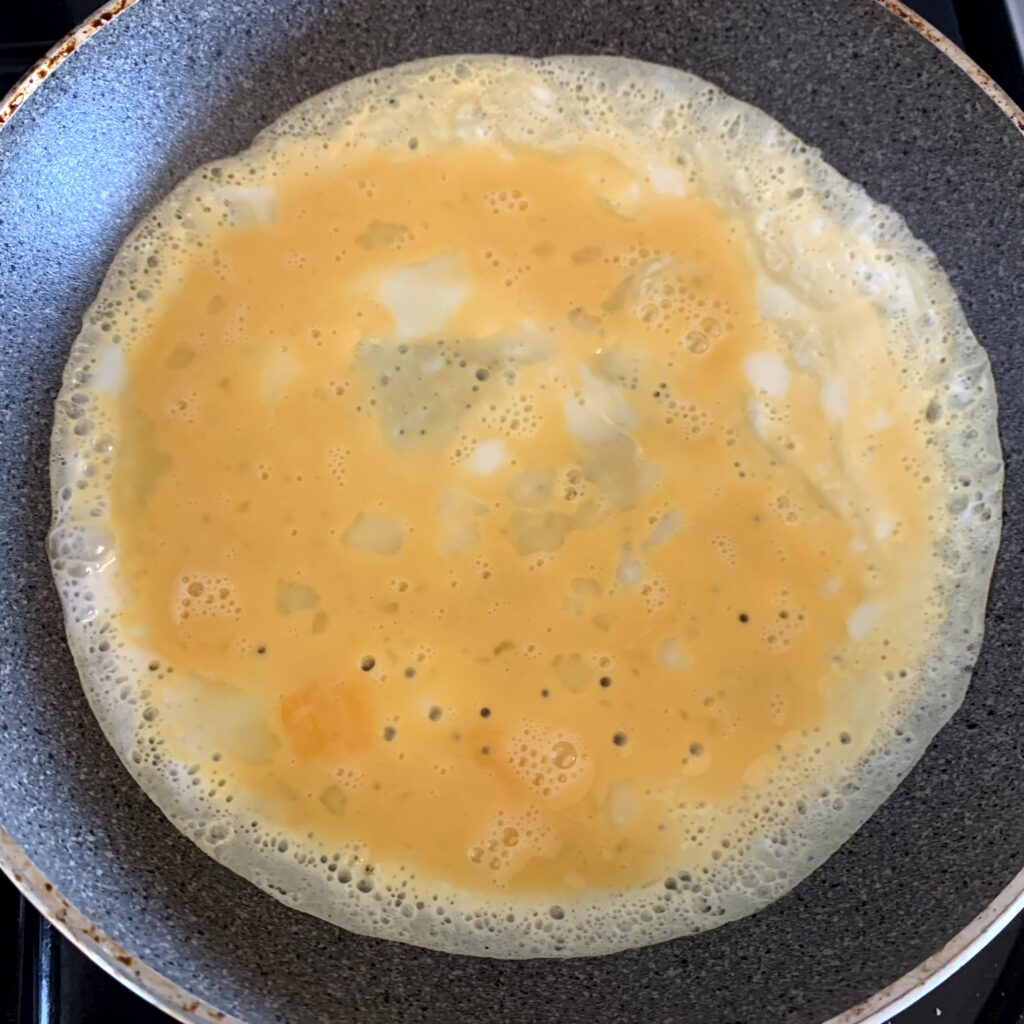
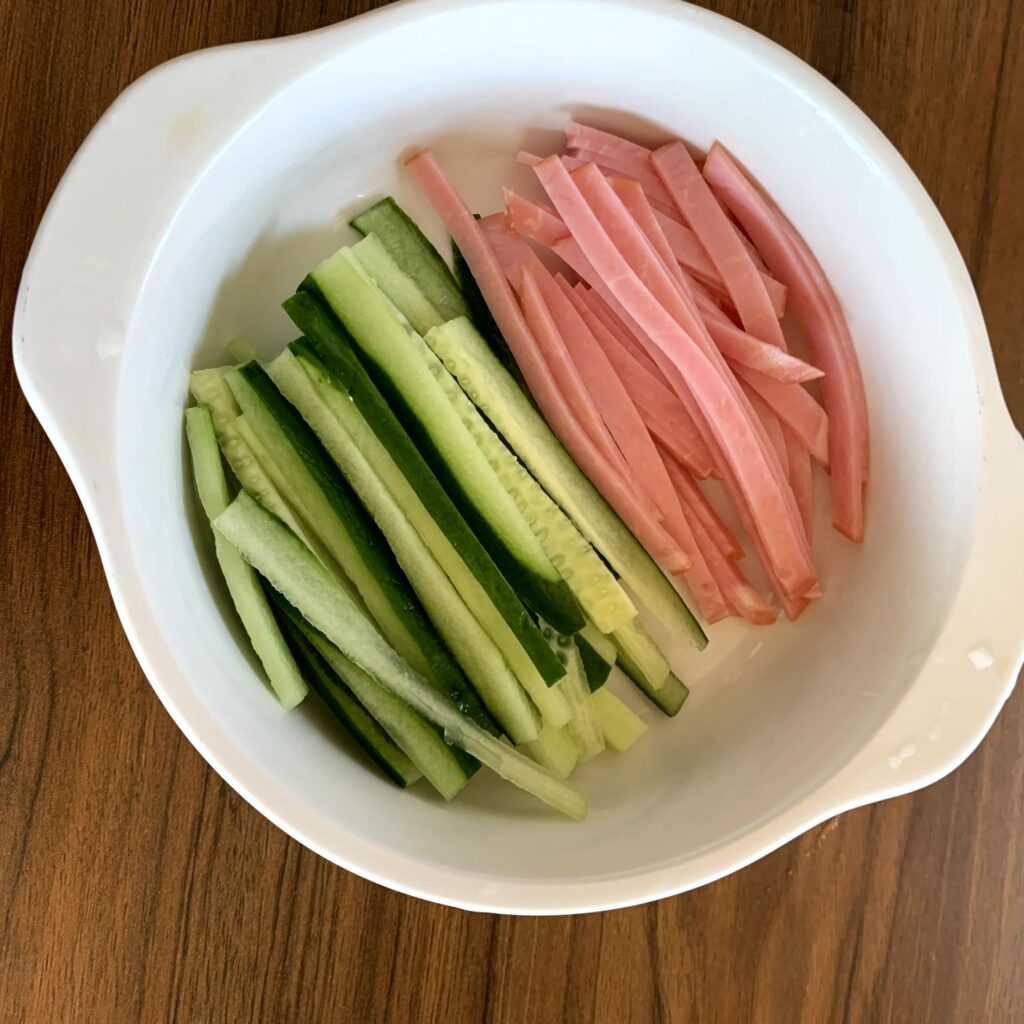
- Make the Thin Omelet: Heat oil in a small frying pan. Pour in the beaten egg to create a very thin sheet. Once cooled, slice it into thin strips (known as Kinshi Tamago).
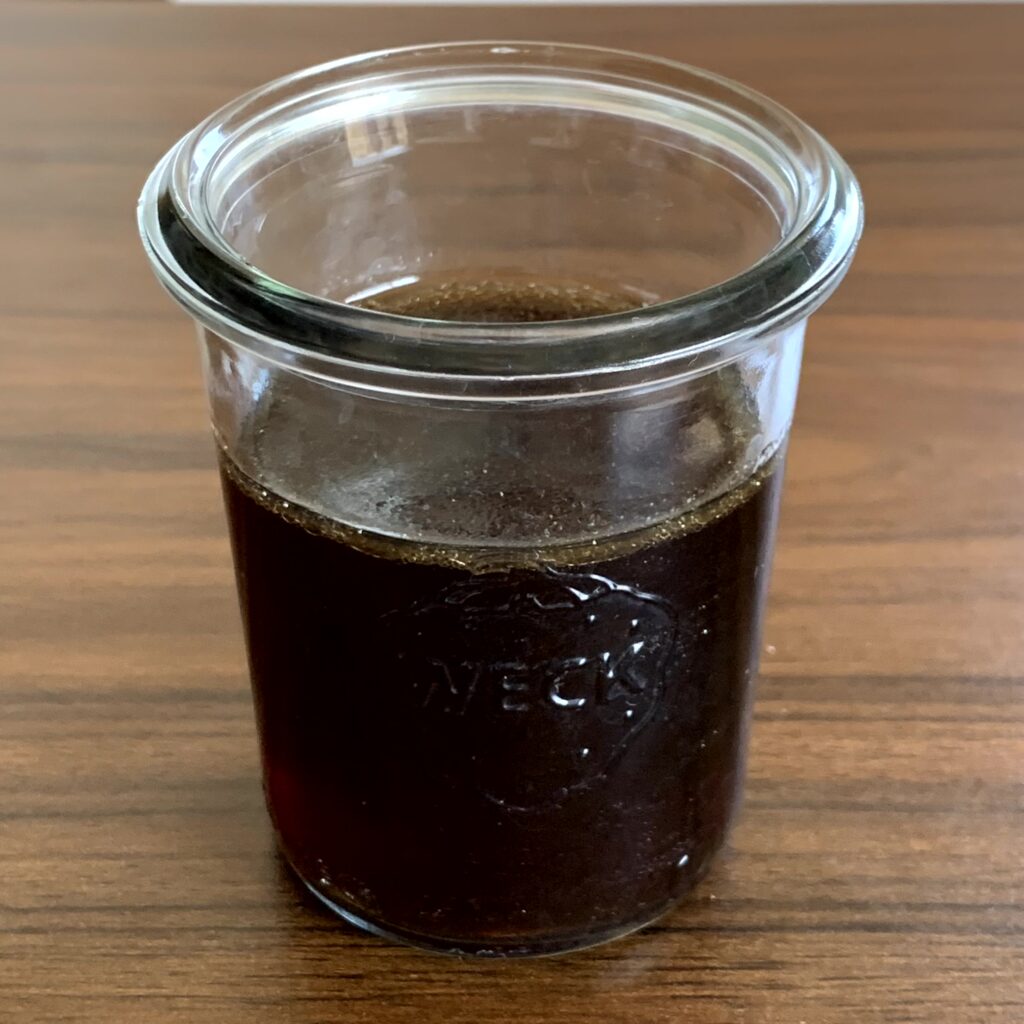
- Prepare the Sauce: Combine all ingredients marked with (☆) in a heat-resistant container and microwave for 30 seconds. This dissolves the sugar and makes the acidity of the vinegar milder. Chill thoroughly in the refrigerator.
- Boil the Noodles: Cook the Chinese noodles for 3 minutes (or according to the package instructions).
- The “Shock” Process: Immediately rinse the cooked noodles in ice water to remove excess starch and firm up the texture. It is crucial to drain the water thoroughly.
- Assembly: Place the chilled noodles in a shallow bowl. Arrange the cucumber, egg, ham, tomato, and kimchi radially on top for a beautiful presentation.
- Finishing Touches: Pour the chilled sauce over the dish. Garnish the edge of the plate with mustard and mayonnaise to finish!
The Mayonnaise Debate: In Western Japan, it is common to serve Hiyashi Chuka with a dollop of mayonnaise. It adds a wonderful richness to the tart vinegar sauce, making it incredibly mellow. Give it a try and find your own favorite style!
Craving more noodle variations?
If you enjoyed this cold ramen, you should also try my recipe for Zha Jiang Mian (Soupless Nikumiso Ramen). It originates from China and features a rich, savory meat sauce that pairs perfectly with chewy noodles. It’s another fantastic way to enjoy “Chuka” style noodles! 👉 [Easy to make Zha jiang mian (Soupless nikumiso ramen)]
📖Read the Japanese version of this article here! [【管理栄養士監修】冷やし中華の黄金比レシピ!冷麺との違いや名前の由来も徹底解説]

コメント