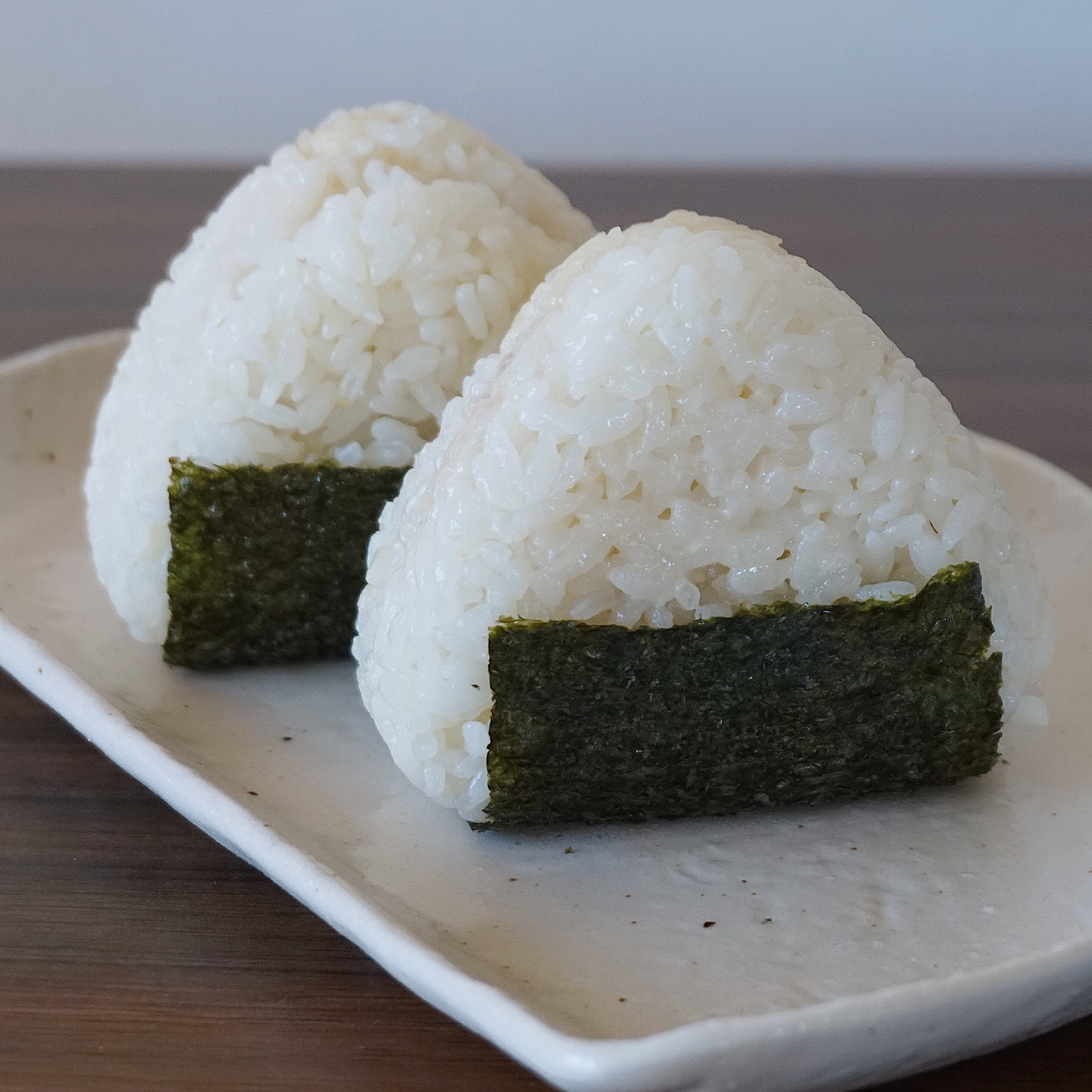
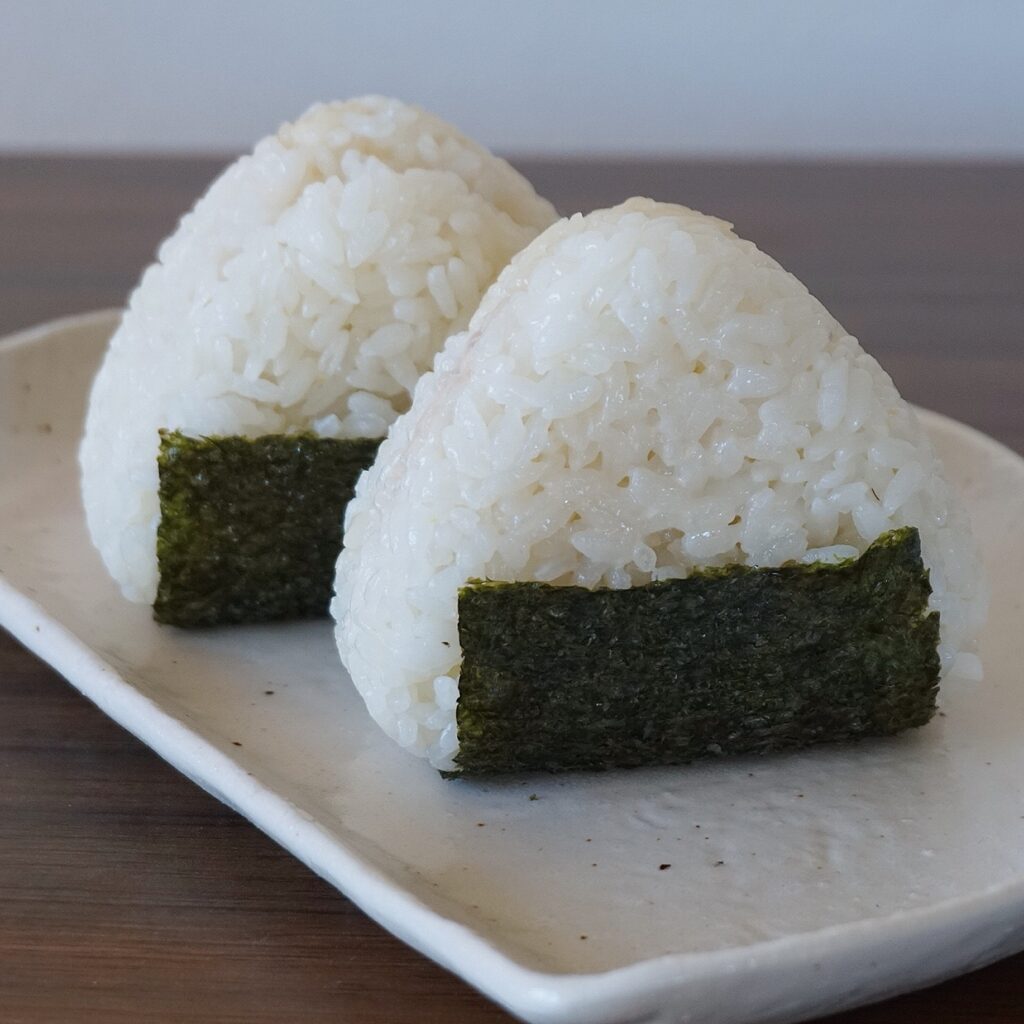
The Ultimate Comfort Food: Japanese Tuna Mayo Onigiri (7-Eleven Style Recipe)
Tuna mayonnaise onigiri (rice balls) are the undisputed “kings of onigiri,” maintaining the number one spot in Japanese convenience stores for decades with a fiercely loyal fanbase. Interestingly, 7-Eleven is actually the pioneer of the “tuna mayonnaise onigiri.” Generally, convenience store tuna mayo onigiri come in two main types: those with crisp nori (seaweed) and those with moist nori.
The standard triangular crisp-nori version uses seasoned “shio-meshi” (salted rice) and contains tuna mayo (mayonnaise, water- and oil-boiled tuna, soy sauce-based seasoning, sugar, salt, and tuna flake powder) wrapped in nori. It has 258 kcal, 5.2g protein, 10.6g fat, 36.5g carbohydrates, and 1.2g salt.
On the other hand, the moist, Japanese-style “Wafu tuna mayo” onigiri features flavored rice (soy sauce, high-fructose corn syrup, sugar, seasoned vinegar, vegetable oil, dashi, and bonito flake powder), tuna mayo (mayonnaise, tuna/bonito water- and oil-boiled, dashi soy sauce, salt, bonito/tuna flake powder), and Korean nori. It has 232 kcal, 5.3g protein, 6.8g fat, 38.1g carbohydrates, and 1.5g salt.
This recipe is designed to recreate the authentic taste of 7-Eleven’s tuna mayo onigiri right in your own home! The “shio-meshi” listed on convenience store ingredient labels contains more than just plain white rice and salt; it includes seasonings and oils specifically added to keep the rice delicious even when cold and to prevent it from losing its shape. The main components hidden in “shio-meshi” include:
- Rice and salt: The basic foundation.
- Vegetable/edible oils: Used in tiny amounts to prevent dryness, add a glossy sheen, and maintain a pleasant texture that is separate yet smooth to the palate even when cooled.
- Seasoning liquids and vinegars (such as pH adjusters or glycine): Used to slow down spoilage for longer shelf life while balancing the flavor of the rice.
- Dashi and umami seasonings: Added to enhance the taste with savory depth beyond simple saltiness. (Note: Because “shio-meshi” is often displayed as a collective food additive name, the exact types of oils or seasonings used cannot be broken down in detail from the back label alone.)
The standout feature of this recipe is adding “salt” and “shiro-dashi” (white dashi) directly when cooking the rice. This allows the umami flavor to infuse evenly into every single grain, resulting in a remarkably rich and satisfying taste. Furthermore, you don’t need to intentionally mix in oil to prevent the rice from drying out; the oil naturally seeps from the tuna mayo and blends into the rice—a brilliant two-in-one bonus!
For the tuna mayo, my personal recommendation is “Chicken Mild” (Canned Tuna). According to the official recipe, the ideal proportion guideline is 220g of rice paired with 1/2 can (35g) of canned tuna, 1/2 tablespoon (6g) of mayonnaise, and a small splash of soy sauce. However, instead of mixing in soy sauce or bonito flake powder like traditional methods, my recipe streamlines the process by using shiro-dashi for simplicity and delicious depth.
My homemade tuna mayo onigiri comes out to 260 kcal, 7.5g protein, 7.0g fat, 42.4g carbohydrates, and 1.6g salt per piece.
To make truly delicious onigiri, keep these expert tips in mind:
- Stick to the golden ratio: The key is not to overstuff the filling.
- Drain moisture and oil: Make sure to thoroughly drain the oil from the tuna can, as excess moisture will cause your onigiri to fall apart after shaping.
- Prioritize hygiene: To prevent food poisoning, using plastic wrap or onigiri molds (press molds) instead of bare hands has become the modern standard.
Nutritional Info (Per Onigiri)
Yields 6 rice balls
- Calories: ~235 kcal
- Protein: ~7.2g
- Fat: ~9.8g
- Carbs: ~28.5g
- Sodium: ~640mg
Ingredients (Makes 6 Rice Balls)
For the Rice:
- Rice: 2 cups / 320g (yields approximately 730g when cooked)
- Salt: 6g
- Shiro-dashi: 6g
- Water: 360g
For the Filling & Wrap:
- Canned Tuna (in oil): 120g
- ※The amount of canned tuna is the amount remaining after the oil has been thoroughly drained. One 70g can of tuna (solid content: approx. 50g–55g; liquid/oil: approx. 15g–20g) After thoroughly draining (or squeezing out) the oil: approx. 45g–50g
- Mayonnaise: 20g
- Sugar: 2g
- Shiro-dashi: 3g
- Nori (Seaweed): 6 sheets
Instructions
Step 1: Prep the Rice
- Wash 320g of rice until the water runs clear.
- Add 6g salt, 6g Shiro-dashi, and 360g water.
- Crucial: Let the rice soak for at least 30 minutes before starting the rice cooker. This ensures a smooth, fluffy texture.
- Cook the rice as usual.
Step 2: Prepare the Tuna Mayo
- The most important step for structure: Thoroughly drain the excess oil and moisture from the 120g tuna.
- In a bowl, mix the drained tuna with 20g mayonnaise, 2g sugar, and 3g Shiro-dashi until well combined.
Step 3: Assemble
- Place a portion of rice in your hand (with wrap) or a mold.
- Add the tuna mayo mixture in the center and cover with more rice.
- Shape into the classic triangle.
- Wrap it in nori seaweed.
Watch the full process here:
Want more Tuna Mayo ideas?
Tuna mayo is incredibly versatile! Try these variations:
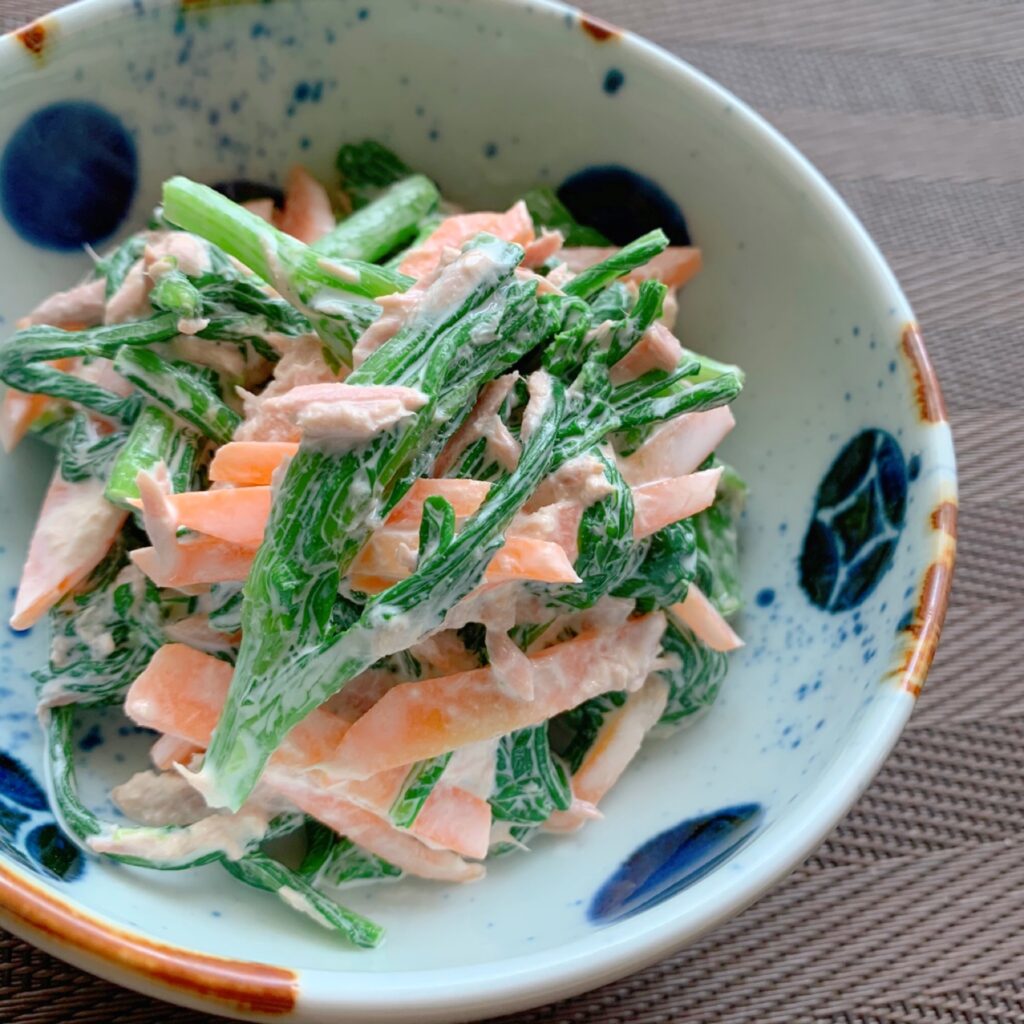
- Tuna Mayo & Garland Chrysanthemum (Shungiku) Salad: A unique and refreshing side dish. Tunamayo shungiku (Chrysanthemums mayonnaise salad)
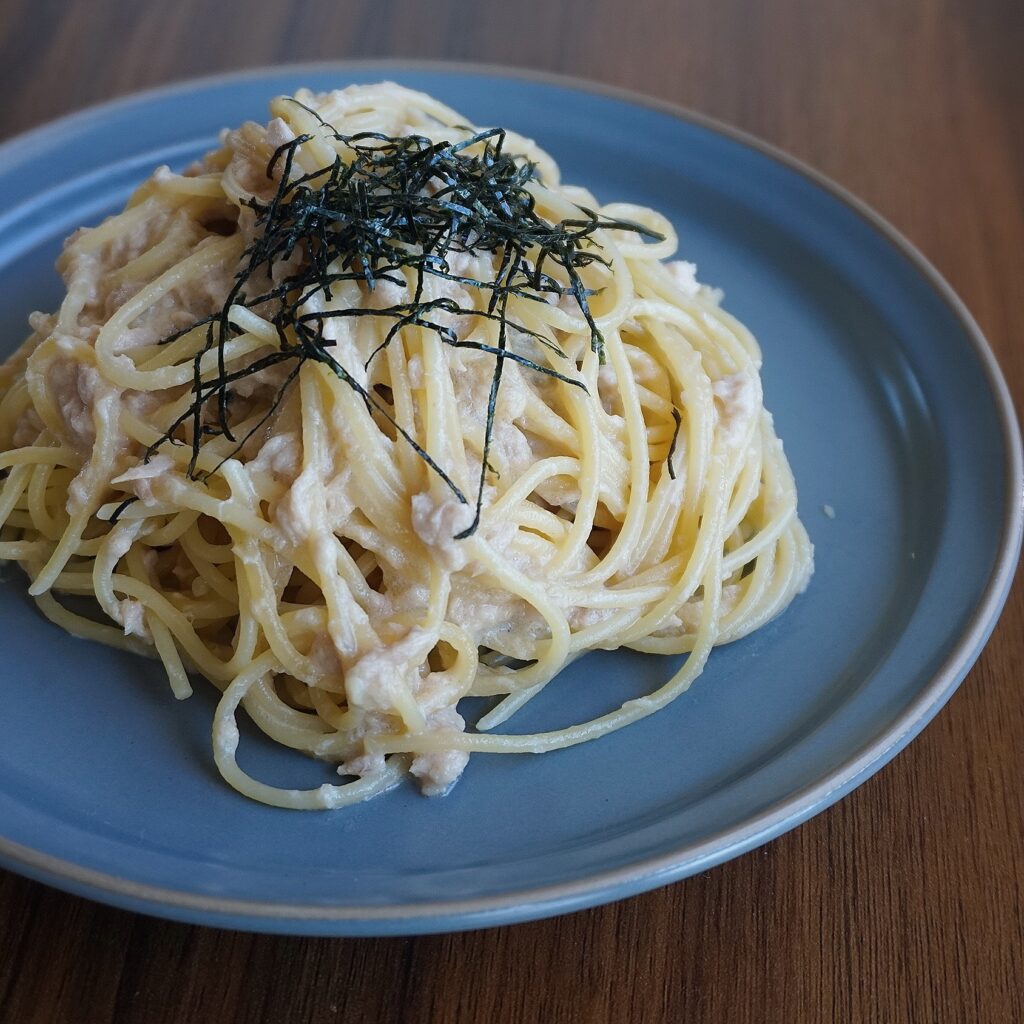
- Tuna Mayo Pasta: Season your noodles with soy sauce, mirin, and dashi powder for a quick Japanese-style meal.
- Read the Japanese version of this article here! [セブンイレブン和風ツナマヨおにぎり再現レシピ]

コメント