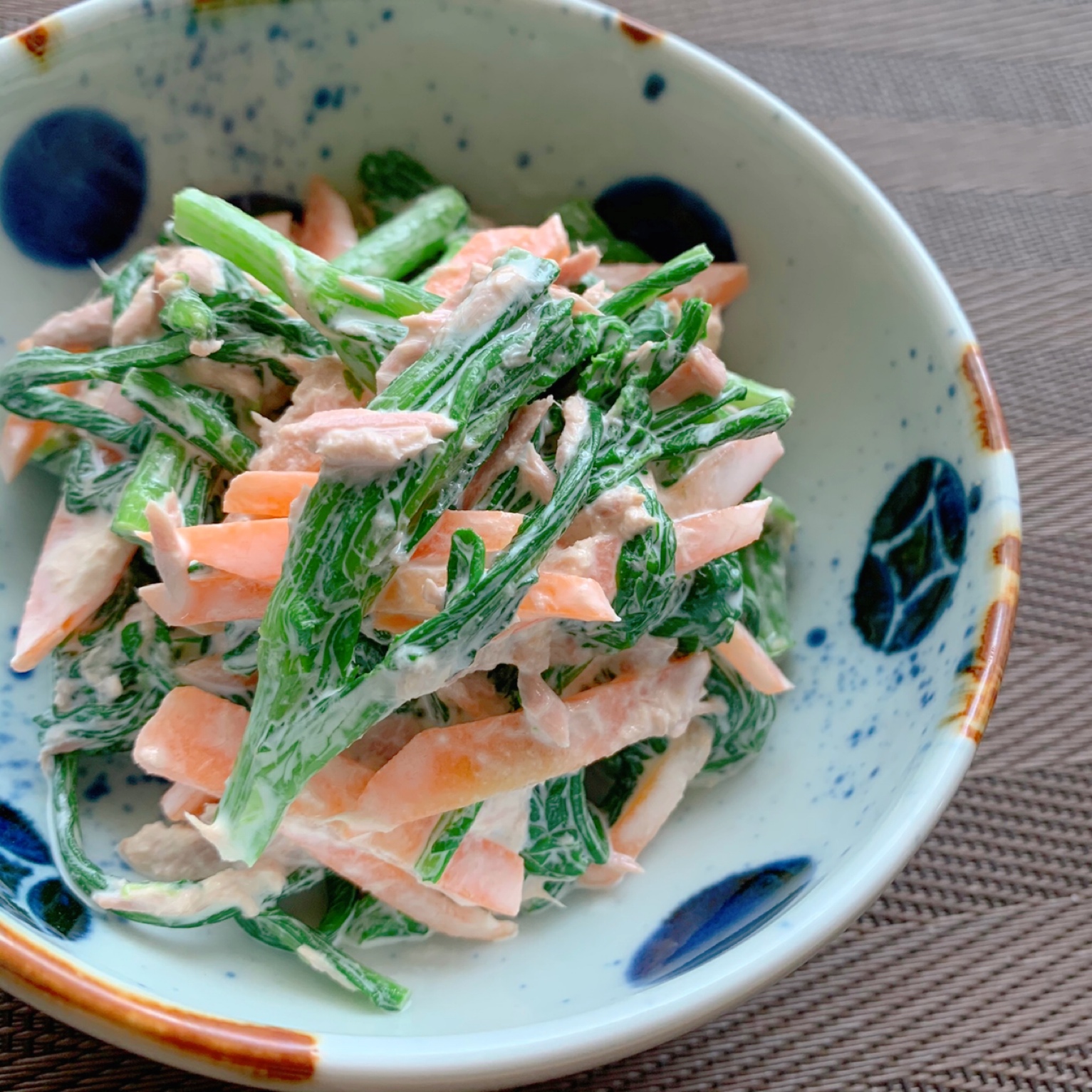
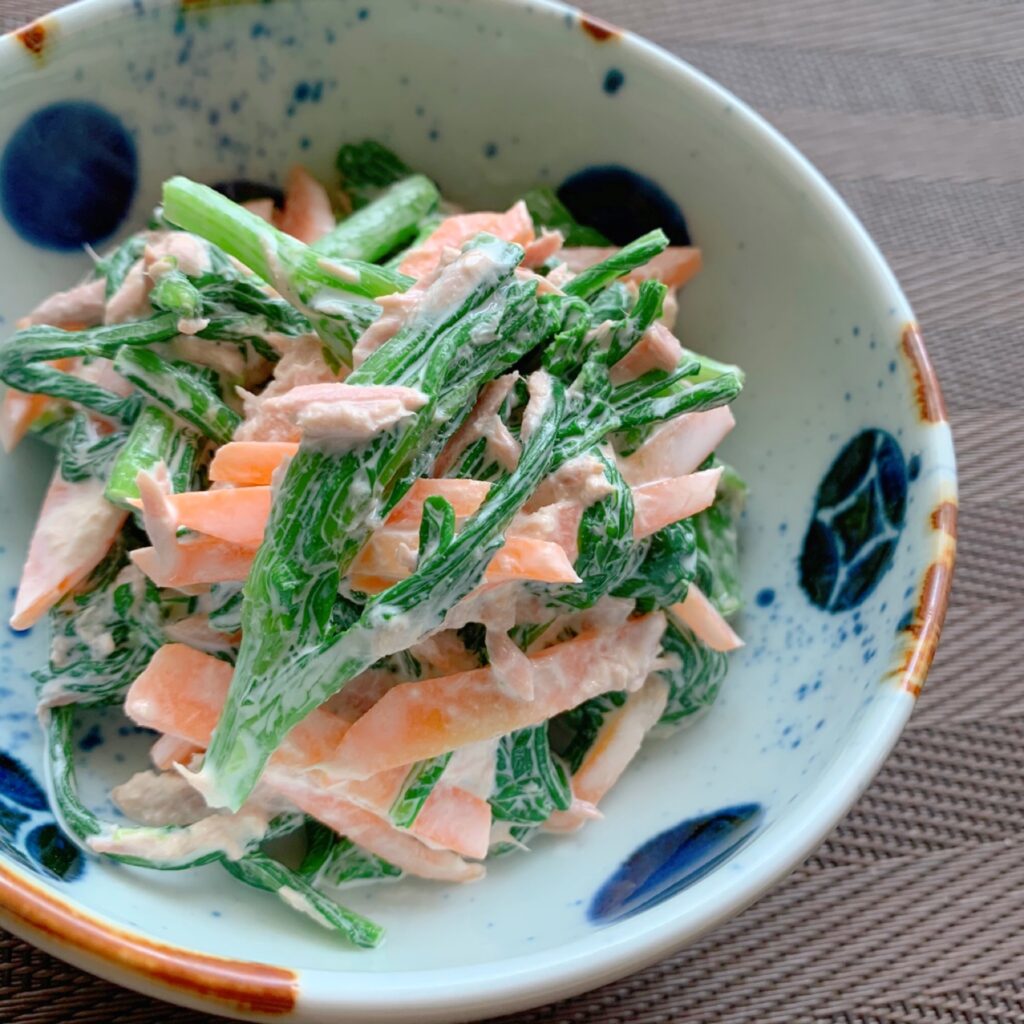
🌿 Shungiku with Tuna Mayo: The Perfect Green Side Dish
If you are looking for a quick, healthy way to add more greens to your dinner table, look no further than Shungiku no Tuna Mayo-ae.
In Japan, Shungiku (Garland Chrysanthemum) is a winter staple, famous for its intense herbal aroma and nutrient density. While it’s traditionally found in hot pots like Sukiyaki, this chilled salad version uses the “magic” of tuna and mayonnaise to mellow out its bitterness, making it a hit even with kids and picky eaters!
What is Shungiku (Garland chrysanthemum)?
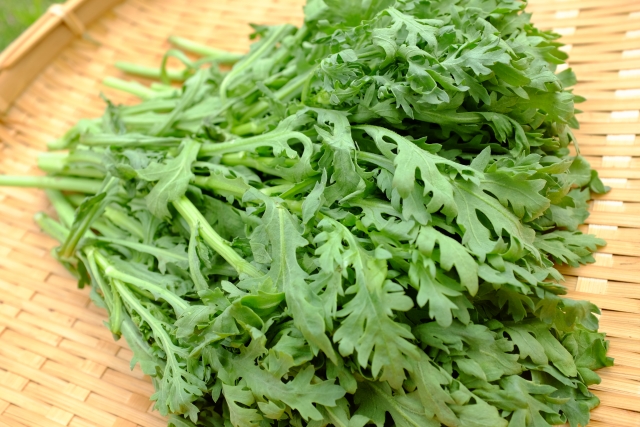
- Flavor Profile: Peppery, floral, and slightly bitter—similar to arugula or watercress, but sturdier.
- Nutrition: Packed with Vitamin A (beta-carotene), Vitamin K, and Calcium.
- Season: Best from late autumn through early spring.
🛒 Ingredients (Serves 6)
| Ingredient | Quantity | Note |
|---|---|---|
| Shungiku | 360g | Roughly 2 large bunches |
| Carrot | 80g | Shredded for color and sweetness |
| Canned Tuna | 75g | Oil-free or spring water preferred |
| Mayonnaise | 70g | Japanese mayo (Kewpie) works best! |
| Soy Sauce | 10g | For a savory depth |
| Sugar | 5g | To balance the herbal notes |
🍳 How to Make It
- Prep the Veggies: Wash the Shungiku and trim the tough ends of the stems. Peel the carrot and slice it into thin, matchstick strips (julienne).
- The Blanching Secret: * Boil the carrots for 3 minutes, drain, and let them air-cool.
- Boil the shungiku for 2 minutes. Immediate Tip: Plunge the shungiku into an ice-water bath immediately after boiling. This “shocks” the vegetable, keeping it a vibrant, appetizing green.
- Squeeze Dry: This is the most important step! Once cooled, squeeze the water out of the shungiku and carrots as much as possible. If the veggies are watery, the sauce won’t stick!
- The Mix: Drain the liquid from your canned tuna. In a large bowl, combine the tuna, mayonnaise, soy sauce, and sugar.
- Combine: Toss the vegetables into the tuna mayo mixture until evenly coated.
💡 Pro-Tips for Success
- The Ultimate Secret: The most important step is to thoroughly squeeze out all the excess water from both the vegetables and the canned tuna. Any remaining moisture will dilute the flavor and prevent the dressing from sticking, making the dish watery.
- The Golden Ratio: For the best flavor balance, aim for a 1:1 ratio of tuna to mayonnaise. If you prefer a richer, meatier texture, a 2:1 ratio also works beautifully. This ensures the dressing has enough “body” to stand up to the bold flavor of the Shungiku.
- The “Sea Chicken” Fact: In Japan, canned tuna is often called “Sea Chicken.” This is actually a brand name by Hagoromo Foods, nicknamed for its resemblance to white meat chicken. It’s the exact same tuna you’re familiar with!
- Why Mayo? Mayonnaise is the secret weapon for Shungiku. It coats the leaves and neutralizes the bitter polyphenols, allowing the refreshing herbal aroma to shine through without the harsh bite.
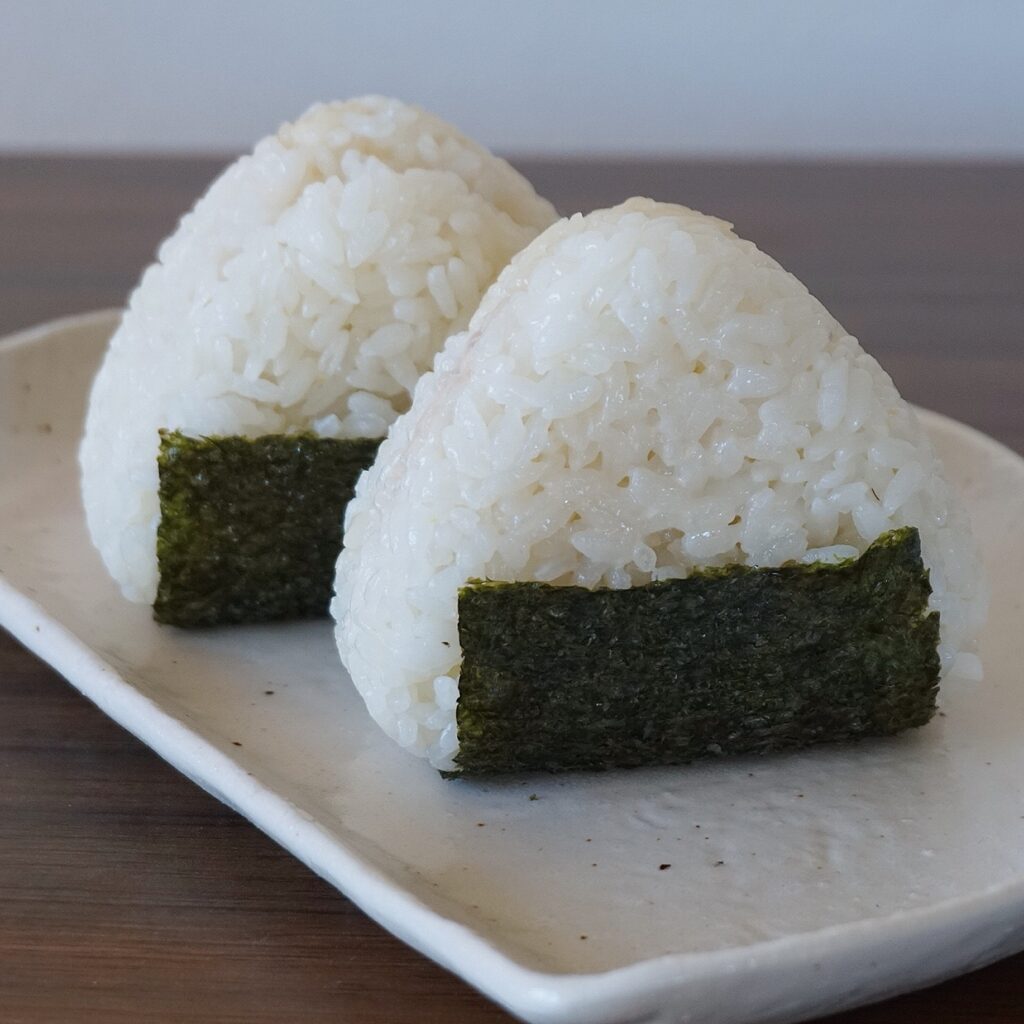
Did you know? > Tuna Mayo is so beloved in Japan that it is the #1 most popular filling for Onigiri (rice balls) in convenience stores nationwide! Recipe is here! Copycat 7-Eleven Style Japanese Tuna Mayo Onigiri 🍙
📊 Nutrition (Per Recipe/6 Servings)
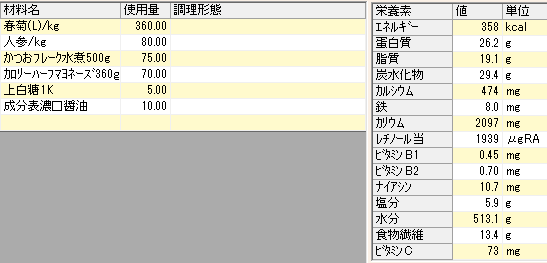
- Calories: 358 kcal
- Protein: 26.2 g
- Total Fat: 19.1 g
- Carbohydrates: 29.4 g
- Sodium: 5.9 g
📖Read the Japanese version of this article here! [苦くない!春菊のツナマヨ和えレシピ|子供も喜ぶ冬の絶品副菜]

コメント