- The Ultimate Sweet & Juicy “Inari Sushi”: Why It’s Perfect for Meal Prep, Plus Tips and Recipes
- NUTRITION FACTS
The Ultimate Sweet & Juicy “Inari Sushi”: Why It’s Perfect for Meal Prep, Plus Tips and Recipes
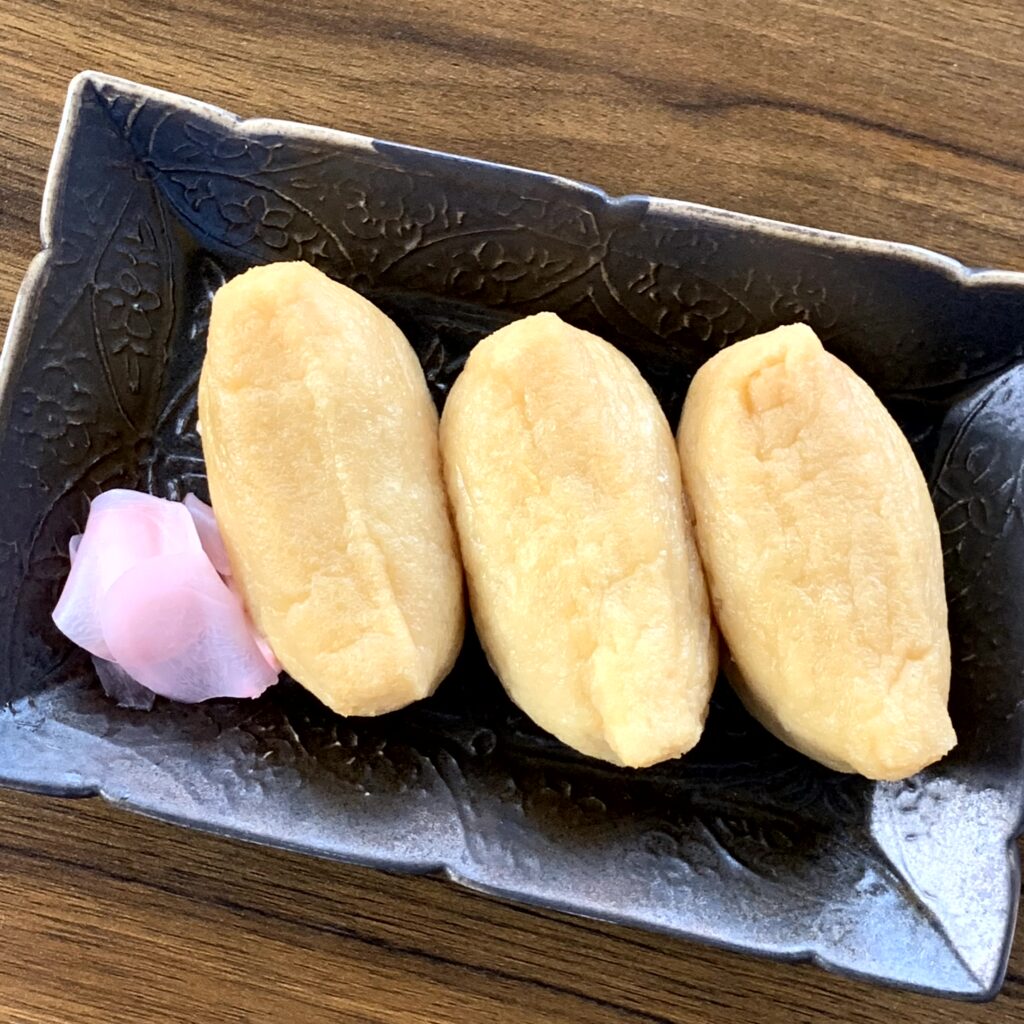
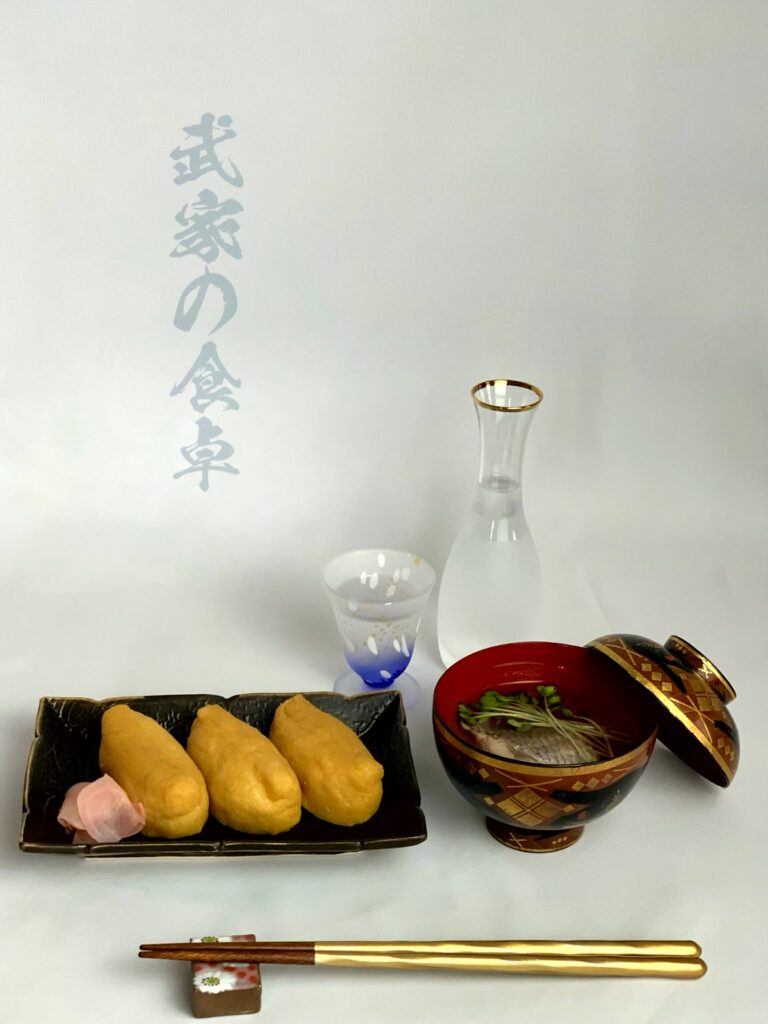
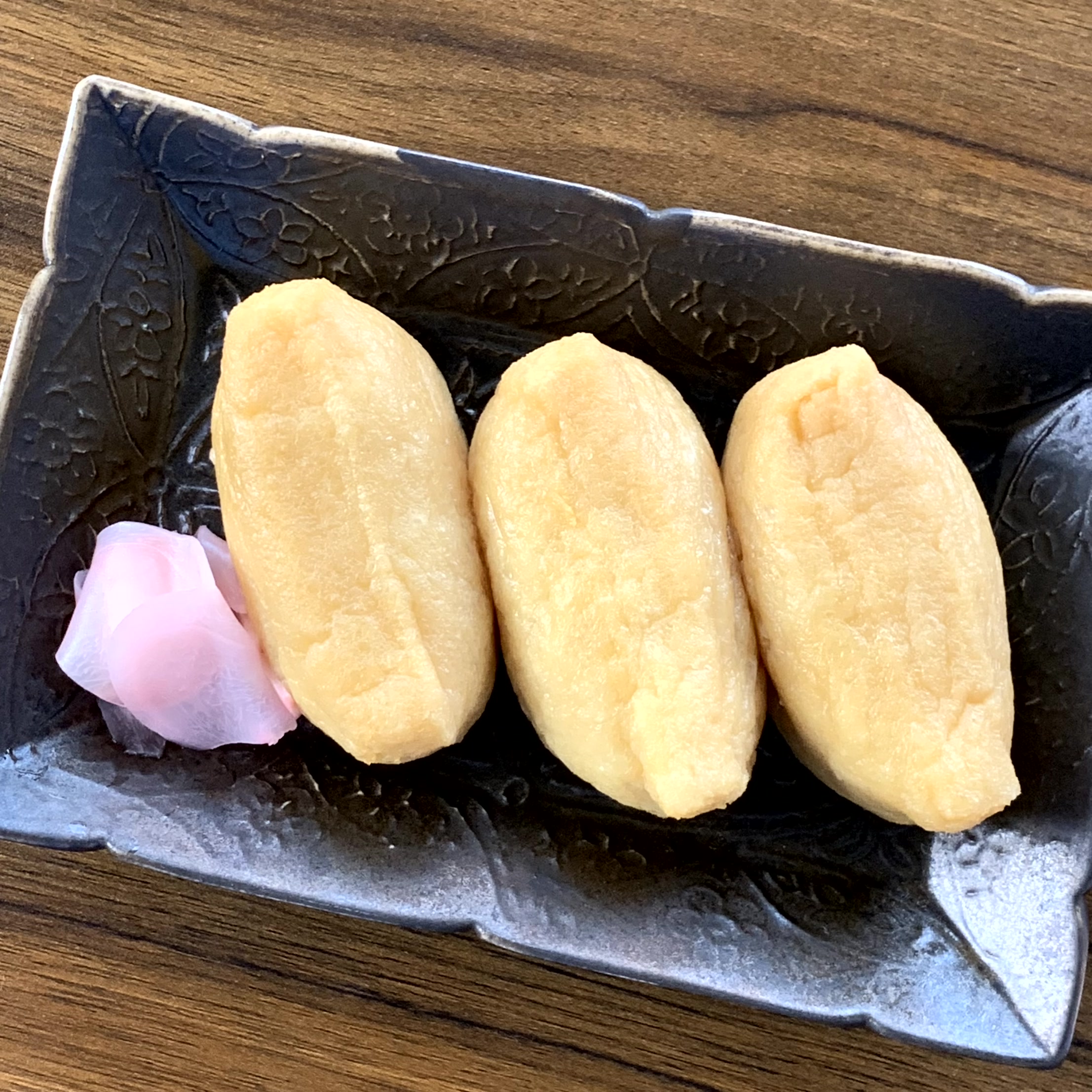
Inari sushi consists of seasoned sushi rice stuffed inside deep-fried tofu pouches (aburaage) simmered in a sweet and savory mixture of sugar and soy sauce. It is one of Japan’s most traditional types of sushi, featuring a wonderful harmony of sweetness, saltiness, and acidity. (Inari-zushi is also known in English as “tofu skin sushi.”)
Whenever I go to the supermarket deli section, I almost always end up buying inari sushi. However, when you suddenly think, “I want to eat inari sushi right now!”, making it completely from scratch—removing the excess oil from the tofu pouches and simmering them slowly—takes unexpected time and effort, meaning you cannot eat it right away. That is precisely why “making and storing the fried tofu pouches in advance” is the best choice. If you simmer a batch of tofu pouches ahead of time, such as on the weekend, you can simply stuff them with freshly prepared sushi rice whenever a craving strikes, allowing you to enjoy your favorite flavor at any moment.
Tips for Making Delicious Inari Sushi (Step-by-Step Guide)
Although inari sushi appears simple at first glance, keeping a few key tips in mind ensures a delicious result:
- Remove the excess oil (Aburanuki): Boil the tofu pouches in hot water for a few minutes. This process is called aburanuki, which removes excess oil, unwanted odors, and lipid peroxides. Doing this allows the seasonings to absorb much more easily.
- Use a flat-bottomed pan: When simmering the tofu pouches, use a pan with a flat bottom. If the pouches overlap or fold over, the simmering liquid will not absorb evenly, resulting in uneven coloring.
- Keep a close eye to prevent burning: Do not take your eyes off the tofu pouches while they are simmering. While some recipes call for reducing the liquid completely until it disappears, the author has accidentally burned the tofu pouches a few times while trying this (because the cooking liquid contains a large amount of sugar, it burns very easily). If you lack confidence in the kitchen, it is safer to make them with a slightly more generous amount of simmering liquid. However, simply adding more water without adjusting the rest will dilute the flavor. Bland inari sushi lacks definition, so make sure to stick strictly to the measurements.
The Origin of Inari Sushi
From Fushimi Inari Taisha to shrines all across the nation, there are approximately 30,000 Inari shrines in Japan. The primary deity enshrined within them is Uka-no-Mitama-no-Okami (a deity symbolizing rice and agriculture, said to govern the five cereal grains).
Until the Edo period, the vast majority of the population engaged in agriculture, making Inari shrines deeply revered by commoners. Inside the grounds of Inari shrines, you will find statues of “foxes” (kitsune), which are believed to be the messengers of the deities. From the old folklore stating that “the fox’s favorite food is deep-fried tofu,” the custom of dedicating tofu pouches to the shrines was born, and eventually, people began stuffing these pouches with rice to eat them. This is the origin of inari sushi.
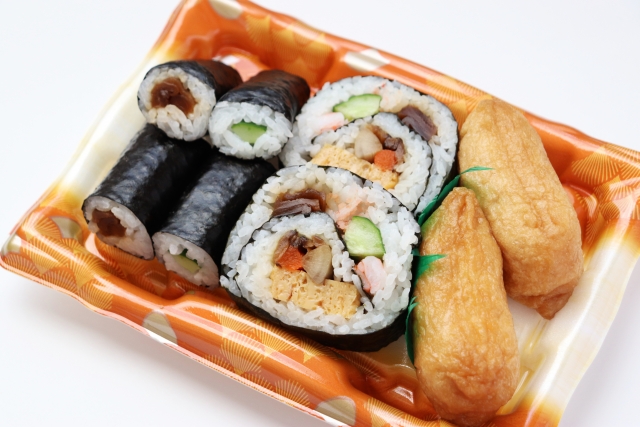
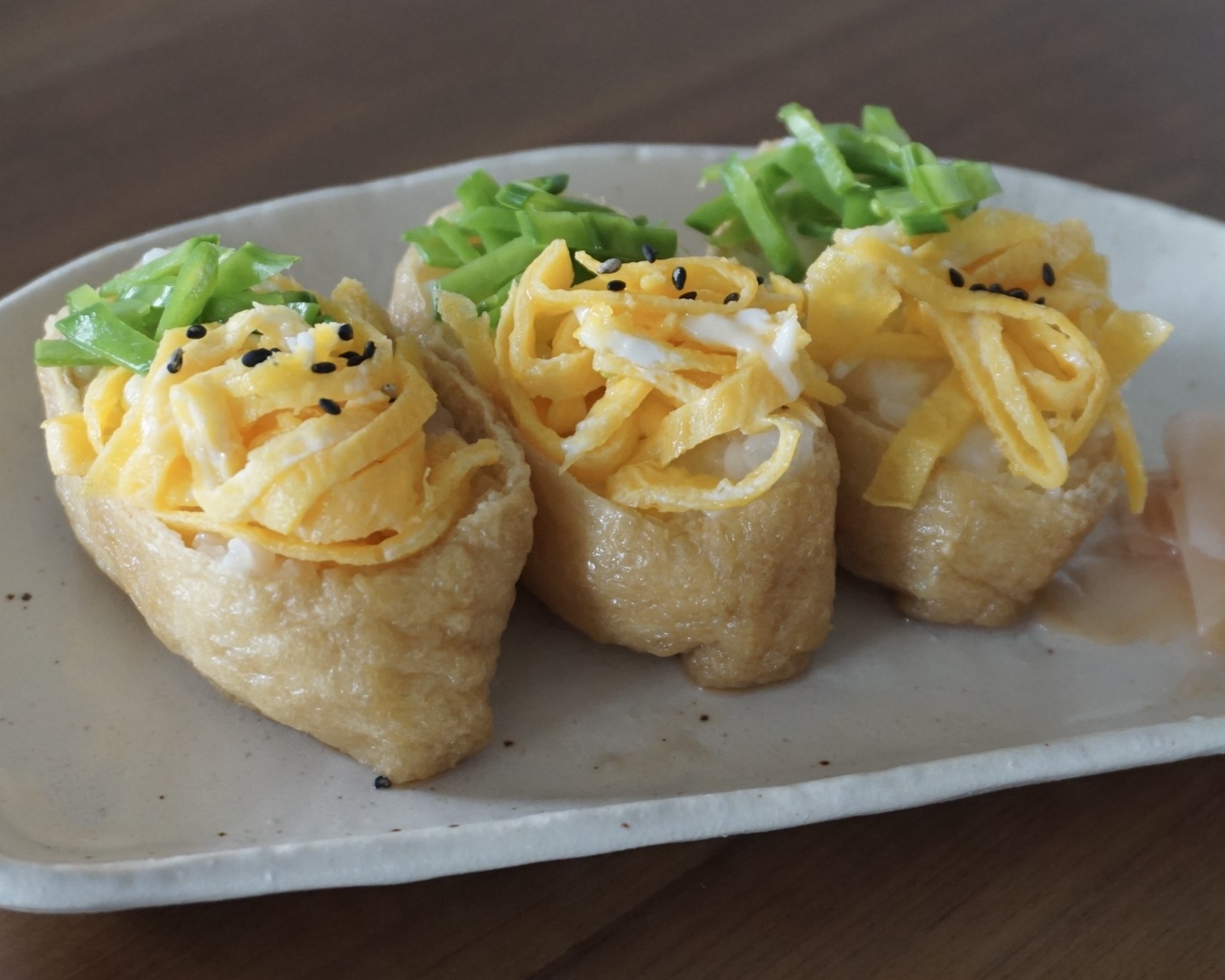
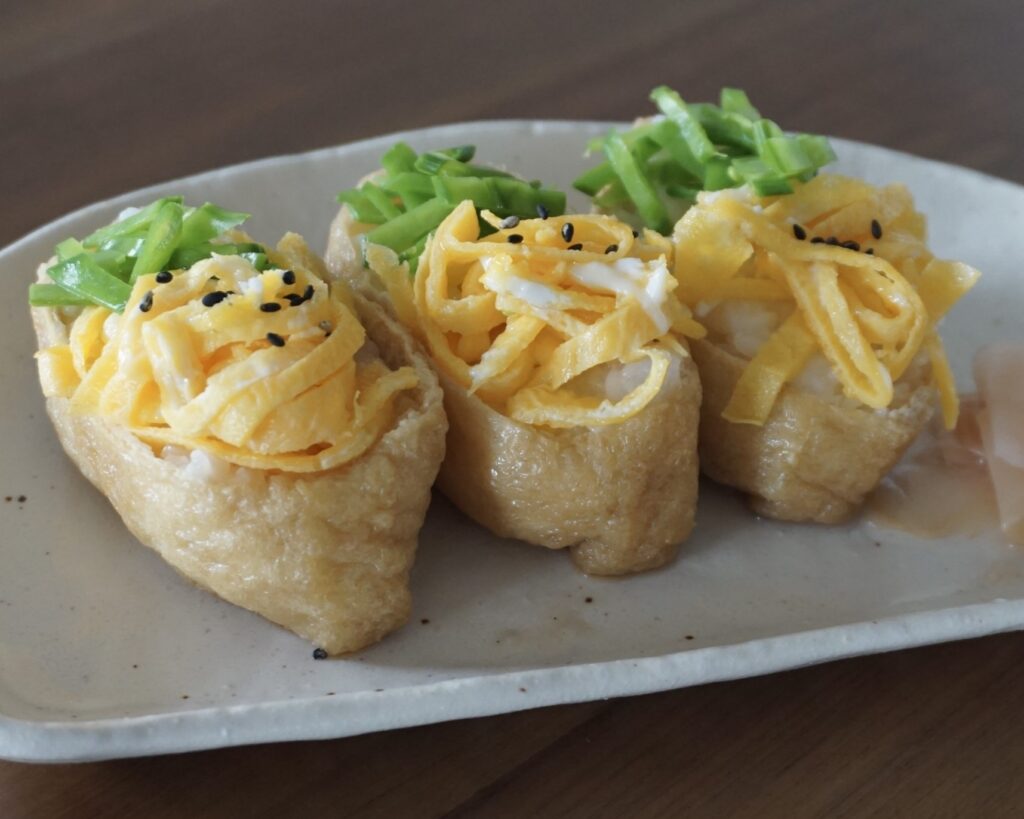
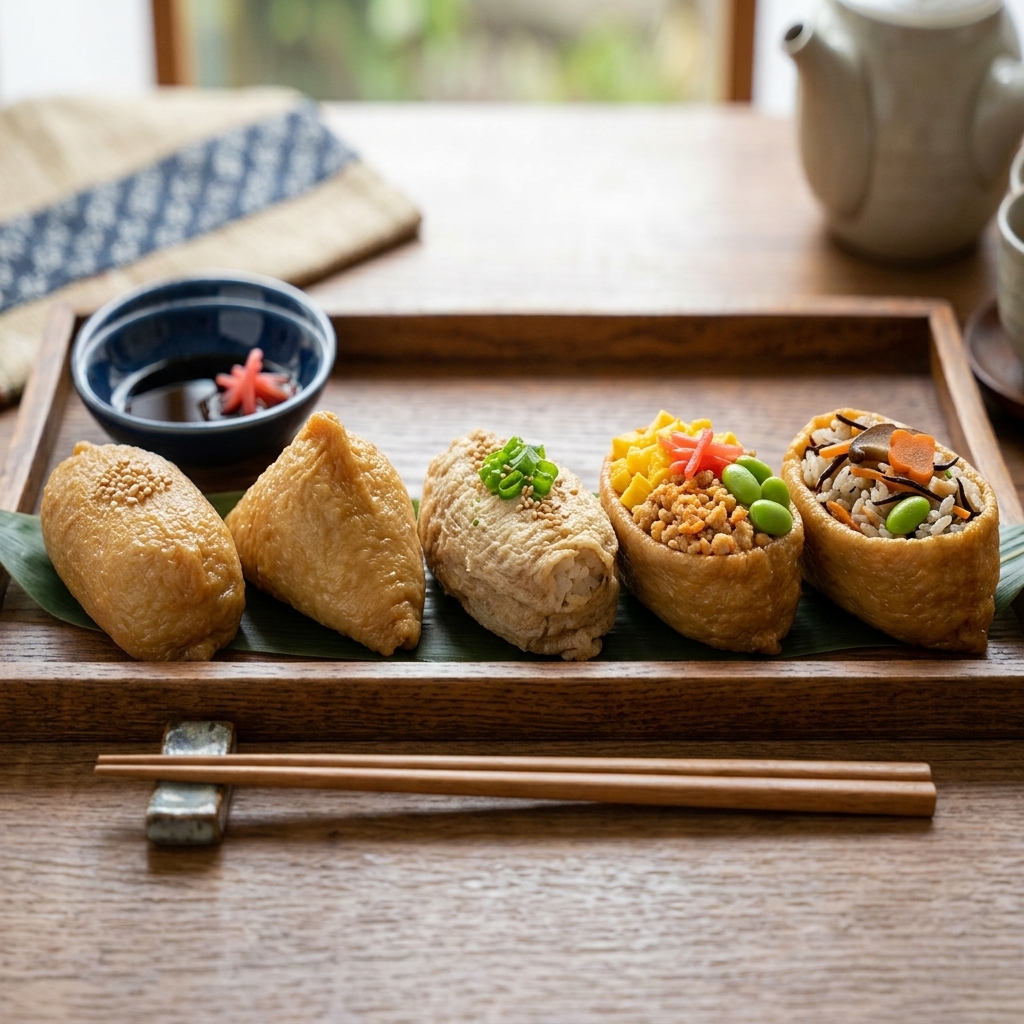
Inari sushi varies greatly depending on the region and the household. Some use lightly torched tofu pouches, shape them into triangles resembling a fox’s ears, or mix ingredients such as wasabi, shiitake mushrooms, carrots, and sesame seeds into the rice.
Recently, “topped inari sushi” adorned with various garnishes has also gained popularity. Commonly used toppings include:
- Kinshi-tamago (shredded thin omelet)
- Boiled salted shrimp, green beans, or spinach
- Tori-soboro (minced chicken simmered sweet and savory in soy sauce)
- Vinegar-marinated lotus root (renkon)
- Sashimi
- Sesame seeds
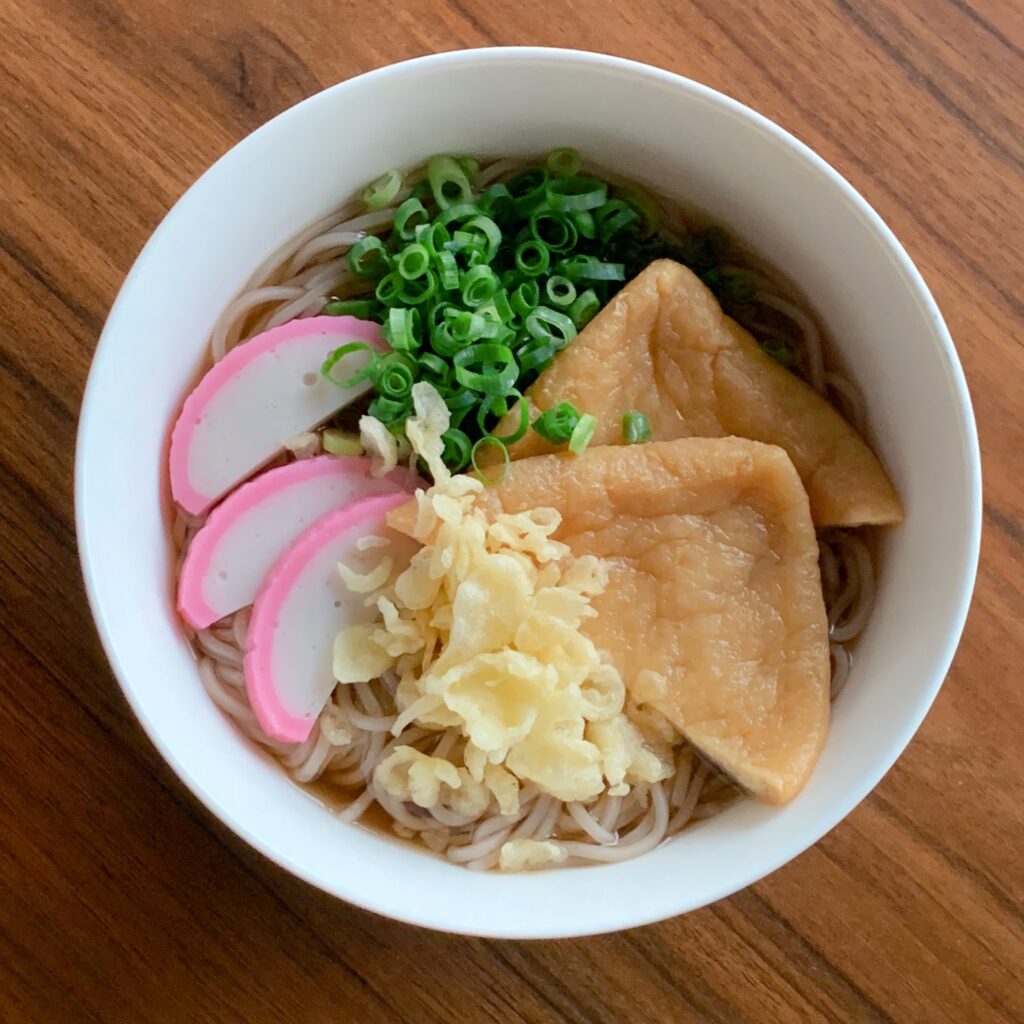
By the way, in Japan, foxes are called “Kitsune,” and deep-fried tofu is also sometimes called “kitsune.” Because of this, noodle dishes topped with deep-fried tofu are called “kitsune soba.” The leftover simmering liquid from boiling the tofu pouches can be combined with hot water and dashi stock to make the soup base (tsuyu) for soba noodles. Since deep-fried tofu freezes well, making a larger batch in advance is truly recommended.
[Pro Tip] The “Golden Ratio” of Sushi Vinegar That Makes Inari Sushi Taste Dramatically Better
The greatest secret ingredient that determines the deliciousness of inari sushi is the “golden ratio” of sushi-zu (seasoned vinegar).
While commercially bottled sushi vinegar is convenient, mixing your own allows you to adjust the sweetness and acidity to your personal preference, bringing out the delicious flavor of the tofu pouches. Here is the golden ratio for 2 go of rice (approximately 660g after cooking) that will make your inari sushi taste phenomenal!
Sushi Vinegar Golden Ratio (for 2 go of rice / approx. 660g cooked)
- Rice vinegar: 45g
- Sugar: 18g
- Salt: 4g
Bonus Technique for Extra Deliciousness
- Microwave briefly: Place the combined seasonings (vinegar, sugar, and salt) into a heat-resistant container and microwave for about 20 to 30 seconds. This helps the sugar dissolve smoothly and takes the sharp, biting edge off the vinegar for a much milder taste.
- Drizzle over warm rice: Pour the sushi vinegar mixture over freshly cooked, warm rice (approx. 660g). While fanning the rice to cool it down quickly, use a rice paddle in a slicing motion to mix it in thoroughly. This gives the rice a beautiful sheen and results in exceptional sushi rice even after it cools.
The combination of sweet, juicy simmered tofu pouches and refreshing sushi rice made with this exquisite golden ratio creates a deliciousness that makes you want to eat as many as you can!
Ingredients (Makes 16 pieces)
Basic Inari Sushi
- Deep-fried tofu pouches (Aburaage): 8 sheets (13g x 8)
- ★ Soy sauce: 26g
- ★ Sugar: 36g
- ★ Mirin: 15g
- ★ Water: 100g
Sushi Rice (Sumeshi)
- Freshly cooked rice (warm): 660g
- ☆ Rice vinegar: 45g
- ☆ Sugar: 18g
- ☆ Salt: 4g
Instructions
- Boil the deep-fried tofu pouches in boiling water for a few minutes (oil removal / aburanuki).
- Place the fried tofu in a colander to cool, then gently squeeze it by hand to drain excess liquid. This step is crucial; skipping it will cause uneven coloring in the simmered fried tofu (kitsune).
- Place the soy sauce, sugar, mirin, water, and tofu pouches into a pot and simmer over medium heat.
- When the liquid has reduced to about one-third (just enough to flow slightly when you tilt the pan), arrange the fried tofu in a single layer on a flat tray or baking sheet.
- Pour the remaining cooking liquid evenly over the top of the tofu pouches.
- Cover the tray with plastic wrap and let it sit for a few hours to allow the flavors to fully absorb. (Tip: If you make a batch of these to store in advance here, you can make delicious inari sushi at any time!)
- Place the vinegar, sugar, and salt into a heat-resistant container and microwave for 20 to 30 seconds. This dissolves the sugar and softens the sharp acidity of the vinegar. The resulting liquid is called sushi-zu.
- Drizzle the sushi vinegar over the warm rice and mix thoroughly using a slicing motion.
- Lightly press the tofu pouches from the top and bottom to squeeze out excess moisture, then cut them in half. Tip: Do not squeeze them completely dry; keeping them slightly moist is best.
- Open up each pocket-shaped tofu pouch and stuff it with the seasoned sushi rice.
- Tip: When stuffing the sushi rice, first push a small amount of rice firmly into the four “corners” of the pouch, then add about a spoonful of rice at a time. Be careful not to pack the rice in too tightly, as this can make the rice mashy and pasty. (Each piece should contain roughly 40g of rice as a general guideline.)
NUTRITION FACTS
【Estimated Nutritional Values (Total for 16 Pieces)】
- Calories: Approx. 1327 kcal
- Protein: Approx. 31.8 g
- Fat: Approx. 47.9 g
- Carbohydrates (Carbs & Dietary Fiber): Approx. 190.2 g
- Salt Equivalent: Approx. 7.9 g
【Nutritional Values per Inari Sushi (Divided into 16 Portions)】
- Calories: Approx. 83 kcal
- Protein: Approx. 2.0 g
- Fat: Approx. 3.0 g
- Carbohydrates: Approx. 11.9 g
- Salt Equivalent: Approx. 0.5 g
※The nutritional value is calculated assuming you consume 2/3 of the seasoning used to simmer aburaage.


コメント