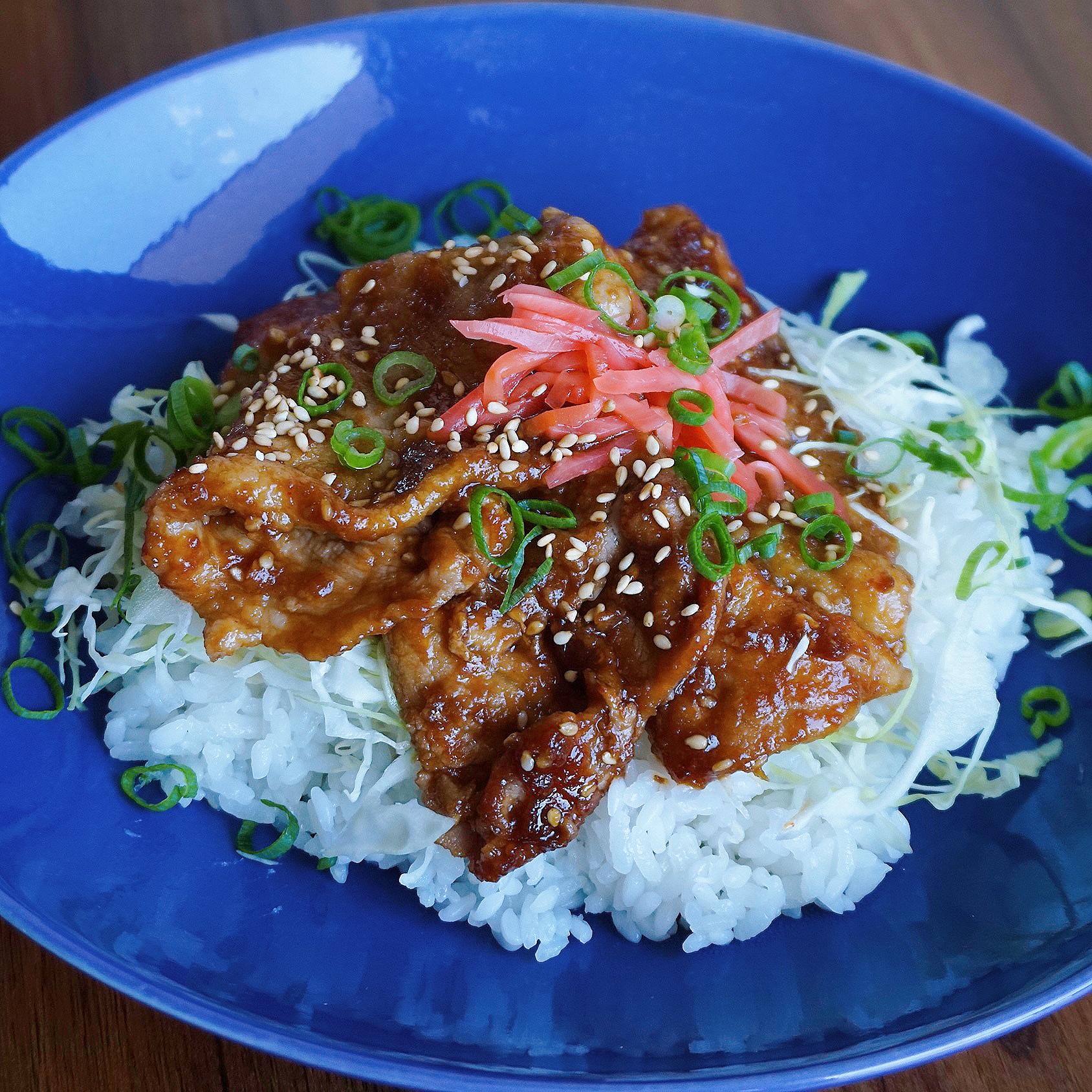
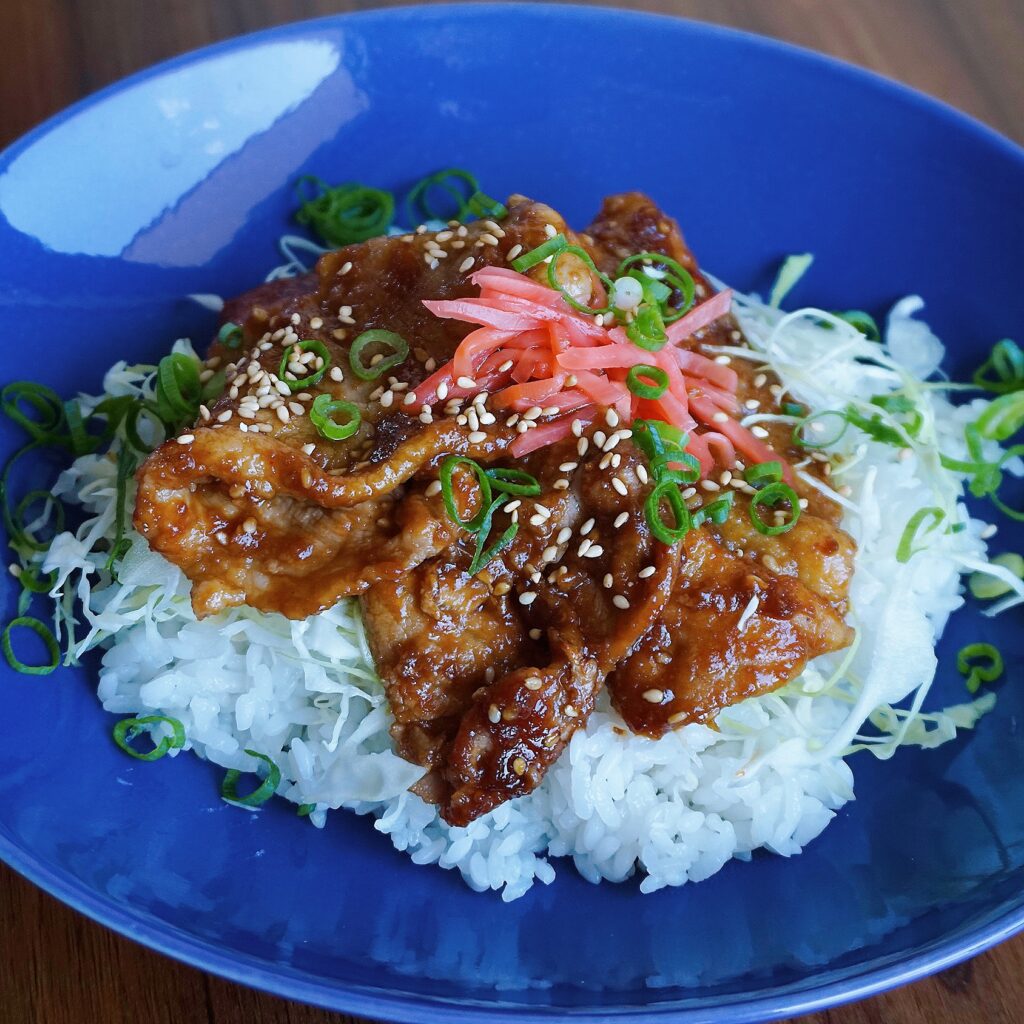
The Soul of Japanese BBQ: A Guide to Yakiniku & Homemade Tare
If you think BBQ is only about smoky pits and thick rubs, let us introduce you to Yakiniku.
In Japan, Yakiniku (literally “grilled meat”) is a social event. Unlike Western BBQ, where a pitmaster might cook large cuts of meat for hours, Yakiniku involves grilling bite-sized pieces of high-quality beef, pork, or offal over high heat—usually right at your table!
The Secret is in the “Tare”
The most important element of any Yakiniku experience is the Tare (tah-reh). This is a soy-based dipping sauce that balances sweet, salty, and umami flavors. While some meat is marinated beforehand (called momi-dare), the classic way is to dip the hot, sizzling meat into a chilled sauce (tsuke-dare) just before eating. This keeps the meat juicy and the flavors bright.
Know Your Cuts
When you visit a Yakiniku restaurant, the menu can be overwhelming. Here’s a quick cheat sheet to the most popular cuts:
- Karubi (Short Rib): The king of Yakiniku. It’s fatty, tender, and melts in your mouth.
- Loin (Rosu): Leaner than Karubi but incredibly silky and sweet.
- Tongue (Tan): Usually served thin with salt and lemon. It has a unique, snappy texture.
- Harami (Skirt Steak): Technically offal (the diaphragm), but it tastes like rich, tender steak.
- Horumon (Offal): Includes Mino (stomach) and Marucho (intestines). These are loved for their chewy texture and deep flavor.
Note on Sirloin: While often called “chicken” in some translations, in the context of beef, Sirloin refers to the premium back cut known for its beautiful marbling and tenderness.
Recipe: Homemade Yakiniku no Tare
Makes 12 servings – Perfect for a home party!
This homemade version is fresher and more vibrant than store-bought bottles, thanks to the addition of fresh fruits like apple and pineapple which help tenderize the meat.
Ingredients
- Fruits & Aromatics: Apple (30g), Canned Pineapple (30g), Garlic (10g), Ginger (10g)
- The Base: Soy Sauce (80g), Sugar (30g), Sake (30g)
- The Spice: Gochujang / Korean Chili Paste (10g), Doubanjiang / Spicy Bean Paste (10g)
- The Finish: Roasted White Sesame Seeds (5g), Sesame Oil (5g)
Instructions
- Prep the Fruit: Peel and de-seed the apple.
- Blend: Place the apple, pineapple, garlic, ginger, soy sauce, sugar, sake, gochujang, and doubanjiang into a food processor. Blend until smooth.
- Simmer: Pour the mixture into a saucepan. Bring it to a boil over medium heat, then immediately turn off the heat. This “mellows” the raw garlic and alcohol.
- Finish: Stir in the sesame seeds and sesame oil.
- Cool & Store: Once cooled, transfer to a clean jar. It tastes even better after sitting in the fridge for a day!
Quick Tip: If you are using this as a stir-fry sauce to cook meat in a pan immediately, you can skip the boiling step and just mix the ingredients!
Creative Ways to Use Your Sauce (Recipe Ideas)
Don’t stop at just dipping! This Yakiniku sauce is a “flavor bomb” that can transform leftovers and simple ingredients into gourmet meals.
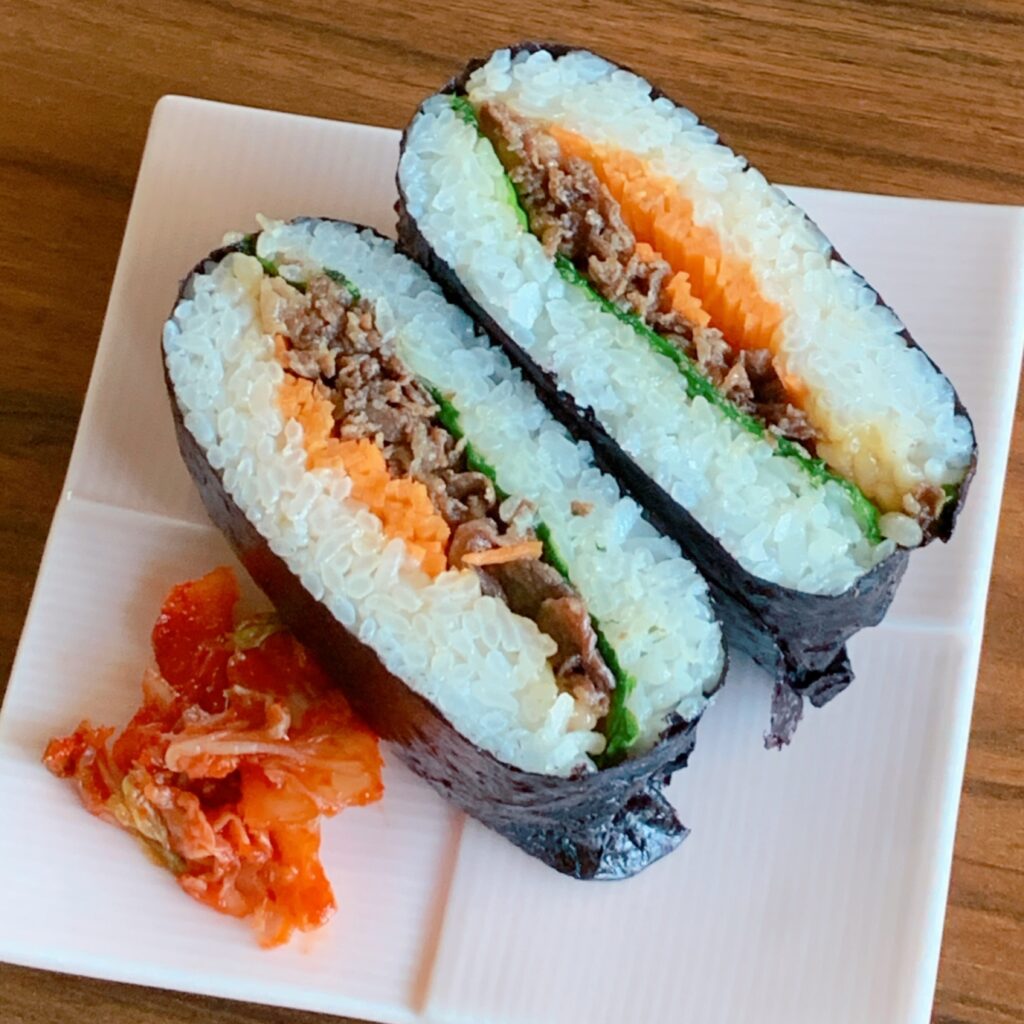
- 1.Beef yakiniku onigirazu (Rice Balls)
- A trendy, “no-mold” rice ball stuffed with grilled beef and a generous drizzle of tare. It’s the perfect portable lunch that keeps the savory flavors of a Yakiniku restaurant tucked neatly inside a layer of seaweed.
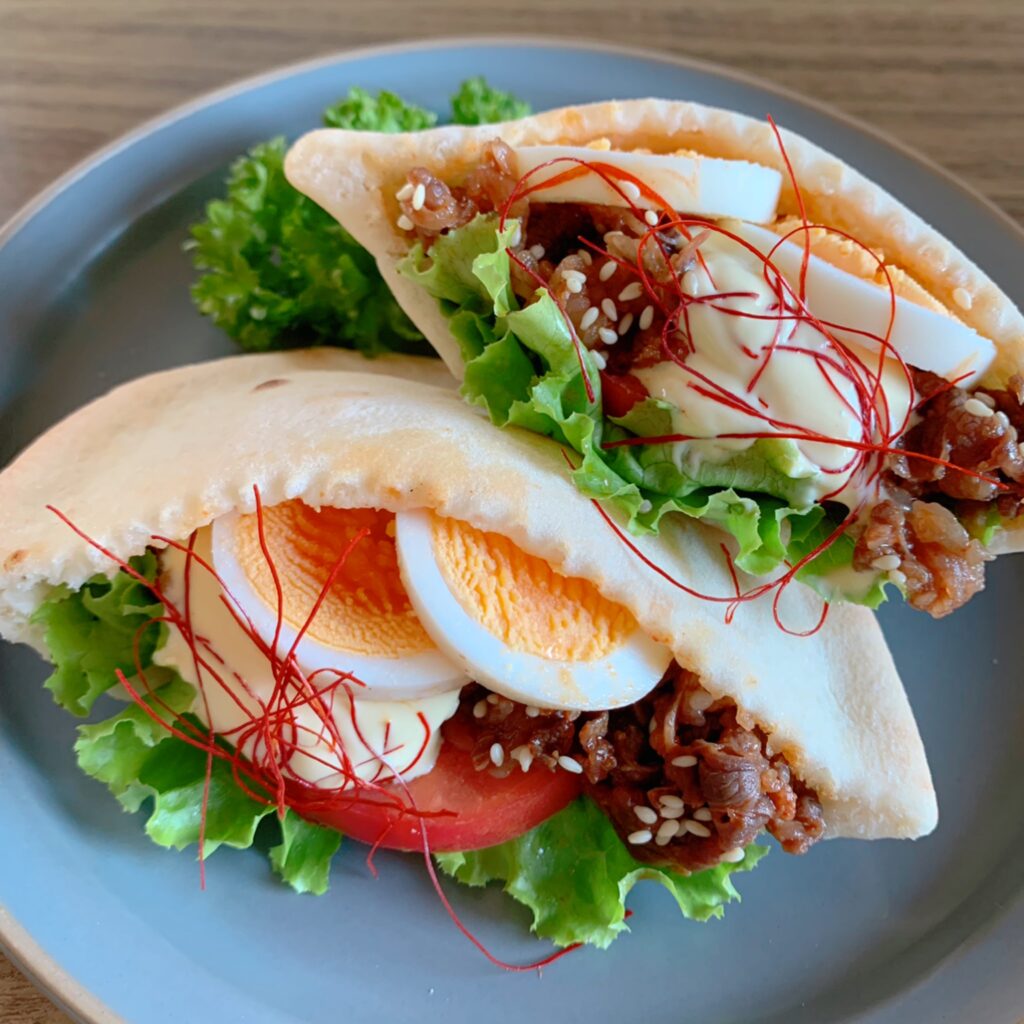
- 2. Pita Bread with Yakiniku (Grilled Beef)
- Give your lunch a global twist! Stuff pita bread with stir-fried pork and onions coated in the thick, sweet-and-savory sauce. The bread soaks up the juices, making every bite incredibly satisfying.
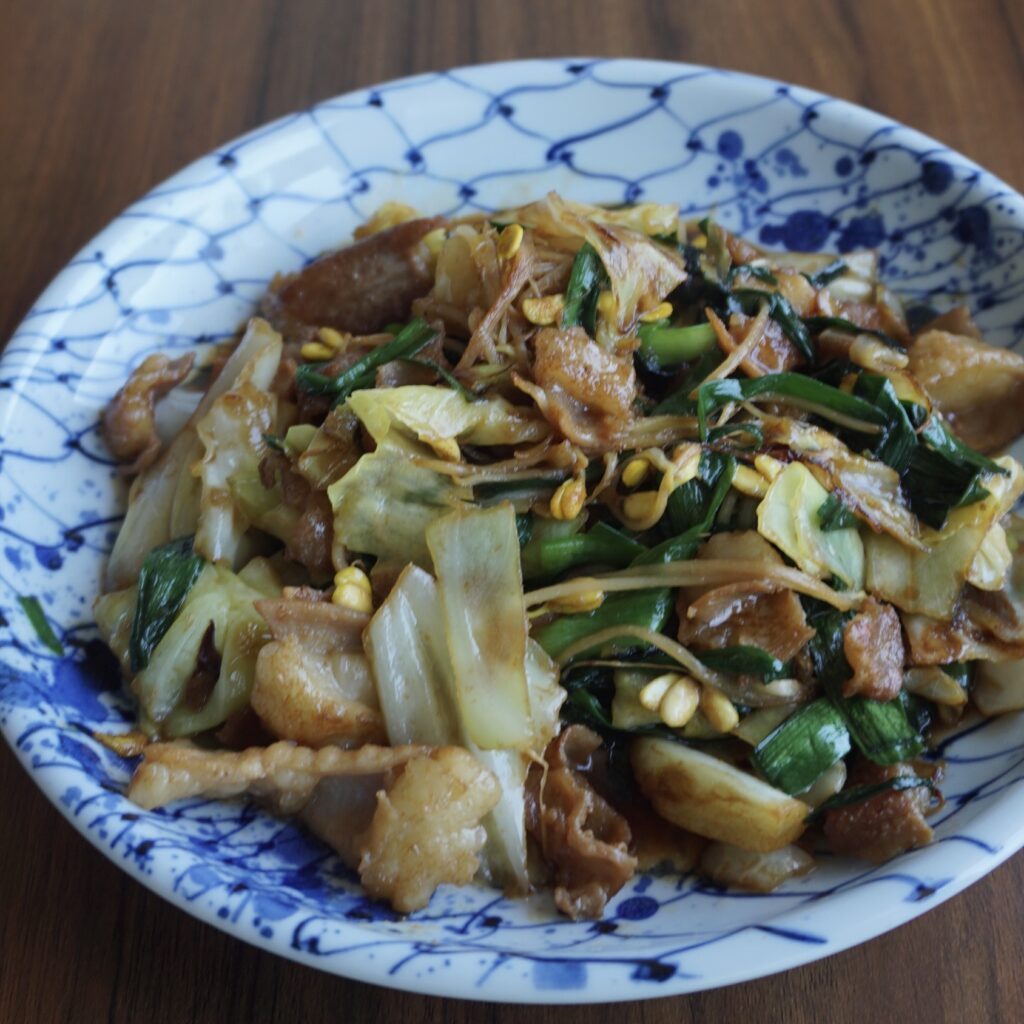
- 3. Horumonyaki (Beef Offal Yakiniku sauce)
- In Japan, we cherish the spirit of “Mottainai”—a philosophy of “too good to waste.” This dish is the perfect example. Horumonyaki uses flavor-rich beef offal (parts that were once discarded) and transforms them into a delicacy.
- The Magic: When tossed with our homemade Yakiniku sauce, the chewy texture of the meat and the crunchy vegetables create a harmony of flavors that is second to none. It’s sustainable, nutritious, and undeniably delicious!
- The Dish: Sizzling offal stir-fried with plenty of cabbage and bean sprouts.
Nutrition Facts (Per Batch):
- Calories: 362 kcal
- Protein: 8.9g
- Fat: 8.3g
- Carbs: 58.3g
- Sodium: 14.1g
📖Read the Japanese version of this article here! [市販品を超えた!果物たっぷりの本格自家製「焼肉のたれ」黄金レシピ]

コメント