🍡 Mochi vs. Dango
1. Traditional Japanese Sweets: Mochi and Dango
There are many traditional Japanese sweets made from rice, with mochi and dango being the most representative.
While they are often confused, there is a clear distinction between them in terms of production methods and roles.
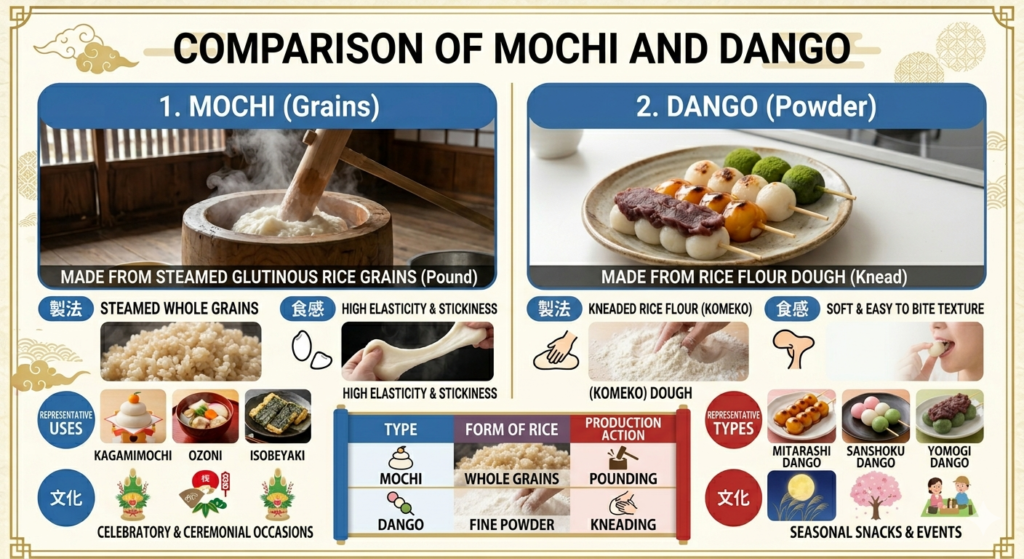
The biggest difference is whether the rice is used as “whole grains” or “ground into powder.”
- Mochi: Made by steaming whole grains of glutinous rice (mochigome), pounding them with a mortar and pestle to create a sticky texture, and then shaping them.
- Dango: Made by mixing water (or hot water) into rice flour (komeko) to form a dough, which is then rolled into balls and steamed or boiled.
2. Classification of Rice Flour (Komeko)
The raw material for dango, rice flour (komeko), is categorized based on two main factors:
- The state of the rice before milling: Whether it is raw (unheated / β-type) or pre-cooked (heated / α-type).
- The type of rice used: Non-glutinous rice (uruchimai) or glutinous rice (mochigome).
Below is the classification table and diagram reference for the various types of rice flour.
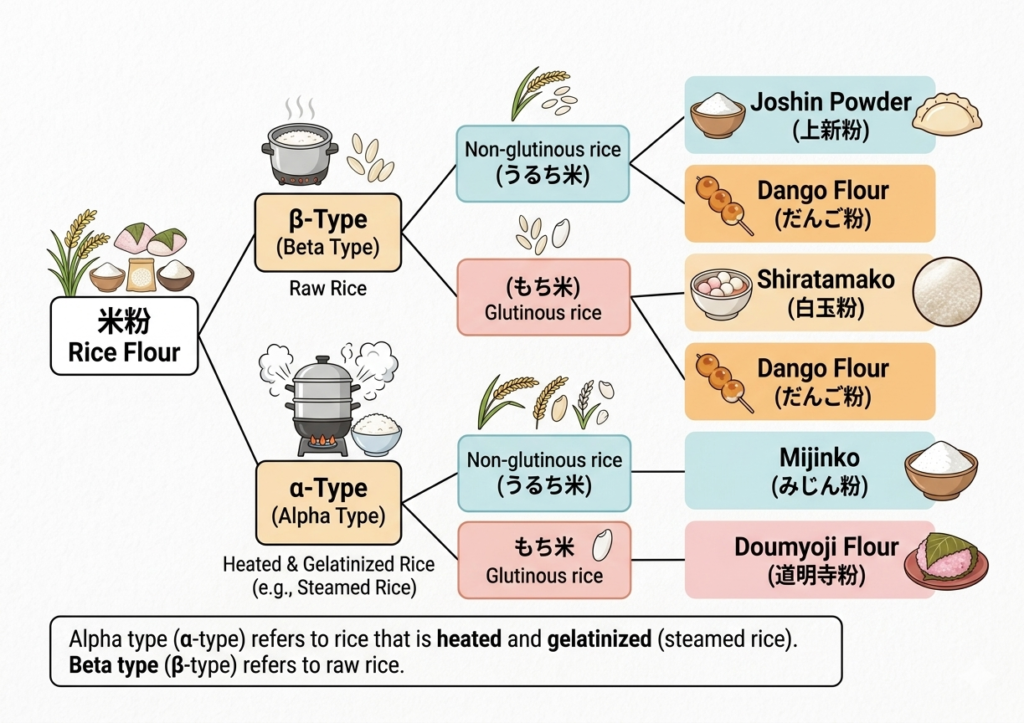
Main types and characteristics of Rice flour
| Flour Type | Rice Base | Texture & Characteristics |
|---|---|---|
| Shiratamako | Glutinous (Mochi gome, β-type) | Very smooth, elastic, and stays soft even when chilled. Made by wet-milling. |
| Joshinko | Non-glutinous (Uruchimai, β-type) | Firm texture with a slight “bite.” Common in traditional Wagashi. |
| Dangoko | Glutinous (Mochi gome, β-type), Non-glutinous(Uruchimai, β-type) | A balanced mix that provides both chewiness and structure. |
A Comparison of Texture
You can clearly tell the difference when you take a bite!
| Type | Characteristics | Texture Texture Image |
| Mochi | Extremely sticky with an incredible stretch. | “Chewy & Stretchy” |
| Dango | Denser than mochi with a clean “snap” when bitten. | “Firm & Springy” (Similar to Italian Gnocchi) |
“Mochitsuki”: A Sacred Ritual
Mochitsuki (mochi-pounding) is a traditional event historically essential for New Year’s and other celebratory occasions, carrying deep spiritual meaning:
- Gratitude to the Gods: A sacred ritual to offer thanks to the deities on celebratory days like the New Year.
- Source of Vitality: It has long been believed that eating freshly made mochi grants a person new life-force and strength for the coming year.
- A Symbol of Unity: Because it requires heavy physical labor and cooperation, it is a vital community event that deepens bonds between family and neighbors, fostering a spirit of gratitude.
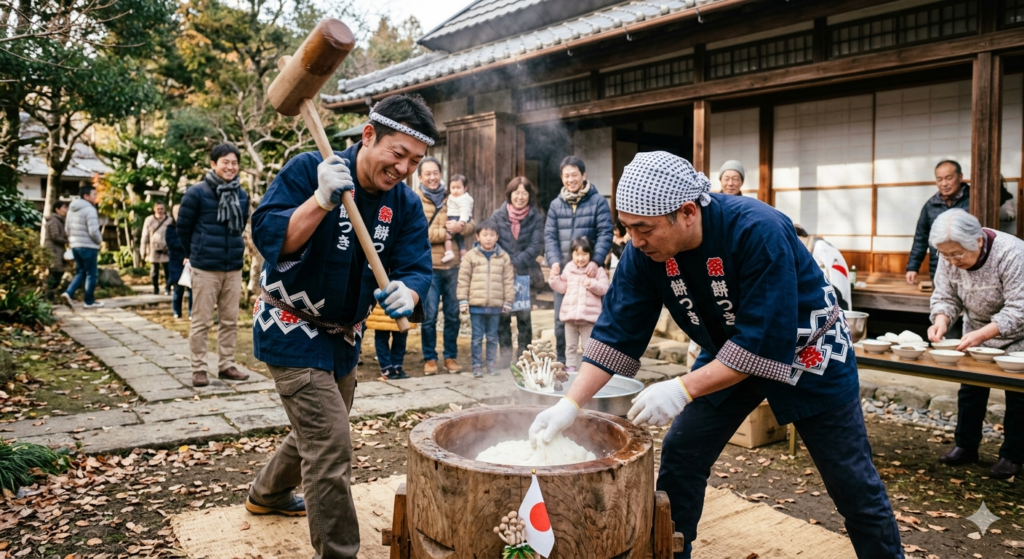
Modern Times: Nowadays, it is rare to make mochi from scratch at home. Most people purchase “Kiri-mochi”—pre-shaped mochi that has been heated and dried for convenience.
✨ Summary
- Mochi is a “special occasion food” (Hare-no-hi) used to celebrate and strengthen communal bonds.
- Dango is a “casual traditional sweet” loved as an everyday snack.
Both are beautiful examples of Japan’s rich food culture. The next time you have a chance to try them, be sure to notice the unique difference between the “stretch” of mochi and the “bounce” of dango!
🥢 Featured Recipes & Ideas
Beyond the traditional sweets, rice flour is a versatile pantry staple for modern cooking.
Sweet Treats
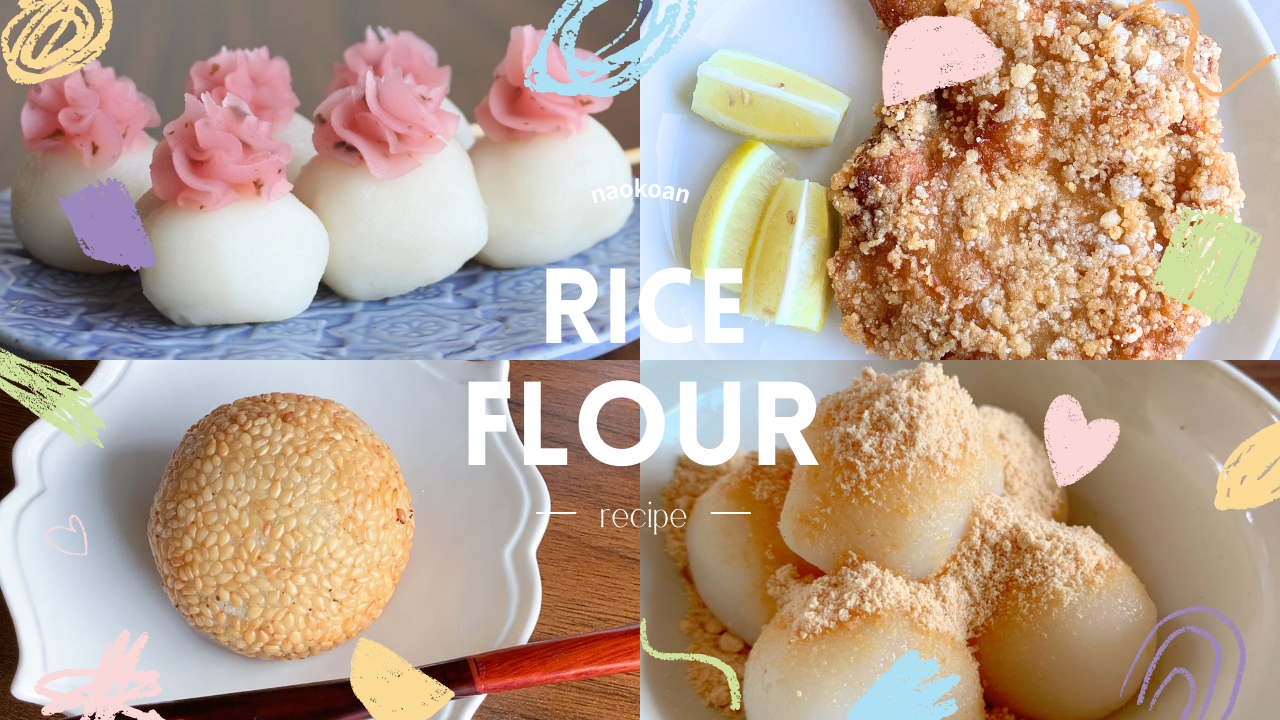
- Kinako Shiratama Dango: Soft dumplings dusted with toasted soybean flour. A timeless Japanese snack.
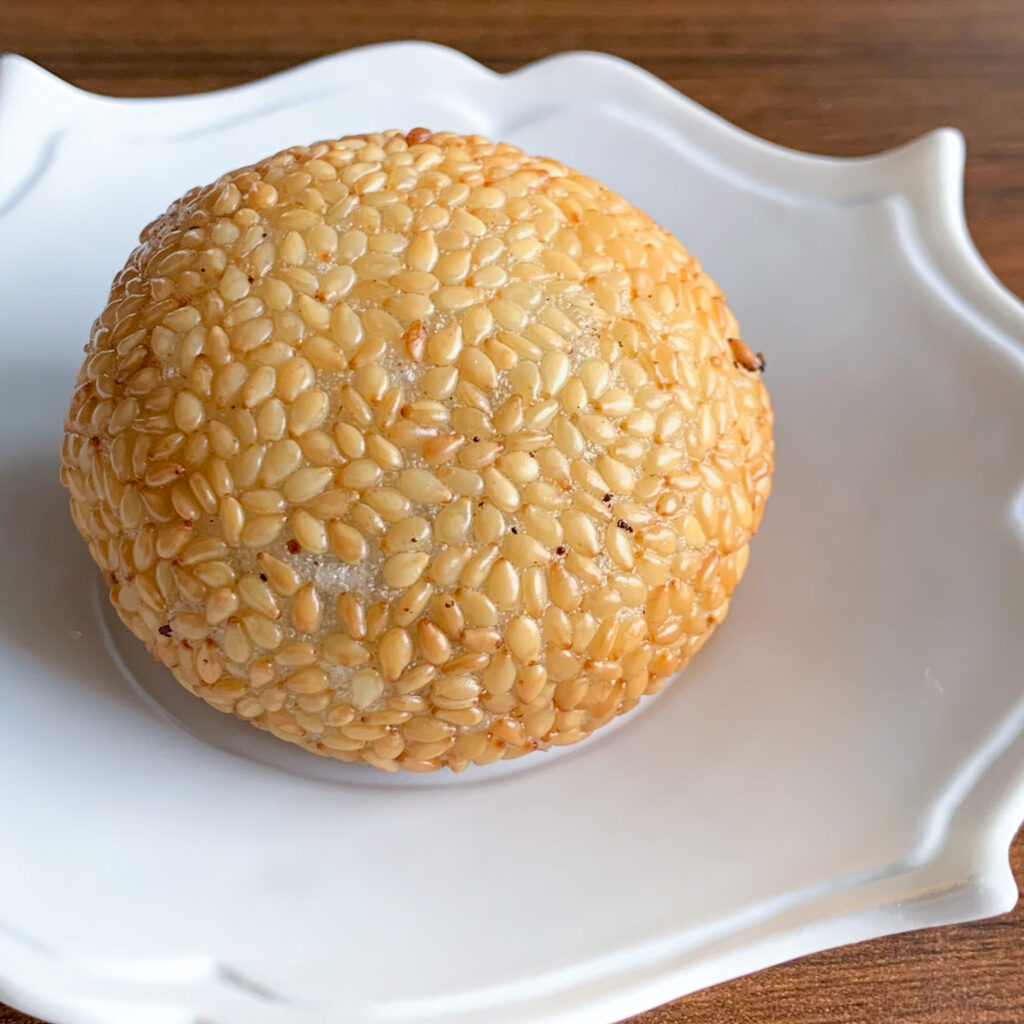
- Goma Dango: Fried sesame balls with a savory aroma and sweet filling.
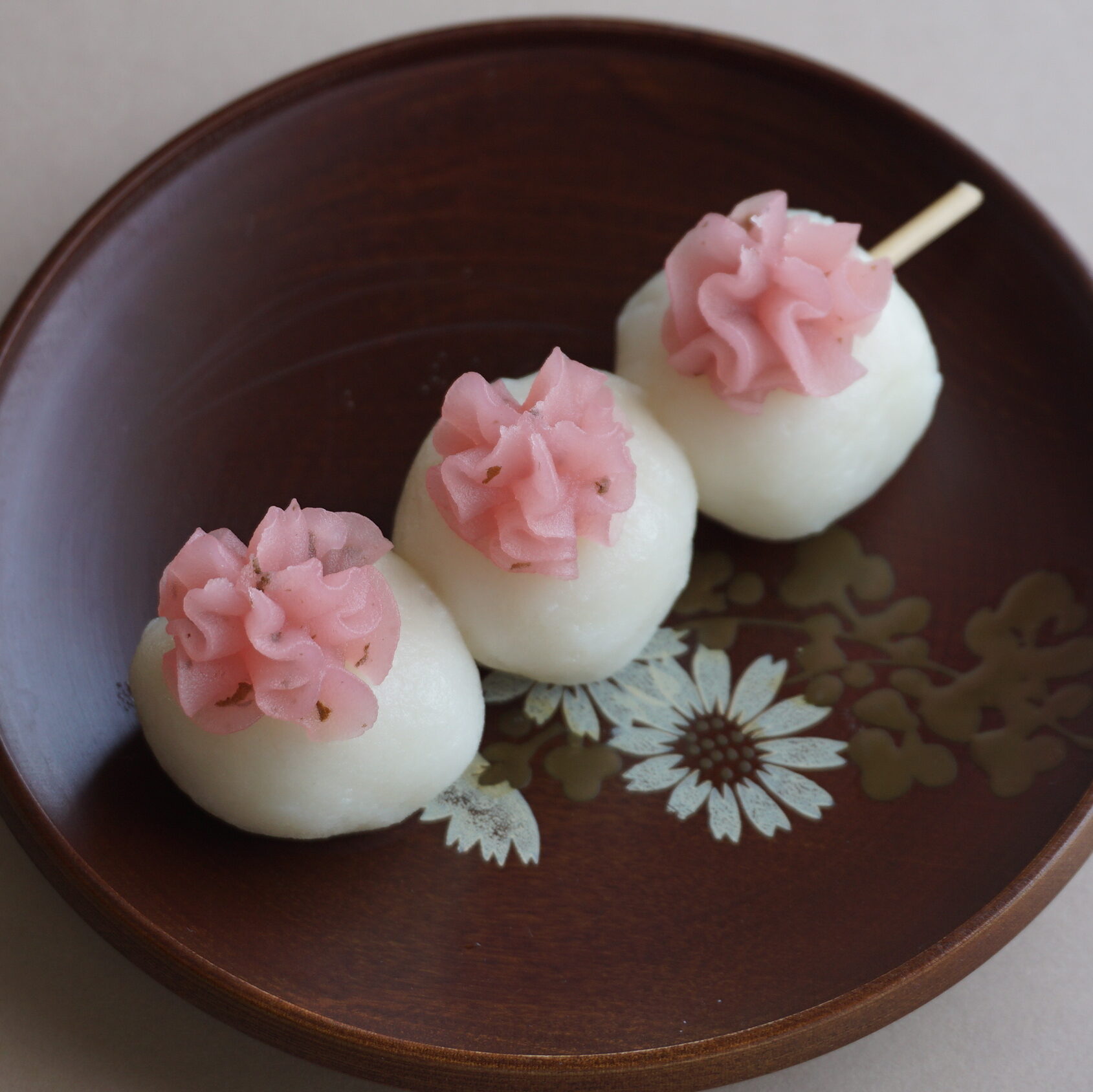
- Dango with Sakura an (Sweet dumplings): Pink-hued dumplings perfect for celebrating spring.

Savory Dishes
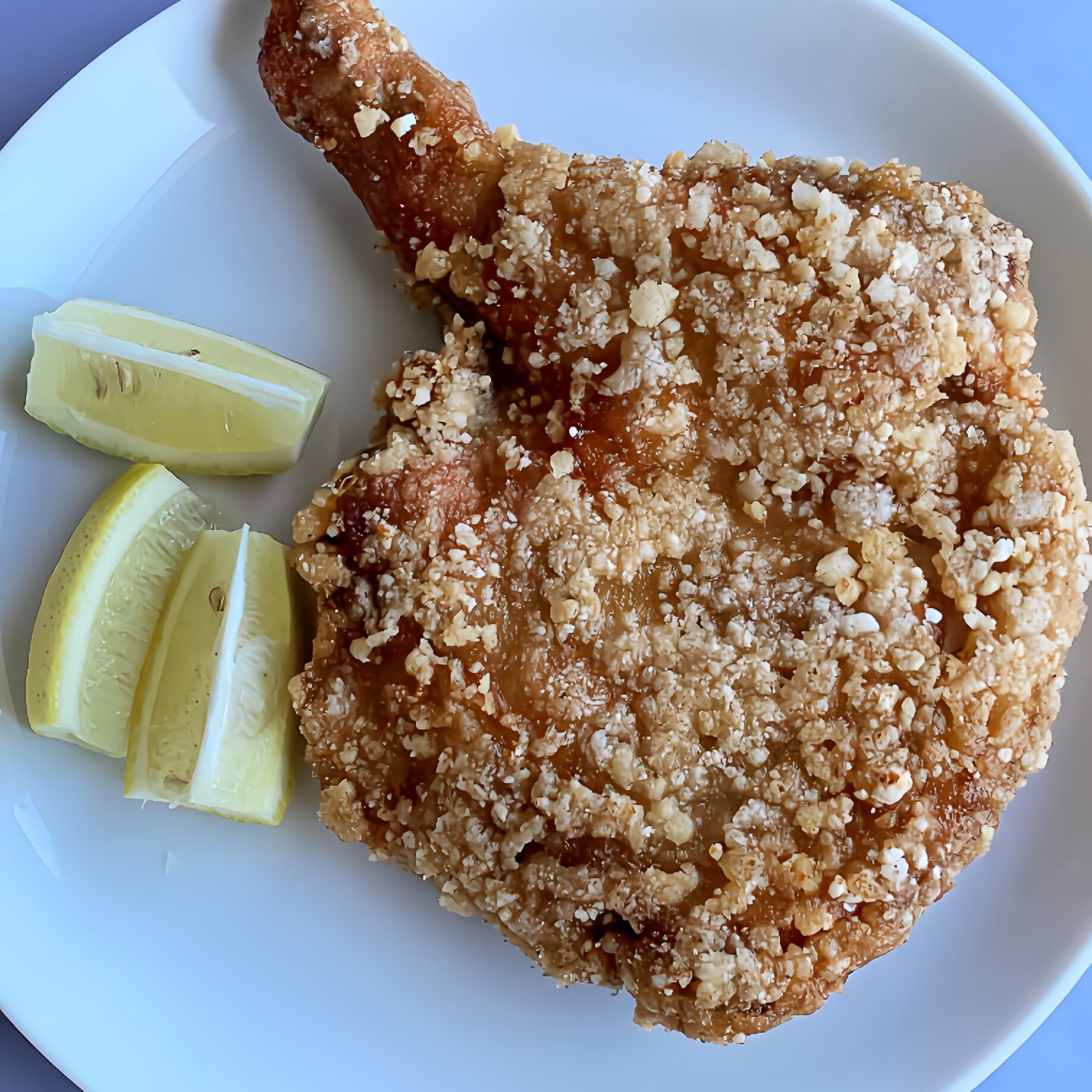
- Crispy Da Ji Pai (Taiwanese Fried Chicken): Use Shiratamako in the breading for a superior, non-greasy crunch.
- Ozouni: A traditional New Year soup featuring toasted mochi in a savory broth.
- Cabbage Kimchi Chijimi (Korean Pancake): Not just for sweets! Use rice flour for the batter to make a gluten-free savory pancake that is crisp on the outside and chewy on the inside.

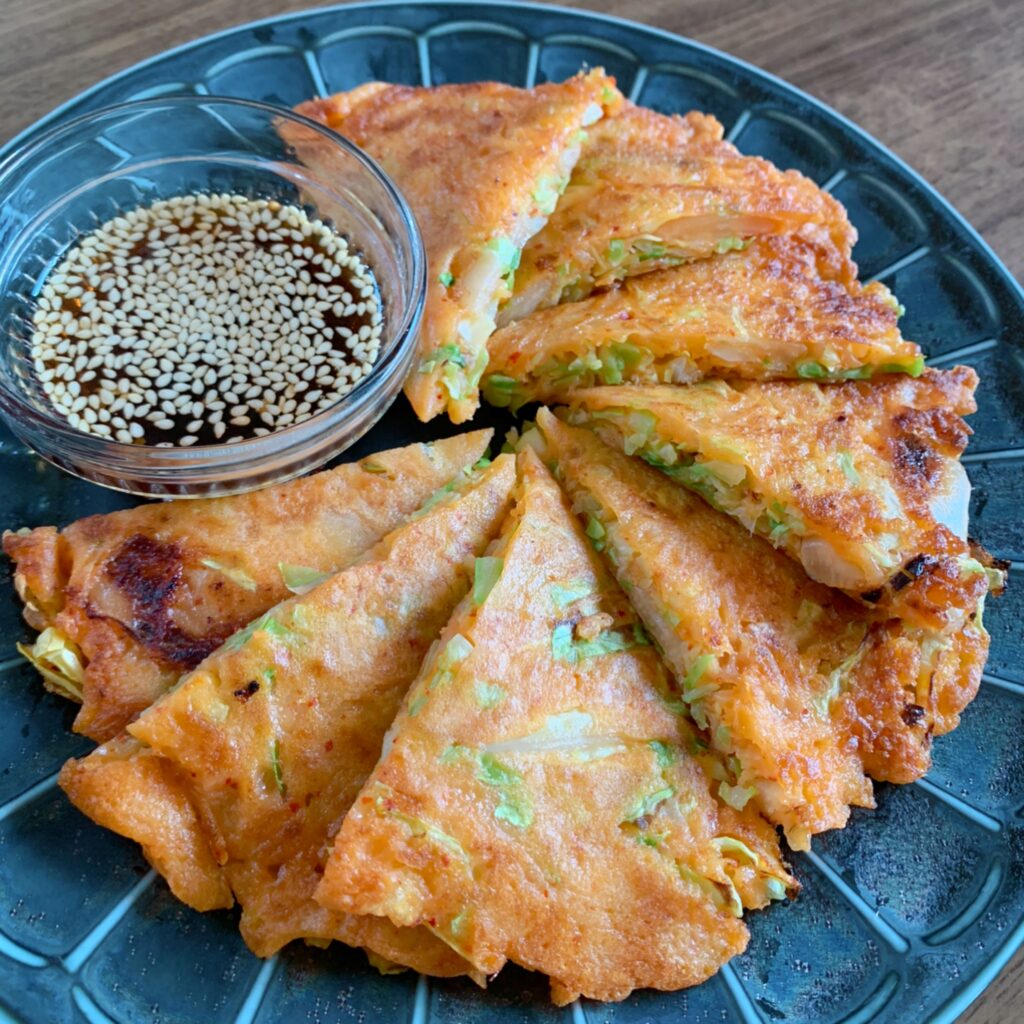
✨ Summary for Health-Conscious Cooks
If you are looking to reduce gluten in your diet, incorporating these flours into your daily meals—like the Kimchi Chijimi—is a delicious and natural way to do it.
👉 Next Step: Why not try swapping wheat flour for Shiratamako the next time you make fried chicken or savory pancakes? You might never go back!
📖Read the Japanese version of this article here! [お餅とだんごの違いを解説!米粉(Rice Flour)の種類と使い分けガイド]

コメント