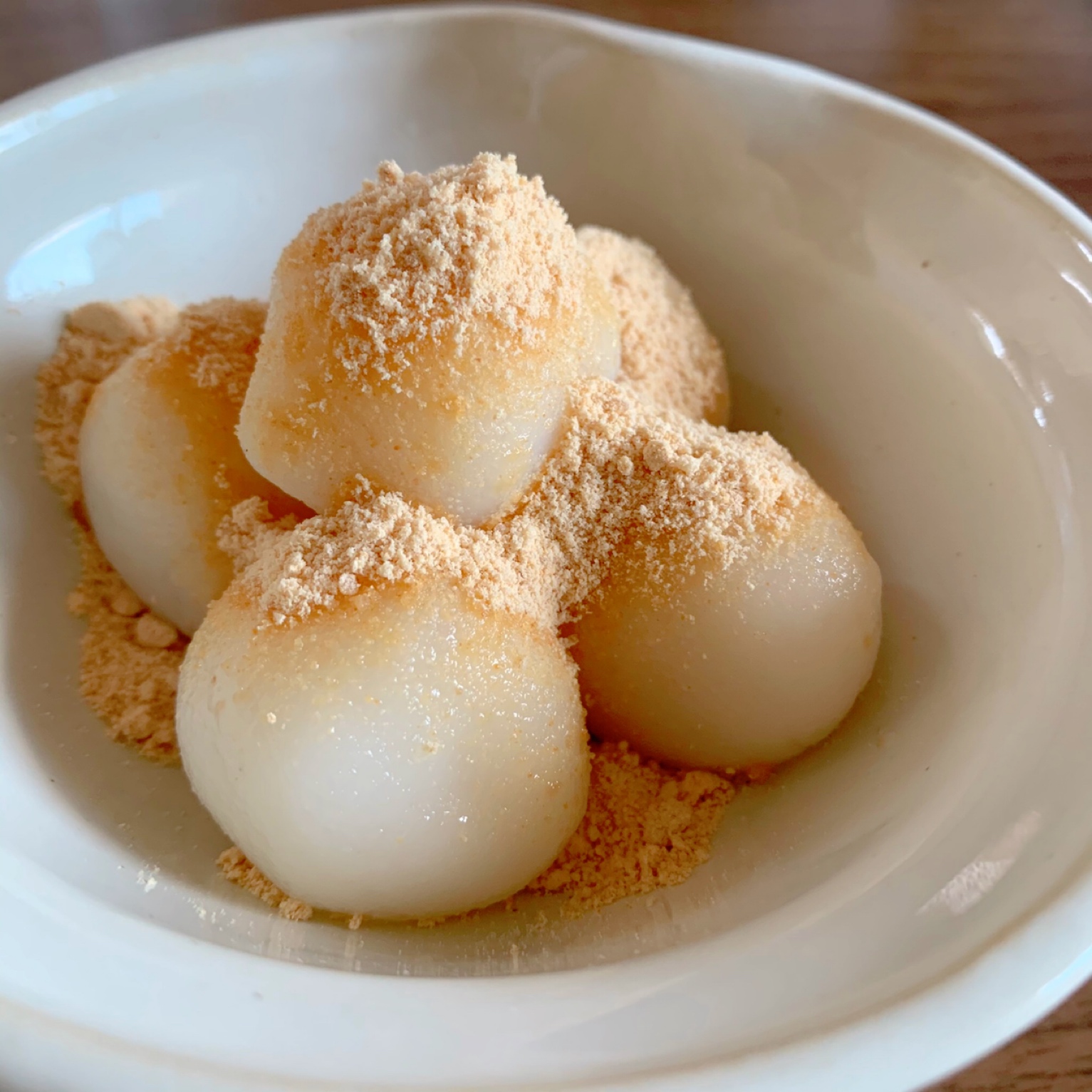

Mochi-Mochi Kinako Shiratama Dango (Japanese Rice Flour Dumplings)
Shiratama Dango is a beloved Japanese sweet enjoyed by all generations. It’s incredibly easy to make at home and can be served in many ways—from simple toppings to sweet soups.
The “Mochi” vs. “Dango” Guide
- Dango: Generally referred to as dumplings. They are made from rice flour (like Shiratamako or Dangoko) mixed with water.
- Mochi: Known as rice cakes. These are made by steaming and pounding glutinous rice (Mochi-gome).
- Texture: Both share the famous “Mochi-mochi” texture—a delightful combination of soft, chewy, and slightly sticky.
What is Kinako?
Kinako is roasted soybean flour. It has a warm, nutty aroma similar to roasted peanuts.
- Superfood: It’s a popular health food in Japan, packed with protein and minerals.
- Versatile: Beyond mochi, it’s delicious in cakes, cookies, lattes, or even sprinkled on yogurt and ice cream.
- Colors: While usually yellow (Kina = yellow, ko = powder), you can also find green versions made from edamame, called Uguisu-ko (named after the pale green bush warbler bird).
Ingredients (Serves 5)
| Category | Ingredients |
|---|---|
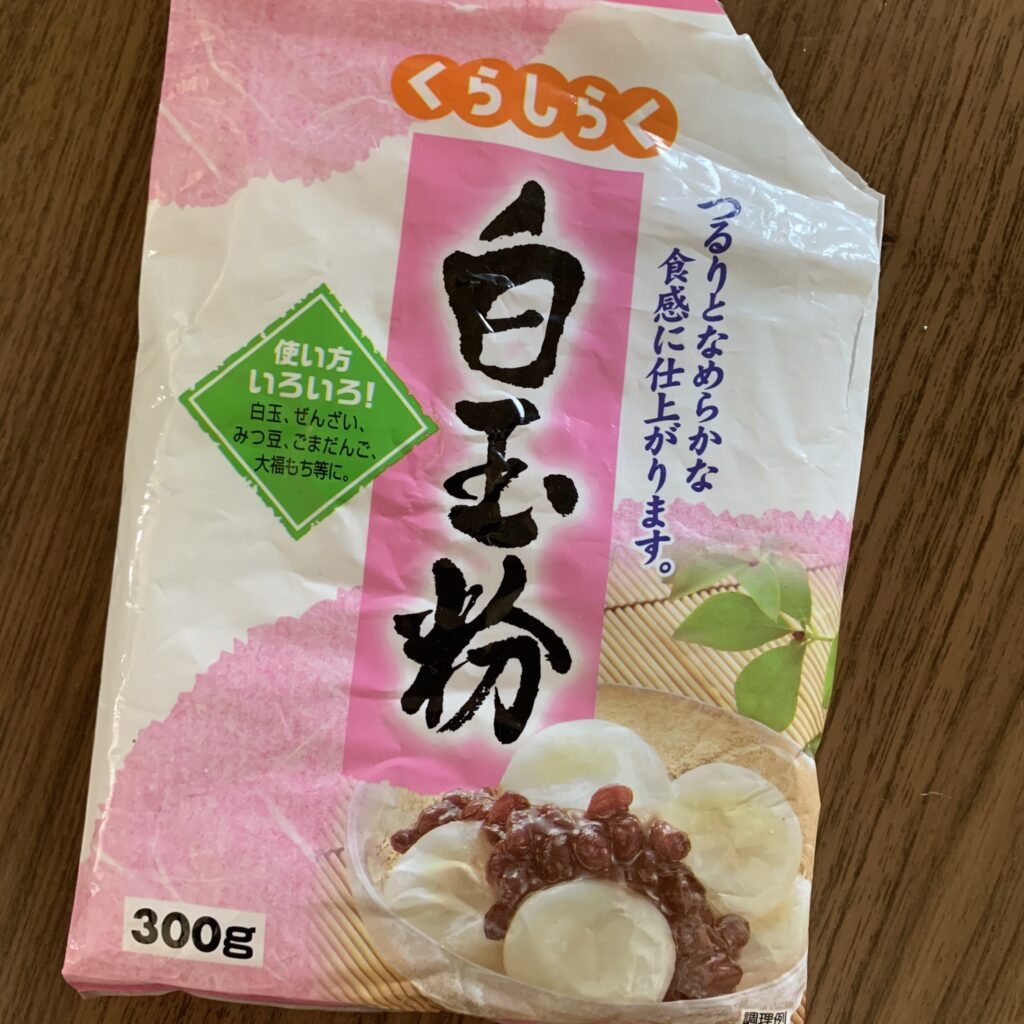
| Dumplings | Shiratamako (Glutinous rice flour): 200g Water: 160ml (Use approx. 80-90% of the flour weight) |
| Kinako Topping | Kinako (Soybean flour): 25g Sugar: 25g Salt: 1g (A pinch to enhance the sweetness!) |
Pro-Tip: Check out my detailed guide on Rice Flour Classification to learn more about the different types of Japanese rice flour!
Cooking Instructions

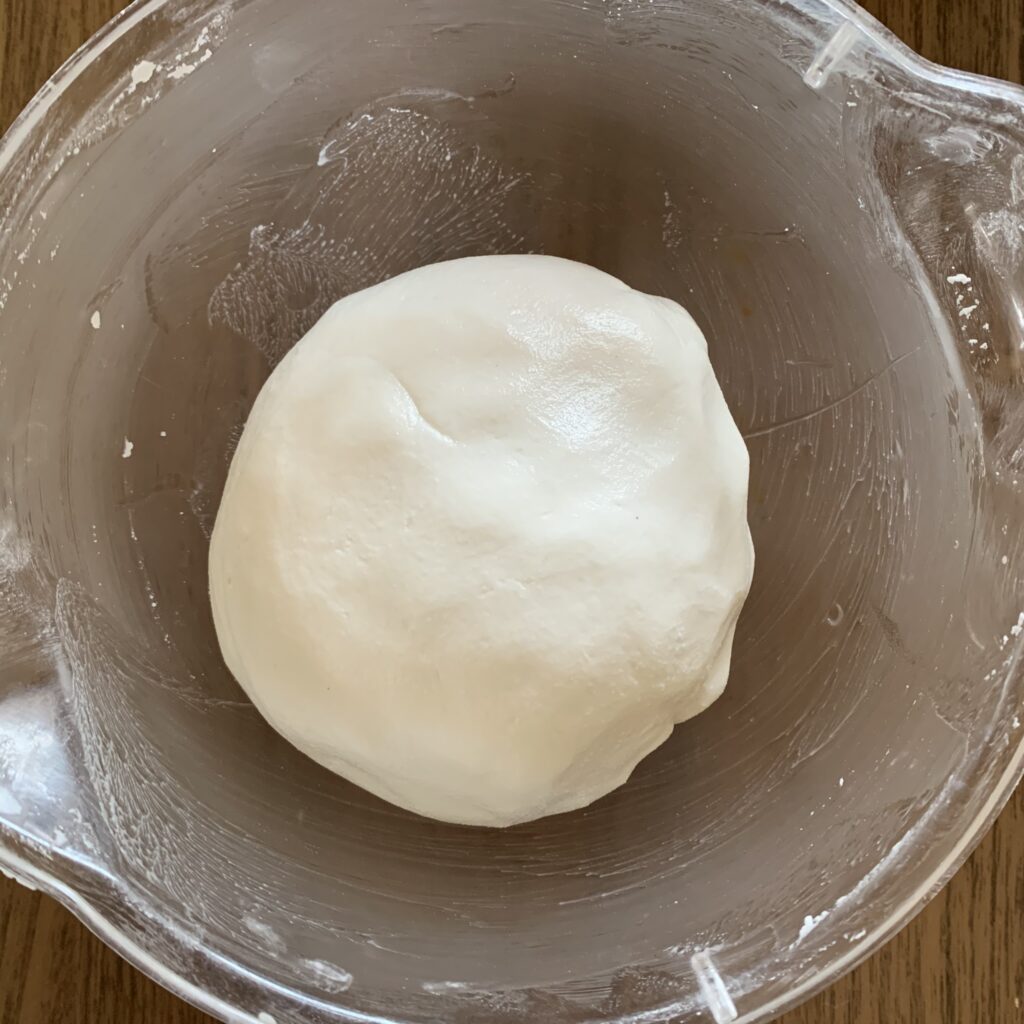
- Mix the Dough: Add water to the Shiratamako in three batches.
- Knead: Lightly knead after each addition of water.
- The “Earlobe” Rule: The dough is perfect when it reaches the softness of an earlobe. It should be pliable but slightly break when pressed firmly.
- Shape: Roll the dough into small balls (about 15g each). You should be able to make about 24 dumplings.
- Boil: Drop the balls into boiling water. Ensure they are heated through; otherwise, the center may remain powdery.
- Cool: Once the dumplings float to the surface, wait 1 minute, then scoop them out and immediately place them in a bowl of cold water.
- Coat: Mix the kinako, sugar, and salt. Drain the dumplings and sprinkle the mixture generously over them.
Tips for Success & Storage
- Sweet Science: Adding that tiny 1g of salt creates a synergistic effect, making the sugar taste even sweeter and more vibrant!
- Meal Prep: You can freeze boiled Shiratama Dango! They stay fresh in the freezer for about one month. Just thaw them when you need a quick treat.
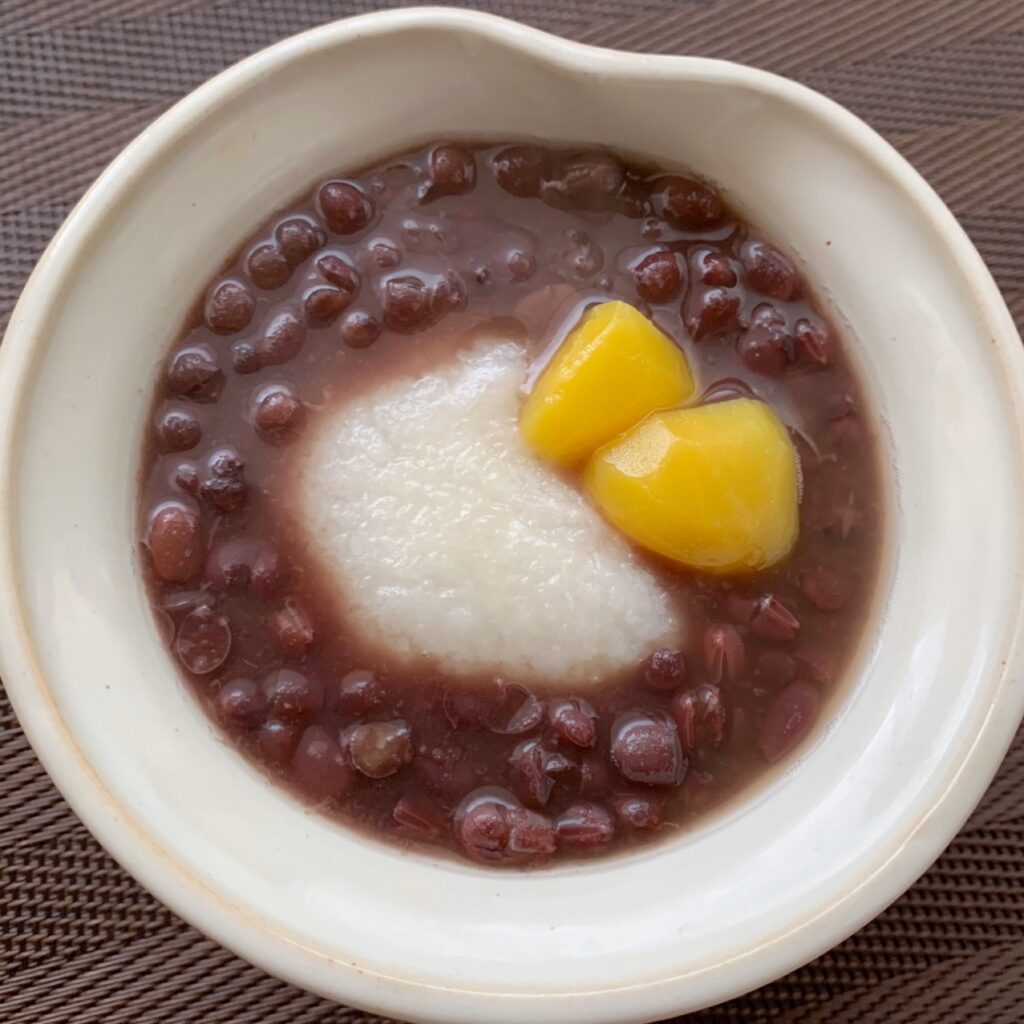
- Serving Ideas: Try them in a “Shiratama Zenzai” (sweet red bean soup) with a chestnut compote on top. For more on Zenzai, see my Authentic Oshiruko Recipe.
Nutrition Facts
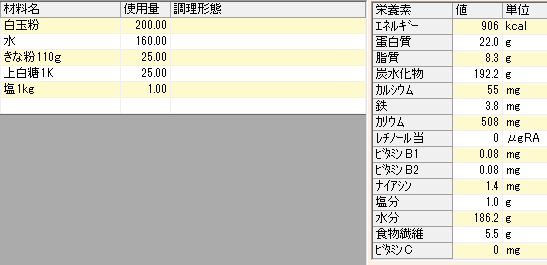
| Nutrient | Per Recipe / 5 Servings | Per Serving |
| Calories | 906 kcal | 181 kcal |
| Protein | 22.0 g | 4.4 g |
| Total Fat | 8.3 g | 1.7 g |
| Total Carbohydrates | 192.2 g | 38.4 g |
| Salt Equivalent | 1.0 g | 0.2 g |
Dietitian’s Note: > One serving provides about 181 kcal, making it a perfect light snack! Since Kinako is rich in plant-based protein and fiber, this traditional Japanese sweet is much more nutritious than typical sugary candies.
📖Read the Japanese version of this article here! [もちもちきな粉白玉団子:材料3つでできる簡単な和菓子レシピ]

コメント