
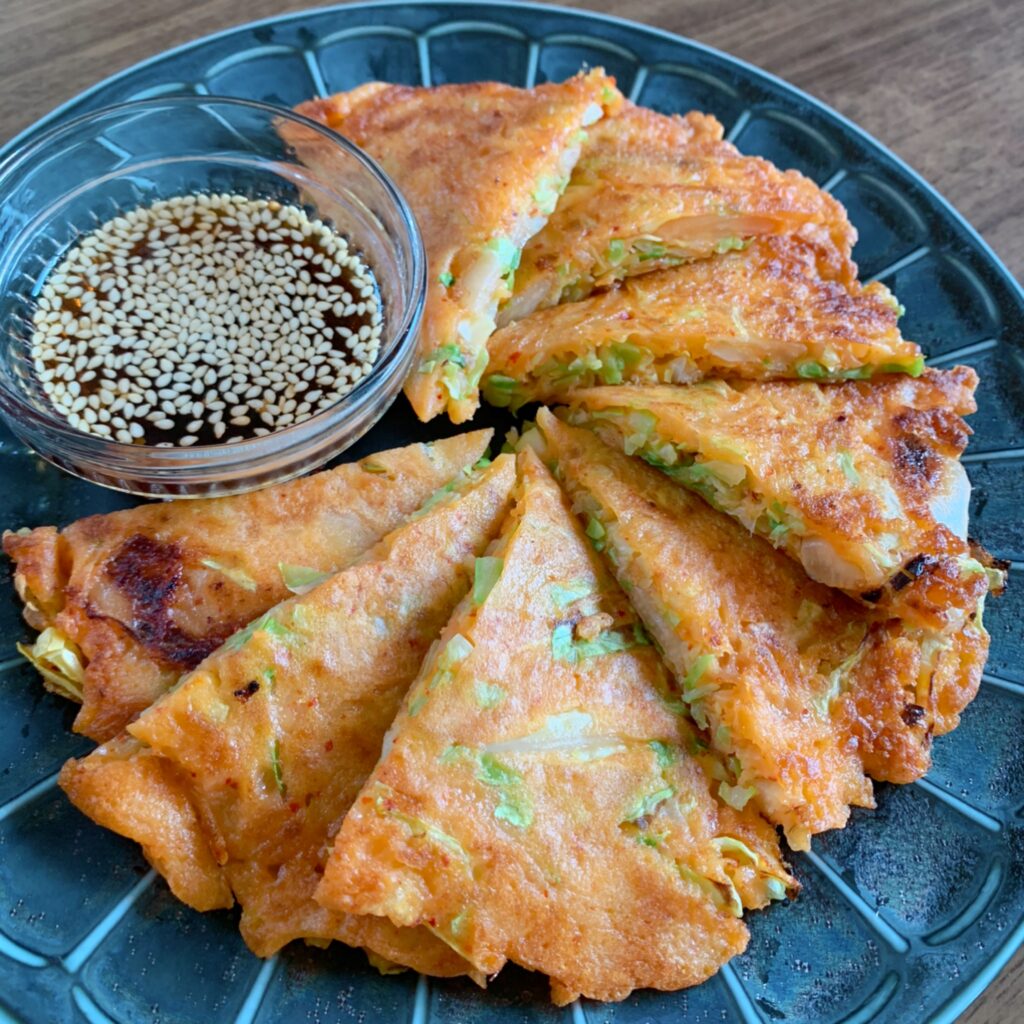
- Crispy & Chewy Cabbage and Kimchi Chijimi (Korean Pancake)
- What Is Chijimi?
- Why You’ll Love This Chijimi Recipe
- Ingredients (2 Servings)
- Instructions
- Tips for Making Crispy and Chewy Chijimi
- Rice Flour vs. Wheat Flour: What’s the Difference?
- Chijimi Variations and Serving Ideas
- Frequently Asked Questions
- Nutrition Facts
- Korean Meal Menu Idea
Crispy & Chewy Cabbage and Kimchi Chijimi (Korean Pancake)
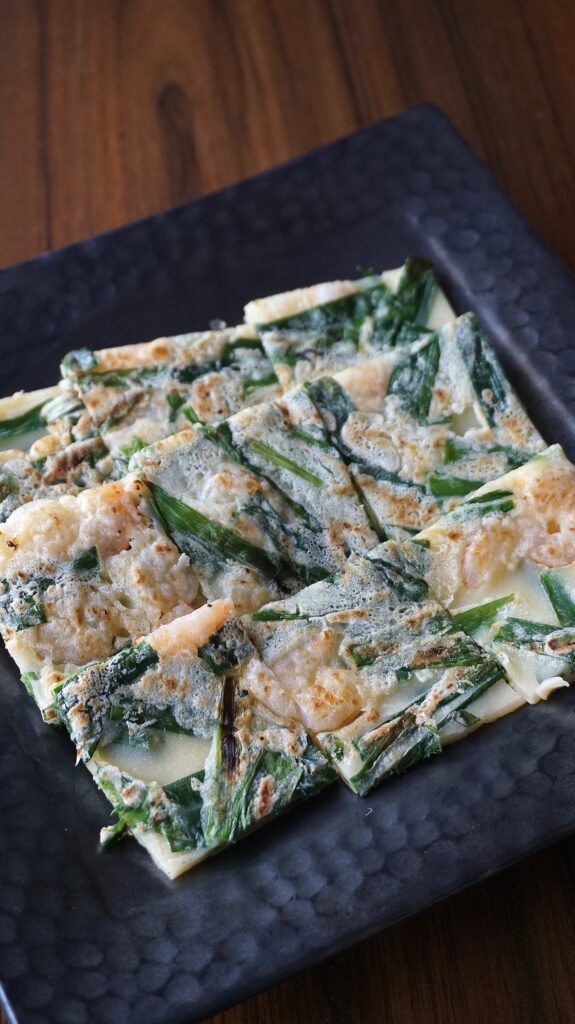
This Cabbage and Kimchi Chijimi is a delicious Korean-style savory pancake made with rice flour, fresh cabbage, and flavorful kimchi.
The outside turns beautifully golden and crispy, while the inside stays pleasantly chewy. Unlike traditional wheat flour pancakes, this version uses rice flour to create a naturally gluten-free batter (when all ingredients are verified gluten-free).
It’s easy to prepare with simple ingredients and is a wonderful way to enjoy leftover kimchi. Serve it hot with homemade yuzu ponzu sauce for a refreshing citrus flavor that balances the savory pancake.
What Is Chijimi?
Chijimi is a Korean-style savory pancake that is especially popular in Japan. It is made by combining flour or starch with water and other ingredients, such as vegetables, seafood, or meat, then pan-frying the mixture until golden and crispy.
In Korea, savory pancakes of this type are commonly called Buchimgae (부침개) or Jeon (전). These terms are closely related, although their usage can vary depending on the ingredients, preparation method, and regional traditions.
What Is the Difference Between Chijimi, Buchimgae, and Jeon?
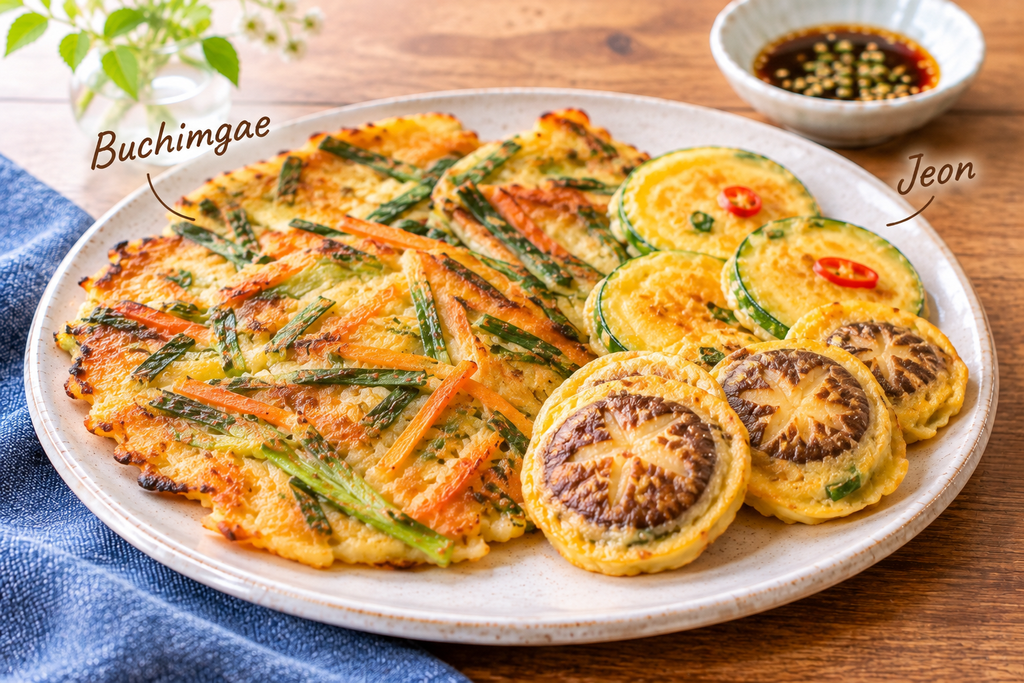
Buchimgae (부침개) is a general term for Korean savory pancakes. Ingredients such as kimchi, green onions, vegetables, and seafood are mixed into a batter and pan-fried to make a large pancake.
Jeon (전) is another broad category of Korean pan-fried dishes. It often refers to individual pieces of vegetables, seafood, meat, or other ingredients coated in flour and egg before being pan-fried. However, some types of jeon are also made with ingredients mixed into a batter, so the distinction is not always strict.
Chijimi is the Japanese name commonly used for Korean-style savory pancakes. The word is particularly familiar in Japan, where chijimi is enjoyed as a casual home-cooked dish and a popular item at Korean restaurants.
How Is Japanese Chijimi Different?
In Japan, chijimi is often associated with thin, savory pancakes filled with ingredients such as garlic chives, onions, kimchi, and seafood.
One of its most appealing features is the contrast between a crispy, golden-brown surface and a chewy interior. Sesame oil is commonly used for pan-frying, adding a fragrant aroma and helping the surface become crisp.
Although chijimi is often compared with Japanese okonomiyaki, they have different characteristics. Okonomiyaki is generally thicker and softer, while chijimi is usually thinner and crispier.
Why You’ll Love This Chijimi Recipe
- Crispy and chewy texture: Rice flour creates a lovely contrast between the crispy outside and pleasantly chewy inside.
- Gluten-free batter: This recipe uses rice flour instead of wheat flour, making it suitable for a gluten-free diet when all other ingredients are verified gluten-free.
- Easy way to use leftover kimchi: The combination of cabbage and kimchi adds layers of flavor without requiring many ingredients.
- Simple preparation: Just mix the ingredients together and pan-fry until golden brown.
- Homemade yuzu ponzu sauce: A refreshing citrus-based dipping sauce complements the rich, savory flavor of the pancake.
Ingredients (2 Servings)
Chijimi
| Ingredients | Amount |
|---|---|
| Cabbage, shredded | 150g |
| Yoshinoya Kimchi | 100g |
| Rice flour | 100g |
| Water | 80–100g |
| Egg | 1 |
| Sesame oil | 25g |
- Cabbage: Adds natural sweetness, moisture, and a pleasant texture.
- Kimchi: Provides a spicy, tangy, and savory flavor. Adjust the amount slightly depending on how spicy or sour your kimchi is. Commercially available kimchi may contain soy sauce and wheat, but the Yoshinoya kimchi I use is wheat-free and soy-free.
- Rice Flour: The main flour used in this gluten-free chijimi recipe. It helps create a crispy surface and a pleasantly chewy texture.
- Water: Adjust the amount gradually to achieve the right batter consistency.
- Egg: Helps bind the ingredients and gives the pancake structure.
- Sesame Oil: Used for pan-frying. It adds a fragrant aroma and helps create a golden, crispy surface.
Dipping Sauce
| Ingredients | Amount |
|---|---|
| Homemade ponzu | 30g |
| Chili oil (ra-yu) | 2g |
| White sesame seeds | 3g |
Unlike ordinary bottled dipping sauces, freshly prepared yuzu ponzu has a bright citrus fragrance that pairs beautifully with the rich flavor of kimchi chijimi. The key to making this gluten-free is using tamari soy sauce. Be sure to check out the recipe! 1-Minute Vegan Dish: Atsuage (Deep-Fried Tofu) with Ginger Ponzu Sauce
Instructions
How to Make Homemade Yuzu Ponzu
- Combine the sake, mirin, tamari soy sauce, and kombu in a small saucepan. Let the mixture rest for about 30 minutes.
- Heat over medium-low heat. Once it comes to a boil, turn off the heat.
- Allow the mixture to cool completely, then remove the kombu.
- Add the freshly squeezed yuzu juice and mix well.
Important Tip: Always add the yuzu juice after the liquid has cooled. Heating the citrus juice can reduce its fresh aroma.
How to Make Cabbage and Kimchi Chijimi


- Prepare the Vegetables
- Finely shred the cabbage. If the kimchi pieces are large, cut them into smaller pieces so they are evenly distributed throughout the batter.
- Make the Batter
- Add the rice flour and water to a mixing bowl and whisk until smooth.
- Start with 80g of water and gradually add more as needed, up to 100g. The batter should be thick enough to coat the vegetables while still flowing smoothly.
- Add the egg and mix well.
- Add the Cabbage and Kimchi
- Add the shredded cabbage and kimchi to the batter. Mix until the vegetables are evenly coated.
- Pan-Fry the Chijimi
- Heat the sesame oil in a frying pan over medium heat.
- Pour in the batter and spread it evenly into a thin pancake.
- Cook until the bottom becomes golden brown and the edges begin to look crispy. Carefully flip the pancake.
- Make Both Sides Crispy
- Add a little more sesame oil around the edges of the pancake after flipping. This allows the oil to flow underneath and helps create a crispy surface.
- Occasionally press the pancake gently with a spatula to help it cook evenly.
- Continue cooking until both sides are golden brown and the cabbage is tender.
- Prepare the Dipping Sauce
- Mix the homemade ponzu sauce with chili oil and white sesame seeds.
- Cut the cooked chijimi into bite-sized pieces and serve immediately while hot, with the dipping sauce on the side.
Tips for Making Crispy and Chewy Chijimi
- Adjust the Water Gradually
- Rice flour products can differ in particle size and water absorption. Start with 80g of water, then add more little by little until the batter reaches the right consistency.
- Spread the Batter
- ThinlyAvoid making the pancake too thick. A thinner layer allows the heat to reach the center more easily while helping the surface become crispy.
- Use Enough Sesame Oil
- Sesame oil is important for both flavor and texture. Make sure the bottom of the pancake has enough oil to brown evenly.
- Adding a little extra oil around the edges after flipping also helps create a crisp finish.
- Cook Over Medium Heat
- If the heat is too high, the outside may brown before the inside is fully cooked. Medium heat allows the pancake to cook through while developing a golden surface.
- Serve Immediately
- Chijimi tastes best straight from the pan. As it cools, steam softens the crispy surface, so serve it while it is still hot.
Rice Flour vs. Wheat Flour: What’s the Difference?
Rice flour and wheat flour create different textures in savory pancakes.
Rice Flour
Rice flour contains no wheat gluten and is a good choice for making gluten-free pancakes. In this recipe, it creates a lightly crisp exterior and a pleasantly chewy texture.
Tips for success: Rice flour absorbs water more than wheat flour, so the trick is to use less water than when using wheat flour. Adjust the amount of water so that the mixture is thick but runs smoothly when you lift it with a whisk.
Wheat Flour
Wheat flour contains gluten, which gives the batter structure and elasticity. It generally produces a softer, more bread-like texture.
How to Choose Rice Flour
In the past, rice flour was mainly a coarse-grained product made from non-glutinous rice, and was mainly used in Japanese sweets. However, in recent years, improvements in milling technology have led to the emergence of extremely fine-grained rice flour that can also be used in bread and Western-style sweets.
Under the Ministry of Agriculture, Forestry and Fisheries (MAFF) standards for different uses, rice flour is classified by its amylose content, a component of starch (similar to how wheat flour is classified by its protein content).
Rice Flour Specifications by Usage Category
| Item | No.1: Confectionery& Cooking | No.2: Bread | No.3: Noodles |
| Particle Size(μm) | The ratio of particles with a diameter of 75 μm or less is 50% or more | ||
| Starch Damage (%) | < 10% | ||
| Amylose Content (%) | < 20% | 15% to < 25% | > 20% |
| Moisture Content (%) | 10% to < 15% | ||
| Gluten Addition (%) | — | Approx. 18–20% (Must state that gluten is added) | — |
Shopping Tip: For chijimi, rice flour labeled “for sweets” or “for bread” is best. If you have allergies, be sure to check the label to make sure “for bread” rice flour doesn’t contain added wheat gluten.
Can I Replace Rice Flour with Wheat Flour?
Yes, but the texture will be different.
Wheat flour develops gluten when mixed with water, resulting in a softer and more elastic pancake. Rice flour produces a different texture without gluten.
If substituting wheat flour, do not automatically use the same amount of water. Adjust the liquid gradually until the batter reaches a suitable consistency.
Chijimi Variations and Serving Ideas
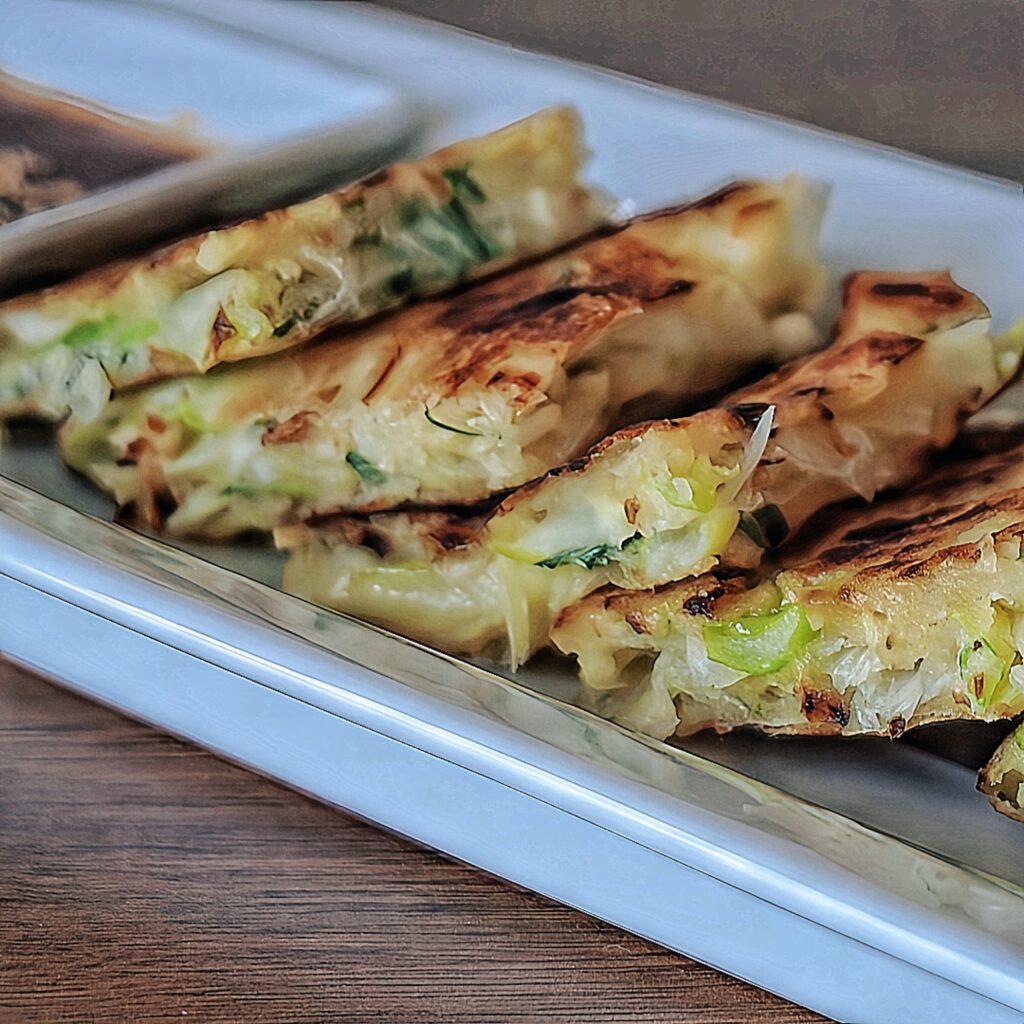
One of the best things about chijimi is how easily you can customize it.
Here are some ingredients you can try:
- Seafood Chijimi: Add shrimp, squid, or small pieces of seafood for extra umami.
- Vegetable Chijimi: Try garlic chives, onions, carrots, or bean sprouts.
- Cheese Chijimi: Add shredded cheese for a richer flavor and a deliciously melted center.
If you enjoy experimenting with Korean-style pancakes, try my White Leek and Cheese Chijimi, made with sweet white leeks, shirasu, shiso leaves, and cheese.
For another Japanese savory pancake, you can also try my Bacon Cheese Okonomiyaki.
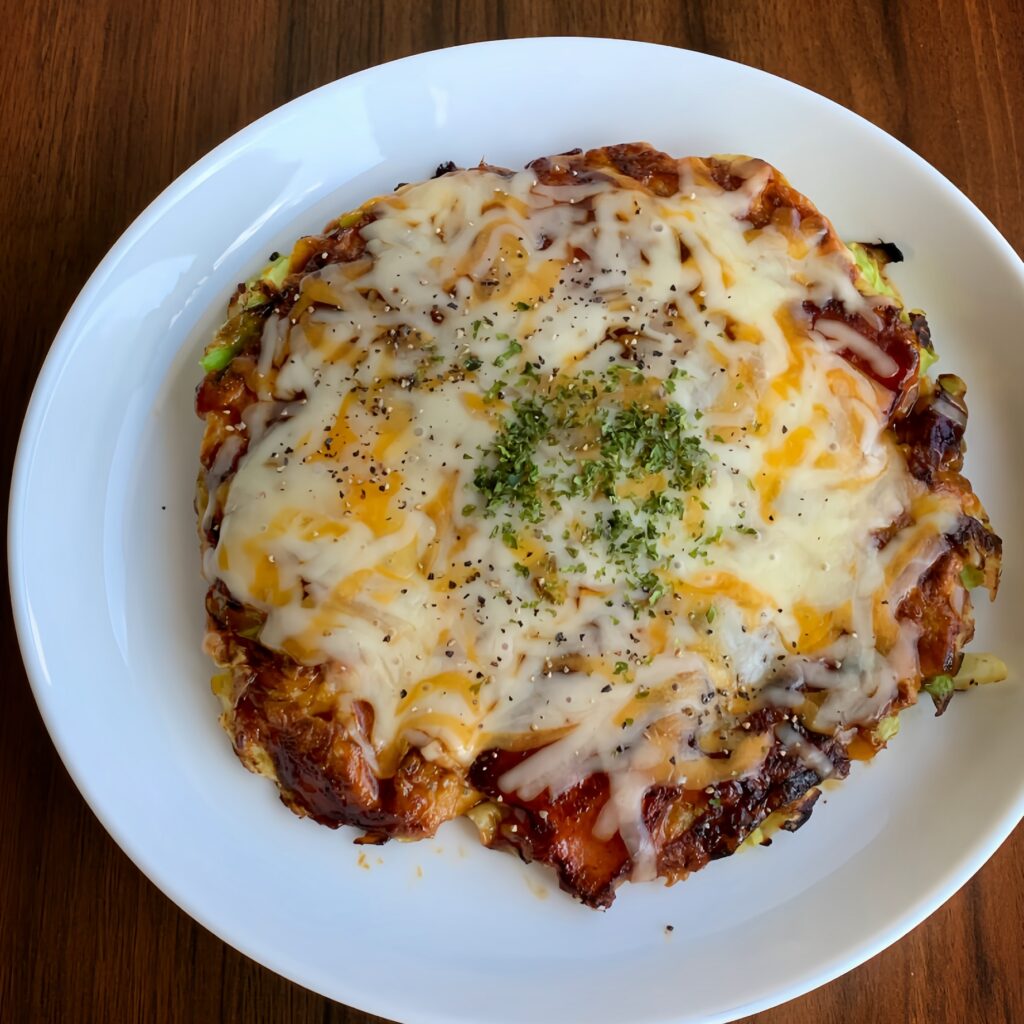
bacon cheese okonomiyaki ベーコンチーズお好み焼き
Frequently Asked Questions
What is the difference between Chijimi and Buchimgae?
Chijimi is the Japanese name commonly used for Korean-style savory pancakes. In Korea, these pancakes are generally called buchimgae or jeon. The terms overlap, although jeon can also refer to individual ingredients coated in flour and egg and pan-fried.
Is Chijimi gluten-free?
Traditional chijimi is often made with wheat flour, so it is not necessarily gluten-free.
This recipe uses rice flour instead of wheat flour. However, if you need a strictly gluten-free dish, check the labels of the kimchi, soy sauce, and other ingredients to make sure they do not contain wheat or other gluten-containing ingredients.
Can I use wheat flour instead of rice flour?
Yes. Wheat flour can be used as a substitute, but the texture will be different. Wheat flour creates a softer, more elastic pancake, while rice flour gives this recipe its distinctive crispy and chewy texture.
You may also need to adjust the amount of water to achieve the right batter consistency.
How do you make Chijimi crispy?
The key is to spread the batter thinly, use enough sesame oil, and cook over medium heat.
Adding a little extra oil around the edges after flipping helps the pancake develop a beautifully golden and crispy surface.
What is the best dipping sauce for Chijimi?
Chijimi is often served with a savory dipping sauce made with soy sauce, vinegar, and sesame seeds.
For this recipe, I recommend homemade yuzu ponzu mixed with chili oil and white sesame seeds. The refreshing citrus flavor balances the savory taste of cabbage and kimchi.
Can I prepare Chijimi ahead of time?
Chijimi tastes best when freshly cooked because the outside is at its crispiest.
You can prepare the vegetables and dipping sauce ahead of time, then mix the batter and pan-fry the pancake just before serving.
Can I Use Other Vegetables?
Yes! Chijimi is a versatile dish, and you can adjust the ingredients to suit what you have in your refrigerator.
Chives, sliced onions, carrots, and bean sprouts are all good options. Shrimp, squid, pork, or cheese can also be added for extra flavor and protein.
For this recipe, however, I recommend keeping the cabbage and kimchi as the main ingredients because their combination gives the pancake its distinctive flavor.
Nutrition Facts
The nutritional information below is for the entire chijimi recipe, which makes 2 servings. The homemade dipping sauce is not included.
| Nutrient | Total Recipe | Per Serving |
|---|---|---|
| Calories | 743 kcal | 372 kcal |
| Protein | 16.2g | 8.1g |
| Total Fat | 32.0g | 16.0g |
| Total Carbohydrates | 99.3g | 49.7g |
Values are estimates and may vary depending on the ingredients and amount of sesame oil used.
Korean Meal Menu Idea
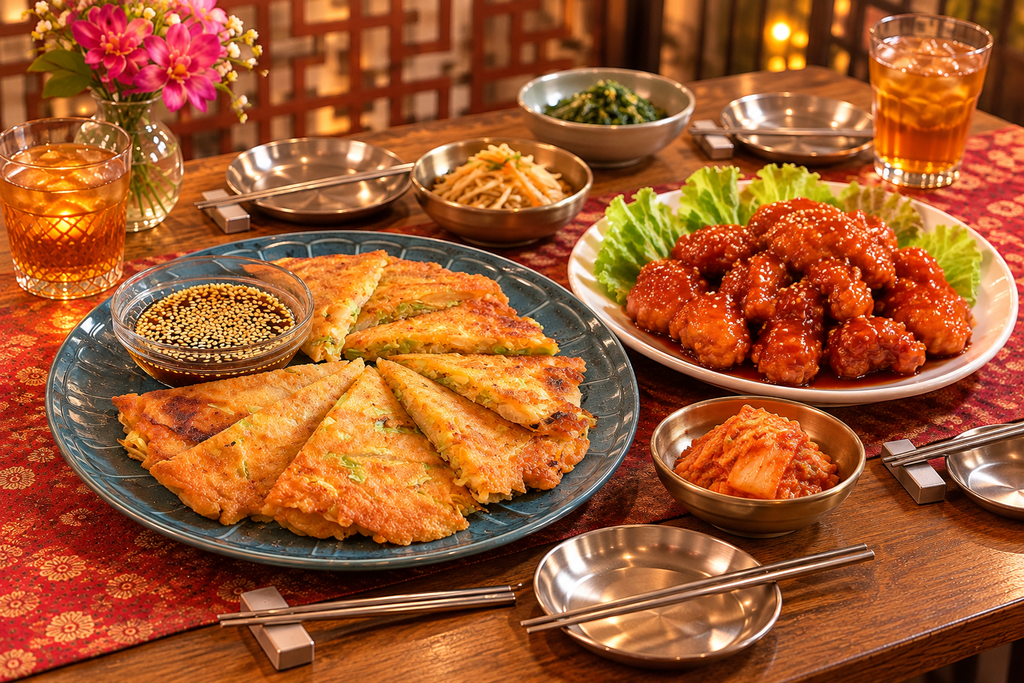
- Korean Pancakes (Chijimi)
- Yangnyeom Chicken【What is Yangnyeom Sauce? RD-Verified Korean Freid Chicken Recipe】
- Namul (Seasoned Korean vegetable side dishes)
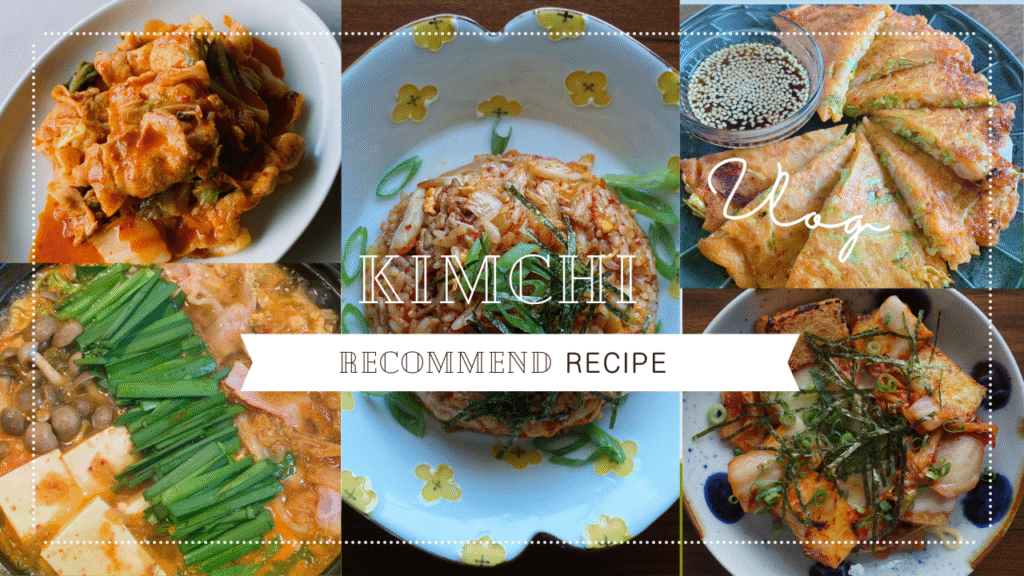
Don’t worry if you have leftover kimchi! There are so many ways to use it. I’ve put together a collection of my favorite kimchi recipes, so be sure to check them out! [Recommended recipes using Kimchi]
Read the Japanese version of this article here! [グルテンフリーのキャベツキムチチヂミ:もちもちの韓国風パンケーキ]

コメント