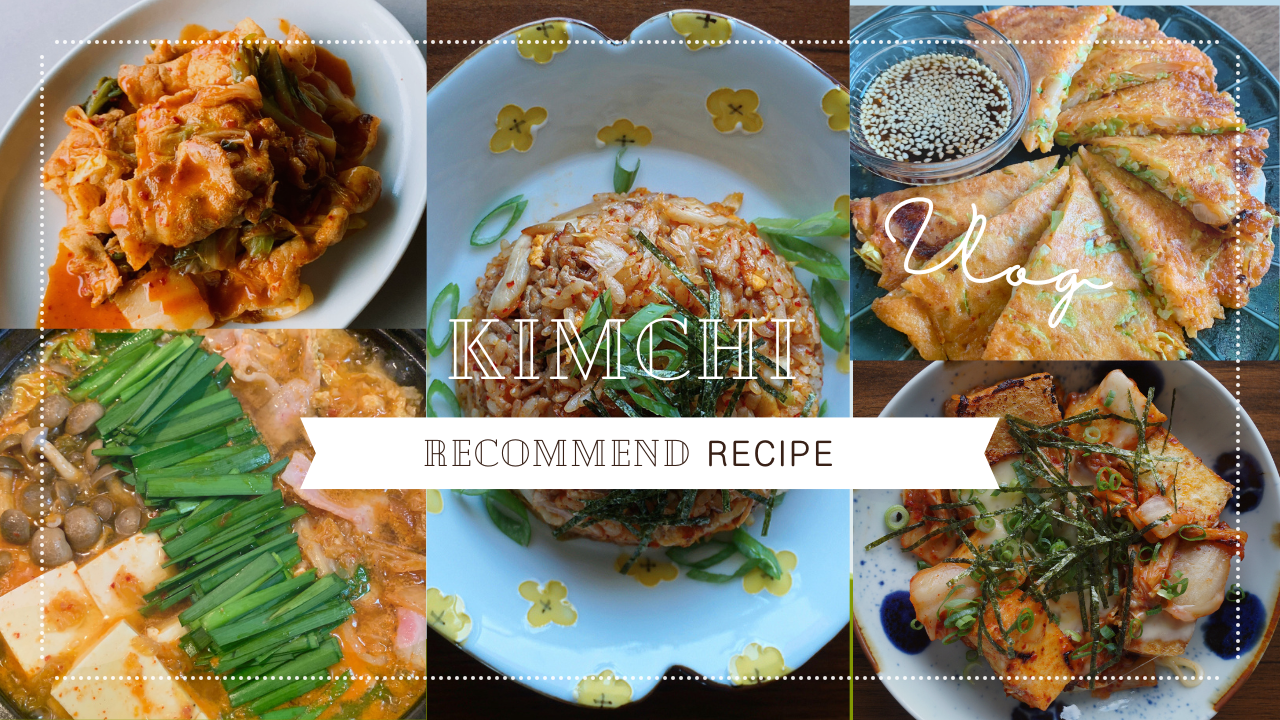
All About Kimchi (キムチ)
Kimchi (Korean: 김치) is a soul-satisfying traditional fermented dish originating from the Korean Peninsula. While it began as a simple way to preserve vegetables for the harsh winter, it has evolved into a global culinary icon known for its complex, bold flavors.
What Makes Kimchi?
The magic of kimchi lies in its balance. It offers a unique profile of spicy chili, natural vegetable sweetness, salty umami, and a signature tang born from lactic acid fermentation.
- Key Ingredients: Napa cabbage (baechu), radish, scallions, garlic, ginger, and gochugaru (Korean chili flakes).
- The Fermentation Factor: Traditionally, vegetables were salted and buried in clay pots. Today, we distinguish between Baekkimchi (mild, non-spicy white kimchi) and the iconic red, chili-infused varieties.
The Japanese Twist: “Kimuchi”
In Japan, kimchi has been adapted to suit the local palate. You’ll often find:
- Lower Acidity: Japanese versions are usually fermented for a shorter time to avoid the sharp sourness preferred in Korea.
- Umami-Forward: Many Japanese brands add soy sauce or extra dashi to create a rounder, milder flavor profile that pairs perfectly with white rice.
[📌TIP] Health Benefits: Kimchi is a nutritional powerhouse! It is packed with Vitamin C, capsaicin, and probiotics (lactic acid bacteria). It’s great for immunity and skin health, but remember: it’s high in sodium, so enjoy it in moderation.
Popular Kimchi Recipes
Transform your jar of kimchi into a hearty meal with these classic dishes.
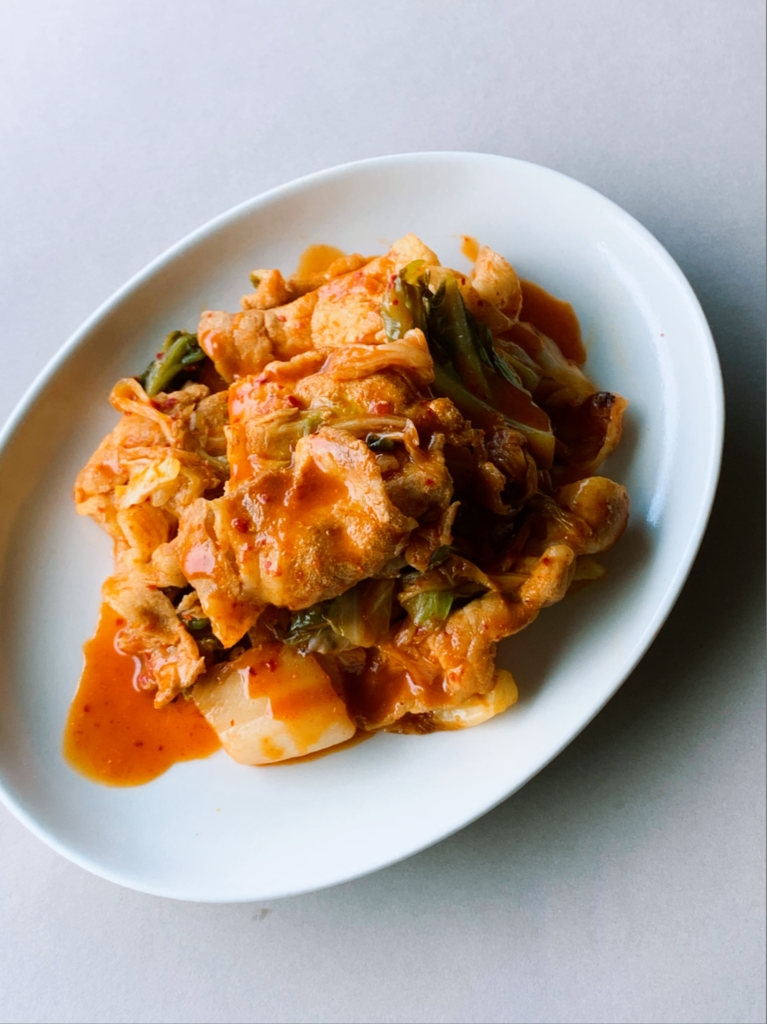
1. Buta Kimchi (Spicy Stir-Fried Pork)
A classic stamina dish featuring pork and kimchi. This recipe uses pork shoulder, which provides a perfect balance of lean meat and savory fat. Unlike pork belly, shoulder cuts offer a meatier texture and a richer flavor that stands up beautifully to the bold spice and acidity of the kimchi.
- Why Pork Shoulder? It remains juicy and tender when stir-fried, ensuring every bite is packed with deep, satisfying umami without being overly greasy.
👉 Buta kimchi (Spicy stir-fried pork)
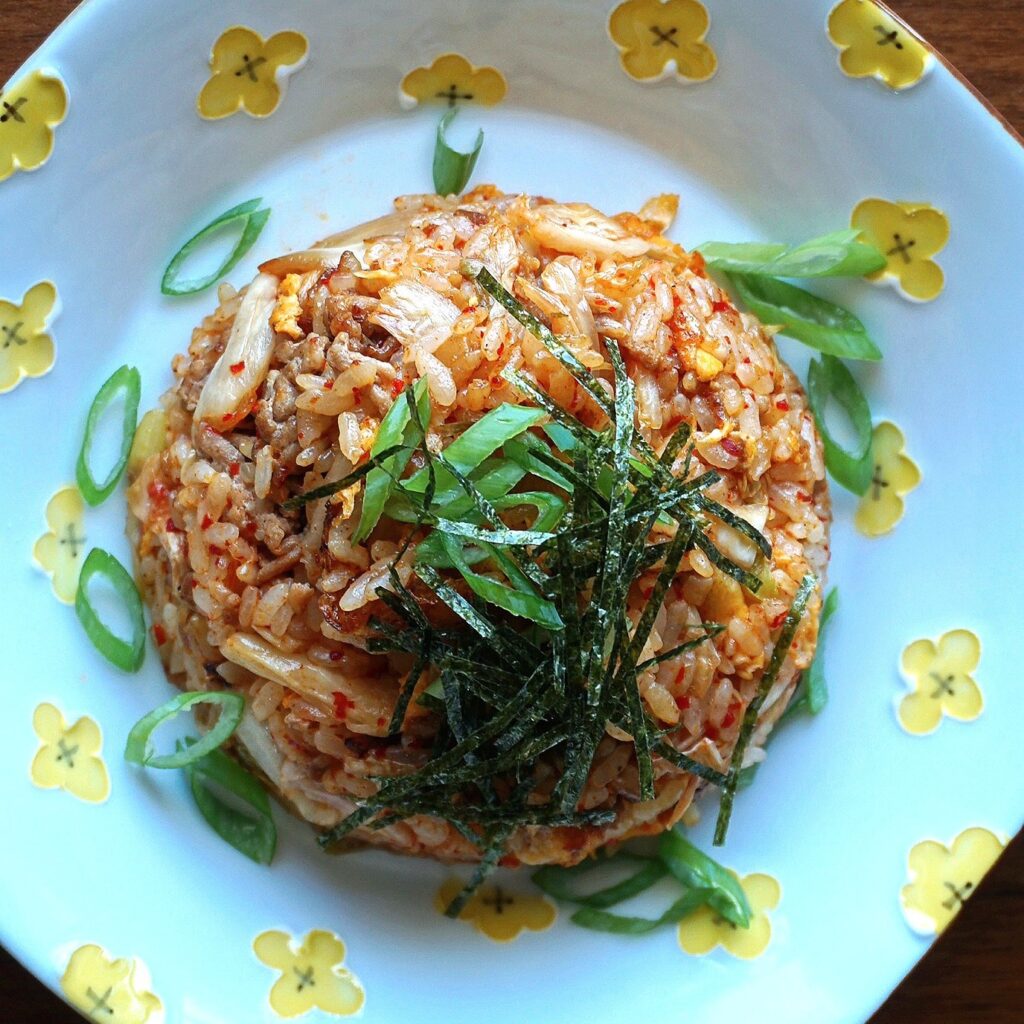
2. Kimchi Chahan (Spicy Fried Rice)
Kimchi Chahan (Kimchi Fried Rice) is a massive favorite, whether cooked at home or ordered at ramen shops and Chinese restaurants across Japan. By adding the sour, spicy, and savory notes of kimchi to classic fried rice, you create a deep, complex flavor that keeps you coming back for more with every bite.
Tap for the full recipe! ✨ Kimchi Chahan (Spicy Fried Rice)
3. Atsuage with Kimchi & Cheese
A perfect otsumami (snack for drinks). Thick deep-fried tofu acts as a sturdy base for tangy kimchi and melted, gooey cheese.
- Pro-Tip: Top with shredded nori (seaweed) and green onions for an extra layer of earthiness.
Tap for the full recipe! ✨ Atsuage (Fried tofu) With Kimchi Cheese

4. Easy Kimchi Nabe (Kimchi-jjigae)
Japan’s favorite winter hotpot. It’s a communal dish where pork, tofu, and assorted vegetables simmer in a spicy, warming broth.
- Nutrient-Dense: Because you consume the broth, you get all the vitamins that leach out of the vegetables during cooking.
Tap for the full recipe! ✨ Easy Kimchi Nabe Soup (Kimchi-jjigae)

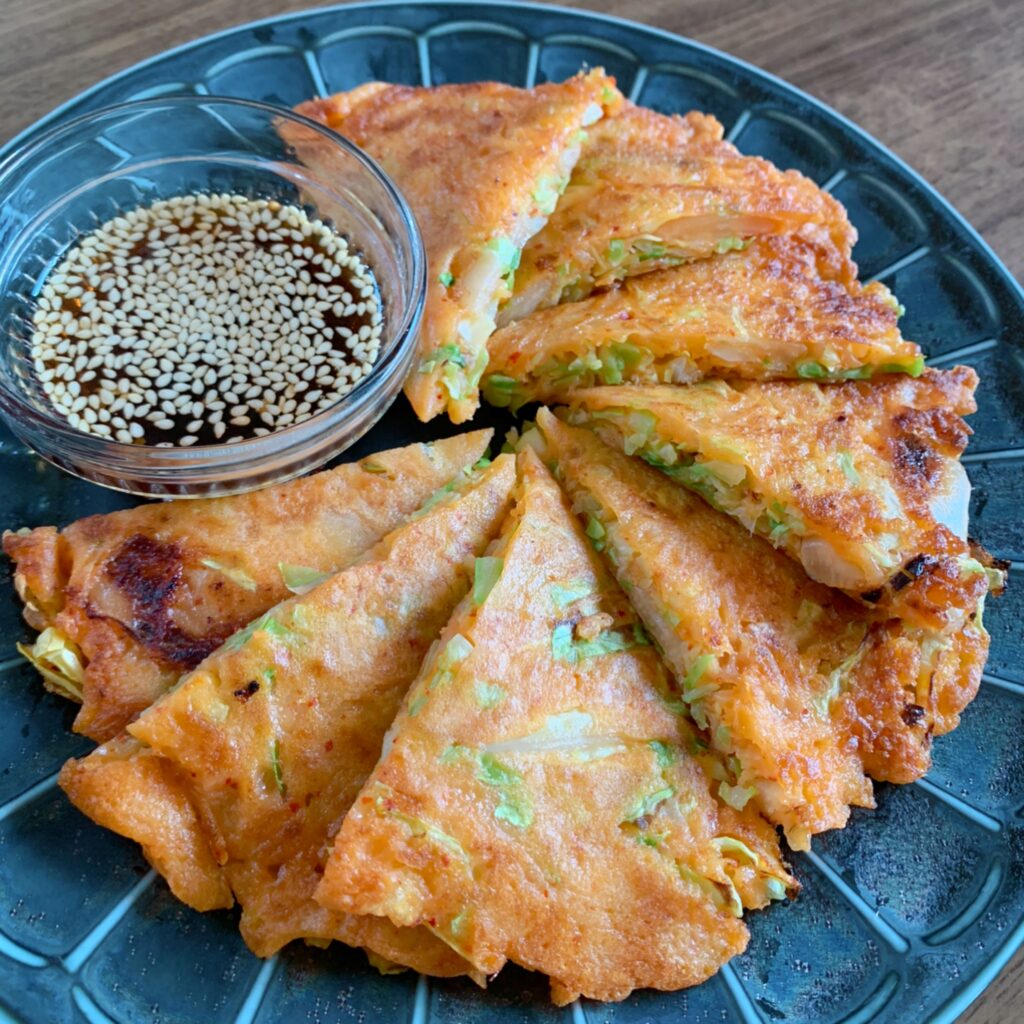
5. Chewy Cabbage & Kimchi Chijimi
Chewy Cabbage and Kimchi Chijimi (Gluten-Free) This version of Chijimi (Korean pancake) is made with rice flour, making it completely gluten-free!
- The Perfect Texture: Using rice flour creates a wonderful contrast—extra crispy on the outside and delightfully chewy (mochi-mochi) on the inside.
- Light and Healthy: Rice flour absorbs less oil than wheat flour, resulting in a lighter, healthier pancake that stays crunchy for longer. It’s the perfect way to enjoy the bold flavors of cabbage and kimchi in a gut-friendly way.
Tap for the full recipe! ✨ Chewy Cabbage and Kimchi Chijimi
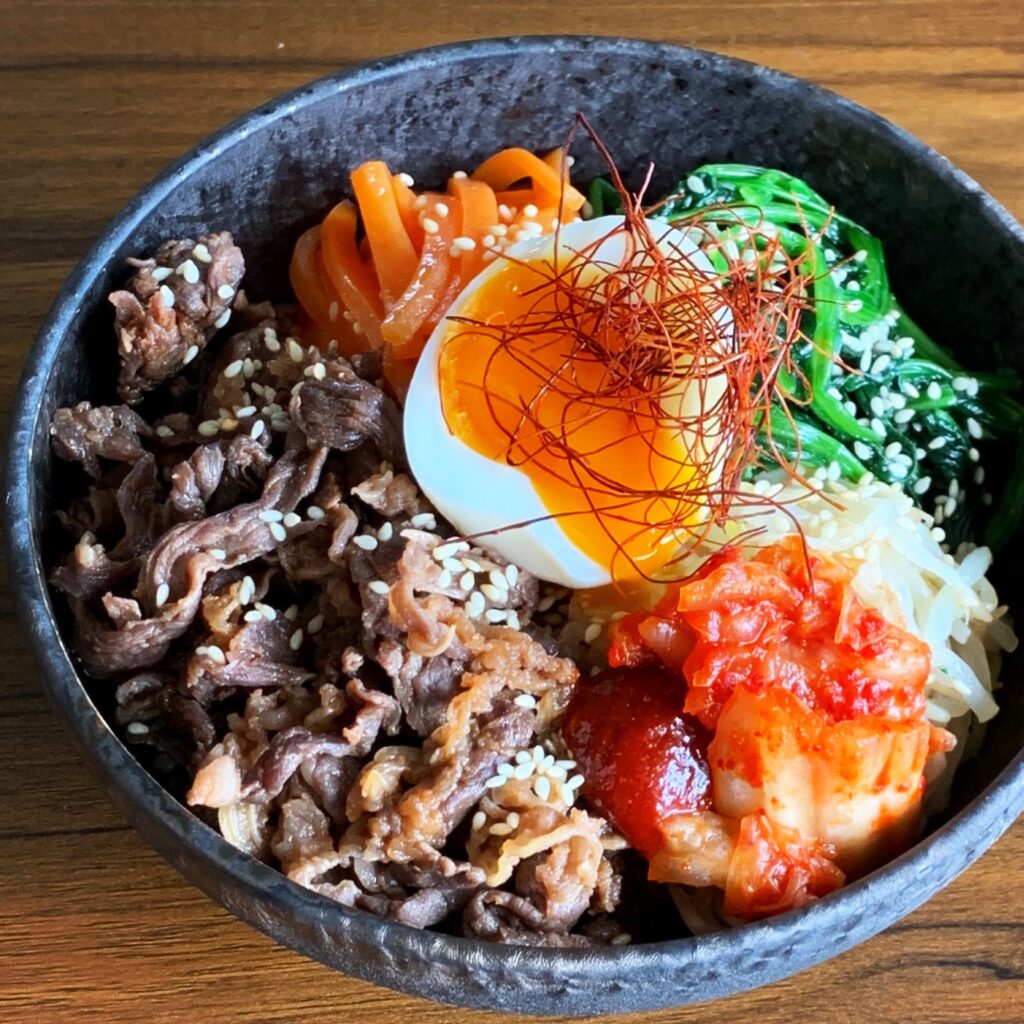
6. Bibimbap (The Ultimate Korean Rice Bowl)
A classic Korean staple, Bibimbap is all about the joy of mixing! This colorful, hearty dish features a generous medley of seasoned vegetables (namul), savory meat, and a fried egg served over a bed of warm rice.
- Nutritional Powerhouse: The beauty of this dish is the variety of vegetables you can enjoy in one sitting. It’s a perfectly balanced, healthy meal packed with protein and dietary fiber. ✨ [Spicy Bibimbap (Yakiniku Beef Bowl)]
📖Related Link: Read the Japanese version of this article here! [キムチ大好き:辛いもの好き必見のレシピ5選]
#キムチ #韓国料理 #キムチレシピ #発酵食品 #おうちごはん #ピリ辛 #Kimchi #KoreanFood #Fermented #HealthyEating #SpicyLove #Kfood


コメント