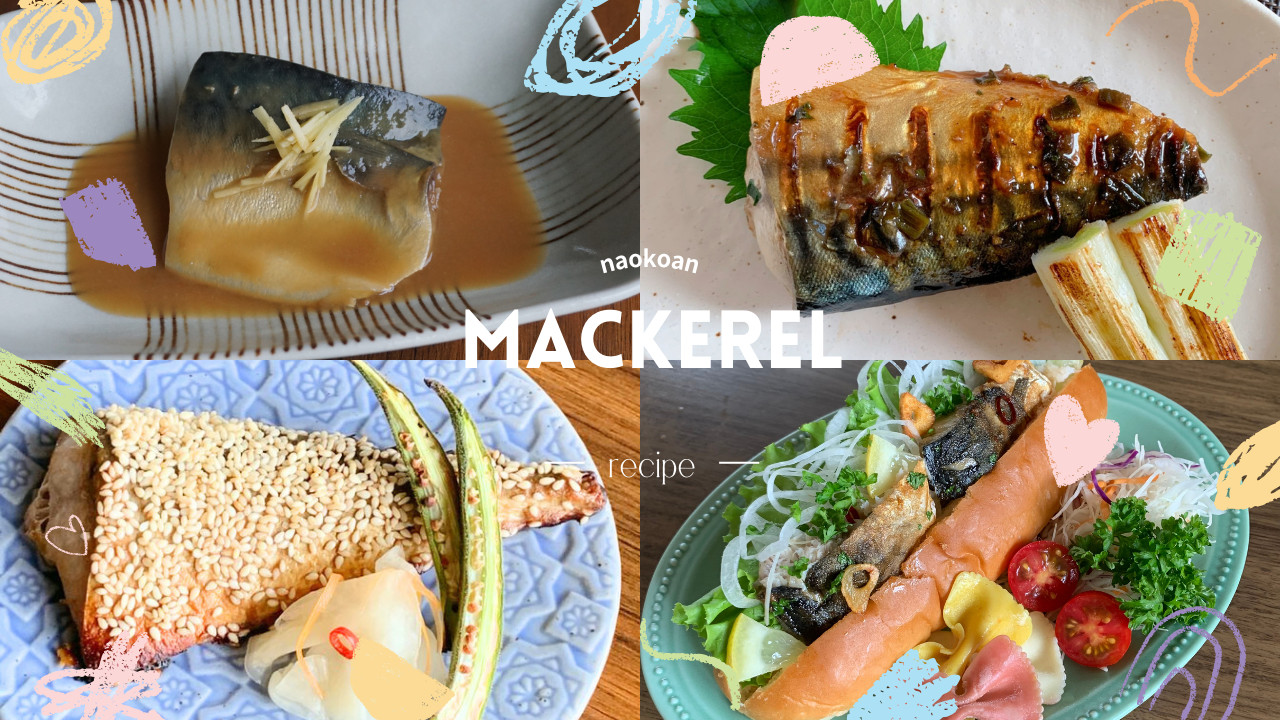
From Classics to Quick Meals: Foolproof Mackerel Recipes
In Japan, mackerel (saba) holds a spot alongside horse mackerel (aji) and sardines (iwashi) as an indispensable, budget-friendly staple (Taishū-gyo).
Why Japanese Families Love Mackerel:
- A Satisfying Main Course:Thanks to its rich flavor and high fat content, mackerel is considered a hearty alternative to meat. It is a staple on set-meal (Teishoku) menus in Japanese diners, featured in popular dishes like Saba Shioyaki (Salt-Grilled Mackerel) and Saba no Miso-ni (Miso-Simmered Mackerel).
- Convenience & Time-Saving (Salted & Canned Mackerel):
- Salted Mackerel (Shio-saba): Ready-to-cook fillets are a constant presence in Japanese freezers.
- Canned Mackerel (Saba-kan): What began as a health trend has become a permanent kitchen essential. Canned mackerel is widely used in everything from traditional dishes to modern pasta, curry, and toast toppings.
- Regional Delicacies Across Japan:
- Fukuoka & Kyushu: Famous for Goma-saba, raw mackerel marinated in sweet soy sauce and ground sesame.
- Kansai & Fukui: Renowned for Shime-saba (vinegar-cured mackerel) and Battera (pressed mackerel sushi), carrying on historical traditions like the famous “Saba Kaido” (Mackerel Road).
Mackerel Science: Health Benefits & Nutrition
As a Registered Dietitian, I highly recommend incorporating mackerel into your weekly meal rotation. Not only is it delicious and versatile, but it is also packed with essential nutrients that support overall health.
- Heart-Healthy Fats (Omega-3s):Mackerel is exceptionally rich in DHA (Docosahexaenoic acid) and EPA (Eicosapentaenoic acid). These omega-3 fatty acids help suppress blood platelet aggregation, preventing blood clots and promoting overall cardiovascular health.
- Peak Season & Flavor:Mackerel’s fat content peaks from autumn through winter, which is when both its flavor and nutritional density reach their highest levels.
- Energy-Boosting Vitamins & Iron:Boasting one of the highest Vitamin B2 levels among fish, mackerel plays a key role in energy metabolism. Additionally, the dark muscle tissue (chiai), which accounts for 10–15% of the fish, is packed with iron.
Choosing the Right Mackerel: 3 Main Varieties
Understanding the three main types available in the market will help you make the best choice for your kitchen:
| Variety | Characteristics | Best Uses |
| Pacific Mackerel (Ma-saba / 真鯖) | Known as the “gold standard” for flavor, reaching its peak in winter. (Quality tends to drop in summer.) | Simmered (Saba no Miso-ni), grilled with salt, or cured with vinegar (Shime-saba). |
| Spotted Mackerel (Goma-saba / 胡麻鯖) | Identified by dark spots on its belly. Its fat levels remain steady year-round. | A great alternative during summer. Excellent for Goma-saba (sesame-marinated sashimi), deep-frying, or simmering. |
| Atlantic Mackerel (Norwegian Mackerel) | Recognized by its prominent wave-like back pattern. Consistently rich in fat with tender meat. | The most common variety in home kitchens, widely sold as salted mackerel (Shio-saba) or canned fish. |
⚠️ Food Safety Warning (Histamine Poisoning):
Freshness is critical. When mackerel spoils, the amino acid histidine converts into histamine, which can cause food poisoning. Unlike standard spoilage, histamine formation doesn’t always alter the appearance or smell of the fish. Always select fresh fish and cook or refrigerate it immediately.
Preparation & Cooking Tips
- Freshness & Raw Consumption:Because mackerel spoils quickly, raw consumption (sashimi) is typically limited to strictly managed local brands (e.g., Seki-saba) or fish treated with deep-freezing to eliminate parasites (Anisakis).
- Eliminating Fishy Odors:To reduce compounds like trimethylamine, use proven techniques:
- Sprinkle salt over the fish and wipe off excess moisture.
- Pour hot water over the surface (shimofuri blanching).
- Cook with aromatics like ginger, miso, or vinegar.
Must-Try Mackerel Recipes
1. Master the Classic Saba no Miso-ni
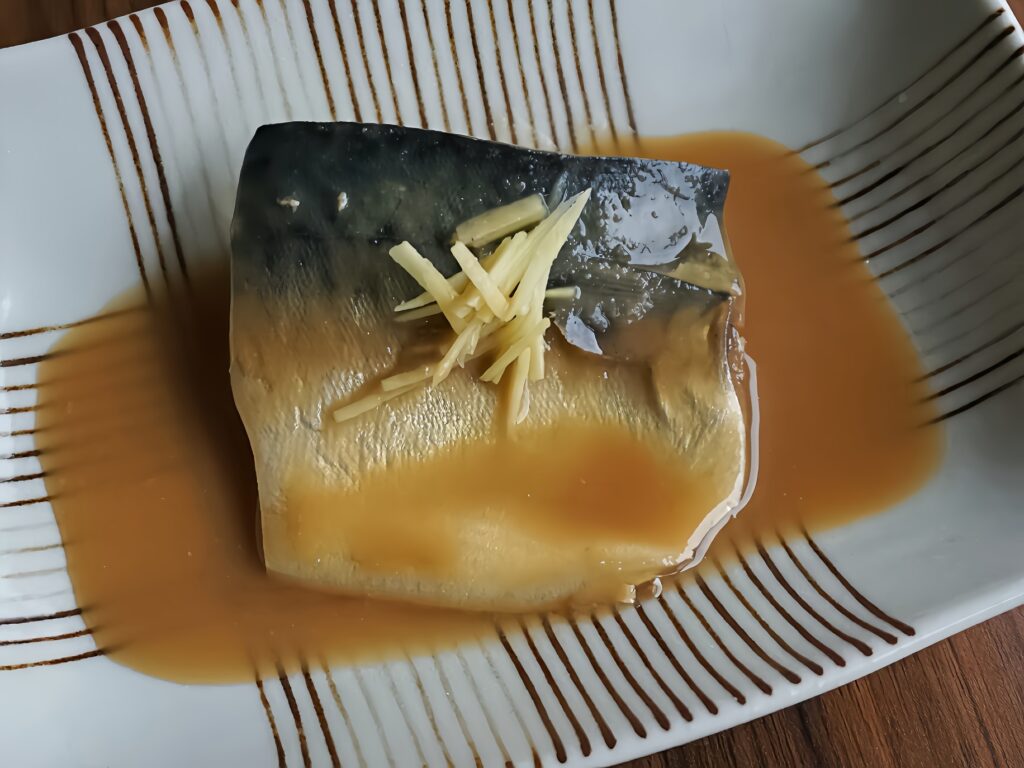
The ultimate guide to making restaurant-quality Saba no Miso-ni at home! Learn essential techniques like ‘Shimofuri’ blanching to remove all fishy odors, the secret water ratio for a rich, perfectly thickened sauce, and how to customize the flavor using your favorite miso (Awase, Red, or Barley). Try this healthy, balanced Japanese meal packed with DHA and EPA!
Check out the full recipe here! Saba Misoni (Mackerel simmered in miso)
2. Crispy Garlic Mackerel
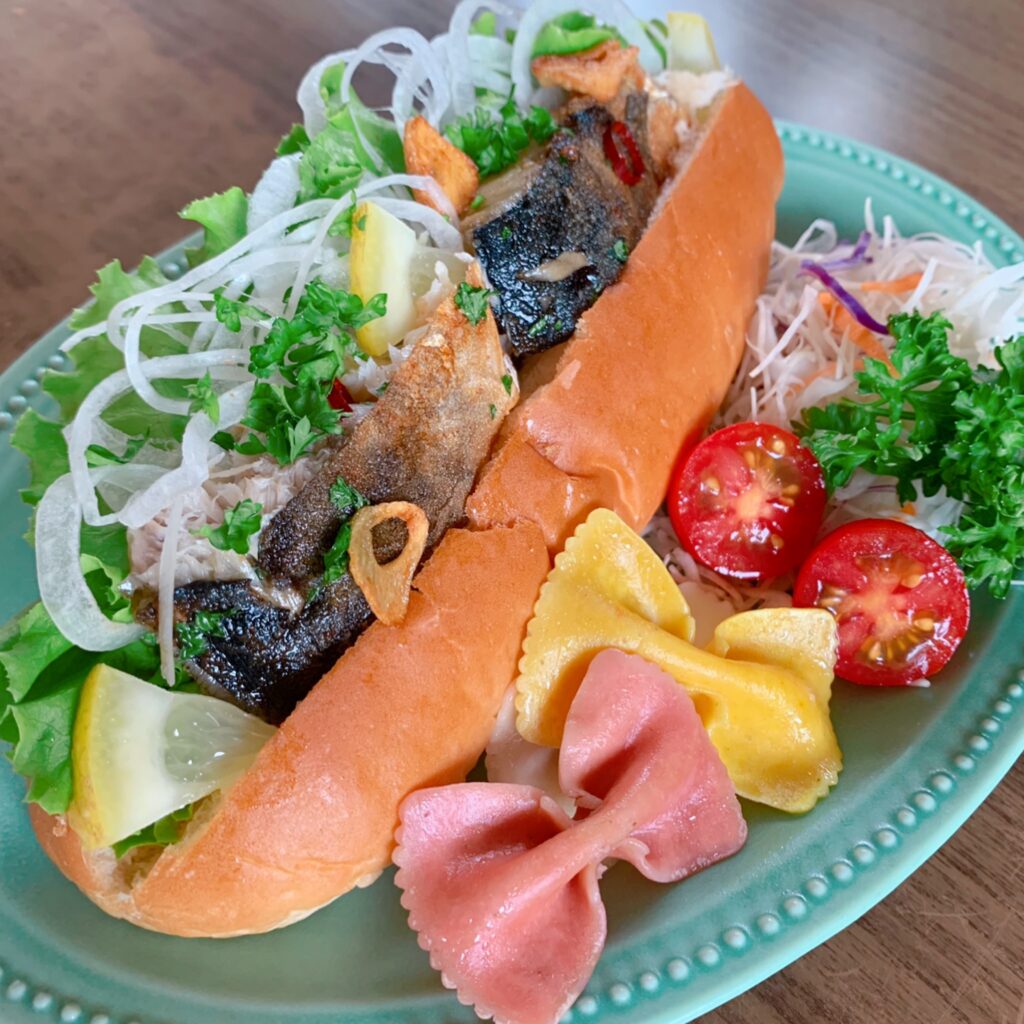
A bold, Western-style twist on mackerel infused with crispy garlic, chili, and soy sauce! Perfect for a novel weeknight dinner, pasta, or as a filling for Istanbul-style Mackerel Sandwiches. Learn how to sear the skin to perfection and lock in healthy Omega-3s with fresh lemon and garlic!
Check out the full recipe here! Saba sando (Mackerel Hot Dog)
3. Rikyuyaki (Grilled Mackerel with Sesame Sauce)

A fragrant, historical dish named after the legendary tea master Sen no Rikyu! Marinated in rich sesame paste (Nerigoma) and crusted with roasted sesame seeds, this savory mackerel stays juicy and flavorful even after cooling. Learn the rich history behind Wabicha culture alongside smart oven-baking tips for a nutrient-dense, anti-aging meal.
Check out the full recipe here! Rikyuyaki (Grilled Mackerel With Sesame Sauce)
4. Shiso-Marinated Grilled Mackerel
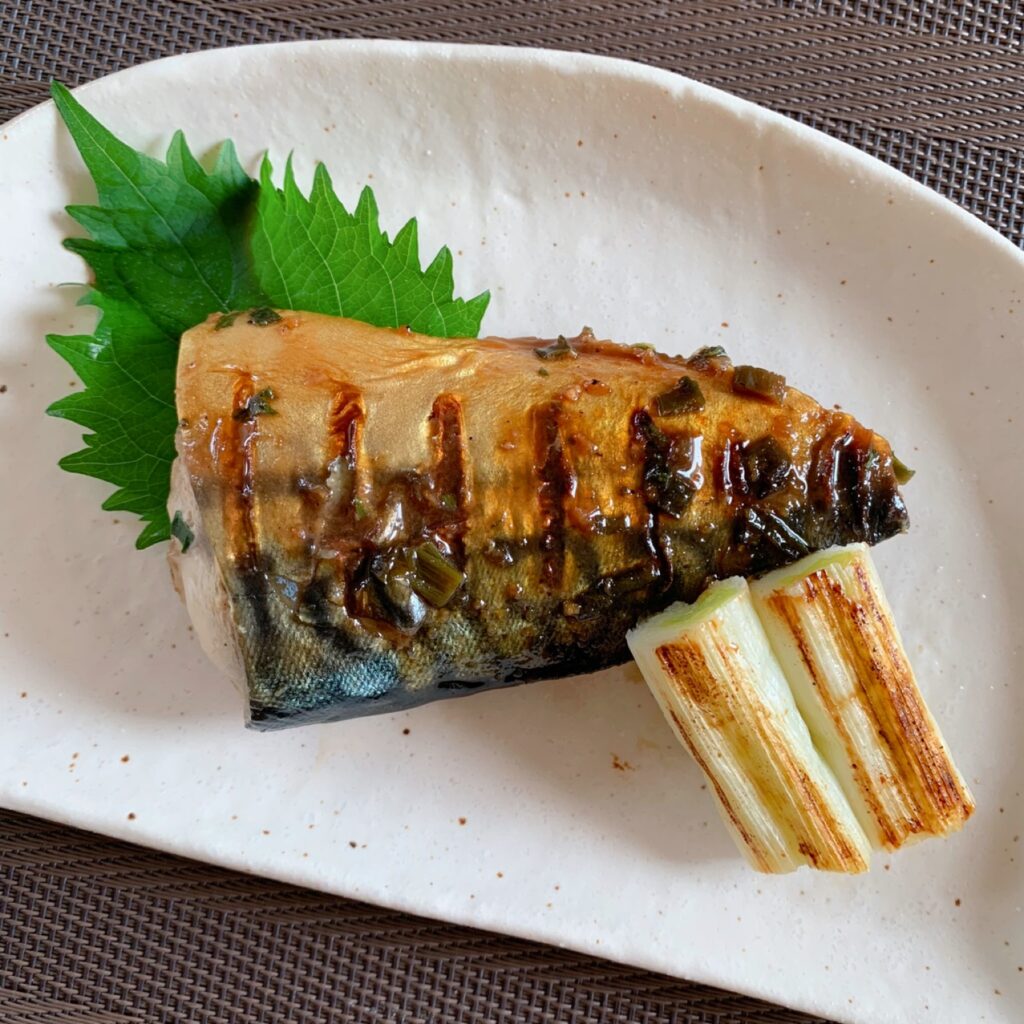
APan-fried mackerel glazed in a sweet-savory sauce infused with aromatic Shiso (Perilla), garlic, ginger, and green onions! The powerful antibacterial properties of Shiso (perillaldehyde) combine traditional Japanese wisdom with modern food safety. Packed with DHA & EPA, this tender dish is ideal for dinner or bento boxes.
Check out the full recipe here! Grilled mackerel marinated in shiso sauce
Read the Japanese version of this article here! [【定番から変わり種まで!】管理栄養士おすすめサバレシピまとめ]

コメント