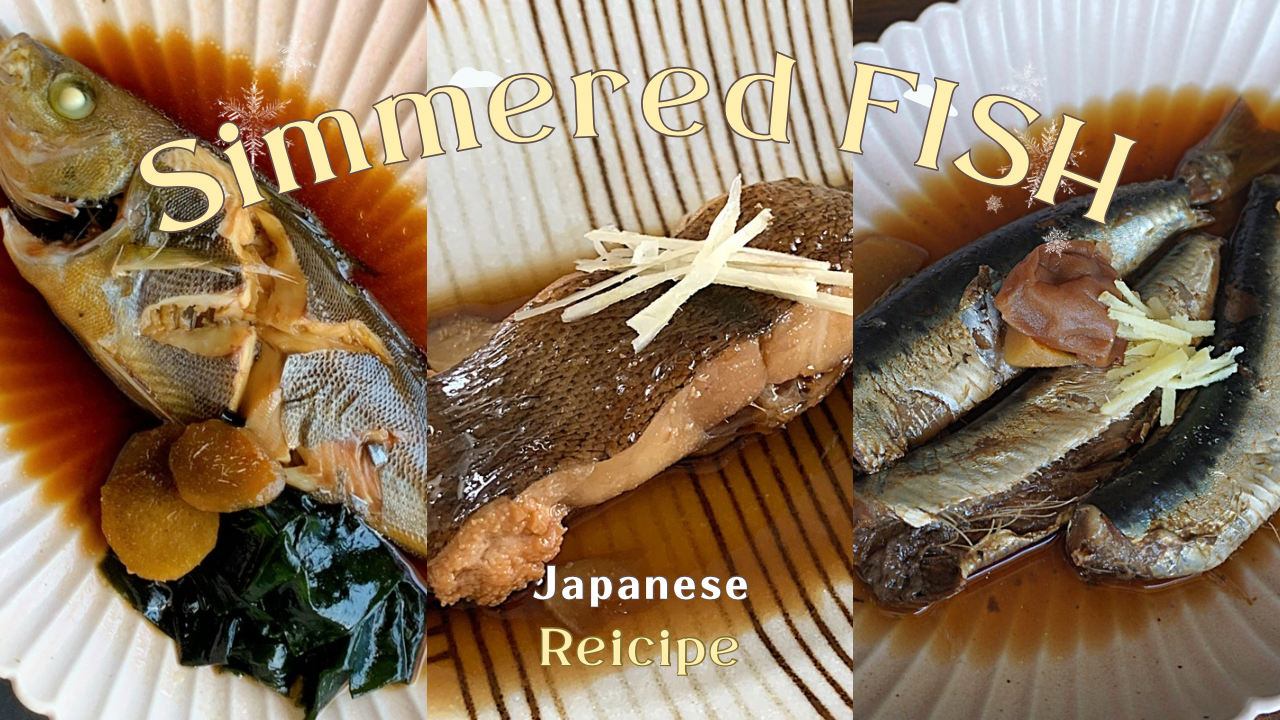
- Master Simmered Fish with the Golden Ratio: Essential Techniques & Top 4 Recipes
Master Simmered Fish with the Golden Ratio: Essential Techniques & Top 4 Recipes
“Nimono” (stewed or simmered dishes) is a fundamental part of traditional Japanese home cooking. While most dishes share a familiar base of soy sauce and sugar, the optimal technique varies depending on whether you are cooking meat, vegetables, or fish.
In this post, we’ll focus on fish simmered in soy sauce (Nitsuke). I’ll share a fool-proof golden ratio for the sauce along with versatile recipes you can easily adapt to various types of fish.
Nitsuke vs. Nishime: What’s the Difference?
It’s easy to confuse these terms, but the secret lies in the cooking time and the “finishing” of the sauce.
- Nitsuke (煮付け): A quick-simmering method for fish. Since fish has delicate flesh that falls apart easily, we cook it briefly in a small amount of concentrated sauce.
- Nizakana (煮魚): A general term for simmered fish. It can also refer to dishes simmered longer (like sardines) to soften the small bones so they can be eaten.
- Nishime (煮しめ): Usually for vegetables and konjac. These are simmered until the liquid almost completely evaporates, infusing the flavor deep into the ingredients.
The Golden Ratio: The Perfect Broth – The “3:3:3:1 Rule”
For a classic Nitsuke flavor, you don’t need complex measurements. My favorite balance is the “3:3:3:1 Rule.”
- Sake (Rice Wine): 3 tbsp
- Soy Sauce: 3 tbsp
- Mirin (Sweet Rice Wine): 3 tbsp
- Sugar: 1 tbsp (Adjust between 0.5 to 1.5 depending on the fish or your preference)
Why use so much Sake instead of water?
This is the secret to a professional result:
- Removes Odors: A generous amount of Sake effectively neutralizes any “fishy” smells.
- Perfect Reduction: Alcohol evaporates faster than water, making it much easier to boil down the liquid into a thick, flavorful glaze.
Essential Tips for a Perfect Nitsuke
Step 1: Prep with “Shimofuri” (The Frosting Method)
For oily fish like mackerel (Saba) or yellowtail (Buri), the smell can be a concern.
- The Technique: Pour boiling water over the raw fish before cooking, then rinse in cold water.
- The Result: This removes blood and slime. Adding ginger to the sauce also helps neutralize scents.
Step 2: The Boiling Start
Add the broth ingredients to the pot first, and then cook the fish. There are two key points when simmering the fish:
- Bring the broth to a boil first.
- Turn off the heat before putting the fish in.
Placing the fish into the hot liquid quickly coagulates the protein on its surface, locking in its natural flavors. However, if you drop the fish directly into a vigorously bubbling, boiling broth, its delicate flesh can easily break apart. That is why you should turn off the heat once, set the fish inside, and then turn the heat back on.
Step 3: Choose the Right Pan
- Use a compact, slightly deep pan: Avoid very wide pan. A smaller, deeper pan allows the sauce to sit higher, flavoring the fish more effectively with less liquid.
- Concentrated Sauce is Key: Don’t drown the fish. A smaller amount of concentrated sauce reduces faster, creating a rich, syrupy glaze that clings to the fish.
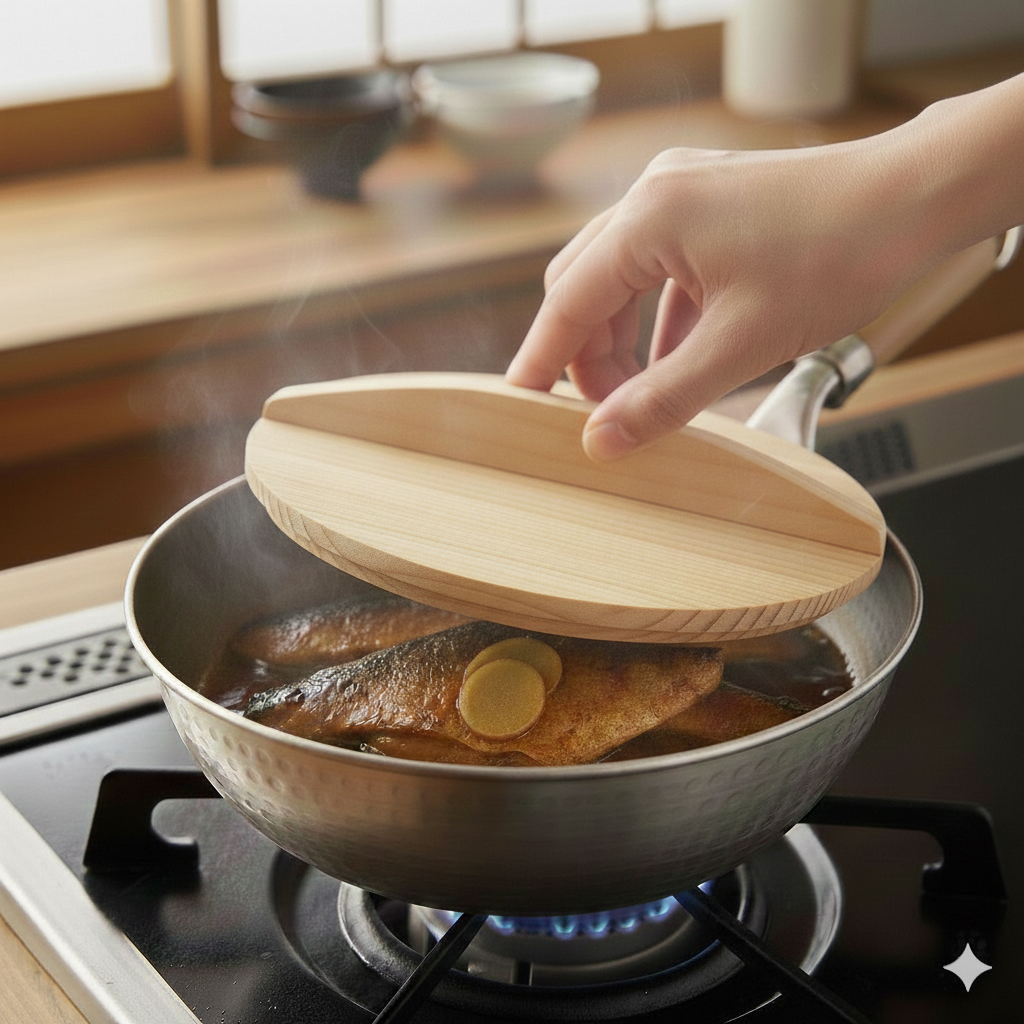
Step 4: Use an “Otoshi-buta” (Drop Lid)
In Nitsuke, we never flip the fish to avoid tearing the skin.
- The Benefit: It forces the sauce to circulate over the top, coating it with a beautiful glaze.
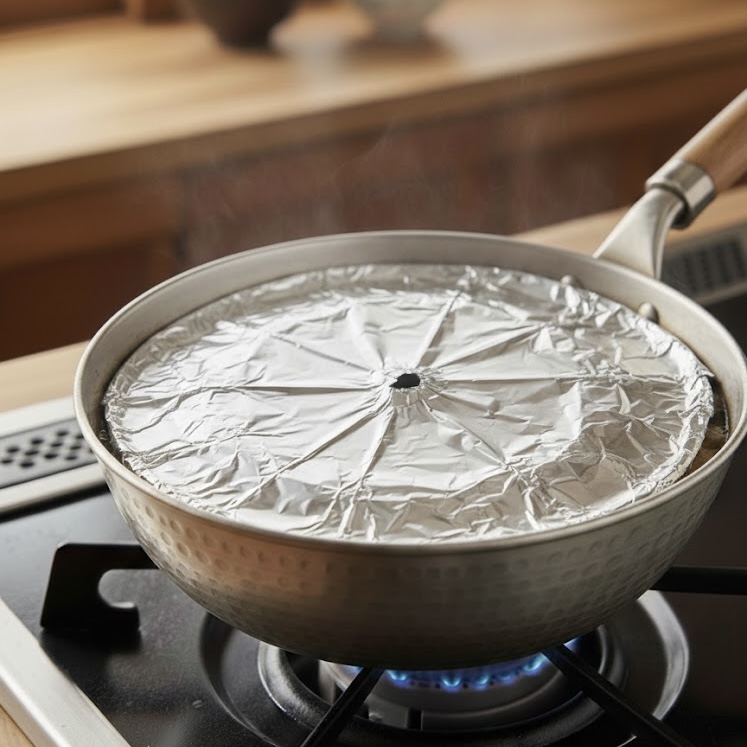
- 💡 No “Otoshi-buta”? Use a piece of aluminum foil or cooking paper cut into a circle with a few holes in the middle.
Key Points for Success
- Choose fresh fish: Great cooking starts with great ingredients. Using high-quality, fresh fish is the ultimate secret.
- Cook quickly in a small amount of sauce: Don’t drown the fish in liquid. Cooking quickly in a concentrated sauce locks in the natural flavors and keeps the flesh remarkably tender.
- Reduce the sauce for a rich glaze: Reducing the sauce slightly at the end adds a appetizing shine and deepens the overall flavor.
Enjoy the tender fish flesh by lightly dipping each piece into the rich, reduced sauce as you eat!
Irresistible with Rice! Top 4 Fish Recipes from Classic Simmered to Popular Miso Style
Now that you’ve mastered the basics of Nitsuke, it’s time to head into the kitchen!
Each fish has its own unique texture and flavor profile. Here are some of my favorite recipes designed to bring out the best in each variety. Be sure to click the links below for the full step-by-step guides!
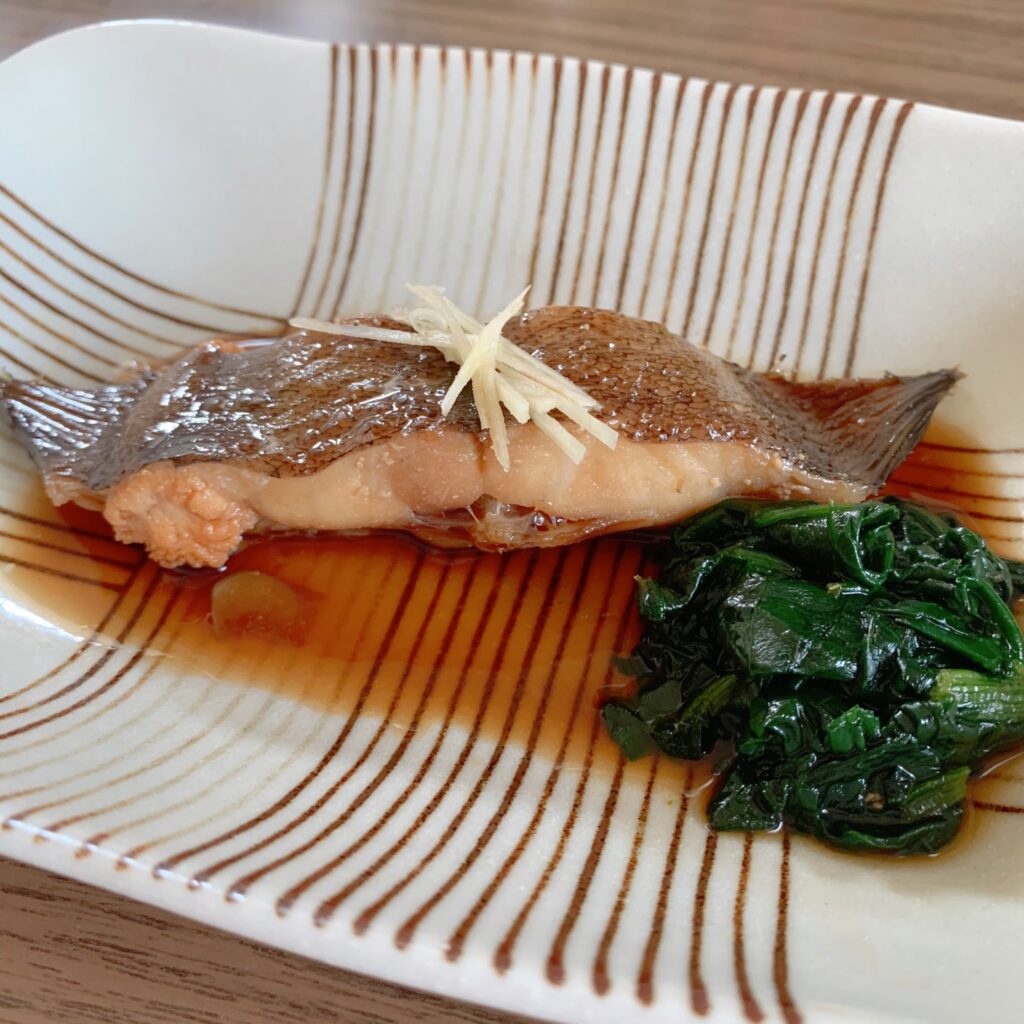
Karei Nitsuke (Simmered Righteye Flounder)
“The Ultimate Classic of Japanese Home Cooking” “Flounder simmered in sweet soy sauce (Karei no Nitsuke) is actually an absolute winner—and foolproof once you know a few quick tricks!
The soft, flaky white fish soaks up that rich, savory-sweet sauce, making it the ultimate match for a hot bowl of rice. It might look fancy, but you can easily whip it up in just one skillet.
Check out the full recipe link below for the secrets to keeping the fish perfectly intact and mastering the ideal sauce ratio. Give it a try for dinner tonight!
[ Karei Nitsuke (Simmered righteye flounder)]
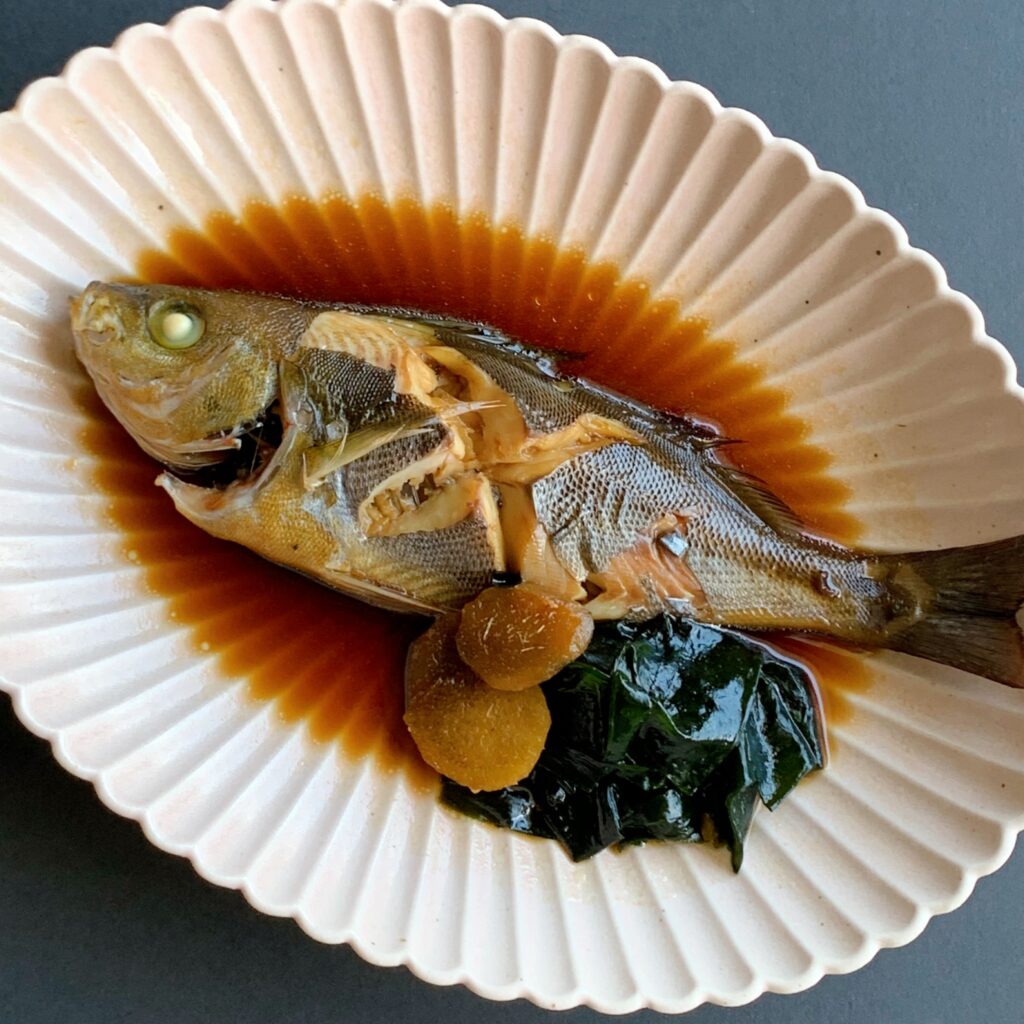
Isaki Nitsuke (Simmered Chicken Grunt)
“Simmered Isaki (Chicken Grunt) is a delightful dish loved for its delicate, tender texture and clean, refined flavor!
Simmering the fish whole rather than using fillets locks in every drop of rich umami. A quick cross-cut on the skin allows that savory-sweet sauce to soak deep into the meat.
Check out the full recipe below to learn the ideal heat control for keeping the flesh soft and succulent. Be sure to give it a try if you want to expand your Japanese seafood repertoire!
[ Isaki nitsuke (Chicken grunt in soy sauce)]
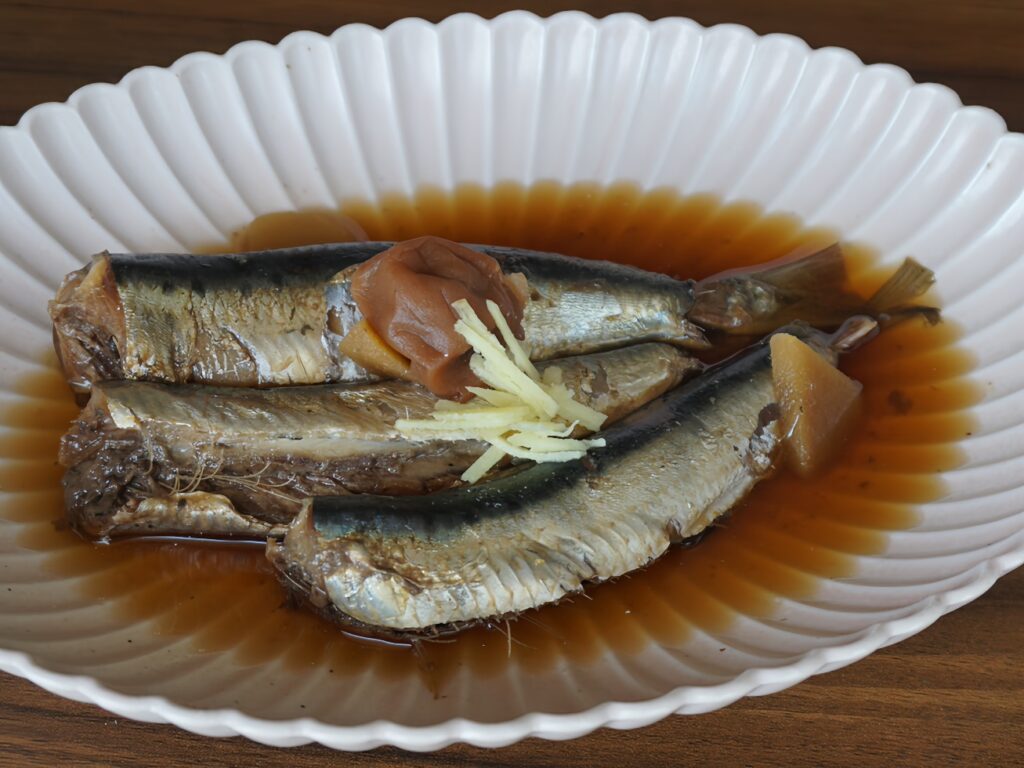
Iwashi no Ume-shogani (Sardines with Plum & Ginger)
“Simmered Sardines with Pickled Plum and Ginger is a nutrient-packed dish with a wonderful balance of savory, sweet, and tangy flavors!
Slow-simmering rich sardines with umeboshi (sour plum) and ginger cuts through the fishiness, giving it a clean, refreshing taste. Using a pressure cooker softens the bones completely, making it an effortless way to soak up essential nutrients like calcium, EPA, and DHA.
Check out the full recipe link below for the step-by-step guide to melt-in-your-mouth sardines. It’s a comforting, healthy meal that’s so good for your body!
[Simmered Iwashi fish with Umeboshi and Ginger (ume shogani)]
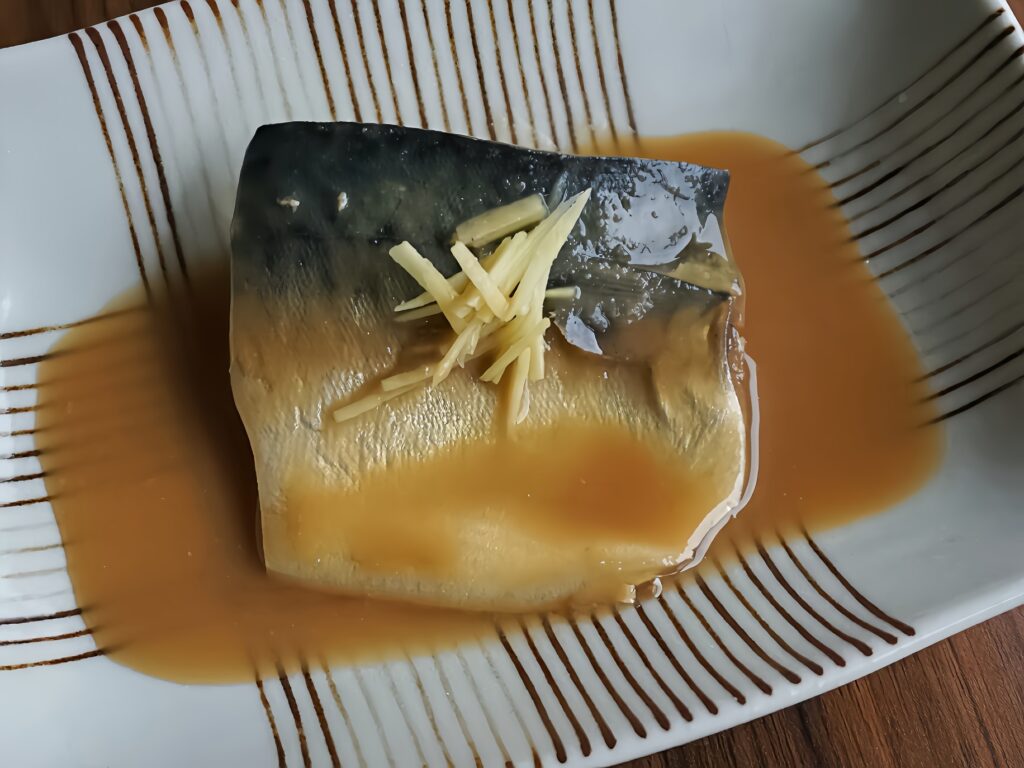
Saba Miso-ni
“Saba no Miso-ni (Miso-Simmered Mackerel) is an absolute crowd-favorite and the ultimate comfort food when it comes to Japanese fish dishes!
While classic soy-sauce simmering is great, rich mackerel cooked in a sweet, savory miso sauce takes things to another level. The rich miso perfectly mask any fishiness while enhancing the natural flavors, making it the top contender for the best pairing with hot white rice.
Check out the recipe link below for key prep tips to keep the fish tender and the secrets to achieving a rich, velvety miso sauce. It’s a guaranteed hit for dinner!
[Saba no Miso-ni: The Ultimate Guide to Mackerel Simmered in Miso]
Read the Japanese version of this article here! 日本の魚の煮付けの達人:3:3:3:1の黄金比
魚の煮付け #煮付け #和食ごはん #おうちごはん #SimmeredFish #Nitsuke #JapaneseFood #HealthyEating

コメント