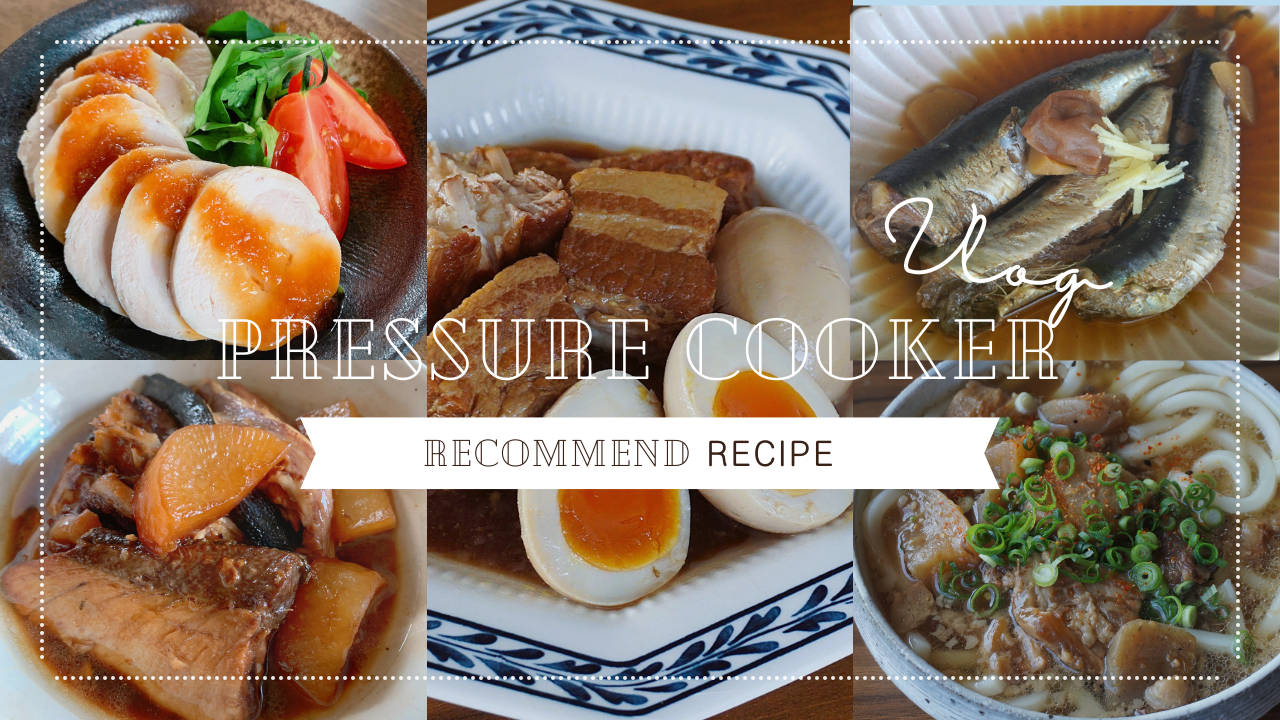
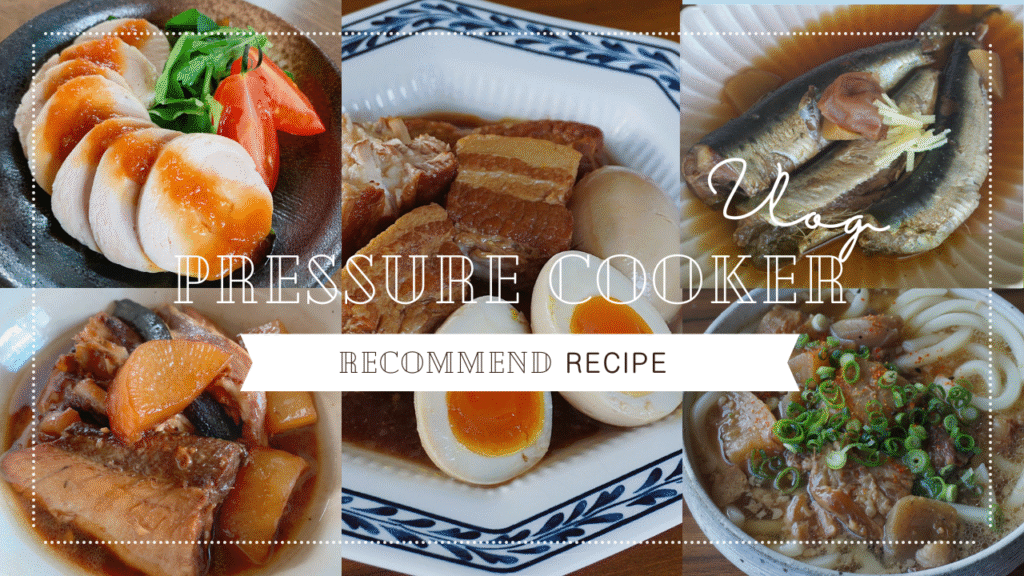
Mastering the Pressure Cooker: Quick & Easy Professional Flavors at Home
A pressure cooker (Atsuryoku Nabe) is the ultimate ally for a busy lifestyle. It’s a versatile powerhouse that not only tenderizes tough ingredients in record time but also excels at steaming and cooking perfect rice. It is a “magic tool” that achieves a level of melting tenderness and bone-softening succulence that regular pots simply cannot match.
Types of Pressure Cookers and How to Choose
There are two main categories of pressure cookers:
- Stovetop Models: These are heated on gas or induction (IH) stoves. Famous brands include T-fal and Fissler. They often feature higher pressure levels, making them perfect for dishes that need to be finished quickly.
- Electric Models: These are “set it and forget it” appliances (such as Iris Ohyama). They automatically regulate heat, allowing you to focus on other chores while they cook.
💡 Understanding “kPa” (Kilopascals) Pressure intensity is measured in kPa. Higher values mean higher temperatures and faster cooking. While a high-pressure model (100+ kPa) is ideal for softening fish bones completely, a standard 60–70 kPa model is more than sufficient for steaming vegetables and cooking meat.
My Trusted Models & Personal Review
Here are the two models I use in my kitchen. I hope this helps you find the right specs for your needs!
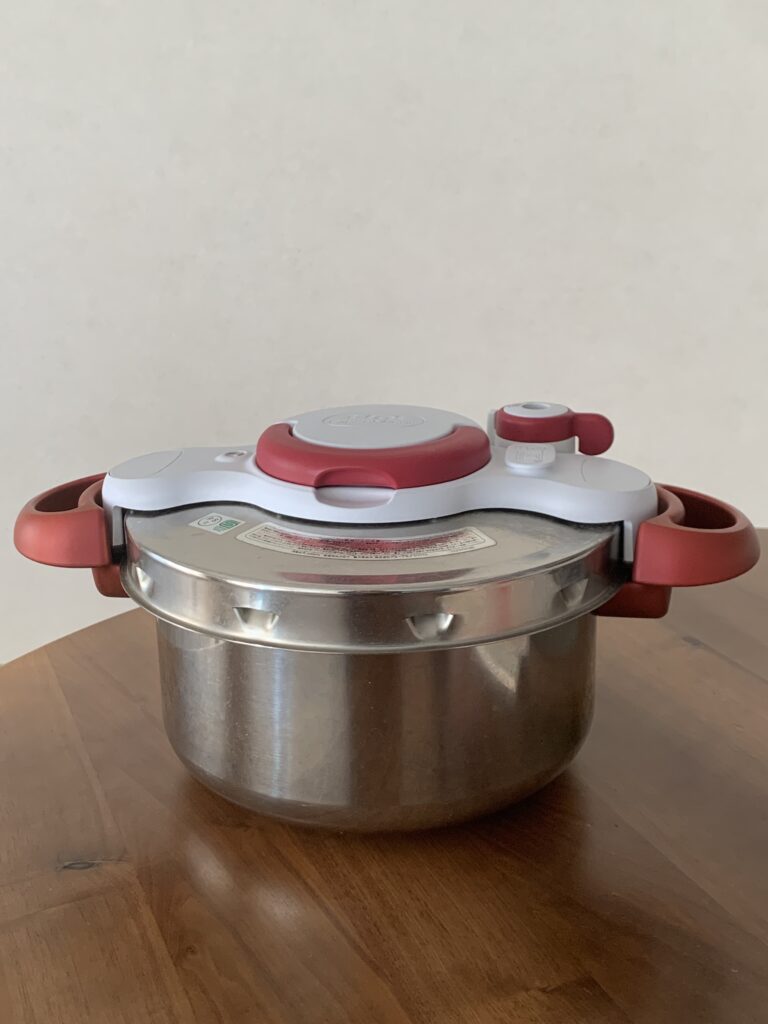
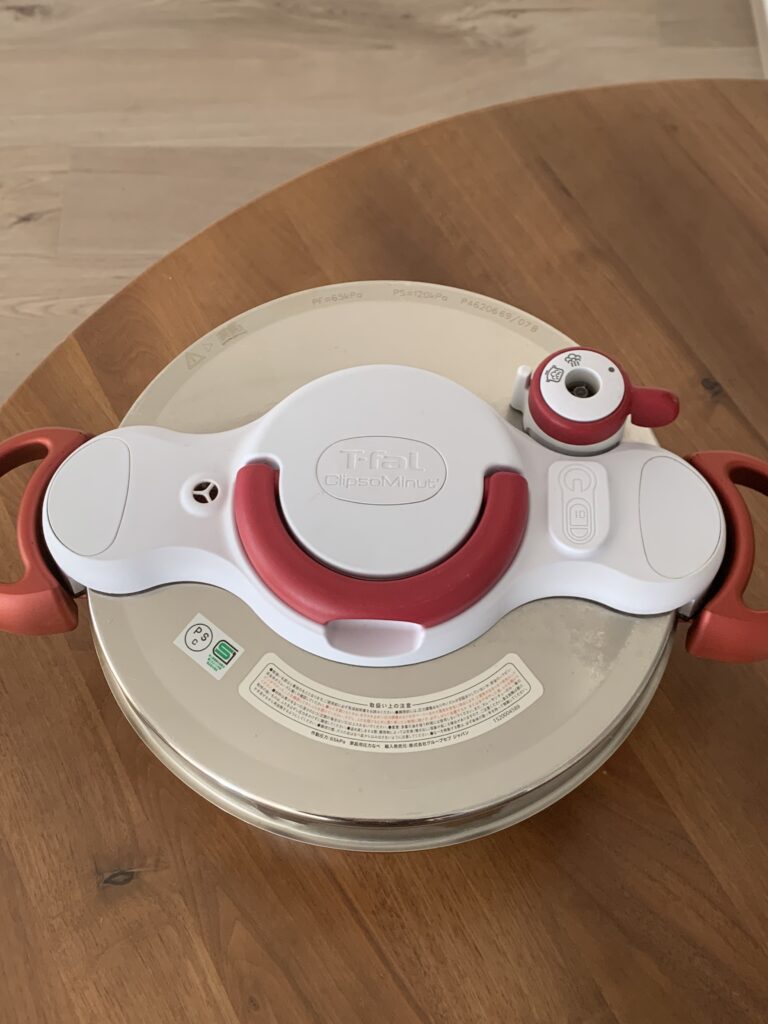
T-fal “Clipso Minut Easy” (4.5L)
- Type: Stovetop (65 kPa)
- My Experience: While the specs are standard, it is incredibly durable and has worked perfectly for years without a single hitch. It takes just 5 minutes to steam vegetables and 25–30 minutes to make fish bones soft enough to eat.
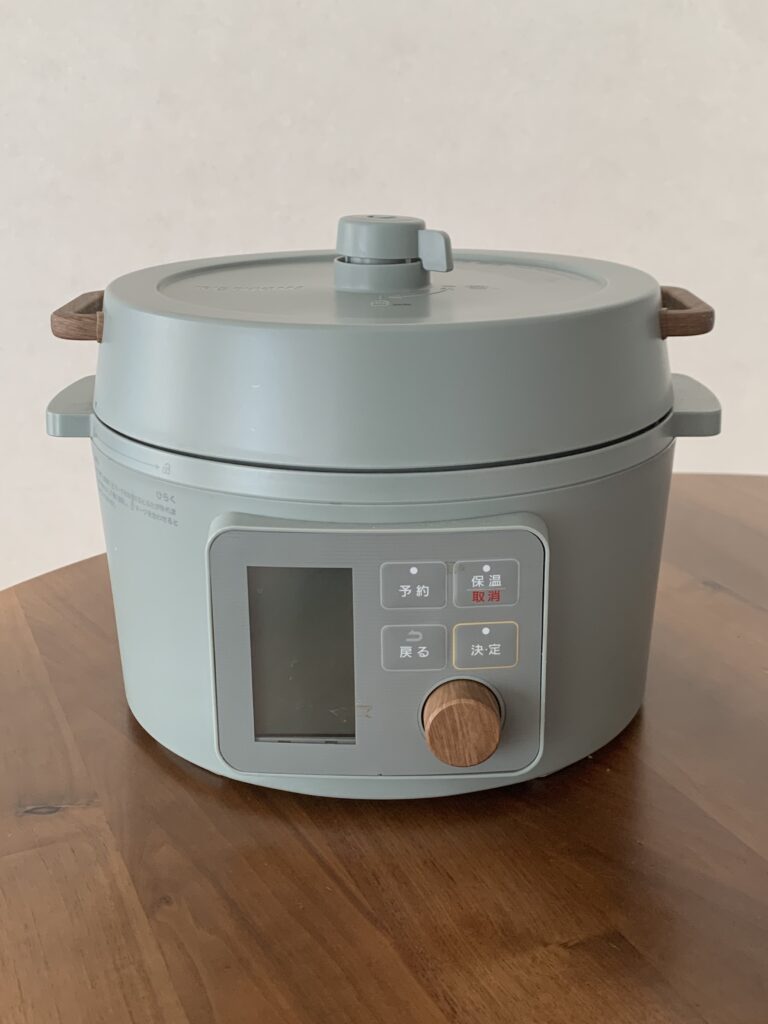
Iris Ohyama Electric Pressure Cooker “KPC-MB3” (3.0L)
- Type: Electric (70 kPa)
- Why I Love It: It emits virtually no steam during cooking, so you can place it anywhere. The most convenient feature is the screen display, which shows the remaining time including the pressure-release phase, making meal timing a breeze!
Pre-Purchase Checklist: 3 Keys to Success
To use your pressure cooker safely and effectively, keep these three points in mind:
- Choosing the Right Capacity You cannot fill a pressure cooker to the brim.
- Maximum Limit: General ingredients should only fill up to 2/3 of the pot.
- Caution: For beans or legumes that foam up, never exceed 1/3 of the capacity.
- Size Guide: 2.5L is ideal for solo living, while 3.0L–5.5L is recommended for households of two or more.
- Pressure (kPa) Levels Higher kPa equals faster cooking. If you are looking for an upgrade, a high-pressure model (100–150 kPa) will significantly reduce your kitchen time.
- IH Compatibility If you use an induction cooktop, ensure your stovetop model is explicitly labeled “IH Compatible.”
17 Irresistible Recipes: Bring the Magic to Your Kitchen
🍖 Meat Mains (The Classics)
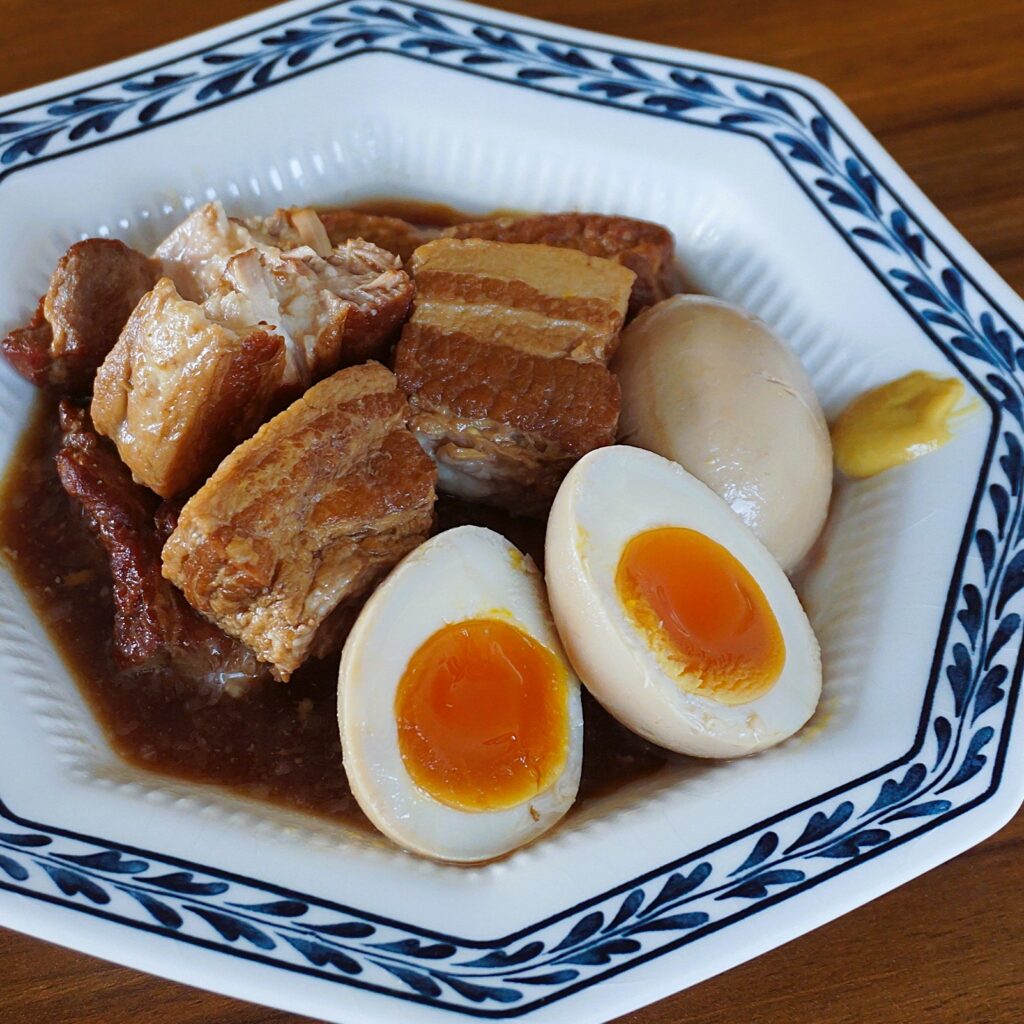
Buta no Kakuni (Braised Pork Belly)
Experience the joy of “melt-in-your-mouth” pork. What usually takes hours is finished in just 30 minutes.
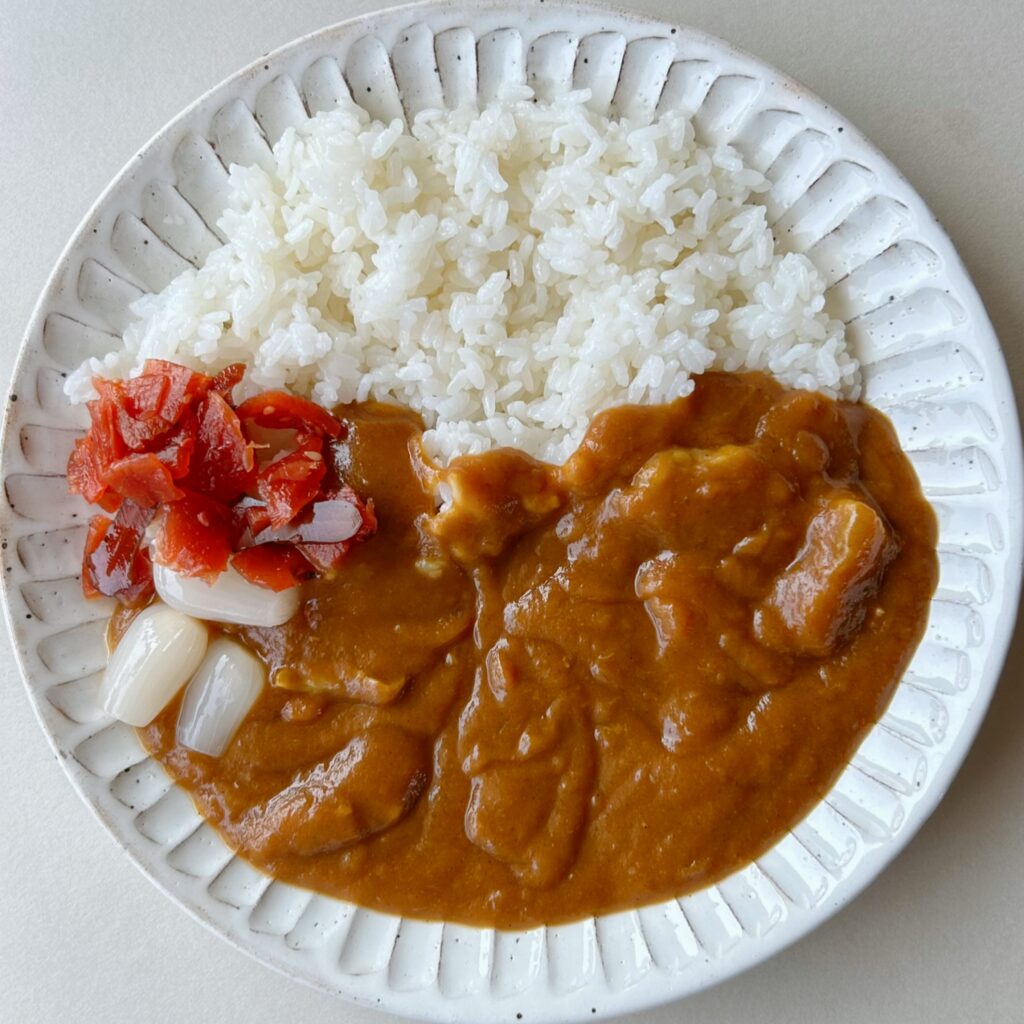
Gyusuji Curry (Beef Tendon Curry)
Get restaurant-quality depth at home. The pressure cooker turns tough tendon into a silky texture. Secret tip: Mix spicy Java Curry with sweet Vermont Curry for the ultimate flavor!
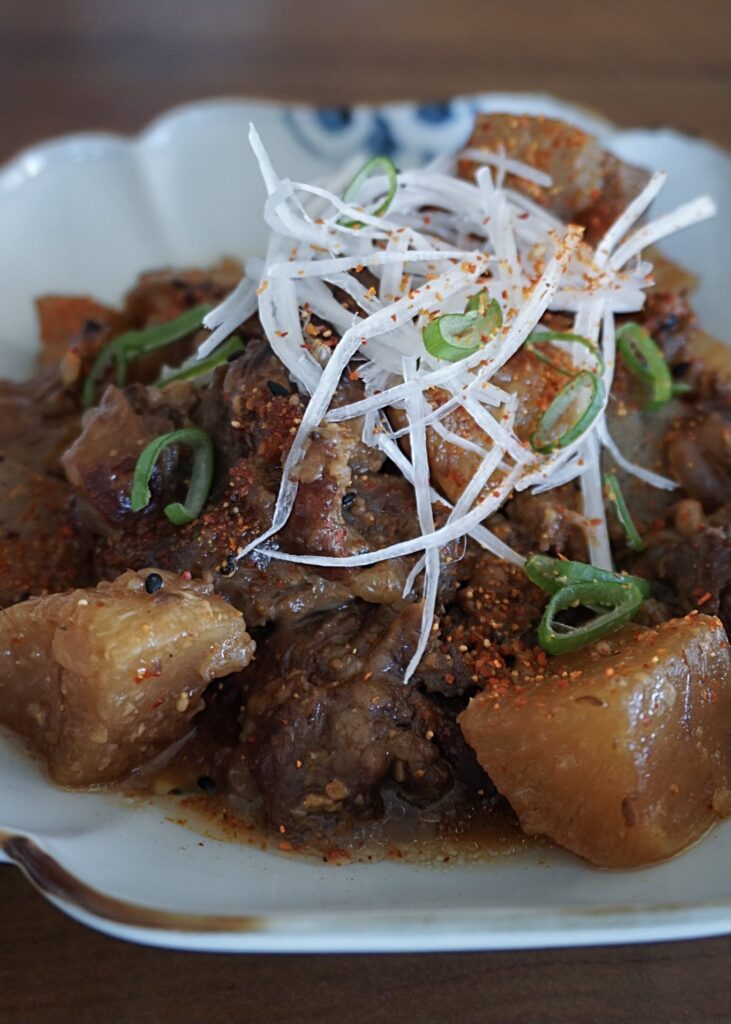
Gyusuji Doteni (Miso Stew)
A Nagoya soul food specialty. The rich Mame Miso seeps deep into the beef tendon—perfect with a drink.
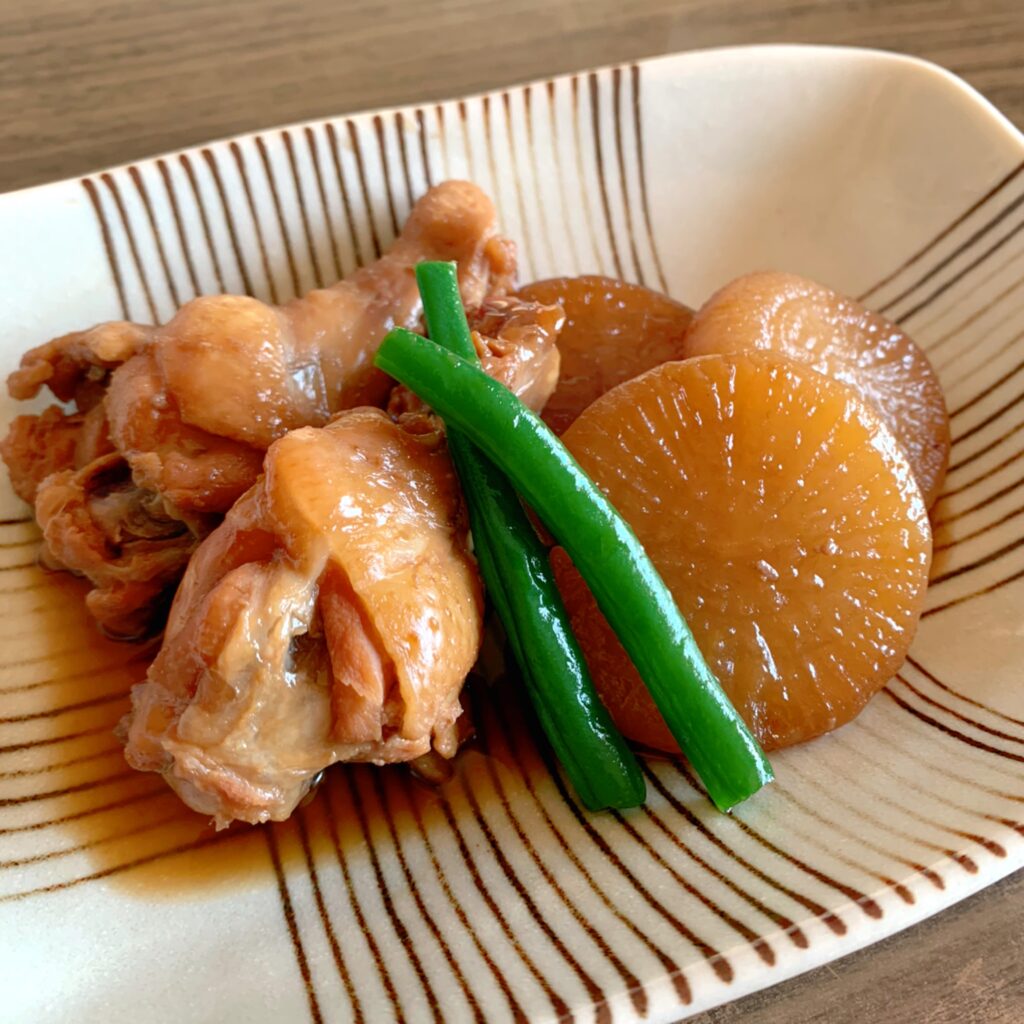
Tebamoto Daikon (Black Vinegar Chicken)
Refreshing and tender. Even when cooked together, the chicken stays moist while the Daikon radish absorbs every drop of flavor.
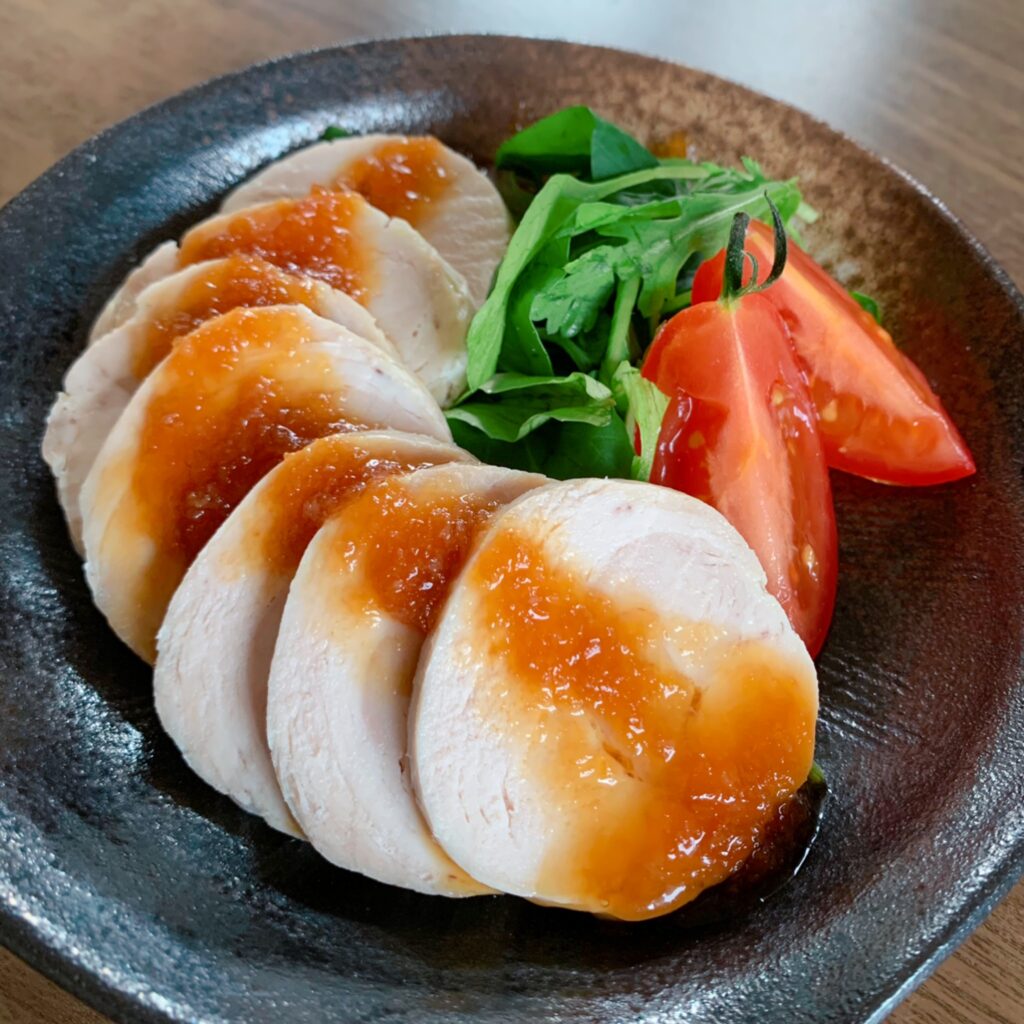
Tori Ham (Steamed Chicken)
The ultimate juicy texture for salads and sandwiches. It’s a versatile meal-prep staple you can customize with herbs or garlic.
🐟 Seafood Recipes
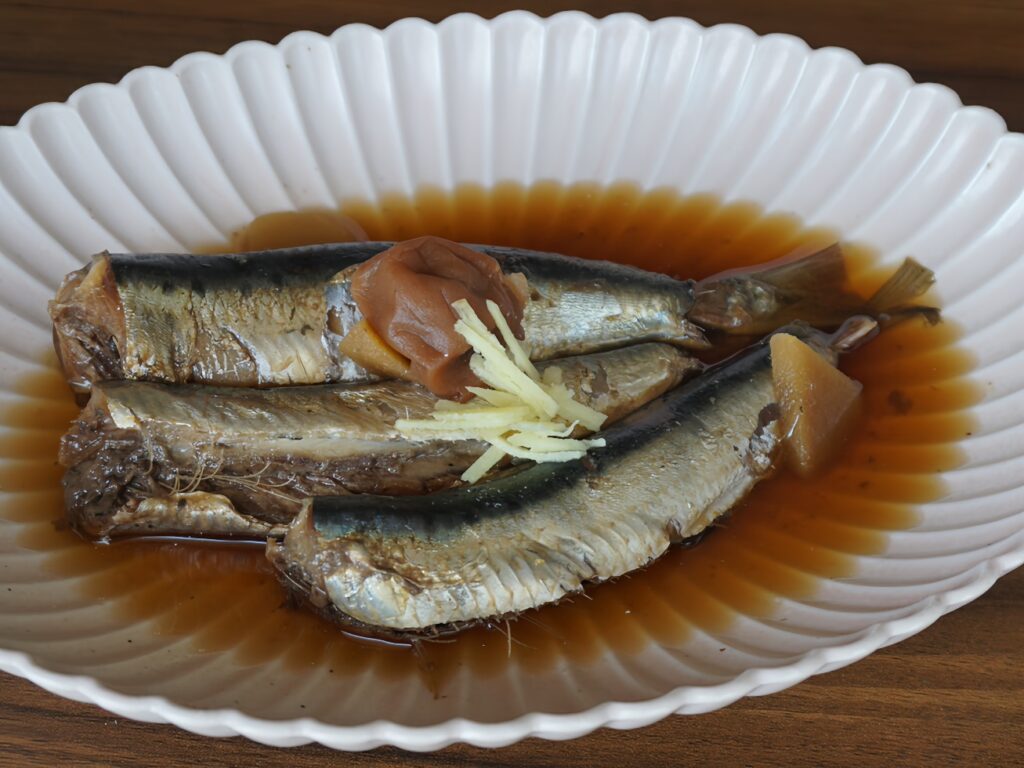
Iwashi Umeni (Simmered Sardines)
Nutrient-dense and completely edible—bones and all! The pressure cooker makes small bones disappear, while umeboshi (pickled plum) removes any fishy aroma.
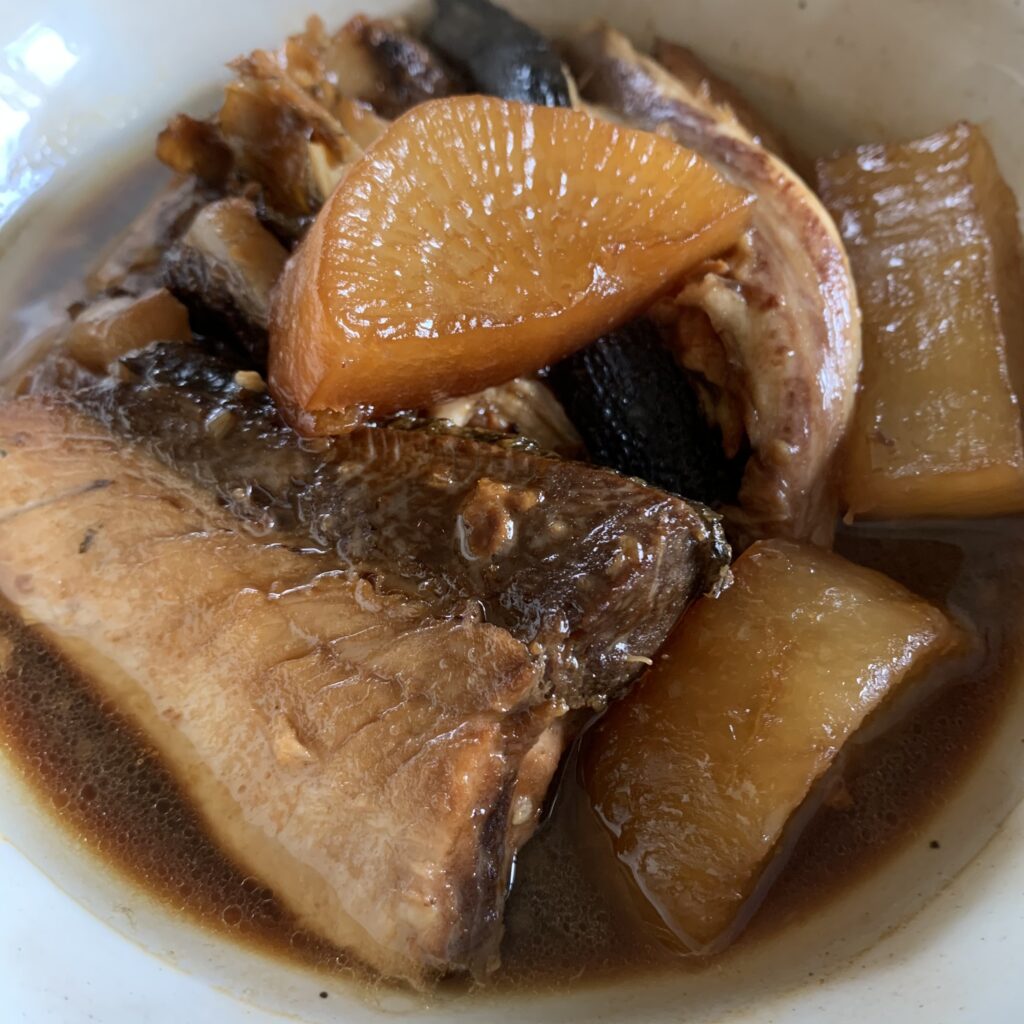
Buri Daikon (Yellowtail & Radish)
The definitive winter comfort dish. The radish soaks up the savory fat from the yellowtail.
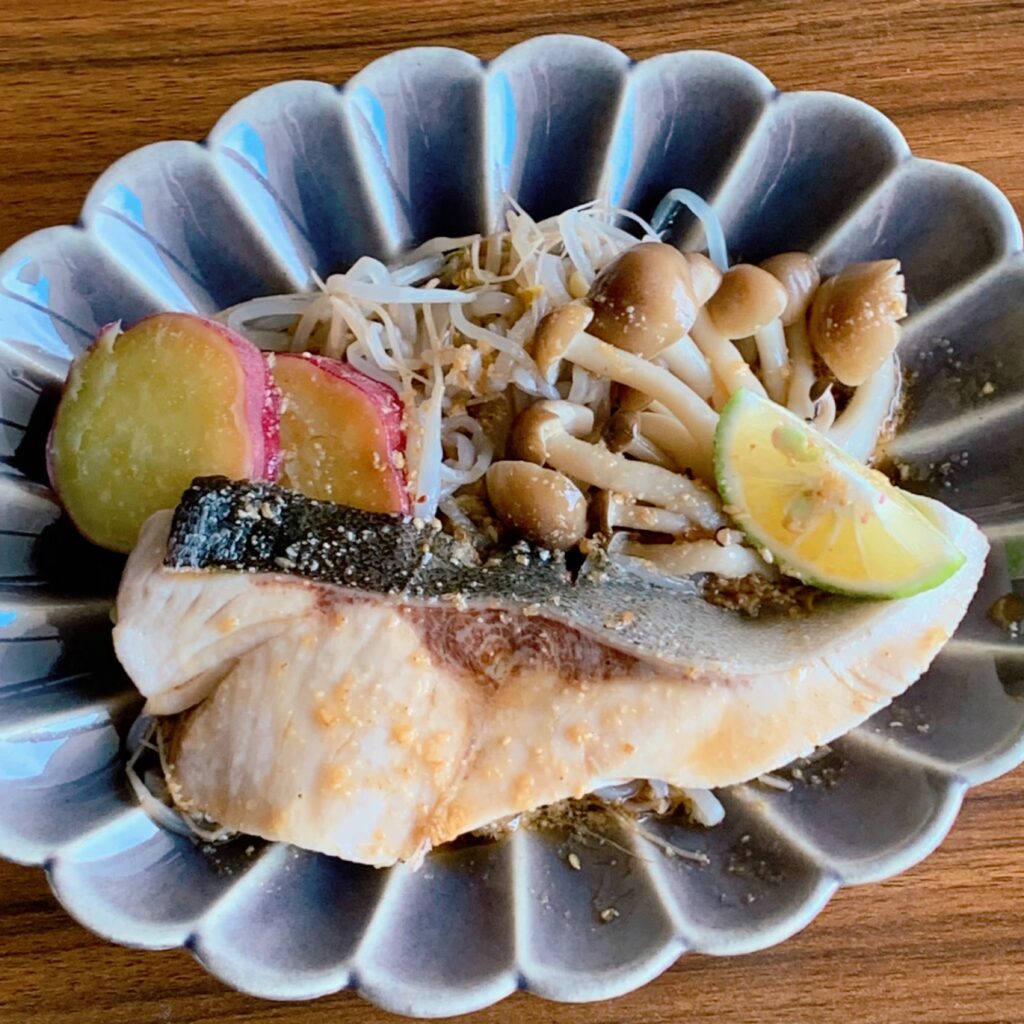
Buri Sakamushi (Steamed Yellowtail)
Elegant and fluffy. Steaming with sake keeps the fish plump and fragrant.
Stews, Soups, and International Flavors
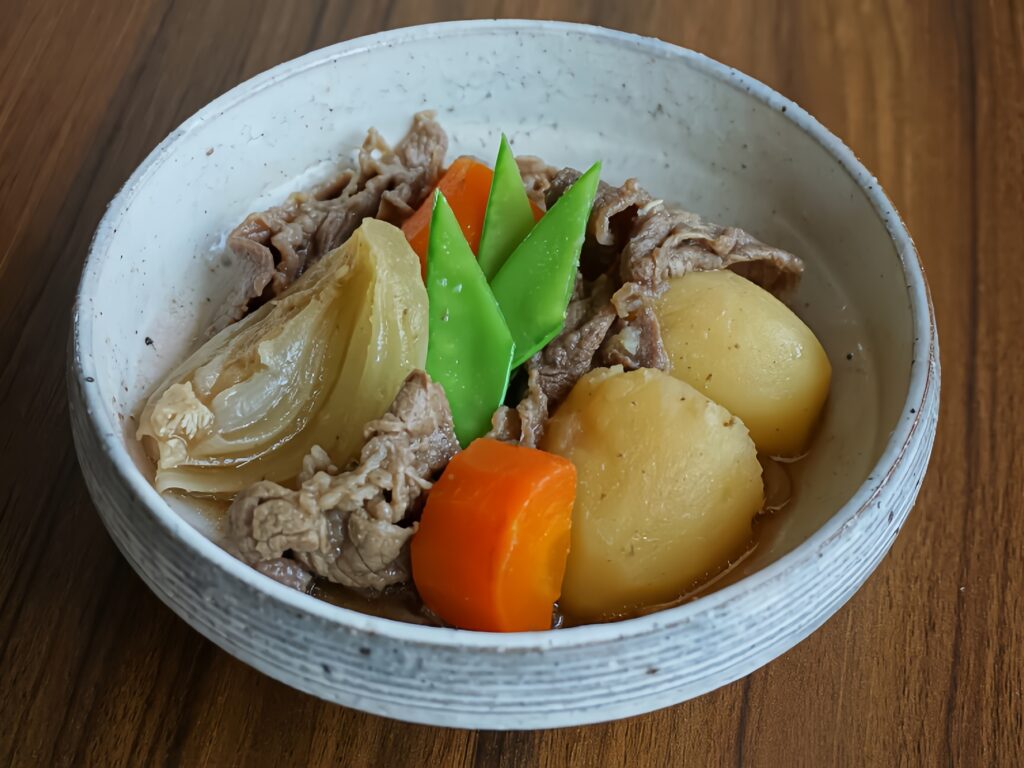
Nikujaga (Japanese Potato Stew)
Fast cooking without the potatoes falling apart. It turns even budget-friendly cuts of meat into a tender masterpiece.
Satoimo Soboroni (Simmered Taro)
A warming winter delight. The creamy texture of taro paired with savory ground meat is pure bliss.

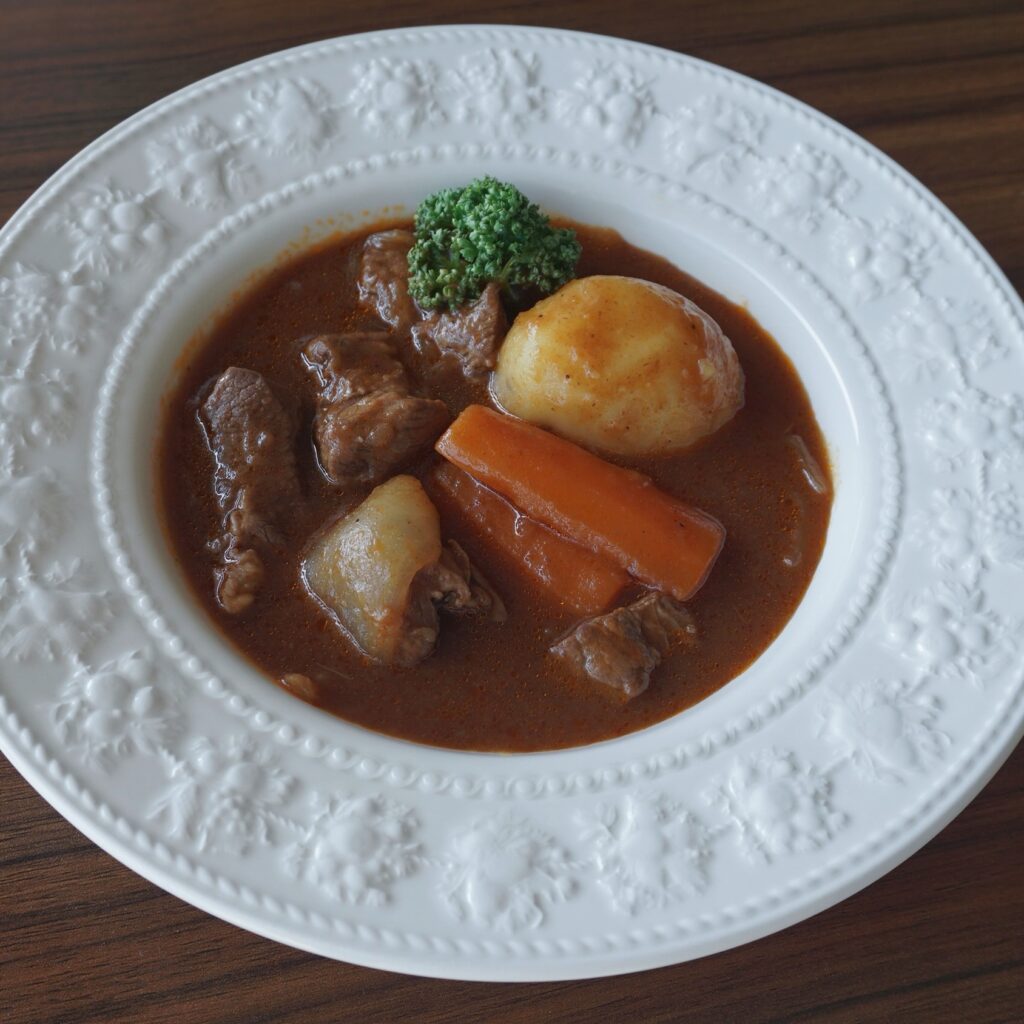
Beef Stew
Even large-cut vegetables become the star of the show. Just remember: add the roux after releasing the pressure!
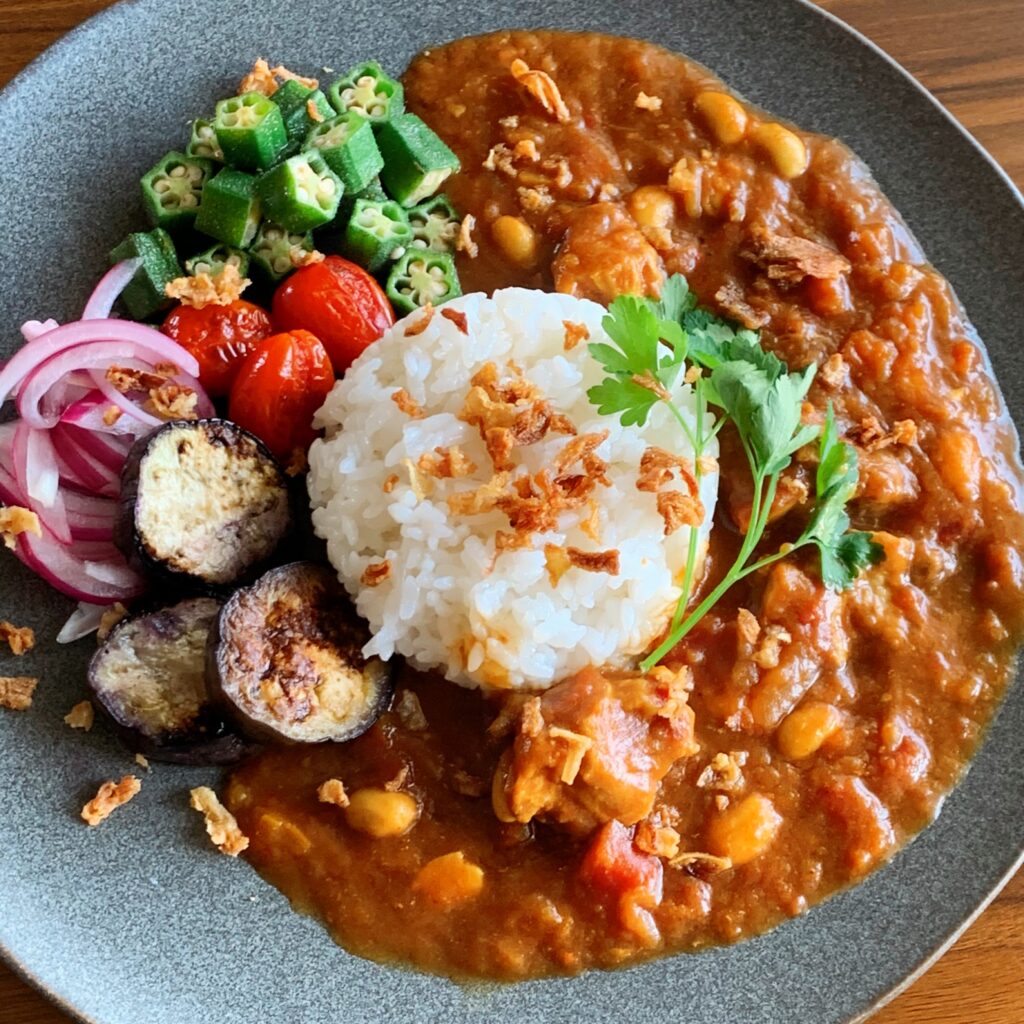
Healthy Tomato Curry
Low-salt, low-fat, and full of soybeans. Blending the veggies creates a thick, satisfying texture with minimal roux.
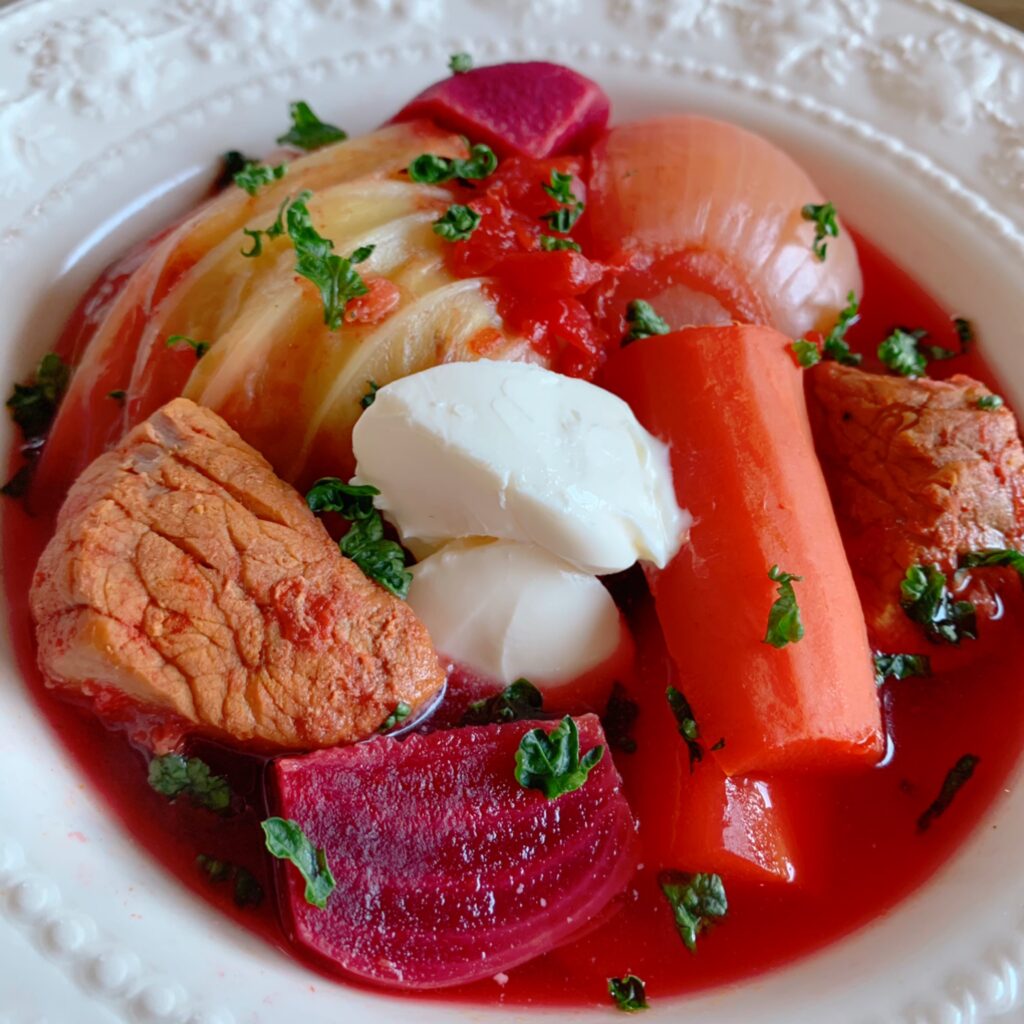
Borscht with Sour Cream
Enjoy the superfood “beets” in this world-famous soup, adapted for the Japanese palate.
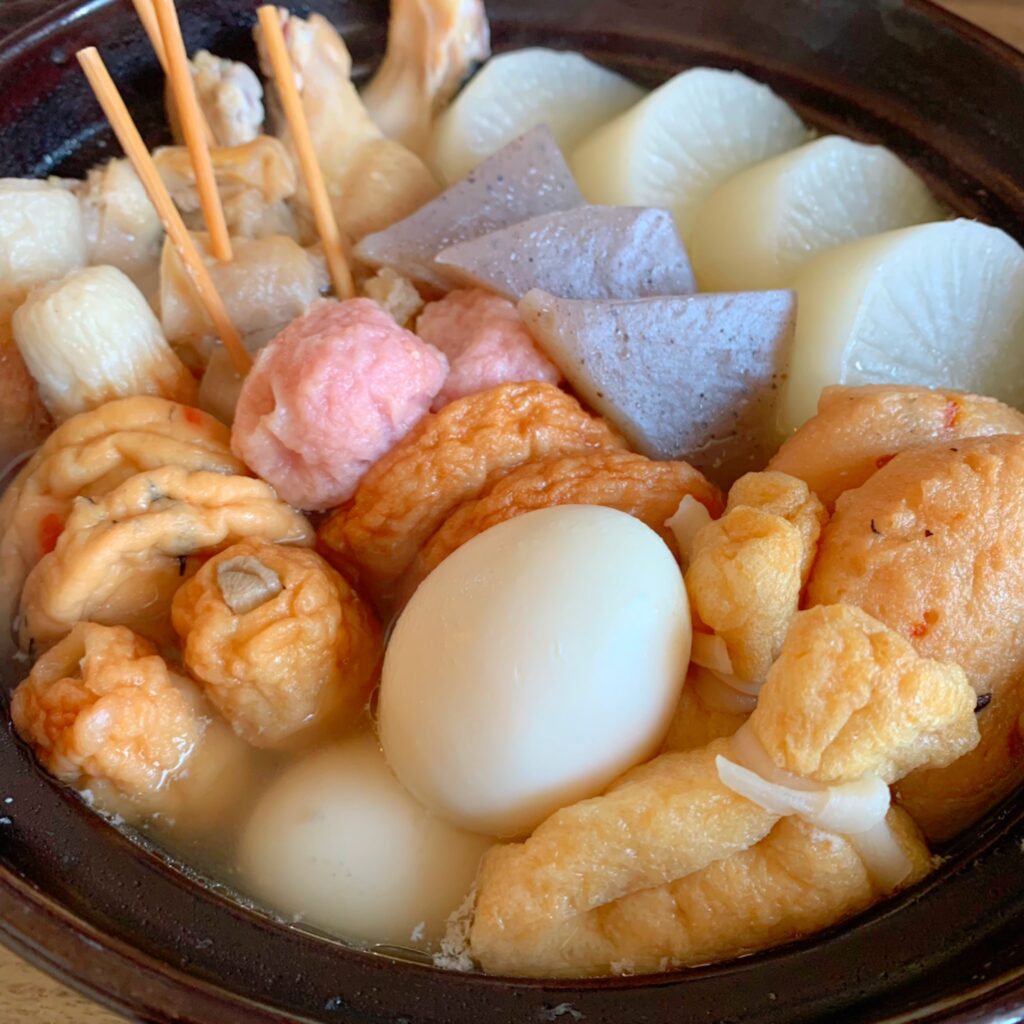
Easy Oden Soup
Use the pressure cooker for the “time-consuming” items like Daikon and beef tendon to create a professional-grade golden dashi.
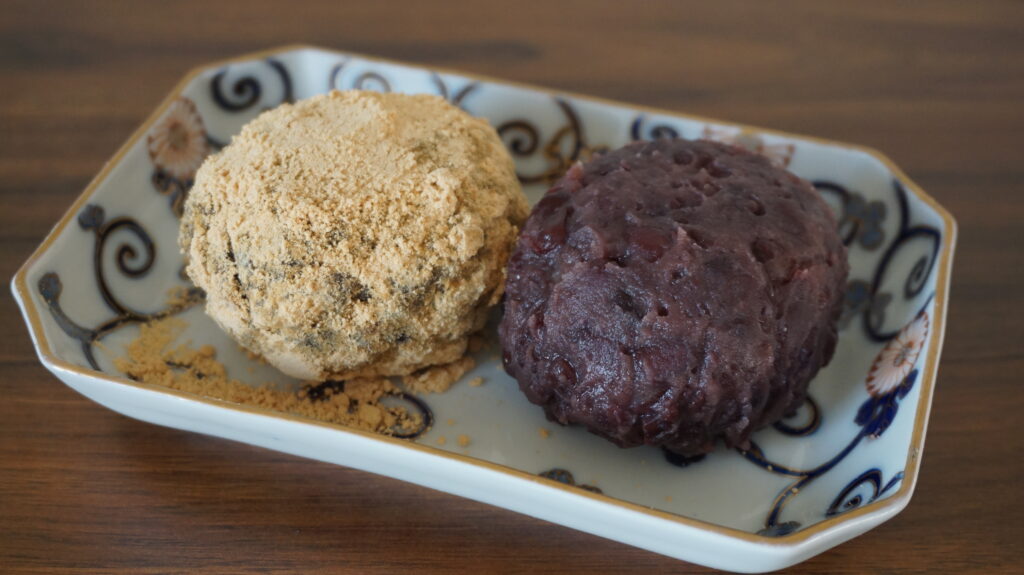
🍡 Japanese Sweets (Wagashi)
Ohagi (Anko Mochi)
Making “Anko” (red bean paste) from scratch is easier than you think! Learn the secrets from rice prep to the final wrap.
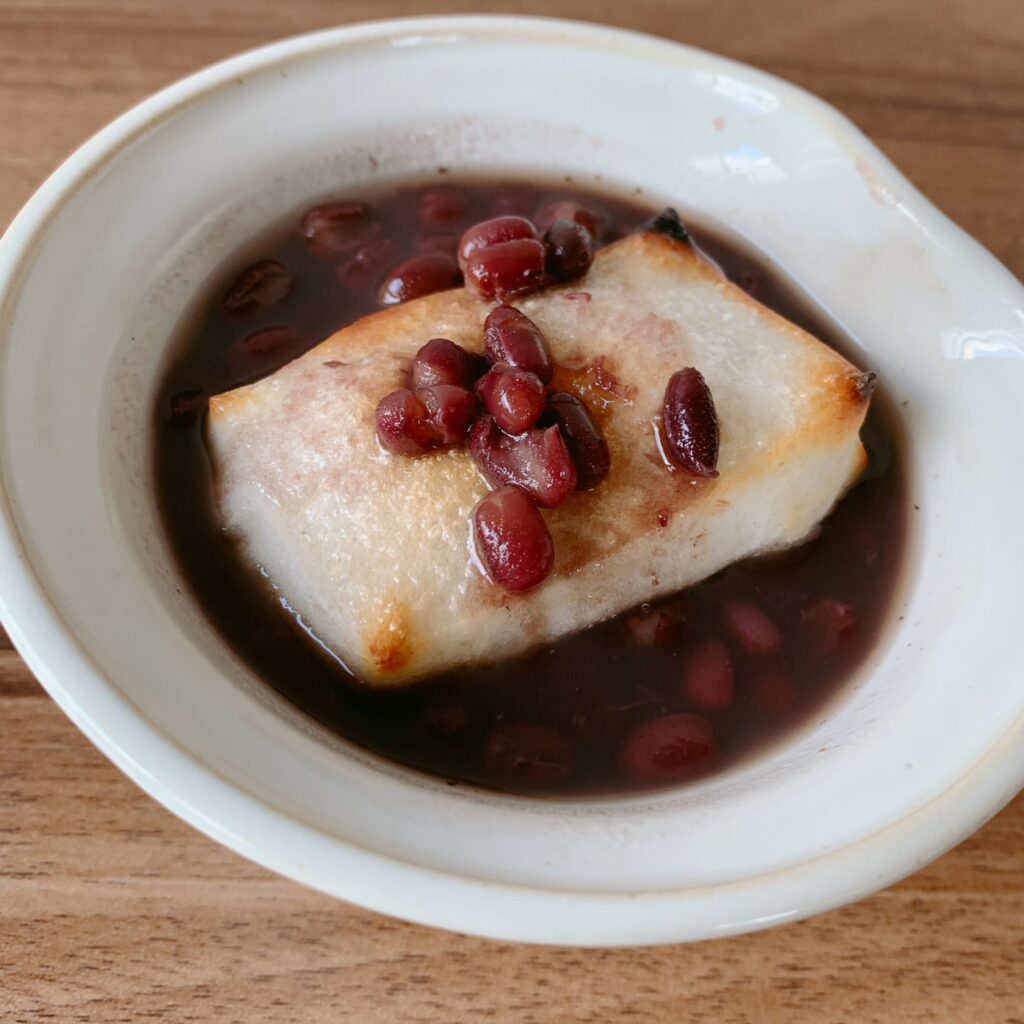
Oshiruko (Sweet Red Bean Soup)
A luxurious winter treat. Simmering azuki beans is highly efficient in a pressure cooker—just follow the safety amounts (150-200g).
⚠️ Safety Tips for Pressure Cooking
- Respect the Capacity: Always stick to the 2/3 rule for general food and 1/3 for beans.
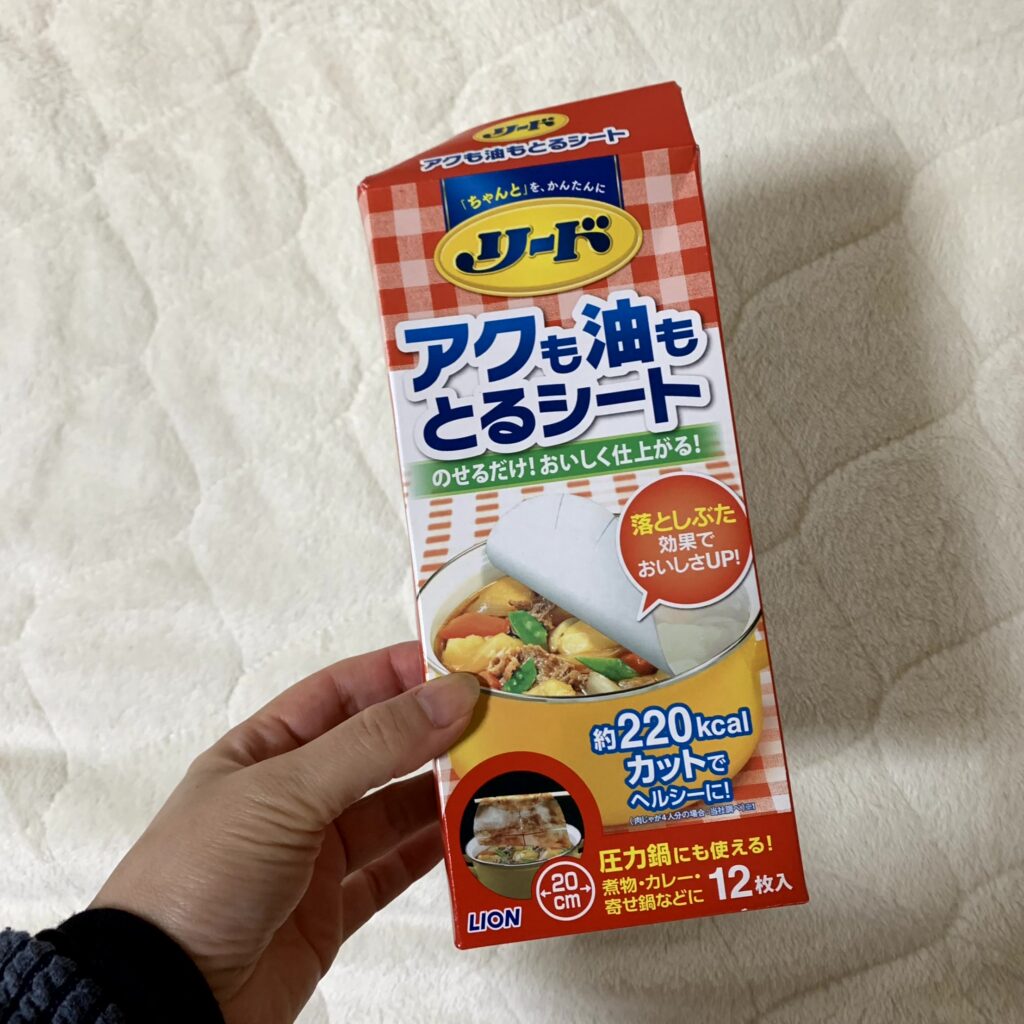
- Check the Steam Vent: If using drop-lids (落とし蓋) or scum-removing sheets, ensure they are “pressure cooker safe” so they don’t block the safety valves.
With a pressure cooker, you can easily explore ingredients you might usually avoid, like beef tendon or beets. It’s time to bring a little kitchen magic into your daily life!
📖Read the Japanese version of this article here! [時短でプロの味!圧力鍋使いこなしガイド:おすすめレシピ17選と選び方]
コメント