
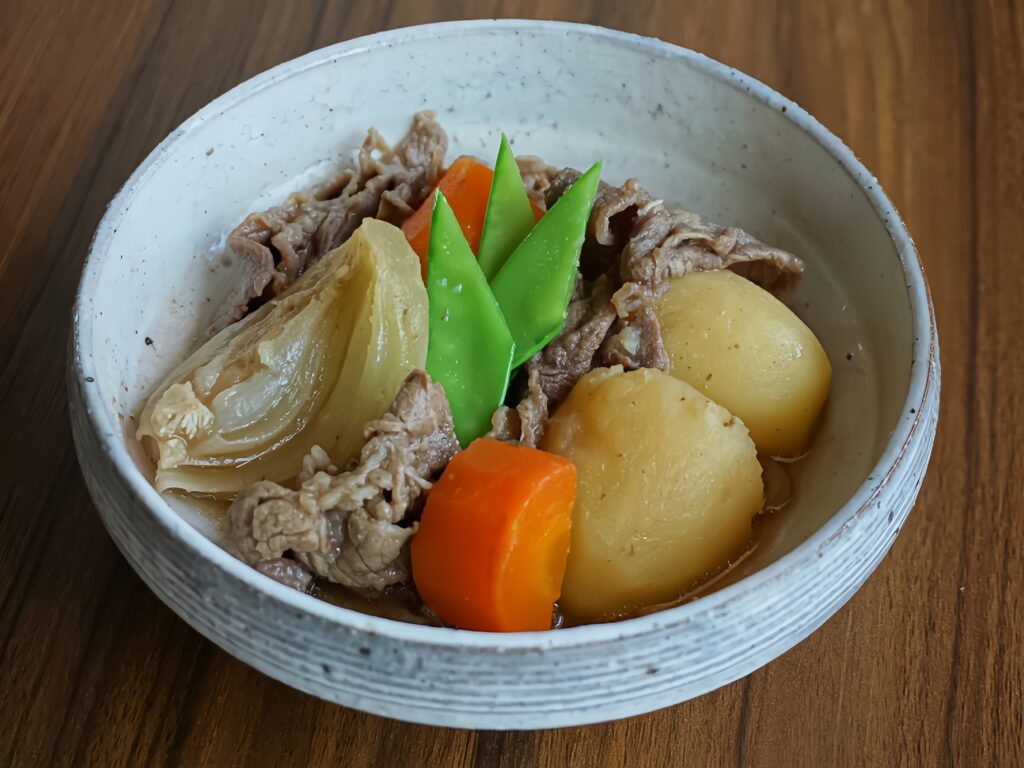
Pressure Cooker Nikujaga (Japanese Beef & Potato Stew)
Nikujaga is more than just a meal; it’s a Japanese national treasure. In Japan, being able to make a delicious Nikujaga is often seen as the ultimate sign of a skilled home cook. It combines all the fundamental techniques: precise cutting, careful simmering, and balanced seasoning.
While many people spend 30-40 minutes simmering it in a regular pot, my secret is using a pressure cooker. This method tenderizes even affordable cuts of beef in minutes and infuses the potatoes with a deep, sweet, and savory flavor without them falling apart.
Why this recipe?
- The Golden Ratio: After many trials, I’ve perfected a seasoning balance that delivers an exquisite, sweet finish.
- Balanced Portion: Designed with about 50g of beef per serving, making it a hearty yet well-balanced everyday dish.
- Time-Saving: A pressure cooker cuts your cooking time significantly while yielding professional results. For stovetop pressure cookers, it only takes 1 minute of high-pressure cooking once steam releases; for electric pressure cookers, just 2 minutes.
- Rich, Savory Broth: This recipe leaves a generous amount of flavorful broth. I intentionally don’t reduce it completely—the slightly melted, tender potatoes mix into the broth, creating an amazingly delicious texture!
- Meal Prep Friendly: It keeps well in the fridge for up to a week (perfect for bento!).
Nutrition Facts (Serves 3)
- Calories: 828 kcal
- Protein: 36.3 g
- Fat: 32.5 g
- Carbohydrates: 95.4 g
- Salt Equivalent: 8.4 g
Ingredients (Serves 3)
Ingredients (for a 3L Pressure Cooker)…For a triple batch, use a 4.5L pressure cooker.
- Beef shoulder roast: 150g (Thinly sliced is recommended)
- Potatoes: 200g (About 2 medium potatoes)
Tip: May Queen (waxy potatoes) are recommended as they don’t break down easily during cooking! - Onion: 140g (1 medium onion)
- Carrot: 80g (1 medium carrot)
- Shirataki / Ito-konjac (Konjac noodles): 70g
Freezing Tip: If you plan to freeze the dish, omit the shirataki because its texture will change. - Snow peas (Kinusaya): 3 pieces (For garnish/color)
- Cooking oil: 5g (Approx. 1 tsp)
Seasonings & Liquids
- Dark soy sauce (Koikuchi): 25g
- Light soy sauce (Usukuchi): 15g
- Sugar: 25g
- Mirin: 15g
- Sake: 20g
- Dashi powder: 5g (If using Kayanoya dashi packets, use 2 packets)
- Water: 70g (For electric pressure cookers) / 200g (For stovetop pressure cookers)
How to make Nikujaga


Prep the Vegetables: Peel the onion and cut it into 4-6 wedges. Cut the carrot into pieces (about 40g). Cut the potatoes into large chunks—small potatoes into 3 pieces, and large ones into 4.
Prep the Shirataki: Boil the shirataki noodles in hot water for 3 minutes to remove any bitterness, then drain well. (If you bought pre-processed or “no-boil” shirataki, feel free to skip this step!)
Sear the Beef: Heat the oil in your pressure cooker pot over medium heat, and sauté the beef until the color changes.
Add the Vegetables: Add the onion, carrot, potatoes, and shirataki. Gently stir from the bottom using a spatula until everything is evenly coated with the oil.
Add the Seasonings: Pre-mix all the seasonings together in a small bowl, then pour them into the pressure cooker. This is a crucial difference from cooking in a standard pot—adding seasonings separately can lead to uneven flavor absorption under pressure.
Pressure Cook: Secure the lid. Pressure cook for 2 minutes if using an electric pressure cooker, or 1 minute if using a stovetop pressure cooker. (I personally recommend stovetop pressure cookers for meat dishes, as they seem to leave less excess oil behind.)
Simmer to Finish: Once the pressure releases naturally, open the lid and simmer the liquid to deepen the flavor. Turn off the heat when about 1/3 of the broth remains.
Garnish and Serve: Blanch the snow peas in boiling water for 1 minute, then place them on top as a colorful garnish. Enjoy!
Pro-Tips for Success
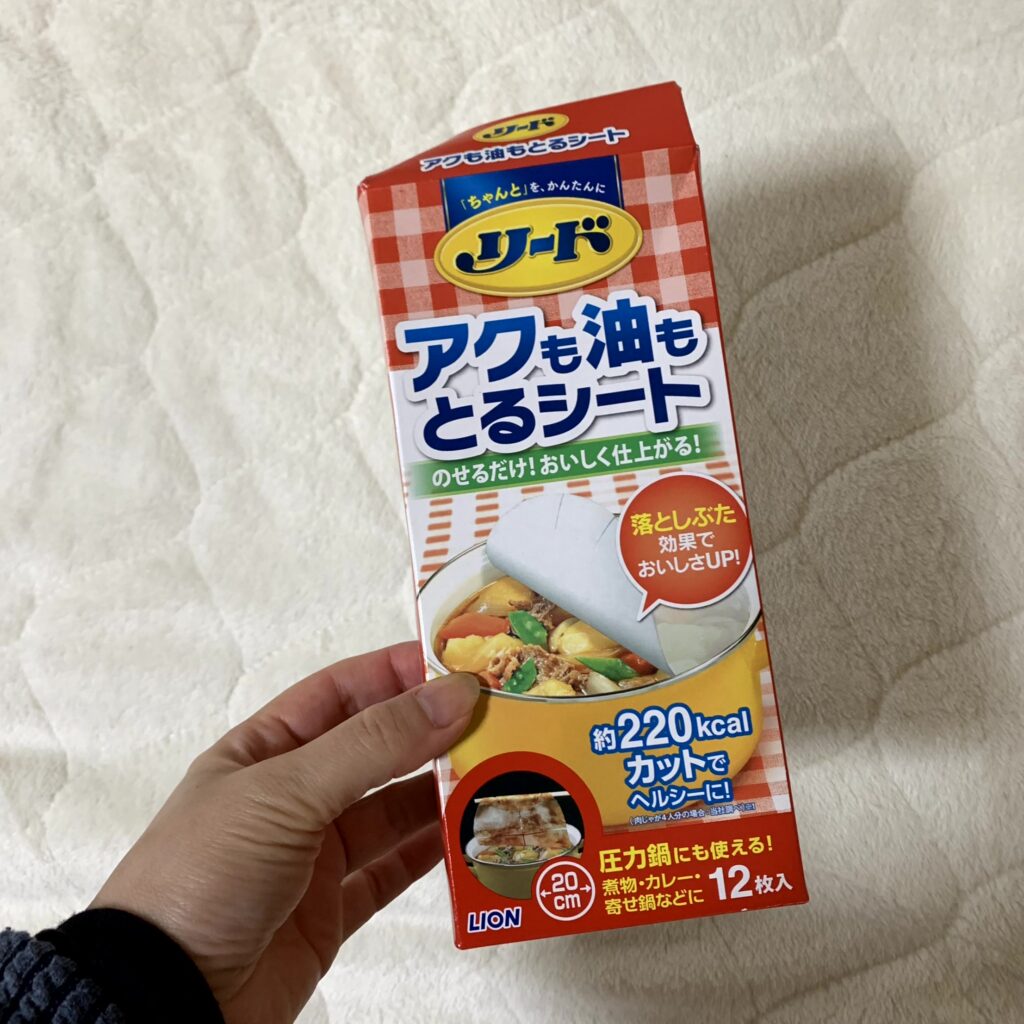
- Lye Removal & Safety: Pressure cookers produce less foam (lye) than regular pots. However, some lye is still produced, so you may want to use a lye removal sheet for a cleaner taste. Crucially, please only use sheets specifically designed for pressure cookers. Regular sheets can block the steam vent or air hole, which is dangerous.
Today’s lunch menu
This dish is a star in Japanese lunch boxes! Today’s bento lunch features a colorful and balanced variety of Japanese flavors:
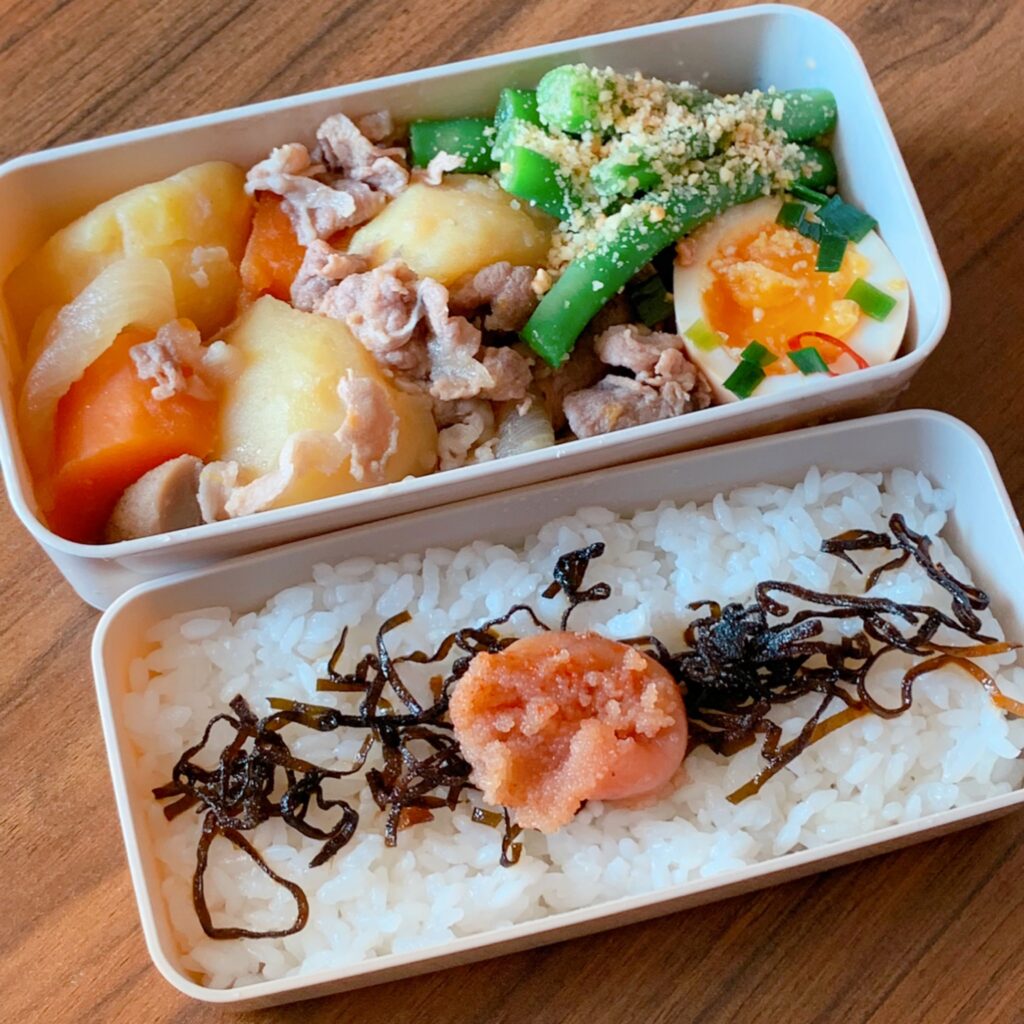
- Main: My signature Pressure Cooker Nikujaga.
- Rice: Steamed rice topped with Mentaiko (spicy cod roe) and Shio Kombu (salted kelp).
- Sides:
- Ajitama: Savory seasoned boiled eggs. [Ajitama Recipe: Easy Soy-Marinated Soft-Boiled Mayaku Eggs]
- Green Beans with Peanut Powder: A nutty and crunchy side dish.
The Secrets of Japanese Seasonings: Soy Sauce, Mirin, & Sake
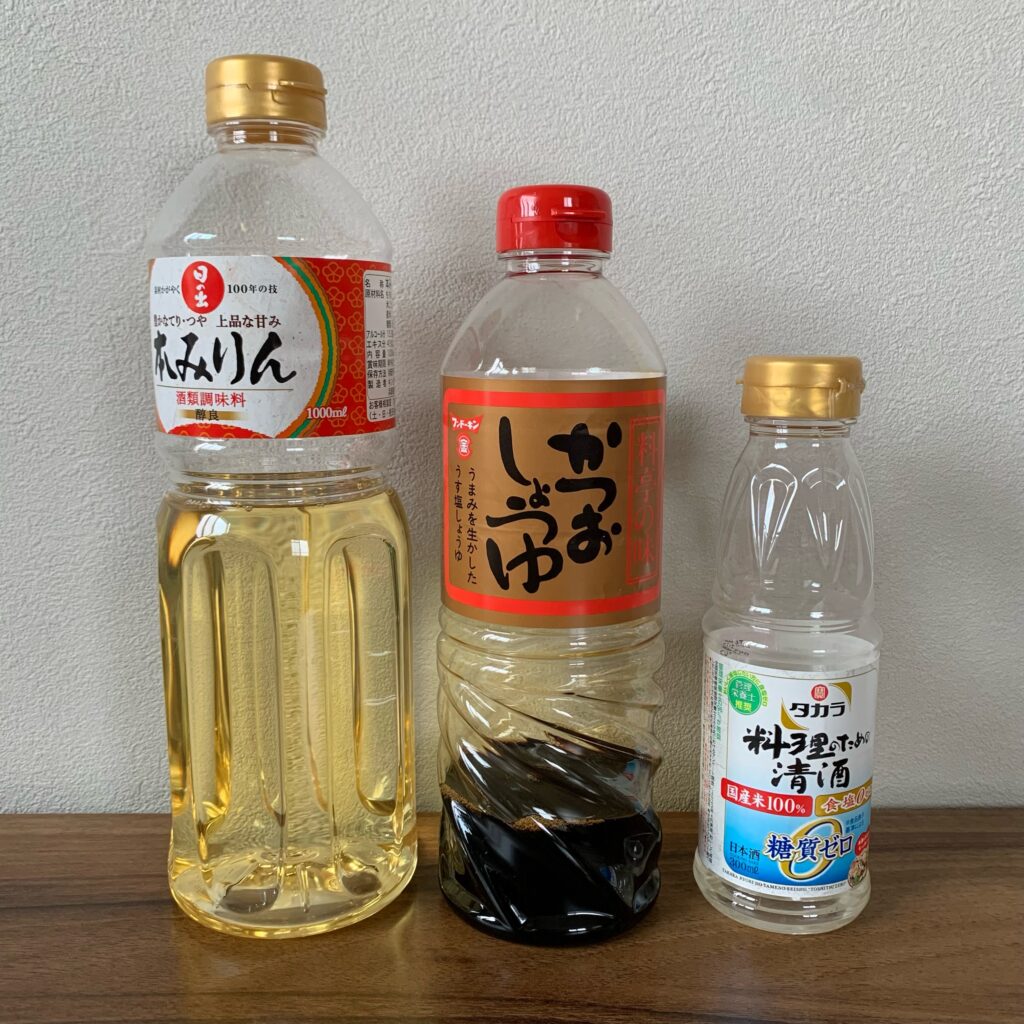
To achieve the “Golden Ratio” in Nikujaga, understanding your ingredients is key. These three staples create the complex sweet-and-savory profile known as Umami.
- 1. Soy Sauce (Shoyu): Soy sauce provides the essential salty base and deep color of Nikujaga. Using both dark and light soy sauce (as in my recipe) creates a more professional, layered flavor!
- Dark Soy Sauce (Koikuchi): The most common type, offering a rich aroma and deep flavor.
- Light Soy Sauce (Usukuchi): Saltier than dark soy sauce but lighter in color, used to season without darkening the ingredients.
- 2. Mirin (Sweet Rice Wine): Mirin is a syrupy liquid used to add a subtle sweetness and a beautiful “glaze” (teri) to the dish.
- The Benefit: It helps the potatoes hold their shape and adds a refined sweetness that sugar alone cannot achieve.
- 3. Sake (Rice Wine): Sake is used in cooking to tenderize meat and remove any unwanted odors from the beef.
- The Benefit: It adds depth and a mellow richness to the broth as it simmers.
Related Link
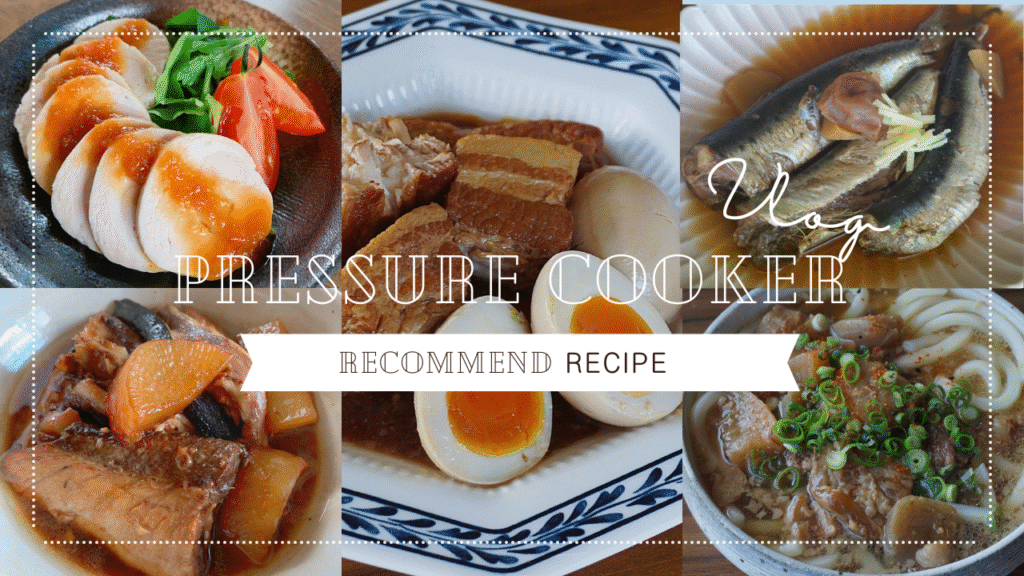
When using a pressure cooker, these seasonings penetrate the vegetables much faster than in a regular pot. For more delicious ideas and tips on pressure cooking, don’t miss this article! [Recommended recipes using a pressure cooker]
Potatoes are a versatile kitchen staple, starring in everything from hearty Japanese curry and crispy croquettes to the comforting Nikujaga (meat and potato stew). Because they are available year-round, they are a convenient and essential part of everyday meals.
Did you know that the secret to a perfect dish lies in the variety? You can significantly improve the quality of your cooking by choosing the right potato for the right purpose—such as using waxy May Queen potatoes for stews so they don’t fall apart.
In this article, I’ll share my favorite tried-and-tested potato recipes that will elevate your home cooking!
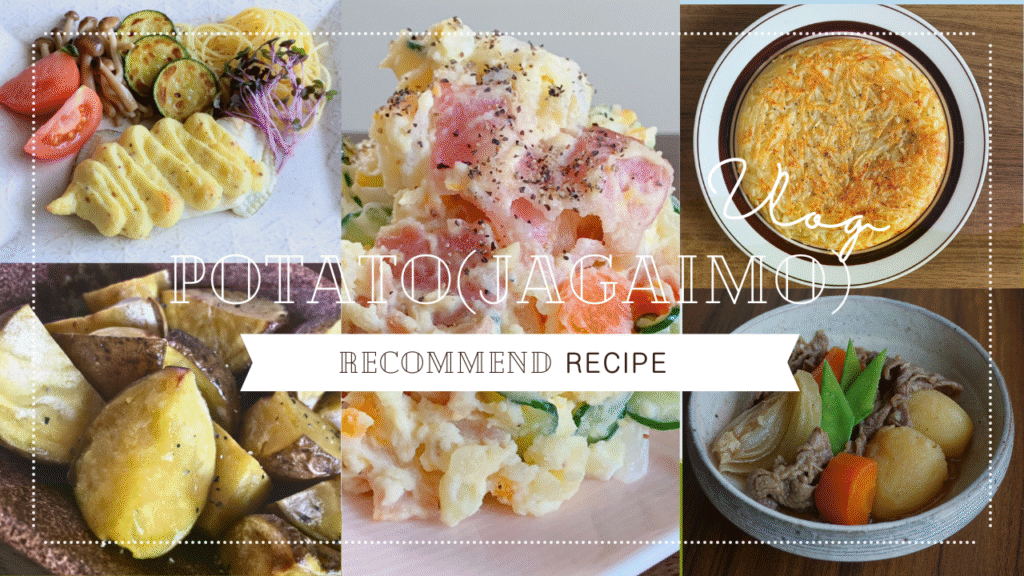
[Discover My Recommended Potato Recipes Here Recommended recipes using Jagaimo potatoes]
Read the Japanese version of this article here! [【もう煮崩れない!】圧力鍋で作る簡単肉じゃが]


コメント