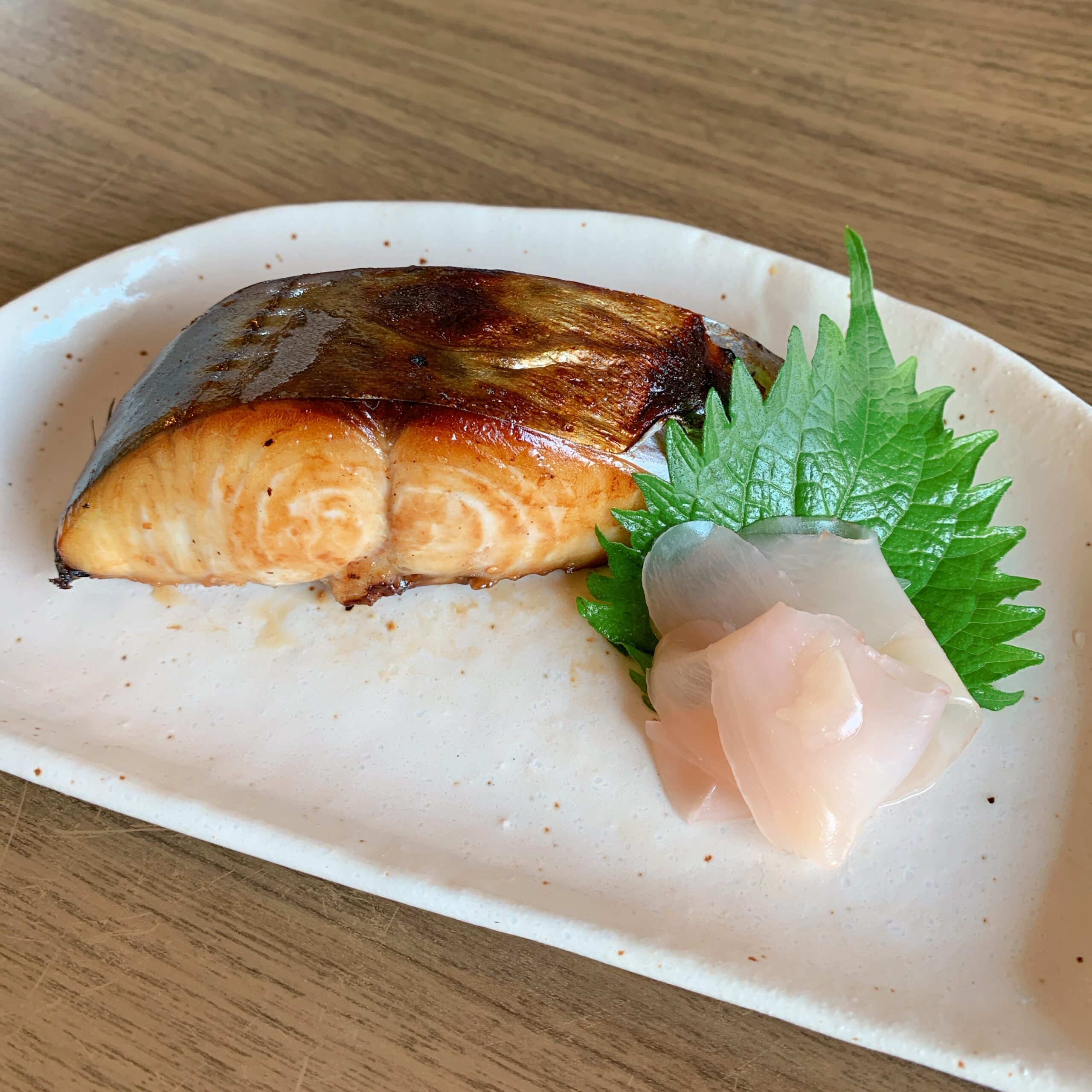
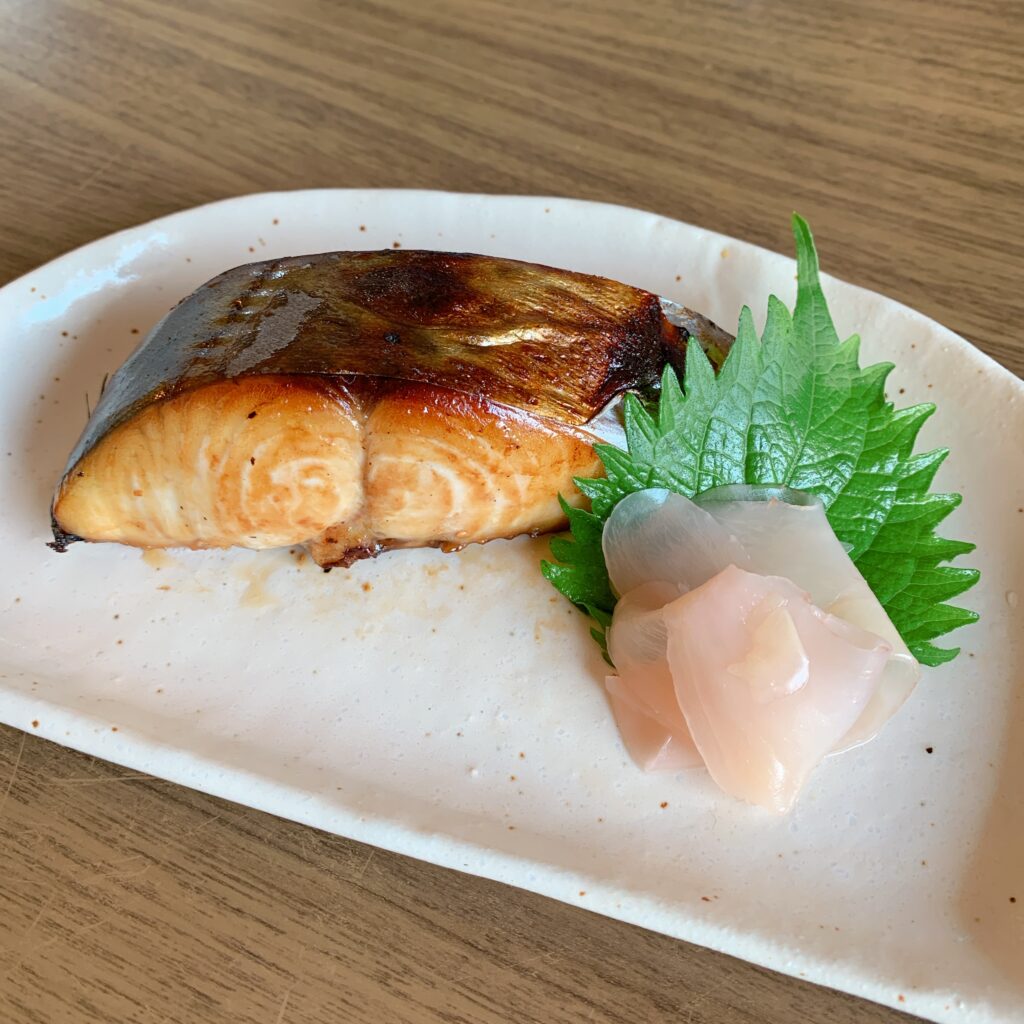
The Scent of Yuzu: Authentic Sawara Yuan-yaki (Japanese Glazed Spanish Mackerel)
What kind of dish is Sawara yuan yaki??
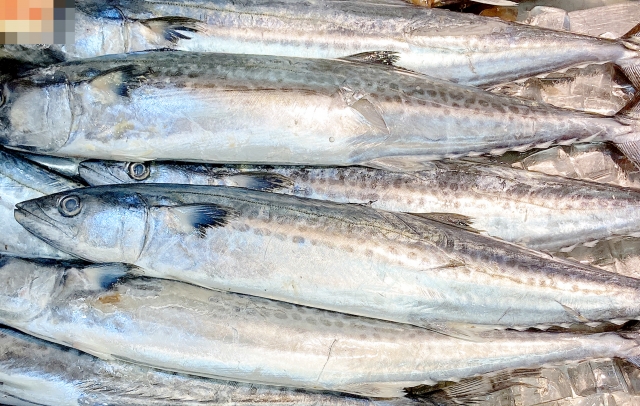
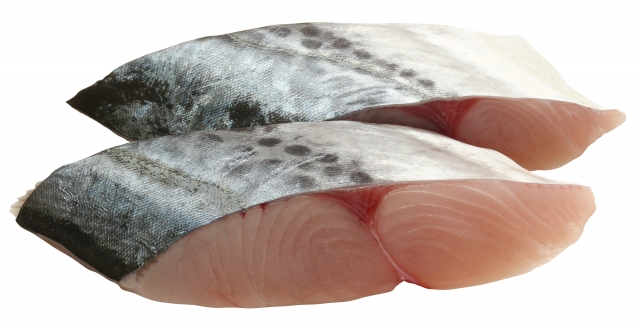
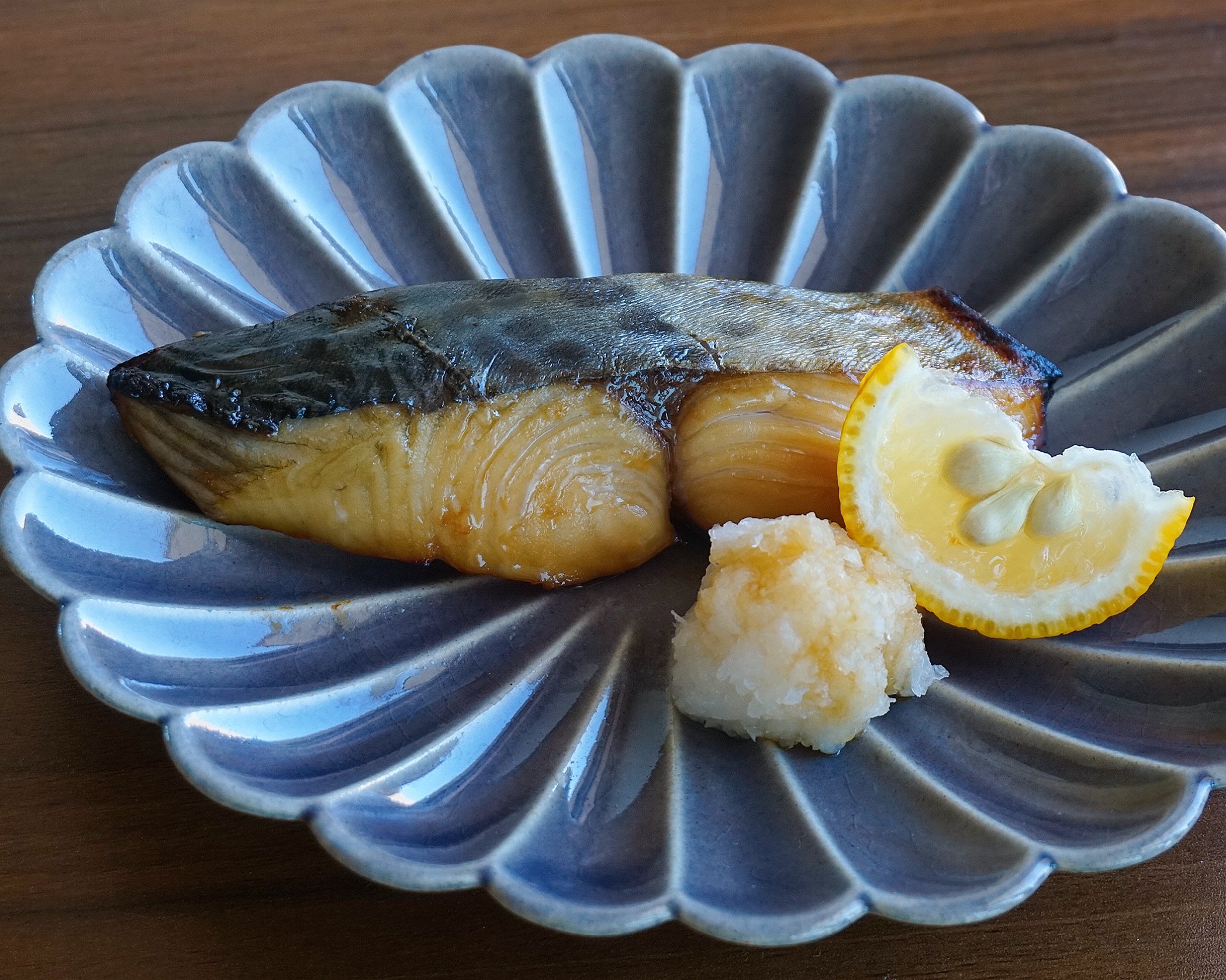
Introducing Sawara no Yuan-yaki, a sophisticated dish enjoyed from everyday home tables to high-end Kaiseki (Japanese haute cuisine) restaurants. This dish features a delicate, refined taste perfectly complemented by the refreshing aroma of yuzu. The grilled Spanish mackerel offers an exquisite, fluffy, and juicy texture.
As a Registered Dietitian, I highly recommend Sawara not only for its high-quality protein but also for its richness in Omega-3 fatty acids (DHA and EPA). Since the meat remains tender even after cooling, it is also an ideal choice for bento boxes.
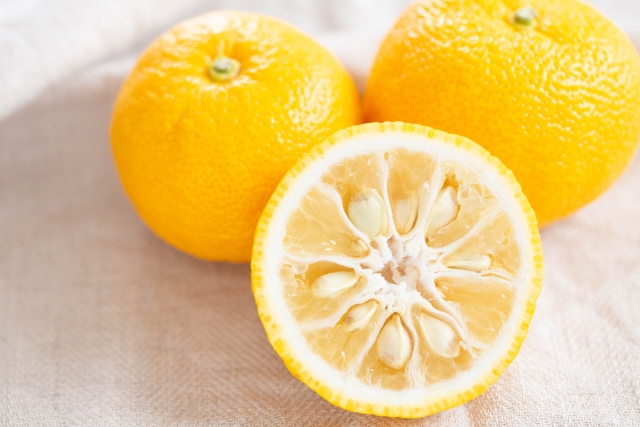
The Roots of Yuan-yaki
Yuan-yaki is a traditional dish said to have been invented by Kitamura Yuan, a tea master of the Edo period. Its defining characteristic is the “Yuan-ji” (marinating sauce), a blend of soy sauce, mirin, and sake infused with the bright scent of citrus.
While it resembles “Teriyaki,” the addition of yuzu juice elevates the flavor, creating a more complex, elegant, and high-class profile.
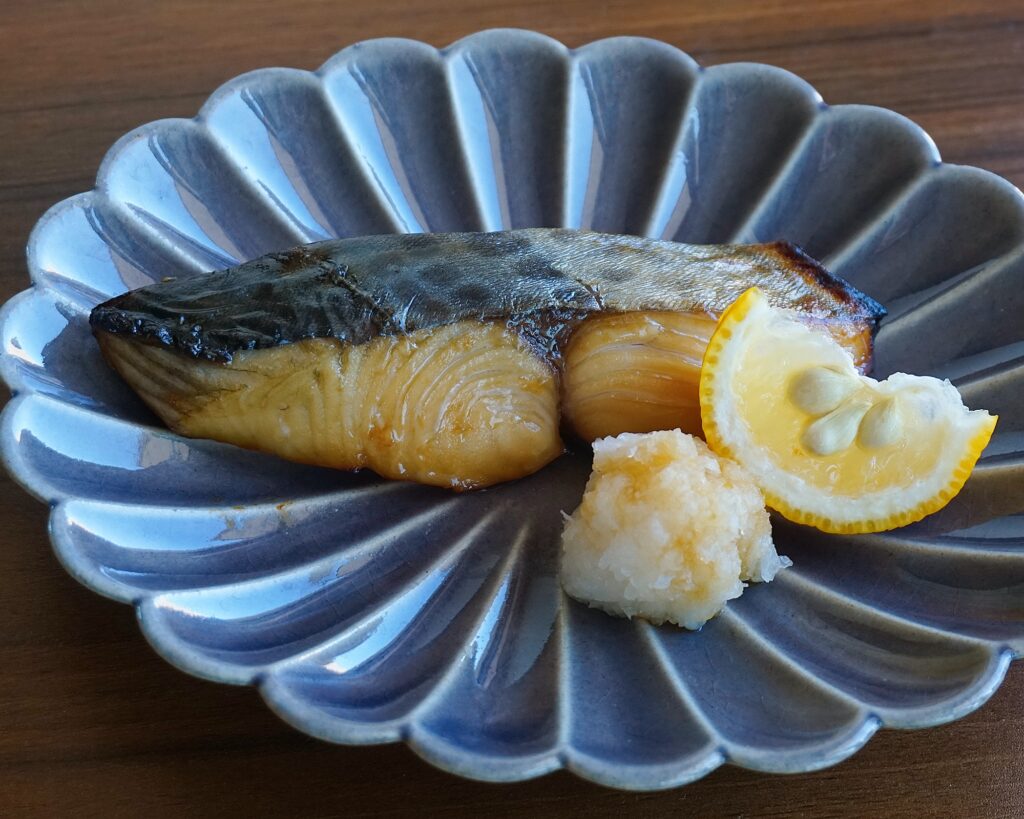
The Golden Ratio of Yuan-ji
The secret to success is the 1:1:1 golden ratio of soy sauce, mirin, and sake. By following this simple rule, anyone can achieve a professional taste. I recommend using the whole yuzu—both the juice and the zest—to capture the full intensity of its acidity and aroma.
By the way, you can also use salmon, yellowtail, or chicken instead of Spanish mackerel for this dish.
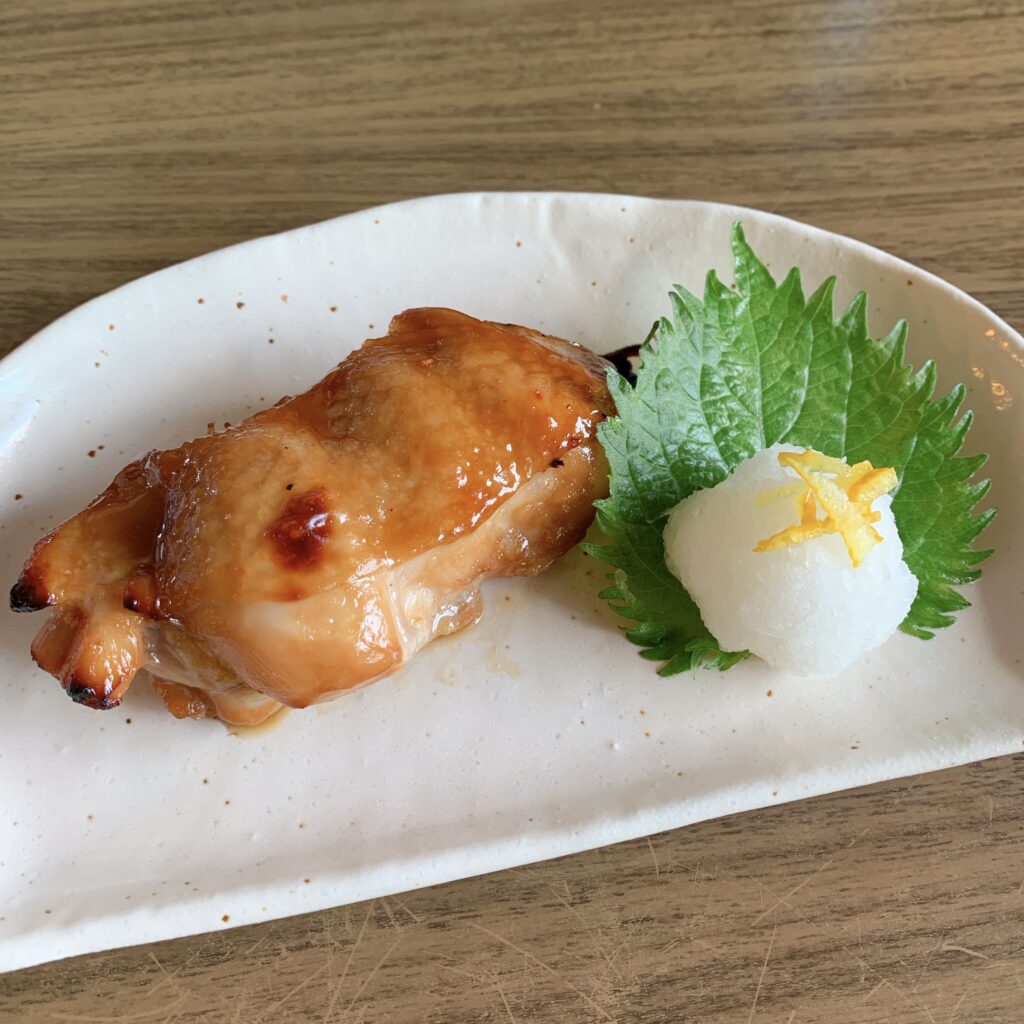
Winter Solstice & Yuzu: Ancient Wisdom
In Japan, it is a long-standing custom to take a “Yuzu-yu” (yuzu bath) on the Winter Solstice, the day with the shortest daylight. This tradition signifies purifying the body before one’s luck begins to improve as the days grow longer.
Yuzu is a cold-resistant fruit that reaches its peak in winter. From a nutritional perspective, its refreshing scent provides a relaxing effect. Furthermore, using citrus acidity allows you to reduce salt intake while still feeling fully satisfied with the flavor—a key tip for a healthy heart!
Yuan-yaki style Spanish mackerel is the perfect dish for the Winter Solstice. Let’s recharge our energy and good fortune, inside and out, by enjoying this meal and soaking in a yuzu citrus bath!
NUTRITION FACTS
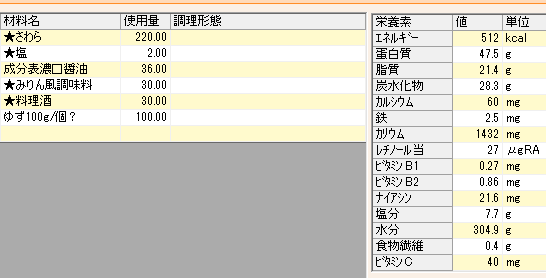
| Nutrient | Total Amount | Per Serving (1/2) |
| Calories | 512 kcal | 256 kcal |
| Protein | 47.5 g | 23.8 g |
| Total Fat | 21.4 g | 10.7 g |
| Total Carbohydrates | 28.3 g | 14.2 g |
| Salt Equivalent | 7.7 g* | 3.9 g* |
Notes
- Actual Salt Intake: Since the marinade is mostly discarded and not consumed, the actual salt intake will be significantly lower than the values listed above.
INGREDIENTS (2 Servings)
⋈ Sawara (Yuan-yaki)
- Sawara (Spanish Mackerel): 220g
- Salt: 2g (for prep)
- Soy Sauce: 36g
- Mirin: 30g
- Sake: 30g
- Yuzu: 1 whole fruit
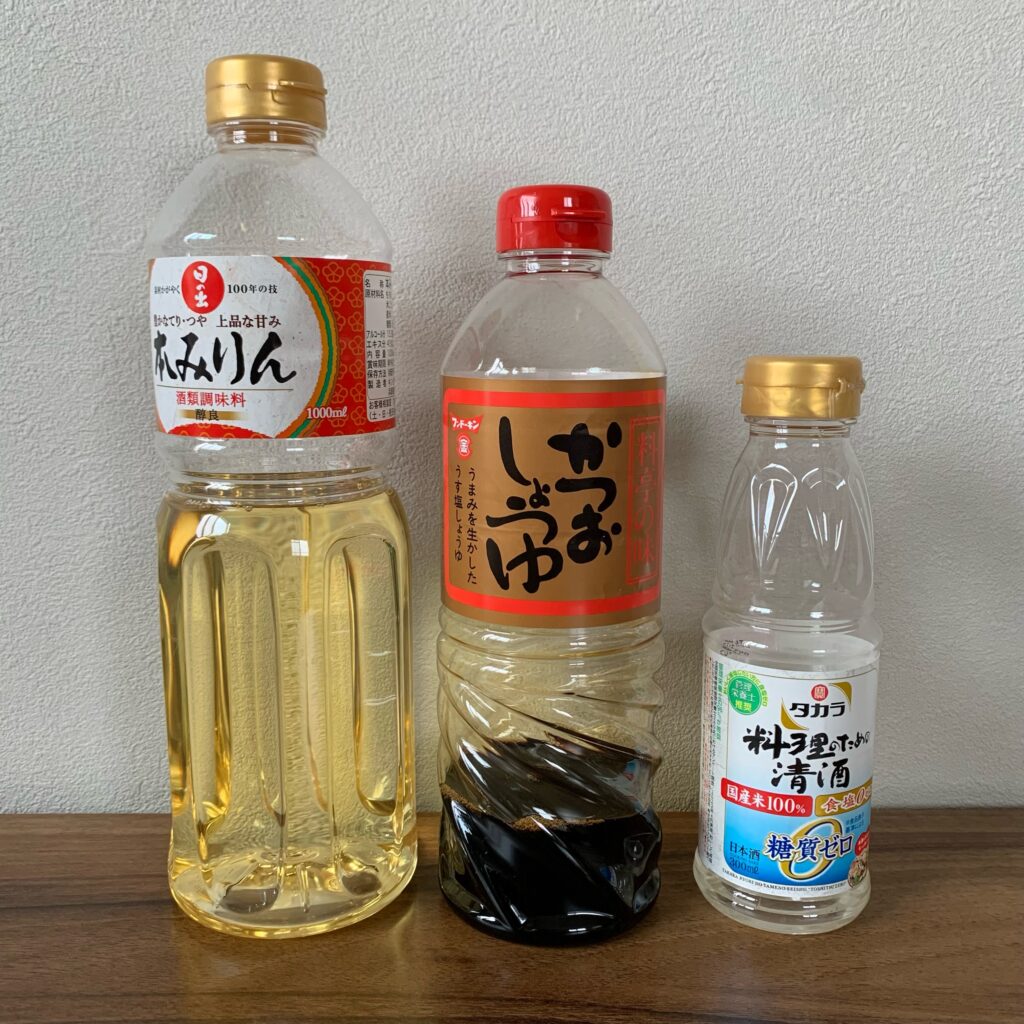
Note: Soy sauce, mirin, and sake are essential pillars of the Japanese kitchen. Check out this article to learn more about these seasonings.
How to make Sawara Yuan yaki
- Pre-treat: Rub salt onto the Sawara. Let it sit for 10 minutes, then wipe off any moisture with a paper towel. (This step removes any fishy odors).
- Marinate: Combine the soy sauce, mirin, sake, and yuzu juice. Marinate the fish for 30 minutes.
- Prepare: Line a baking sheet with parchment paper. Lightly grease the paper with oil to prevent the fish from sticking.
- First Bake: Place in an oven preheated to 220°C (425°F) and bake on the middle rack for 10 minutes.
- Glaze & Finish: Brush the reserved marinade over the surface of the fish and bake for another 3 minutes. This final step creates a beautiful, glossy shine.
I use Toshiba’s “Ishigama Dome” oven. I love it because it’s easy to clean and remains reliable even after 10 years of use!
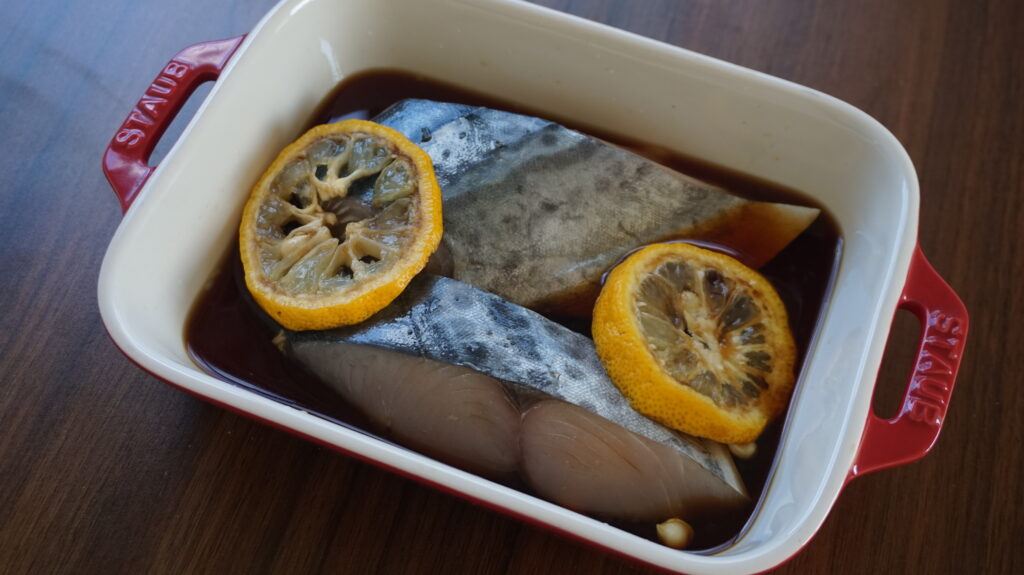
Read the Japanese version of this article here! [サワラの幽庵焼き]
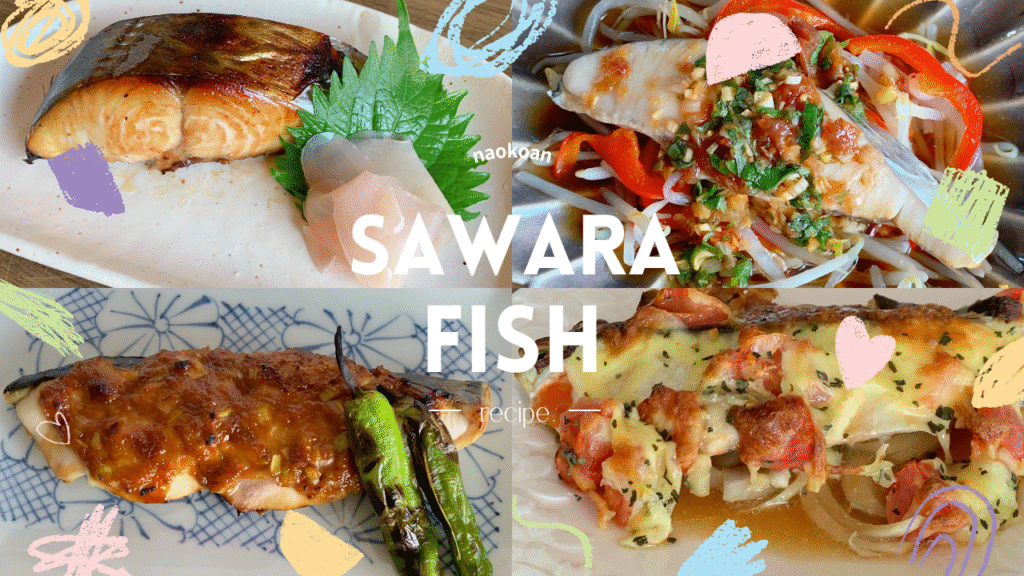
Check out other recipes using mackerel! [Sawara Fish Recipe (Spanish Mackerel)]

コメント