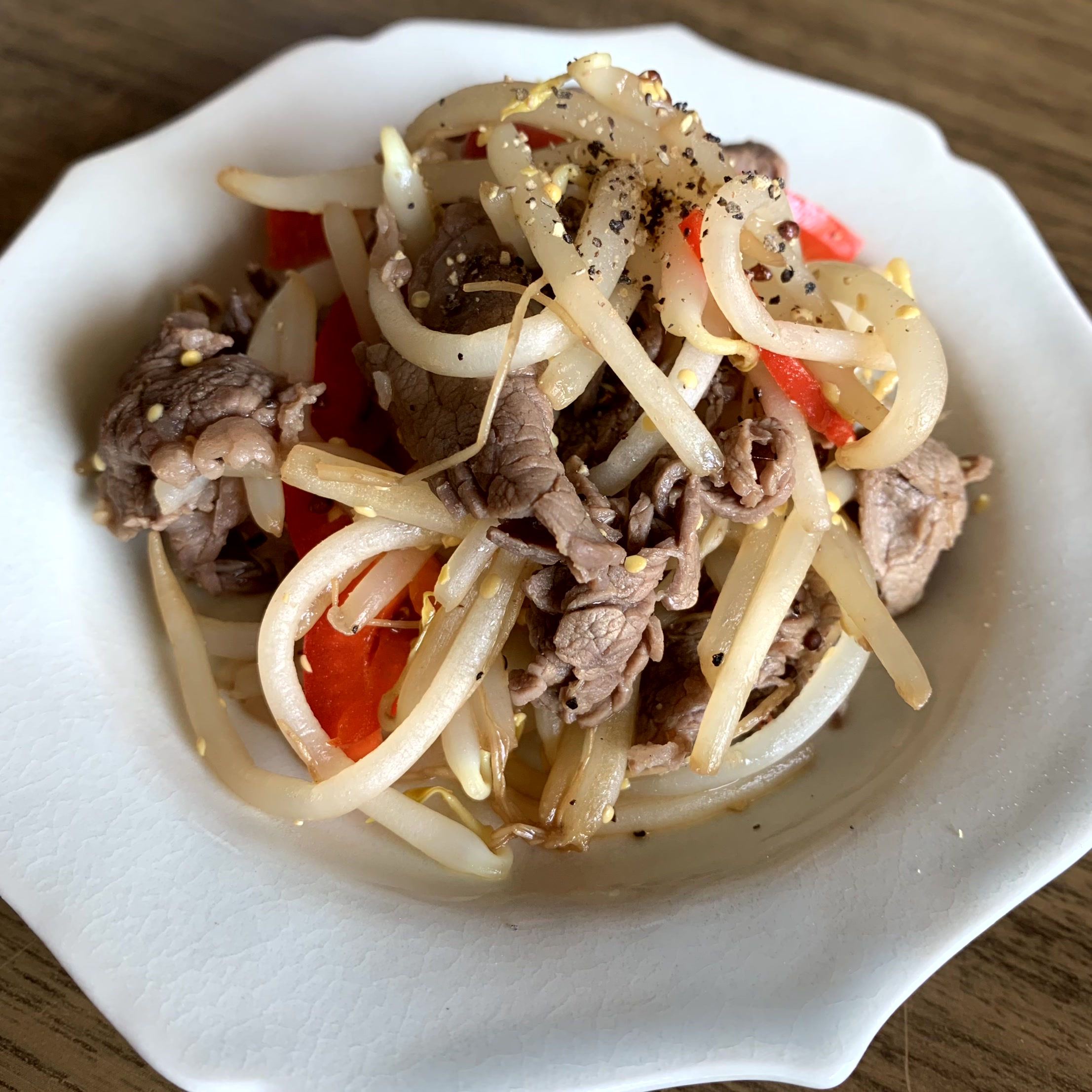
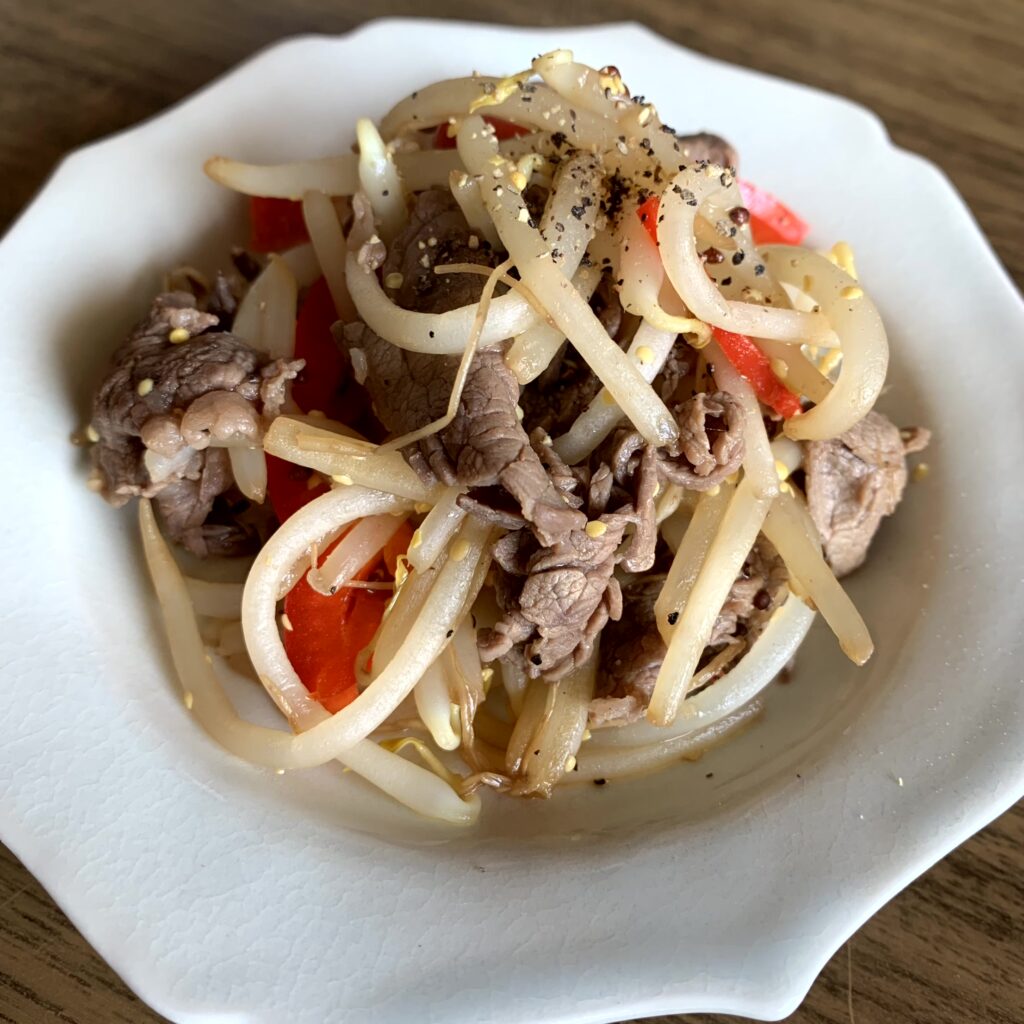
- Beef Moyashi Itame: Japanese Bean Sprout Stir-Fry with a Mustard Twist
- What Kind of Vegetable is a Bean Sprout? (Characteristics as a Sprout)
- Texture and Taste of Bean Sprouts
- melet made with plenty of cabbage and moyashi. Okonomiyaki sauce adds richness!
- NUTRITION FACTS
- INGREDIENTS (Serves 2)
- HOW TO MAKE Moyashi itame (Stir-fried Beef and Bean Sprouts with Mustard)
- Looking for more bean sprout recipes?
Beef Moyashi Itame: Japanese Bean Sprout Stir-Fry with a Mustard Twist
What is stir-fried bean sprouts (with beef and whole-grain mustard style)?
“Moyashi itame” (Stir-fried bean sprouts) is a variation of “yasai itame” (stir-fried vegetables), a classic Japanese side dish made by quickly stir-frying meat and vegetables over high heat. In this recipe, beef and bean sprouts are savory stir-fried and finished with the tangy kick of mustard. The defining feature is the use of whole-grain mustard, which breaks the monotony of traditional Japanese stir-fries that typically rely on standard seasonings like soy sauce, salt, and pepper. The elegant and refined accent of the mustard harmonizes wonderfully with the umami of the beef, offering an unexpected yet addictive deliciousness that will surely make you want to cook it over and over again!
What is Yasai Itame (Stir-Fried Vegetables)?
Yasai itame is a staple of Japanese home cooking, consisting of meat or seafood and a variety of vegetables cut into bite-sized pieces, quickly stir-fried over high heat in a wok or frying pan.
- A balance of convenience and nutrition: It is a strong ally for busy weeknight dinners, allowing you to use up leftover ingredients in the fridge without waste while cooking in a short amount of time.
- High versatility: The seasoning and ingredient variations are extremely diverse, ranging from dishes featuring a specific vegetable as the star—like the bean sprout stir-fry featured here—to those using mixed vegetables.
What Kind of Vegetable is a Bean Sprout? (Characteristics as a Sprout)
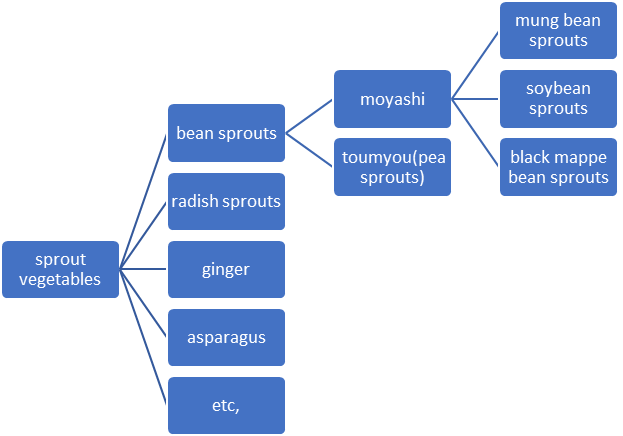
Bean sprouts are a type of “sprout” (germinated vegetable). They are grown by soaking seeds such as mung beans, soybeans, or black matpe beans in water and germinating them in a dark place.
- Family of sprouts: Familiar examples include daikon radish sprouts, broccoli sprouts, and alfalfa. In a broader sense, vegetables such as asparagus, udo (mountain asparagus), trefoil (mitsuba), ginger, and myoga (Japanese ginger) are also included in this category.
- Main raw materials and related vegetables: The primary ingredients for bean sprouts are mung beans, pea shoots (toutmyo), and soybeans. Both bean sprouts and pea shoots are popular in Japan due to their affordable prices. Although pea shoots grow from beans, their crunchy texture and appearance resemble daikon radish sprouts.
History and Varieties of Bean Sprouts in Japan
- History: Although eaten in some regions since the Heian period, they became popular as a common food ingredient from the Meiji era onward.
- Background of ingredients: Currently, the raw seeds used to produce bean sprouts in Japan (mung beans, black matpe beans, and soybeans) rely heavily on imports from countries like China, Thailand, and Myanmar. Bean sprouts made from 100% domestic seeds are extremely rare.
[Three Main Varieties of Bean Sprouts]
- Soybean sprouts: Generally referred to as “bean sprouts” (mame-moyashi). Because they are made from soybeans, they are rich in nutrients such as potassium, protein, and dietary fiber.
- Mung bean sprouts: The most widely distributed and common variety found in supermarkets.
- Black matpe bean sprouts: A variety with a unique texture and flavor, boasting a dedicated following of fans.
Advantages of Using Bean Sprouts
When using bean sprouts as an ingredient in a stir-fry, Japanese households benefit from the following overwhelming advantages:
- Excellent cost performance: Available at a very low price, they truly deserve to be called a “friend to the household budget.”
- Ease of preparation: There is no troublesome peeling or tearing of leaves required; you can use them in cooking immediately just by washing them.
- Nutritional value: Despite their affordable price, they contain nutrients such as aspartic acid, vitamin C, and dietary fiber, making them a healthy choice as well.
Texture and Taste of Bean Sprouts
- Pleasant texture: Their defining feature is a crunchy, juicy bite. Stir-frying them quickly over high heat maximizes this texture.
- Plain and versatile flavor: Bean sprouts themselves have a mild, unassertive flavor. Precisely because of this, they excel at taking on and highlighting the flavors of accompanying seasonings and ingredients, such as the whole-grain mustard and beef umami in this recipe.
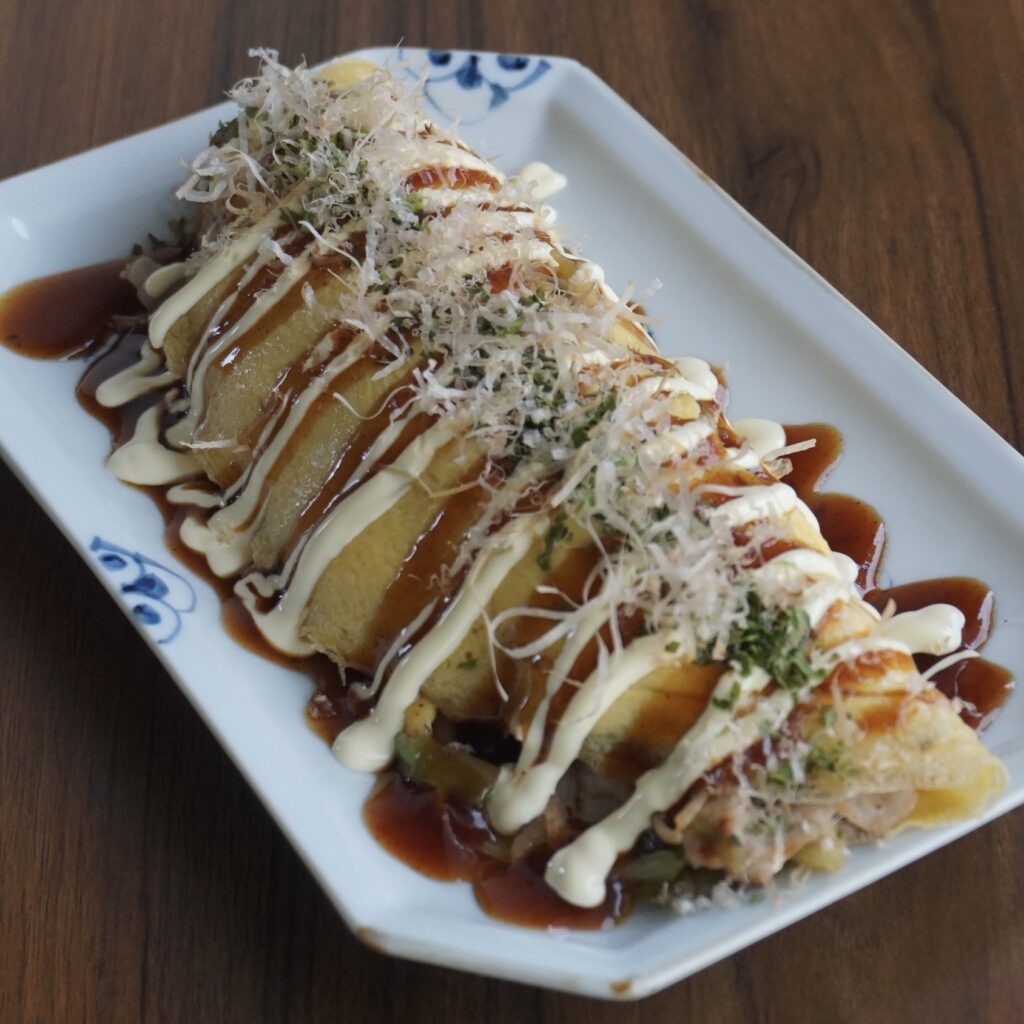
melet made with plenty of cabbage and moyashi. Okonomiyaki sauce adds richness!
NUTRITION FACTS
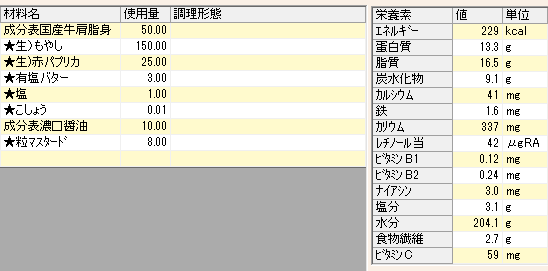
Total
- Calories: 229 kcal
- Protein: 13.3 g
- Fat: 16.5 g
- Carbohydrates: 9.1 g
- Sodium: 3.1 g
PER SERVING (1/2 of total)
- Calories: 115 kcal
- Protein: 6.7 g
- Fat: 8.3 g
- Carbohydrates: 4.6 g
- Sodium: 1.6 g
INGREDIENTS (Serves 2)
- Beef shoulder loin: 60g
- Bean sprouts: 150g
- Paprika (Bell pepper): 25g
- Butter: 3g
- Salt: 1g
- Pepper: To taste
- Soy sauce: 10g
- Grain mustard: 8g
Cooking Tips & Variations
- Choice of Mustard: I highly recommend using Whole Grain Mustard (Tsubu Mustard). The popping texture of the mustard seeds adds a delightful accent to the crunchy bean sprouts. If you prefer a smoother texture, Dijon mustard also works well, but start with a smaller amount as it can be sharper.
- Meat Substitutions: While the richness of beef is excellent with mustard, you can easily substitute it with thinly sliced pork belly or loin. Pork also pairs wonderfully with the butter-soy-mustard flavor profile!
- Extra Crunch: If you can’t find paprika, sliced snap peas or green bell peppers make a great colorful substitute.
HOW TO MAKE Moyashi itame (Stir-fried Beef and Bean Sprouts with Mustard)
- Prep the Beef: Cut the beef into easy-to-eat, bite-sized pieces.
- Prep the Paprika: Slice the paprika into thin strips.
- Stir-fry: Melt the butter in a pan and stir-fry the beef and bean sprouts. Season lightly with salt and pepper. High heat and short cooking time are key to keeping the bean sprouts crunchy.
- Flavor: Add the soy sauce and grain mustard, stirring quickly to coat everything evenly.
- Finish: Turn off the heat and toss in the paprika.
Pro Tip: Since paprika can be eaten raw and loses its vibrant color easily when overheated, always add it at the very end! For a cleaner look and better texture, you can remove the roots of the bean sprouts, but it’s optional!
Looking for more bean sprout recipes?
Don’t miss these two popular dishes:
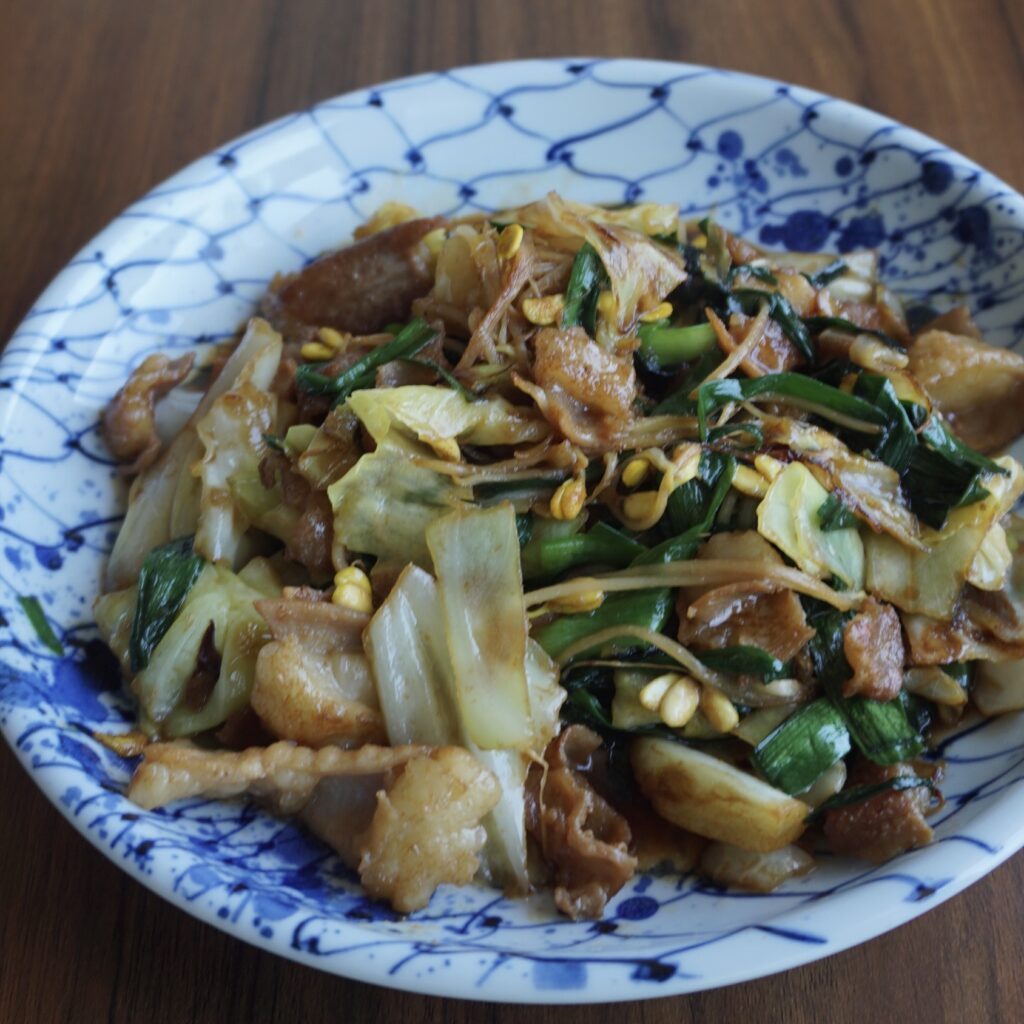
[Horumonyaki: Savory Offal Stir-fry with Sweet & Spicy Sauce] : The ultimate stamina-booster! Since it uses yakiniku sauce, anyone can make it delicious!
[Tonpeiyaki (Omelette With Otafuku Sauce)] : A healthy o
Read the Japanese version of this article here! [もやし炒め(牛肉ともやしのマスタード炒め)]

コメント