

Horumonyaki: Japanese Offal Stir-Fry with Yakiniku Sauce (ホルモン焼き)
What kind of dish is Horumonyaki?
Among Japanese BBQ (Yakiniku) fans, Horumonyaki has a cult-like following! It is an “umami explosion” featuring beef or pork horumon (offal/organ meats) stir-fried with fresh vegetables.
The charm of horumon lies in its variety of textures: it’s springy and bouncy, yet tender-crisp on the outside with melt-in-your-mouth fat on the inside.
When it comes to seasoning, it can be hard to choose between soy sauce, miso, or Yakiniku sauce—they are all delicious! However, horumon is particularly famous for how well it absorbs sweet and savory sauces, making it an irresistible pairing with rice or a cold drink. While using a store-bought sauce is convenient, making your own by mixing garlic, ginger, soy sauce, and a touch of sugar or gochujang is also highly recommended.
The Secret is the Sauce: What is Yakiniku no Tare?
Yakiniku no Tare is a versatile Japanese BBQ sauce. It is typically a soy sauce base infused with:
- Spices: Garlic, ginger, and chili peppers.
- Sweetness: Fruits (like apples or pears) and sugar.
- Aromatics: Savory vegetables.
For this recipe, we used “Tomura Yakiniku no Tare,” a legendary sauce from a butcher shop in Miyazaki Prefecture. Another fantastic option is Ebara’s “Ougon no Tare” (Golden Sauce).
Using this sauce is the perfect entry point for horumon beginners. With a few simple tips, you can recreate this unique yet heavenly taste right at home!
What Exactly is “Horumon”?
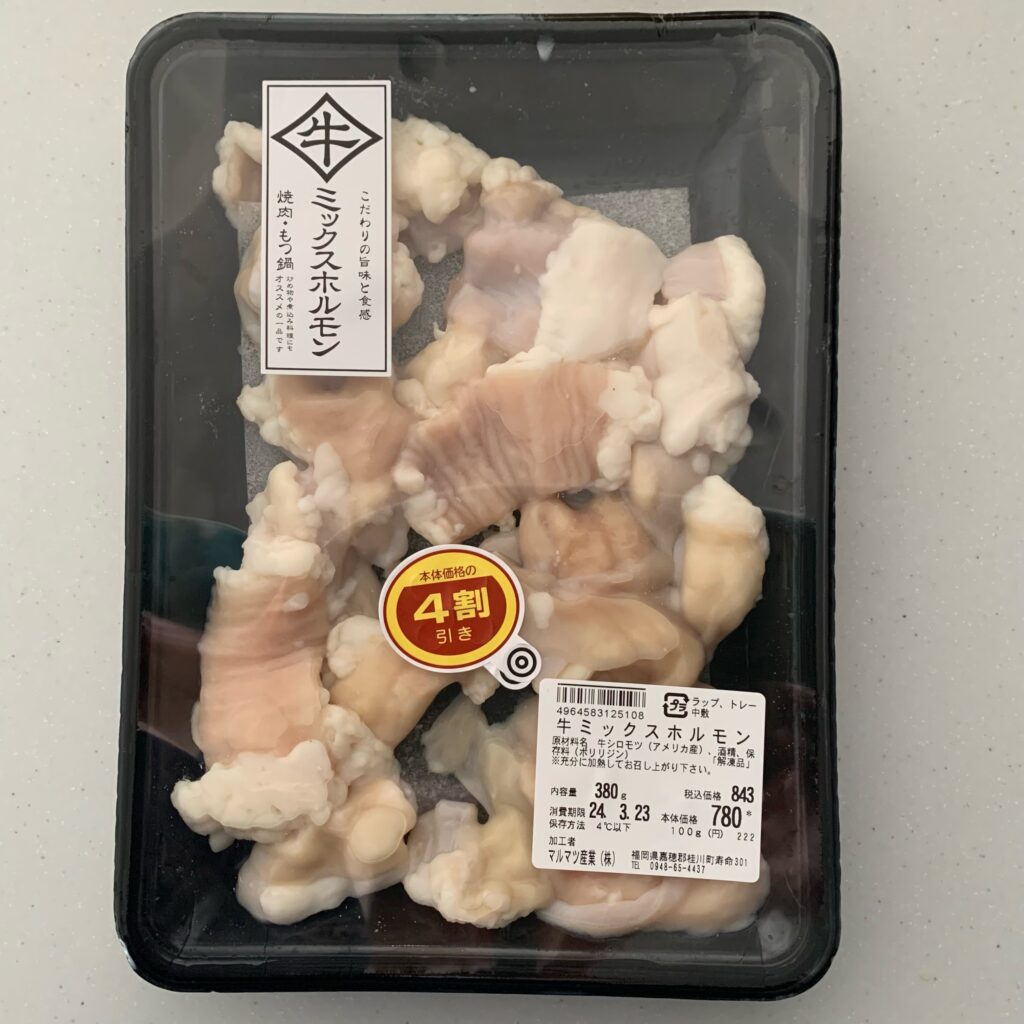
In Japan, offal and organ meats are called “horumon.” Please note: this is completely different from the biological “hormones” produced by the body!
To the uninitiated, horumon might look a bit intimidating or unusual. However, in Japan, this is more than just food—it is a culinary tradition born from the Mottainai (No-waste) spirit, honoring the animal by enjoying every part without waste.
While there are over 10 types of beef horumon, pork and chicken offal are also widely used in dishes like Yakitori or Doteni (miso stew).
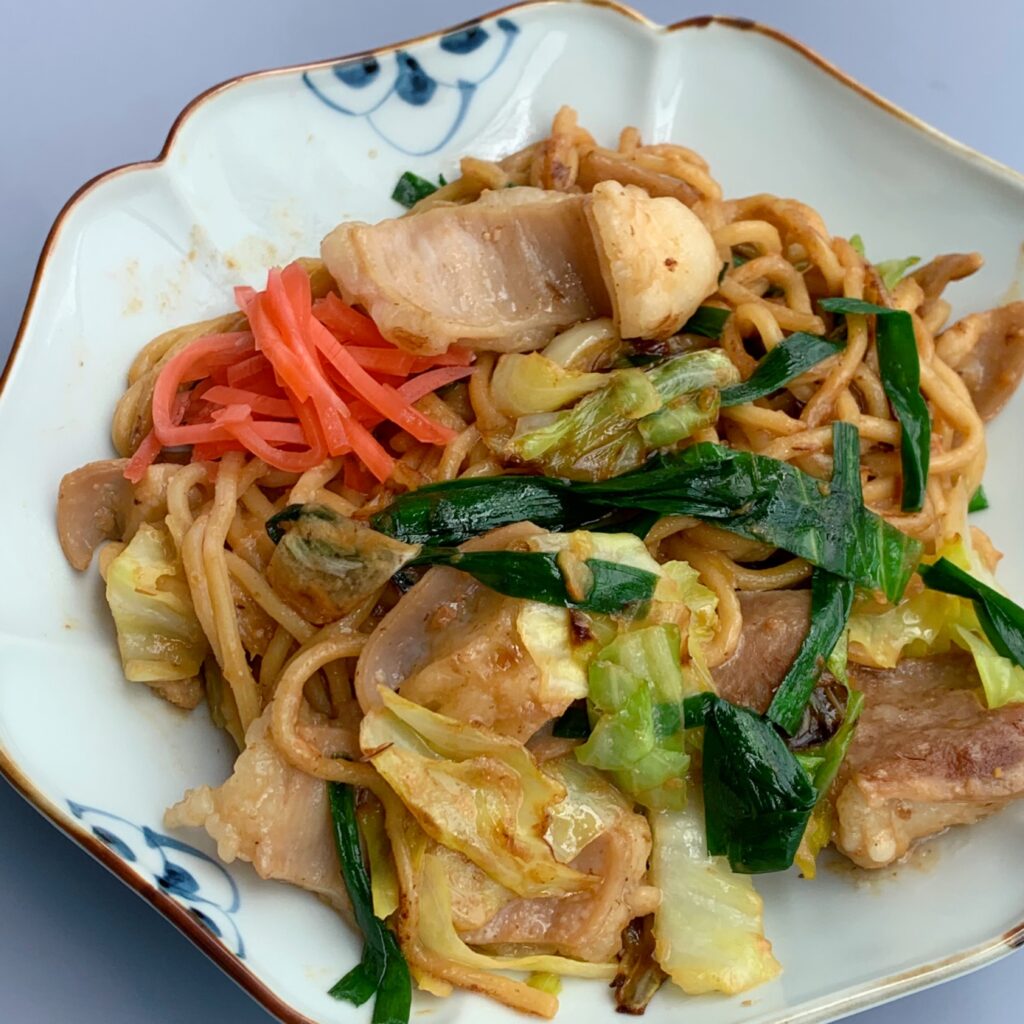
This recipe specifically uses Shimacho (beef large intestine). If you enjoy this Yakiniku-style horumon, you’ll also love Miso-flavored Hormon Yakisoba or adding Udon noodles to create Horumonyaki Udon {Bouncy Hormone Yakisoba Recipe (Fried noodles with offal)}!
Why You Should Try It: The Nutritional Power of Offal
As a nutritionist, horumon is a favorite for its incredible health benefits:
- Rich in Collagen: For glowing, healthy skin.
- High-Protein, Low-Calorie: A satisfying yet smart choice.
- Essential Minerals: A powerhouse of Iron and Zinc.
- Vitamin B12: Perfect for an energy boost and fighting fatigue.
Nutritional Profile (per 100g of Shimacho):
- Calories: 150 kcal
- Protein: 9.3 g
- Fat: 13.0 g
- Iron: 0.8 mg
- Zinc: 1.3 mg
- Vitamin B12: 1.3 μg
- Carbohydrates: 0 g
Nutritionist’s Note: For women aged 30–49, the daily recommended intake includes approx. 50g of protein, 10.5mg of iron, and 4.0μg of Vitamin B12. Including horumon in your diet is a delicious way to help meet these goals!
Nutrition Facts (2 Servings): Horumonyaki

TOTAL NUTRITION VALUE:
- Calories: 597 kcal
- Protein: 36.4 g
- Fat: 37.3 g
- Carbs: 36.5 g (Note: Calories for Shimacho are calculated at 70% of the edible portion, as excess fat is drained during cooking.)
INGREDIENTS
- Beef Horumon (Shimacho): 400g
- Cabbage: 200g
- Bean Sprouts (Moyashi): 100g
- Chinese Chives (Nira): 40g
- Yakiniku Sauce (e.g., Tomura): 50–80g
How to Make Horumonyaki
- Prep the Pan: Line a frying pan with parchment paper (cooking sheet), ensuring the edges fit snugly inside the pan. Add the Shimacho and start sautéing. ⚠️ Caution: Make sure the parchment paper does not hang over the edges or come into direct contact with the open flame!
- Drain the Excess Liquid & Fat: As you cook, the Shimacho will release a large amount of water and fat. Once this happens, transfer only the meat to a separate, clean frying pan. 💡 Pro Tip: Don’t pour hot liquid down the sink, as it can solidify and clog your pipes! Let the fat cool on the parchment paper until it solidifies, then simply fold it up and toss it in the trash.
- Crisp and Sear: Continue frying the Shimacho in the second pan until the surface becomes golden and tender-crisp. While frying, use a paper towel to wipe away any additional oil that comes out to keep the dish light and savory.
- Prep the Vegetables: While the meat is browning, cut the cabbage into bite-sized pieces and the Chinese chives into 4cm (approx. 1.5-inch) lengths.
- Add Bean Sprouts: Add the washed and thoroughly drained bean sprouts to the pan with the meat.
- Sauté the Cabbage: Add the cabbage and stir-fry until it starts to soften and become slightly translucent.
- The Grand Finale: Add the Chinese chives and give it a quick toss. Pour in the Yakiniku sauce and turn the heat to high. Stir-fry rapidly to ensure the sauce coats every piece and caramelizes slightly for that authentic BBQ aroma.
Arrangement Cooking: Horumonyaki Udon!
Want to take your Horumonyaki to the next level? Add some Udon noodles! When stir-fried with the horumon, thick and chewy Udon noodles soak up all the delicious fat, rich umami, and savory Yakiniku sauce. The result is an exquisite dish where every bouncy bite bursts with flavor!

(Read the Japanese version of this article here: [【おうち居酒屋】焼肉のタレで絶品ホルモン焼き!])


コメント