

Satoimo Soboroni Recipe: Melt-in-Your-Mouth Simmered Taro with Pork
What is Satoimo Soboroni? Satoimo Soboroni is a comforting Japanese dish featuring tender taro root simmered in a savory-sweet sauce with minced meat. The term Soboroni refers to any dish where ingredients are simmered with ground meat (soboro). While pumpkin (Kabocha) is a classic choice for this style of cooking, taro is a fantastic alternative because its natural starch creates a rich, silky texture.
This recipe is a personal favorite because it is both cost-effective and efficient. Using a pressure cooker reduces the taro’s cooking time to just 2 minutes, making it perfect for a quick, healthy meal.

📋Memo
In a clinical setting, we sometimes use Atsuage (deep-fried tofu) as a convenient way to boost protein intake.
Please note that for ingredients like Atsuage or pumpkin, it is better to use a standard pot rather than a pressure cooker. This is because Atsuage tends to expand and split under pressure, while pumpkin becomes too soft and falls apart easily.
Choosing the right cooking tool for each ingredient is key to achieving the perfect texture!
Ingredients (Serves 5)
- Taro (Satoimo): 6 pieces (approx. 400g)
- Minced Pork: 150g (Ground chicken also works well; avoid ground beef as it can be too oily for this delicate sauce)
- Ginger: 8g (sliced)
- Soy Sauce: 30g
- Sugar: 20g
- Sake: 30g
- Water: 200g
- Thickening Slurry: 8g Potato starch dissolved in 30g water
Instructions
- Prepare the Taro: Peel the taro with a knife while it is dry. Taro becomes very slippery once wet, so peeling it dry is much safer than using a vegetable peeler. After peeling, wash the taro under running water and cut each piece in half.
- Combine: Place the taro, minced pork, ginger, soy sauce, sugar, sake, and water into the pressure cooker.
- Pressure Cook: Secure the lid and cook under high pressure for 2 minutes.
- Thicken: Once the pressure has released naturally, open the lid. Stir the potato starch slurry, then pour it into the pot while simmering.
- Safety Note: Never add potato starch before pressure cooking, as it can block the steam vents.
- Finish: Simmer for another minute until the sauce reaches a glossy, thick consistency.
Dietitian’s Kitchen Tips
- Natural Viscosity: Taro contains water-soluble dietary fibers like galactan and glucomannan. These contribute to the dish’s natural stickiness and are known to support digestive health and help manage cholesterol levels.
- Winter Wellness: The combination of a thickened sauce (which retains heat longer) and ginger makes this an ideal dish for warming the body during colder months.
- Texture Control: Different varieties of taro have different levels of starch. If your sauce is already thick from the taro, you can reduce the amount of potato starch slurry accordingly.
- Alternative Methods: If you are using a standard pot instead of a pressure cooker, simmer the taro in the liquid until soft before adding the minced meat and thickening agent.
Nutrition Facts (Per Recipe)
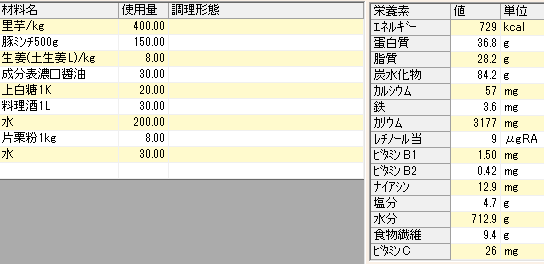
- Calories: 729 kcal
- Protein: 36.8 g
- Fat: 28.2 g
- Carbohydrates: 84.2 g
- Salt Equivalent: 4.7 g
Explore More Taro & Comfort Recipes
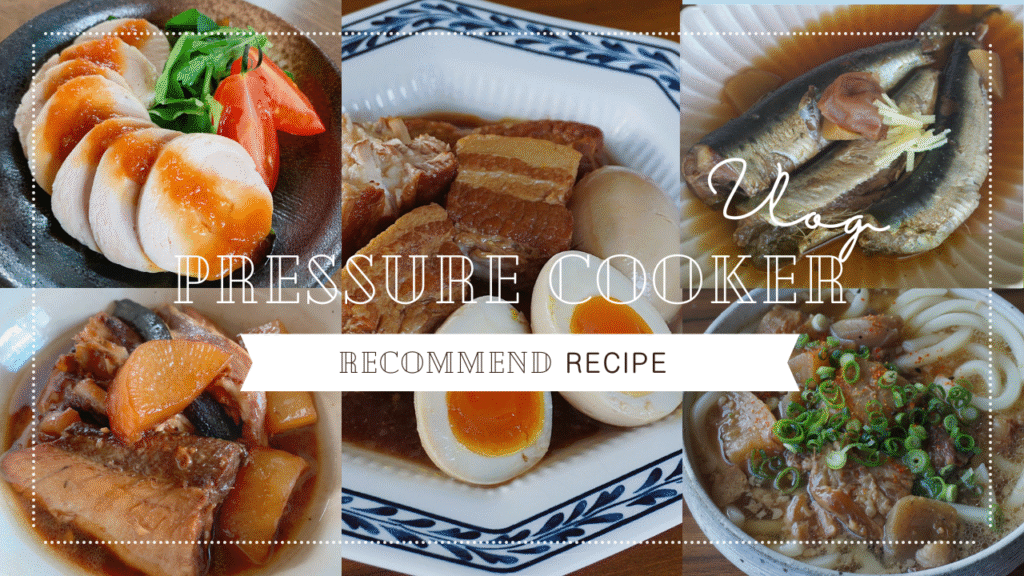
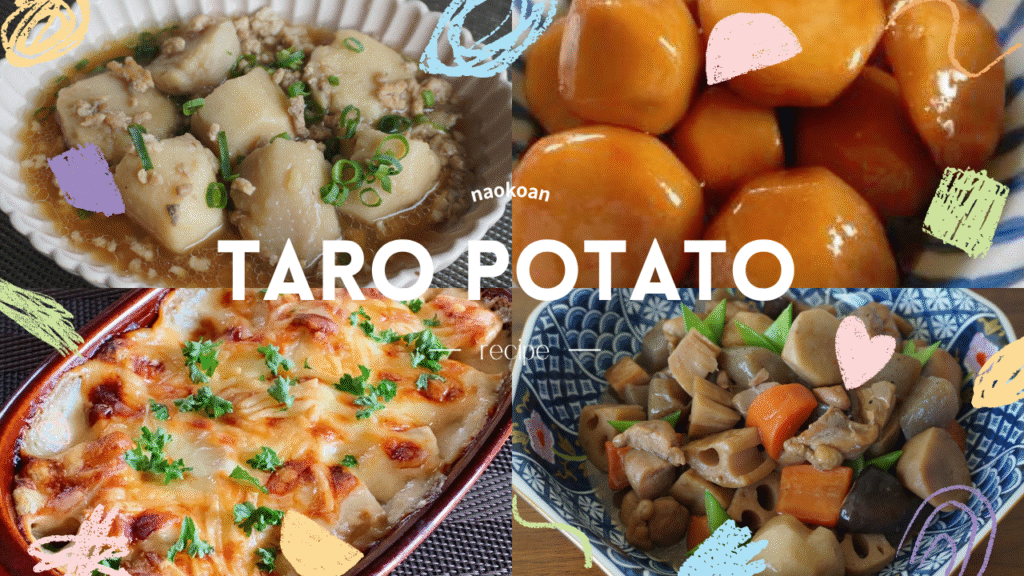
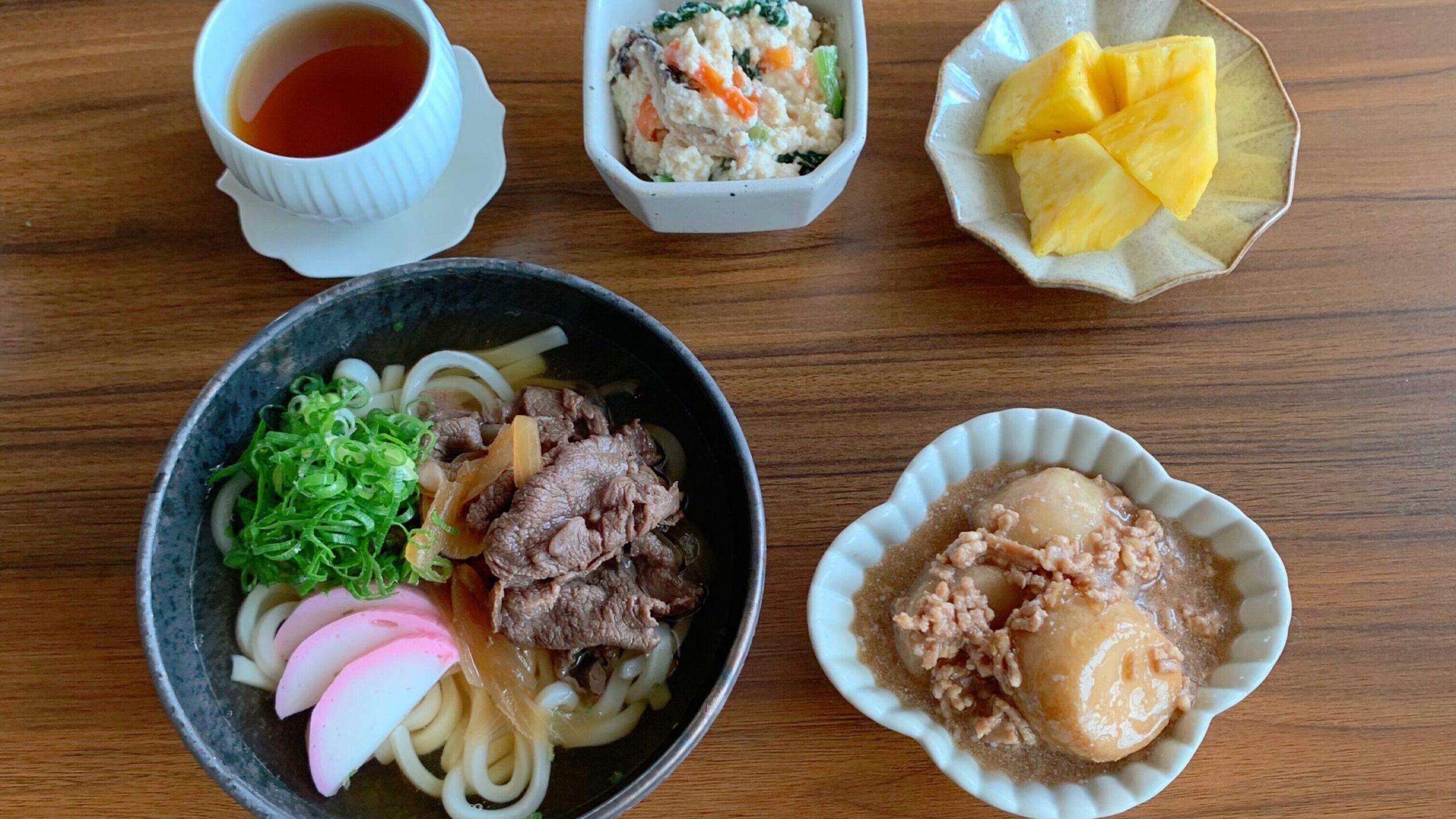
If you enjoyed this dish, you might also like these traditional Japanese favorites:
- [Recommended recipes using a pressure cooker]
- [Recommended recipes using taro]
- [Authentic Spinach Shiraae: The Secret to Creamy Tofu Salad]
- [Beef udon noodle recipe” is very popular in Japan]
📖Read the Japanese version of this article here! [ねっとり旨い!里芋のそぼろ煮レシピ。圧力鍋で味が染み込む時短術]
#里芋 #おうちごはん #和食ごはん #Satoimo #TaroRoot #JapaneseFood #HealthyEating

コメント