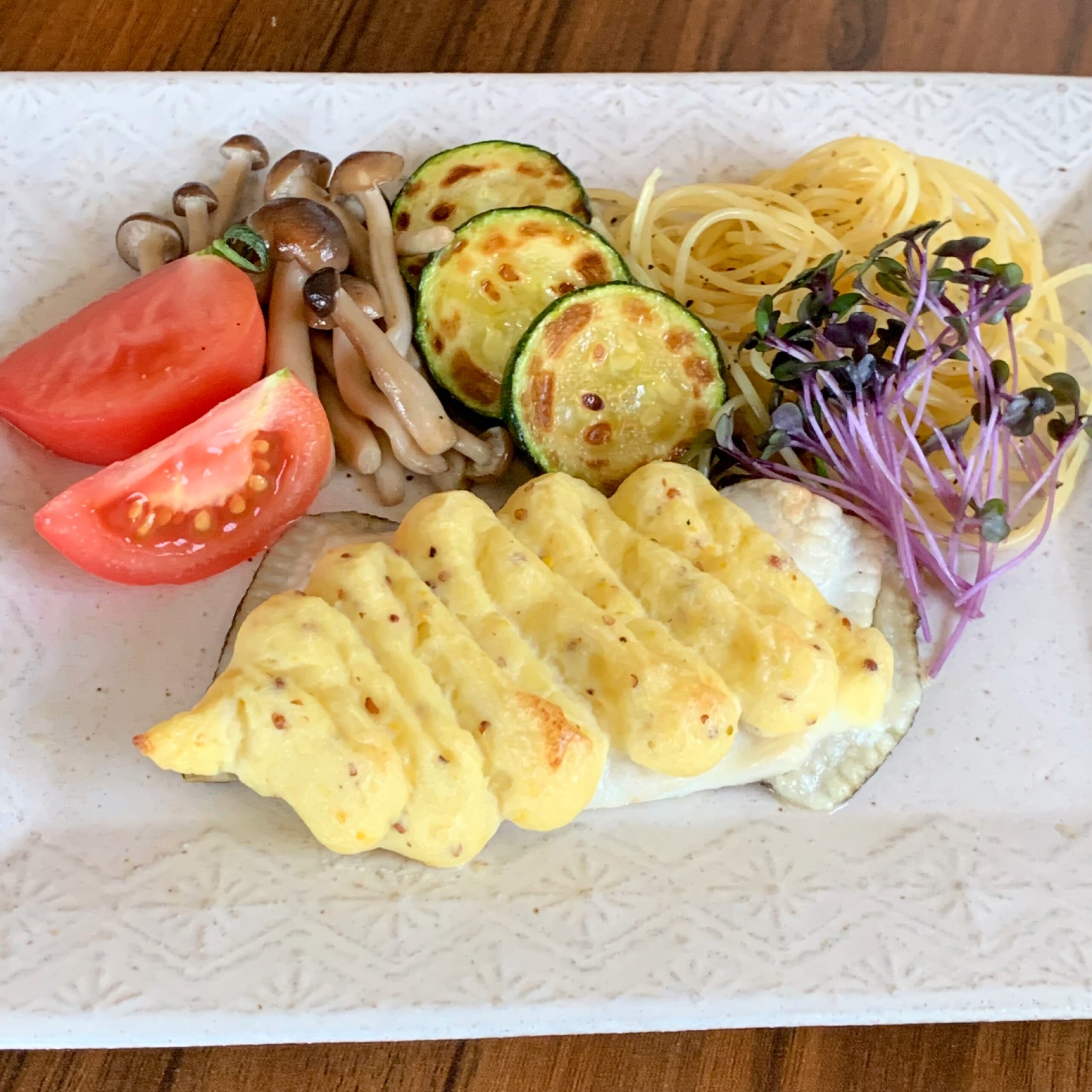
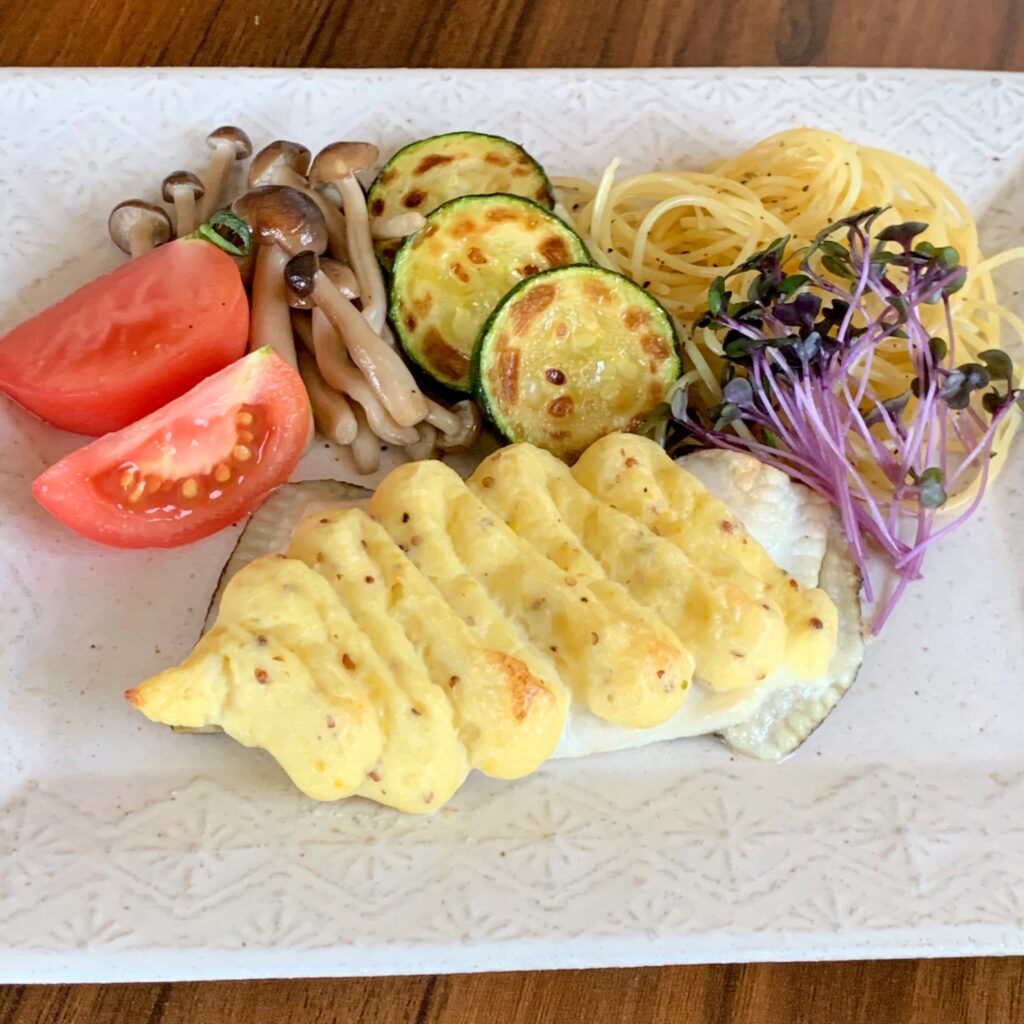
🐟 Roasted Flounder with Mashed Potato Topping (Karei no Potato Yaki)
~A perfect harmony of creamy potatoes and delicate white fish~
In Japan, Karei (Righteye Flounder) is a beloved staple. This recipe gives it a Western-style twist by topping its soft, elegant flesh with a fluffy mound of piped mashed potatoes, then roasting it to golden perfection.
🥗 Nutrition Facts (Per Serving)
- Calories: 110 kcal
- Protein: 14.9g
- Fat: 3.3g
- Carbohydrates: 6.9g
- Salt Equivalent: 1.7g
🛒 Ingredients (Serves 3)
- Righteye Flounder (Karei) fillets: 3 slices (210g)
- Salt (for prep): 2g
- Potatoes (Danshaku/Starchy variety): 100g
- 【☆ Potato Filling】
- Half-calorie mayonnaise: 25g
- Light soy sauce (Usukuchi): 2.5g
- Milk: 15g (Add gradually to adjust consistency)
- Grain mustard: 5g
- Salt: 0.5g
- Black pepper: To taste
- 【Garnish (Sauté)】
- Spaghetti, zucchini, and shimeji mushrooms (Sautéed with salt and pepper)
🍳 Cooking Instructions
- Prep the Fish: Sprinkle salt over the flounder fillets. Let them sit for a few minutes, then pat dry with a paper towel to remove excess moisture.
- Prepare the Potatoes: Peel the starchy “Danshaku” potatoes and boil until soft. While still hot, mash them thoroughly with a fork.
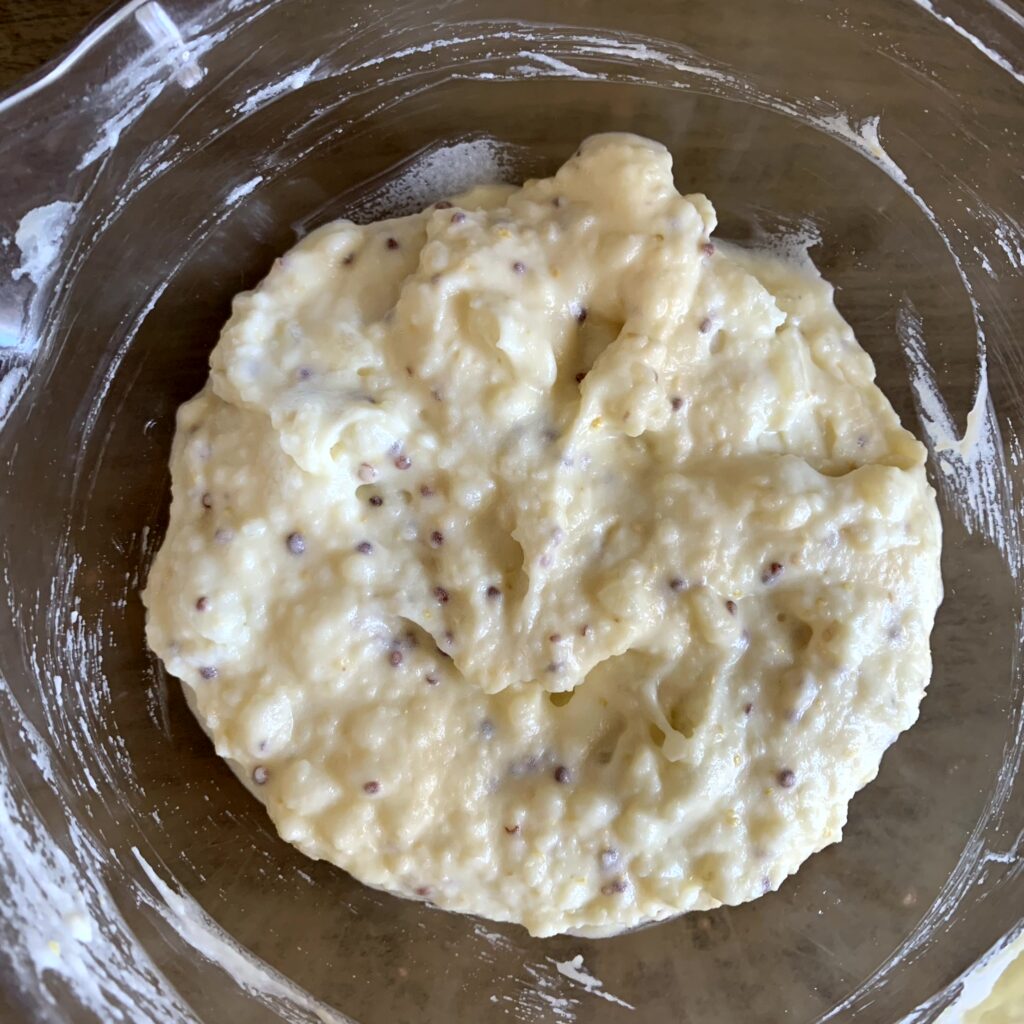
- Mix the Filling: Incorporate all the 【☆】 ingredients into the mashed potatoes.💡 Tip: Add the milk little by little. You want the mash to be firm enough to hold its shape once piped onto the fish.
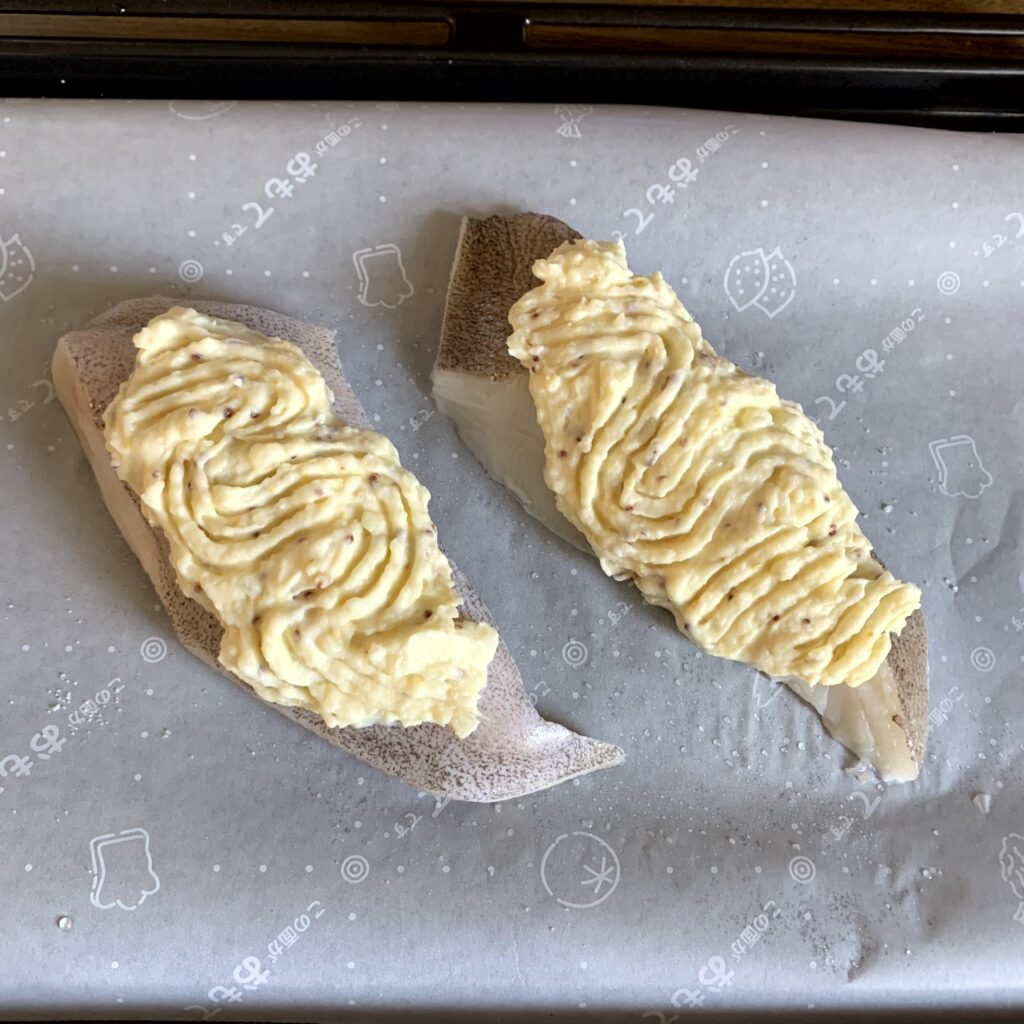
- Decorate: Transfer the potato mixture into a piping bag and pipe decorative lines over the fillets.
- No piping bag? Simply spread the mash with a spoon and use the tines of a fork to create a textured pattern.
- Roast: Bake in a preheated oven at 230°C (450°F) for approximately 20 minutes. Roast until the potato topping is golden brown and the fish is fully cooked and flaky.

📚 Trivia: Karei vs. Hirame—What’s the Difference?
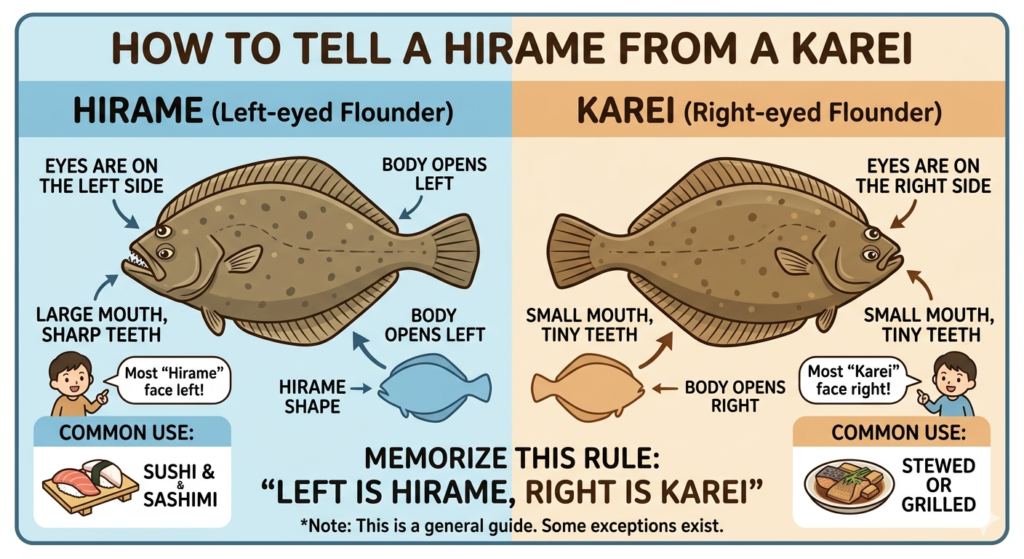
Though they look similar, these two flatfish have distinct characteristics and flavors.
- “Left for Hirame, Right for Karei” A common Japanese rule of thumb: when placed with the belly facing you, if the head is on the right, it is a Karei (Righteye Flounder). If it’s on the left, it’s a Hirame (Lefteye Flounder/Bastard Halibut).
- Mouth Shape and Diet:
- Hirame: A hunter that hides in the sand to ambush small fish like sardines. It has a large mouth filled with sharp teeth. The meat is firm, making it ideal for sashimi and sushi.
- Karei: Having a diet mainly of small shrimp, it has a small, puckered mouth (“Ochoboguchi”). The flesh is fatty and soft, making it perfect for simmering, deep-frying, or this roasted potato dish.
- Varieties: This recipe uses “Kogane Karei,” but “Magarei” is the most common variety available year-round in Japan. From winter to spring, “Komochi Karei” (flounder with eggs) is considered a seasonal delicacy, especially when simmered in soy sauce.
👨⚕️ Dietitian’s Notes
- The Secret to Texture: Using starchy Danshaku potatoes (similar to Russets) instead of waxy ones ensures the mash stays fluffy and doesn’t melt away during roasting.
- Smart Salt Management: By utilizing the acidity of grain mustard and the deep umami of light soy sauce, we achieve a satisfying flavor while keeping the salt content to a modest 1.7g.
- Health Benefits: Flounder is an excellent source of high-quality protein and is very low in fat. It is the perfect choice for those looking for a light yet nutritious dinner.
Enjoy More Flounder & Potato Delights!

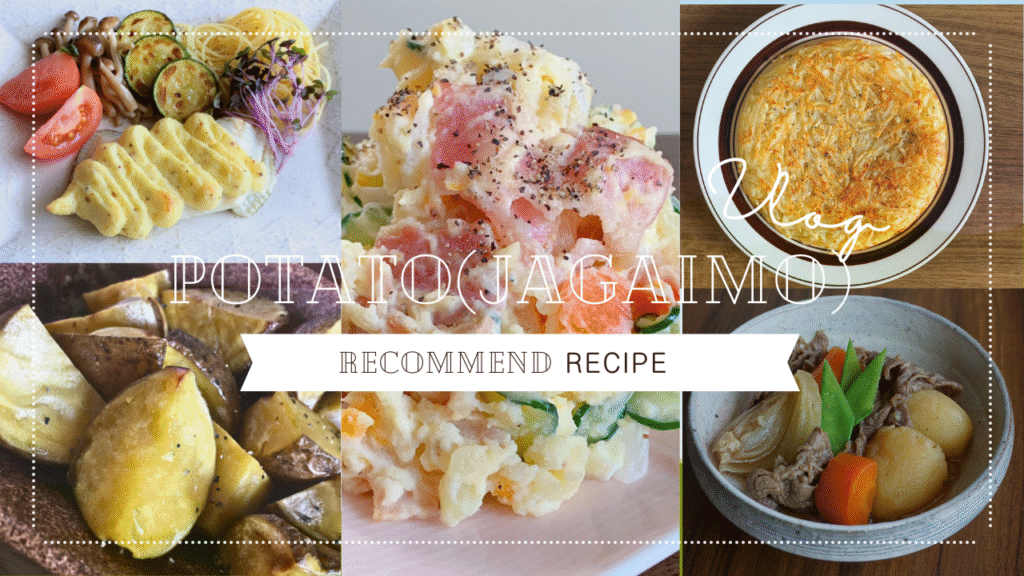
While today’s recipe featured a Western-style twist, you can’t talk about Karei without mentioning the Japanese classic: Simmered Flounder (Nitsuke). There is something incredibly comforting about the tender, flaky fish glazed in a sweet and savory ginger-soy sauce. Be sure to check out our “Golden Recipe” for that authentic home-cooked taste!
Plus, don’t miss our special feature on “Shin-jagaimo” (New Potatoes)! This is the only time of year to enjoy their thin, edible skins and earthy sweetness. We’ve rounded up our favorite recipes to help you make the most of this seasonal treat.
👉 [Read More: Recipe for Simmered Righteye Flounder with Eggs] 👉 [Ultimate Guide to Japanese Potatoes (Jagaimo): Varieties & Best Recipes]
📖Read the Japanese version of this article here! [ポテト焼きお魚がご馳走に!絞って焼くだけ「カレイのポテト焼き」]


コメント