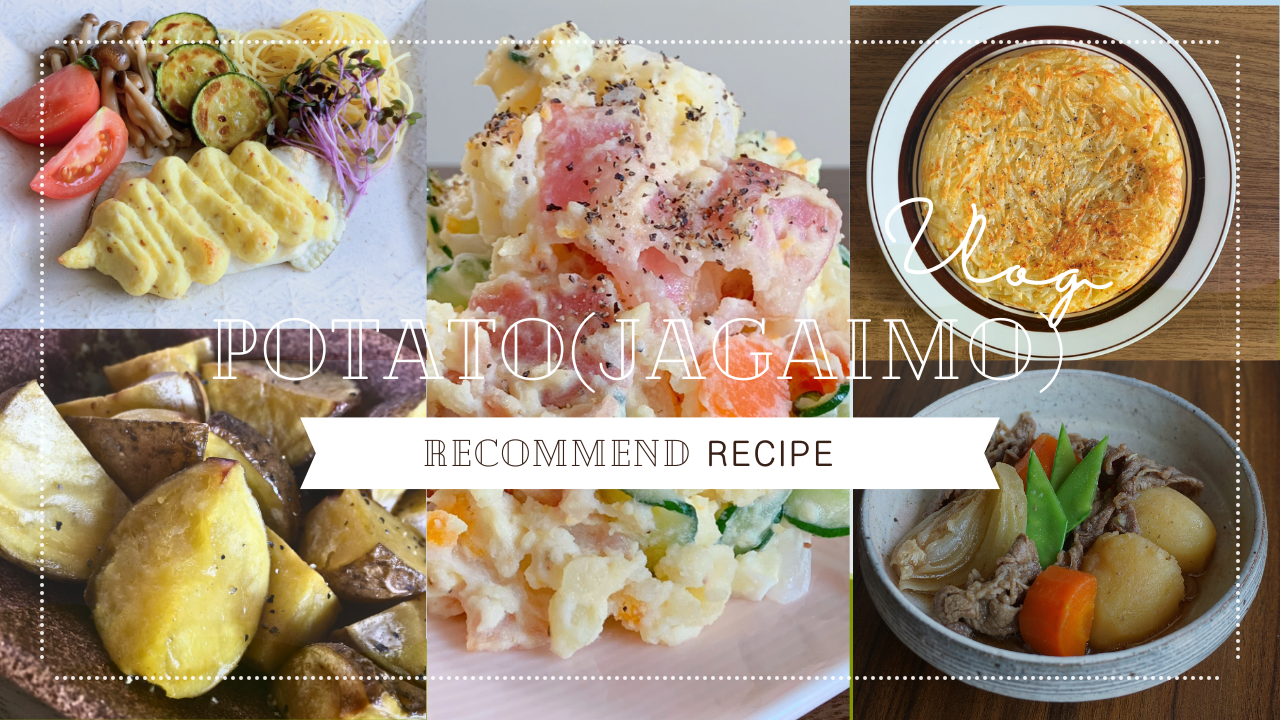
Ultimate Guide to Japanese Potatoes (Jagaimo): Varieties & Best Recipes
Potatoes are a versatile kitchen staple found in everything from hearty Japanese Curry and crispy Croquettes to the ultimate comfort food, Nikujaga (Meat and Potato Stew). Because they are available year-round and store well, they are an essential part of everyday home cooking.
To truly elevate your dishes, the secret lies in choosing the right variety for the right cooking method. In this guide, we’ll explore the unique characteristics of Japanese potatoes and how to use them like a pro.
A Brief History & Characteristics
Potatoes were first introduced to Japan in 1598 via Nagasaki, arriving from Java (which is where the name Jagaimo originates). They thrive in cool climates and offer a stable, long-lasting harvest. Today, through dedicated breeding, Japan offers a wide array of specialized varieties, each with distinct textures—ranging from “fluffy and powdery” (hokuhoku) to “sticky and firm” (shittori).
Choosing the Right Potato Variety
1. Danshaku (Baron)
The classic “all-rounder” with a round shape and white flesh.
- Texture: Fluffy and powdery (starchy).
- Best For: Dishes where you want the potato to break down easily.
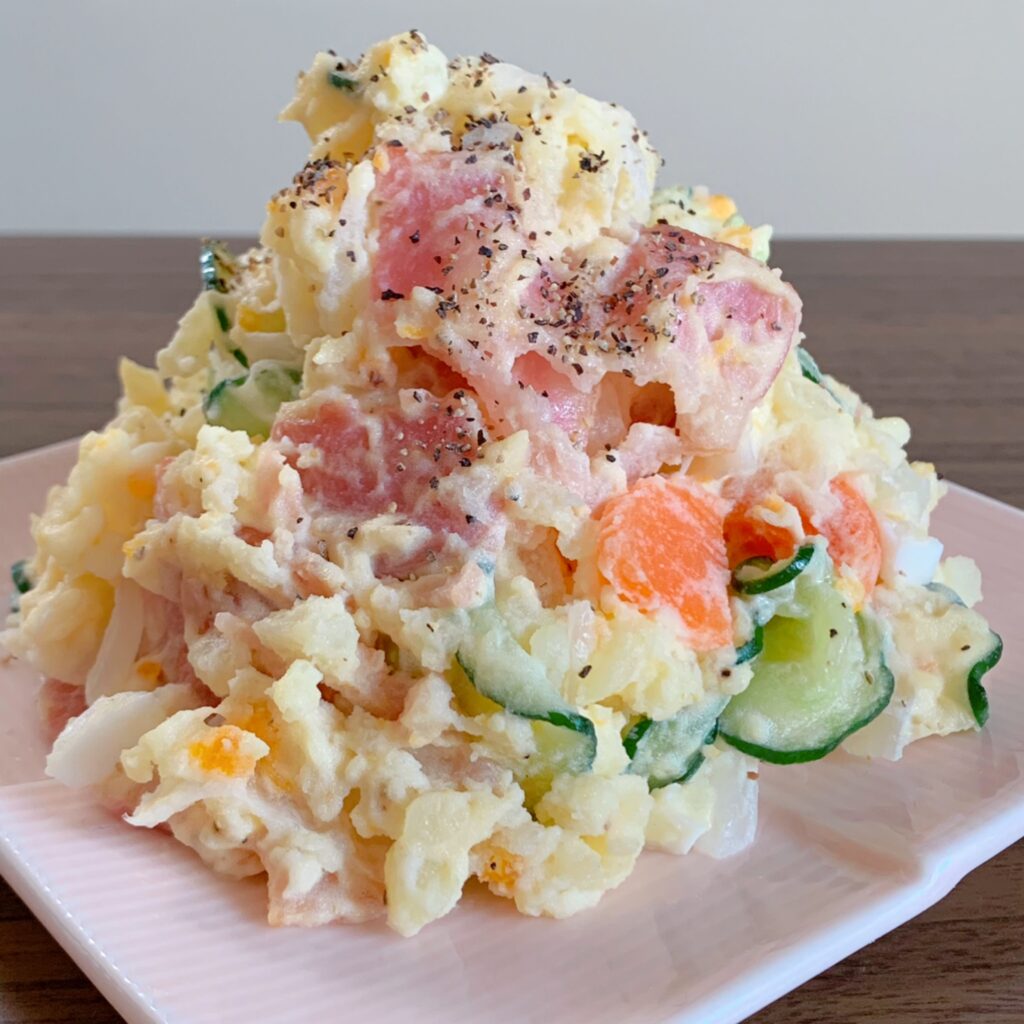
- Recommended Recipe: 👉 Spring Potato & Mayonnaise Salad (Shin-Jaga & Shin-Tama)
2. May Queen
An oval-shaped potato with yellowish-white flesh.
- Texture: Smooth, waxy, and holds its shape perfectly when boiled.
- Best For: Stews and simmered dishes.
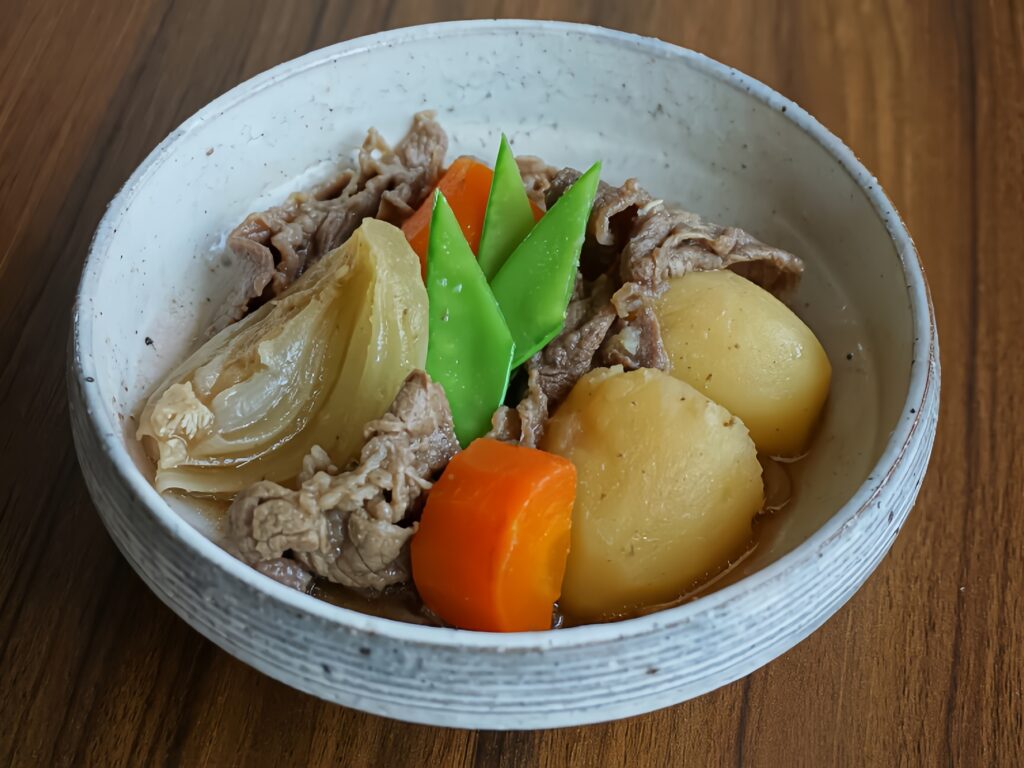
- Recommended Recipe: 👉 Nikujaga (Beef and potatoes stew)
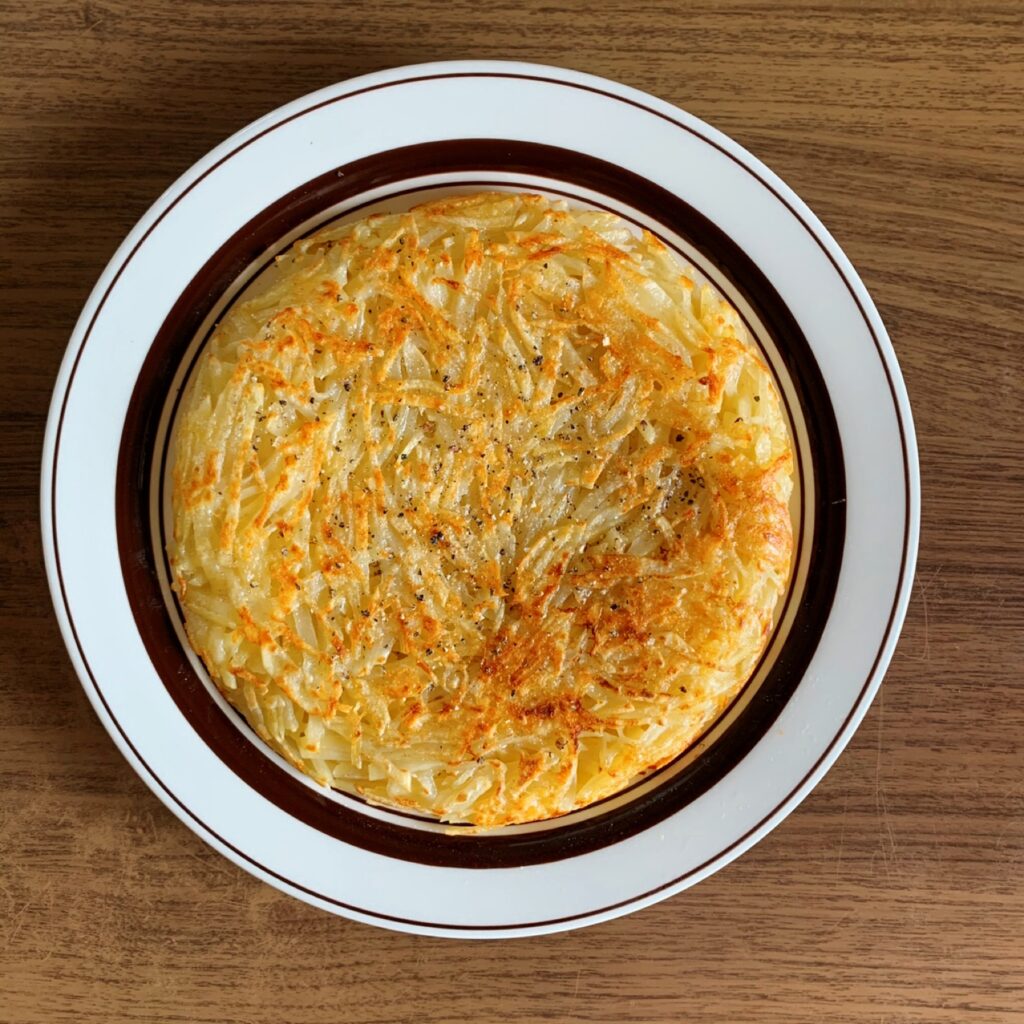
3. Kitaakari
Known as the “Golden Baron,” this variety has yellow flesh rich in carotene and contains higher levels of Vitamin C than standard varieties.
- Texture: A perfect balance of sweetness and starch.
- Best For: Adding a rich color and flavor to pan-fried dishes.
- Recommended Recipe: 👉 Easy Crispy Shredded Potato Galette
4. Touya
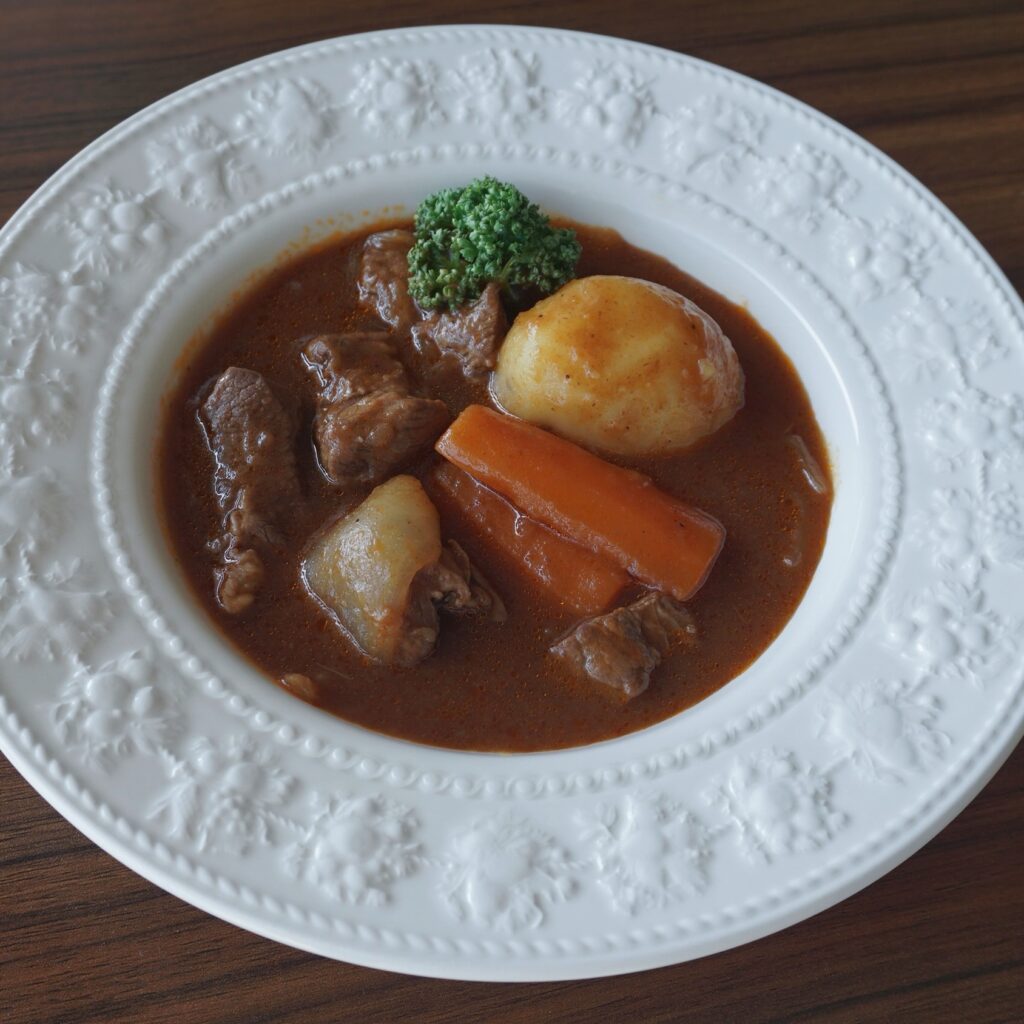
A round, pale-yellow variety that is often harvested early in the season.
- Texture: Very smooth mouthfeel; it resists falling apart even after long cooking.
- Best For: Heavy, rich stews.
- Recommended Recipe: 👉 Melt-in-Your-Mouth Beef Stew | No-Roux Pressure Cooker Recipe
5. Inka no Mezame
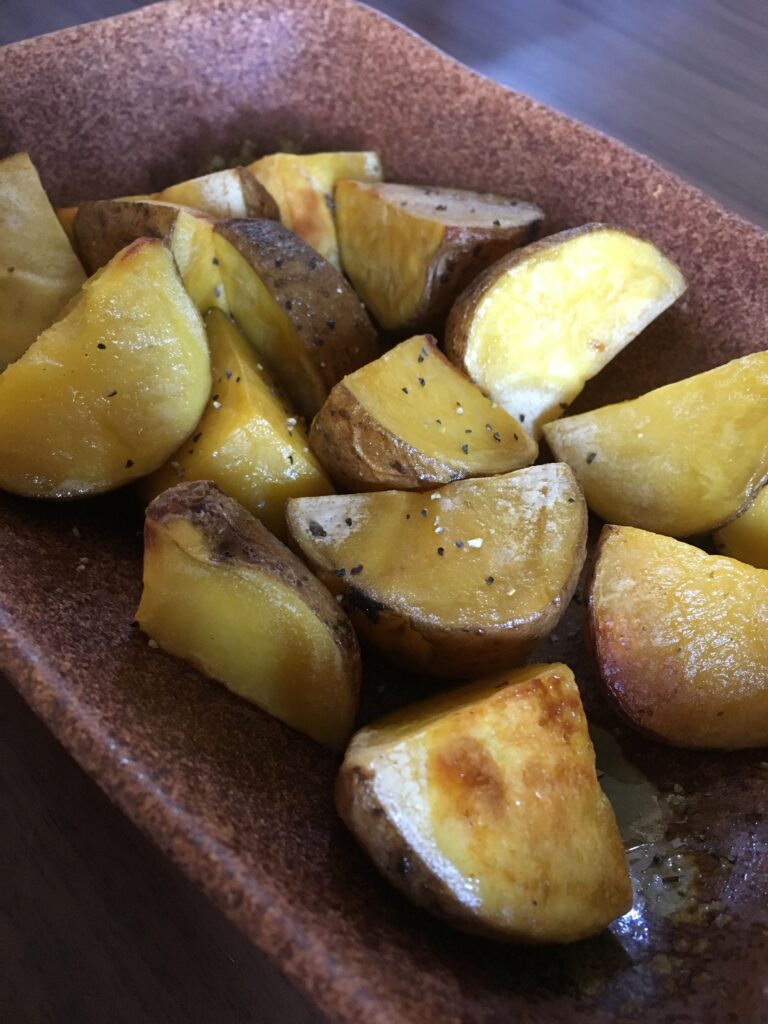
A premium, small-grained variety with deep orange-yellow flesh.
- Texture: Dense and smooth, with a flavor profile reminiscent of chestnuts or sweet potatoes.
- Best For: Simple preparations that highlight its natural sweetness.
- Recommended Recipe: 👉 Gourmet Jaga-Butter: Roasted “Inca no Mezame” Potatoes with Rich Butter
6. Hokkaikogane
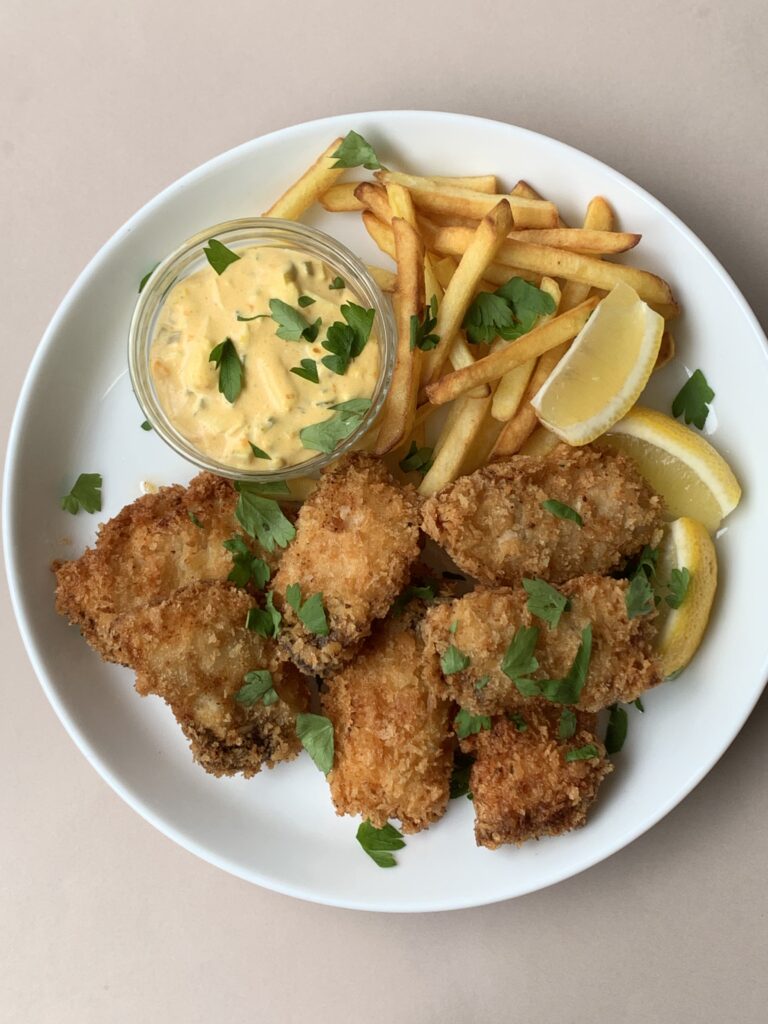
Specifically bred for the perfect French fry, this variety is also excellent for Japanese hot pots.
- Best For: Frying and Oden.
- Recommended Recipe: 👉
Pro-Tips for Cooking Jagaimo
- Safety First: Always remove the “eyes” (buds) thoroughly, as they contain solanine, a natural toxin.
- Prevent Discoloration: Once cut, potatoes oxidize quickly due to tyrosine turning into melanin. To keep them bright, soak cut pieces in water immediately.
- The Secret to Sweetness: For the best flavor, start potatoes in cold water rather than boiling. Heating them slowly allows the starches to convert into sugars more effectively.
- Salad Success: To prevent a watery potato salad, boil the potatoes whole with the skin on. This seals in the flavor and ensures a fluffy texture once mashed.
Summary Table: Which Potato for Which Dish?
| Variety | Texture | Best Cooking Method |
|---|---|---|
| Danshaku | Powdery/Fluffy | Mashing, Croquettes, Salads |
| May Queen | Waxy/Firm | Curry, Nikujaga, Stews |
| Kitaakari | Sweet/Starchy | Galettes, Baking, Roasting |
| Touya | Smooth/Firm | Pressure Cooking, Soups |
| Inka no Mezame | Nutty/Dense | Steaming, Deep-frying, Buttered |
📖Related Link: Read the Japanese version of this article here! []

コメント