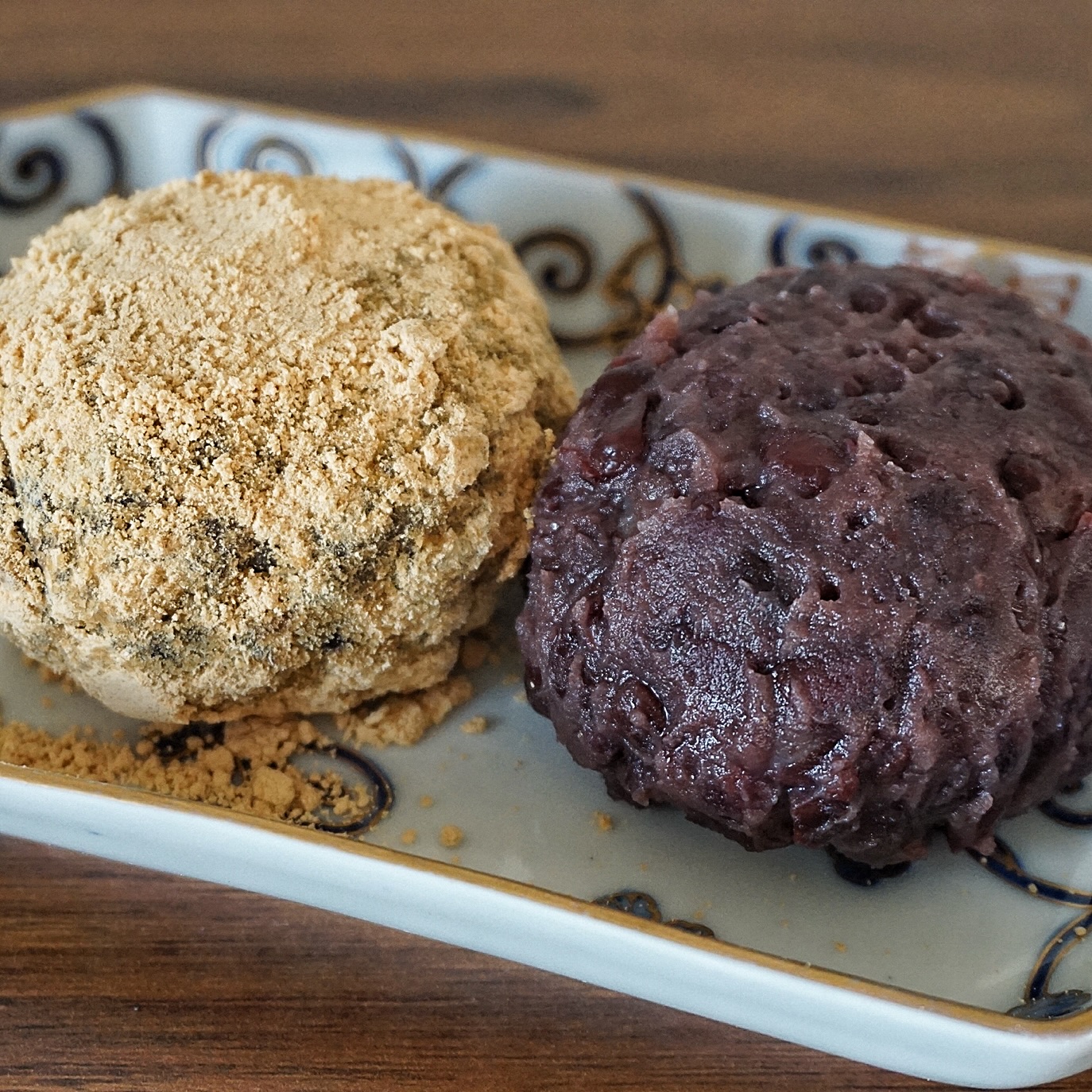
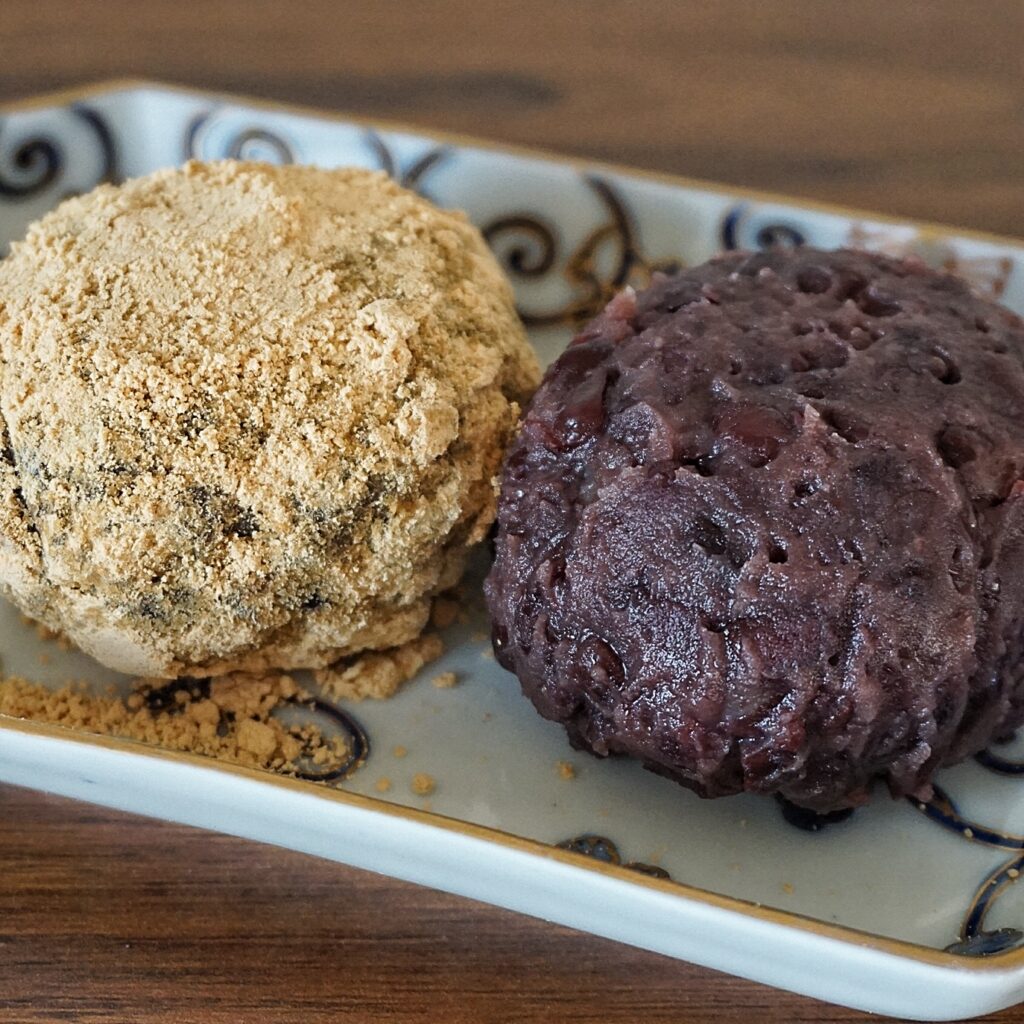
Ohagi (Sweet Red Bean Rice Balls): A Traditional Japanese Delicacy
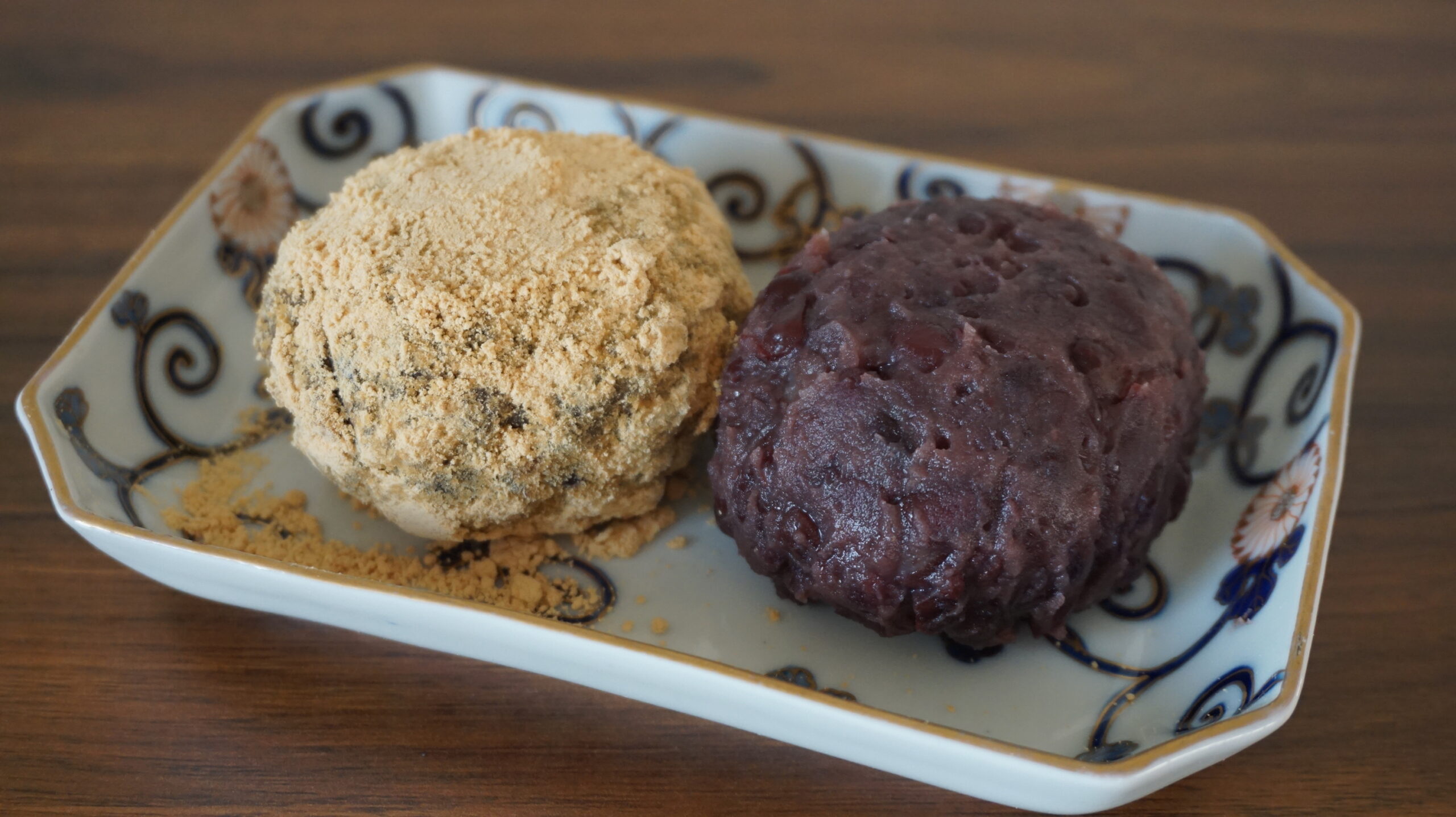
Ohagi is a traditional Japanese sweet made by wrapping steamed glutinous rice in Anko (sweet red bean paste). While it looks sophisticated, it is surprisingly easy to make at home! Once you master the homemade anko, you can use it for various other Japanese desserts.
Seasonal Names: Ohagi vs. Botamochi
Interestingly, this sweet changes its name depending on the season:
- Ohagi (Autumn): Named after the Hagi (bush clover) that blooms in fall.
- Botamochi (Spring): Named after the Botan (peony) that blooms in spring.
Cultural Significance
Ohagi is traditionally offered to ancestors during Ohigan (the autumnal and vernal equinoxes). In Japan, the red color of azuki beans is believed to ward off evil spirits and protect one’s health.+1
INGREDIENTS (Makes 8 pieces)
For the Anko (Sweet Red Bean Paste):
- Azuki beans: 150g
- Water (for soaking): 150g
- Water (for initial boiling/bitterness removal): 1L
- Water (for pressure cooking): 150g
- Sugar: 150g (Adjust between 80g–150g to your preference)
- Salt: A pinch (approx. 0.5g)
For the Rice Balls:
- Glutinous rice: 1 cup (160g)
- Water: 150g
Optional Topping:
- Kinako (Soybean flour) mix: 10g Kinako + 5g Sugar + a pinch of salt
INSTRUCTIONS
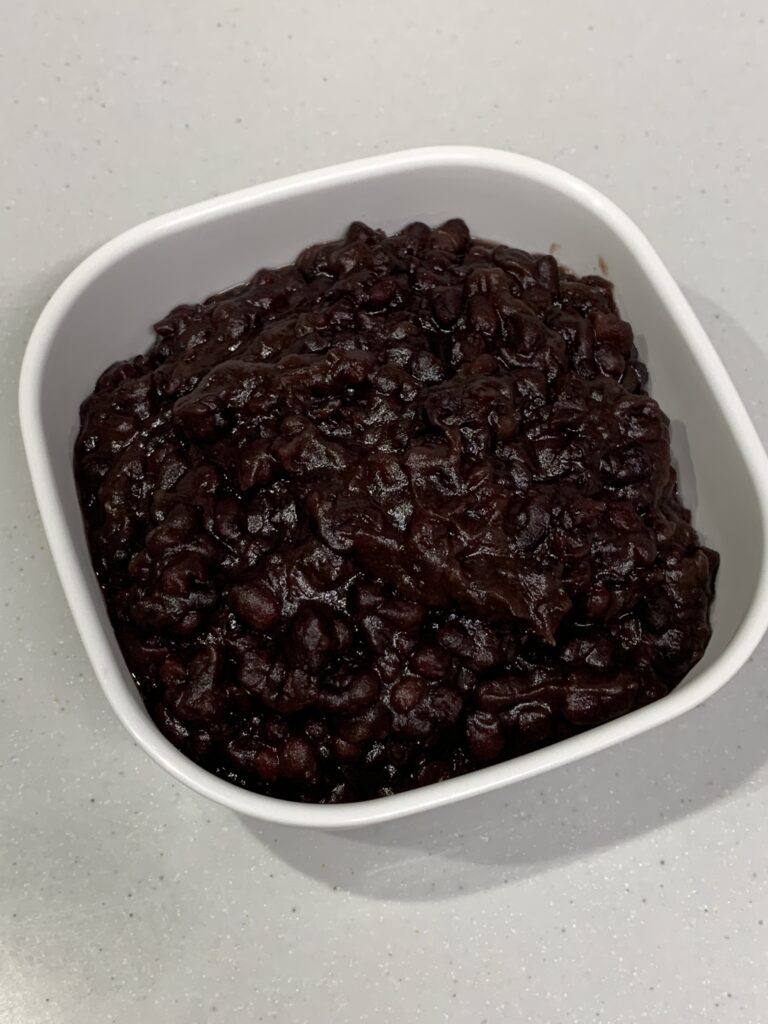
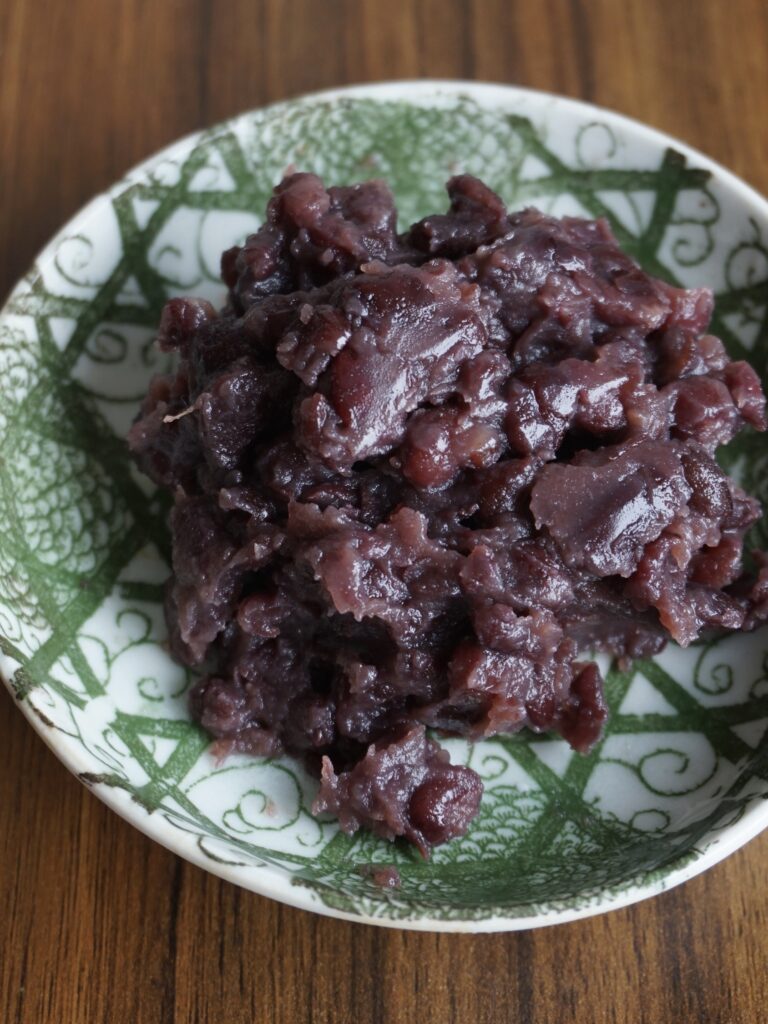
1. Prepare the Anko (Red Bean Paste)
- Soak: Soak the azuki beans in 150g of water overnight. (While some say soaking is unnecessary, doing so ensures the beans absorb water evenly for a better texture.)
- Parboil (Shibukiri): Put the beans and 1L of water in a pot. Boil for 10 minutes, then drain. This process removes bitterness (shibu) without losing the beans’ deep flavor.
- Pressure Cook: Place the beans and 150g of water in a pressure cooker.
- Cook: Pressure cook for 25 minutes. (15 minutes may leave them too firm.) If using a regular pot, simmer for 1–2 hours until soft.
- Sweeten: Once the pressure is released, check that the beans are soft. Add sugar and simmer. Crucial: Only add sugar after the beans are soft; otherwise, they won’t soften further.
- Cool: Once the liquid has evaporated, add a pinch of salt. Spread the paste in a flat container and chill in the refrigerator.
2. Prepare the Rice
- Wash & Soak: Wash the glutinous rice and soak it in 150g of water for 30 minutes.
- Cook: Use the “Quick Cook” or “Regular” setting on your rice cooker.
- Shape: Once cooled slightly, divide the rice into 8 equal portions (about 35-40g each) and roll them into balls.
3. Assembly
- Wrap: Place about 60g of anko on a piece of plastic wrap. Flatten it into a circle.
- Enclose: Place a rice ball in the center. Use the plastic wrap to pull the paste up and around the rice, twisting the top to seal.
- Finish: If desired, roll the finished Ohagi in the Kinako mixture for extra flavor.
NUTRITION FACTS (Per Recipe / 8 pieces)
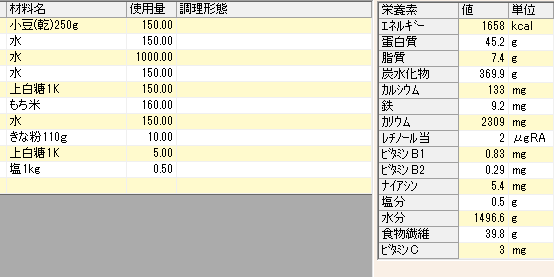
- Calories: 1658 kcal
- Protein: 45.2 g
- Total Fat: 7.4 g
- Total Carbohydrates: 369.9 g
- Salt Equivalents: 0.5 g
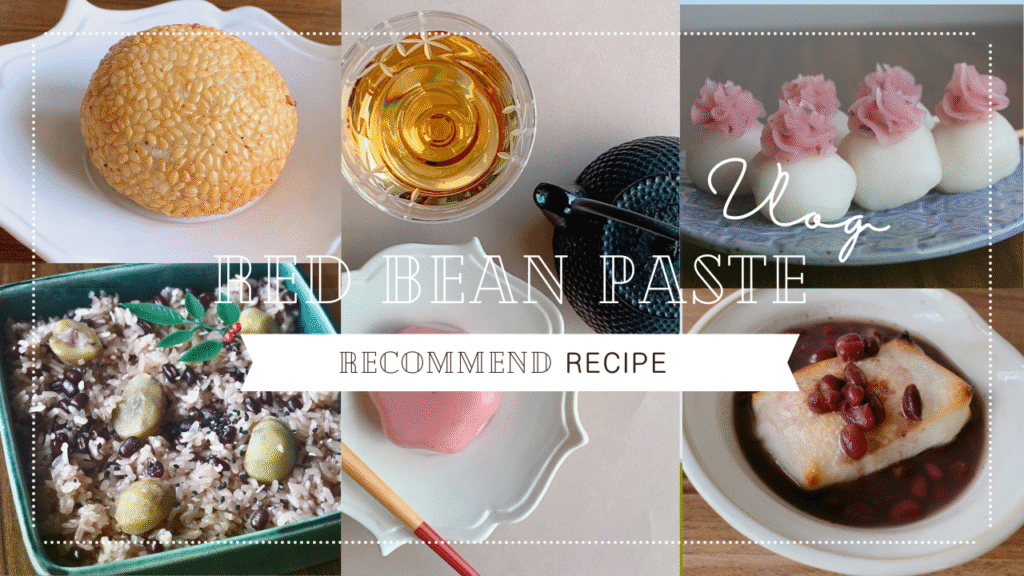
Azuki beans are packed with dietary fiber and polyphenols, making them a fantastic superfood for both beauty and health. If you’d like to learn more about the nutritional benefits of azuki or discover more ways to use your homemade anko, be sure to check out this article! 👉 [Click here for Azuki & Anko Tips and Recommended Recipes]
📖Read the Japanese version of this article here! [もちもち食感がたまらない、日本の伝統行事「お彼岸」に欠かせないおはぎのレシピ]

コメント