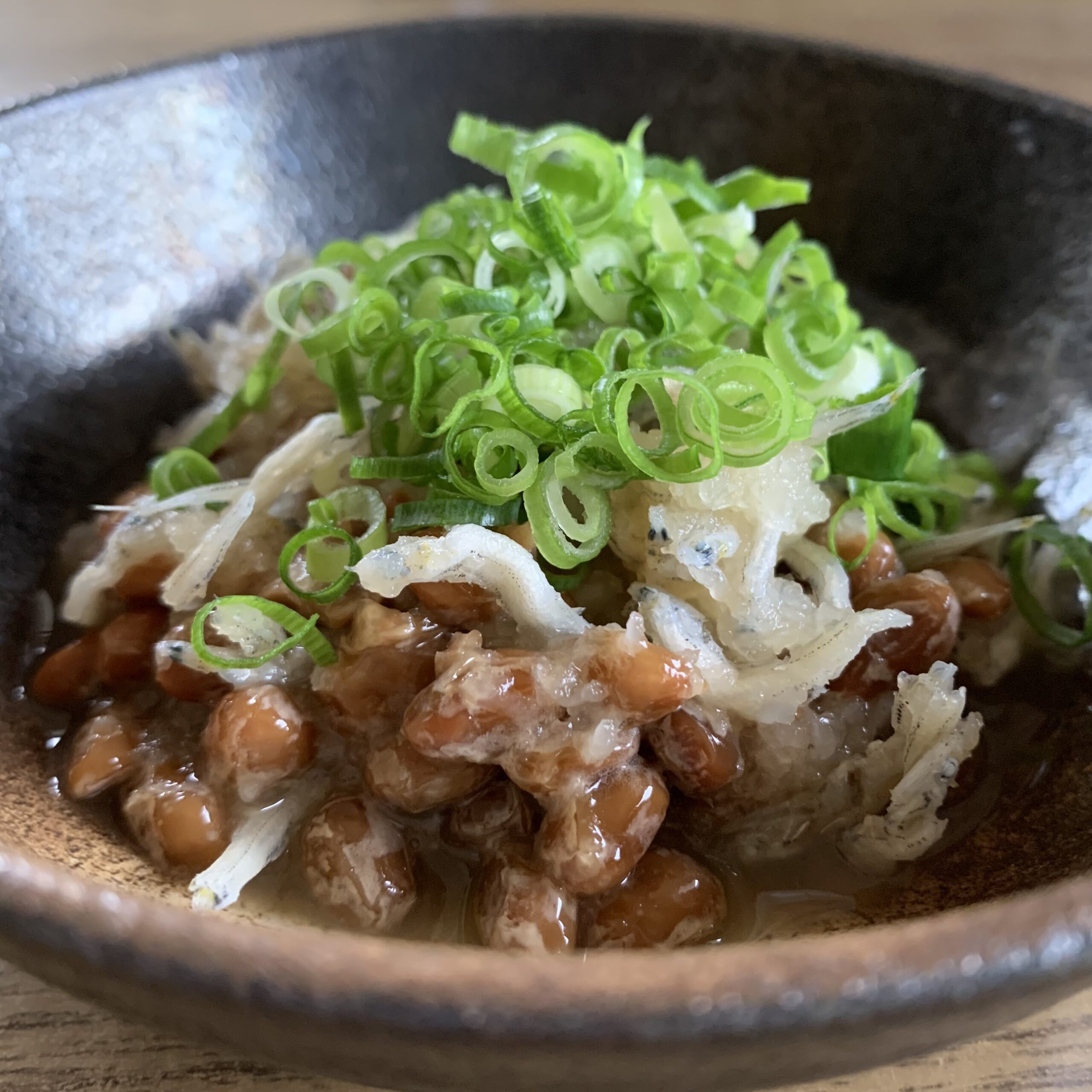
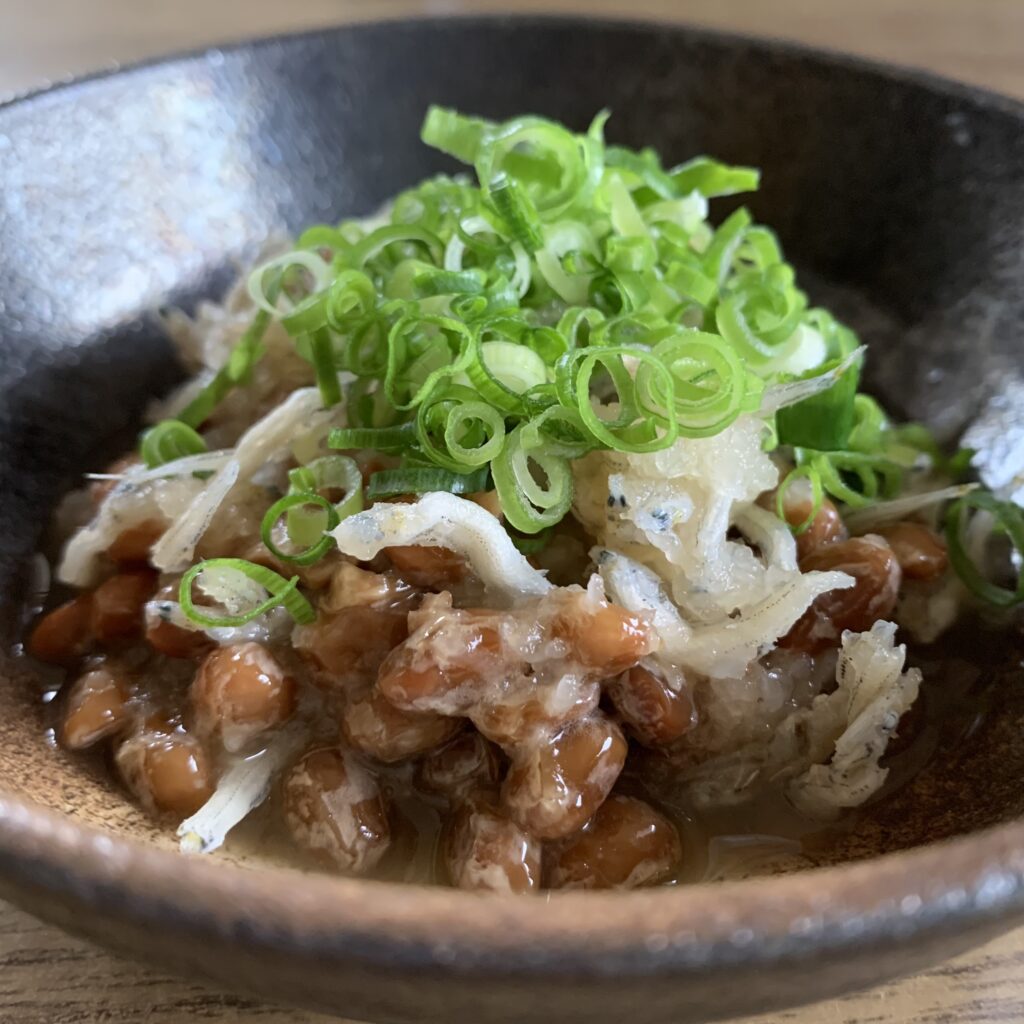
Natto & Shirasu Oroshi-ae: The Ultimate Superfood Topping
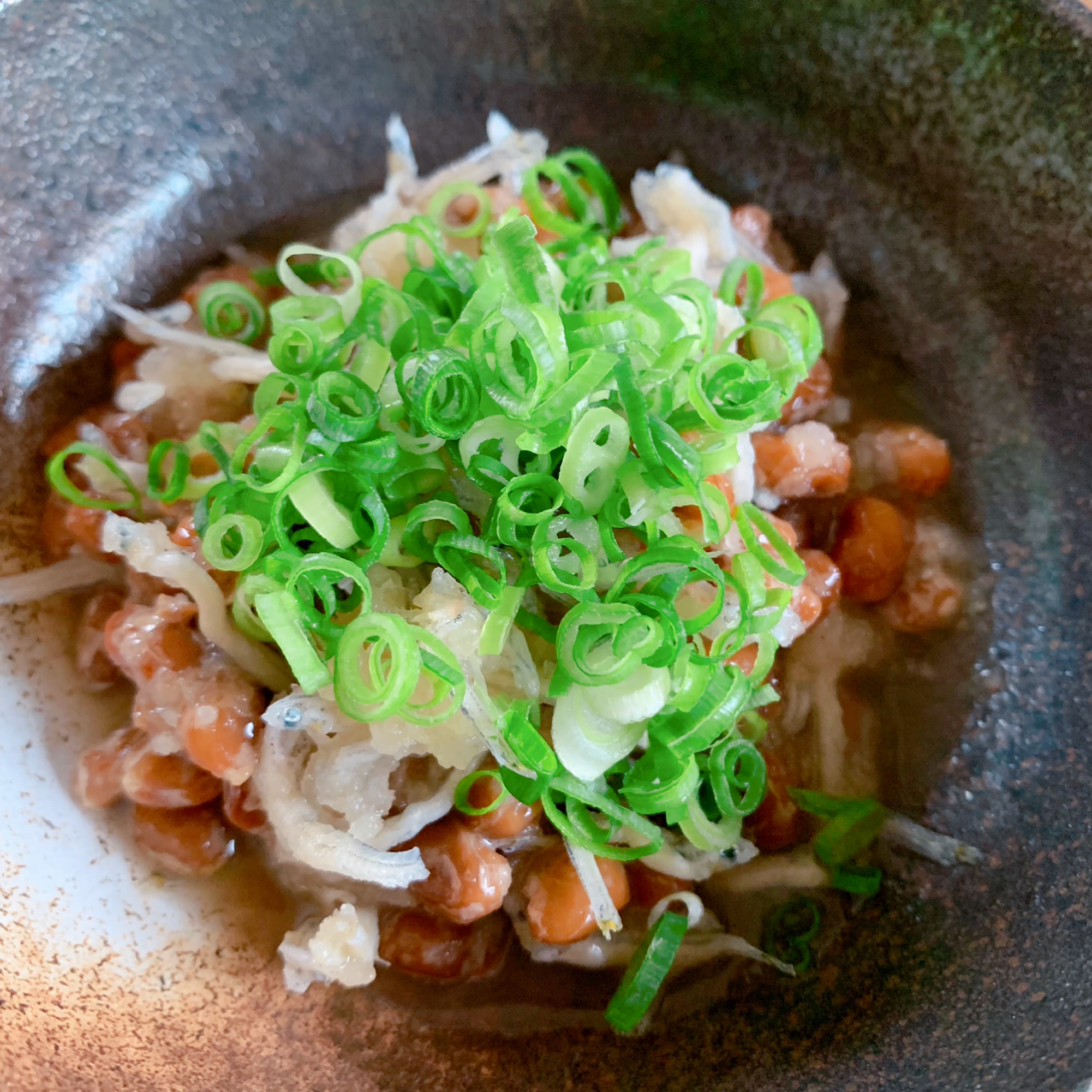
Natto is currently exploding in popularity worldwide. No longer just a “unique Japanese delicacy,” it is now recognized by wellness experts and biohackers as a premier superfood. This recipe for Natto & Shirasu Oroshi-ae (Grated Radish with Fermented Soybeans and Whitebait) is the perfect introduction for beginners. It is incredibly simple to make but offers a nutritional profile that is hard to beat.
Why is Natto Trending Worldwide?
1. The “Gut Health” Revolution
In the global wellness community, gut health is a top priority.
- Dairy-Free & Resilient Probiotics: Natto is a standout dairy-free probiotic food. While many probiotics are derived from milk, Natto-kin comes from fermented soybeans and is uniquely resilient, often referred to as a “super-probiotic” due to its ability to survive the journey to the gut.
- Resilient Bacteria: Unlike many other probiotics, Natto bacteria are highly resistant to stomach acid, ensuring they reach the gut alive to support your microbiome.
2. The Rare Power of Vitamin K2
Natto is one of the world’s richest sources of Vitamin K2 (specifically MK-7).
- The Calcium “Commander”: Vitamin K2 acts as a traffic controller, directing calcium into your bones where it belongs and keeping it out of your arteries (preventing calcification). This makes it essential for both bone and heart health.
3. Sustainable “Umami” Protein
As the global shift toward plant-based diets accelerates, Natto is being rediscovered as a high-quality “clean protein.” Unlike highly processed meat substitutes, Natto allows you to consume the full nutritional benefits of the whole soybean with minimal processing.
It is concentrated with the bold, deep Umami that only fermentation can produce. This complex flavor profile is highly regarded by food enthusiasts who appreciate the depth of aged and fermented foods.
Recipe: Natto & Shirasu Oroshi-ae
A refreshing, enzyme-rich dish that balances the stickiness of natto with the crispness of daikon.
🛒 Ingredients (2 Servings)
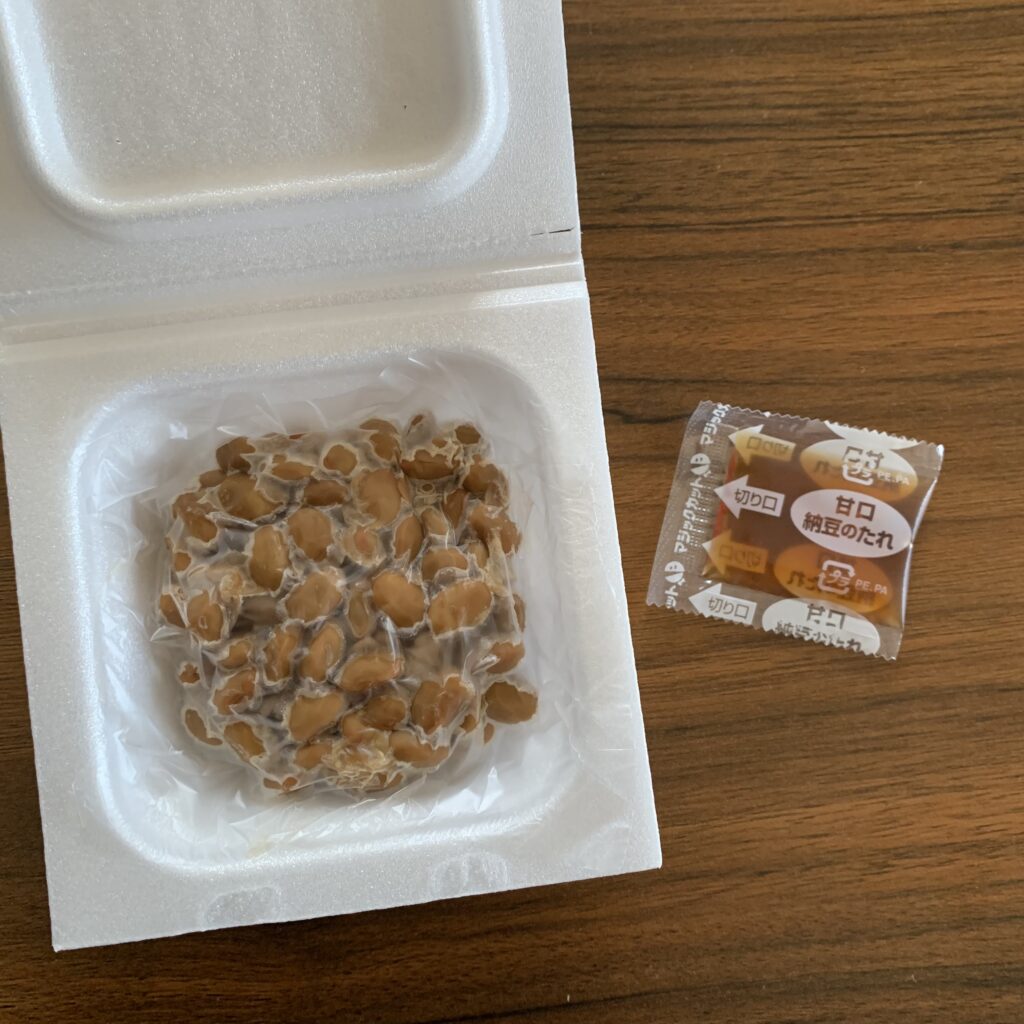
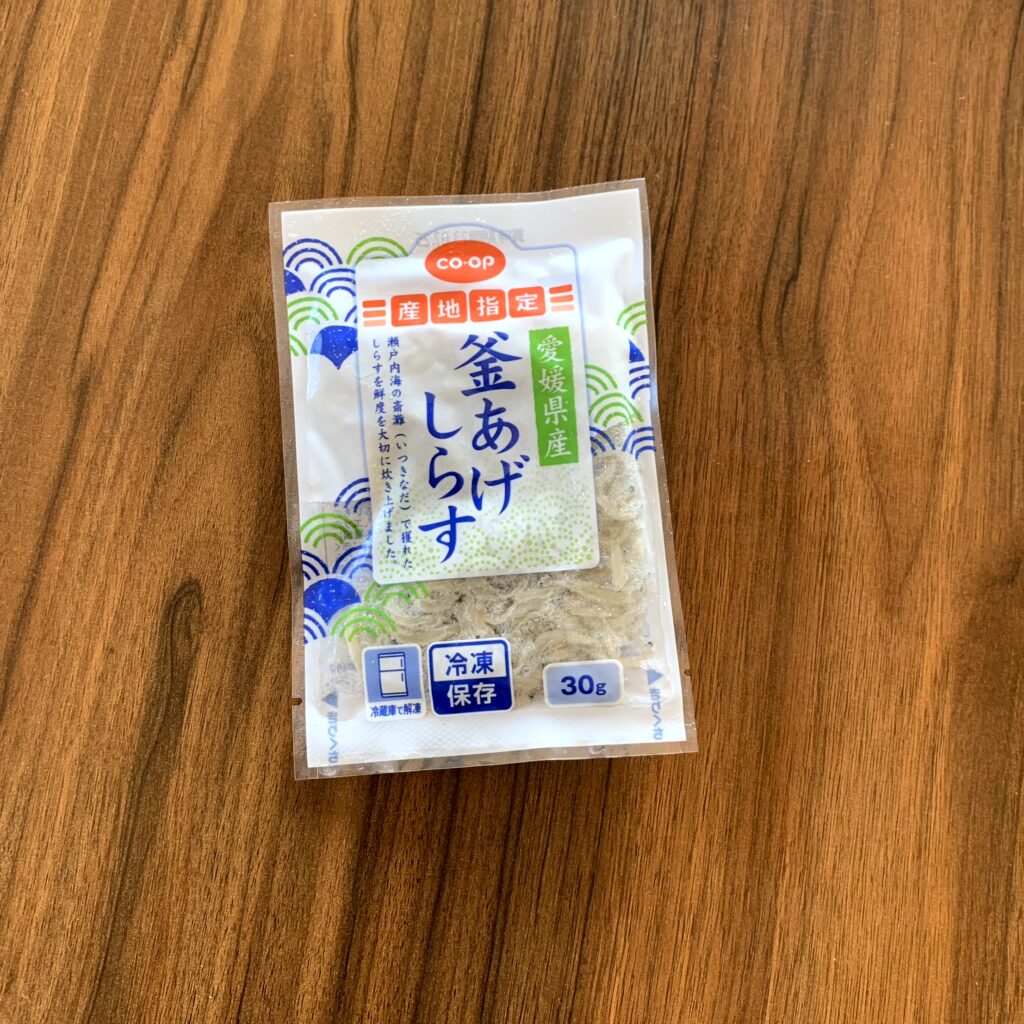
- Natto: 100g (typically 2 small packs)
- Shirasu (Whitebait): 10g
- Daikon Radish: 100g
- Green Onion: 10g (finely chopped)
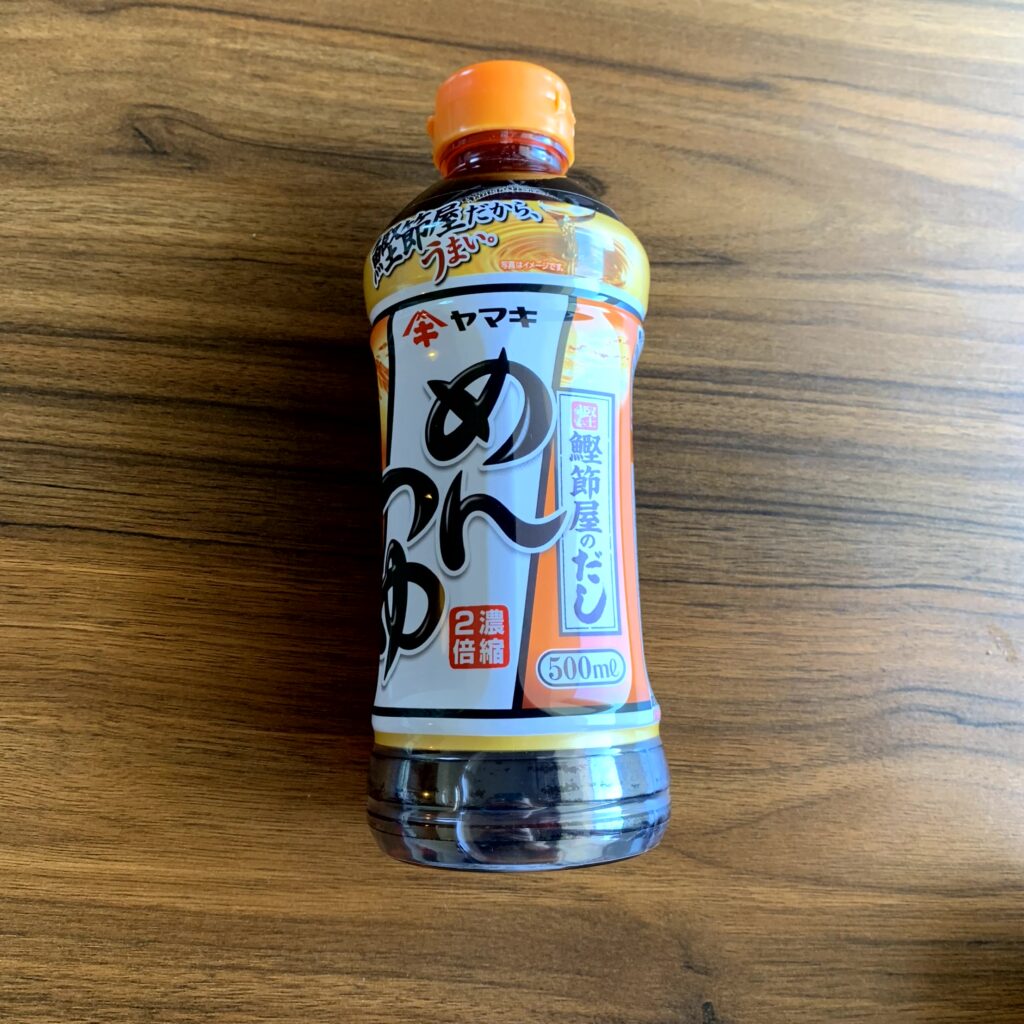
- Mentsuyu (2x Concentrated): 10g (approx. 2 tsp)
- Note: If your natto pack doesn’t include sauce, double the amount of mentsuyu.
🍳 Cooking Instructions
- Prep the Radish: Grate the daikon. Lightly squeeze out the excess bitter liquid, but keep it moist and “juicy.”
- Whisk the Natto: In a separate bowl, mix the natto vigorously with its included sauce until it becomes frothy. This aeration improves the texture and flavor.
- The Flavor Base: In a medium bowl, combine the grated daikon, shirasu, and mentsuyu. Mix these first so the radish absorbs the seasoning evenly.
- The Final Mix: Fold the natto into the radish mixture.
- Pro Tip: Always season the radish before adding the natto. Adding natto too early can make the flavor distribution uneven due to its sticky texture.
- Garnish: Top with chopped green onions and serve.
💡 How to Serve
This “Oroshi-ae” is incredibly versatile. Because the daikon radish helps neutralize the strong aroma of natto, it is perfect for those trying it for the first time!
- Rice Bowl: Serve over hot steamed rice.
- Noodle Topping: Mix into chilled Udon or Somen for a refreshing summer meal.
- Tofu Topping: Spoon over cold silken tofu (Hiyayakko).
- Fusion Style: Try it as a topping for Toast, Pasta, or even a green salad!
📊 Nutrition Facts (Per Serving)
| Calories | Protein | Fat | Carbs | Salt Equivalent |
|---|---|---|---|---|
| 119 kcal | 10 g | 5.1 g | 10.6 g | 1.3 g |
🏠 Homemade Mentsuyu (Noodle Soup Base)
If you cannot find bottled Mentsuyu, you can easily make this “all-purpose” Japanese seasoning at home. It keeps in the fridge for about one week.
Ingredients:
- 400g Water
- 20g Dark Soy Sauce
- 20g Light Soy Sauce
- 30g Mirin
- 5g Dashi stock granules
Directions: Combine all ingredients in a pot and bring to a boil. Let it cool completely before storing in a clean, airtight container.
For more information on the benefits of fermented soy, check out our related article: [What kind of foods are natto and soybeans?] (What kind of food is natto?)
📖Read the Japanese version of this article here! [納豆としらすのおろし和え:世界が注目する究極のスーパーフードレシピ]

コメント