What kind of food is natto?
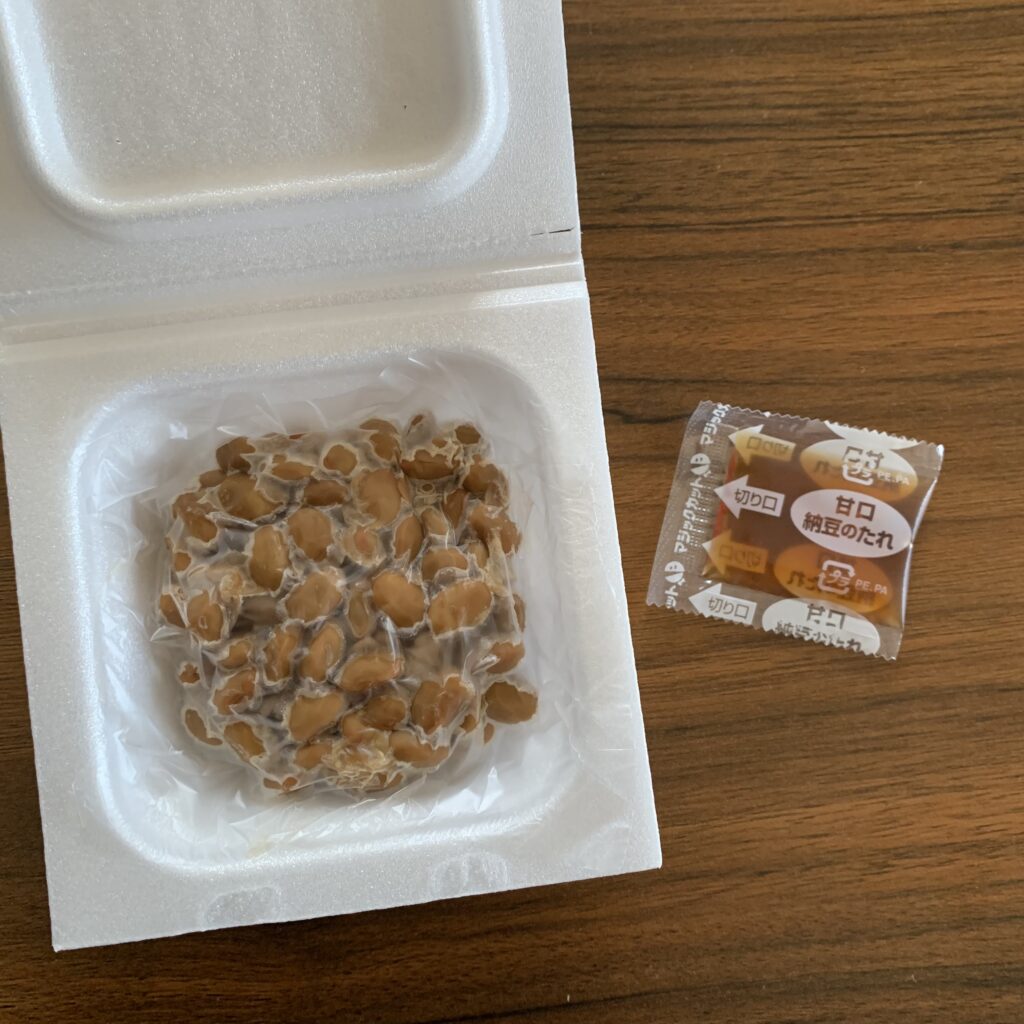
Natto (納豆) is a traditional Japanese staple made from fermented soybeans. Known for its distinct savory aroma and unique sticky texture, it is a nutritional powerhouse—low in calories, high in protein, and packed with dietary fiber.+1
When seasoned with a splash of soy sauce or mirin and whisked vigorously, natto develops its signature silky “strings,” which many enthusiasts believe is the secret to its deep umami flavor.
The Science of Natto: Why It’s So Healthy
Natto isn’t just a traditional food; it’s a biological marvel:
- Highly Digestible: The fermentation process breaks down soy protein into amino acids, making it much easier for the body to absorb than plain soybeans.
- Bone Health: It is incredibly rich in Vitamin K2 and Calcium, making it an essential food for supporting bone density and preventing osteoporosis.
- Vitamin Boost: It is a natural source of Vitamin B2 and beneficial Bacillus natto bacteria.
⚠️ Medical Note: Due to its high Vitamin K content (which aids blood clotting), please consult your doctor if you are taking Warfarin, as natto can interfere with the medication’s effectiveness.
Tsubu vs. Hikiwari: What’s the Difference?
You will generally find three sizes: large-grain, small-grain (my personal favorite!), and hikiwari (crushed).
A common misconception is that hikiwari is just crushed whole natto. In reality, the process is different:
- Tsubu Natto (Whole Grain): Whole soybeans are steamed and then fermented.
- Hikiwari Natto (Crushed): The soybeans are crushed and de-hulled before fermentation. This increased surface area allows more bacteria to thrive, resulting in a higher Vitamin K content and even easier digestion.
| Type | Vitamin K2 Content (per 100g) |
|---|---|
| Whole Grain (Tsubu) | 600 mg |
| Crushed (Hikiwari) | 930 μg |
Creative Ways to Enjoy Natto
While most Japanese people enjoy natto over a bowl of hot rice, its versatility shines in modern fusion cooking!
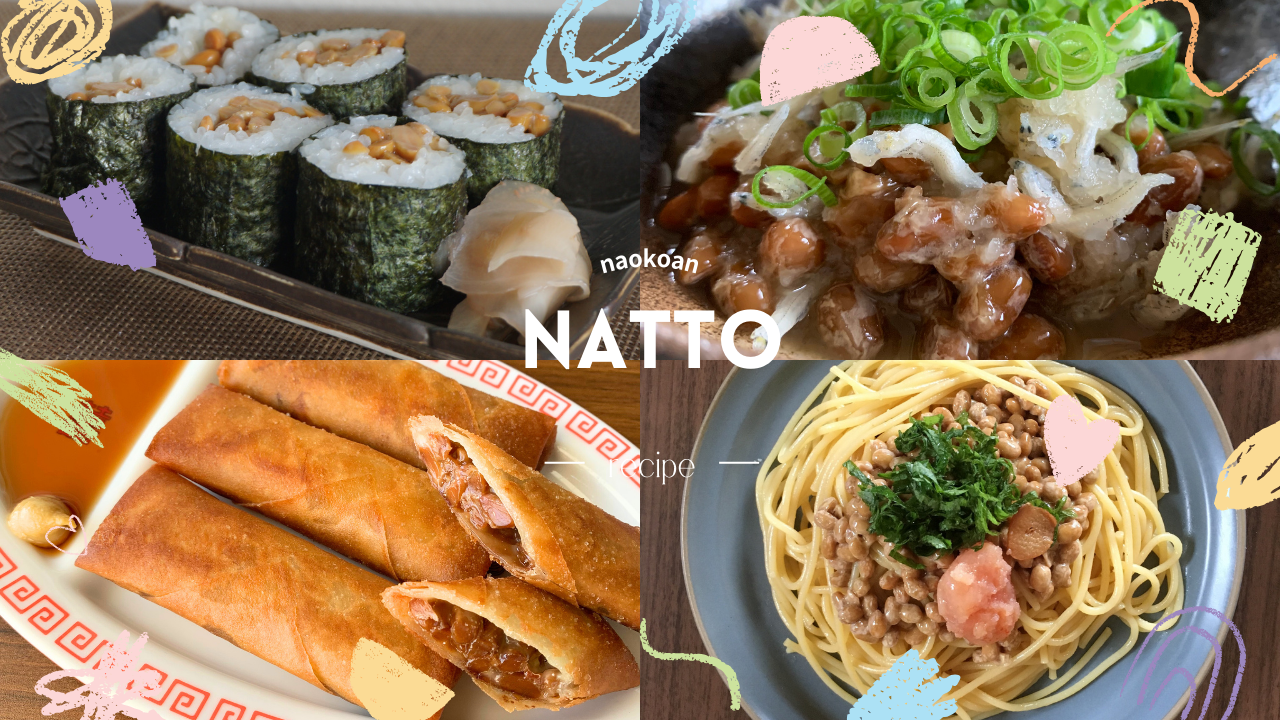
1. Natto & Cheese Crispy Spring Rolls (Harumaki)
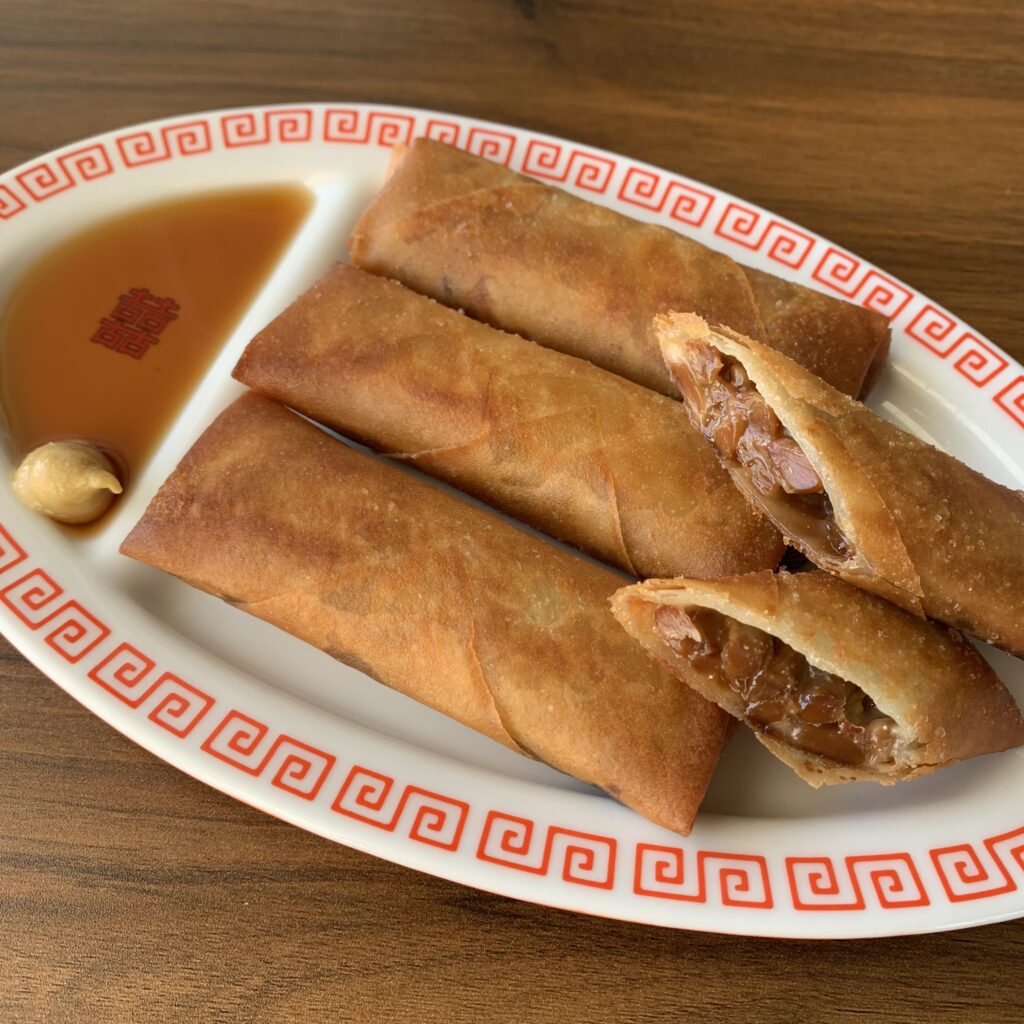
Have you ever tried Harumaki (Japanese Spring Rolls)? Traditionally, they are a beloved Asian comfort food made by wrapping seasoned meat and vegetables in a thin flour wrapper and frying them until shatteringly crisp and golden brown.
But today, we’re taking this classic crunchy snack to a whole new level with a unique, must-try twist: Natto and Cheese!
If you’ve been hesitant about natto, this is the ultimate game-changer. When fried, the pungent aroma of natto magically transforms into a nutty, savory delight. Paired with rich, creamy melted cheese—its perfect fermented partner—every bite is a perfect contrast of a crispy shell and a gooey, flavorful filling.
It’s the ultimate crowd-pleasing snack or beer pairing!
2. Refreshing Oroshi Natto
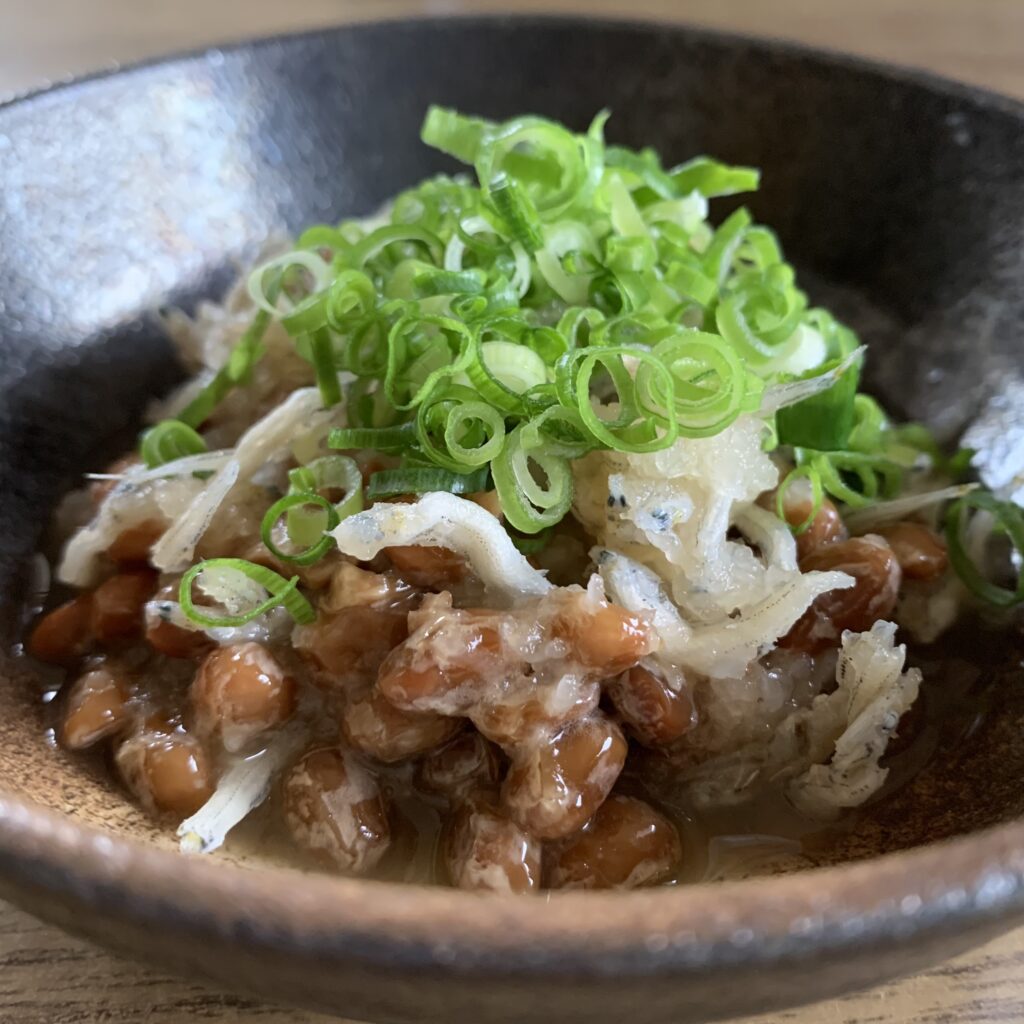
Looking for a healthy, super-quick dish to beat the heat? Look no further! Today, I’m sharing my absolute favorite way to eat natto: Refreshing Oroshi Natto.
If you aren’t familiar with the toppings, “Oroshi” is finely grated daikon radish, known for its juicy, slightly peppery, and incredibly refreshing flavor. “Shirasu” are tiny, tender dried baby sardines that add a delicate savory saltiness.
When you mix these two with natto, something magical happens. The watery crispness of the grated radish cuts through the sticky texture of the natto, making it incredibly light, smooth, and so effortless to eat—you can practically drink it!
It makes a perfect, guilt-free side dish, but it’s also spectacular as a cooling topping for chilled Udon or Somen noodles. Give this ultimate lazy-day recipe a try!
3. Classic Natto Maki (Sushi Rolls)
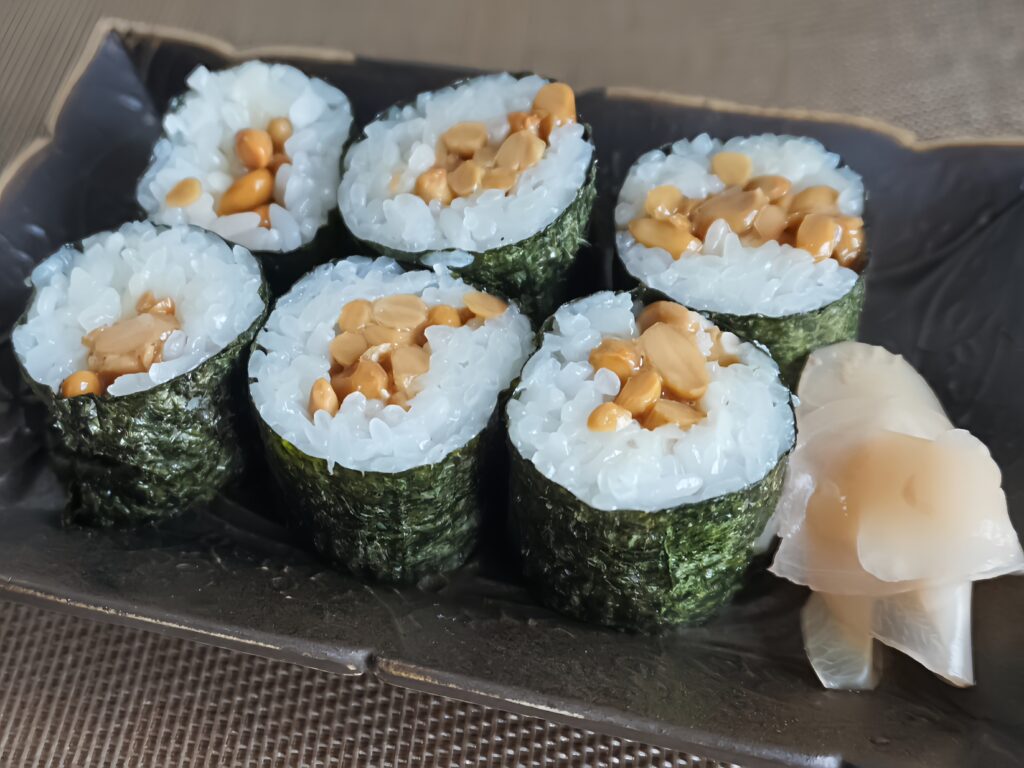
When it comes to traditional Japanese comfort food, the Natto Sushi Roll (Natto Maki) is an absolute all-time classic. It’s a staple found in every Japanese convenience store and sushi restaurant, loved for its simple yet comforting flavors.
If you’ve ever tried making sushi rolls at home, you know the struggle: thin rolls (Hosomaki) tear easily, and fat rolls (Futamaki) are hard to close.
That’s why my recipe features a “just-right” medium thickness! It is incredibly easy to roll and practically foolproof, making it perfect for beginners. Plus, I’m sharing my crowd-pleasing, perfectly balanced sushi vinegar ratio that everyone will love.
Enjoy the wonderful contrast of seasoned sushi rice, crisp nori seaweed, and savory natto.
4. Natto & Tarako Spaghetti Peperoncino
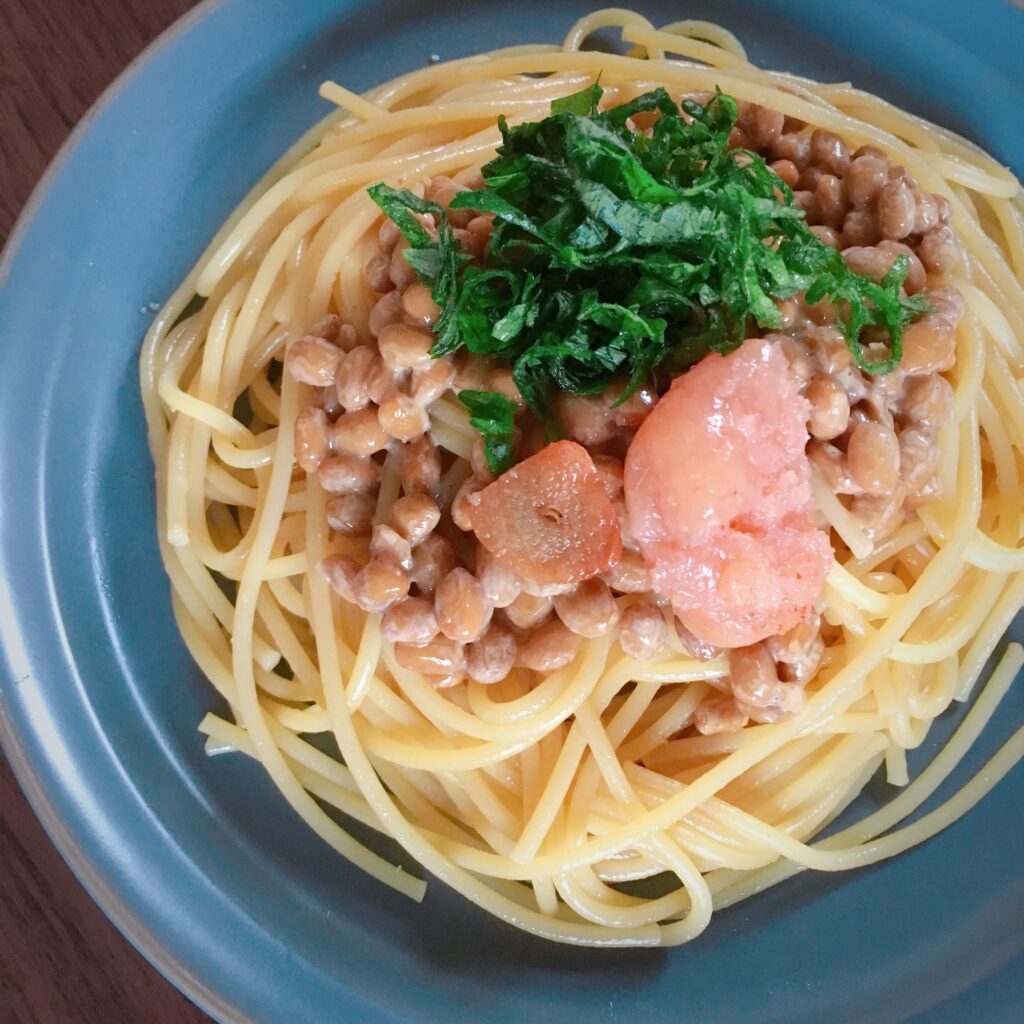
Did you know that Japan has a unique, incredibly popular culinary culture called “Wafu Pasta” (Japanese-style pasta)? It blends traditional Italian pasta techniques with distinct Japanese ingredients like soy sauce, seaweed, and seafood.
Today, I’m thrilled to share an upgraded masterpiece of this genre: Natto & Tarako Spaghetti Peperoncino!
This recipe is an addictive, sophisticated fusion. It takes the spicy kick of a classic garlic-and-chili Peperoncino and elevates it with the savory richness of natto, umami-packed tarako (pollock roe), and the refreshing herbal note of fresh shiso (perilla) leaves, all tied together with a splash of soy sauce.
One bite of this glossy, savory pasta, and you’ll be completely hooked.
Want to learn more about the “Meat of the Field”?
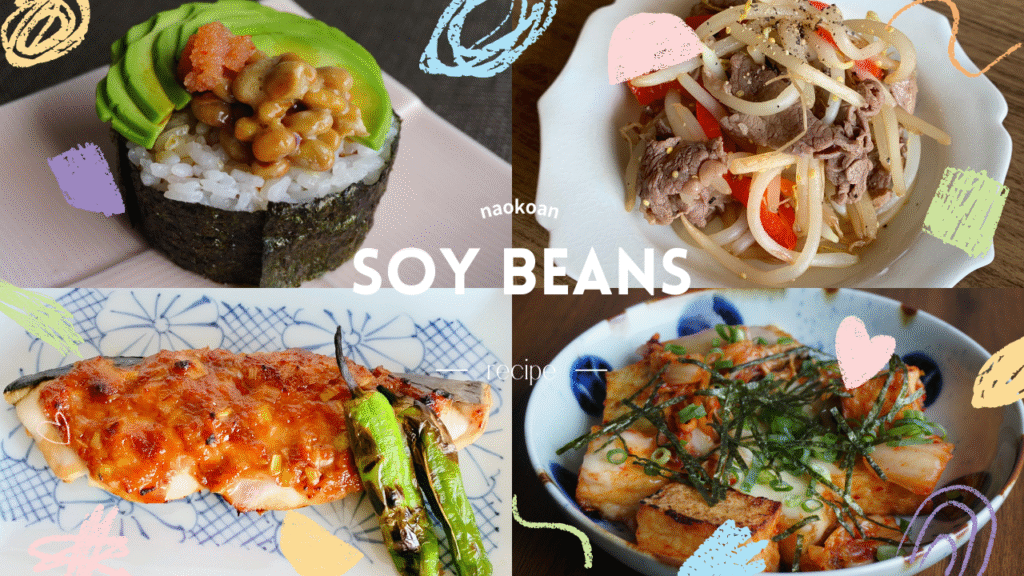
Soybeans are the heart of Japanese cuisine. Explore the origins and varieties of this incredible legume here: Why Soybeans are “Meat from the Field”: The Science of Rice & Soy
📖Read the Japanese version of this article here! [納豆の栄養と魅力を徹底解説!管理栄養士が教える健康効果と絶品アレンジレシピ]

コメント