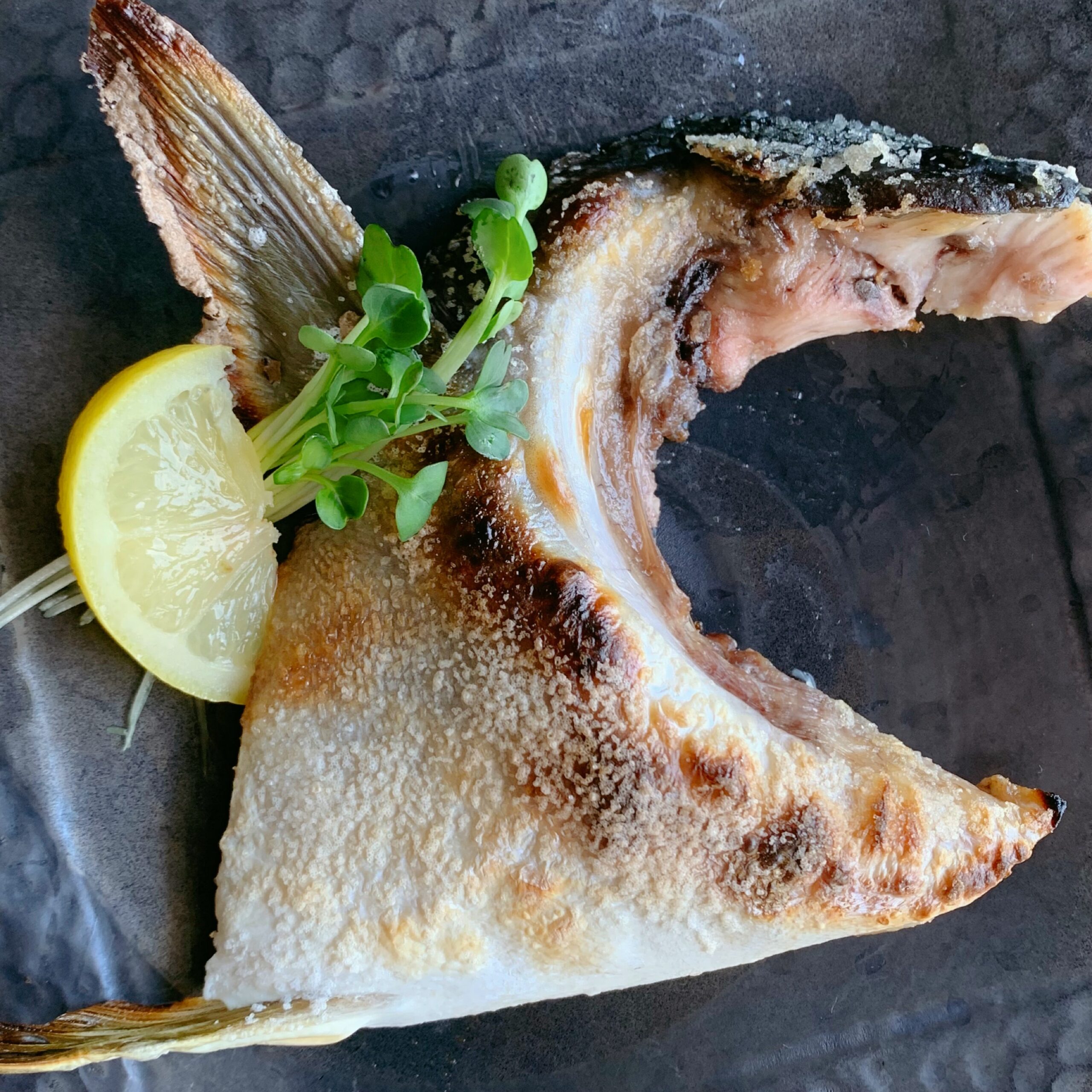
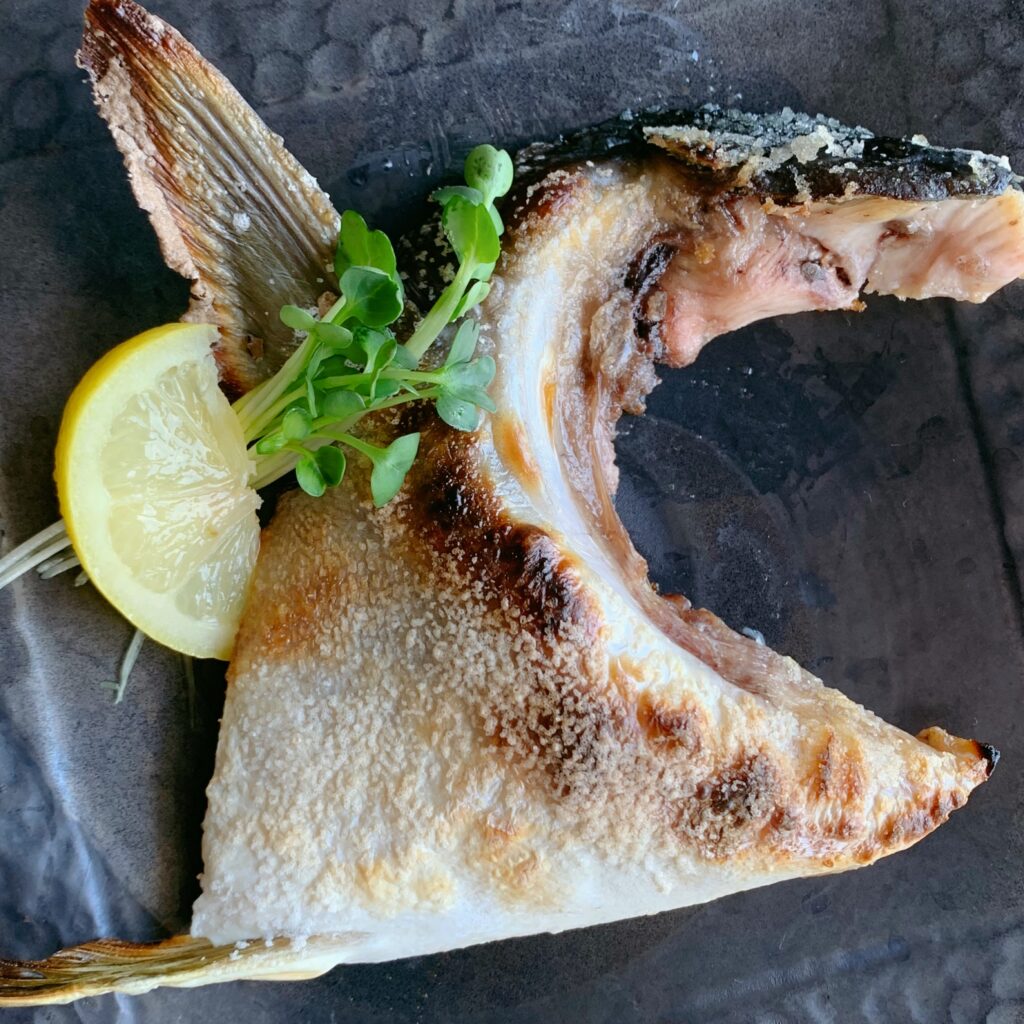
Salt Grilled Hamachi Collar (Hamachi no Kama Shioyaki)
Living in Oita Prefecture, known as the “Hot Spring Capital,” I am surrounded by natural beauty, with mountains and the sea enclosing the region. Beppu, in particular, is famous for “Jigoku Mushi” (hell steaming), a cooking method that uses the heat of the natural thermal springs. There are even popular spots where tourists can steam their own ingredients. Perhaps because of this unique food culture, even the local supermarkets offer amazingly fresh seafood.
The other day, while doing my usual grocery shopping, a clerk recommended today’s top pick for home cooking: yellowtail (hamachi) collars.
As expected from a local fish expert who knows the best seasonal flavors, the collar was truly exceptional. Located right behind the gills, this part has the highest fat content in the fish, packed with concentrated umami unique to the meat around the bone. When I roasted it in my home grill, the skin turned out crispy while the meat inside remained tender and juicy.
It was a delightful discovery to realize I could enjoy such a delicious dish at home without going to an izakaya.
Since I’m at it, I’ll summarize the secrets to roasting collars to perfection in this article.

The Allure of Hamachi (Yellowtail) and Its “Collar”
Basic Characteristics of Yellowtail (Buri)
Yellowtail (Buri) is a large migratory fish that grows over 80 cm in length, known as a nutrient-dense superfood with rich fat content and deep umami. As a “promotional fish” (shusse-uo) whose name changes as it grows, it is widely cherished in Japan as a symbol of good luck and success.
Key Facts About Yellowtail
- Similar Species (Hiramasa & Kanpachi): Although often confused, yellowtail amberjack (Hiramasa) and greater amberjack (Kanpachi) are distinct species. In English, Buri and Hamachi are typically called “Yellowtail,” while Hiramasa and Kanpachi are referred to as “Amberjack.”
- Season & Wild Catch: The peak season runs from November to February. Known as “Kan-buri” (winter yellowtail), fish caught during this time command premium prices.
- Evolution of Farmed Yellowtail: Thanks to advances in aquaculture, farmed yellowtail remains high-quality year-round and sometimes fetches higher market prices than wild-caught fish.
- Difference from Hamachi: While the two names historically referred to different growth stages, today “Hamachi” generally refers to farmed yellowtail.
What is the “Collar” (Kama)?
The head, bones, and other parts remaining after a fish is filleted into three pieces are called “Ara” (fish scraps). Among these, the “Kama” (collar)—located right behind the gills and pectoral fins—is a rare cut, as only two pieces can be taken from a single fish. In English-speaking countries, it is called “(Yellowtail) Collar.”
- Juicy Texture: It is one of the fattiest parts of the fish, boasting a moist and tender texture.
- Deep Umami: Because the meat sits right against the bone, cooking releases additional flavor from the bone, making it exceptionally savory.
Secrets to Perfect Roasting
While simple, salt-grilling achieves a remarkably delicious finish when a few key points are observed:
- Dehydration: First, rub salt into the fish meat (1% to 2% of the fish’s weight). Wait about 15 minutes, then firmly wipe away surface moisture with a paper towel. This draws out excess moisture and unpleasant odors.
- Decorative Salt (Kesho-jio): Next, apply kesho-jio. This is a traditional Japanese culinary technique used when whole-roasting fish to enhance the visual presentation upon completion and to prevent fins from burning or falling off.
- Moisture Retention: The action of the salt helps the fish meat retain its inner moisture, preventing a dry texture and ensuring a moist finish.
- Plattering Orientation: In Japan, fish are roasted starting with the side that will face upward (the presentation side) when plated. Since collars are typically plated with the skin facing up, start by roasting the skin side until savory and golden.
Ingredients
- Hamachi collar: Approx. 220g
- Salt (for rubbing and initial salting): 1% to 2% of the fish’s weight (approx. 2 to 4g)
- Decorative salt (Kesho-jio): A small amount (for the finishing crispiness)
Cooking Instructions
Preparation: 20 mins | Cooking: 7–10 mins
- Prep: Rub salt thoroughly over the entire collar and let it sit for about 15 minutes to draw out odors and excess moisture.
- Wipe: Completely wipe away surface moisture with paper towels (this is a crucial step to eliminate lingering odors).
- Season: Right before cooking, sprinkle a light layer of decorative salt (kesho-jio) onto the skin.
- Roast:
- For double-sided grills: Set to medium-low heat and roast steadily for about 7 minutes.
- For single-sided grills or frying pans: Start cooking skin-side down—the “skin side” being the presentation face when plated. Once the skin is crispy and the fat begins to sizzle audibly, carefully flip it over to cook through.
Recommended Serving: Serve accompanied by grated daikon radish and a lemon wedge. The refreshing daikon and acidic lemon cut through and beautifully highlight the collar’s rich flavor profile.
Related Links
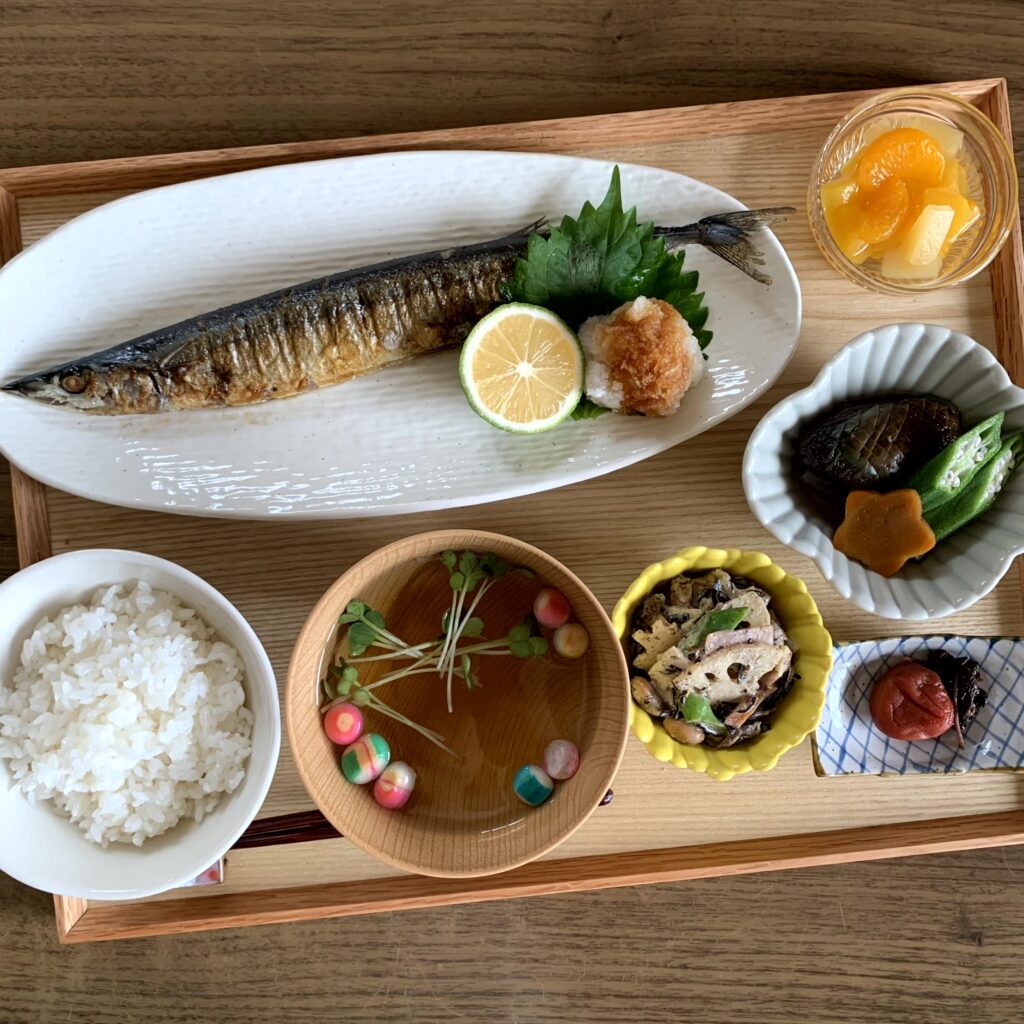
- As a taste of autumn, salt-grilled Pacific saury is also especially recommended. Check out this recipe as well [Taste of Autumn Salt-grilled Pacific saury]
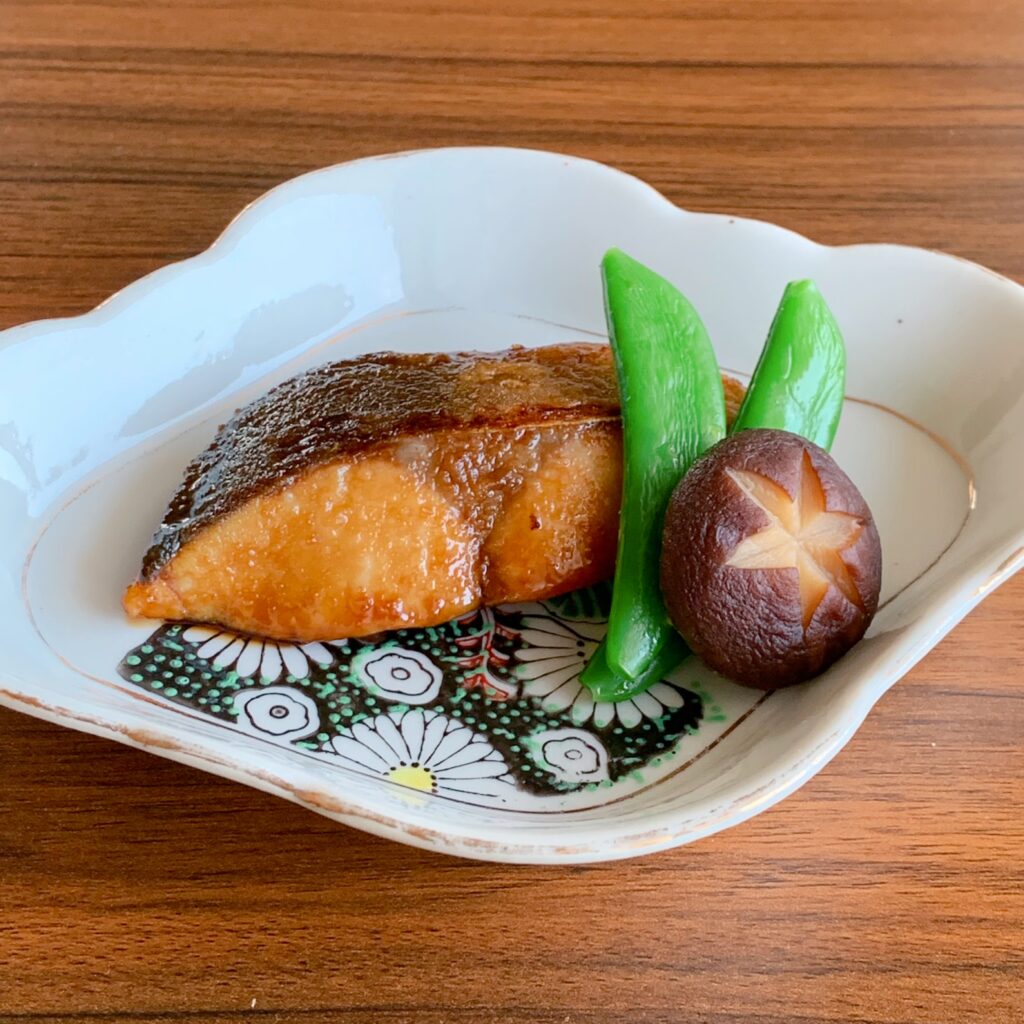
- Next, why not try your hand at soy-sauce-glazed Hamachi? The sweet and savory sauce is exquisite, making it perfect for lunch boxes too. [Juicy Hamachi Glazed Soy Sauce]
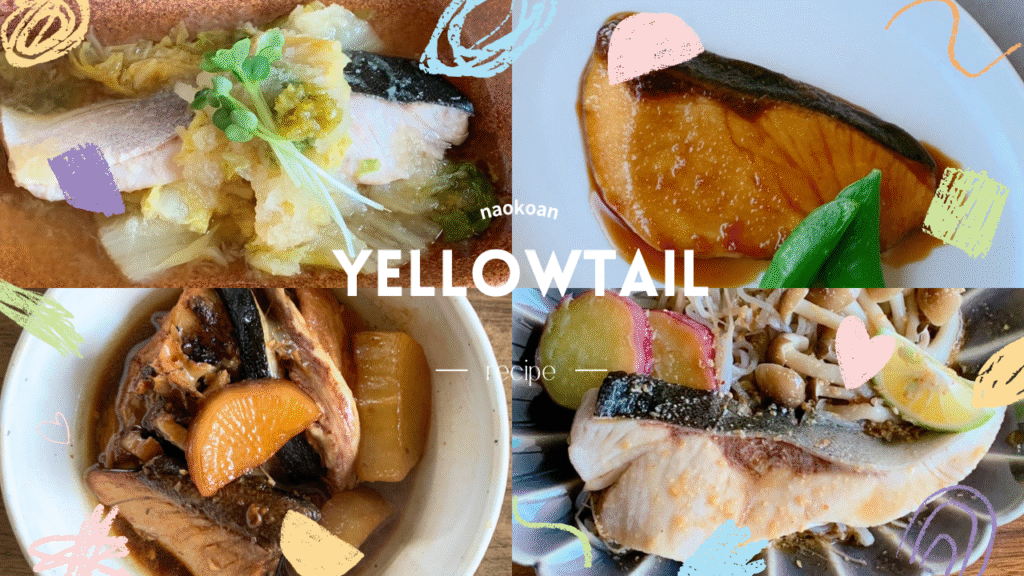
- We introduce recipes that showcase the versatility of yellowtail, supervised by a registered dietitian. Each dish is crafted with a perfect balance of deliciousness and health benefits in mind. [The Ultimate Yellowtail (Buri) Recipe Collection]
- Read the Japanese version of this article here! [脂の乗った「カマ」を堪能:ハマチのカマ塩焼き]

コメント