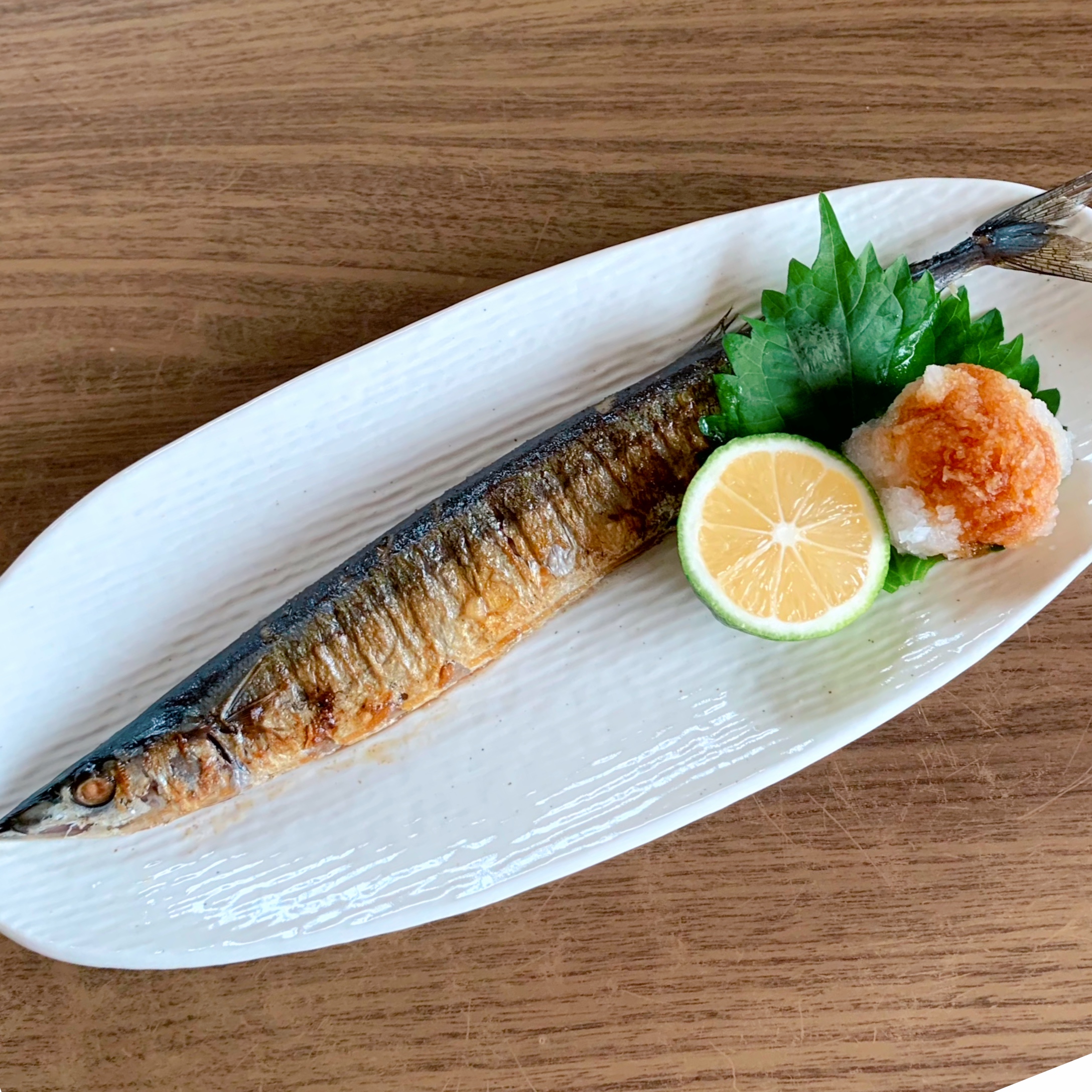
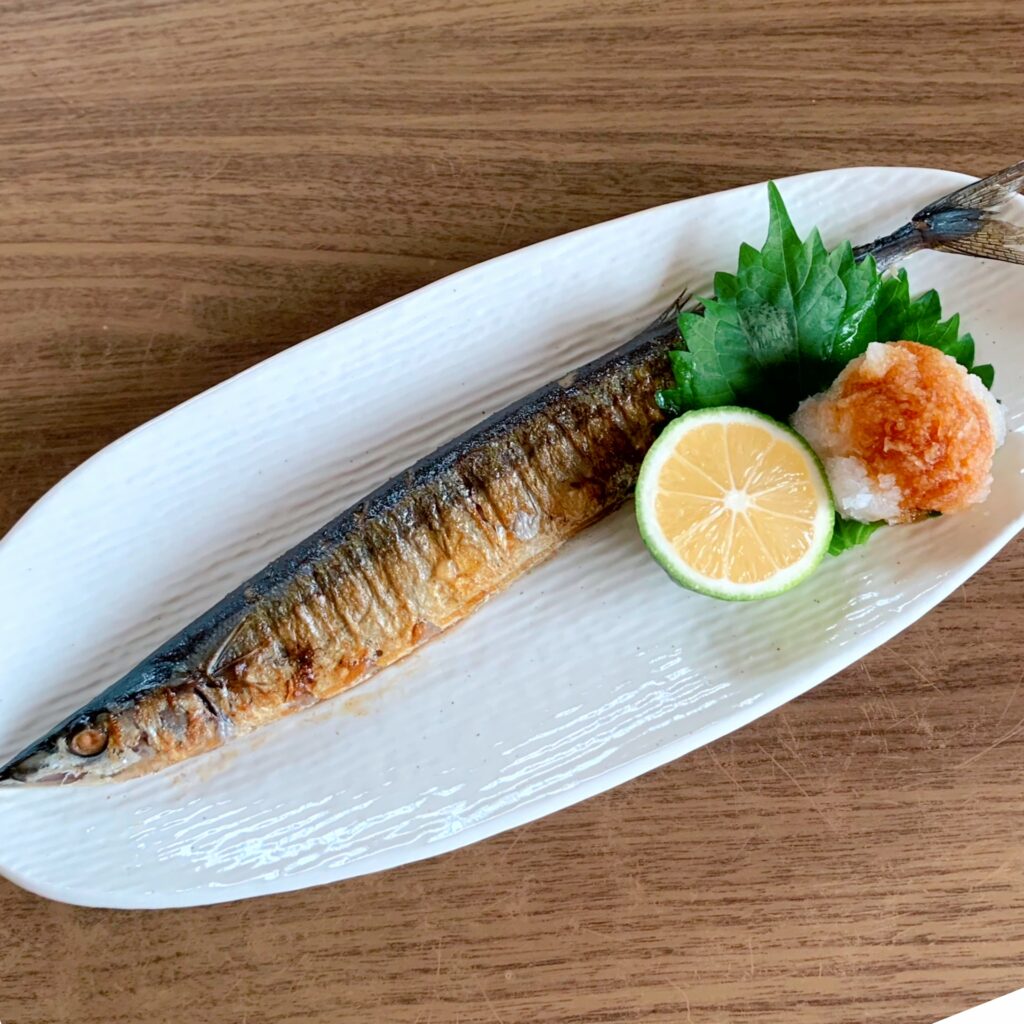
The King of Autumn Flavors: Sanma no Shioyaki (Salt-Grilled Pacific Saury)
When people in Japan think of autumn, the first thing that comes to mind is “Sanma” (Pacific Saury). Written in Kanji as “秋刀魚” (Autumn Sword Fish) due to its beautiful, blade-like shape, this fish is the most anticipated seasonal delicacy.
While there are many ways to prepare Sanma, I personally believe that salt-grilling (Shioyaki) is by far the best way to enjoy it (aside from sashimi, of course!). This extremely simple method—just rubbing the fish with salt and grilling it—is exactly what draws out the rich sweetness of the fat and the fragrant crispness of the skin. The sound of the fat crackling and the mouth-watering aroma are the true hallmarks of autumn. With just one bite, you can truly feel the change of the seasons.
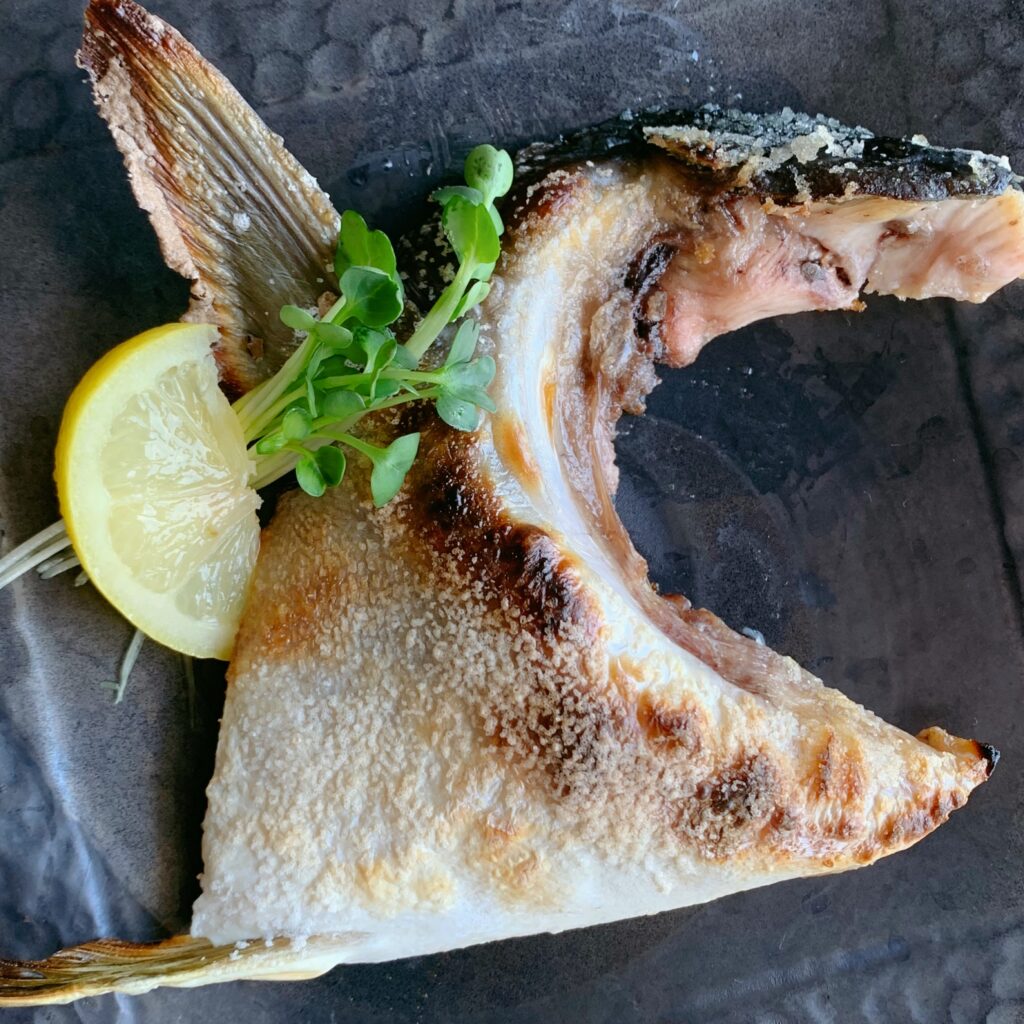
If you’re looking for another seasonal treat in winter, I highly recommend Yellowtail Collar (Hamachi no Kama) with salt! The “Kama” (the area around the gills) is incredibly tender and fatty—it is absolutely divine!
👉 [Hamachi Kama Shioyaki (Grilled Yellowtail)]
The Amazing Nutritional Power of Sanma
Sanma is not only delicious but also a highly nutritious “blue fish.”
- Healthy Fats: It is packed with DHA and EPA, which help thin the blood and activate brain function. A single fish provides more than the daily recommended intake (approx. 2g).
- Essential Nutrients: In addition to high-quality protein, it is rich in Vitamin B12, which is essential for preventing anemia. For optimal health, it is recommended to eat blue fish three times a week.
Sanma is loaded with DHA and EPA, which are essential for a healthy heart and brain. DHA and EPA are truly exceptional nutrients! If you want to dive deeper and learn more about their amazing benefits, check out this article: 👉 [Blue fish recipes rich in DHA and EPA]
Ingredients (Serves 2)
| Ingredient | Amount | Notes |
| Pacific Saury (Sanma) | 2 fish (approx. 240g) | Edible portion is approx. 70% |
| Salt | 3g | 2g for prep + 1g for the final sprinkle To make delicious salt-grilled food, it is ideal to have a salt concentration of around 1% of the weight of the ingredients. |
| Cooking Oil | 5g | Used if cooking in a frying pan |
| Kabosu | 1/2 fruit | A citrus specialty of Oita Prefecture. Its refreshing scent pairs perfectly with the fat |
| Japanese Radish (Daikon) | 80g | Grated and served to aid digestion |
| Soy Sauce | 8g | To be poured over the grated radish |
| Green Shiso Leaves | 2 leaves | Adds a pop of color and a herbal accent |
Cooking Steps: Achieving Beauty and Flavor
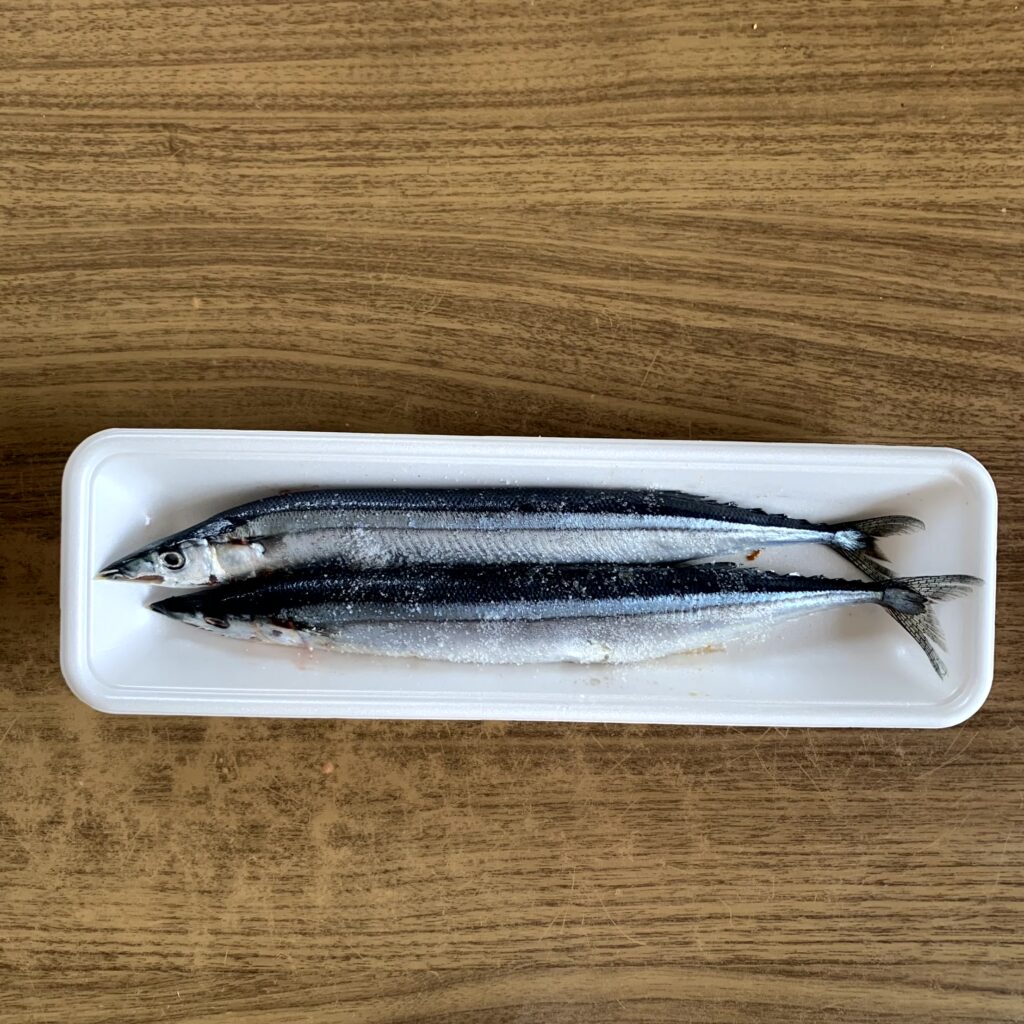
① Prep to Remove Odors Wipe the saury thoroughly with kitchen paper to remove any excess moisture. First, rub 2g of salt evenly into both sides. Then, sprinkle the remaining 1g of salt over the surface. Let it rest for 20 minutes; this draws out moisture along with any fishy odors, ensuring the meat grills up plump and flavorful.
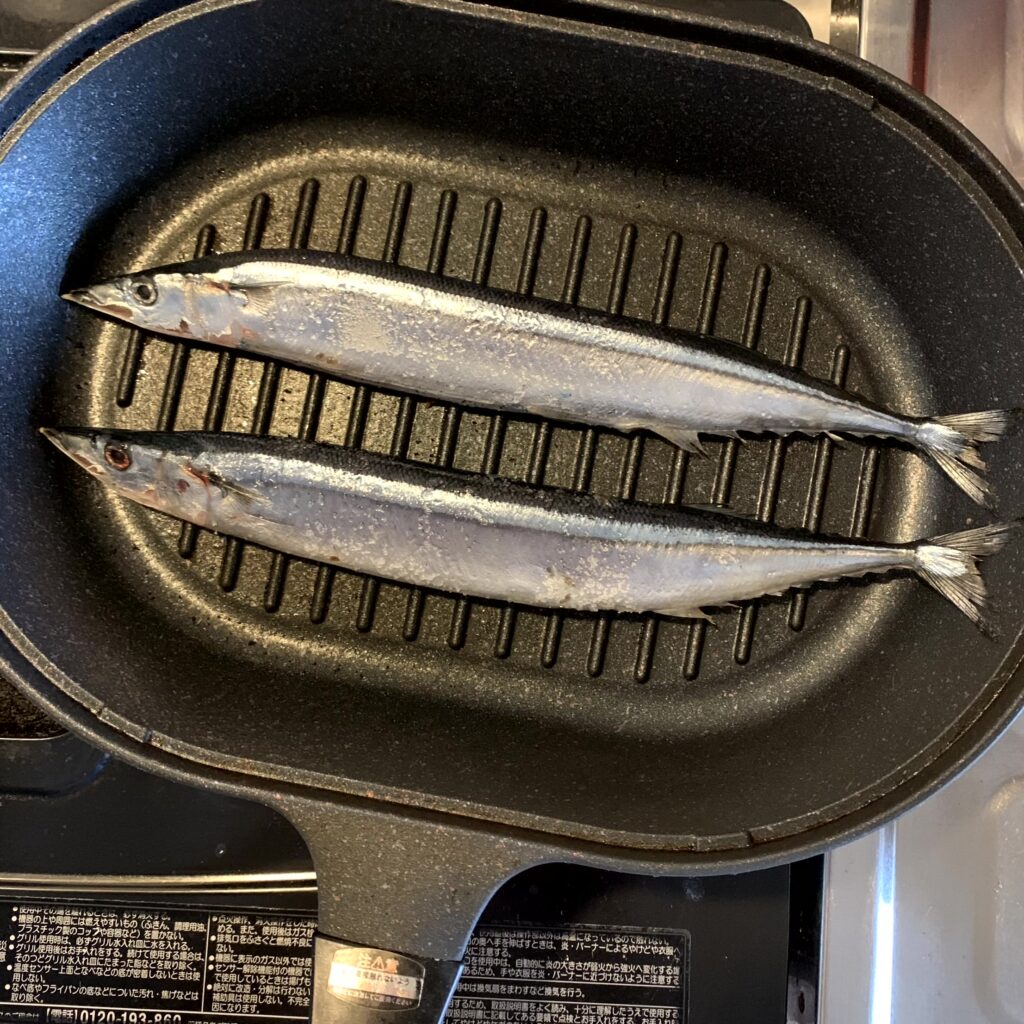
② Grill with Presentation in Mind Heat oil in a frying pan (or preheat a fish grill) over medium heat. Grill for about 13 minutes in total.
💡 Pro Tip: In Japanese plating, the standard is “head to the left, belly facing you.” To achieve this, start grilling the fish with the left side (the side that will face up on the plate) facing down first. The side that hits the heat first always looks the most beautiful!
③ Prepare the Garnish While the fish is grilling, grate the daikon radish and lightly drain the excess water. Cut the kabosu in half and wash the shiso leaves, trimming off the stems.
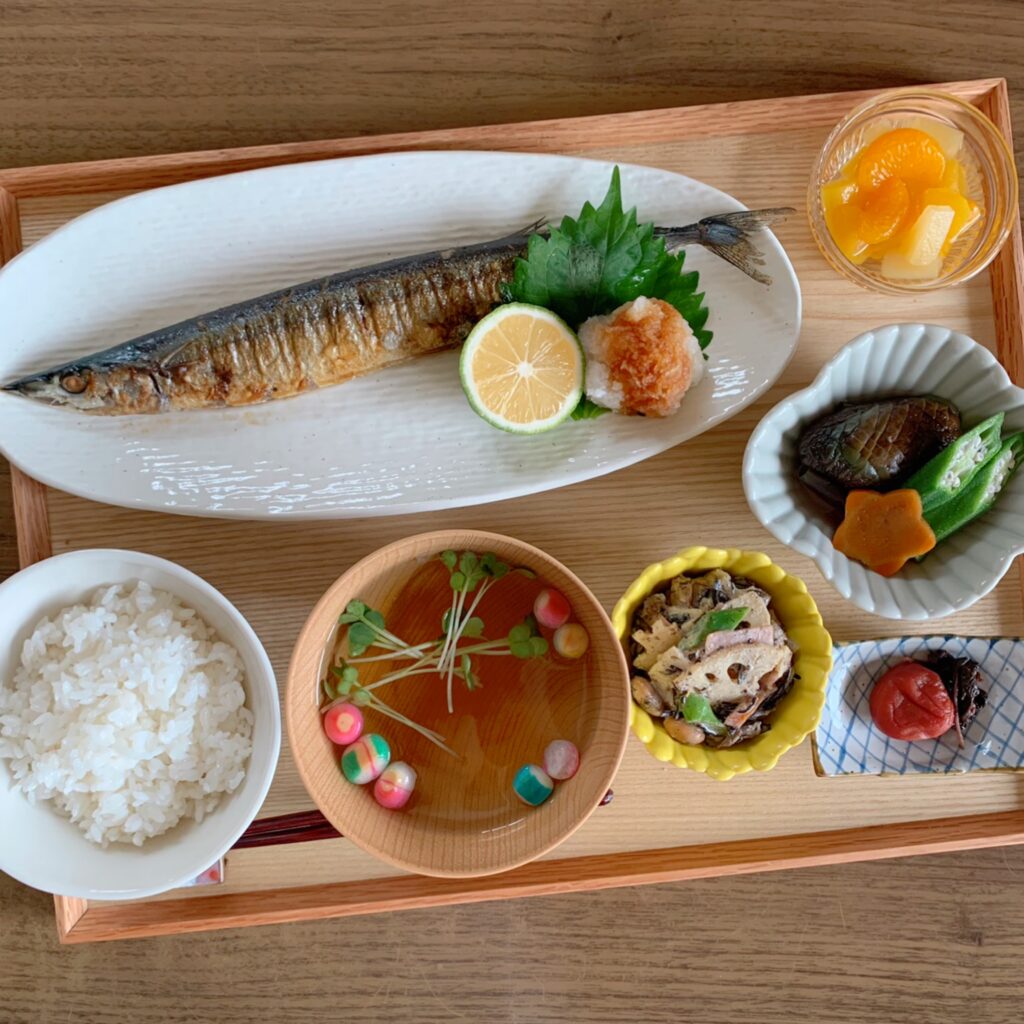
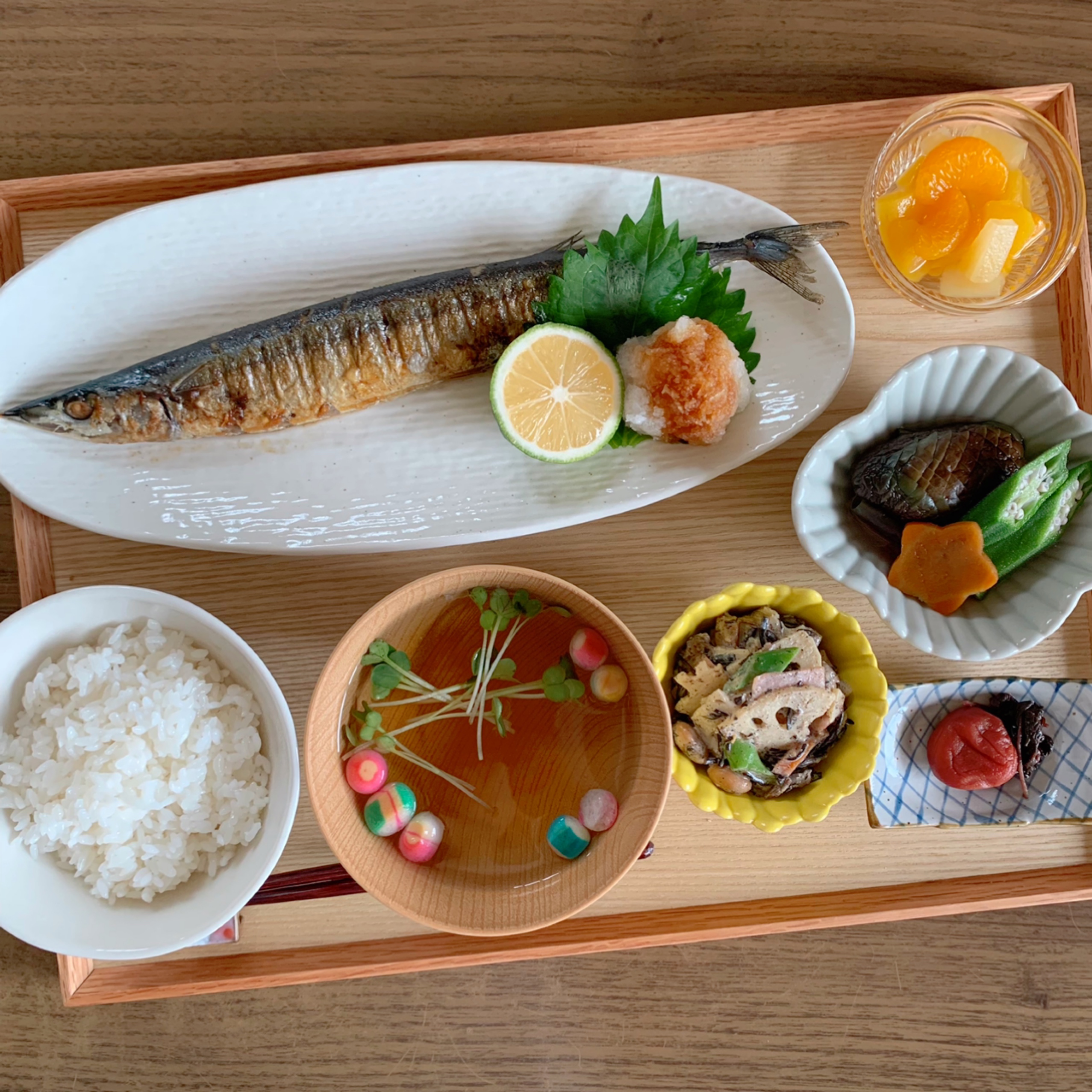
④ Plating with Tradition Place the saury on the plate with the head on the left and the belly facing toward you. Neatly arrange the shiso leaf, grated daikon, and kabosu alongside the fish. This orientation is the traditional Japanese way and makes the fish easiest to eat.
⑤ The Finishing Touch Just before eating, pour the soy sauce over the grated daikon radish. Enjoy!
🌟 Helpful Q&A for International Guests
- Q. Can you eat the internal organs (wata)? A. Yes! Sanma do not have stomachs, so their digestion is very fast and the organs stay clean. The unique bitterness is loved by enthusiasts as a “mature” flavor. It tastes incredible when eaten together with the grated daikon.
- Q. How do you remove the bones elegantly? A. Use your chopsticks to press lightly along the spine from head to tail to loosen the meat. Once you’ve eaten the top half, do not flip the fish over. Instead, hold the head with your left hand and use your chopsticks to lift the spine away toward the tail.
- Q. Why is it served with grated radish? A. Sanma is very fatty, and the enzymes and dietary fiber in daikon radish help your body break down that fat. It’s a combination rooted in ancient wisdom to prevent a heavy stomach!
Nutrition Facts (Per Serving)
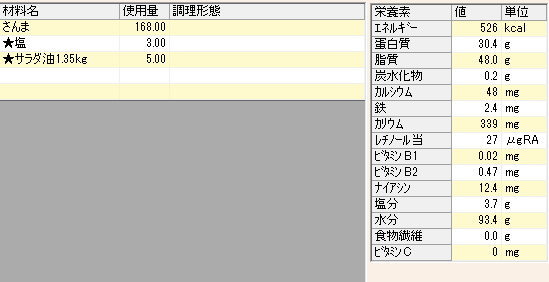
Calculated per serving (one 120g fish, 84g edible portion). Does not include garnish.
- Calories: 263 kcal
- Protein: 15.2 g
- Fat: 24.0 g
- Carbs: 0.1 g
- Salt Equivalent: 1.8 g
Today’s Menu: A Taste of Late Summer to Autumn
Pair this perfect salt-grilled saury with my previously posted “Dried Hijiki Seaweed Mayonnaise Salad“ (full of fiber!) and a clear “Temarifu (wheat gluten) Soup“ for a meal that celebrates the five senses of the Japanese autumn.

コメント