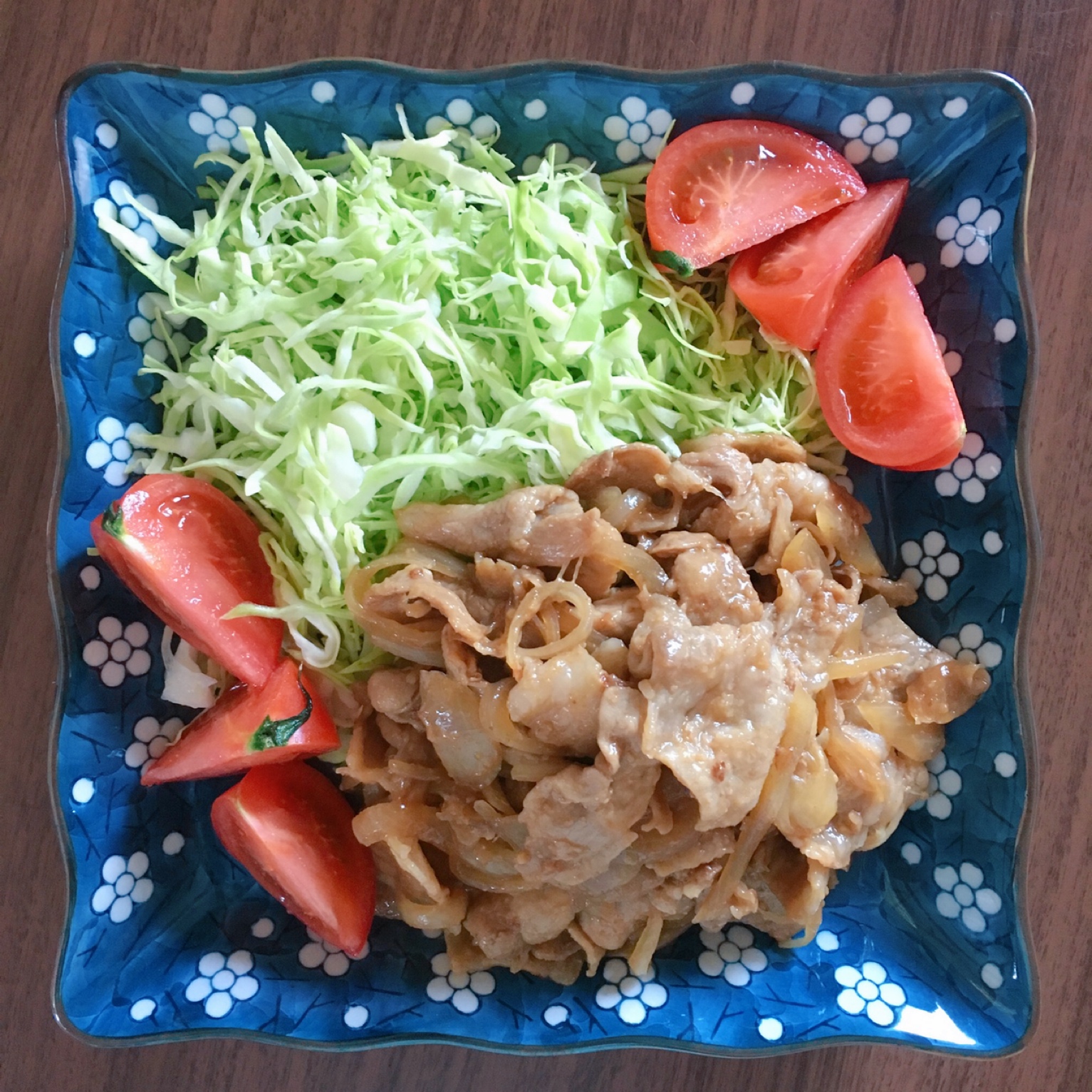
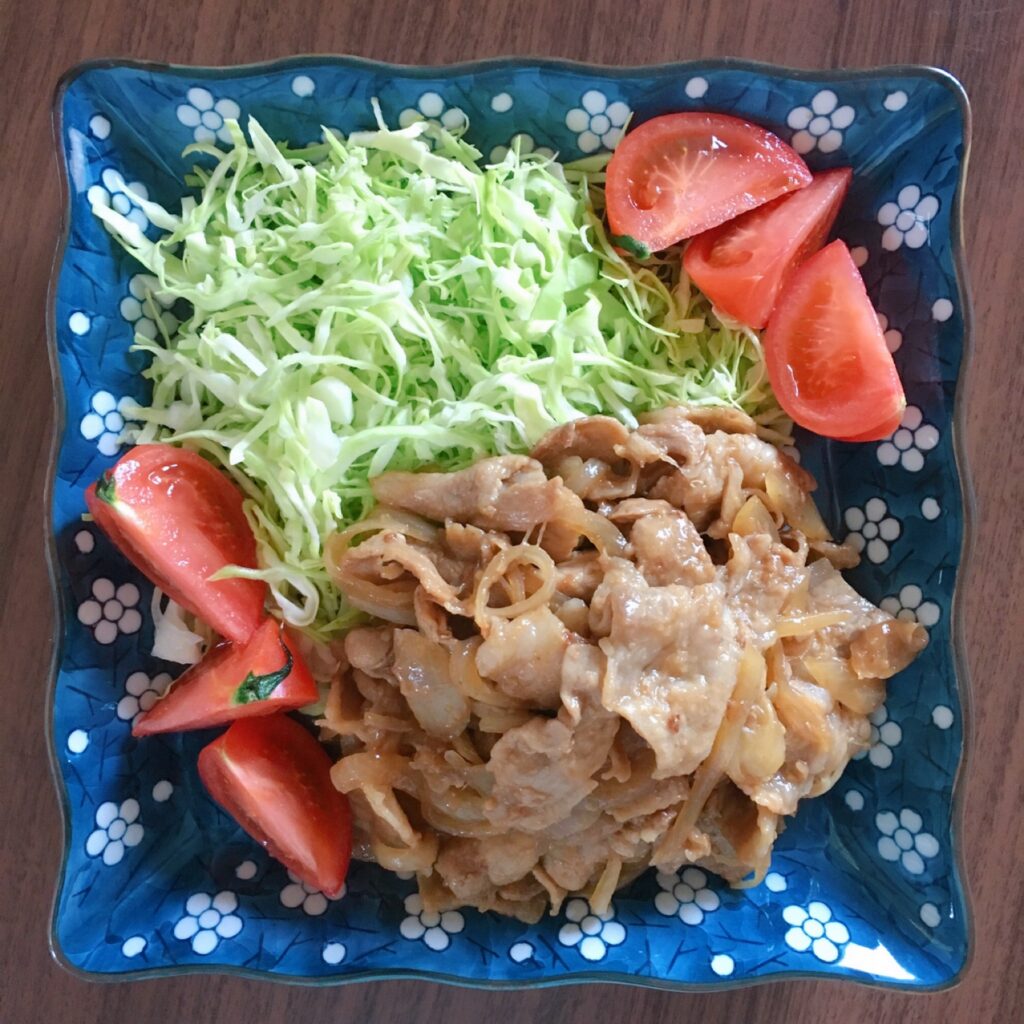
Zesty Yuzu Kosho Pork Ginger (Butaniku Komagire Shogayaki)
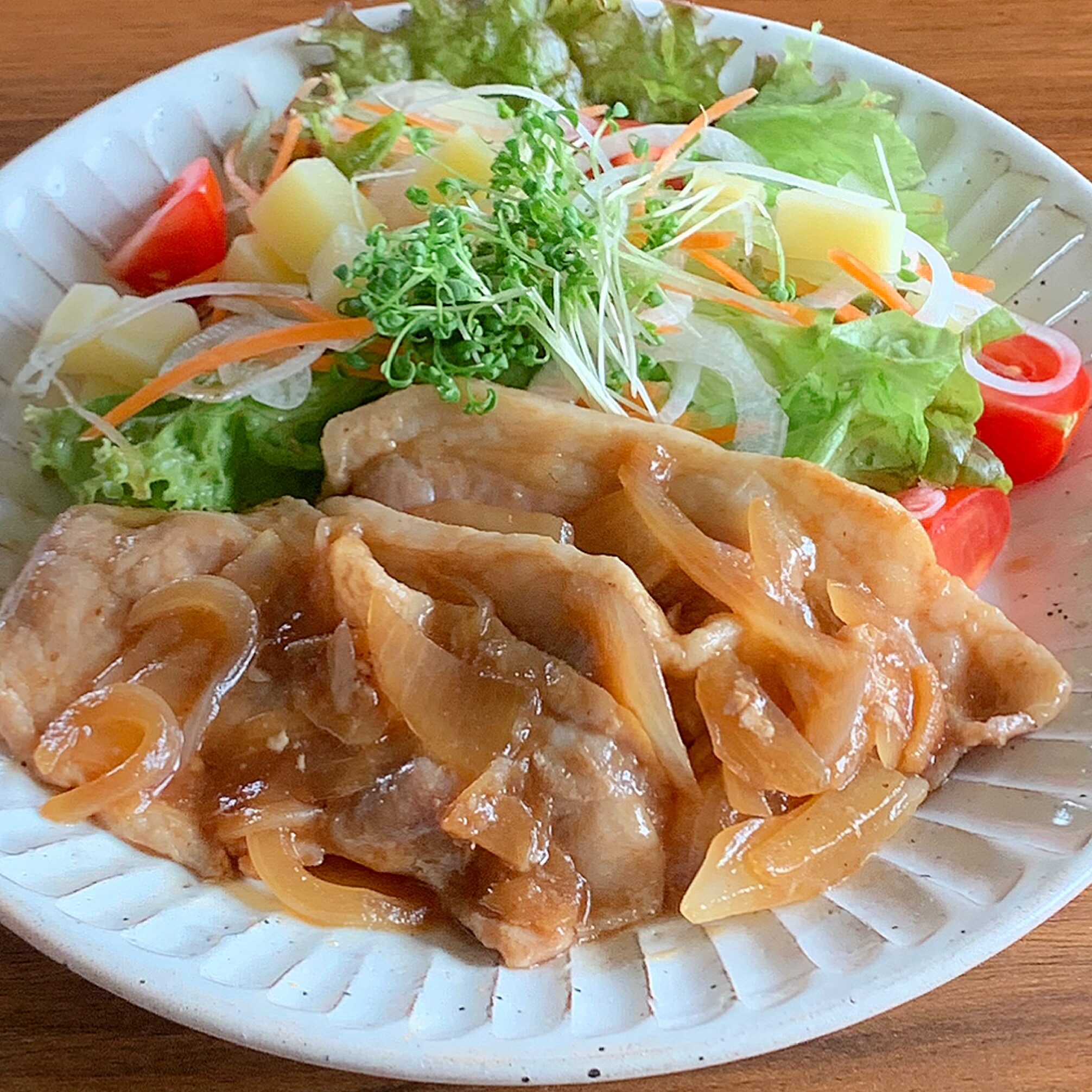
If you ask Japanese people to name their top 3 soul foods, Pork Shogayaki (Ginger Pork) will almost certainly be on the list. Considered the undisputed king of Japanese home cooking, this dish is savory, slightly sweet, aromatic, and deeply satisfying.
Health Benefits & Pro Tips
Ginger: A Powerhouse of Wellness
Ginger is much more than a spice—it is a treasure trove of health benefits!
- Benefits: Promotes digestion, improves blood circulation, and reduces inflammation.
- Pro Tip: Most of ginger’s key medicinal compounds and aromas live right under the skin. Instead of using a peeler, use a spoon to gently scrape the surface. This preserves maximum flavor and nutrients!
Pork: The Energy Boost
Pork is packed with Vitamin B1. Combined with the circulation-boosting effects of ginger, this combination creates the ultimate energy-replenishing meal. Quick, healthy, and revitalizing—it’s the perfect weeknight dinner!
What Makes This Recipe Special?
While every family has its own twist, today I’m sharing a special recipe from my hometown, Oita Prefecture.
The secret ingredient? Yuzu Kosho—a vibrant, zesty, and spicy Japanese fermented condiment made from yuzu citrus peel, chili peppers, and salt. Originating in the Kyushu region, it offers a bold harmony of citrus aroma, heat, and rich umami. Adding Yuzu Kosho gives the traditional sweet soy base a refreshing citrus kick that keeps you coming back for more!
Why Use Komagire (Pork Off-cuts)?
Using Komagire makes this dish super budget-friendly! However, if you prefer a classic style using standard pork slice cuts, I’ve included special tips for that as well.
The Golden Ratio Sauce
We use the classic Japanese golden ratio of Soy Sauce, Sake, and Mirin (1:1:1). This simple ratio ensures anyone can easily recreate authentic Japanese flavor at home.
Understanding Japanese Pork Cuts: Shogayaki Slices vs. Komagire
In Japanese supermarkets, there is a clear distinction between meat sold as “For Shogayaki” and “Komagire”. Knowing the difference helps you choose the perfect finish for your taste!
| Feature | For Shogayaki (Pork Slices) | Komagire (Pork Off-cuts) |
| Thickness | Uniform (~3mm thick) | Irregular (mostly thin) |
| Cut / Region | Usually Shoulder Loin or Loin | Trimmings from various cuts |
| Appearance | Large, impressive single slices | Small, bite-sized pieces |
| Texture | Meaty and substantial | Tender; clings well to sauce |
| Price | Slightly higher | Highly affordable & budget-friendly! |
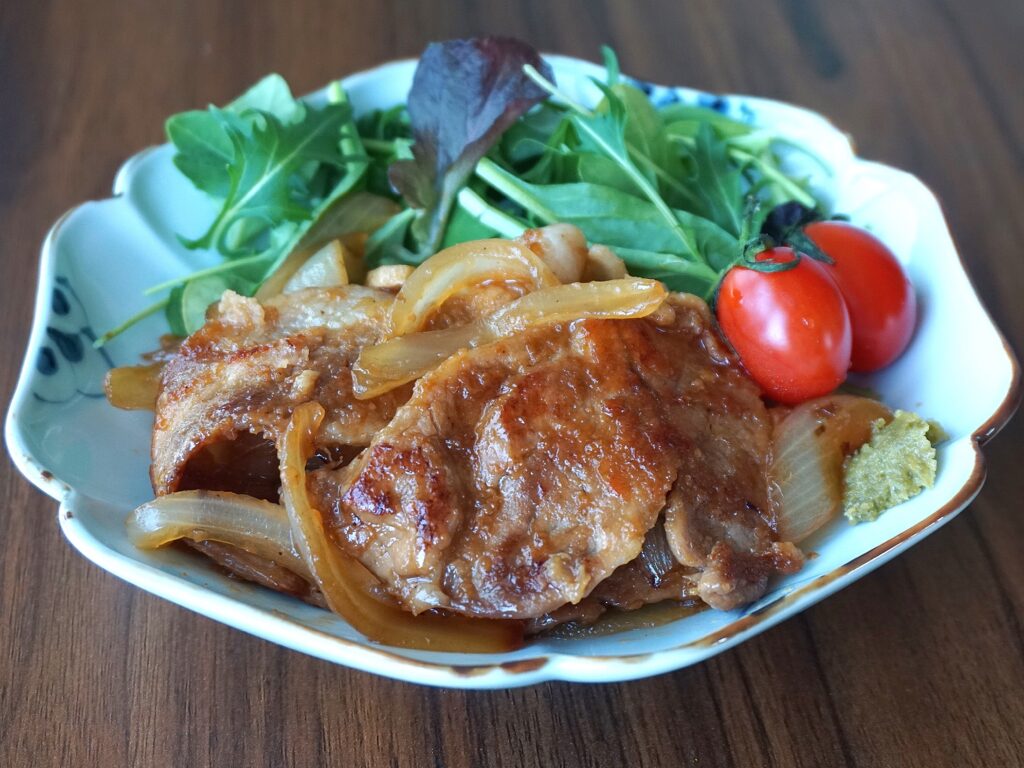
1. Pork Slices (For Shogayaki)
Great for when you want a feast-like meal!
- Pros: Looks impressive like a traditional teishoku (set meal) restaurant dish.
- Pro Tip: Make small cuts along the boundary between the lean meat and fat (筋切り – sujikiri) using the tip of your knife. This prevents the meat from curling up when cooked.
2. Komagire (Pork Off-cuts)
The go-to choice for daily home cooking in Japan.
- Pros: No chopping needed, cooks extremely fast, easy to eat with onions, and perfect for bento lunches!
- Difference from “Kiriotoshi”: While Kiriotoshi comes from a specific cut (like belly or ham), Komagire is a mix of various pork cuts.
Ingredients (Serves 3)
Main Ingredients
- Pork Shoulder Loin Komagire: 300g
- Onion (sliced 3–5mm thick): 300g
- Grated Ginger: 10g (scraped with a spoon)
- Sesame Oil: 5g (for frying)
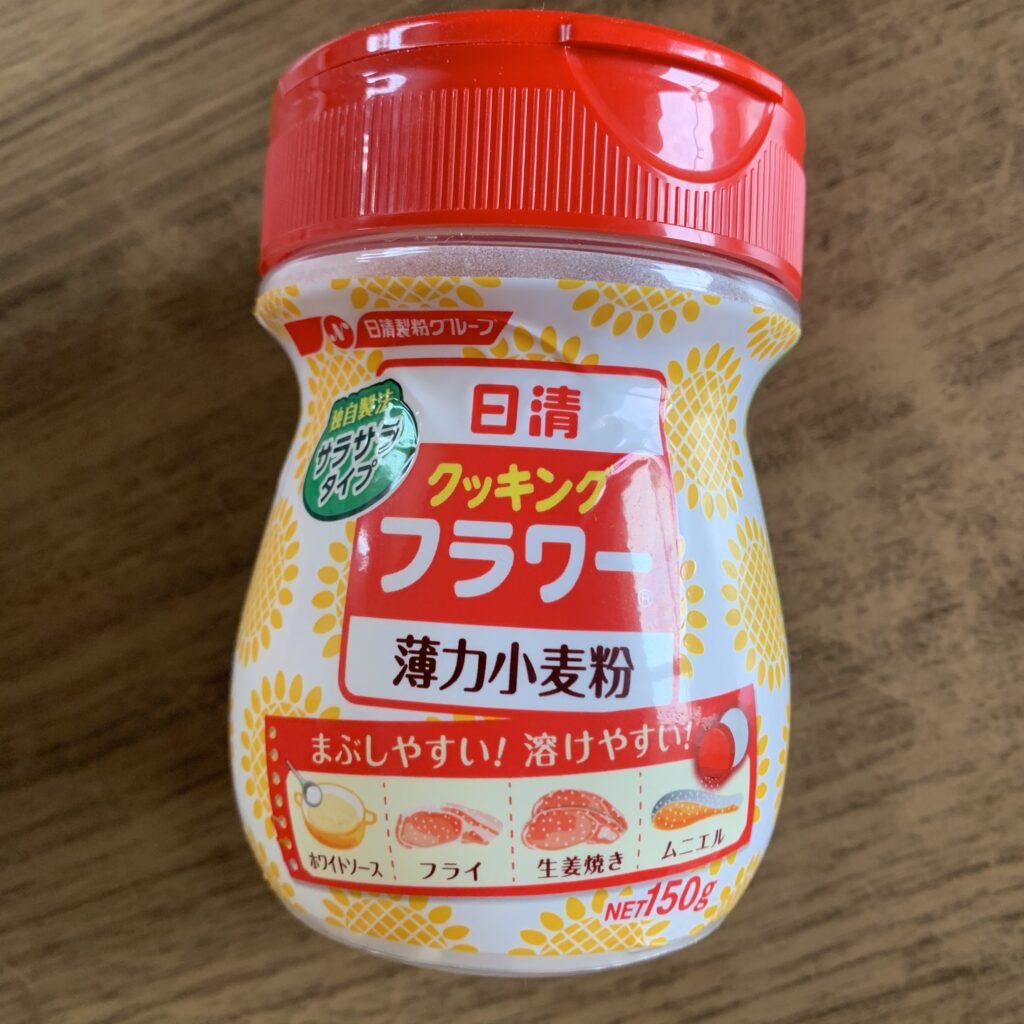
- Flour:10g
Sauce Mix (Golden Ratio 1:1:1)
- Soy Sauce: 45g
- Sake: 40g
- Mirin: 40g
- Yuzu Kosho: To taste (recommended start: 1/2 tsp or more)
(Note: If using standard pork slices instead of komagire, prepare ~10g of flour for light dusting).
Step-by-Step Instructions
- Prep the Onion: Slice the onion. Time-saving tip: Place in a heatproof bowl, cover (or wrap), and microwave for 2 minutes to reduce stovetop frying time.
- Cook the Pork: Heat sesame oil in a skillet. Arrange the pork slices without overlapping and cook until lightly pink. (Note: If using standard Shogayaki pork slices, lightly dust them with flour beforehand to lock in juices and create a glossy coating).
- Add Onions, Ginger, and Flour:Add the sliced onions to the same skillet. As they cook, add the grated ginger. Sprinkle a light dusting of flour (10g) over everything and toss well to coat.(※ Adding flour helps lock in the meat’s juices, creates a gentle thickness, and allows the sauce to cling beautifully to the pork and onions!)
- Add Sauce: Once the pork is cooked through and onions are tender, pour in the soy sauce, sake, mirin, and Yuzu Kosho.
- Glaze: Turn up to high heat and toss quickly until the sauce thickens and coats the meat in a rich, glossy glaze.
- Serve: Plate up! Add an extra dab of Yuzu Kosho on the side if you like extra kick.
- Serving Suggestion: Serve with freshly steamed white rice and thinly shredded cabbage. Adding a bit of Japanese mayonnaise on the side is also delicious!
Pro Tip for Standard Pork Slices (Non-Komagire)
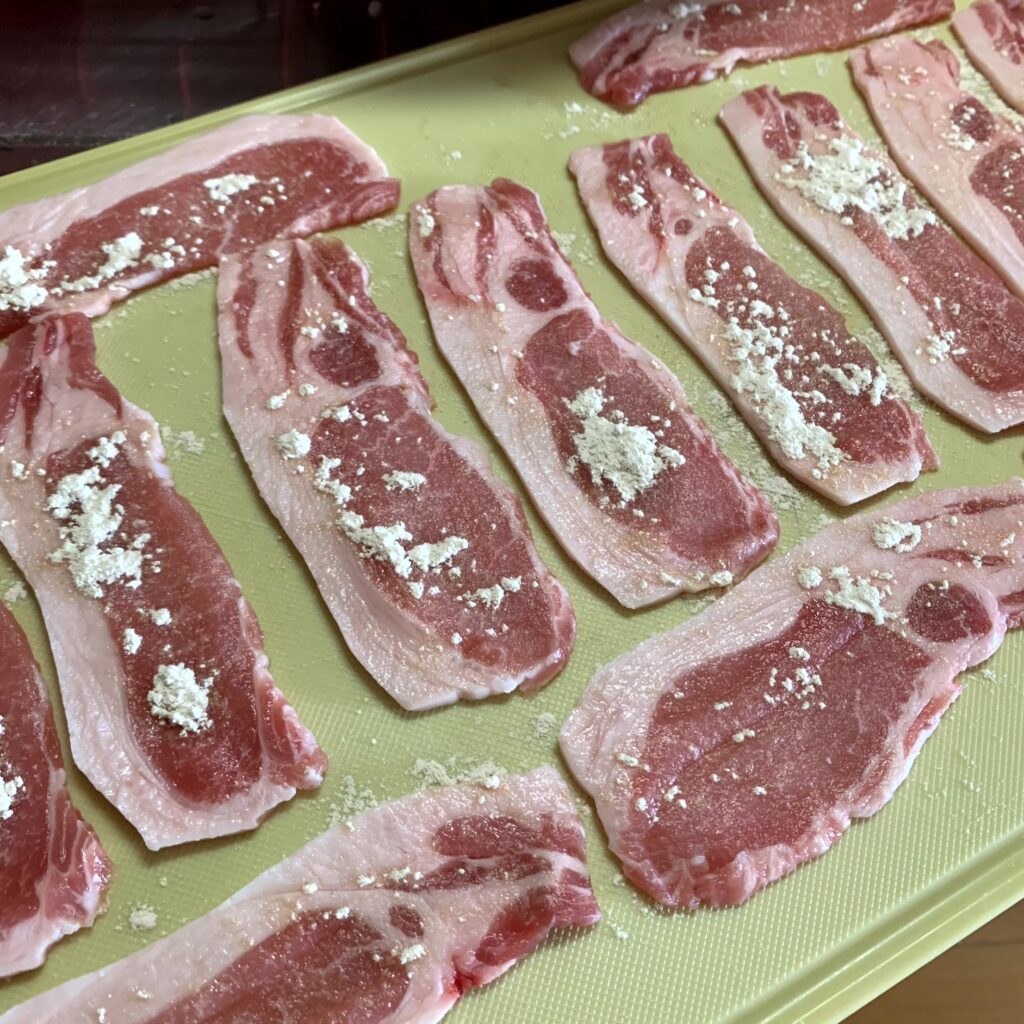
If using thicker Shogayaki pork slices:
- Dust both sides lightly with flour before cooking.
- Cook the meat briefly, then remove it from the skillet onto a plate.
- Stir-fry the onions until soft, then return the pork back to the skillet before adding the sauce. This prevents the meat from becoming tough!
3人分の栄養価計算結果の英語表記です。ブログや英語のレシピカード、SNSの投稿などにそのまま貼り付けてご使用いただけます。
Nutrition Information (3 Servings / Per Serving)
| Nutrition Facts | Total (3 Servings) | Per Serving (Approx.) |
| Calories | ~1,448 kcal | ~483 kcal |
| Protein | ~80.4 g | ~26.8 g |
| Fat | ~87.2 g | ~29.1 g |
| Carbohydrates | ~76.8 g | ~25.6 g |
| Sodium (as Salt) | ~11.7 g | ~3.9 g |
| Vitamin B1 | ~2.75 mg | ~0.92 mg |
- Vitamin B1: A single serving provides over 70% of the daily recommended intake of Vitamin B1. Combined with the allicin in ginger, it promotes better absorption, making this the ultimate fatigue-recovery meal!

コメント