

What is Nikiku-Udon?
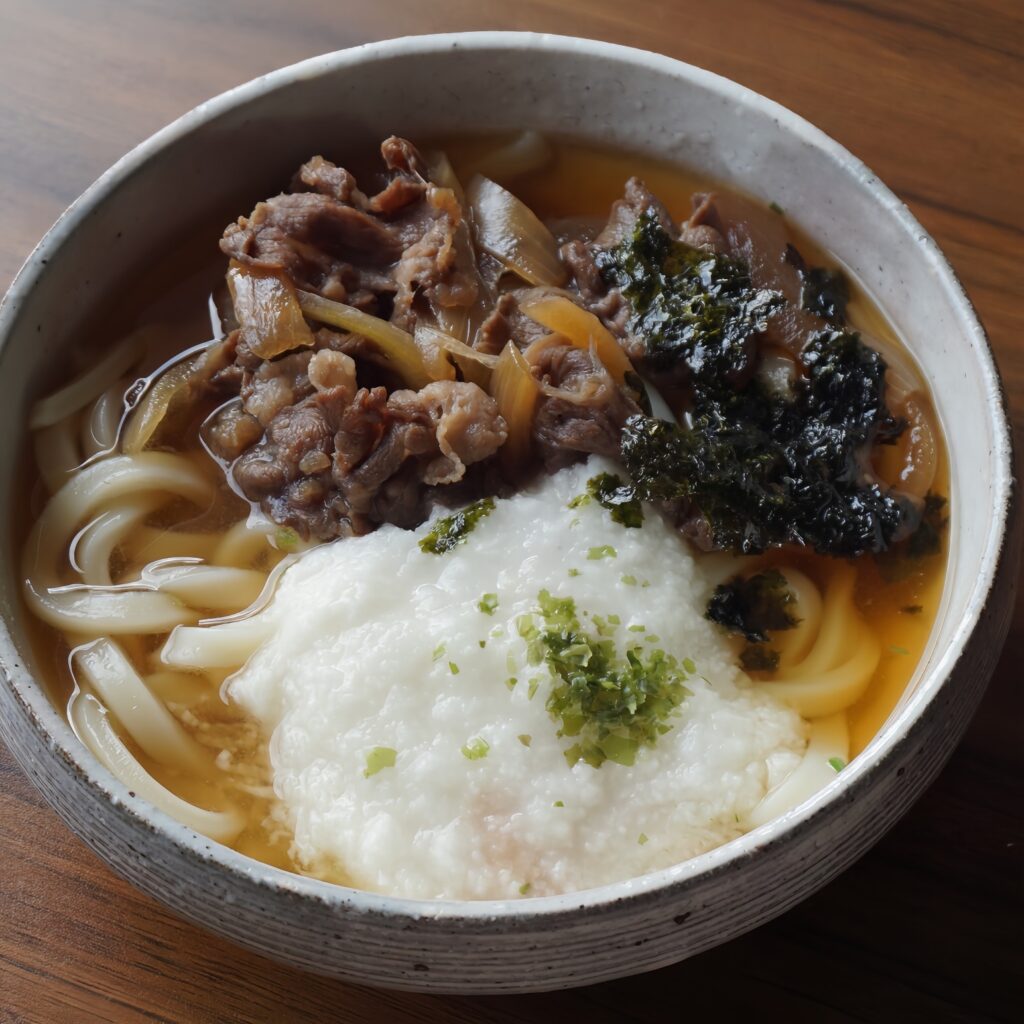
- Overview: A dish featuring thinly sliced beef and onions seasoned with soy sauce and sugar, served on top of udon noodles. It is widely considered the most popular udon menu item.
- Meat Selection: While “niku” (meat) is a general term for beef, pork, and chicken, beef is traditionally used for “niku-udon.”
Whether it’s niku-udon or any other noodle dish, the key to making it delicious is sticking to the right proportion of soup base. As a rule of thumb, the salt concentration should be around 1.2% relative to the broth. If it’s too weak, it really ruins the satisfaction and ends up being a disappointment.
Also, don’t add the leftover simmering liquid from cooking the toppings. This is because the flavor concentration of that liquid can be inconsistent—if it’s reduced too much, it gets too salty, and if it’s cooked lightly, it dilutes the soup. The toppings should be seasoned so they taste great on their own, and the soup should be seasoned independently.
Personally, I dislike when the meat gets dry, so I prefer beef that is cooked lightly with a bit more simmered broth to keep it tender and mild.
Ingredients (Serves 4)
Broth
- Dried shiitake mushrooms: 4 pieces (10g)
- Water: 800g
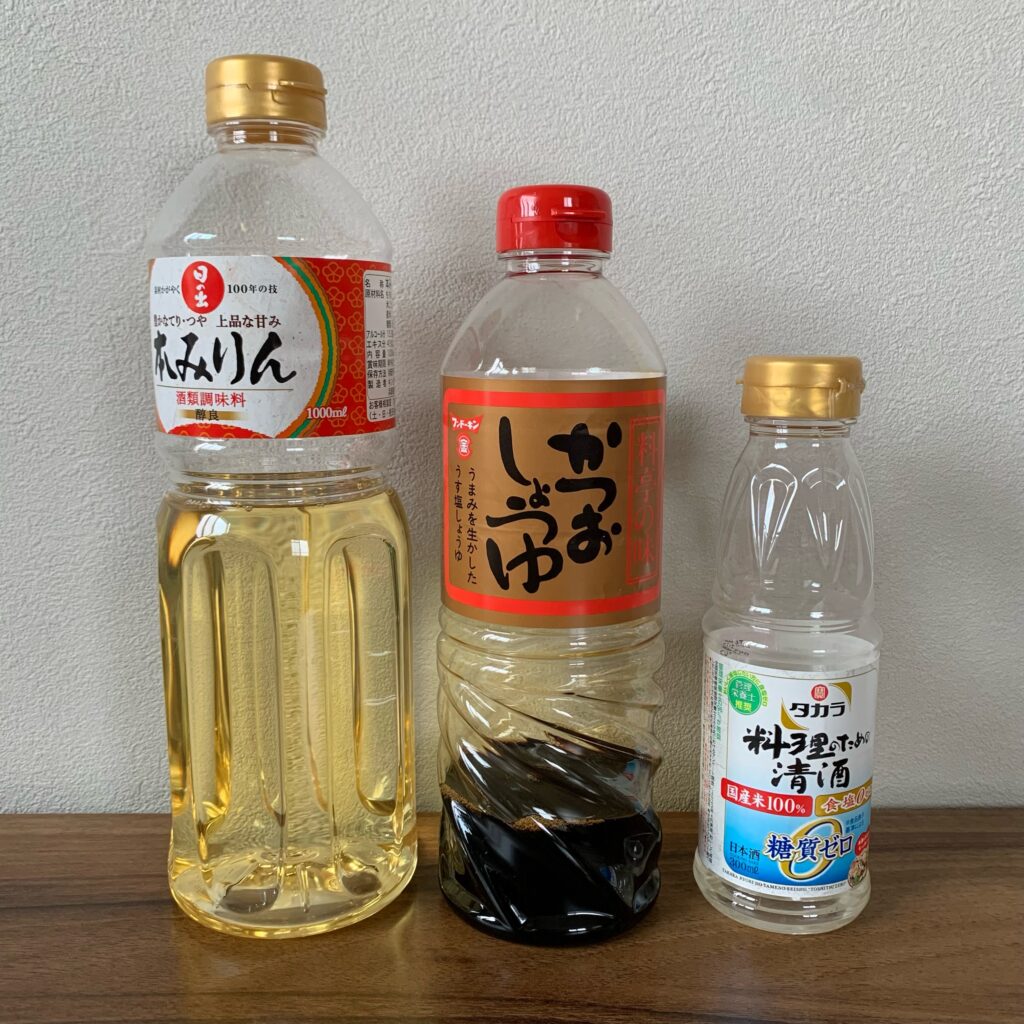
- Light soy sauce (usukuchi): 40g
- Dark soy sauce (koikuchi): 40g
- Mirin: 60g
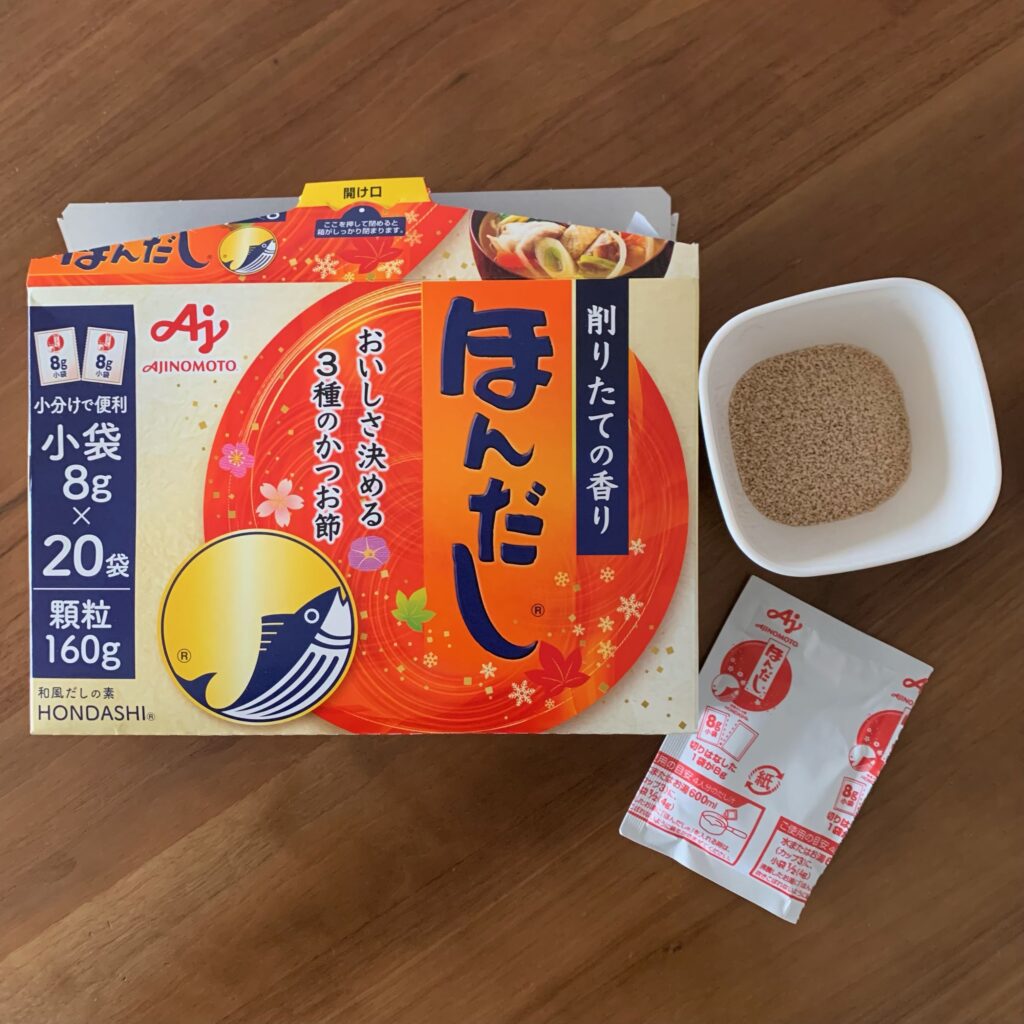
- Instant dashi stock granules: 10g
Beef & Onion Simmer
- Beef chuck-eye/rib-eye slice: 250g
- Onion: 250g
- Dark soy sauce (koikuchi): 30g
- Sugar: 20g
- Sake: 40g
- Ginger (sliced): 5g
- Water: 100g
Other Ingredients
- Frozen udon noodles: 4 packs (approx. 800g)
- Green onion (negi): 20g
- Kamaboko (fish cake): 9 slices
Soy Sauce Tip Dark soy sauce is typically preferred in the Kanto region, while light soy sauce is favored in Kansai. Mixing them half-and-half is a popular homemade secret!
Step-by-Step Instructions
- Prepare the Shiitake: Soak the dried shiitake mushrooms in water for a few hours to reconstitute them.
- Cook the Onions: Slice the onion, place it in a heat-resistant container, cover with plastic wrap, and microwave for 4 minutes.
- Simmer Beef and Onions: In a pot, combine the onion, dark soy sauce, sugar, sake, ginger, and water, then bring to a boil. Add the sliced beef. Once most of the liquid has evaporated, turn off the heat and let it sit to allow the flavors to absorb.
- Make the Broth: Mix the light soy sauce, dark soy sauce, mirin, dashi granules, shiitake soaking liquid, and the rehydrated shiitake. Bring to a brief boil, then turn off the heat.
- Place the frozen udon on a plate and microwave for 2 minutes.
- (Note: Chilled udon can be used as-is; boil dried noodles slightly shorter than package instructions, then rinse with water).
- Assemble: Place the udon into the warm broth, transfer to serving bowls once warmed through, and top with green onions and kamaboko.


Nutritional Information (Per Serving)
- Calories: 477 kcal
- Protein: 19.6 g
- Fat: 12.0 g
- Carbohydrates: 69.9 g
- Salt Equivalent: 3.3 g

The difference between meat soup and meat udon
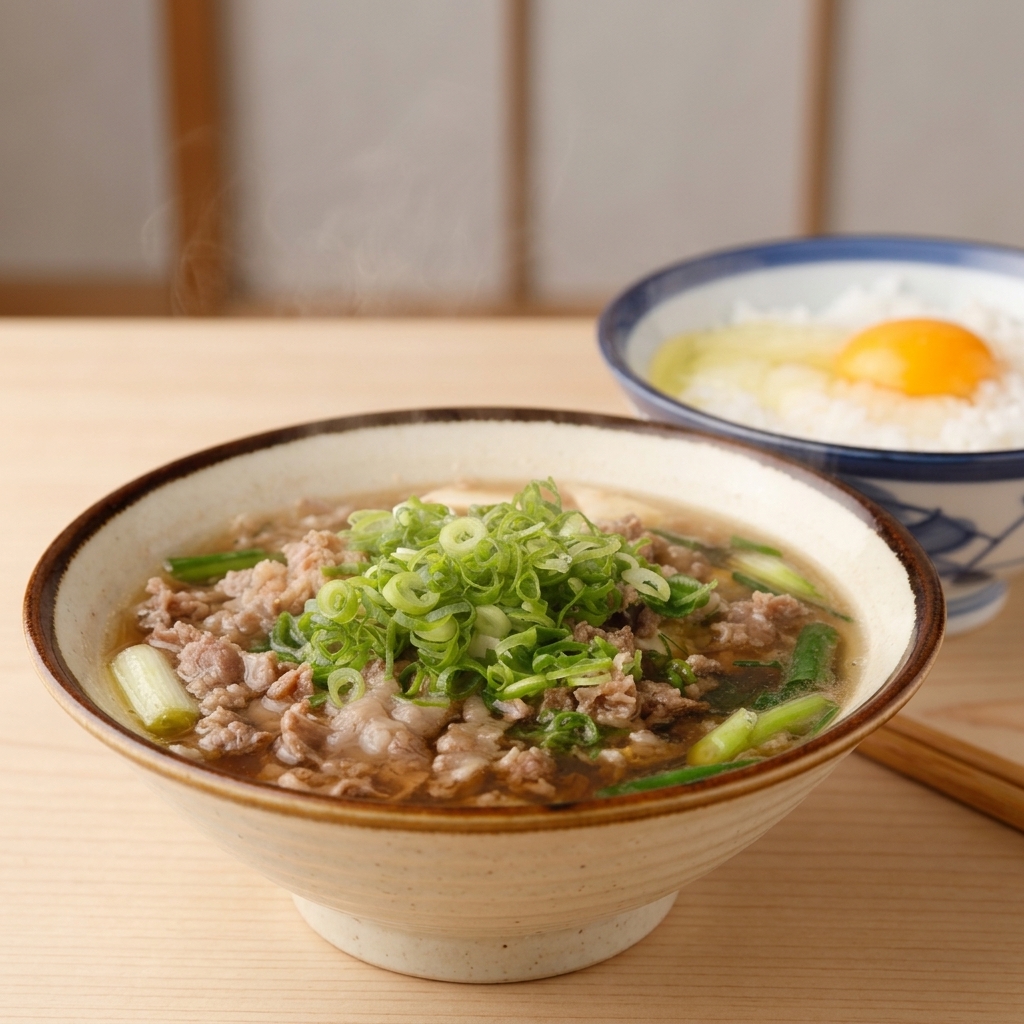
By the way, do you know what Nikusui is? It’s a famous specialty dish from Namba, Osaka, essentially described as “beef udon without the udon” (a clear beef soup).
- Origin: It was created at “Chitose,” an udon restaurant in Namba, Osaka. Legend has it that a Yoshimoto Kokeiki comedy actor (the late Kyo Hanaki) ordered “beef udon without the udon” because he was hungover.
- Ingredients: Thinly sliced beef and green onions served in a Kansai-style dashi broth made from bonito and kelp. Depending on the restaurant, soft-boiled eggs or tofu are sometimes added.
- How to Eat: Since it doesn’t contain udon noodles, it is often served and enjoyed as a set with white rice or raw-egg-on-rice (TKG)—making it an absolute masterpiece of a soup!
Udon Basics


- What is Udon?: Thick noodles made from wheat flour, essential to Japanese cuisine. It is typically served with a hot soup known as “tsuyu,” but can also be enjoyed in stir-fries (yaki-udon), cold dishes, or curry udon.
- Three Types of Noodles:
- Frozen Udon: Microwave-safe. Known for its firm, chewy texture (e.g., Katokichi Sanuki Udon).
- Chilled (Refrigerated) Udon: Microwave-safe. Often features a softer texture, similar to Fukuoka-style udon.
- Dried Noodles (Including Semi-Dried): Must be boiled. Characterized by their long, slender shape.
- Recommended Toppings: While beef is the favorite, other great options include soft-boiled eggs, grated yamaimo (tororo), tororo konbu (kelp), and agedama (tempura scraps).
About Udon Broth (“Tsuyu”)
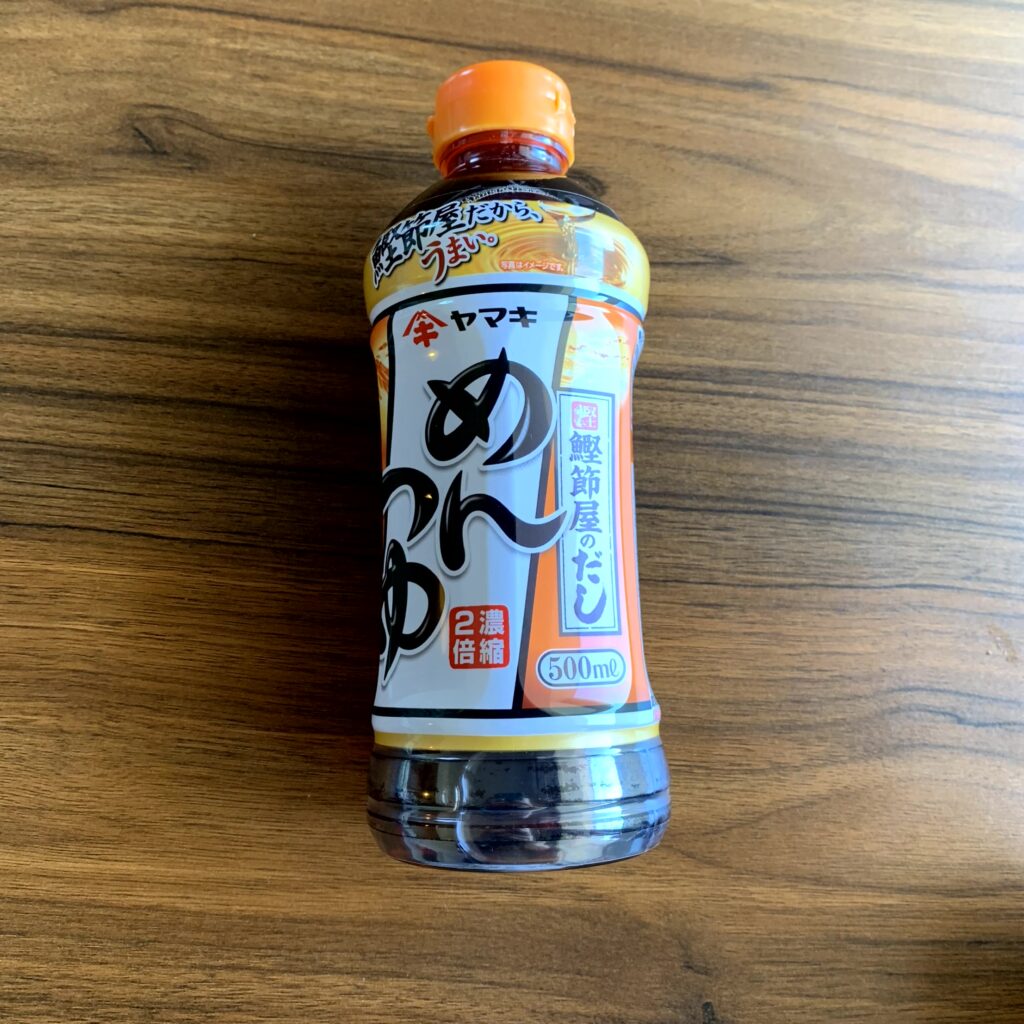
- Basic Mentsuyu: Made by combining soy sauce and mirin in a 1:1 ratio, mixed with hot water and instant dashi granules. It is a versatile seasoning used for stews, udon, and rice bowls.
- Homemade Broth Tips:
- Unlike soba broth, udon broth avoids sugar, using mirin instead.
- Adding dried shiitake mushrooms (especially the aromatic “donko” variety) greatly enhances the flavor and aroma.
- Store-Bought Broth:
- Higashimaru “Udon Soup” (powder) offers a savory taste with mild sweetness, reminiscent of the popular instant cup noodle “Donbei.” Click here for product information on Donbei.【https://www.donbei.jp】

Related Link

By the way, the menu for this day included beef udon, along with shiraae (tofu salad), taro and minced meat simmer, and pineapple. Here is the recipe for the shiraae side dish (gentle-sweetness tofu salad)! 【Authentic Spinach Shiraae: The Secret to Creamy Tofu Salad】
Check here for the Japanese version of the article.【 【保存版】おうちでスープから簡単手作り!絶品「肉うどん」の作り方】


コメント