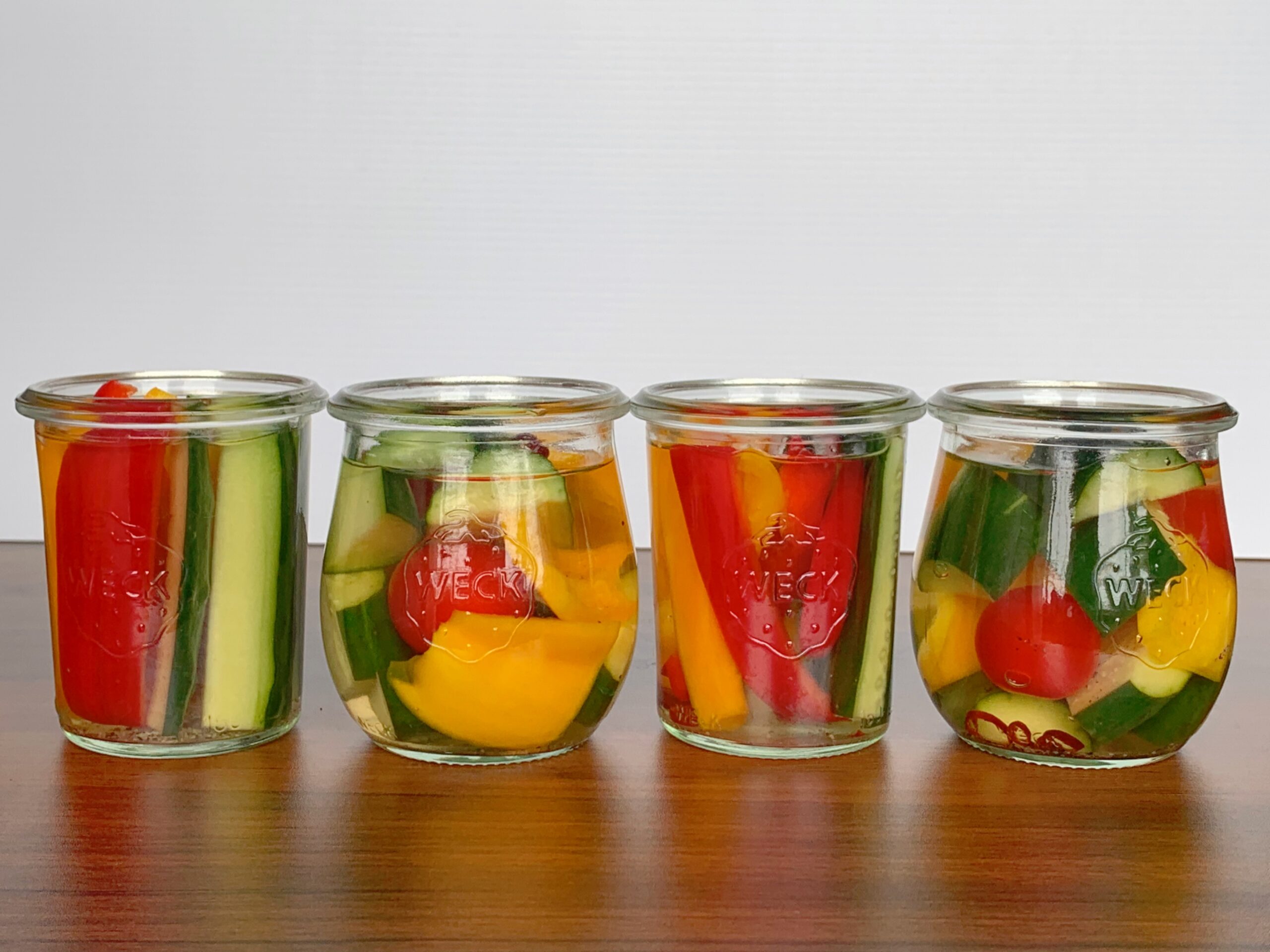
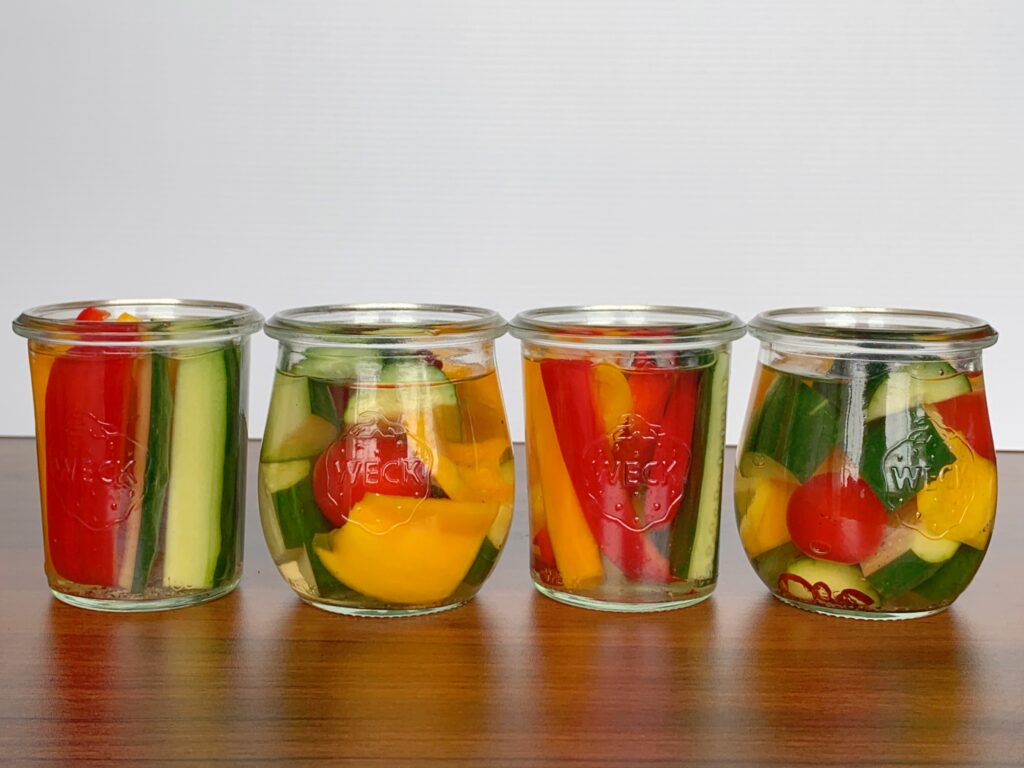
My Favorite Refrigerator Pickles
Crispy, colorful, and perfectly sweet and sour! This recipe is my absolute go-to. I’ve made it countless times because it’s so versatile—you can use almost any vegetable as long as you keep the total weight around 400g.
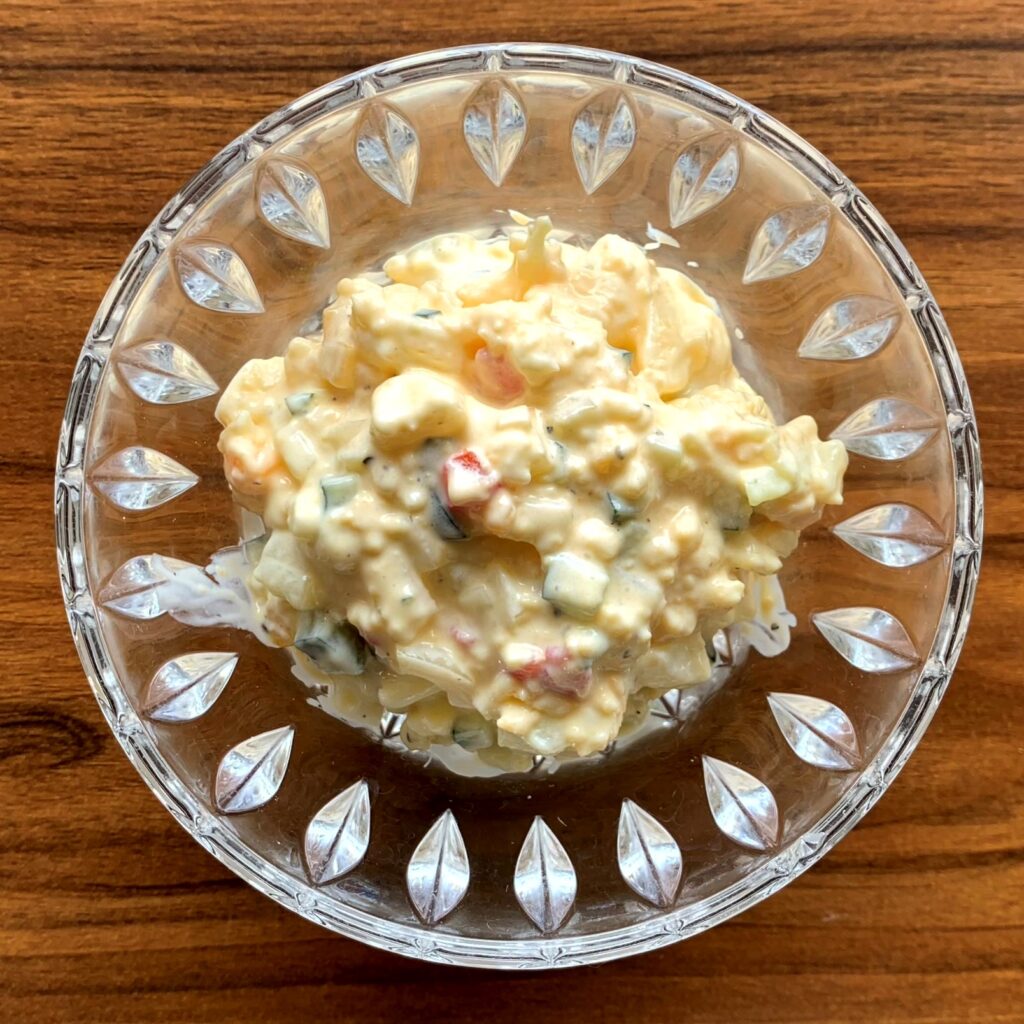
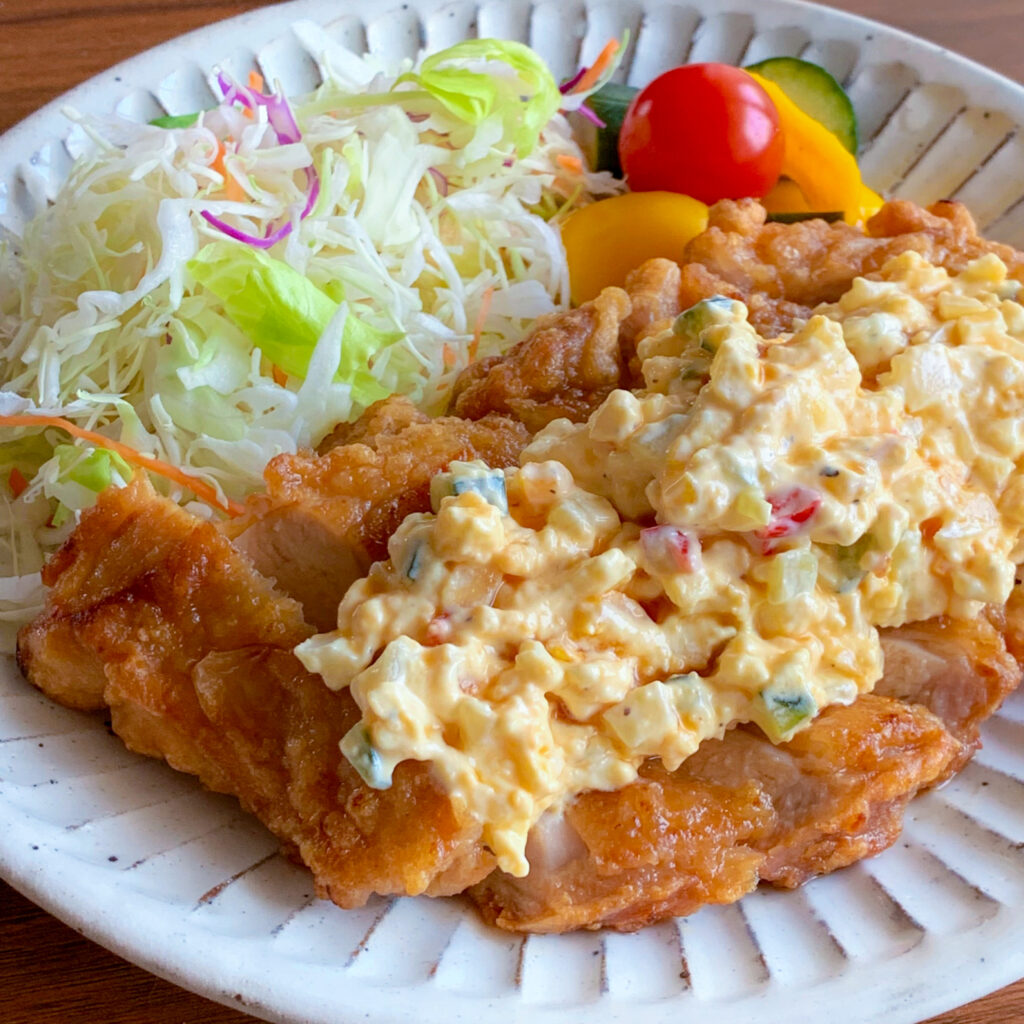
One of my favorite ways to enjoy these is by dicing them up to make a chunky, zesty Tartar Sauce. It tastes incredible over Chicken Nanban! (˘︶˘♡)。.:☆
What are Pickles?
At its simplest, a pickle is a vegetable preserved in a seasoned liquid—typically a mixture of vinegar, salt, and aromatic spices.
- The Benefits: Pickling is an ancient global tradition. By increasing the acidity or salt content, we can enjoy seasonal vegetables long after their harvest. While they share the same DNA as Japanese tsukemono, pickles often lean more toward vinegar-based or fermented spice profiles.
- The Flavor Profile: They are best known for their bright, refreshing, “sweet and sour” punch that cuts through rich foods perfectly.
Understanding the Two Main Types
Not all pickles are made the same way. They generally fall into two scientific categories:
1. Sweet Pickles (Vinegar-Based / Non-fermented)
These are the most common variety found in modern kitchens. They are made by submerged vegetables in a “brine” of vinegar, sugar, and spices.
- Classic Example: The iconic sliced cucumbers (gherkins) found in hamburgers.
- Key Feature: The sourness comes directly from the acetic acid in the vinegar.
2. Sour Pickles (Lactic Acid Fermented)
These are the “traditional” style of pickles. They actually don’t contain vinegar! Instead, vegetables are soaked in a simple salt-and-water brine.
- The Process: Natural bacteria on the vegetables convert sugars into lactic acid. This creates a complex, deep tang and offers probiotic benefits.
- Classic Example: Sauerkraut (cabbage) or traditional deli-style Kosher dill pickles.
Marinade vs. Pickle: What’s the Difference?
Many people confuse the two, but the distinction lies in time and purpose:
| Feature | Marinade | Pickle |
|---|---|---|
| Primary Goal | To tenderize and flavor before cooking. | To preserve and transform for long-term storage. |
| Time | A few minutes to several hours. | One week to several months. |
| Result | Surface-level seasoning. | Deep structural and flavor transformation. |
💡Quick Culinary Tip
If you are making Refrigerator Pickles (the quick, non-fermented kind), remember that the quality of your vinegar matters! Using a high-quality rice vinegar or apple cider vinegar can add a subtle fruitiness that elevates the whole jar.
Nutrition Facts (Per 100g)
- Calories: 70 kcal
- Protein: 0.3 g
- Fat: 0 g
- Carbohydrates: 18.3 g
- Salt Equivalent: 1.1 g
Note: Values are estimates based on standard food composition tables.
Ingredients (Makes one jar)
Vegetables (approx. 400g total):
- Cucumber: 150g
- Paprika (Bell Pepper): 150g
- Cherry Tomatoes: 100g
Pickling Liquid (The “Golden Ratio”):
- Water: 250g
- Vinegar: 100g
- Sugar: 25g
- Salt: 20g
- Garlic: 1 clove (approx. 8g)
- Bay Leaf: 1 leaf
- Red Pepper (Chili): 1g (sliced)
- Black Pepper: To taste
Cooking Instructions
- Preparation & Hygiene: Sterilize your glass jar with boiling water and let it air dry. Always use clean chopsticks rather than bare hands to handle the ingredients to keep the pickles fresh.
- Prep the Veggies: Cut the cucumber and paprika into bite-sized chunks or strips. Remove the calyx (stems) from the cherry tomatoes and wash them well.
- Prep the Garlic: Peel the garlic and remove the tough root end.
- Boil the Brine: In a small pot, combine the water, vinegar, garlic, bay leaf, salt, sugar, red pepper, and black pepper. Bring to a boil, then immediately turn off the heat.
- Cool: Allow the pickling liquid to cool down to room temperature.
- Jar it up: Pack the prepared vegetables tightly into the sterilized jar. Pour the cooled liquid over them until they are completely submerged.
- Wait & Enjoy: Store in the refrigerator. They are ready to eat the next day!
Chef’s Tip: Use within 7 days for the best texture and flavor. If you want to use root vegetables like carrots or lotus root, be sure to parboil them slightly before pickling!
📖Related Link: Read the Japanese version of this article here! []

コメント