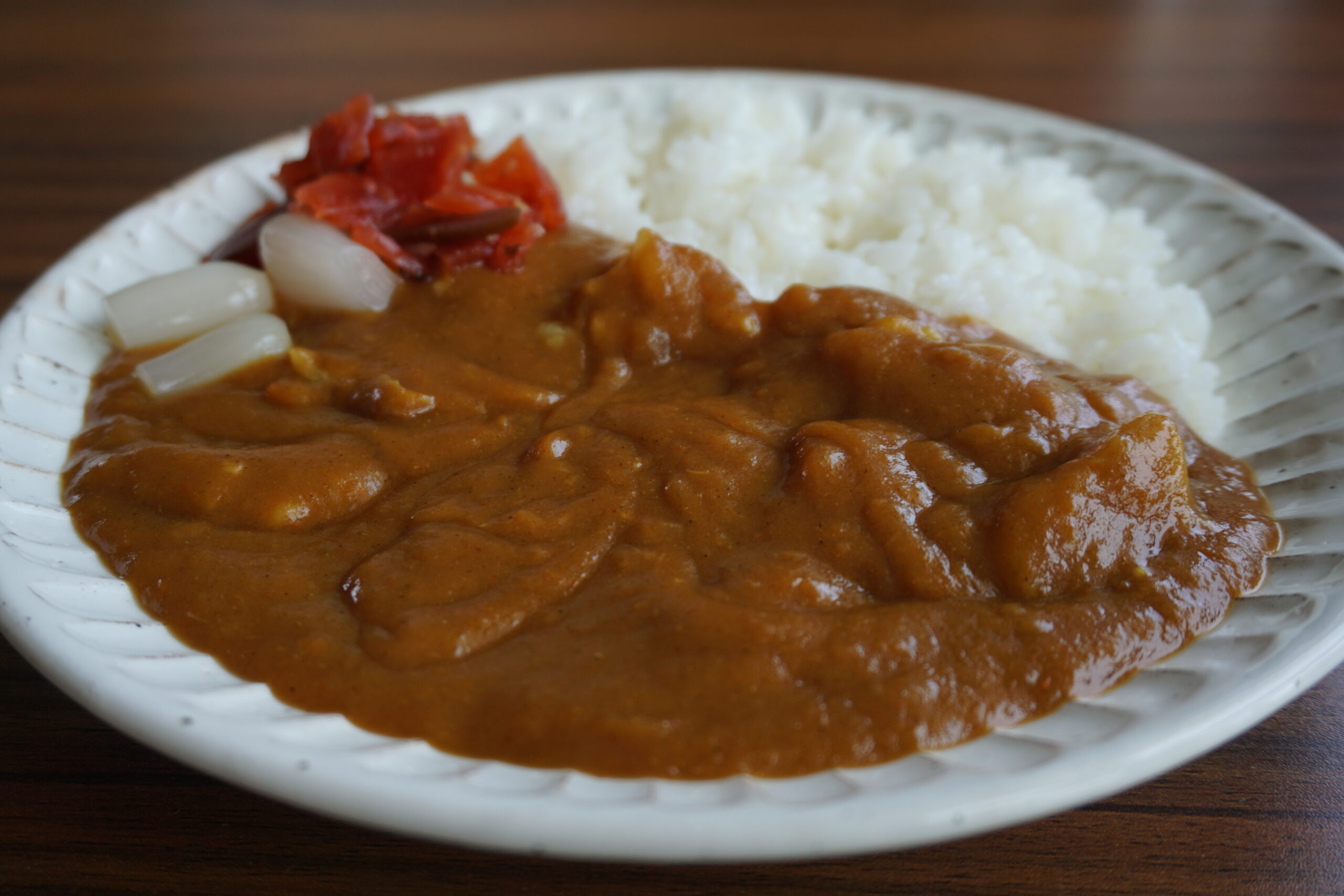
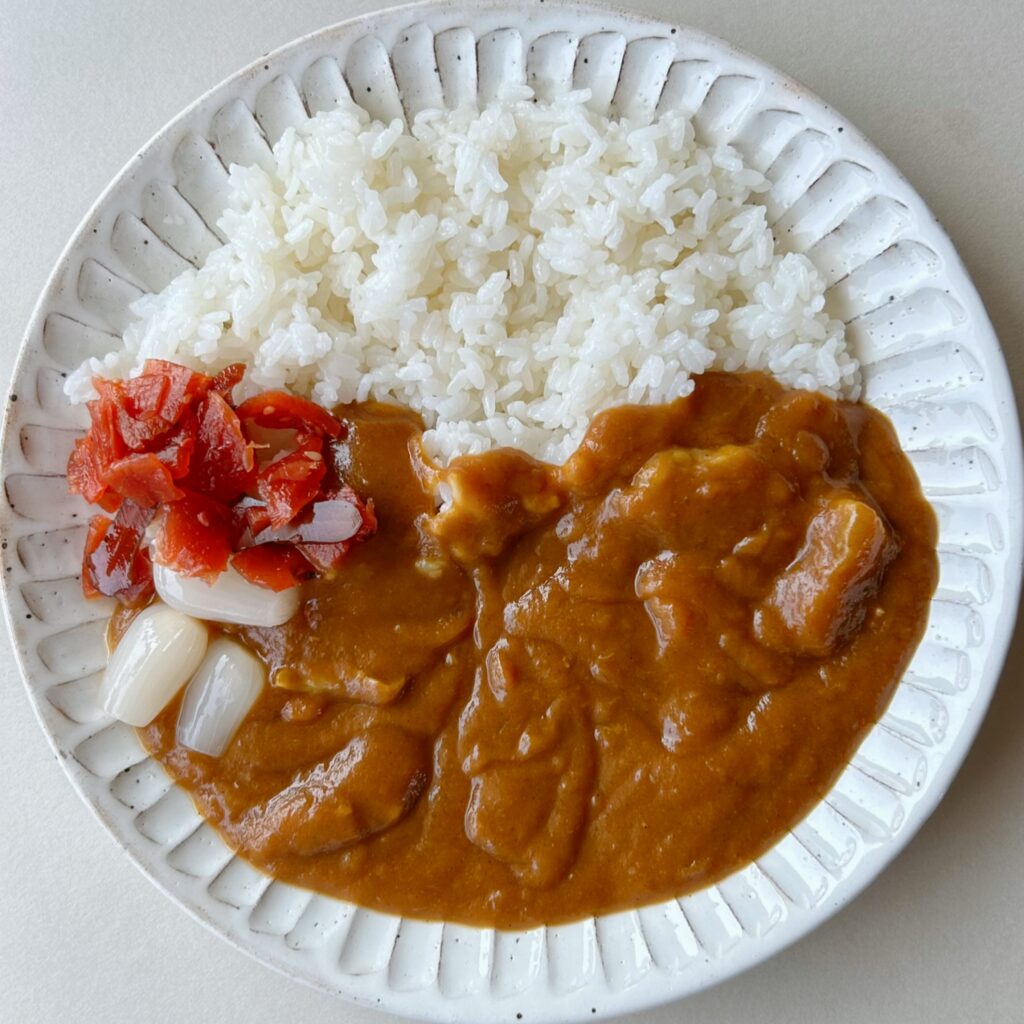
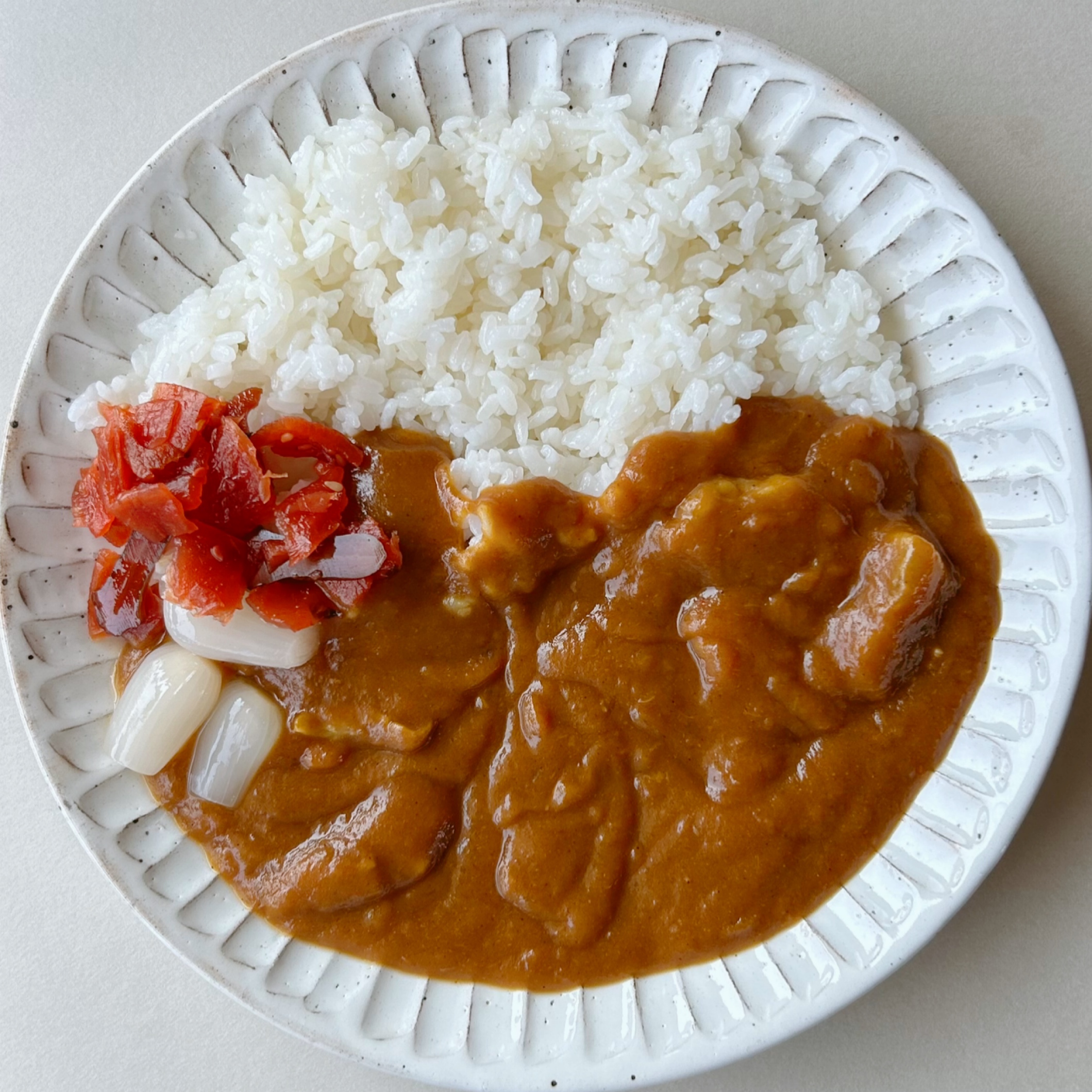
🍛The Ultimate Melt-in-Your-Mouth Beef Tendon Curry (Gyusuji Curry / 牛すじカレー)
This is an authentic beef tendon curry recipe.
Gyusuji Curry is a rich, deeply flavorful Japanese dish featuring beef tendon as the star ingredient. While “Gyusuji” (Beef Tendon) might be less common in Western kitchens, it is a prized ingredient in Japan for its incredible texture.
When slow-cooked, the tough fibers and collagen in the tendon break down, resulting in a “melt-in-your-mouth” softness and a plump, jelly-like consistency. It is the ultimate comfort food for those who love a hearty, savory stew.
It takes a bit of time and effort to remove the gaminess and make it delicious, but it’s worth it. The carefully prepared beef tendon blends beautifully with curry spices.
🥩Understanding Beef Tendon (Gyusuji)
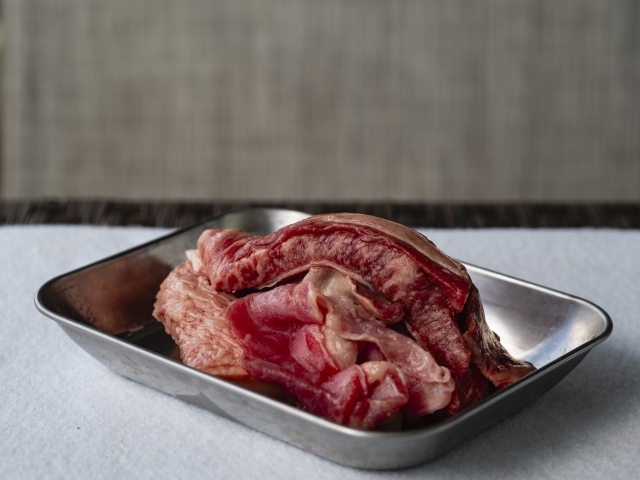
Beef tendons are generally categorized into three types:
- Beef Achilles tendon: The thick, tough tendon that supports the cow’s weight. It is milky white and turns gummy and soft when stewed.
- Membrane: Attached to the diaphragm. It is thinner and offers a unique, slightly crunchy texture.
- Other, Akami Suji (Red Meat Tendon): Leaner trimmings removed during butchering; these appear redder and have a more “meaty” flavor.
Beef tendon sold in supermarkets is often a mix of different types, such as achilles tendon, membrane, and lean meat. To the untrained eye, it can be difficult to tell these parts apart just by looking.
The beef tendon used in this video was a gift from a friend and is likely the portion known as “maku-suji” (membrane tendon). It is rare to find beef tendons as large and beautiful milky white as the ones used this time.
The greatest appeal of beef tendon curry is its texture. When simmered thoroughly, the tendon becomes melt-in-your-mouth tender, allowing you to enjoy the plump, gelatinous texture rich in collagen.
Since it takes about 4 hours of simmering for beef tendon to become soft, using a pressure cooker is the ideal way to cook it.
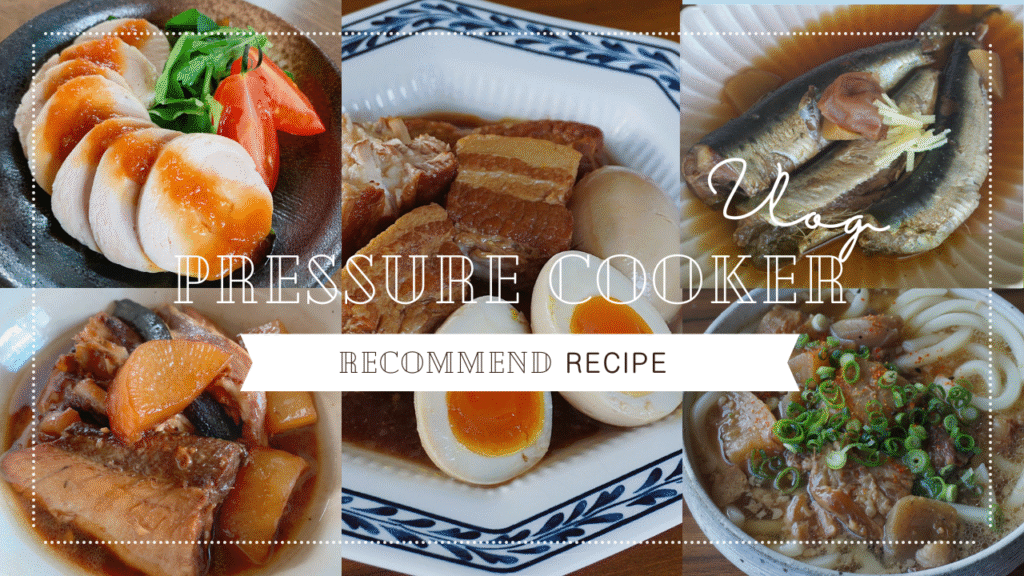
For more information about pressure cookers, please check out this article. I also share some of my favorite recipes using a pressure cooker! 👉 Recommended recipes using a pressure cooker
🥕Japanese Curry: A National Favorite
Curry is one of the most popular home-cooked dishes in Japan—so much so that it is often called the “national dish.”
A Glimpse into History📚
Curry has a long history in Japan. It was mentioned as early as 1860 in the writings of Yukichi Fukuzawa, a famous philosopher whose portrait was featured on Japan’s highest-value banknote (the 10,000 yen bill).
Common Ingredients🥕
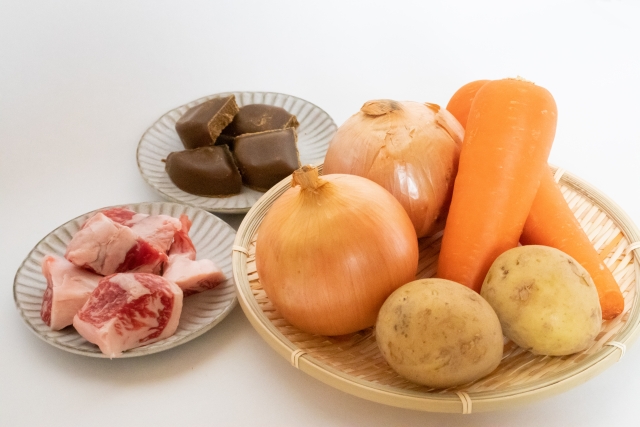
- Protein: Beef, chicken, or pork.
- Vegetables: Onions, carrots, and potatoes.
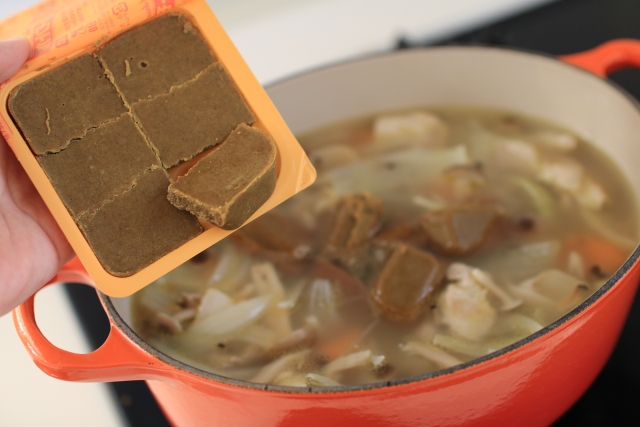
- Flavor: Curry roux and spices, which vary based on the cook’s preference.
My Personal Style & Tips💡
I have a specific way of making my curry
- The Potato Debate: I personally prefer to puree my vegetables for a smooth texture. I usually skip potatoes because they can make the curry look a bit cloudy. However, if I’m not pureeing the vegetables, I add potatoes because they provide a natural thickness.
- Freezing Tip: If you plan to freeze your curry, it is better to leave out the potatoes, as they tend to lose their pleasant texture when frozen.
- Secret Ingredients: Many people add “secret” ingredients like coffee or chocolate to create their own unique flavor profile.
- My Favorite Mix: I love mixing Java Curry (for its spicy kick) with Vermont Curry (for its mild sweetness).
🍳Versatility & Toppings
Curry isn’t just for rice! It’s also delicious when used as a soup base for Udon or Ramen. You can also customize your bowl with various toppings, such as:
- Fried eggs
- Cheese
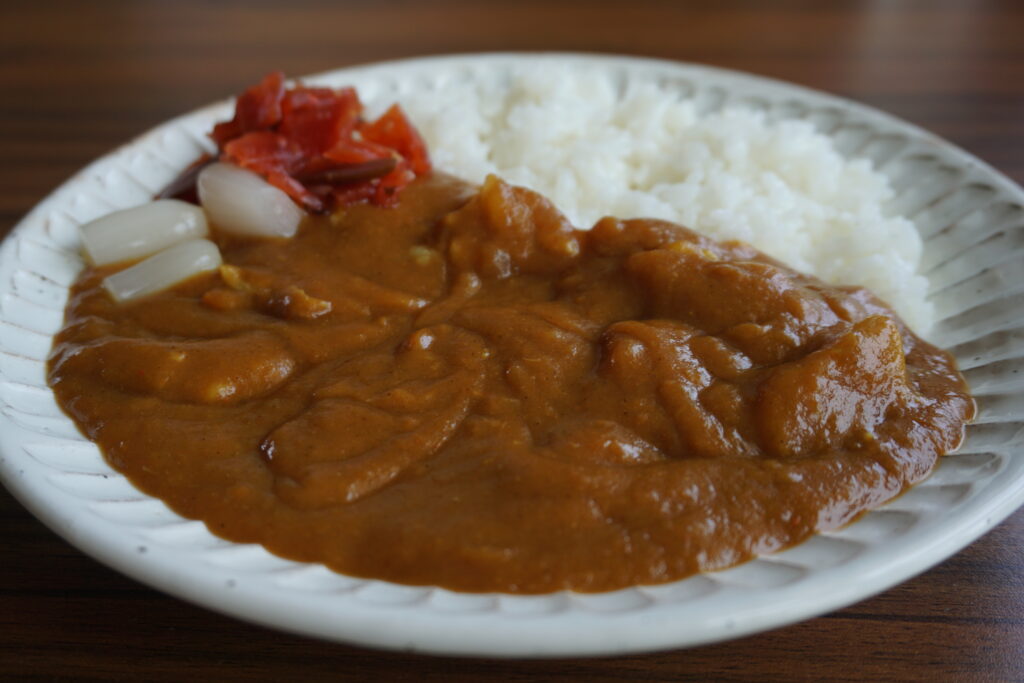
- Fukujinzuke (Japanese pickles).
- Fried shrimp
- Salisbury steak (hamburg)
- Tonkatsu (pork cutlet)
🔍Explore More
If you want to see the variety of toppings and ingredients available in Japan, check out the website of CoCo Ichibanya, a famous curry specialty chain with locations nationwide: 👉 https://www.ichibanya.co.jp
🍫NUTRITION FACTS : Gyusuji Curry (Beef Tendon Curry)
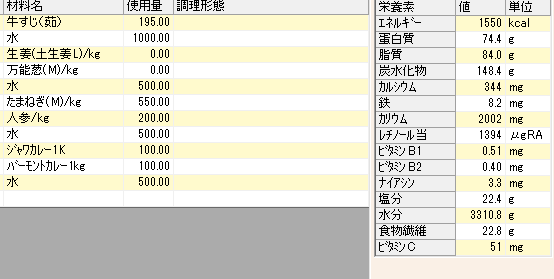
Total Nutritional Value (Per 10 Servings)
- Calories: 1550 kcal
- Protein: 74.4 g
- Total Fat: 84.0 g
- Total Carbohydrates: 148.4 g
- Sodium (Salt Equivalent): 22.4 g
Nutrition Facts for Boiled Beef Tendon (Per 100g)
- Calories: 152 kcal
- Protein: 28.3 g
- Total Fat: 4.9 g
- Total Carbohydrates: 0 g
- Sodium (Salt Equivalent): 0.2 g
🛒INGREDIENTS : Gyusuji Curry (Beef Tendon Curry) (10SERVINGS)
- Beef tendon (300g)
- Hot water (1000ml)
- Sliced Ginger (8g)
- 1 stalk of white Japanese leek (top part)
- Water (500ml)
- Red pepper 1piece~
- Hot water (1000ml)
- Onion (550g)
- Carrot (200g)
- Water (500ml)
- Your favorite curry roux (1 box :about 200g) …I use 1/2 box each of Java and Vermont.
- Water (500ml ~)
🔪How to make Gyusuji Curry (Beef Tendon Curry)
Prep the Tendon
- Parboil: Briefly boil the raw beef tendons in water until they change color.
- Clean: Rinse the tendons thoroughly under cold running water to remove impurities.
- Pressure Cook: Place the rinsed tendons, ginger, red pepper and white Japanese leek in a pressure cooker with 500ml of water. Cook for 20 minutes at pressure.
- Degrease: Remove the leek and ginger. Allow the tendon and its cooking liquid to cool (ideally in the fridge). Once cold, scoop off and discard the hardened white fat from the surface. Do not discard the liquid—this is your flavorful soup stock!
Prep the Vegetable Base
- Soften: Cut onions and carrots, then pressure cook them with 500ml of water for 5 minutes.
- Puree (Optional): Use a blender to puree the onions and carrots into a smooth base. This creates a luxurious, thick texture without the need for potatoes. If you prefer a chunkier, traditional thickness, you can leave the vegetables whole instead of pureeing them.
Simmer and finish
- Combine: In a large pot, combine the bite-sized tendons, the degreased tendon stock, and the vegetable puree. Bring to a boil.
- Add Roux: Turn off the heat. Break the curry roux into pieces and stir until completely dissolved.
- Simmer: Simmer on low heat for 10–20 minutes. If the curry becomes too thick, add more water until you reach your desired consistency.
📖Related Link: Read the Japanese version of this article here! [牛すじカレー]
BeefTendonCurry #GyusujiCurry #JapaneseCurry #JapaneseFood #PressureCookerRecipe #MeltInYourMouth #牛すじカレー #圧力鍋レシピ #とろとろ #本格カレー #CollagenRich

コメント