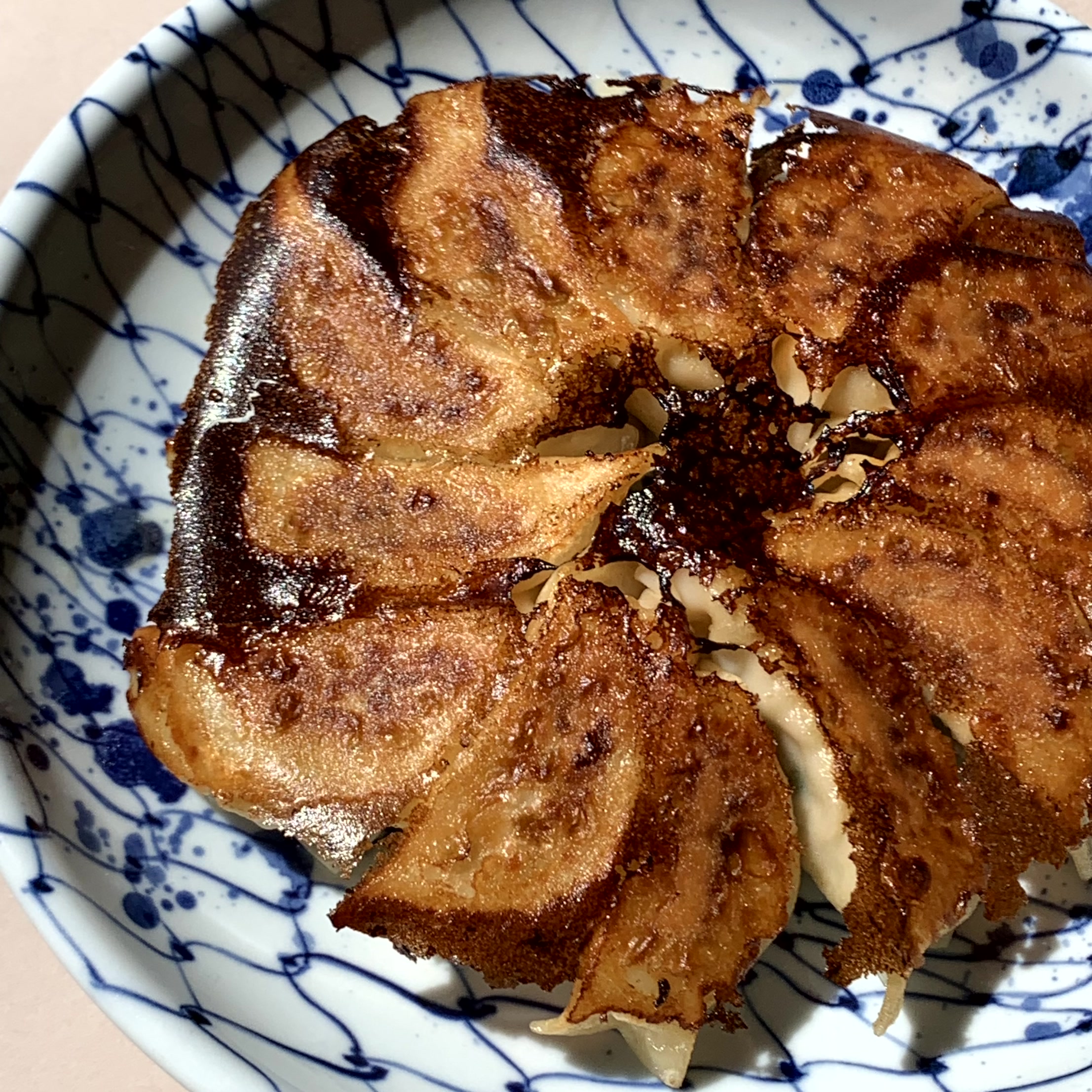
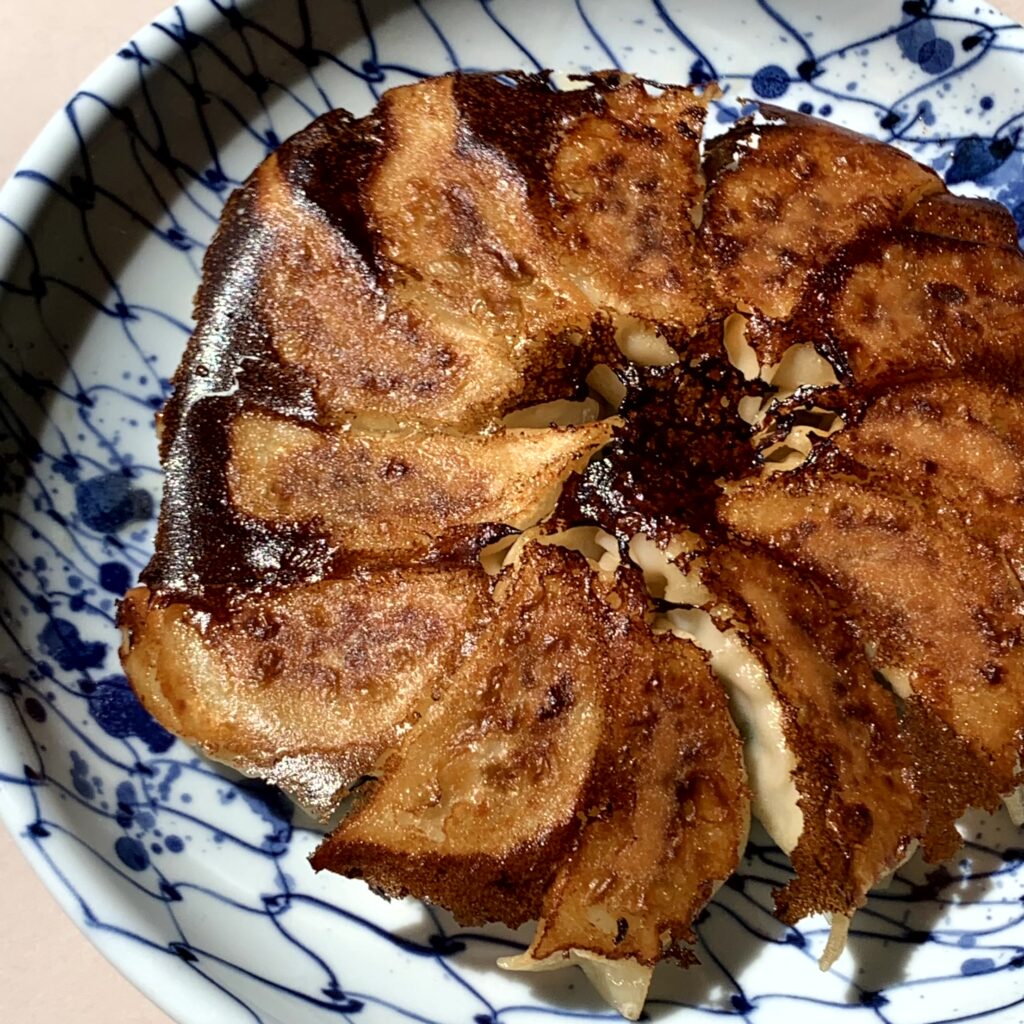
- Nira Gyoza(ニラ餃子)
- 📊 NUTRITION FACTS: Nira Gyoza (Per 25 Pieces / Approx. 3 Servings)
- 🛒Ingredients for Authentic Japanese Gyoza
- 👨🍳How to make Nira Gyoza (Garlic Chive Dumpling)
Nira Gyoza(ニラ餃子)
🥟What is Nira Gyoza? (Japanese Pork & Garlic Dumplings)
This recipe is a complete guide to making Nira gyoza (Chinesse chive dumplings). Gyoza is a staple of Japanese home cooking.
These dumplings feature a thin, crispy wheat flour skin stuffed with a juicy mixture of minced pork and plenty of vegetables.
The “secret weapon” is the garlic chive (Nira), which provides a striking aroma that boosts the appetite and makes these dumplings incredibly addictive!
Nutritionist’s Note: Pairing pork with nira (garlic chives) is a smart way to boost energy, as it helps your body absorb Vitamin B1 more efficiently.
🌿 The “Nira” Factor:
Garlic chives are a vibrant, green-yellow vegetable from the Allium family (related to garlic and onions).
Native to China, they have been a staple in Asian diets since ancient times for their medicinal and nutritional value.
The secret to the chive’s strong aroma and health benefits is allicin. It helps with fatigue recovery, increases appetite, and has antibacterial properties.
Nira buta/Pork garlic chives Stir Fry Read this article for more information about nira. 👉 [Nirabuta (Pork Stir Fry Recipe With Chinese Chive)]

✨The Endless World of Gyoza Variations
While Nira Gyoza is a classic, one of the best things about gyoza in Japan is the incredible variety of fillings. You can easily customize them to suit your mood or the ingredients in your fridge!
- The most popular filling for gyoza is pork and cabbage or garlic cabbage.
- Refreshing: Use Shiso (Perilla leaves) for a burst of herbal freshness.
- Rich & Gooey: Add Cheese for a salty, melty surprise that kids and adults love.
- Spicy & Bold: Mix in Kimchi to add heat and extra fermented depth.
- Light & Healthy: Swap pork for Seafood (like shrimp or scallops) or use plenty of Chinese Cabbage for a sweeter, lighter taste.
Gyoza is one of my all-time favorite dishes because it’s a nutritional powerhouse. Since they are packed with finely chopped vegetables, they are incredibly healthy. You can eat a whole plateful and still feel light—it’s the ultimate guilt-free comfort food!
❄️ Pro-Tip: The “Make-Ahead” Secret
Let’s be honest: folding gyoza one by one can be a bit of a hassle. To save time, I recommend batch-cooking:
Make a large quantity of gyoza at once. These freeze beautifully and can be cooked straight from the freezer! Freeze them on a tray before transferring them to a storage bag.
No thawing needed! When you’re hungry, just take them straight from the freezer and put them in the pan. They cook perfectly even when frozen, making them the ultimate lifesaver for busy weeknights.
📜History of Gyoza dumplings
Gyoza originally traveled across the sea from China, but over the centuries, it has evolved into a unique and beloved part of Japanese culinary culture.
🏯 The Legend of the First Gyoza
Interestingly, the first person in Japan ever to taste a gyoza is said to be Tokugawa Mitsukuni (1628–1701), better known by his popular nickname, Mito Komon.
- Who was he? A powerful feudal lord during the Edo period and the grandson of the first Shogun, Tokugawa Ieyasu.
- A Pop Culture Icon: Mitsukuni is a legendary figure in Japan; his life was dramatized in the long-running TV series Mito Komon, which aired for decades and made him a household name.
- The Chinese Connection: It is believed a Confucian scholar from China introduced him to the dish, marking the beginning of gyoza’s long journey in Japan.

🍲Characteristics of each cooking method:
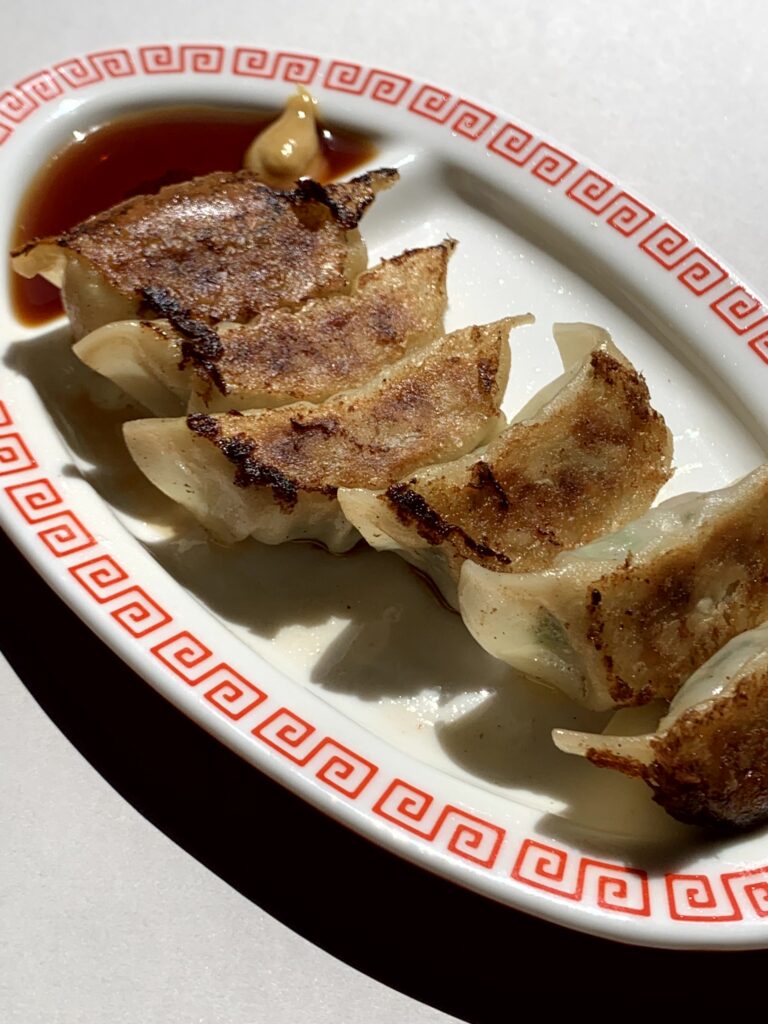
While gyoza are boiled in China, they are typically pan-fried in Japan. There are many different ways to cook gyoza.
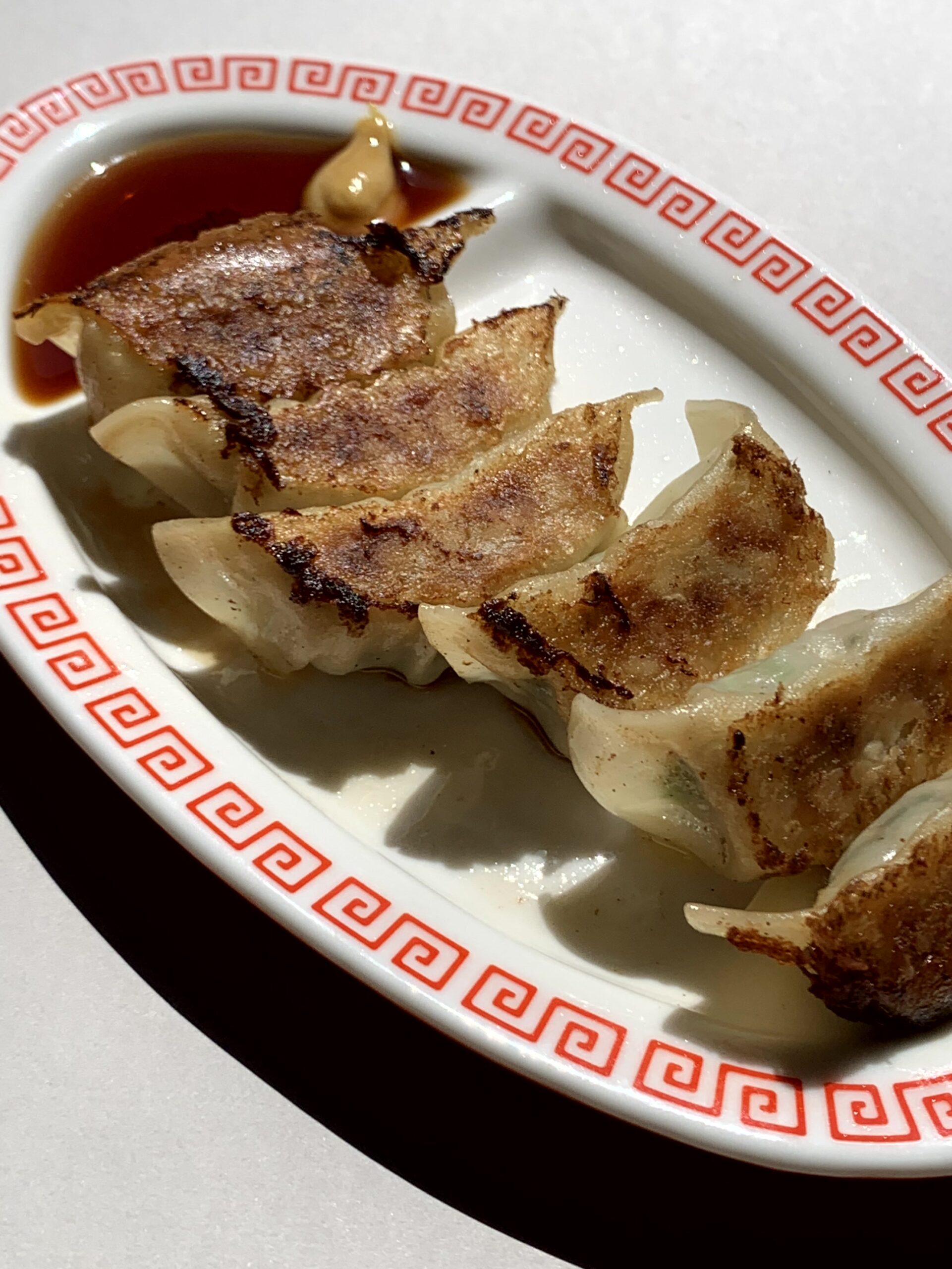
- Yaki-Gyoza: Pan-fried until the bottom is perfectly crispy.
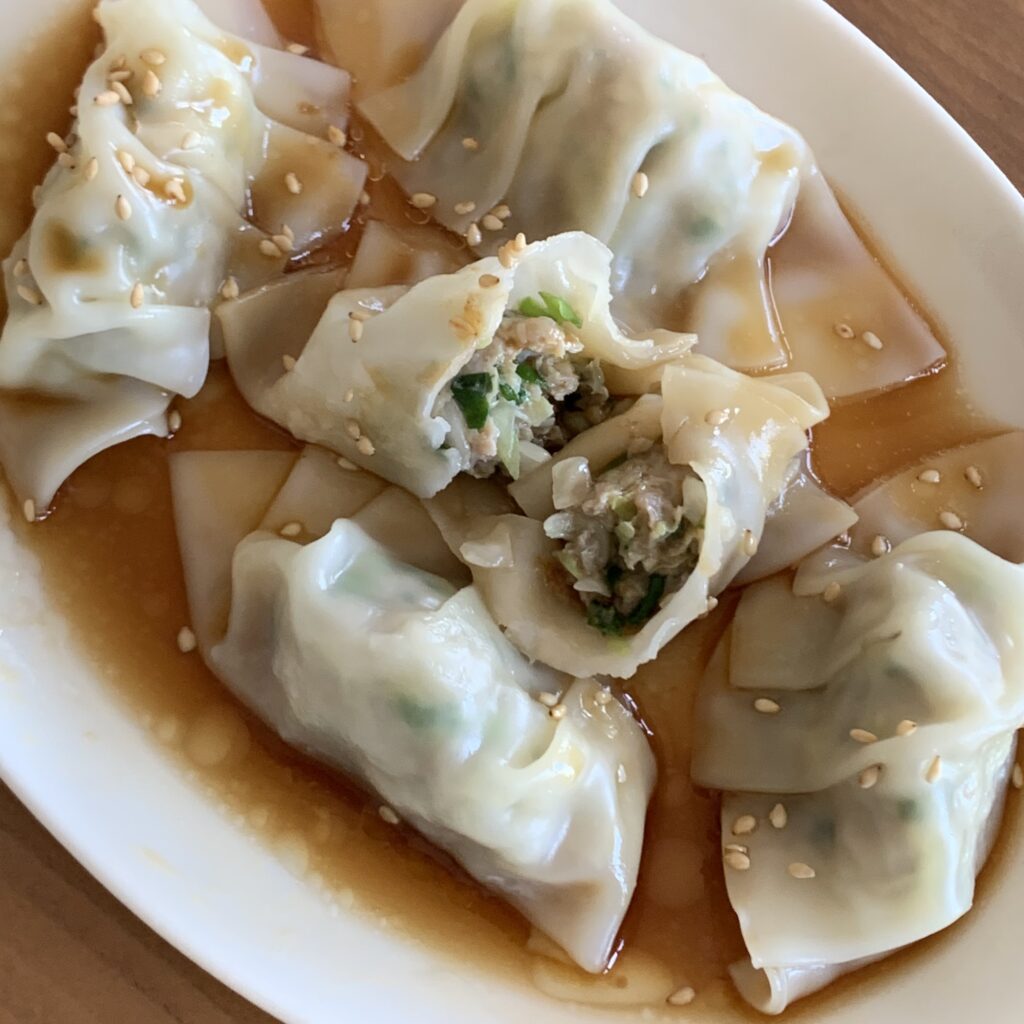
- Sui-Gyoza: Boiled and served in a light broth or with dipping sauce (as seen in the photo).
- Age-Gyoza: Deep-fried for a crunchy, snack-like texture.
- Mushi-Gyoza: Gently steamed to keep the wrapper soft and chewy.
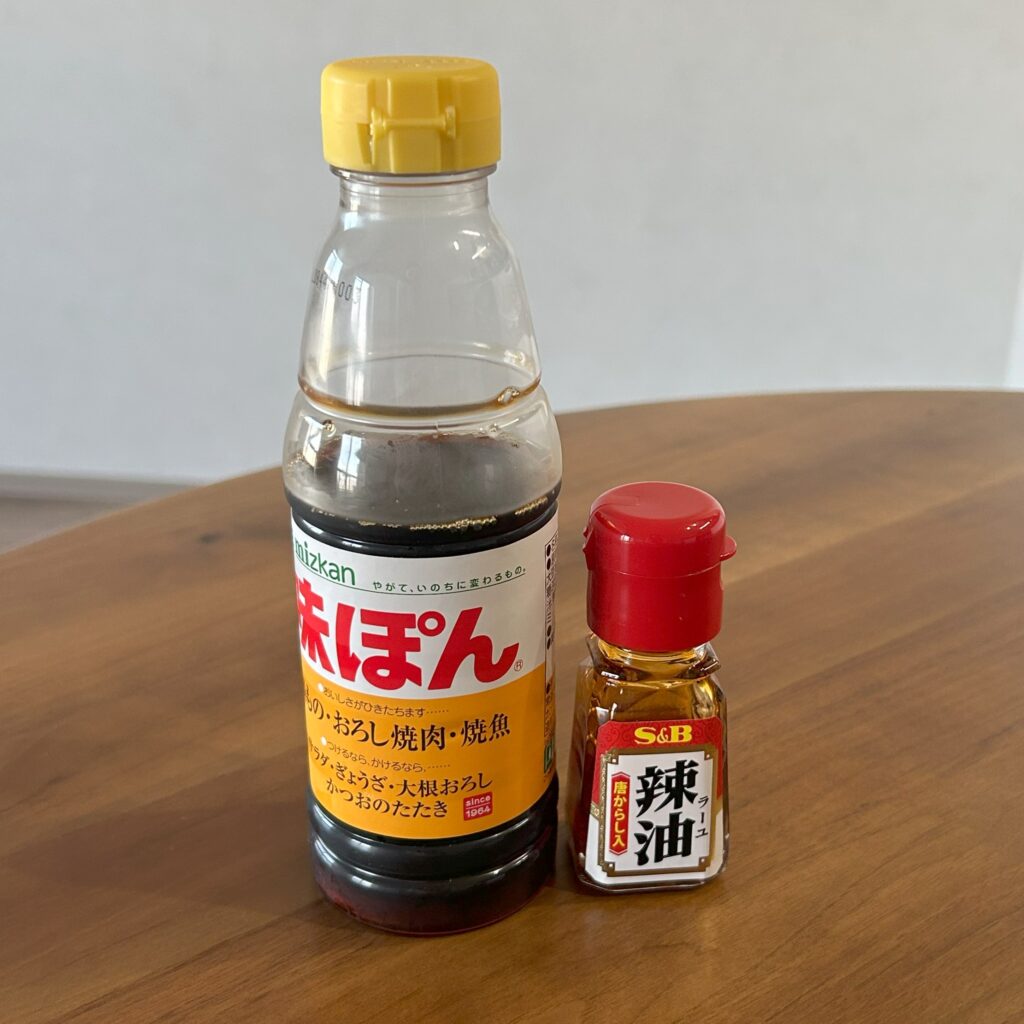
The Perfect Dip: Unlike the darker, vinegar-heavy sauces often found in China, Japanese gyoza are typically dipped in a balanced blend of soy sauce, rice vinegar, and a touch of rayu (chili oil).
📍 Regional Specialities
Gyoza has developed local “personalities” across Japan. The most famous destination for gyoza lovers is Utsunomiya City in Tochigi Prefecture.
Since the COVID-19 outbreak, the number of frozen gyoza vending machines has increased dramatically, allowing you to enjoy gyoza from famous restaurants in the comfort of your own home.
Tochigi Prefecture (Utsunomiya City) and Miyazaki Prefecture (Miyazaki City) are fierce rivals, vying every year for the title of “Japan’s No. 1 Gyoza Purchaser” in the Ministry of Internal Affairs and Communications’ annual household survey.
| Characteristics: | Tochigi (Utsunomiya) | Miyazaki |
| Main Features:, | crunchy vegetables | rich and savory lard |
| Taste: | refreshing and healthy | rich and juicy |
| Accompaniments: | vinegar-flavored sauce | refreshing citrus-flavored sauce |
There are many different types of gyoza in different regions, so be sure to find your favorite!
🔪About gyoza skins
Gyoza wrappers come in standard size and larger sizes called oban. If you’re not used to making gyoza, we recommend using oban wrappers.
🔪How to use wrappers when you don’t have enough filling.
- Top with sausages, tomato sauce, and corn and bake in the oven.
- Top with shirasu (whitebait), mayonnaise, and cheese and bake in the oven.
- Wrap around kimchi and cheese and deep-fry.
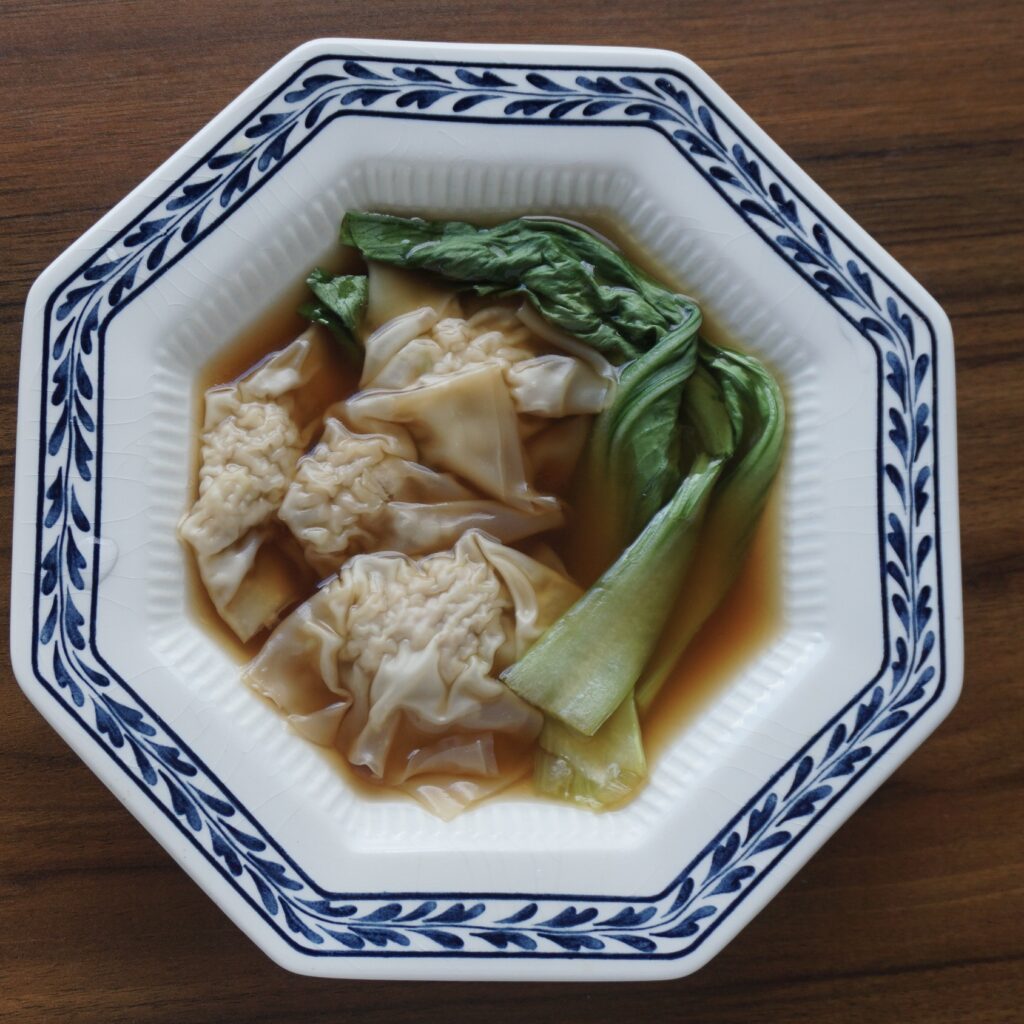
A lifesaver for leftover dumpling skins and meat fillings ✨ Another smart choice is to use the leftover filling and dumpling skins from making gyoza to make wonton soup. Check out this gentle soy sauce-based soup recipe 👉 Soy sauce Wantan soup (Wonton soup)
📊 NUTRITION FACTS: Nira Gyoza (Per 25 Pieces / Approx. 3 Servings)
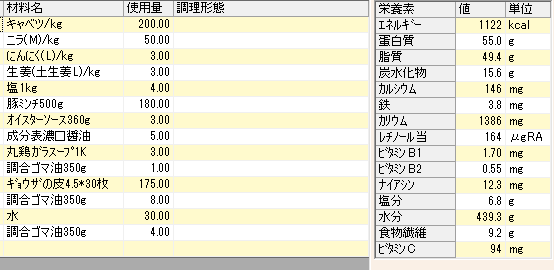
【Total (3 Servings)】
- Total Calories: 1122 kcal
- Protein: 55 g
- Total Fat: 49.4 g
- Total Carbohydrates: 15.6 g
- Sodium: 6.8 g
【Per Serving】
- Calories: 374 kcal
- Protein: 18.3 g
- Total Fat: 16.5 g
- Total Carbohydrates: 5.2 g
- Sodium: 2.3 g
🛒Ingredients for Authentic Japanese Gyoza
【The Filling】
- Minced Pork: 180g
- Cabbage: 200g (Can be substituted with 400g of garlic cabbage)
- Garlic Chives (Nira): 50g
- Ginger & Garlic: 3g each (finely grated or minced)
- Salt (for drawing out moisture): 4g
【Seasoning Mix ★】
- Oyster Sauce: 3g
- Soy Sauce: 5g
- Chicken Broth Powder (Gara Soup): 3g
- Sesame Oil: 1g
- Pepper: To taste
【For Wrapping & Frying】
- Gyoza Wrappers: 25 pieces (Standard size)
- Water (for sealing): approx.30g
- Water (for steaming): approx.30g
- Sesame Oil (for frying): 12g (split into two stages)
- Flour: For dusting the tray (The Perfect “Hane” (Wings): We use a flour-dusting technique to create a crispy, lacy crust on the bottom.)
【Dip sauce】
- Ponzu sauce, Chili oil : To taste
👨🍳How to make Nira Gyoza (Garlic Chive Dumpling)
- Prep the Vegetables (The Critical Step!)
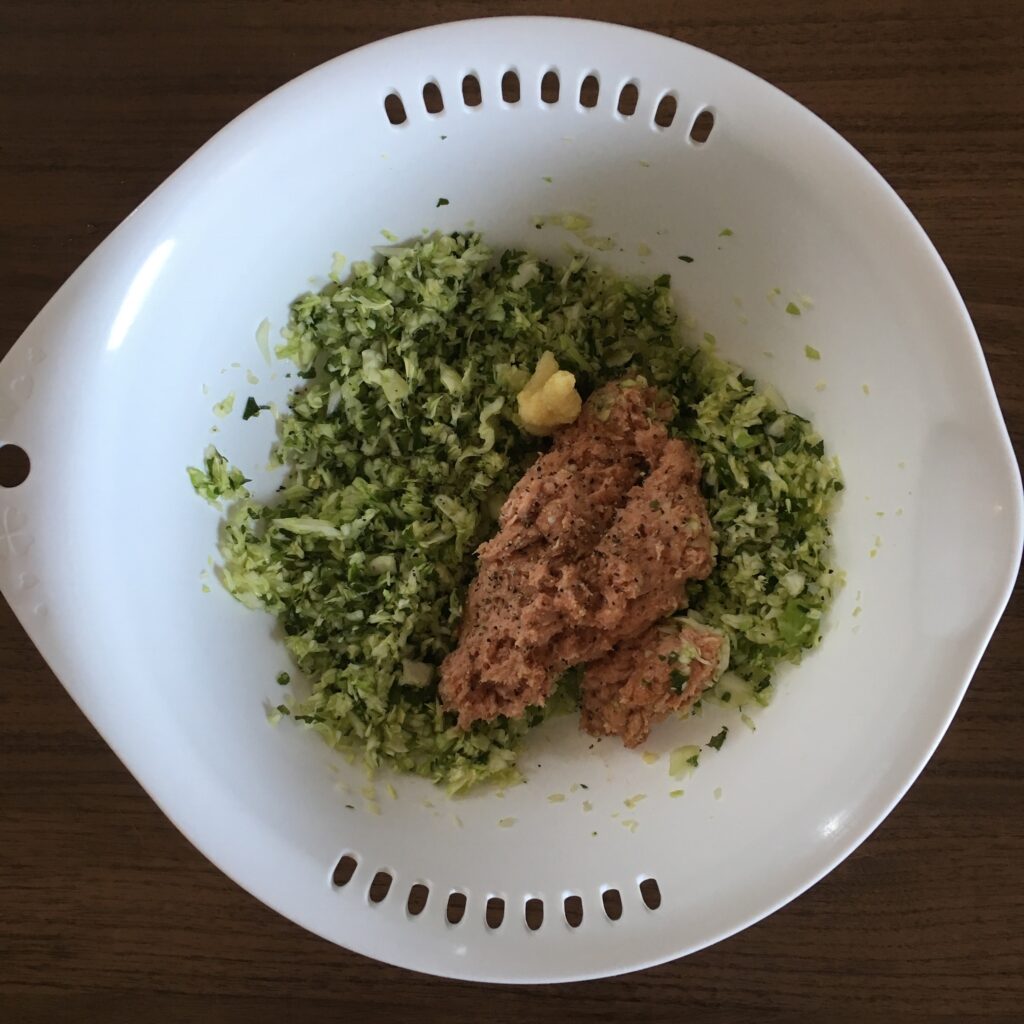
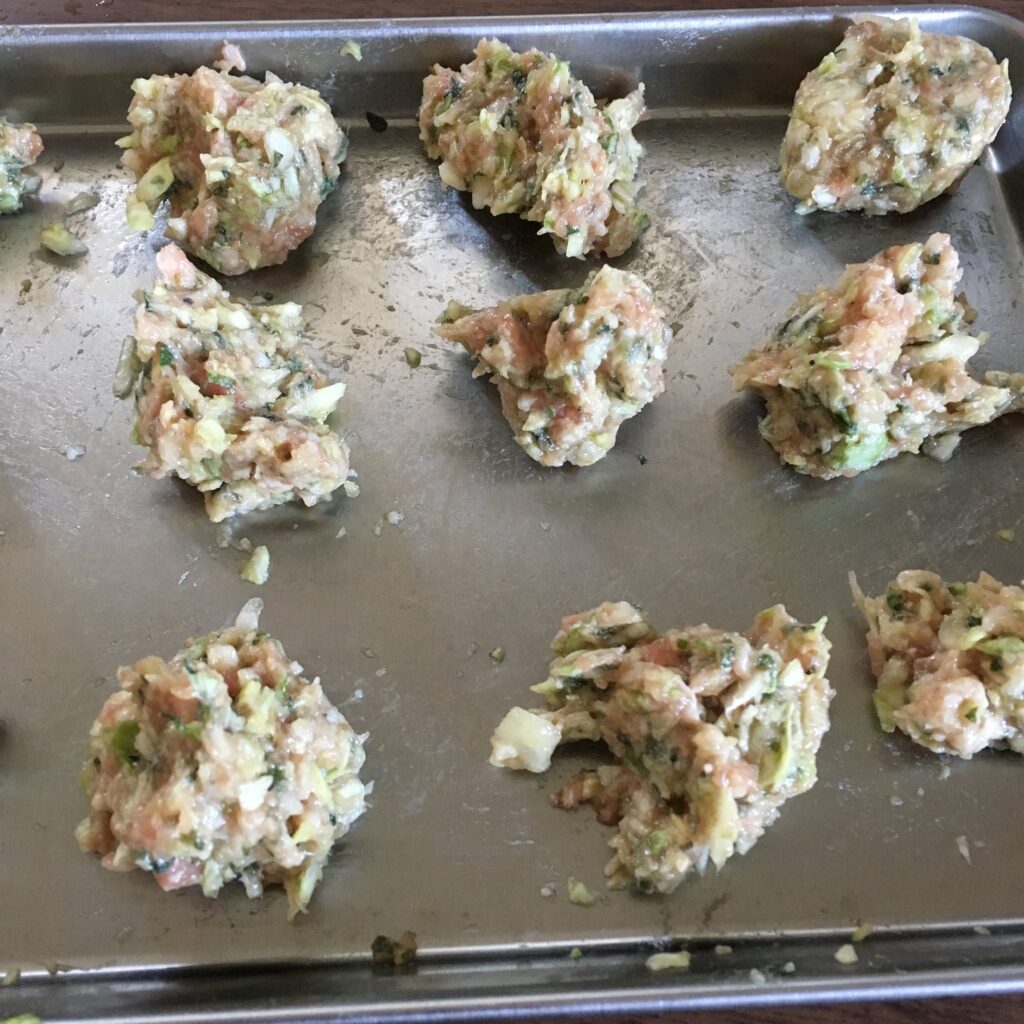
- Chop the cabbage, chives, ginger, and garlic as finely as possible.
- Place them in a bowl, add the 4g of salt, mix well, and let it sit for 30 minutes.
- After 30 minutes, squeeze the vegetables firmly to drain as much water as possible. This prevents the gyoza from becoming soggy. An essential tip for making good gyoza is to thoroughly drain the vegetables.
- Prepare the Meat Filling
- In a separate bowl, mix the minced pork with all the Seasoning Mix (★) ingredients until the meat becomes tacky/sticky. (It is said that mixing the meat and seasonings first will prevent the vegetables from releasing moisture.)
- Add the squeezed vegetables to the meat and knead until well combined.
- Divide the filling into portions (approx. 13g for regular wrappers, 18g for “Oban” large wrappers).
- Wrapping
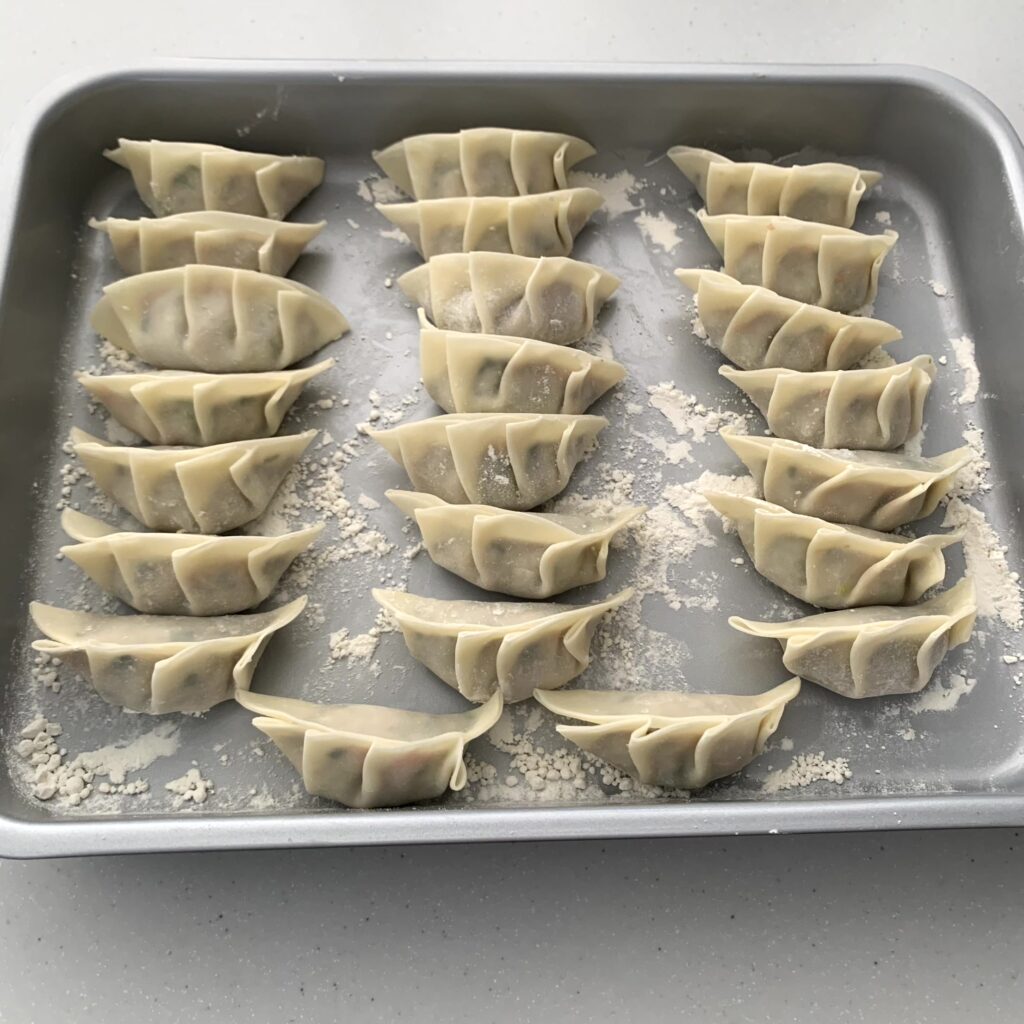
- Place a portion of filling in the center of a wrapper. Apply water to the edges of the gyoza wrapper, fold it in half, and seal both ends.
- Spread flour on a flat container and arrange the gyoza on top. This will prevent the gyoza from sticking to the container. Also, the flour on the bottom of the gyoza will mix with the water when cooking, creating a thin film on the surface of the pan. This is called “hane”. The crispy texture and fragrant aroma enhance the deliciousness.
- Cooking to Perfection
- Heat sesame oil in a Teflon-coated frying pan over medium heat and arrange the gyoza. Once the bottoms are lightly browned, add water (30-60g) and cover immediately to steam.
- Once the water has evaporated, remove the lid. Pour a little more sesame oil in a circle around the gyoza. Turn the heat to high and fry until the bottoms are dark golden brown and crispy.
- Serve
- Serve with ponzu sauce and chili oil.
📖Related Link: Read the Japanese version of this article here! [ニラ餃子]


コメント