Discover the World of Japanese Salmon
When it comes to the Japanese dining table, nothing is more essential than “Sake” (salmon).
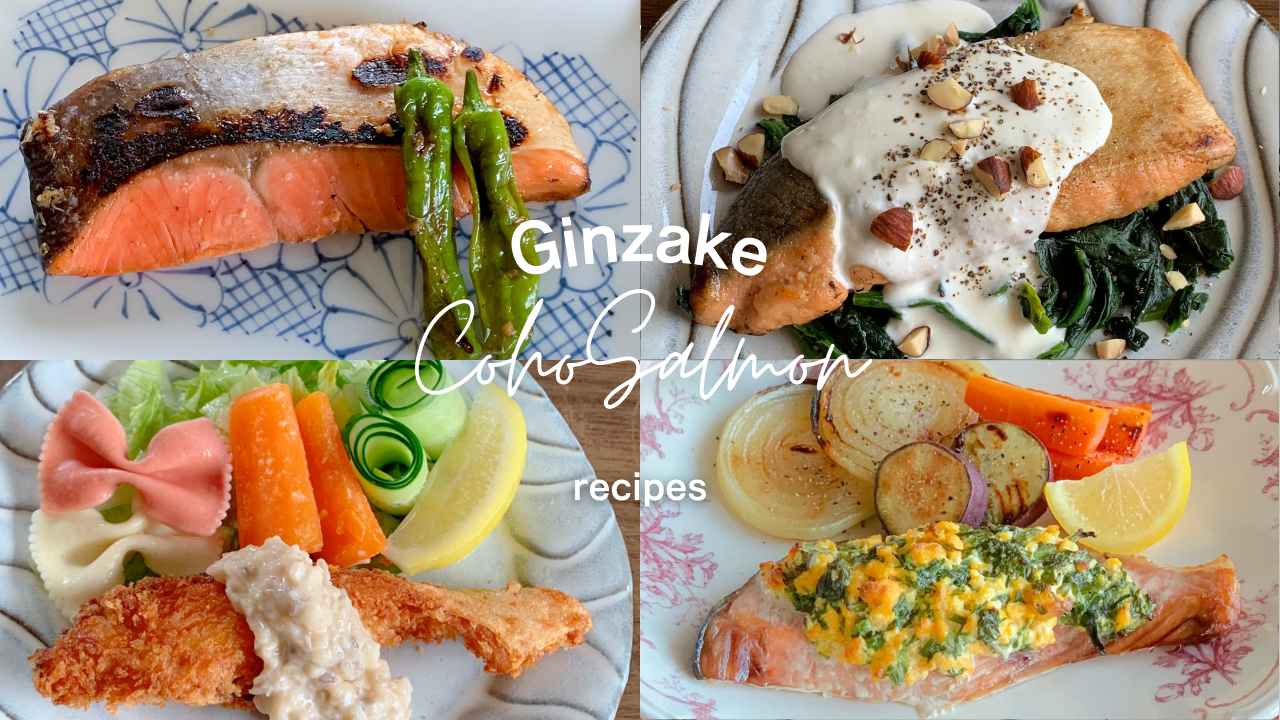
It is the undisputed “center” of onigiri fillings and the true star of a traditional breakfast. Among the many varieties, Gin-jake (Silver or Coho salmon) is a particular favorite—widely available, wonderfully fatty, and incredibly juicy.
In this post, we’ll dive into the basics you might be curious about, such as the real distinction between “Sake” and “Salmon.” Plus, I’ve put together 7 must-try recipes for those days when you want something more exciting than just a plain grilled fillet.
From traditional dishes using fermented seasonings to creative Western-style fusions, consider this your go-to “Salmon Handbook.”
The Distinction Between “Sake” and “Salmon”
In Japan, although both are translated as “salmon” in English, we distinguish between Sake and Salmon.
When we say “Salmon” in a Japanese context, we are usually referring to Atlantic Salmon, which is typically eaten raw as sushi or sashimi. On the other hand, traditional varieties like Aki-jake (Autumn salmon), Beni-jake (Sockeye salmon), and Gin-jake (Silver/Coho salmon) are all referred to as Sake.
Among the various types of Sake, Gin-jake (known in English as Silver salmon or Coho salmon) is particularly popular. It is widely available, prized for its high fat content, and loved for being incredibly juicy and flavorful.
Nutritional Comparison (per 100g)
| Type | Calories | Protein | Fat | Main Characteristics |
| Atlantic Salmon | 230–250 kcal | 19–20g | 15–19g | High fat; melt-in-the-mouth “Toro” texture. |
| Coho Salmon, Silver salmon (Gin-sake) | 200–210 kcal | 19–20g | 12–14g | The most popular all-rounder in Japan. |
| Sockeye Salmon (Beni-sake) | 130–150 kcal | 22–23g | 4–5g | Deep red, lean, and high in antioxidants. |
| Rainbow Trout (Nijimasu) | 120–140 kcal | 20–21g | 3–5g | Mild and lean (unless sea-farmed). |
The “Salmon vs. Trout” Identity Crisis
Biologically speaking, there is no strict boundary between the two. The naming usually depends on the fish’s lifestyle or marketing reasons.
Because Japan is an island nation surrounded by the sea, we have a deep-rooted culture of enjoying a vast variety of fish. As a result, we have developed incredibly detailed classifications for them.
For instance, what is simply called “Yellowtail” in English is distinguished in Japan as “Buri” or “Hamachi,” depending on its size or whether it is wild or farmed. Similarly, the “Amberjack” family is clearly divided into “Hiramasa” and “Kanpachi.”
This meticulous attention to detail naturally extends to the world of “Sake” (salmon) as well.
- Sake (Salmon): Traditionally refers to those that migrate to the ocean.
- Masu (Trout): Traditionally refers to those that stay in freshwater.
The Twist: The popular “Trout Salmon” in Japan is actually Rainbow Trout raised in the sea. While it is technically a “Trout,” it is marketed as “Salmon” to give it a more premium and appealing sound. This is a fascinating example of how Japanese food culture and marketing come together!
Why Can We Eat “Salmon” Raw?
The reason we enjoy salmon as sushi today is thanks to modern aquaculture and freezing technology.
- Parasite Control: Farmed salmon are fed sterilized pellets, breaking the parasite cycle (like Anisakis) found in the wild.
- The “Norway Strategy”: In the 1980s, Norway successfully campaigned to sell their farmed salmon as a safe, raw delicacy, changing Japanese food history forever.
- The “Cooking Only” Rule: Even if it’s farmed, if a package is labeled “For Cooking” (加熱用), it means it hasn’t met the strict bacterial standards for raw consumption. Only eat it raw if it says “Sashimi Grade” (刺身用).
Recommended Salmon Recipes
Explore the versatility of salmon with these delicious, easy-to-follow recipes.
1. Creamy Baked Mayo Salmon

Sake Chanchan Yaki (Miso Butter Salmon)A classic Japanese home-style dish. The salmon is topped with a layer of Japanese mayonnaise and baked until golden and bubbly. The richness of the mayo perfectly complements the savory fish. 👉 [Grilled Salmon Topped With Mayonnaise]
2. Miso-Butter Salmon & Vegetable Medley
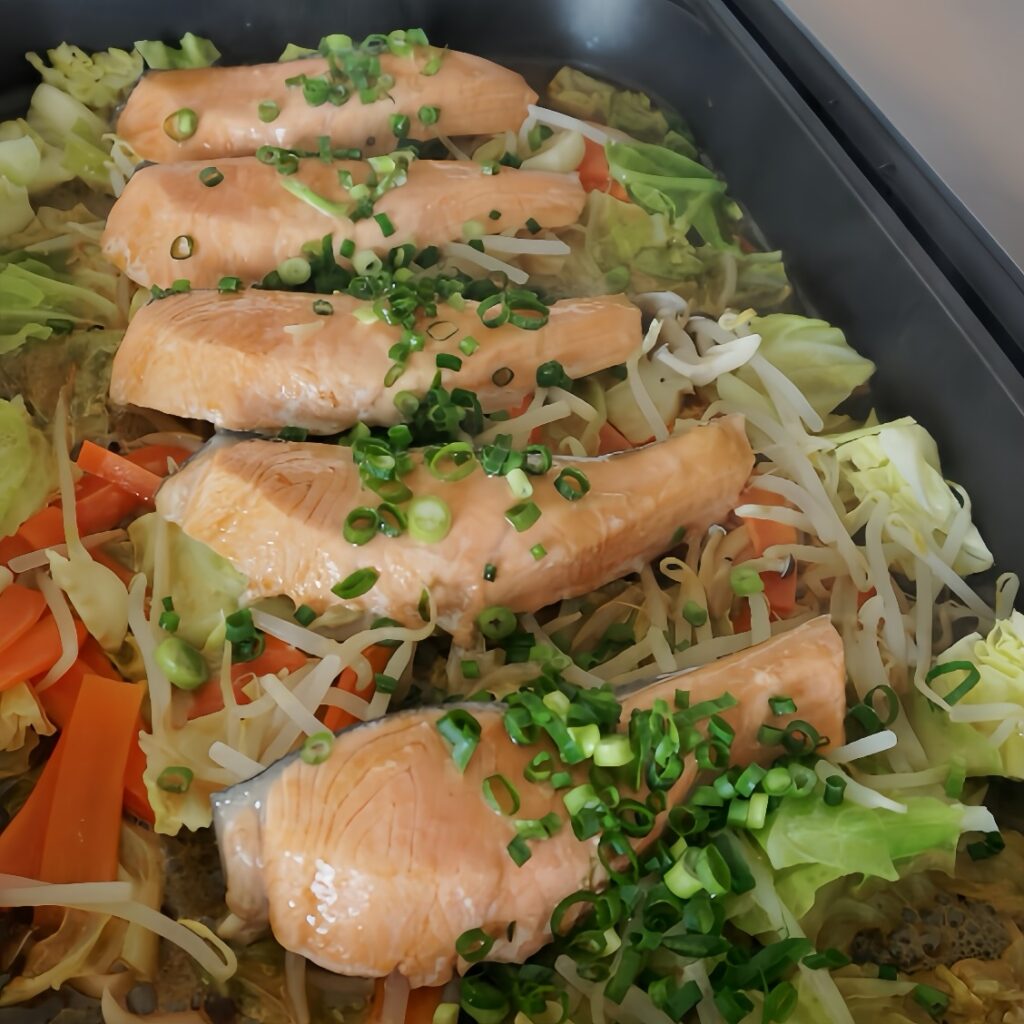
A hearty, one-pot wonder inspired by Hokkaido’s “Chan-chan-yaki.” Steamed with plenty of seasonal vegetables, the rich umami of miso and the silkiness of butter create a comforting, deep flavor. 👉 [Sake Chanchan Yaki (Miso Butter Salmon)]
3. Salmon Katsu with Smoked “Iburigakko” Tartar Sauce

Crispy, golden breaded salmon cutlets. The star here is the tartar sauce made with Iburigakko (smoked radish pickles), adding a sophisticated crunch and a delightful smoky aroma. 👉 [Batter Fried Salmon Iburigakko Tartar Sauce]
4. Shio-Koji Marinated Grilled Salmon
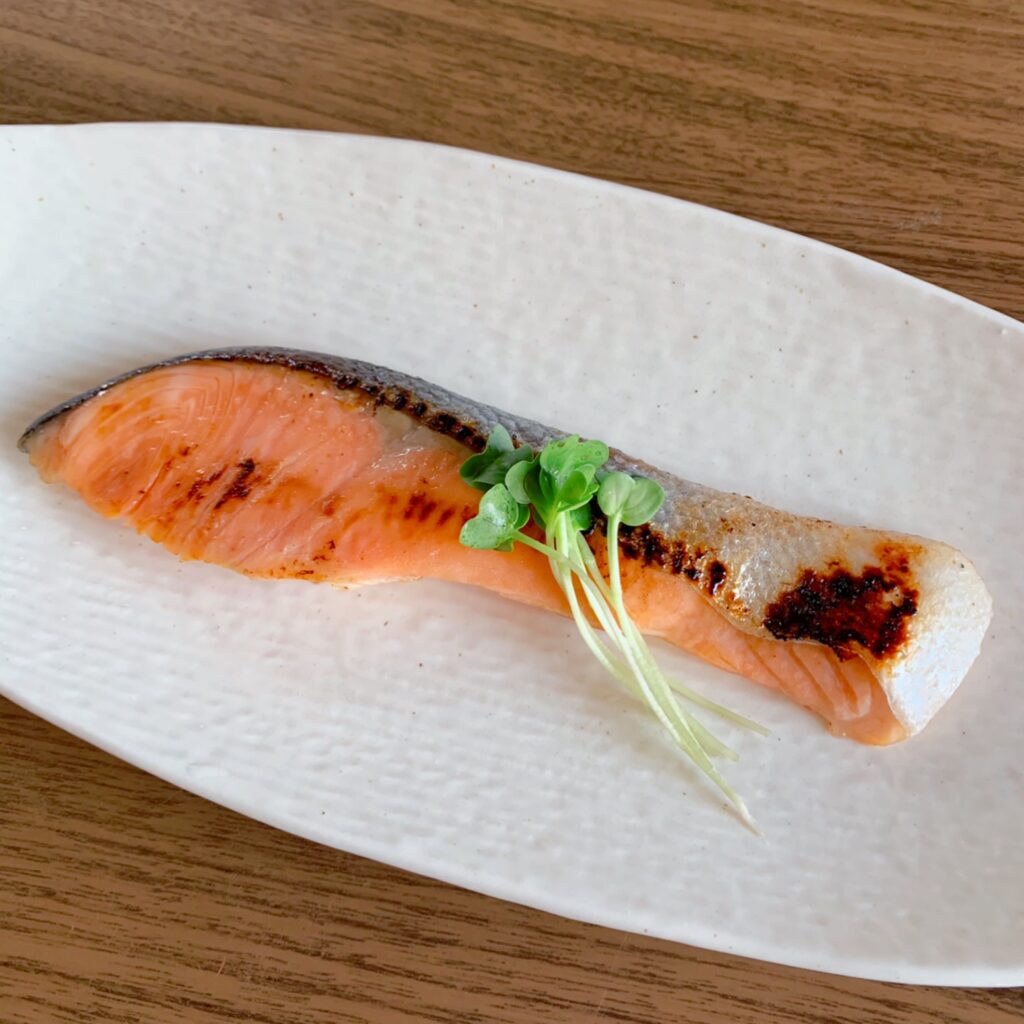
Experience the power of fermentation! Marinating salmon in Shio-Koji (salted rice malt) breaks down the proteins, making the fish incredibly tender and highlighting its natural sweetness. 👉 [Boost Your Gut Health with This Simple Shio-Koji Grilled Salmon]
5. Salmon Meunière with Cream Cheese Sauce
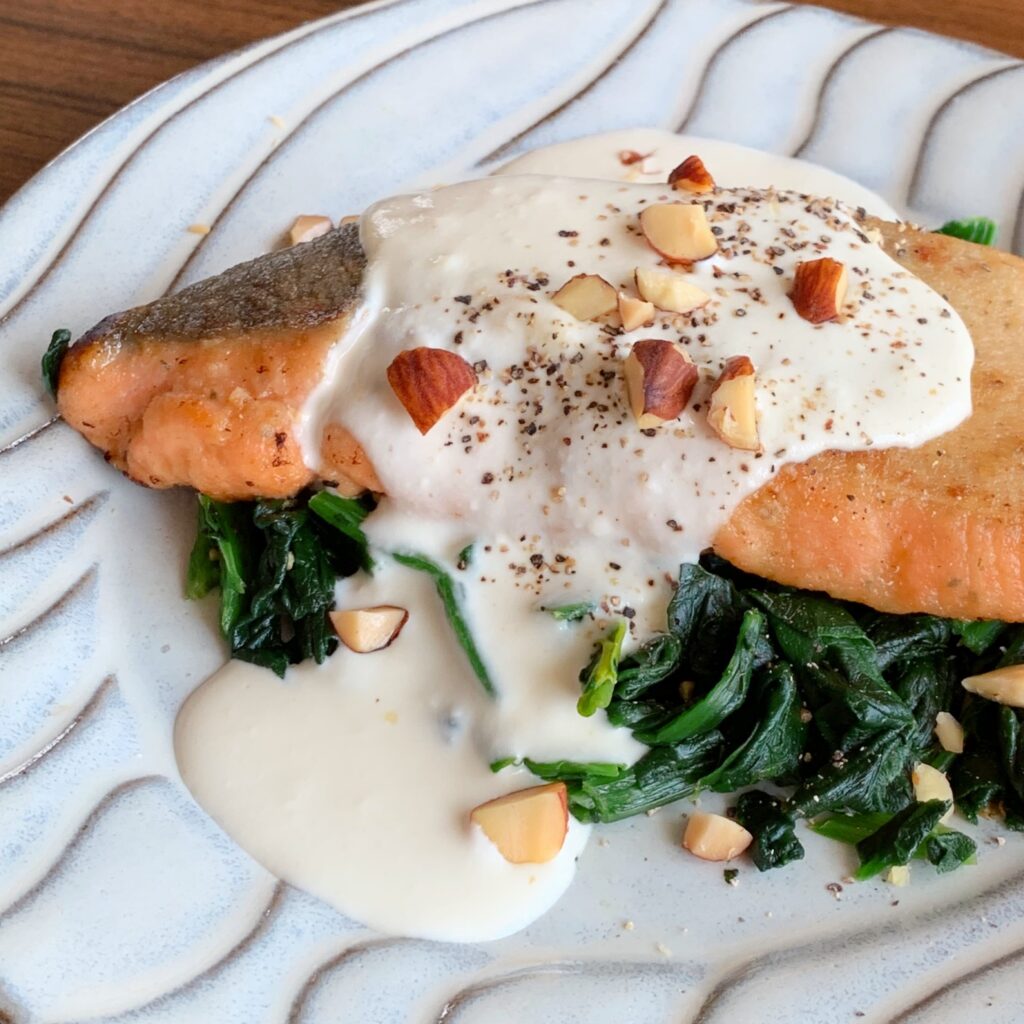
A sophisticated twist on a French classic. Pan-seared salmon with a light flour coating, drizzled with a velvety, tangy sauce made from premium cream cheese. 👉 [Salmon Meuniere with Cheese Sauce]
6. Butter-Shoyu Salmon Foil Bake
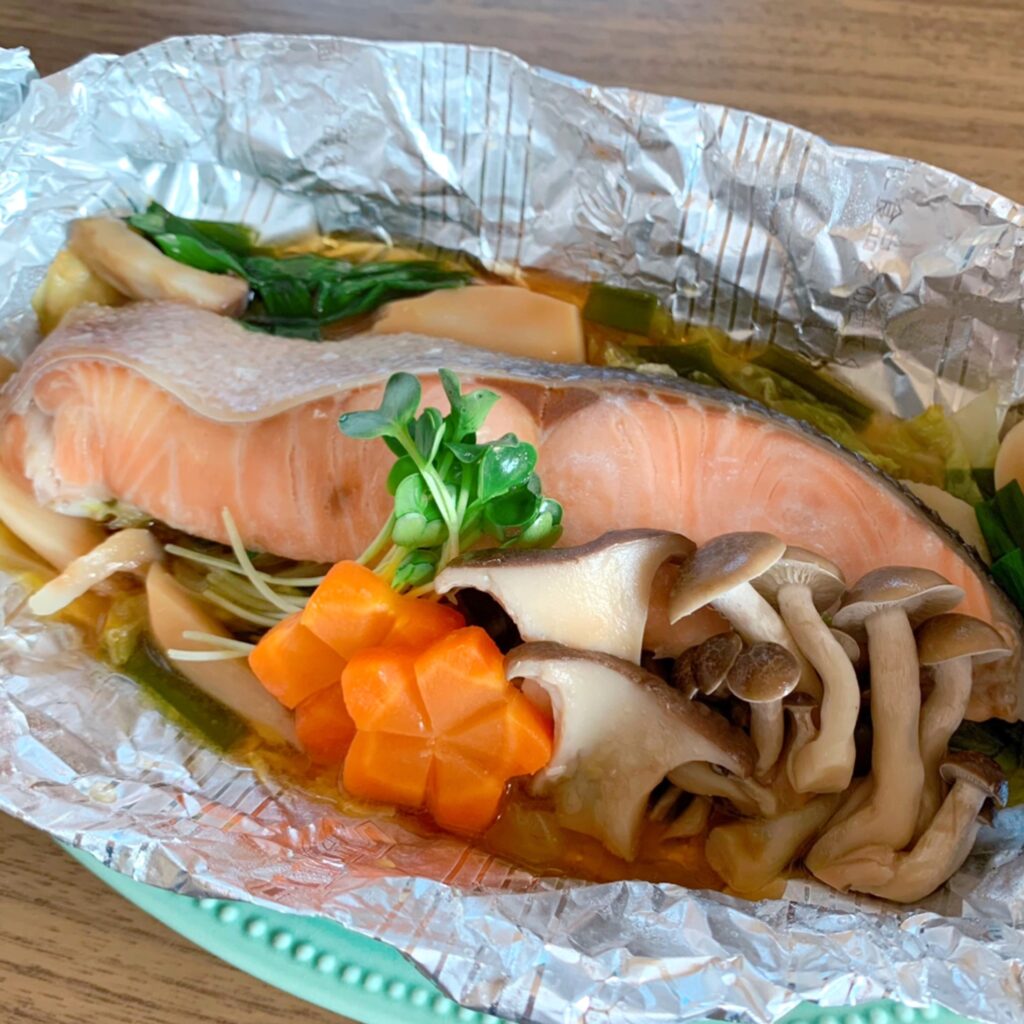
A healthy and aromatic dish where salmon and seasonal vegetables are sealed in foil and steamed. Opening the foil releases a heavenly cloud of butter and soy sauce fragrance. 👉 [Sake hoiruyaki (Steamed salmon in foil)]
7. Oven-Grilled Salmon with Nanohana Mayo
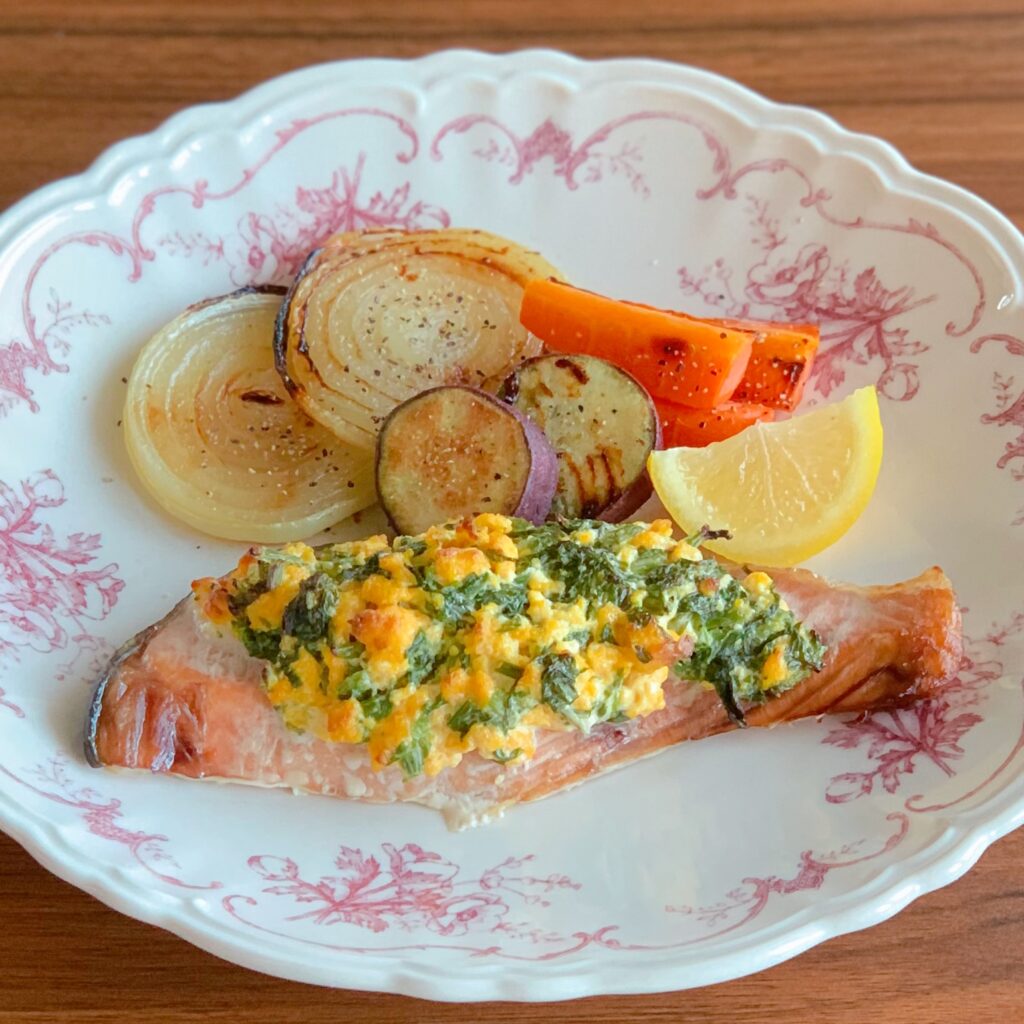
A true taste of spring. Salmon is grilled with a vibrant topping of Nanohana (canola blossoms) mixed with mayonnaise, offering a beautiful balance of slight bitterness and creamy goodness. 👉 [Natane yaki (Salmon with egg mayonnaise)]
📖Related Link: Read the Japanese version of this article here! [銀鮭(ギンザケ):日本の創作料理レシピ7選]
銀鮭 #鮭レシピ #お弁当 #朝ごはん #CohoSalmon #SalmonLover #SilverSalmon #HealthyEating #JapaneseFood

コメント