The Story of Azuki and Anko: More Than Just a Sweet Treat
If you are new to Japanese sweets, you might have seen a rich, sweet, dark-red paste nestled inside pastries, dumplings, or on top of shaved ice. That is anko (sweet red bean paste), the heart and soul of traditional Japanese confectionery (wagashi).
Anko is made from azuki (small red beans) boiled with sugar. Unlike savory beans used in Western or Latin cuisines, azuki beans have a naturally nutty, earthy flavor that pairs wonderfully with sweetness. Think of it as Japan’s equivalent to chocolate cream or chestnut paste—creamy, comforting, and deeply satisfying.
Beyond its delicious taste, azuki holds a special place in Japanese culture. Since ancient times, its vibrant red color has been believed to symbolize warding off evil and misfortune (yakuyoke). Because of this, red beans have long been an indispensable part of celebrations, festivals, and seasonal events. Furthermore, they are packed with health benefits, considered a superfood rich in fiber, iron, and antioxidants.
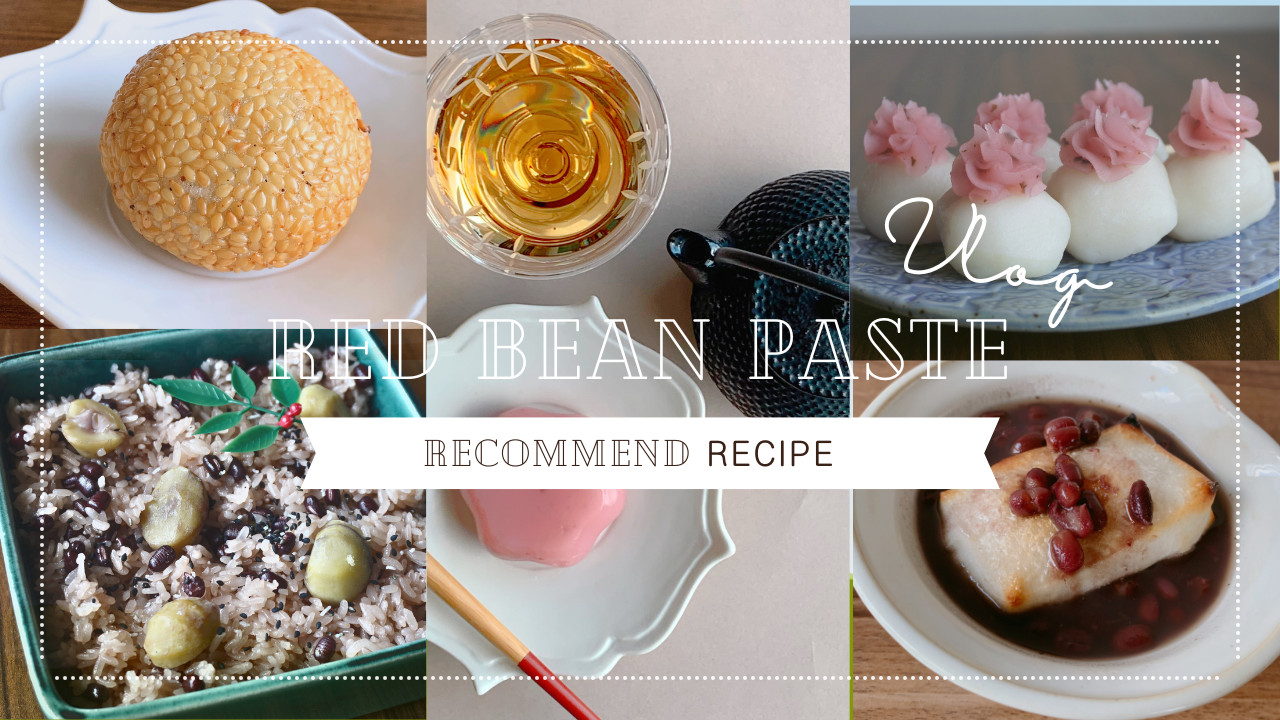
Whether you encounter it in a fluffy pancake (dorayaki), a chewy rice cake (daifuku), or a festive red bean rice dish (sekihan), anko offers a unique taste of Japanese culinary tradition and spirit. Ready to try making your own? Let’s dive into the recipe!
Varieties and Nutrition
- The King of Beans: While many varieties exist, the large Tamba Dainagon beans from the Tamba region are the most highly prized for their size and rich flavor.
- Nutritional Profile: Unlike soybeans or peanuts, which are high in lipids, Azuki beans are primarily composed of carbohydrates. They are a nutritional powerhouse, packed with:
- Dietary fiber & Protein
- Vitamin B group (Essential for energy)
- Iron, Potassium, & Polyphenols
- Health Benefits: In traditional medicine, Azuki is used to detoxify the body. The saponin in the skin acts as a natural diuretic, helping to reduce swelling and improve blood lipid levels.
- Historical Cure: During the Edo period, Sekihan (red bean rice) became popular as a way to prevent beriberi, a disease caused by Vitamin B1 deficiency.
Types of Azuki Bean Paste
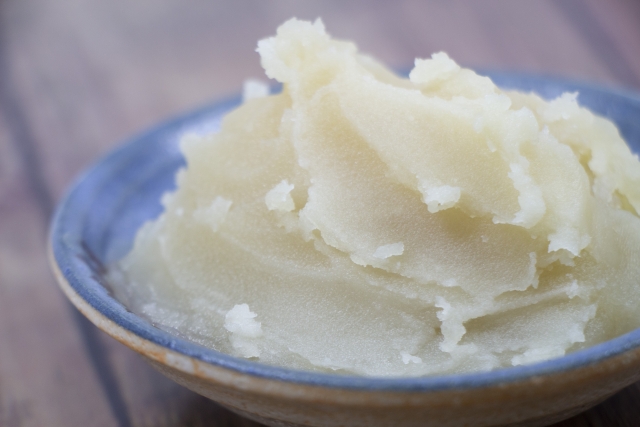
| Type | Composition / Texture |
|---|---|
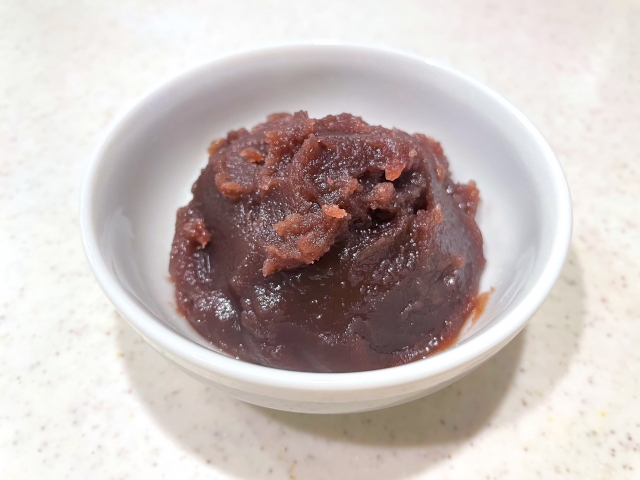
| Tsubuan | Coarse paste where the beans remain whole and intact. |
| Koshian | Smooth paste made by crushing and straining the beans to remove skins. |
| Shiro-an | White bean paste made from white kidney beans or white Azuki. |
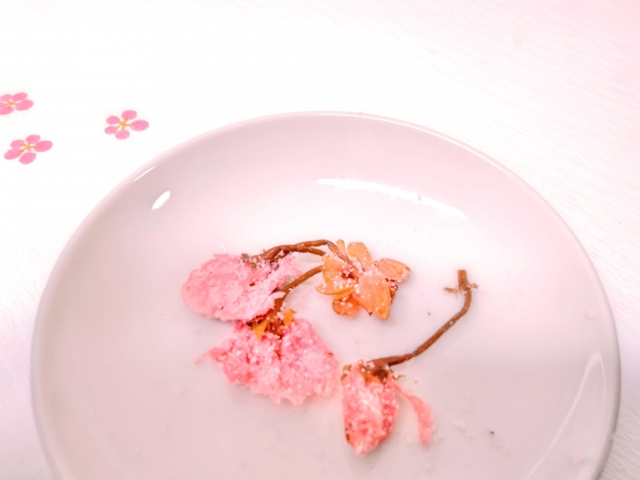
| Sakura-an | Shiro-an flavored with salted cherry blossoms—perfect for spring! |
Classic Recipes to Try
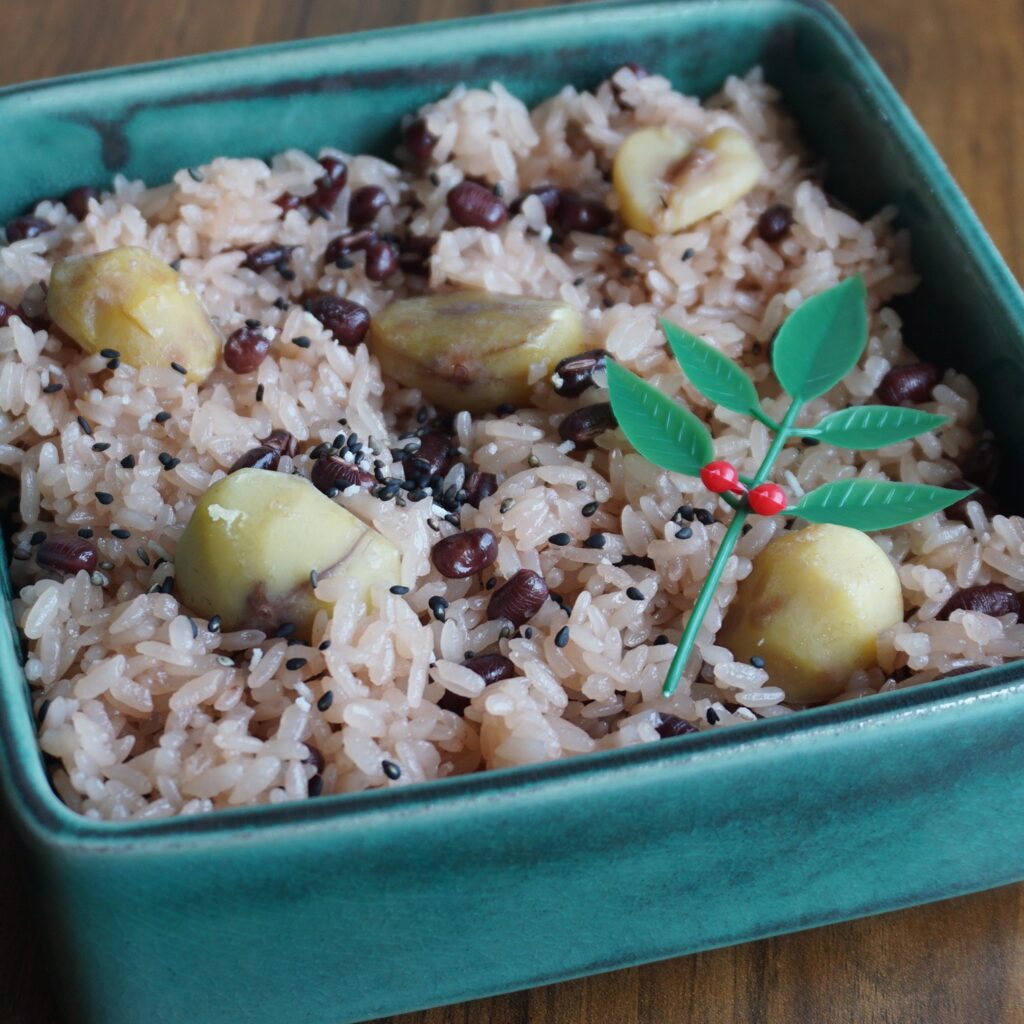
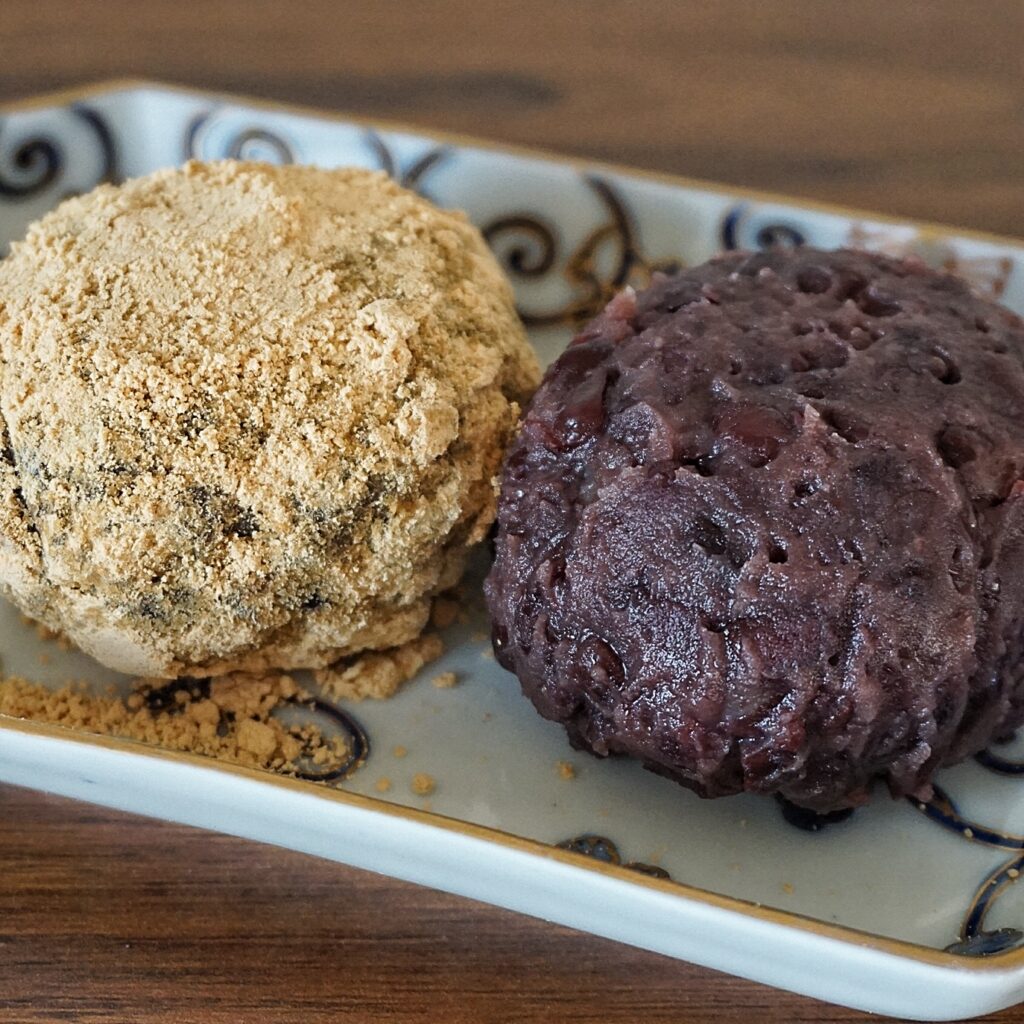
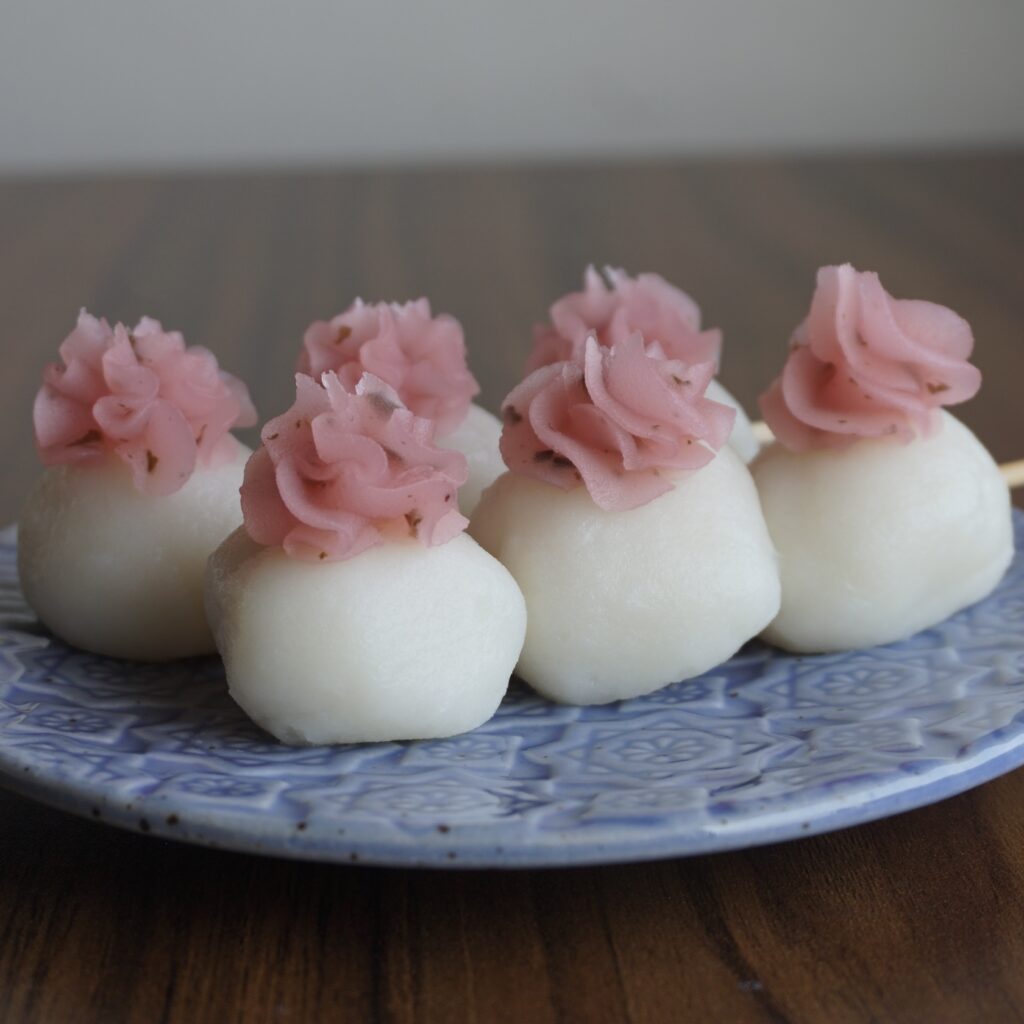
If you’re ready to dive into the world of red beans, explore these traditional treats:
- Easy Sekihan (Red Bean Rice): A foolproof version using a rice cooker instead of a traditional steamer.
- Ohagi (Sweet Rice Balls): A rustic, comforting treat coated in thick Anko.
- Sakura Dango:This spring-like Japanese confection features mochi rice dumplings topped with a slightly salty cherry blossom bean paste.
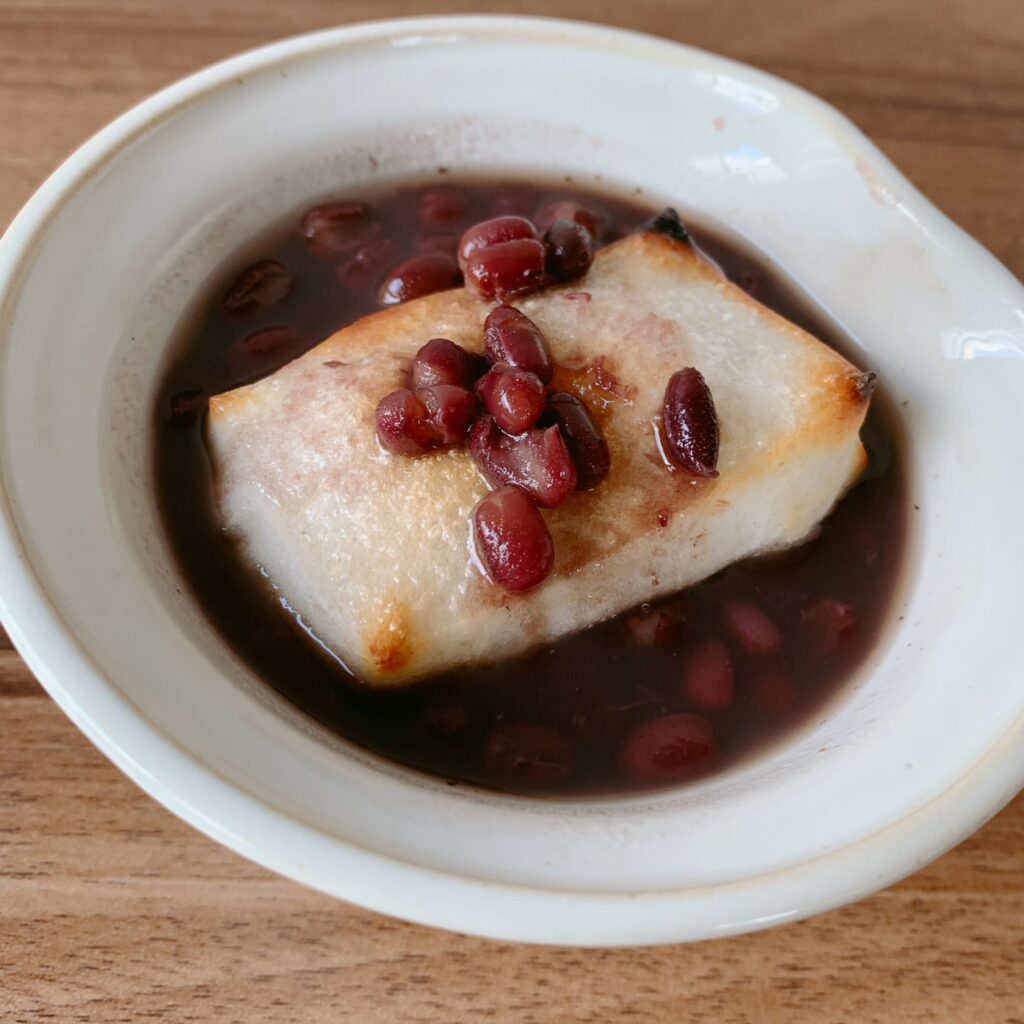
- Oshiruko (Sweet Bean Soup): Warm, sweet soup served with toasted mochi—the ultimate winter comfort food.
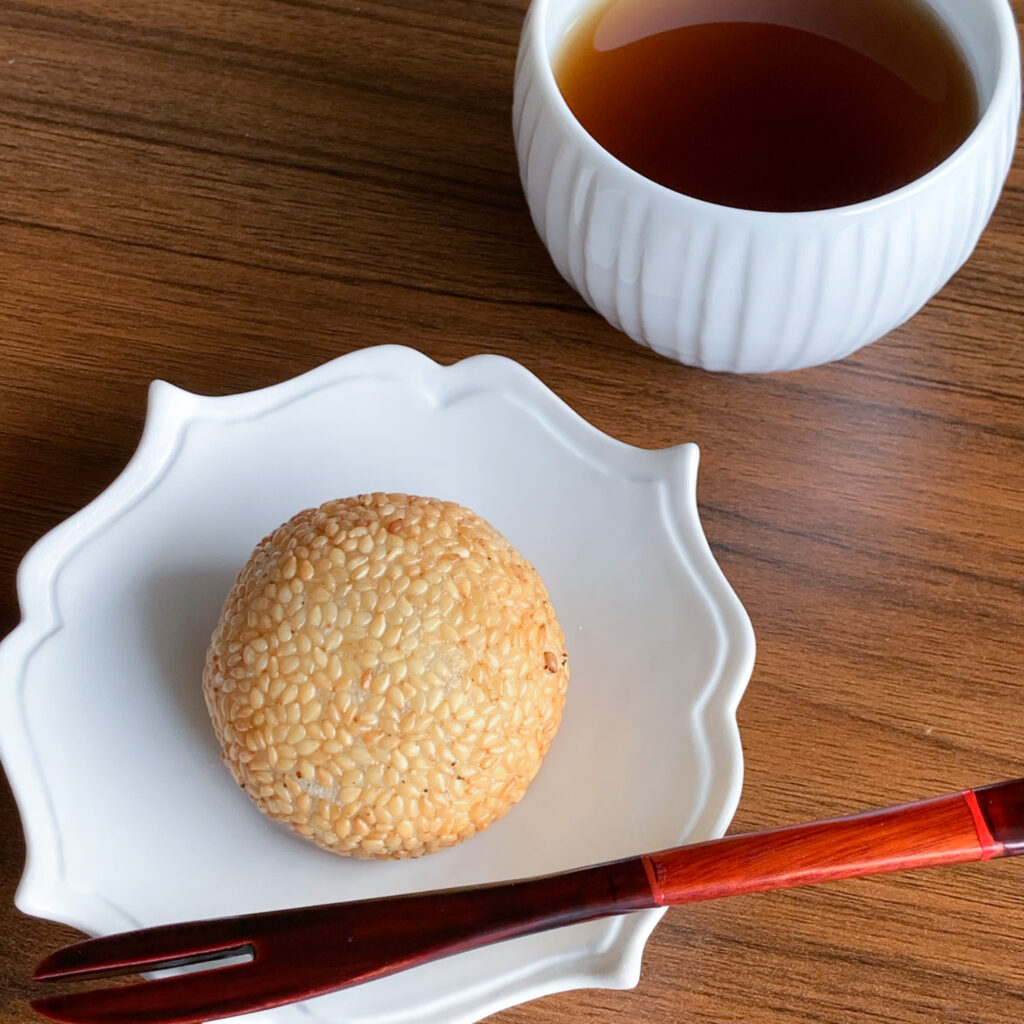
- Goma Dango (Sesame Balls): Crispy, fried shiratama flour shells filled with sweet Anko and rolled in sesame seeds.
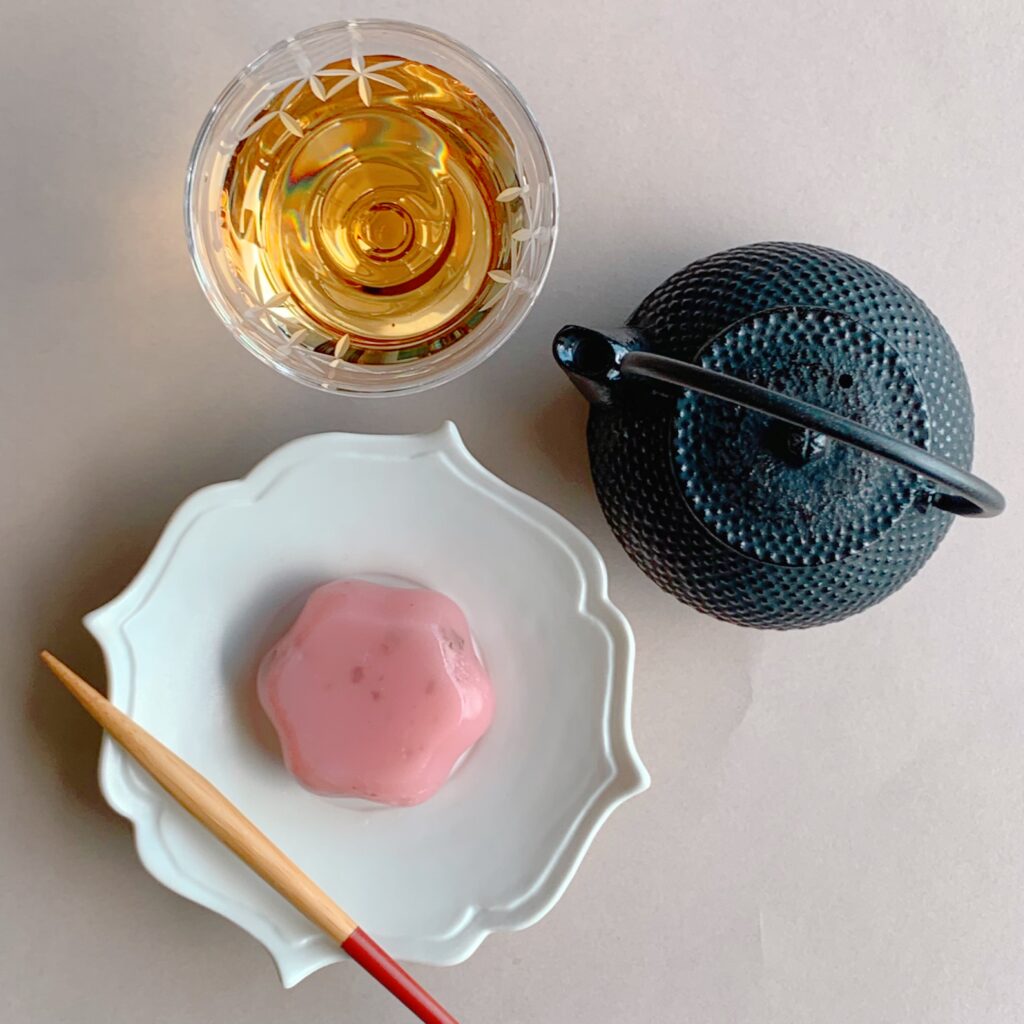
- Sakura Yokan Jelly: An elegant, floral dessert. By using gelatin instead of agar-agar, this jelly achieves a soft, melt-in-your-mouth texture that perfectly carries the scent of cherry blossoms.
Homemade Anko (Sweet Red Bean Paste)
About Soaking Azuki Beans
Unlike soybeans, azuki beans typically do not need to be soaked in water before cooking.
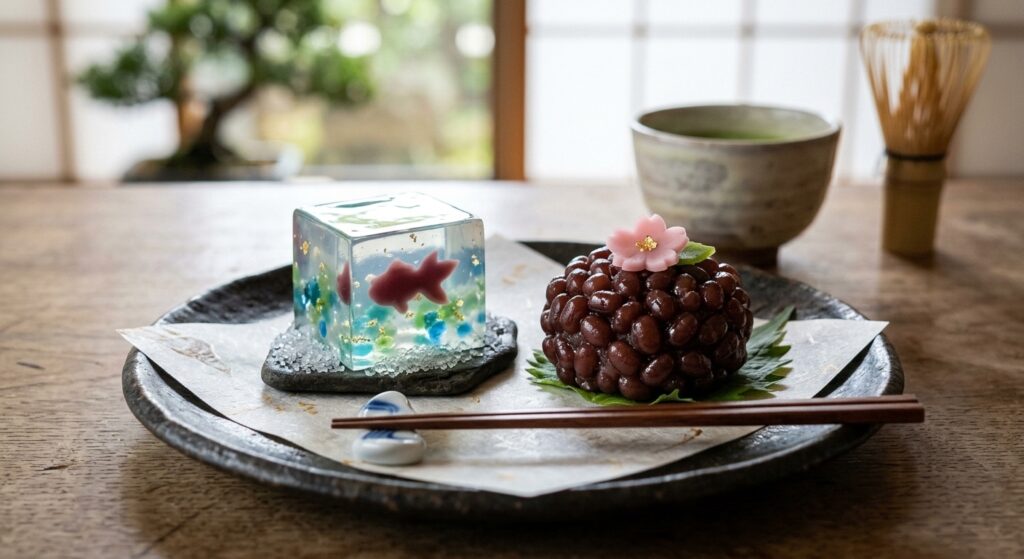
If azuki beans are soaked, the starch inside absorbs water and expands. When cooked in this state, the tough skins cannot withstand the internal pressure and end up bursting. This phenomenon is known as “belly cracking” (dō-ware). For boiled beans where visual appearance is important, or for traditional sweets like kanoko (as seen on the right in the photo), the beans are washed and cooked immediately without soaking, allowing them to soften slowly over heat. (While adding baking soda to the cooking liquid is known to prevent belly cracking and speed up cooking, it has the drawback of significantly accelerating vitamin loss.)
However, when I make sweet red bean paste (anko), I use a pressure cooker. For this method, I soak the azuki beans in water for several hours or overnight. This is because a pressure cooker raises the temperature rapidly in a short amount of time, which would cause pre-soaked beans to burst violently; soaking them beforehand actually serves to prevent this. Even if some belly cracking occurs, it doesn’t matter because the anko is ultimately mashed until the bean shapes disappear.
Ingredients
※100g of adzuki beans can yield 170g of strained bean paste.
- Azuki Beans: 150g (dried)
- Sugar: 150g (Adjust between 80g–150g based on your preference)
- Salt: a pinch (approx. 0.5% of sugar weight)
- ①Water for soaking: 150g
- ②Water for Shibukiri (initial boil): 1L
- ③Water for pressure cooking: 150g
Pro Tip: The Contrast Effect > To make your Anko truly sing, use a sugar weight equal to 100% of the dry bean weight. Adding a tiny pinch of salt (0.5%) at the end actually makes the beans taste sweeter!
Instructions
1. Soaking Azuki Beans
Soak the 150g of azuki beans in 150g of water overnight.
2. Shibukiri (Removing Bitterness)
- Wash the soaked beans once.
- Place the beans and 1L of water in a pot. Boil for 10 minutes.
- Drain the beans into a colander and discard the purple water. This process removes the harsh tannins (bitterness) while preserving the bean’s color and aroma.
3. Pressure Cooking
- Place the parboiled beans and 150g of fresh water into the pressure cooker.
- Safety Tip: When cooking beans in a pressure cooker, check the cooking capacity of the pressure cooker you are using.
- ⚠️Warning: Do not exceed the maximum capacity when cooking beans in a pressure cooker, as it may cause them to boil over and create a serious spill.
- If using a gas pressure cooker, place a weight (a colander that comes with the gas pressure cooker) on top of the beans to prevent the bean skins from blocking the steam vent or safety valve of the gas pressure cooker. If you are using an electric pressure cooker, this method is not necessary.
- Cook under pressure for 25 minutes. (25 minutes is the “sweet spot”—15 minutes is often too short to achieve the desired softness).
- If you don’t have a pressure cooker, simmer in a regular pot for 1 to 2 hours until soft.
4. Sweetening & Finishing
- Once the pressure is fully released, open the lid. Check that the beans are soft before proceeding.
- Add the sugar. (Remember: adding sugar too early prevents the beans from softening further).
- Simmer uncovered, stirring occasionally, until most of the water has evaporated.
5. The Final Touch
- Just before all the moisture is gone, add a pinch of salt. This creates a “contrast effect” that heightens the sweetness of the sugar.
- Once the desired consistency is reached, spread the anko out in a clean, flat container to cool quickly.
Storage
Store in the refrigerator once cooled. If you have made a large batch, anko freezes beautifully! Simply portion it into wrap or airtight bags for future use in yokan, dorayaki, or ohagi.
Enjoy your authentic, homemade Japanese treat!
Read the Japanese version of this article here! [【管理栄養士が教える】小豆の栄養と自家製あんこの黄金比レシピ|圧力鍋で簡単・失敗なし!]

コメント