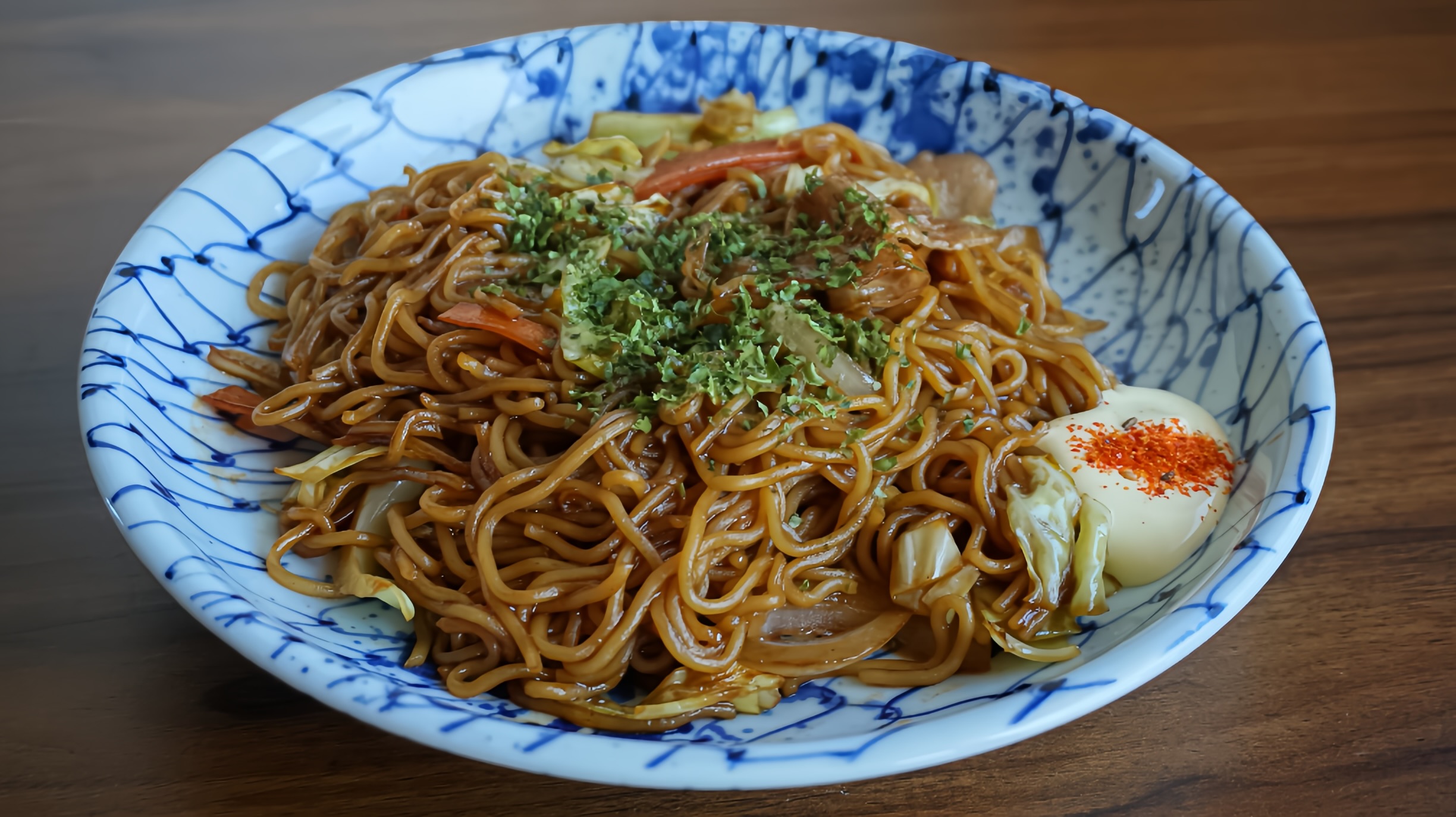
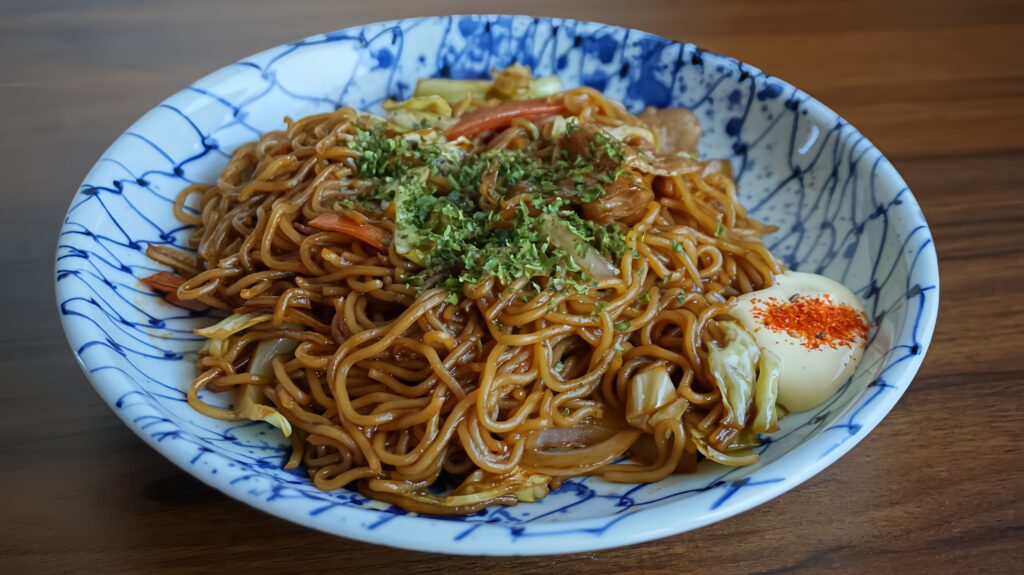
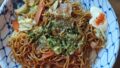
Sauce Yakisoba(ソース焼きそば)
Goodbye Powder! Homemade Yakisoba Sauce Recipe by a Nutritionist
Yakisoba Sauce Recipe: Why I Stopped Using the Pre-packaged Powder
Do you love Yakisoba but feel a bit hesitant about the pre-packaged “powder sauce” that comes with the noodles?
I used to feel the same. The “gritty” texture of the undissolved powder, the intense thirst-inducing saltiness, and that artificial aftertaste… Plus, as a nutritionist, I love packing my Yakisoba with lots of vegetables. But the more veggies you add, the more diluted the flavor becomes because there’s never enough powder!
That’s why I created this Golden Ratio Yakisoba Sauce using everyday pantry staples like Kagome Worcestershire sauce and Ketchup.
The Secret Ingredient: Ketchup
By adding ketchup as a secret ingredient, you get a beautiful mellow sweetness and depth (umami) that powder simply can’t match. Making it yourself gives you the peace of mind of knowing exactly what’s inside, and you can easily scale it up for those “veggie-heavy” days.
🥣 The Golden Ratio Sauce (Ingredients)
- Worcestershire sauce (Kagome): 40g
- Chuno sauce (Semi-sweet sauce): 15g
- Ketchup (Kagome): 10g
- Sake: 10g
- Soy sauce: 10g
- Sugar: 6g
- Mirin: 4g
- Chicken broth mix (powder): 1g
Not sure which sauce to use?
In Japan, we use different types of savory sauces like Worcestershire sauce and Chuno sauce (semi-sweet). If you’re wondering about the differences or looking for the best substitutes, I’ve got you covered!
Check out my detailed guide on Japanese sauces here: 👉 About the different types of sauces
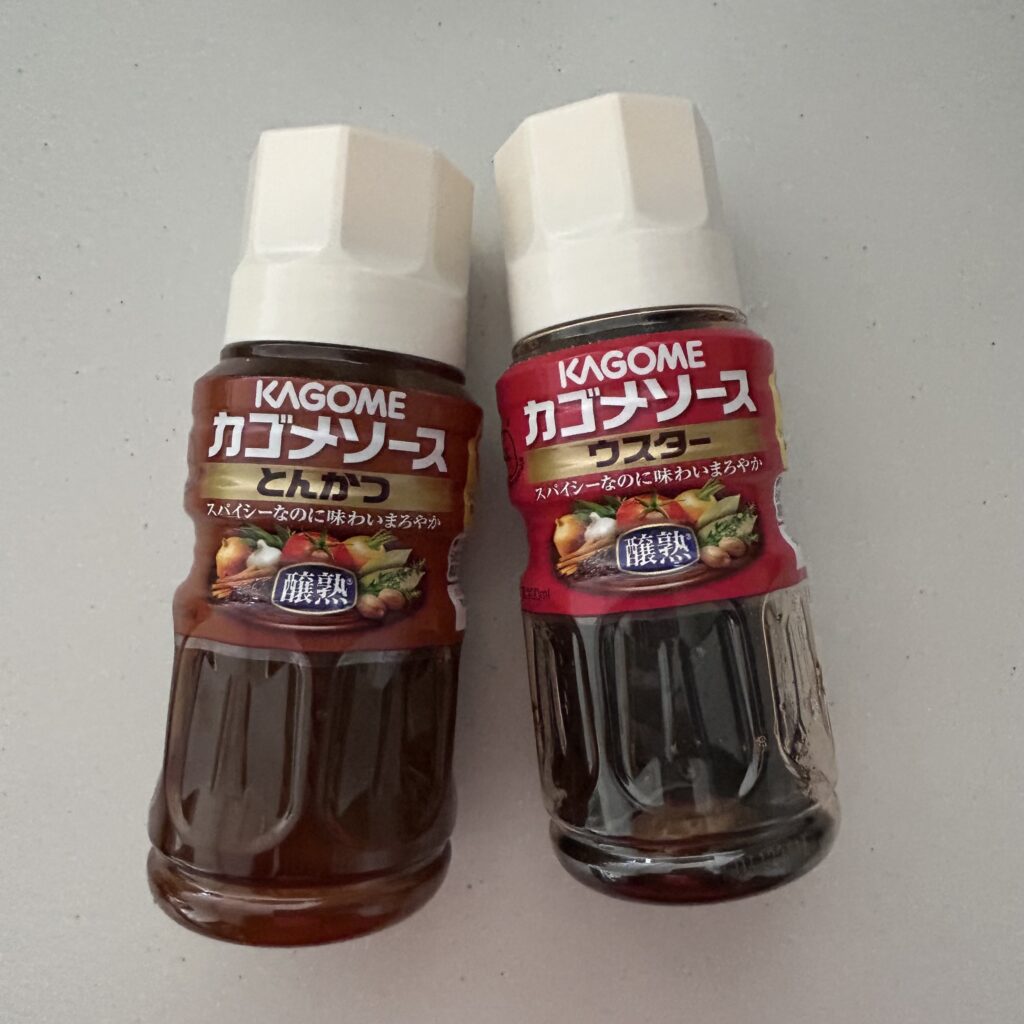
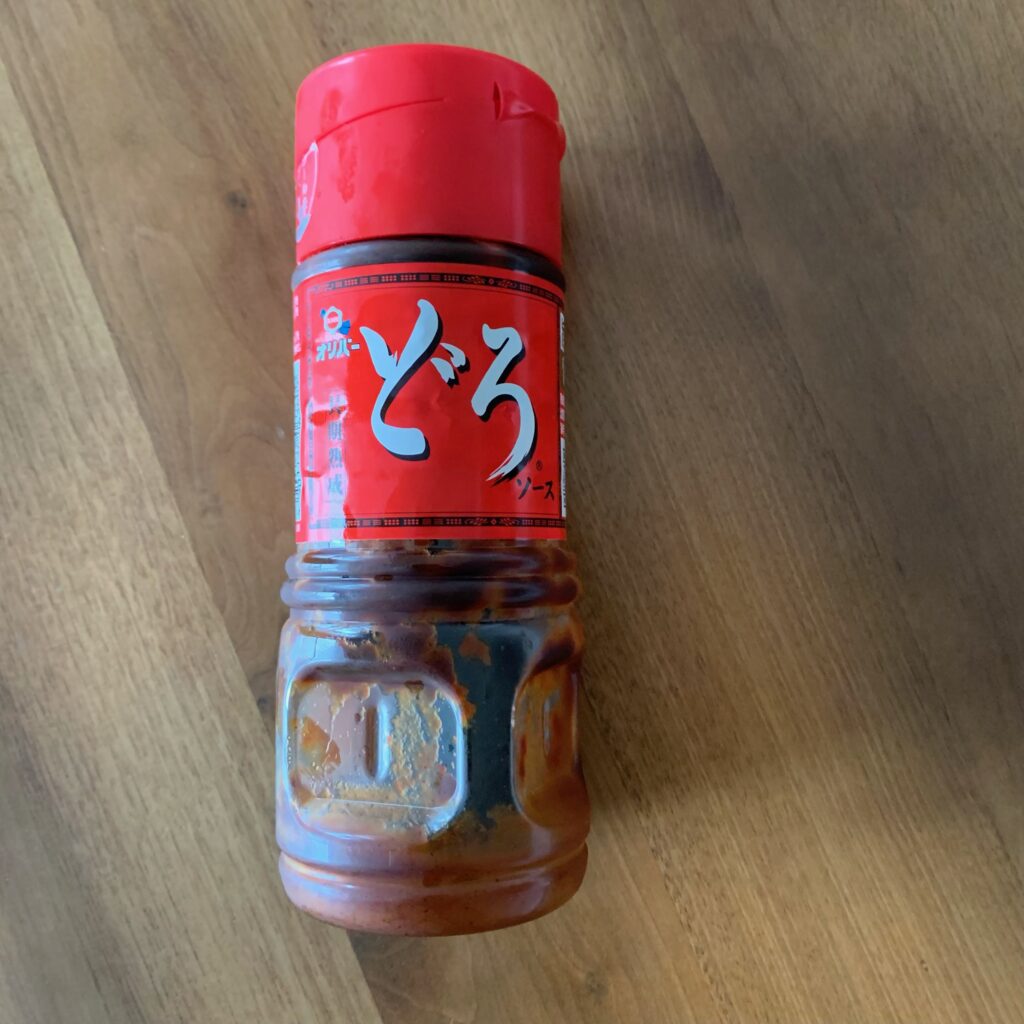
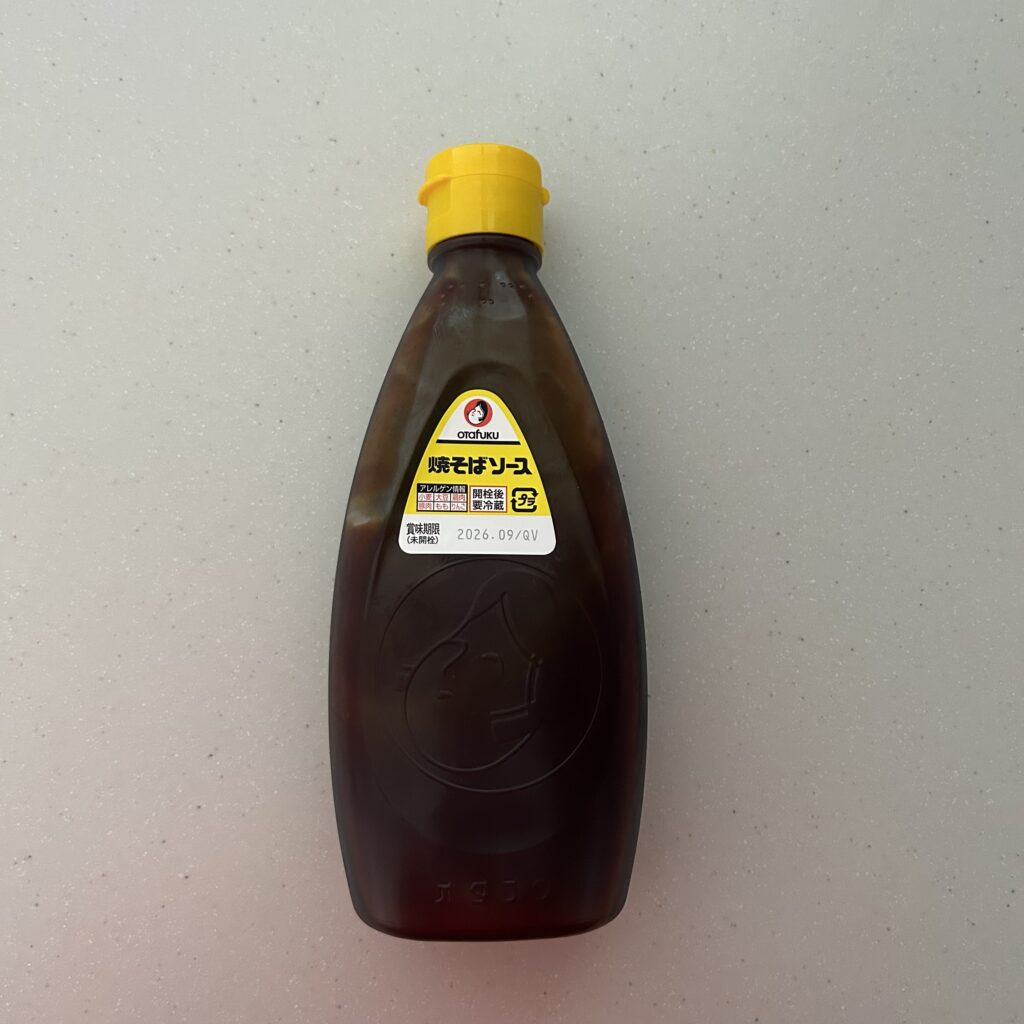
The thick sauce has a nice spice to it.
🥬Tips for the Best Yakisoba
1. Choosing Your Protein
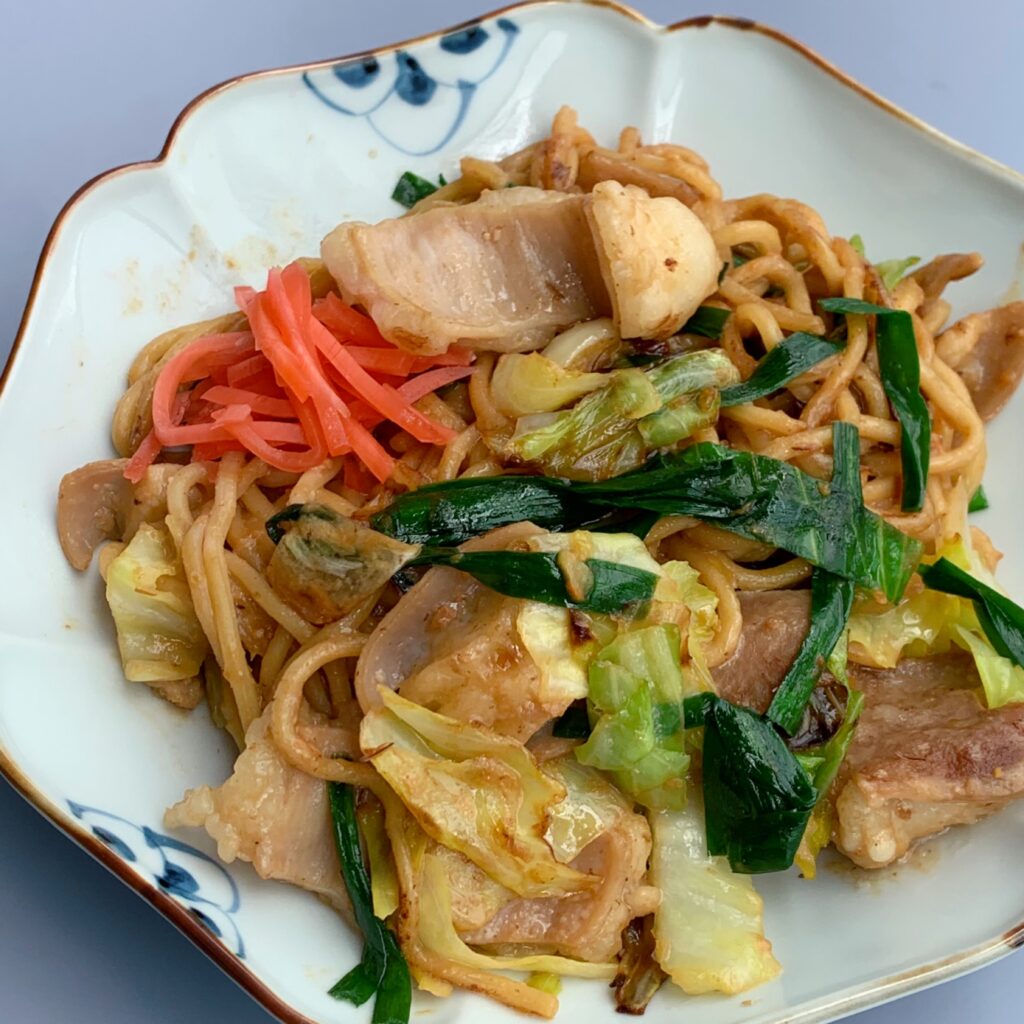
- For the Ultimate Flavor: Use Pork Belly. The rendered fat melds with the ketchup in the sauce to create an incredible richness.
- For a Healthier Option: Try Pork Loin, or even Kamaboko (fish cakes) and Chikuwa. Since I love topping my Yakisoba with mayonnaise and Japanese mustard (Karashi), I often choose leaner proteins like fish cakes to balance out the calories!
🤤Craving something even richer?… Don’t miss this! While pork belly is a classic, Horumon (Japanese offal/beef tripe) takes Yakisoba to a whole new level of deliciousness. The intense umami from the melting fat creates a flavor that is simply irresistible! Check out my special recipe for Horumon Yakisoba here: 👉 [Hormone yakisoba recipe (stir fry noodles and offal)]
2. The Vegetable Rule: No Bean Sprouts!
To avoid a soggy mess, I don’t add bean sprouts. They release too much water, which dilutes my precious homemade sauce. Instead, sauté cabbage and carrots thoroughly to bring out their natural sweetness.
3. Essential Toppings
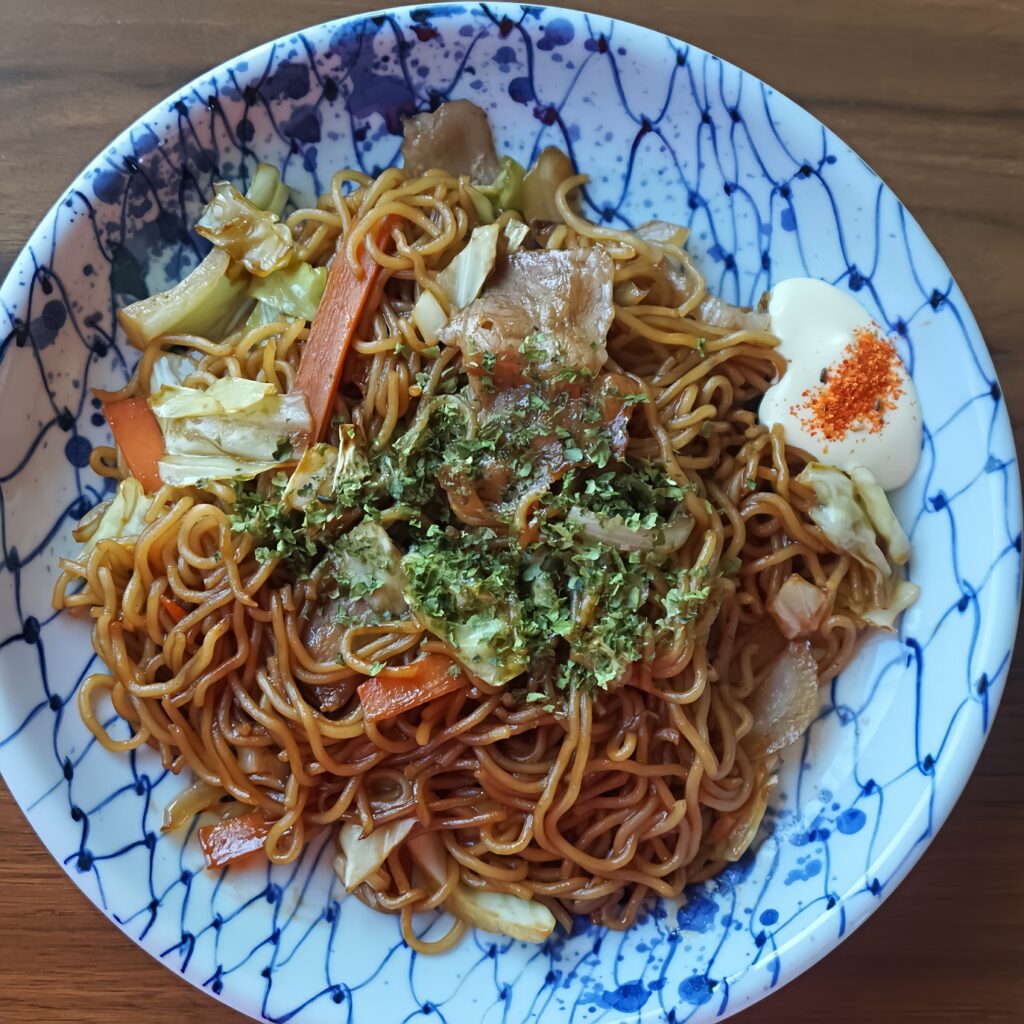
- Aonori (Dried Green Seaweed): This is the soul of the dish. Without it, the sauce’s potential isn’t fully realized!
- The Adult Twist: A combination of Mayonnaise + Karashi (Japanese Mustard) or Shichimi (Seven-spice chili). The spiciness cuts through the sweetness of the ketchup perfectly.
4. The Best Noodles
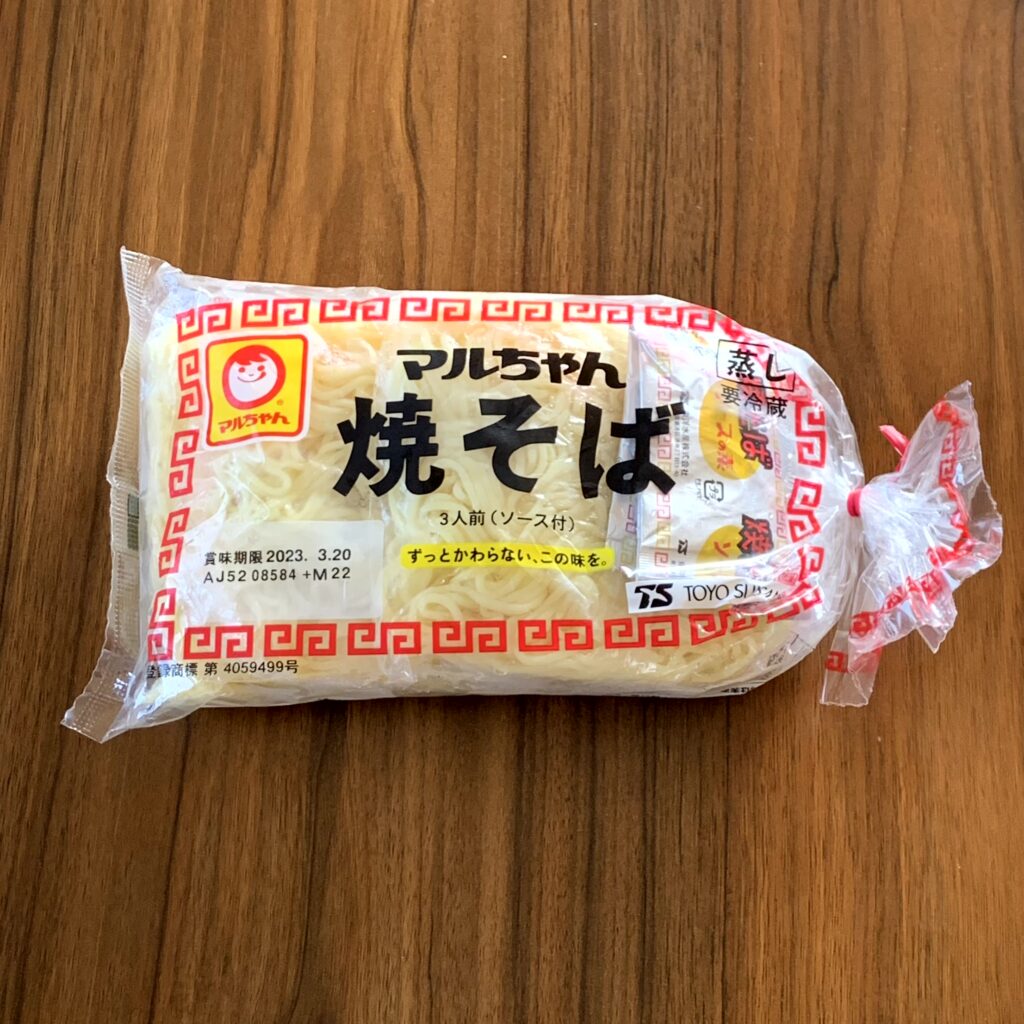
I highly recommend Maruchan Yakisoba Noodles. The balance between the thickness and the “koshi” (chewiness) is simply the best.
🗺️ Explore Local Flavors: “Gotochi Yakisoba”
Did you know that different regions in Japan have their own unique styles of Yakisoba? These are known as “Gotochi Yakisoba” (local specialty noodles).
The “Big Three” Yakisoba styles in Japan are:
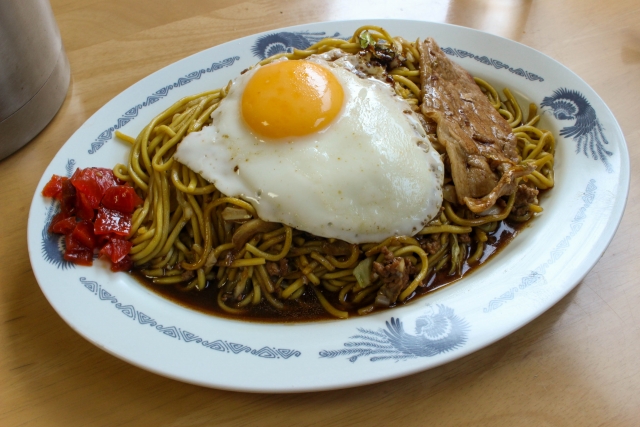
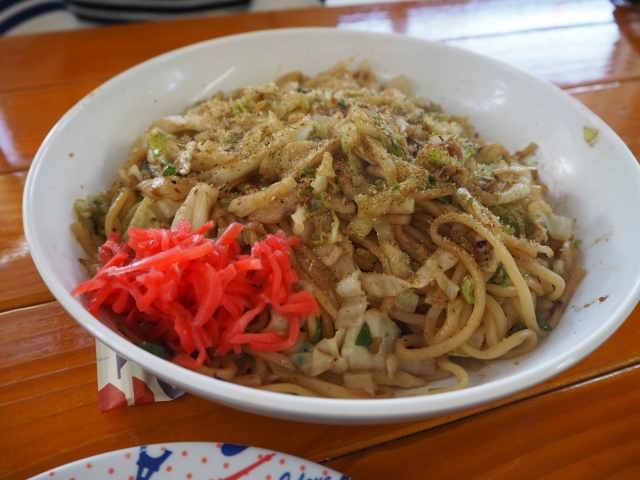
- Yokote Yakisoba (Akita Pref.): Features minced pork and cabbage, topped with a sunny-side-up fried egg and red Fukujinzuke pickles. The runny yolk creates a creamy, delicious sauce.
- Fujinomiya Yakisoba (Shizuoka Pref.): Known for its chewy noodles cooked with Nikukasu (crispy pork bits/lard) and finished with a generous dusting of Sardine Powder (Iwashi-no-kezuriko) for a deep seafood umami.
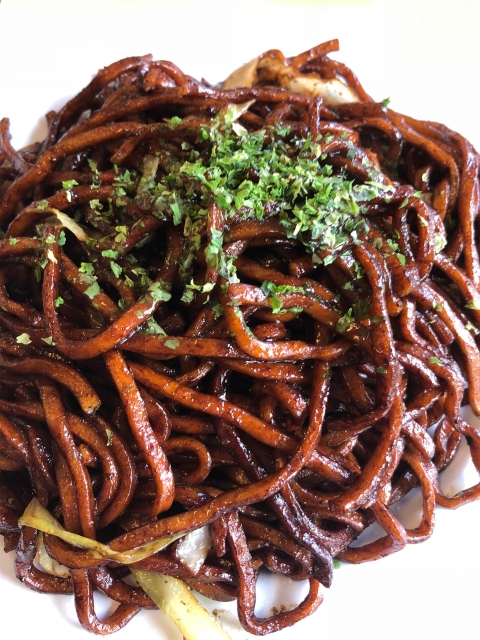
- Ota Yakisoba (Gunma Pref.): A simple yet bold style using only cabbage (no meat!). It’s characterized by a thick, dark sauce and a heavy topping of Aonori (green seaweed).
As you can see, Yakisoba has endless variations! There are no strict rules, so feel free to experiment with my golden ratio sauce and find your own favorite style. Have fun and enjoy your own unique taste!
📊 Nutrition Facts (Per Serving): Sauce Yakisoba
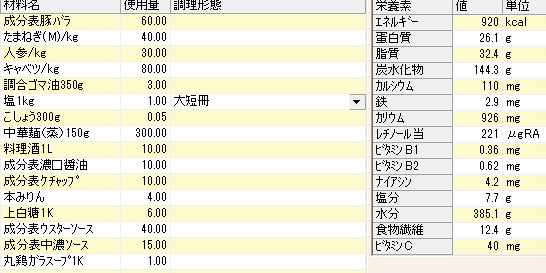
Calories: 460 kcal / Sodium: 3.8 g (Total 2 servings: 920 kcal / 7.7 g Sodium)
Nutritionist’s Comment: By making your own sauce, you can reduce the salt content compared to pre-packaged powder sauces without sacrificing flavor! This recipe is about 20-30% lower in sodium than typical instant yakisoba, making it a healthier choice for your family.
🥣INGREDIENTS (2SERVINGS): Sauce Yakisoba
The Main Ingredients
- Steamed Chinese Noodles (Yakisoba noodles): 300g
- Pork Belly Slices: 60g
- Cabbage: 80g
- Onion: 40g
- Carrot: 30g
- Sesame Oil: 3g
- Salt: 1g
- Pepper: A pinch (moderate amount)
The Golden Ratio Sauce (Mix these in a small bowl before cooking)
- ☆Worcestershire Sauce: 40g
- ☆Chuno Sauce: 15g
- ☆Ketchup: 10g
- ☆Sake: 10g
- ☆Soy Sauce: 10g
- ☆Sugar: 6g
- ☆Mirin: 4g
- ☆Chicken Broth Mix (powder): 1g
🍳 How to Make : Sauce Yakisoba
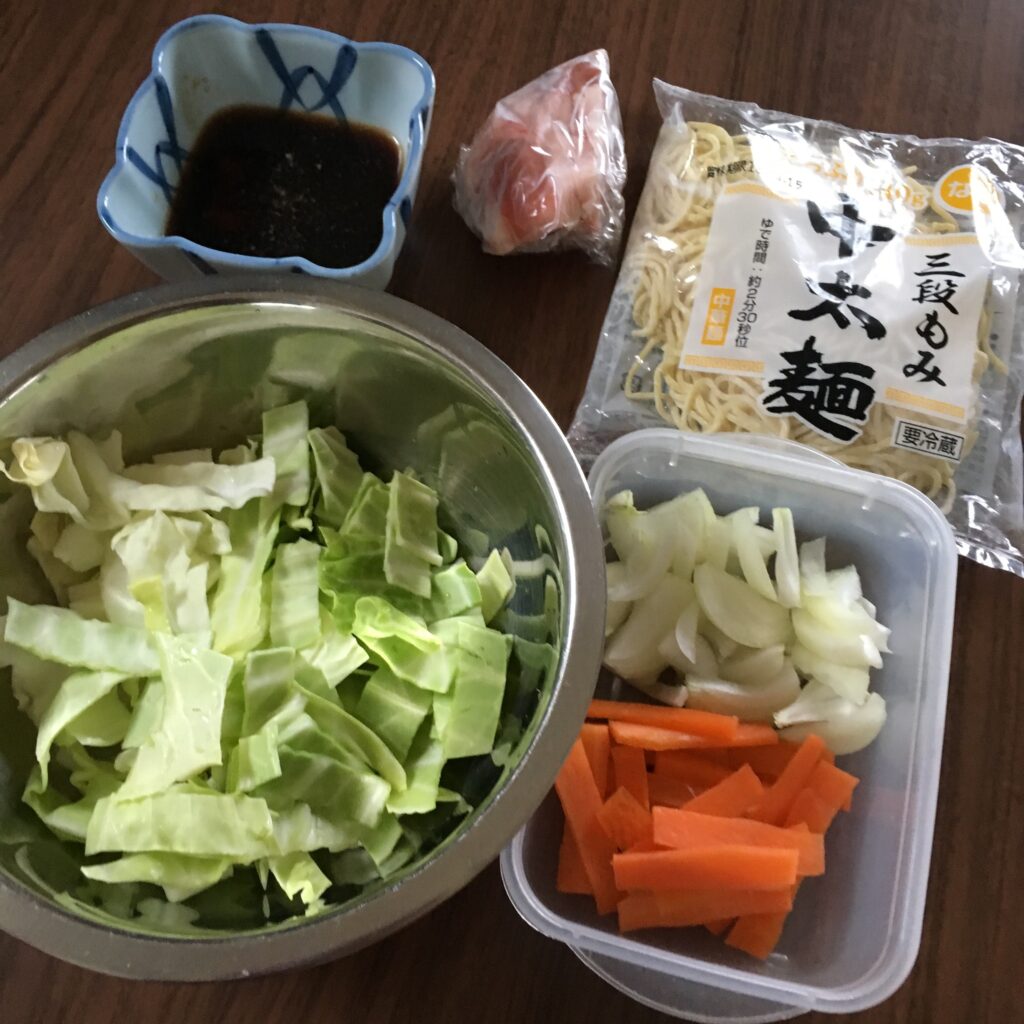
- Prep the Veggies: Cut the onion, carrot, and cabbage into 1cm thick julienne strips (shreds). This ensures they cook evenly and match the shape of the noodles.
- Prep the Sauce: In a small bowl, combine all the ☆ ingredients and mix well.
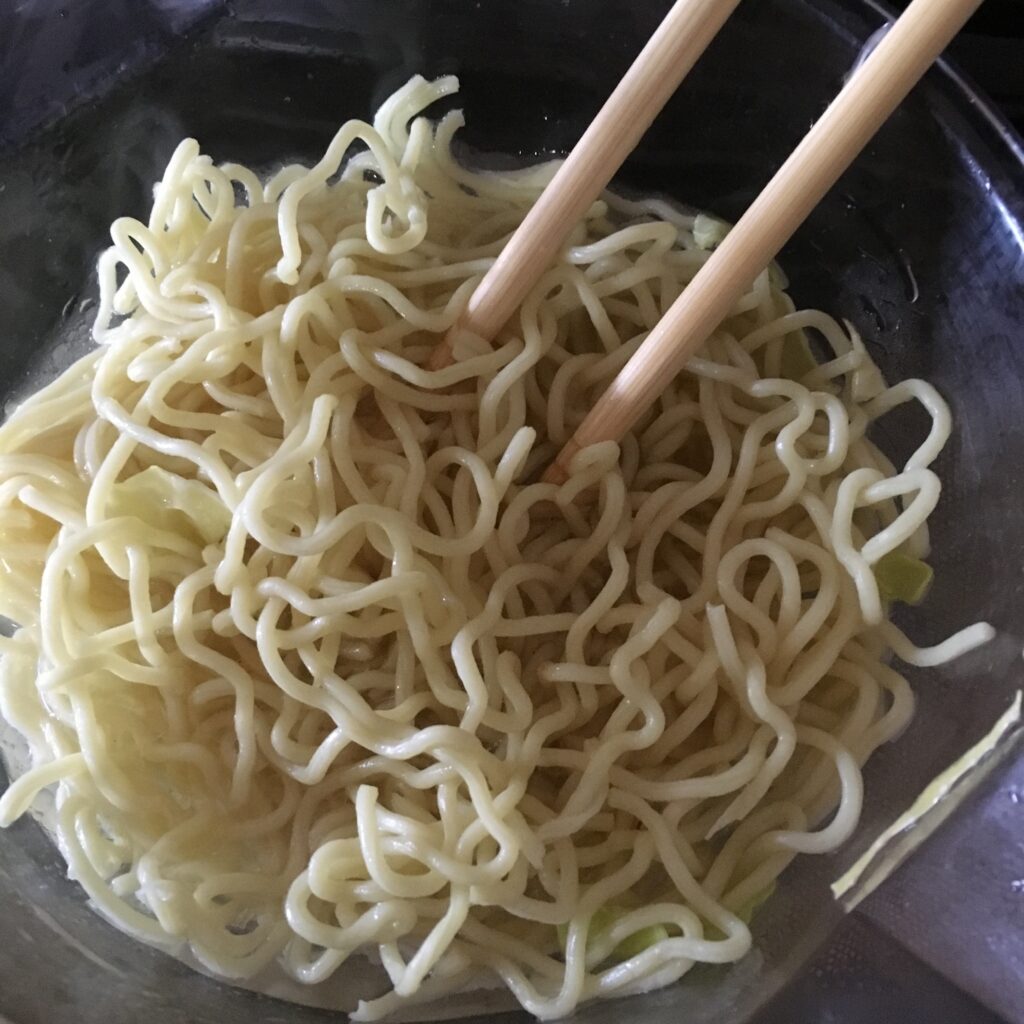
- The Secret to Perfect Noodles: Soak the steamed Yakisoba noodles in lukewarm water to loosen them gently. As soon as they are separated, drain them immediately. This is a crucial step to prevent the noodles from breaking during stir-frying!
- Sauté the Meat: Heat sesame oil in a large pan. Add pork belly, salt, and pepper. Cook until the pork starts to brown and its flavorful fat is rendered.
- Add Vegetables: Add the prepared onion, carrot, and cabbage. Sauté until the vegetables are tender yet crisp.
- Combine: Add the pre-loosened noodles to the pan with the vegetables.
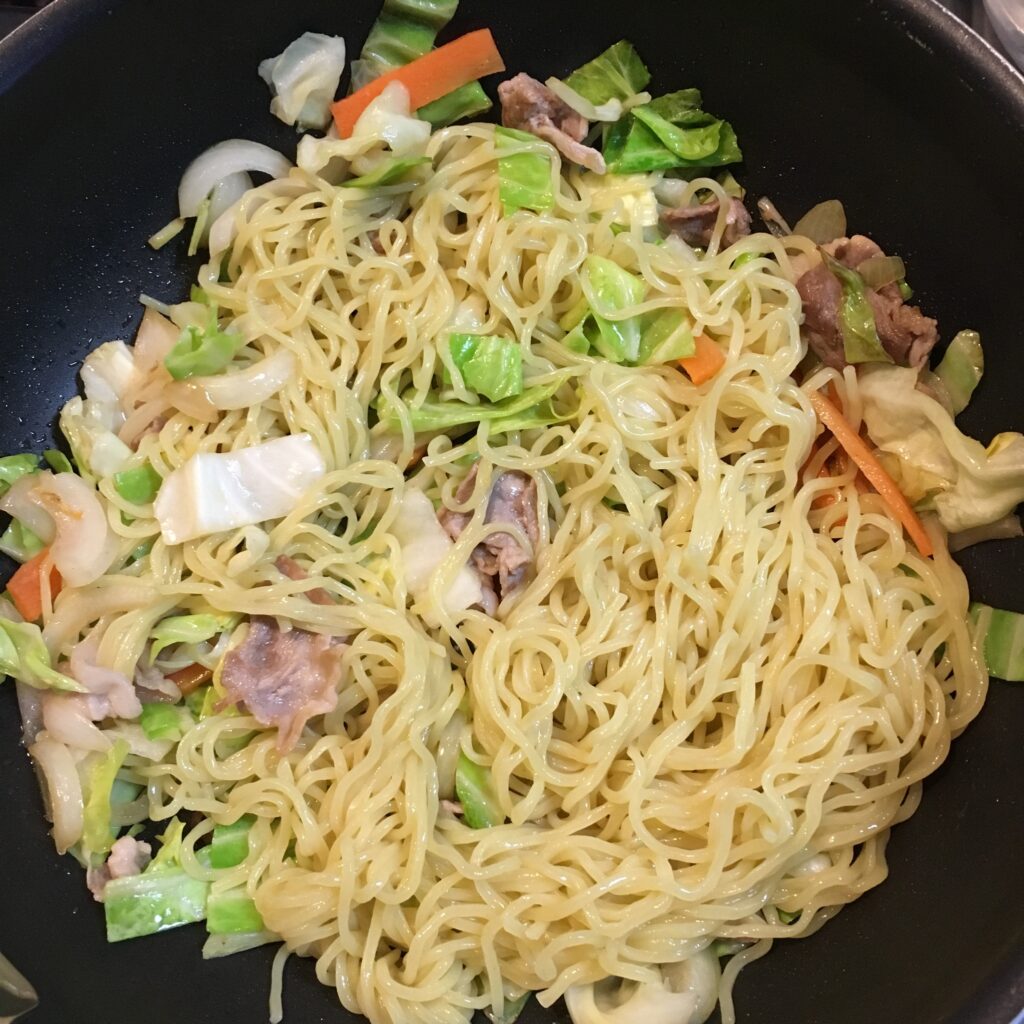
- The Grand Finale: Pour the pre-mixed sauce over everything. Stir-fry quickly on high heat until the sauce is evenly distributed and slightly caramelized.
- Toppings: Serve on a plate and top with plenty of Aonori. Add Mayonnaise and Karashi if you like!
🥢 Today’s Menu: Savory Homemade Yakisoba Feast
A satisfying lunch featuring my signature yakisoba, paired with fragrant grilled chicken wings and refreshing side dishes.
- Main: Classic Sauce Yakisoba with “Golden Ratio” Homemade Sauce
- Side: Crispy Salt & Pepper Chicken Wings (Tebasaki)
- Salad: Crunchy Cabbage and Corn Coleslaw
- Small Plate: Hiyayakko (Chilled Tofu) topped with Spicy Cod Roe
- Dessert: Fresh Seasonal Fruit (Strawberries & Orange)

💡 Nutritionist Naoko’s Pairing Tips
Since Sauce Yakisoba has a bold, sweet-and-savory profile, I’ve balanced the sides with salty and tangy flavors to keep the palate refreshed.
- Salt-Grilled Chicken Wings: While the yakisoba is rich, these wings offer a simple, savory contrast. A squeeze of lemon makes them the perfect partner!
- Coleslaw: A great way to add extra fiber. The gentle acidity serves as a perfect palate cleanser between bites.
- Tofu Topping: I added a touch of Mentaiko (spicy cod roe) for an extra kick of umami. It goes incredibly well with a cold glass of beer!
📖 Get the Full Recipes Here!
Transform your everyday lunch with these simple, pantry-staple recipes:
- Crispy & Fragrant: 👉 [Tebasaki shioyaki (salt and pepper chicken wings recipe) ]
- Easy & Kid-Friendly: 👉 [Cabbage and corn salad:This is easy to make and delicious!]
📖Related Link: Read the Japanese version of this article here! [粉はもういらない!究極の自家製焼きそばソース]

コメント