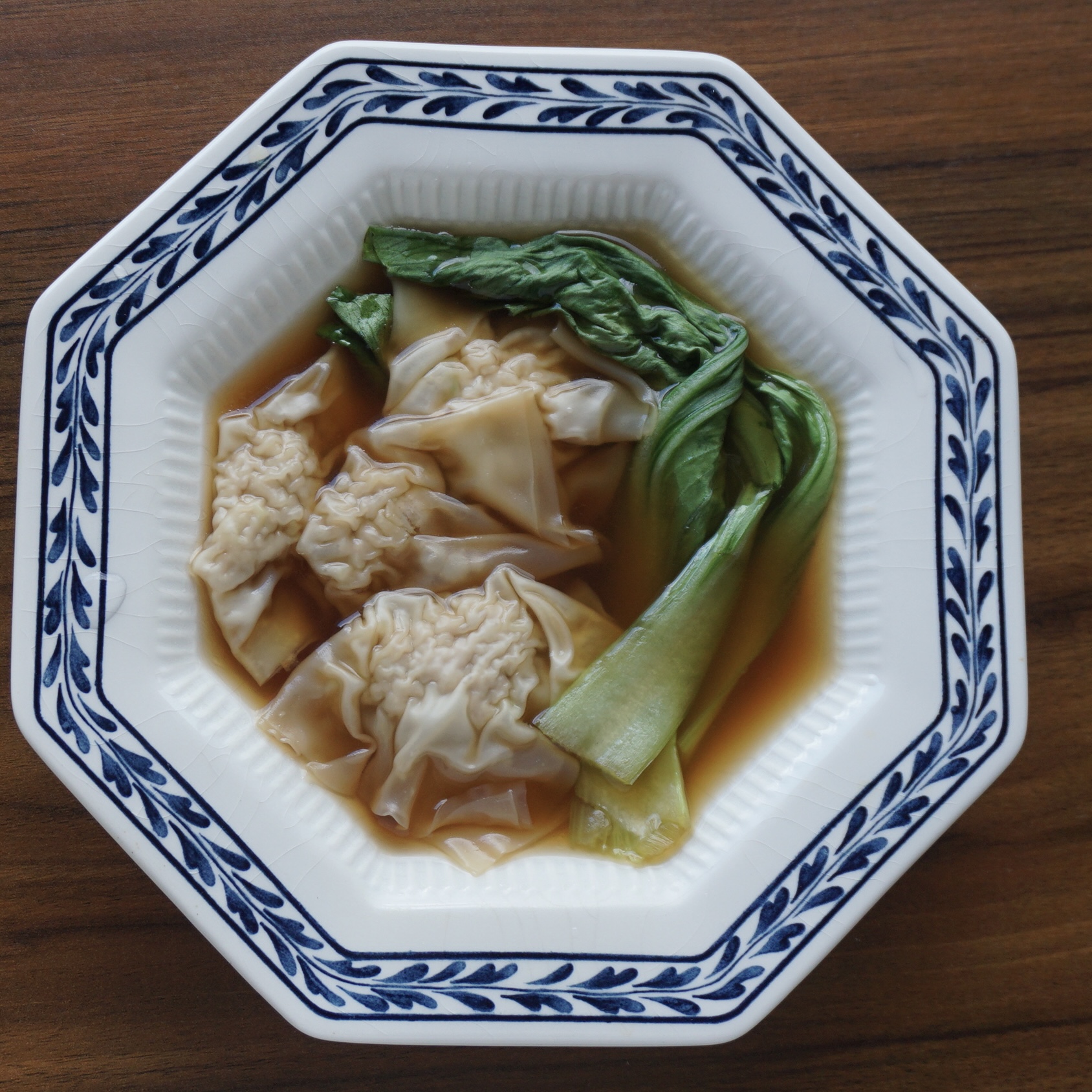
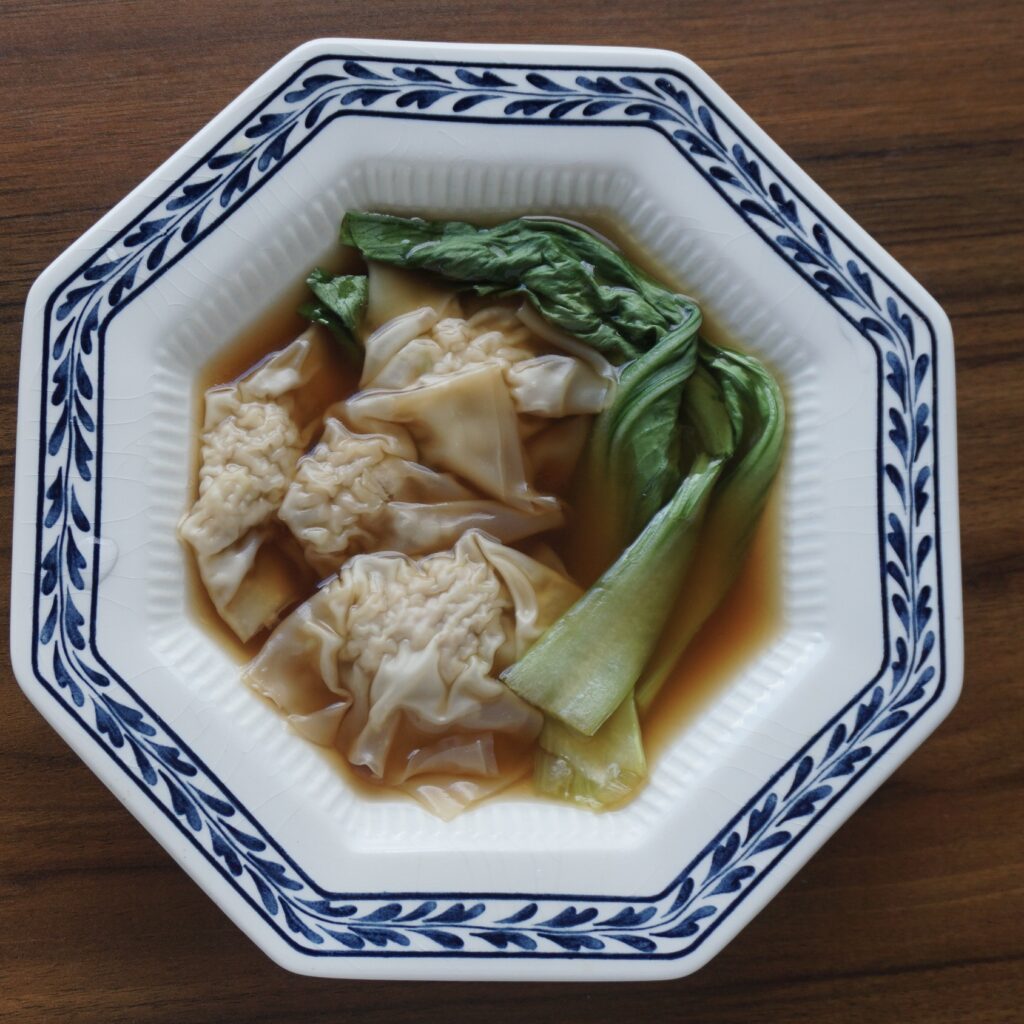
Soy Sauce Wonton Soup (Wantan-mian Style)
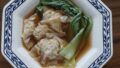
Discover the comfort of homemade Soy Sauce Wonton Soup (ワンタンスープ). This recipe features silky-smooth wontons paired with the satisfying crunch of bok choy in a deeply savory, aromatic broth. By using ground pork with a bit of fat (or adding chopped shrimp), you get a juicy, flavorful bite every time.
Pro Tip: This versatile soup base is highly concentrated. If you reduce the water to 500ml, it doubles as a professional-grade Soy Sauce Ramen (Shoyu Ramen) soup!
Wontons: A Famous Dim Sum with Deep Roots
Wontons are one of China’s most celebrated Dim Sum dishes, and in Japan, they have carved out their own legacy as a beloved ramen topping. But have you ever wondered about the meaning behind the name?
The Meaning Behind the Kanji
In Japanese and Chinese, wontons are written with two different sets of characters, each telling a unique story:
- 雲呑 (Wonton): This literally translates to “swallowing clouds.” The name comes from the way the delicate, thin wrappers float in the soup, resembling wispy clouds in the sky.
- 餛飩 (Hundun): This term refers to “chaos.” In ancient Chinese philosophy, it represented the state of the universe before it was formed. The dumplings, with their sealed wrappers containing a “world” of filling, were seen as a symbol of this primordial state.
A Global Family of Dumplings
The concept of wrapping seasoned meat in a thin dough is a universal comfort. While we call them wontons here, similar dishes exist all over the world under different names—such as Ravioli in Italy, Pelmeni in Russia, or Manti in Central Asia. It truly is a dish that connects different cultures through a single, delicious bite.
The Differences: Wontons vs. Gyoza vs. Shumai
While all three are popular types of Dim Sum made by wrapping a filling in a wheat dough, they each have distinct characteristics and textures.
- Wontons (雲呑)
- Wrapper: Square and very thin. They contain “kansui” (alkaline water), which gives the delicate skins a unique chewiness and a signature silky-smooth texture.
- Key Features: Wontons are made with a smaller amount of filling to emphasize the smoothness of the wrapper. They are primarily enjoyed as a topping in soups.
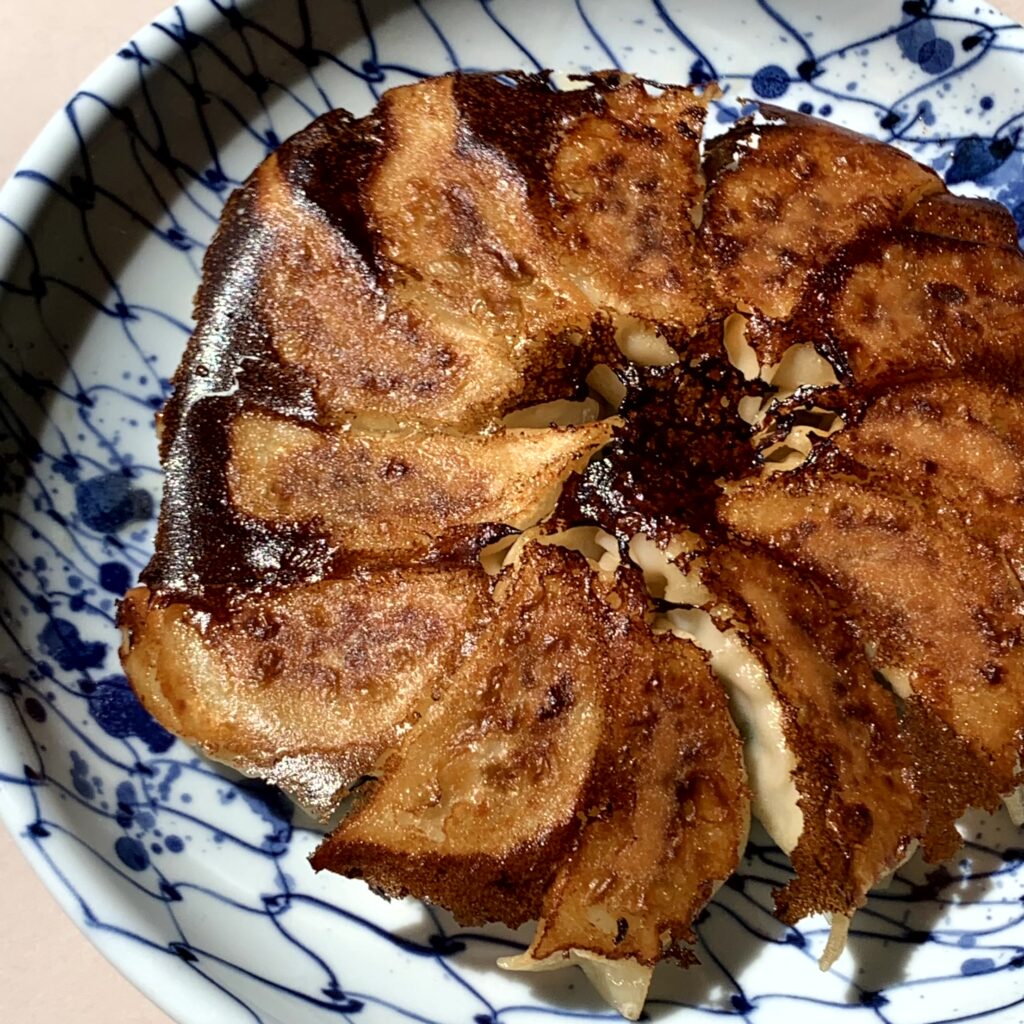
- Gyoza (餃子) 👉 Nira Gyoza: Japanese Pork and Garlic Chive Dumplings Recipe
- Wrapper: Round and thick. These are known for their satisfying, chewy (mochi-mochi) texture.
- Key Features: They are pleated to hold a generous amount of filling. Gyoza are versatile and can be pan-fried, boiled, or steamed. Typically served with a dipping sauce, they are a hearty choice for a main dish or side.
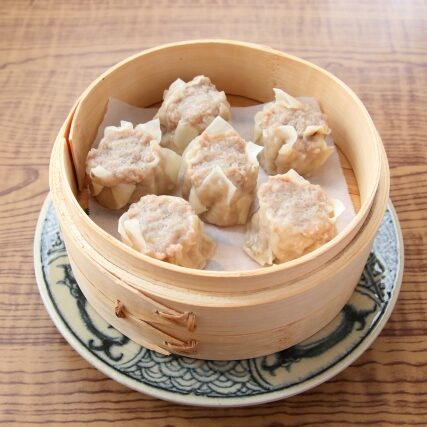
- Shumai (焼売) 👉 No need to wrap! Hana Shumai (Flower Steamed Dumplings)
- Wrapper: Usually square (sometimes round) and very thin, similar to wonton wrappers.
- Key Features: The defining characteristic is that they are steamed with the top left open. This method concentrates the meat’s savory juices, making them incredibly succulent. In Japan, they are famously topped with a green pea or a whole shrimp for added flair.
栄養価
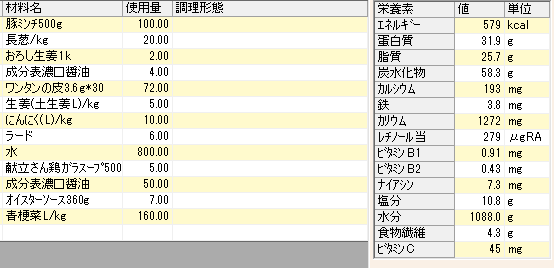
TOTAL (Serves 4)
- Calories : 579 kcal
- Protein: 31.9 g
- Total Fat : 25.7 g
- Total Carbohydrates: 58.3 g
- Sodium: 10.8 g
PER SERVING
- Calories: 145 kcal
- Protein: 8.0 g
- Total Fat: 6.4 g
- Total Carbohydrates: 14.6 g
- Sodium: 2.7 g
Ingredients (Serves 4)
For the Aromatic Soup Base:
- White Leek (Negi): Green portion of 1 stalk
- Ginger: 5g (sliced)
- Garlic: 10g (smashed)
- Lard: 6g
- Water: 800ml
- Chicken Broth Mix: 5g
- Dark Soy Sauce: 50g
- Oyster Sauce: 7g
For the Wontons & Toppings:
- Ground Pork: 100g (regular or coarse grind)
- White Leek (Negi): 20g (finely minced white portion)
- Ginger: 2g (grated)
- Dark Soy Sauce: 4g
- Wonton Wrappers: 20 sheets (3.6g×20sheets)
- Bok Choy: 160g
Instructions
1. Prepare the Soup Base
- Separate the green and white parts of the leek. Smash the garlic and slice the ginger into rounds.
- In a pot, combine the lard, ginger, garlic, and leek greens. Sauté over medium heat until highly fragrant.
- Add the water. Bring to a boil, then reduce heat.
- Stir in the chicken broth mix, dark soy sauce, and oyster sauce. Simmer for a few minutes to let the flavors meld, then turn off the heat.
2. Make the Wonton Filling
- In a bowl, combine the ground pork, minced leek whites, grated ginger, and soy sauce.
- Knead the mixture thoroughly until it becomes tacky and well-combined.
3. Wrap the Wontons
- Place a wonton wrapper in your palm. Put about 5g (1 tsp) of filling in the center.
- Moisten two edges with water and fold into a triangle, pressing out any air.
- Bring the two side corners of the triangle together, overlapping them slightly with a dab of water to seal. (This creates the classic “cloud” shape).
4. Finish and Serve
- Bring the soup back to a gentle simmer. Add the bok choy and cook for 1–2 minutes.
- Carefully drop the wontons into the boiling soup.
- Cook for about 2–3 minutes until the wontons float to the surface and the wrappers look translucent. Serve immediately while hot.
📖Related Link: Read the Japanese version of this article here! []

コメント