All About Sweet Potatoes (Satsuma-imo)
Sweet potatoes are highly nutritious root vegetables. A member of the Convolvulaceae (morning glory) family, they are believed to have been introduced to Japan in the early 17th century, traveling from the Ryukyu Islands to the Satsuma domain. They are also known as Kansho or Kara-imo.
The growing season lasts from May to October, with the main harvest occurring between late October and early November. Interestingly, letting them “rest” for 2 to 3 months after harvest allows excess moisture to evaporate, which significantly enhances their sweetness.
Varieties and Textures
Modern breeding has created a wide range of flavors and textures. They are generally categorized into three types based on their cooked consistency:
- Flaky & Chest-like (Hoku-hoku): These have a traditional, elegant sweetness and a crumbly texture.
- Examples: Beni-azuma, Naruto Kintoki, Miyazaki-beni.
- Smooth & Moist (Shittori): These have a very fine, silk-like texture with almost no fiber, similar to eating yokan (sweet bean jelly).
- Examples: Silk Sweet, Beni-masari.
- Dense & Creamy (Nettori): Known for a sticky, honey-like consistency and intense sweetness. They taste like a natural dessert when roasted.
- Examples: Anno-imo, Beni-haruka.
The Sweetness Ranking
How sweet are they? For comparison, a high-quality melon has a sugar content of about 18%.
- Beni-haruka: The champion, reaching approximately 30%.
- Anno-imo: Approximately 20%.
- Beni-azuma: Approximately 14%.
- Silk Sweet: Approximately 8.8%.
History: From Famine Relief to the Shogun
Sweet potatoes spread across Japan because they could thrive in dry soil and withstand typhoons—conditions where rice cultivation often failed.
During a Great Famine in the 1700s, while many suffered, the Satsuma region had almost no starvation deaths thanks to their sweet potato crops. Seeing this success, Tokugawa Yoshimune (the 8th Shogun, famously known as “Abarenbo Shogun”) ordered nationwide cultivation.
Dietary Insight: In Satsuma, people also ate meat (which was prohibited in the capital at the time). This combination of sweet potatoes and protein likely contributed to the large stature of famous figures like Saigo Takamori, who was reportedly 180cm tall—an exceptional height for that era.
Storage Tips & Regulations
- Standard Storage: They dislike cold and dryness. Wrap them in newspaper and keep them in a cool, dark, well-ventilated place (not the fridge).
- Leftovers: Once cut, wrap them in plastic and store them in the refrigerator’s vegetable drawer.
- The “Okinawa Rule”: You cannot take raw sweet potatoes (including the famous Beni-imo) out of Okinawa. This is a legal restriction to prevent the spread of specific pests unique to the islands. However, processed souvenirs like “Beni-imo Tarts” are perfectly fine to carry home!
Health Benefits (Memo)
- Digestion: The combination of dietary fiber and Yalapin (a unique resin found in sweet potatoes) helps improve bowel movements.
- Vitamin C: Unlike many other vegetables, the Vitamin C in sweet potatoes is resistant to heat and is not easily lost during cooking.
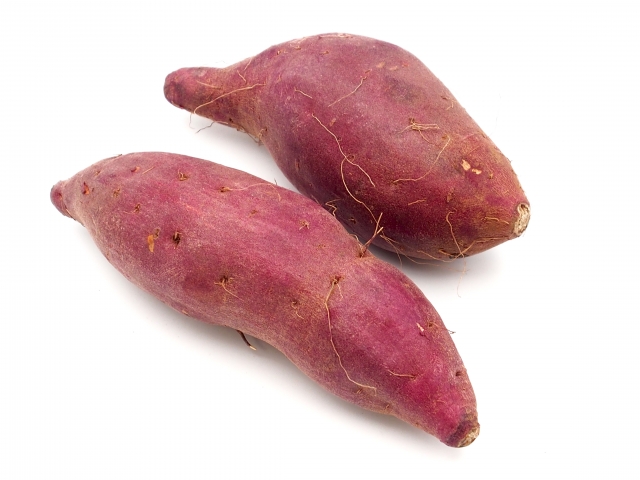
- Antioxidants: The purple skin contains anthocyanins, which provide high antioxidant benefits.
Nourishing Sweet Potato Recipes for Your Body and Soul
Understanding the different varieties and nutritional benefits of sweet potatoes makes cooking them even more enjoyable! From here, I’ll share some of my favorite recipes designed to bring out their best characteristics while nourishing both your body and soul. I hope you enjoy these seasonal flavors at your own table!
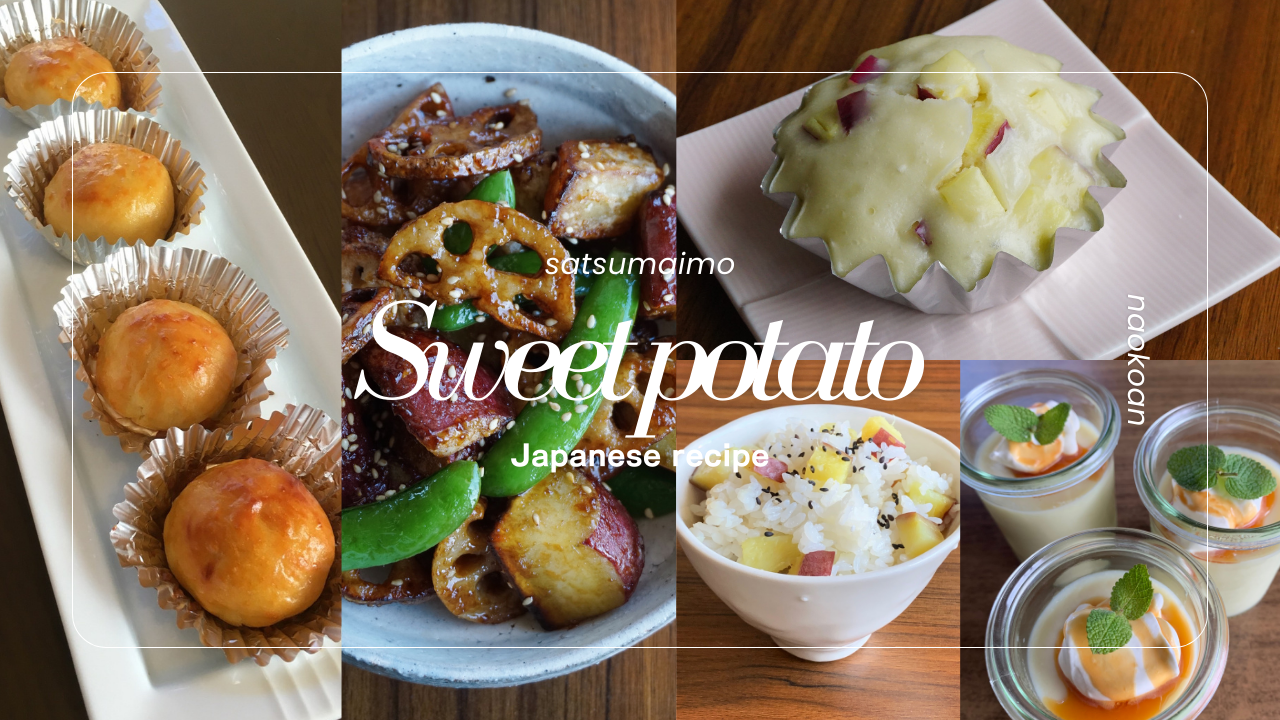
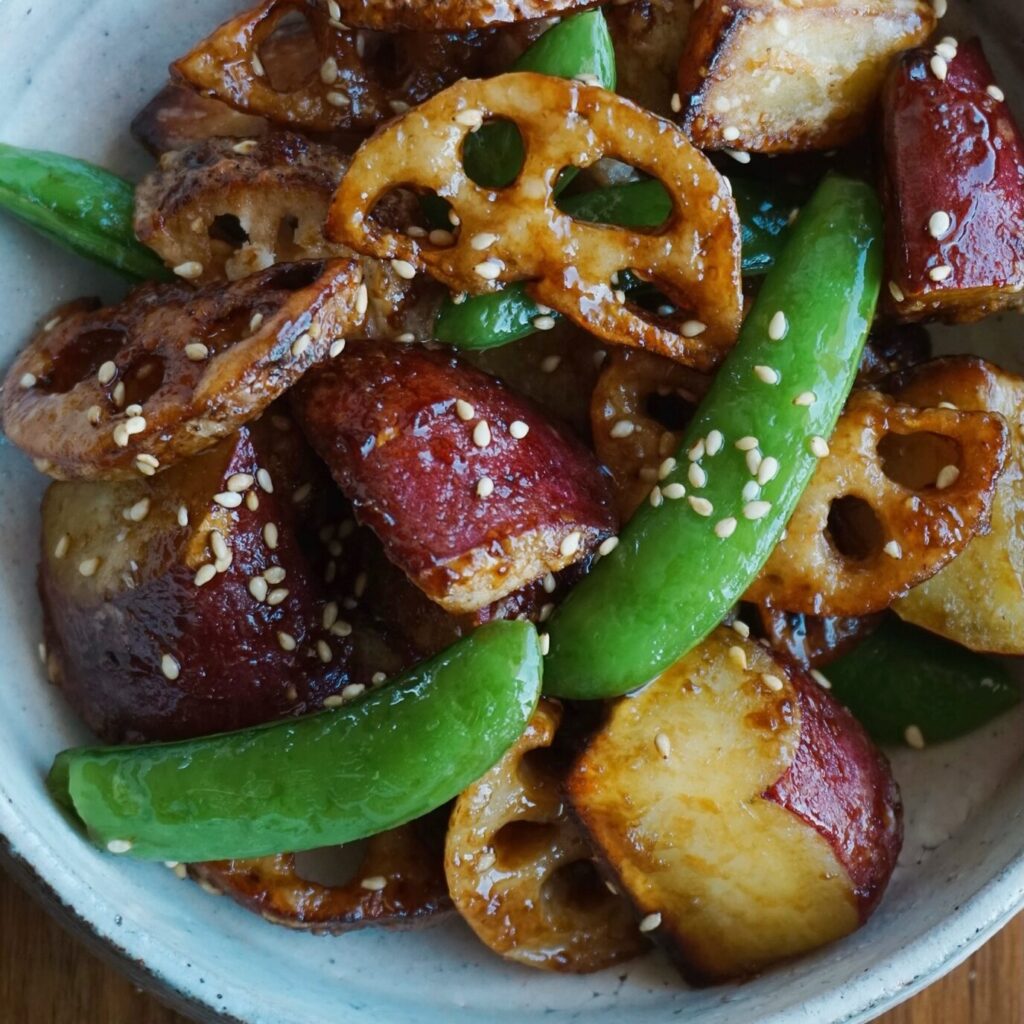
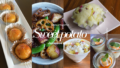
🥢 [Main Dish] Black Vinegar Amazu Glazed Sweet Potato & Lotus Root
This “Depachika-style” dish features the perfect harmony of seasonal sweet potatoes and crunchy lotus root, tossed in a rich black vinegar glaze. By coating the vegetables in potato starch before frying, we achieve an addictive “crispy-on-the-outside, fluffy-on-the-inside” texture that holds up beautifully even when cold. Using black vinegar instead of regular rice vinegar adds a sophisticated depth of umami and a mellow tang. It’s a satisfying, plant-based meal that’s as nutritious as it is delicious—keeping the skins on for maximum fiber and polyphenols!
📖 Related articles: Sweet and Sour “Amazu” Glazed Sweet Potato & Lotus Root
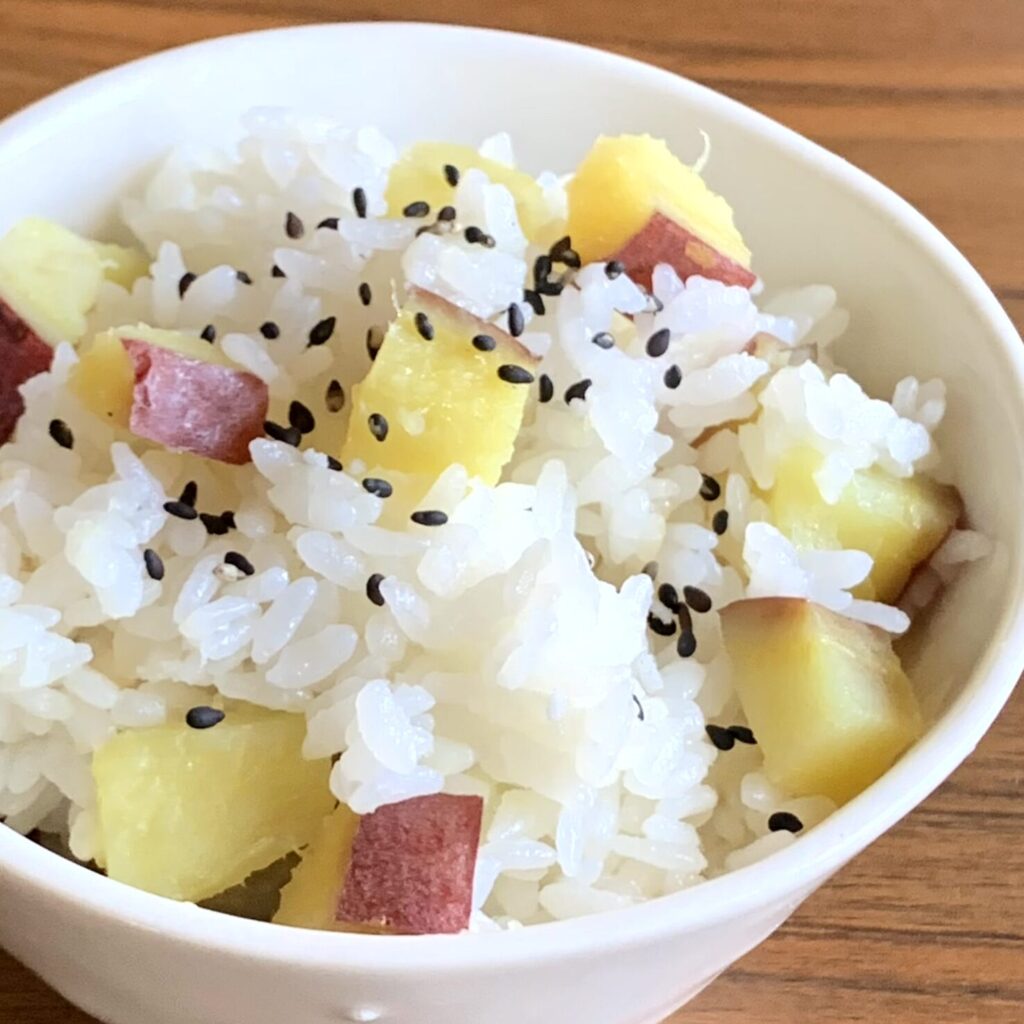
🍚 [Rice Dish] Satsumaimo Gohan (Sweet Potato Rice)
Satsumaimo Gohan (Sweet Potato Rice) is a quintessential Japanese autumn dish that celebrates the season’s harvest. This simple yet comforting recipe combines seasonal sweet potatoes with freshly harvested rice (Shinmai). The natural sweetness of the potatoes is enhanced by a touch of sake and salt, creating a perfect balance. For a professional touch, I recommend adding a small amount of mochi (glutinous) rice to achieve a chewy, “okowa-style” texture that stays delicious even after it cools down.
📖 Related articles: Authentic Satsumaimo Gohan (Japanese Sweet Potato Rice) Recipe
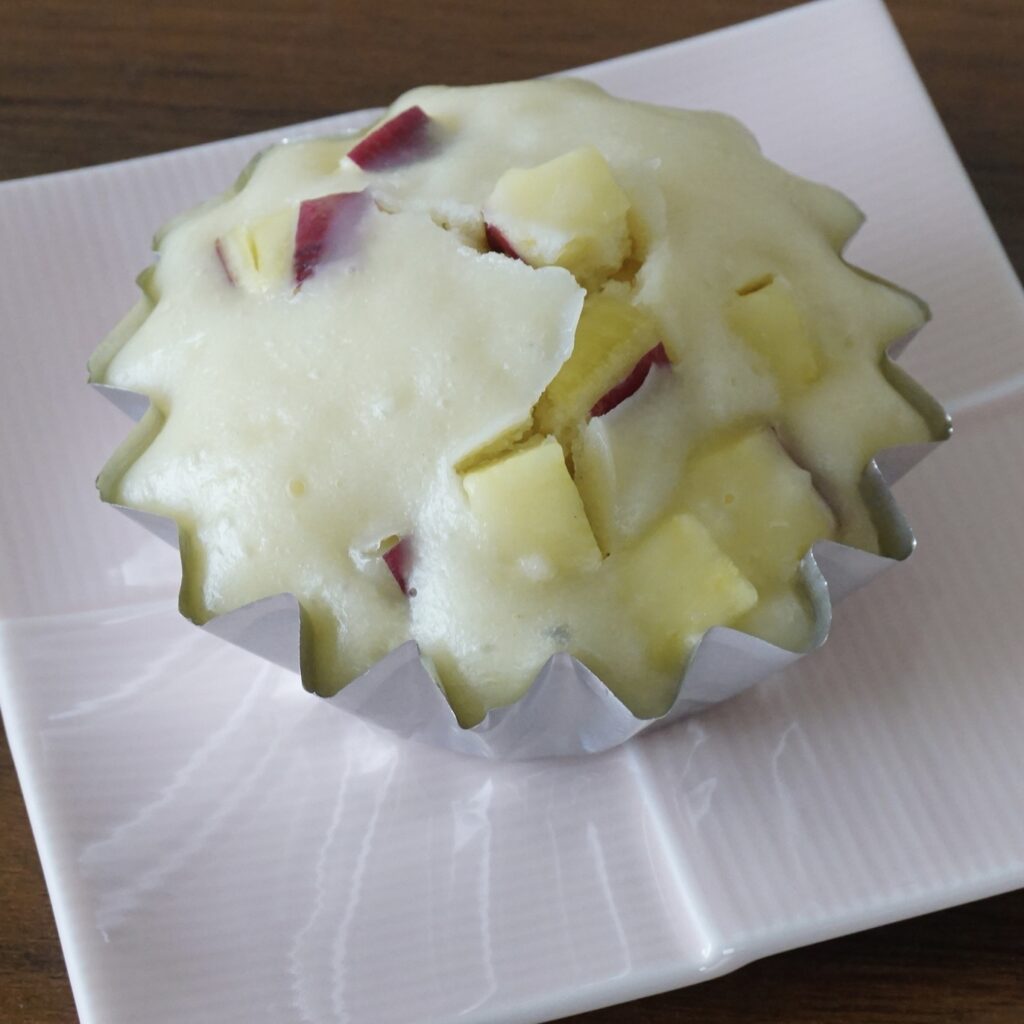
🧁 [Snack] Fluffy Sweet Potato Steamed Bread (Mushipan)
“Satsumaimo no Mushipan” is a gentle, fluffy Japanese steamed bread filled with seasonal sweet potatoes. It’s the perfect light meal or snack for chilly autumn mornings. Unlike oven-baked bread, this recipe uses baking powder, meaning no fermentation time is required—you can go from craving to eating in just 30 minutes! The result is a soft, moist texture that isn’t too heavy, making it a favorite for both children and adults.
📖 Related articles: Satsumaimo mushipan (sweet potato steam bread)
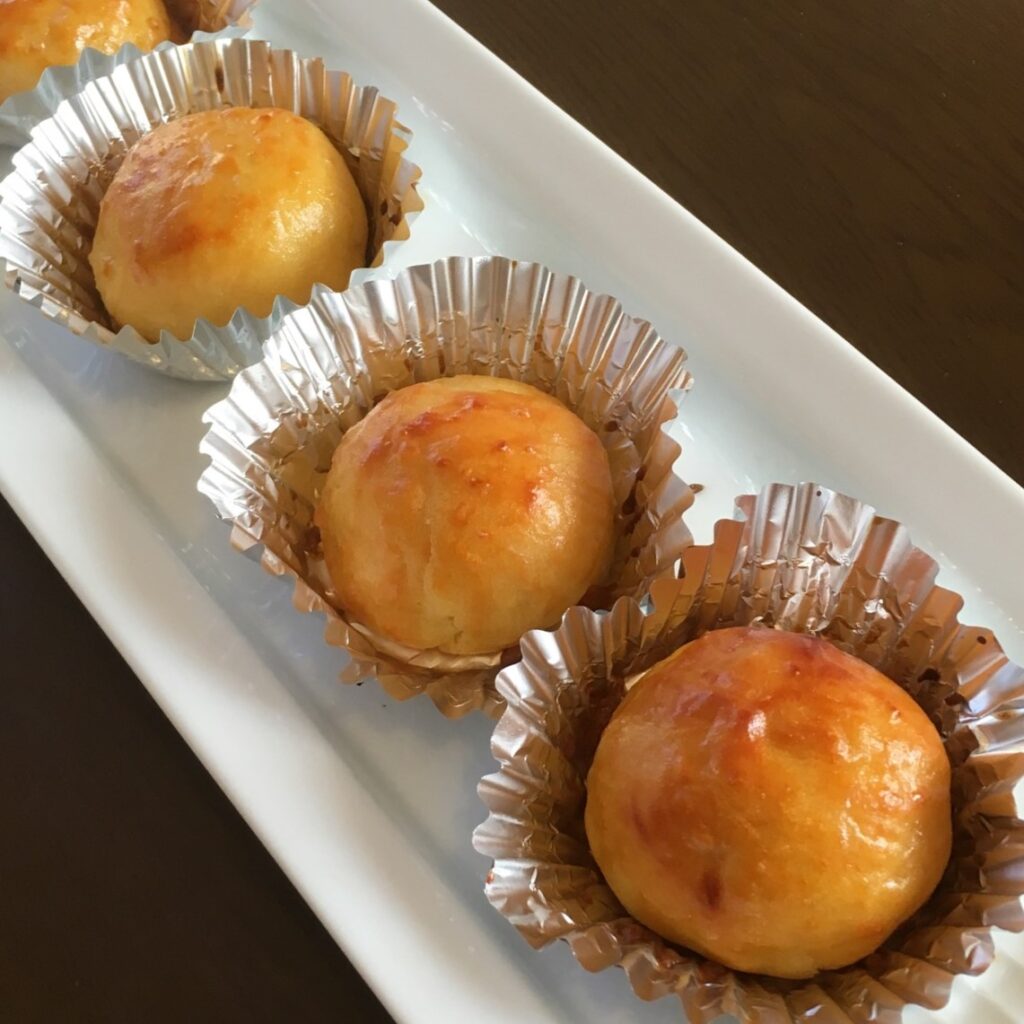
🍰 [Dessert] Rich & Creamy Japanese Sweet Potato Cake
“Sweet Potato” is a classic Japanese dessert made by mashing steamed sweet potatoes with butter and cream, then baking until golden. Unlike western sweet potato pies, this treat focuses on the natural, dense sweetness of the potato itself. The key to this recipe is the slow-steaming process, which maximizes the sugar content of the potatoes. Whether you shape them into traditional ovals or use a cake mold, these are perfect for making in batches and freezing for a healthy autumn treat.
📖 Related articles: Naturally Gluten-Free Treat: Japanese “Sweet Potato” Cake
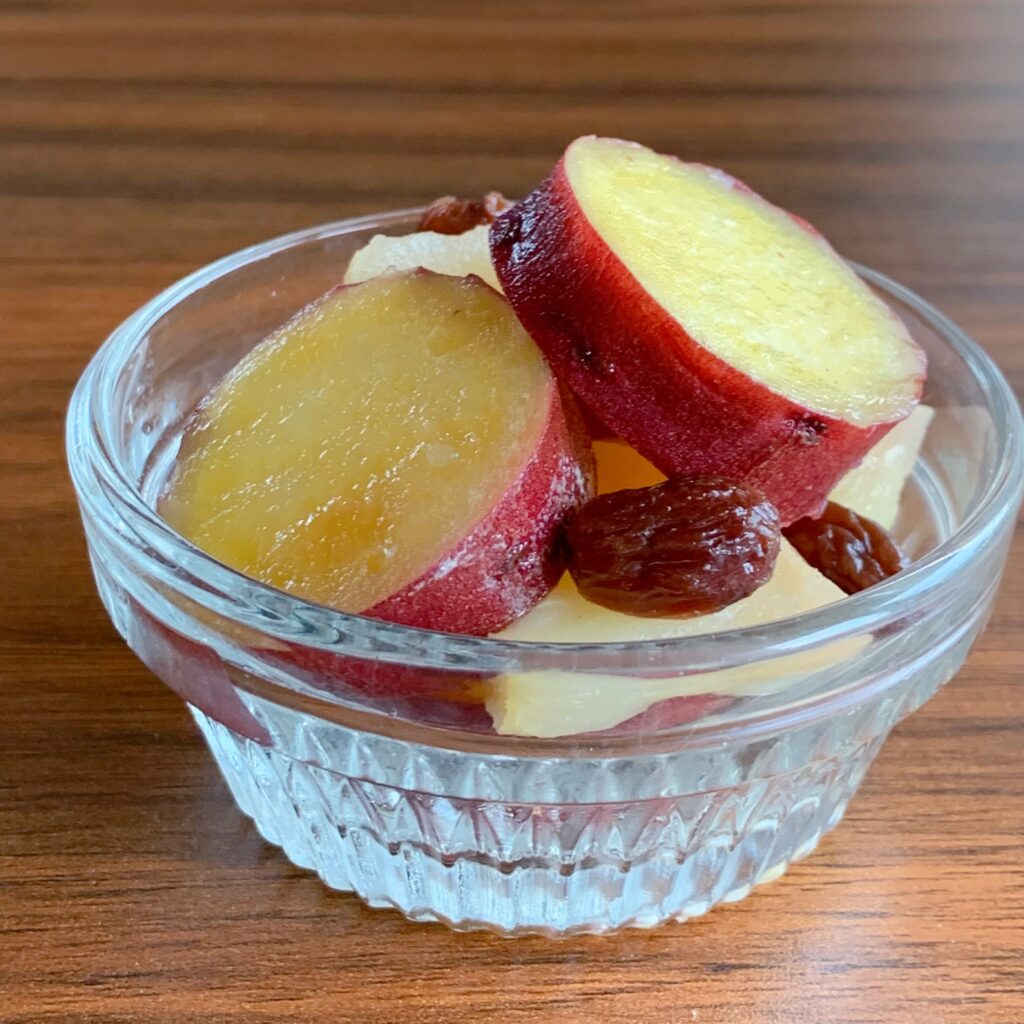
🍰 [Dessert] Satsumaimo Ringo Amani
A comforting Japanese winter classic, this gently sweetened compote features fluffy sweet potatoes and tangy apples, accented with a touch of raisins for a vibrant, flavorful dish.
The rich sweetness of “Beni-haruka” sweet potatoes (cooked with the skin on) pairs perfectly with the refreshing acidity of apples enhanced by lemon juice. Unlike jam, this compote is lightly simmered to preserve the natural texture and sweetness of the ingredients. It’s perfect as a side dish or a dessert, and you can easily make a large batch to freeze for later.
Sweet potato skins are rich in anthocyanins, calcium, and dietary fiber. By enjoying the dish with its simmering liquid, you can fully absorb all the nutrients released during cooking for a healthy, wholesome treat.
📖 関連記事:Satsumaimo Amani (Sweet Potato Compote)
🍰 【デザート】Sweet Potato Pudding
📖 関連記事:
📖Related Link: Read the Japanese version of this article here! [さつまいもの種類・歴史・栄養を徹底解説!旬を味わう人気レシピ4選]
#さつまいも #さつまいもレシピ #おうちごはん #旬の野菜 #健康食 #SweetPotato #JapaneseSweetPotato #HealthyFood #Satsumaimo #HomeCooking


コメント