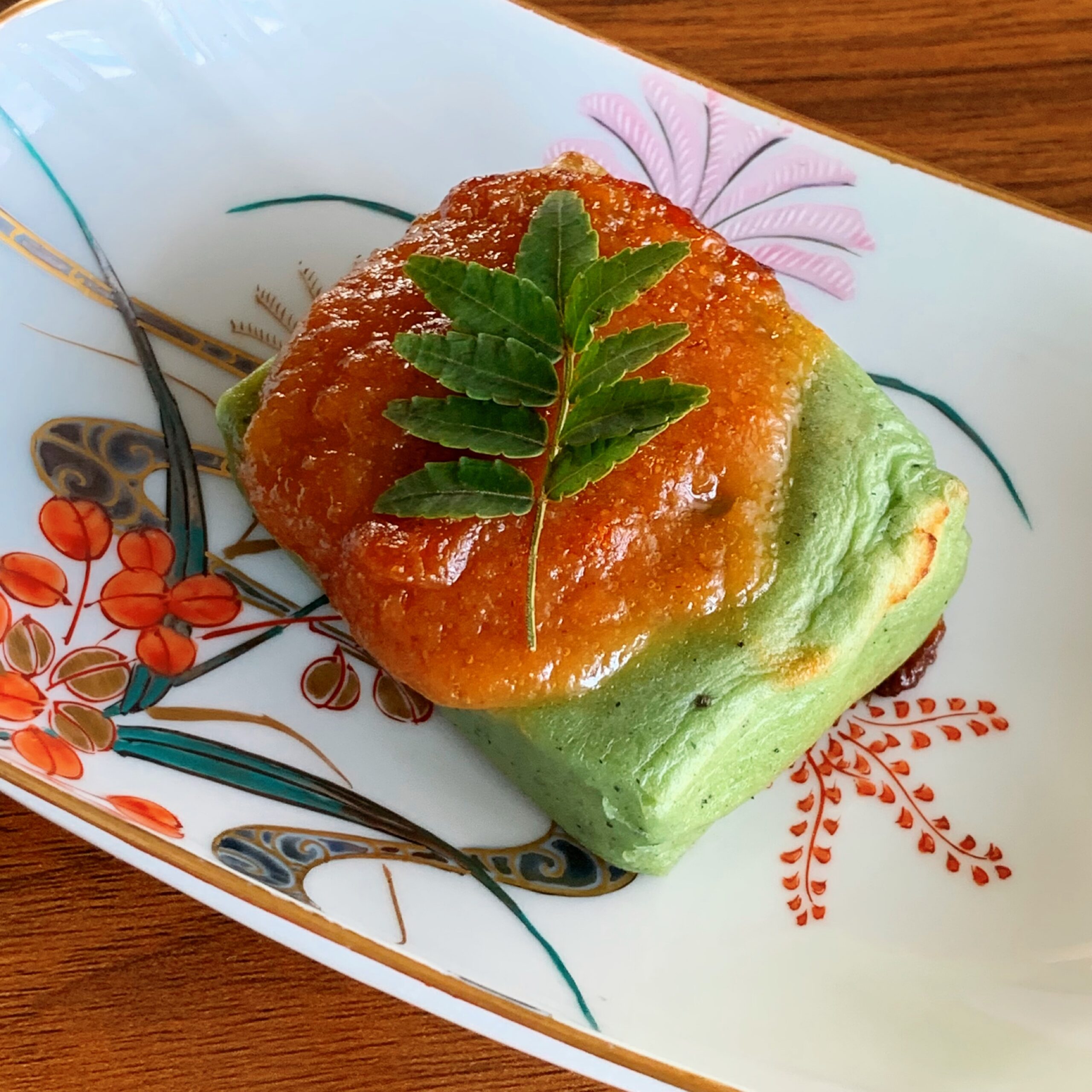
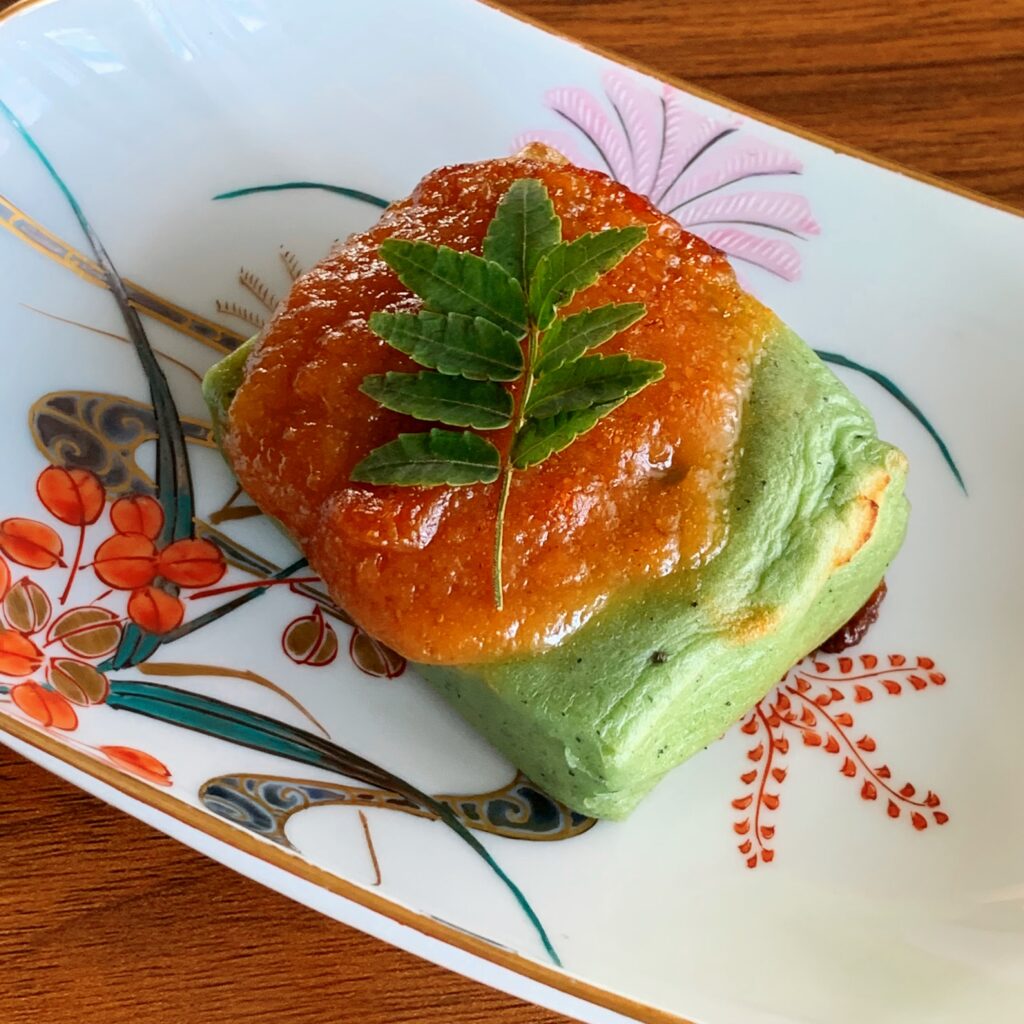
Namafu miso dengaku(生麩みそ田楽)
🍡What kind of dish is Namafu miso dengaku??
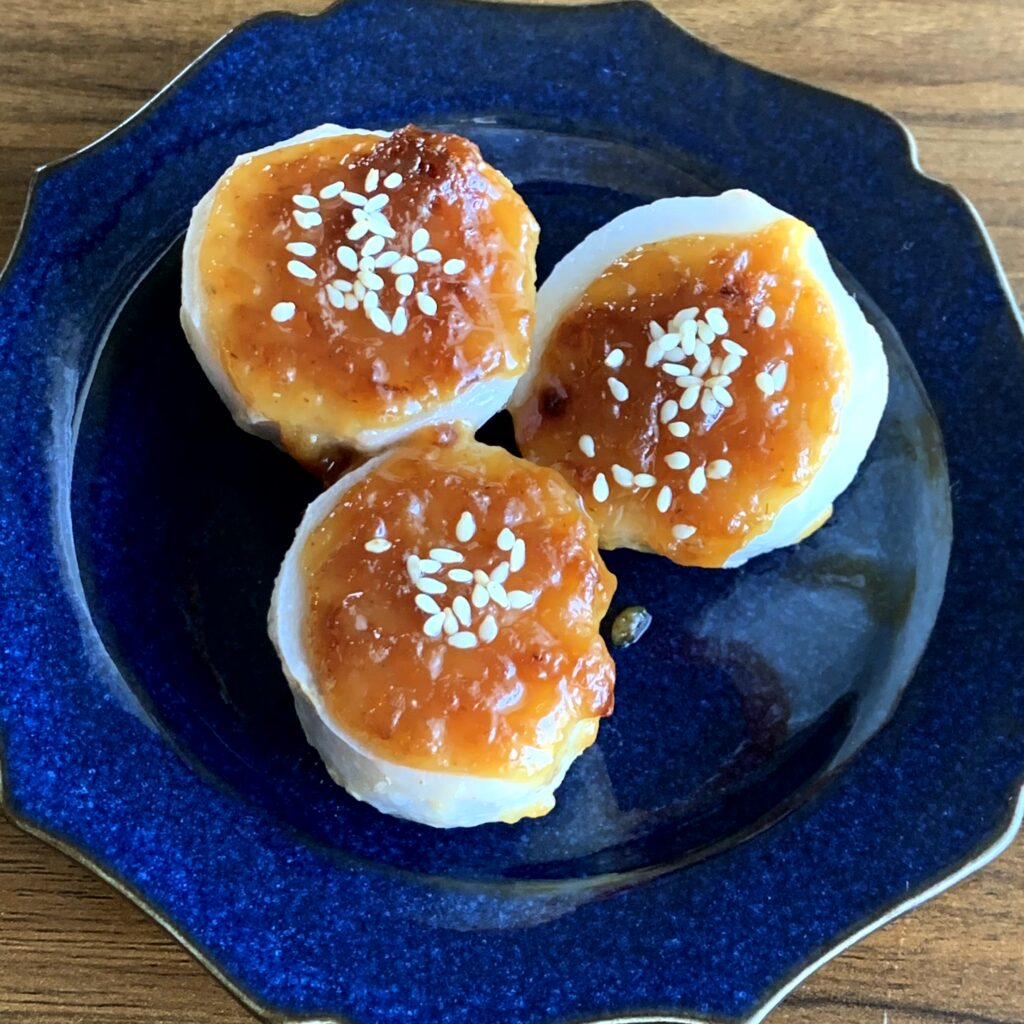
Namafu Dengaku is a dish made by coating namafu (wheat gluten) with a special miso sauce and baking it in an oven or on a grill until it’s fragrant.
Namafu is a traditional ingredient beloved in Kyoto’s shojin ryori (vegetarian cuisine), but it’s actually high in protein and low in fat, making it an incredibly healthy ingredient for dieters and vegans alike.
The chewy texture, similar to mochi, is sure to become addictive once you try it!
The Meaning of “Dengaku”📋
The term dengaku originally referred to a traditional dance performed to pray for a bountiful harvest.
Over time, the name was given to dishes featuring seasonal ingredients (like eggplant, taro, or namafu) grilled with miso, likely as a way to offer thanks for the harvest.
The Secret to the Perfect Glaze🔓
To bring out the full potential of the miso sauce, it is best to heat it until it becomes slightly charred and caramelized. This creates a rich, smoky aroma that makes the dish even more delicious. For this reason, I recommend heating it from above—using a fish grill (broiler) or an oven—rather than using a frying pan.
Choosing Your Miso🥢
You can enjoy this dish with various types of miso, such as white miso, mixed miso (awase miso), or red miso. Since there are so many regional varieties, feel free to choose one that best suits your local taste or cooking style.
For this recipe, I used red miso: It is aged longer than other varieties, resulting in a slightly sharper and deeper flavor. It isn’t quite as intense or unique as Haccho Miso, making it very versatile and easy to use for this dish.
🍁What kind of food is namafu?
Fu (麩) was originally introduced to Japan by Zen monks from the Ming Dynasty during the early Muromachi period.
In addition to namafu, there are many other types of gluten, including yaki-fu (grilled), age-fu (fried), and kanso-fu (dried).
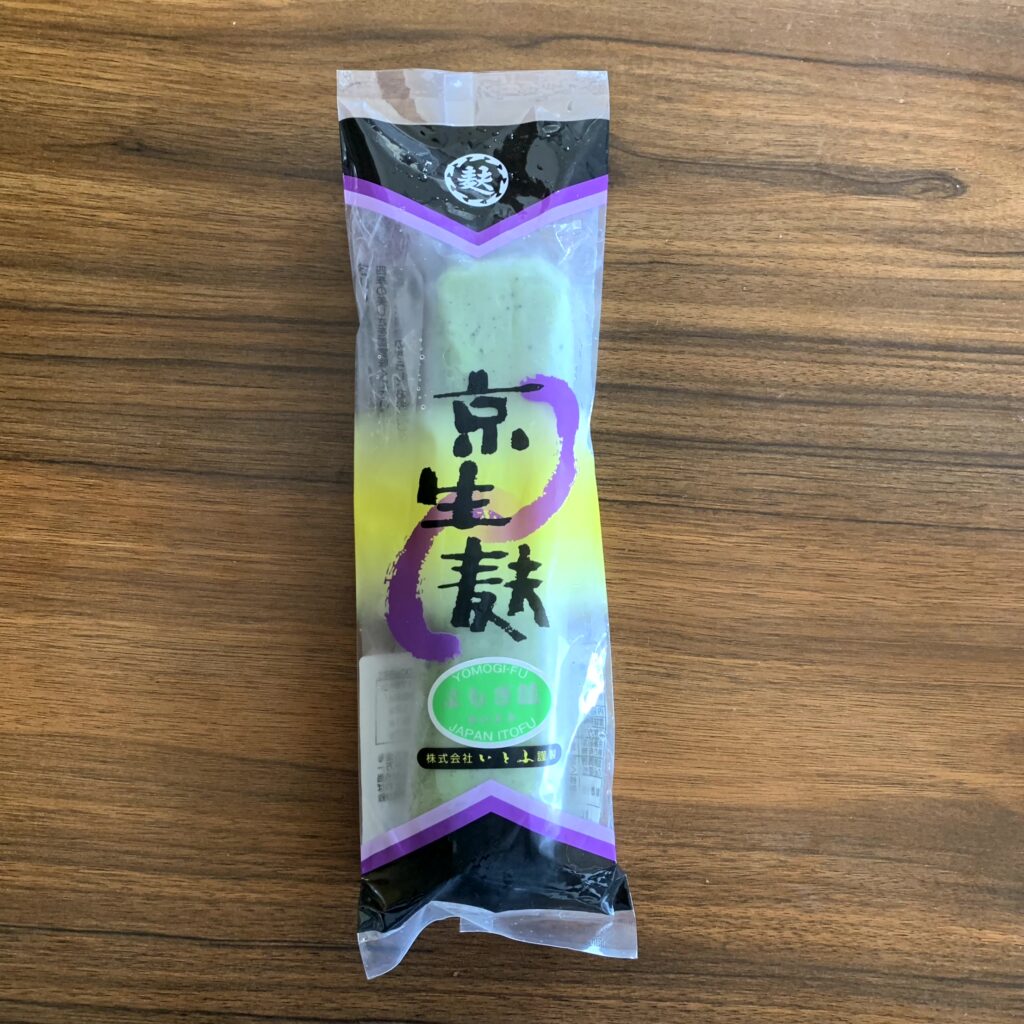
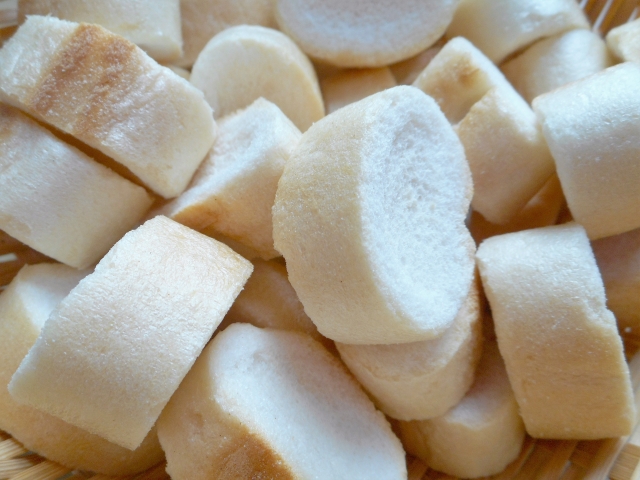
While Yaki-fu (toasted gluten) is a common staple found in almost any Japanese supermarket, Namafu (raw gluten) is much rarer and is typically found only in specialty food stores or wholesale supermarkets (Gyomu Super).
For international readers who want to find namafu in their home countries, we recommend checking the frozen food section of a Japanese supermarket or Asian market.
If you can’t get namafu, you can also make dengaku with atsuage (fried tofu), taro or konjac using the same miso sauce.
Namafu comes in several beautiful varieties beyond the standard stick shape:
- Seasonal Shapes: It is often crafted into elegant shapes such as cherry blossoms (sakura) for spring or maple leaves (momiji) for autumn.
- Flavored Varieties: You can also find versions infused with natural ingredients like Yomogi (Japanese mugwort), which gives it a lovely green color and a subtle herbal aroma.
Adding Color to Your Cooking
Because of its vibrant colors and artistic shapes, Namafu is the perfect ingredient for adding a seasonal touch and a pop of color to simmered dishes (nimono) or clear soups (oshirushi). It instantly elevates a simple meal into a visually stunning and festive dish!
🌟Namafu Manufacturing Process
- Kneading the Dough: Wheat flour is kneaded with salt water to create a dough, similar to the process of making bread.
- Extracting the Gluten: The dough is submerged in water and thoroughly massaged by hand. This process washes away the starch, leaving behind only the pure gluten.
- Note: Gluten is the source of stickiness and elasticity; it is what gives udon noodles their chewy texture and bread its fluffiness.
- Mixing with Glutinous Rice: Flour The extracted gluten is then kneaded together with glutinous rice flour (mochiko) and a bit of water to create a smooth, elastic mixture.
- Steaming: The dough is shaped into blocks and then steamed to set its unique texture.
- Slicing: Finally, the namafu is sliced into the desired sizes, ready to be used in various dishes.
This is a recommended video that shows how to make namafu. Please check it out. 👇
NUTRITION FACTS (4SERVINGS): Namafu dengaku
| Nutrients | Total (4 Servings) | Per Serving |
| Calories | 618 kcal | 155 kcal |
| Protein | 43.7 g | 10.9 g |
| Fat | 8.5 g | 2.1 g |
| Carbohydrates | 86.8 g | 21.7 g |
| Salt Equivalent | 4.4 g | 1.1 g |
INGREDIENTS (4SERVINGS) : Namafu dengaku
- Frozen Namafu: 230g (approx. 2cm x 5cm x 20cm)
- Red Miso: 30g
- Sugar: 4g
- Mirin: 4g
- Sake: 2g
Winter Variation🍊: Swap red miso for white miso and replace the sake with yuzu juice for a refreshing, seasonal citrus aroma.
How to make Namafu dengaku
- Prepare the Namafu: Divide the namafu into 8 equal portions. It can be quite sticky/stretchy, so it is easiest to cut while it is still half-thawed.
- Make the Glaze: In a small bowl, mix the red miso, sugar, mirin, and sake until smooth. Spread a layer of this mixture onto each piece of namafu.
- Prep the Oven: Preheat your oven to 200°C (approx. 400°F).
- Arrange: Line a baking sheet with parchment paper. Place the namafu pieces on the tray, leaving plenty of space between them as they will expand during cooking.
- Bake: Grill in the oven for about 10 minutes. Watch closely to ensure the miso caramelizes without burning.
- Serve: Enjoy immediately while hot! Namafu is best when soft and chewy; it will harden as it cools.
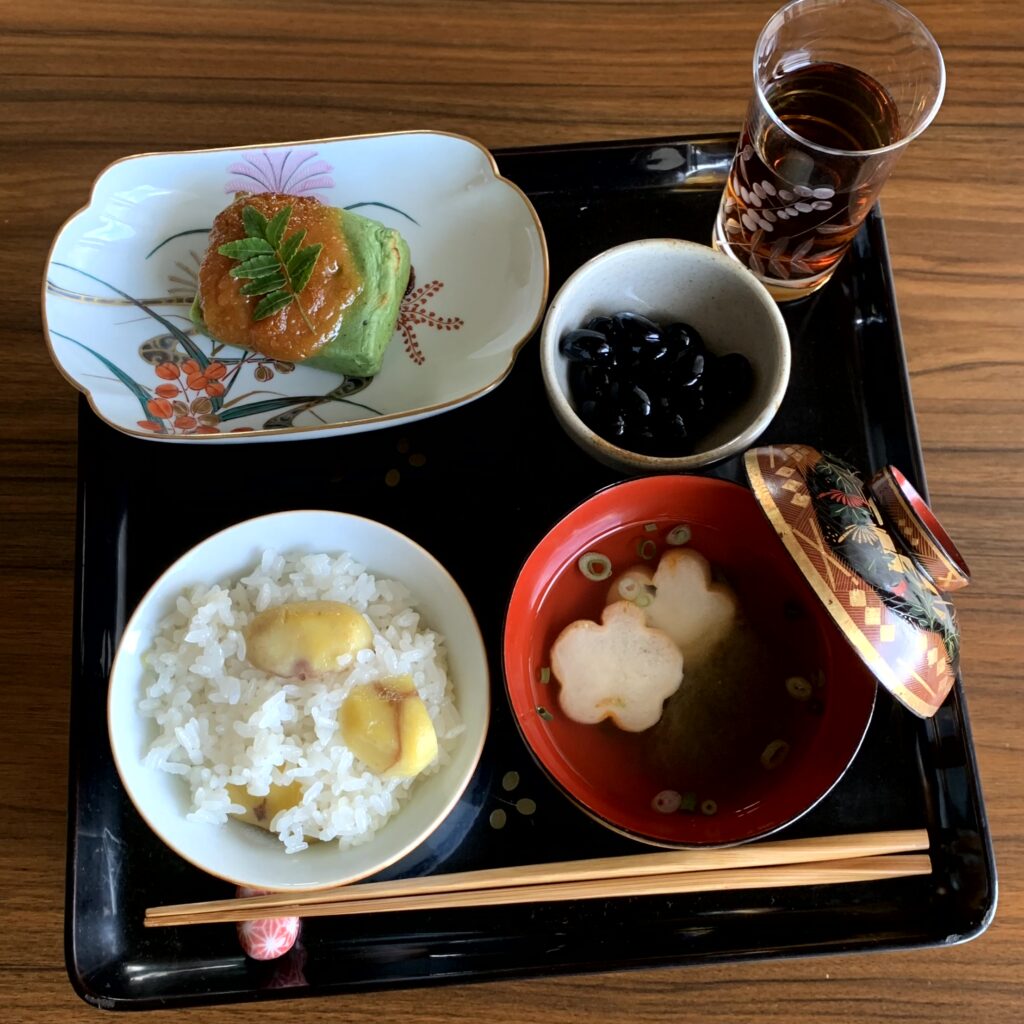
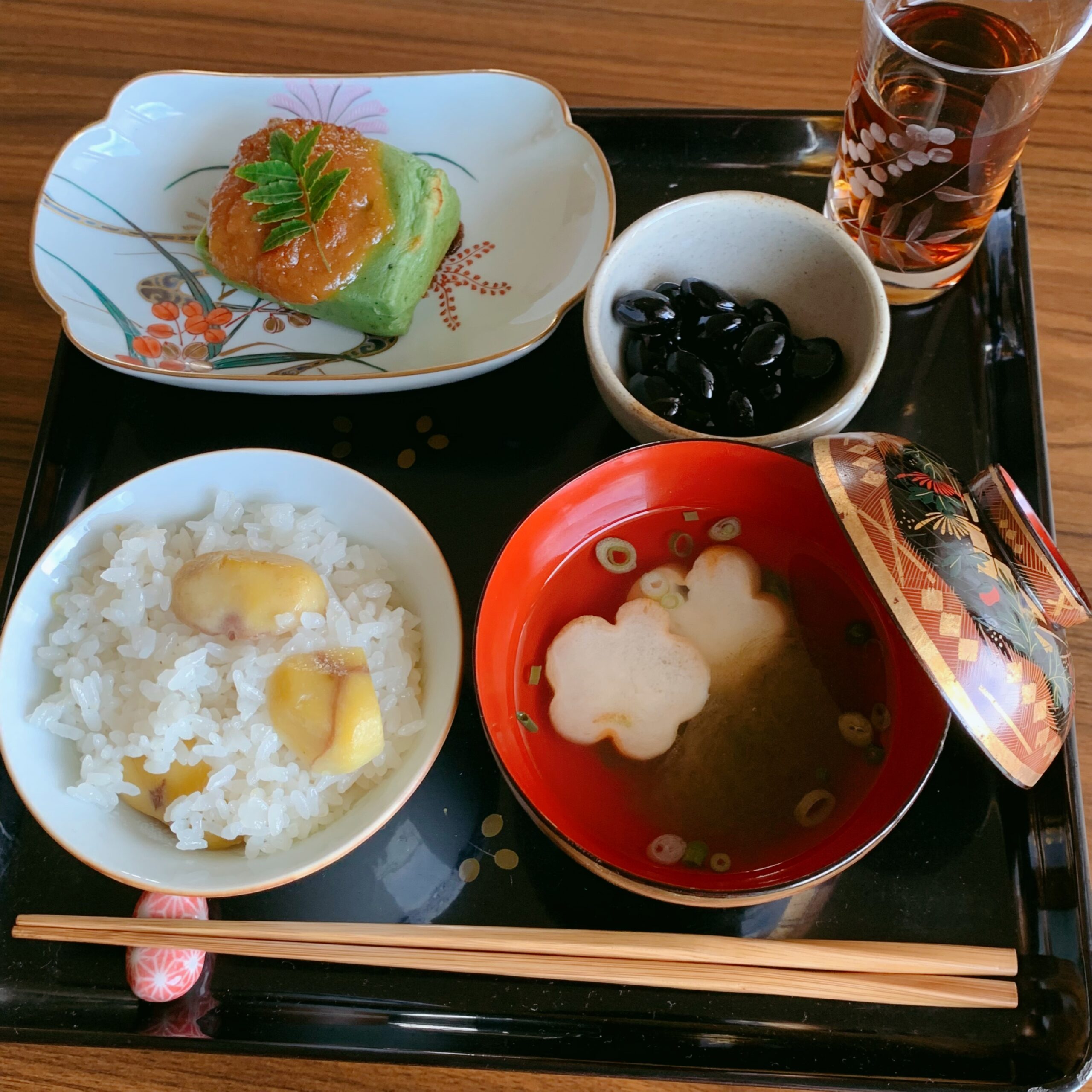
Complete Your Meal:For a beautiful traditional Japanese spread, serve your Namafu Dengaku alongside:
- Chestnut Rice (Kuri Gohan) — Check out the recipe here: 👉[ Kuri Gohan (Frozen Chestnuts Rice) ]
- Black Beans (Kuromame)
- Yaki-fu Sumashi Soup (Clear soup with grilled gluten)— Check out the recipe here: 👉[ Sumashi Soup made with homemade dashi ]
📖Related Link: Read the Japanese version of this article here! [生麩田楽(味噌で焼いた麩)]

コメント