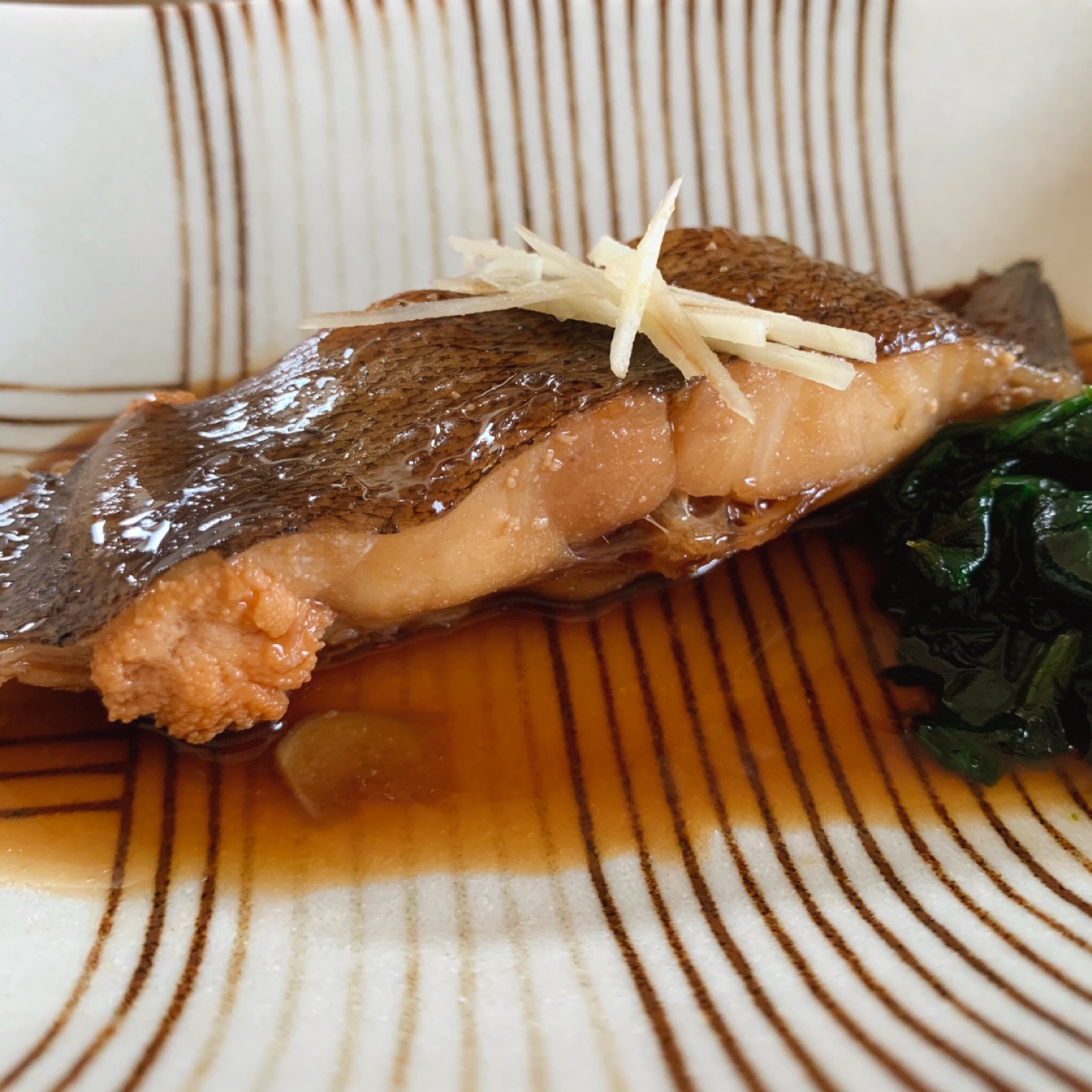

Karei no Nitsuke: The Soul of Japanese Home Cooking(カレイの煮付け)
While many people think of sushi or ramen when they envision Japanese cuisine, Karei no Nitsuke (Simmered Righteye Flounder) is the dish that truly defines “Mom’s home cooking” for many Japanese families.
Unlike Western-style fried flounder, simmering the fish in a sweet-and-savory, ginger-infused soy base creates a melt-in-your-mouth texture. This method, known as nizakana (simmered fish), focuses on preserving the delicate flavor of the white fish while infusing it with deep umami. In this guide, we will dive into secret techniques—like the Shimofuri blanching—that separate a humble home meal from a professional Japanese restaurant experience.
Why this recipe works:
- Ginger: Neutralizes any “fishy” aroma and adds a refreshing zing.
- Shimofuri Method: A quick hot-water blanch ensures a clean, elegant taste.
- Raw Wakame: Using fresh/boiled raw seaweed instead of dried creates a thick, crunchy texture that perfectly absorbs the savory broth.
“Left for Hirame, Right for Karei”
Foreigners are often confused by the many varieties of flatfish. In Japan, we have a catchy way to tell them apart: “Hidari Hirame ni Migi Karei” (Left for Lefteye Flounder, Right for Righteye Flounder).
- Pro Tip: Generally, Hirame is prized as expensive sashimi, while Karei is the beloved choice for cozy, home-style nitsuke.
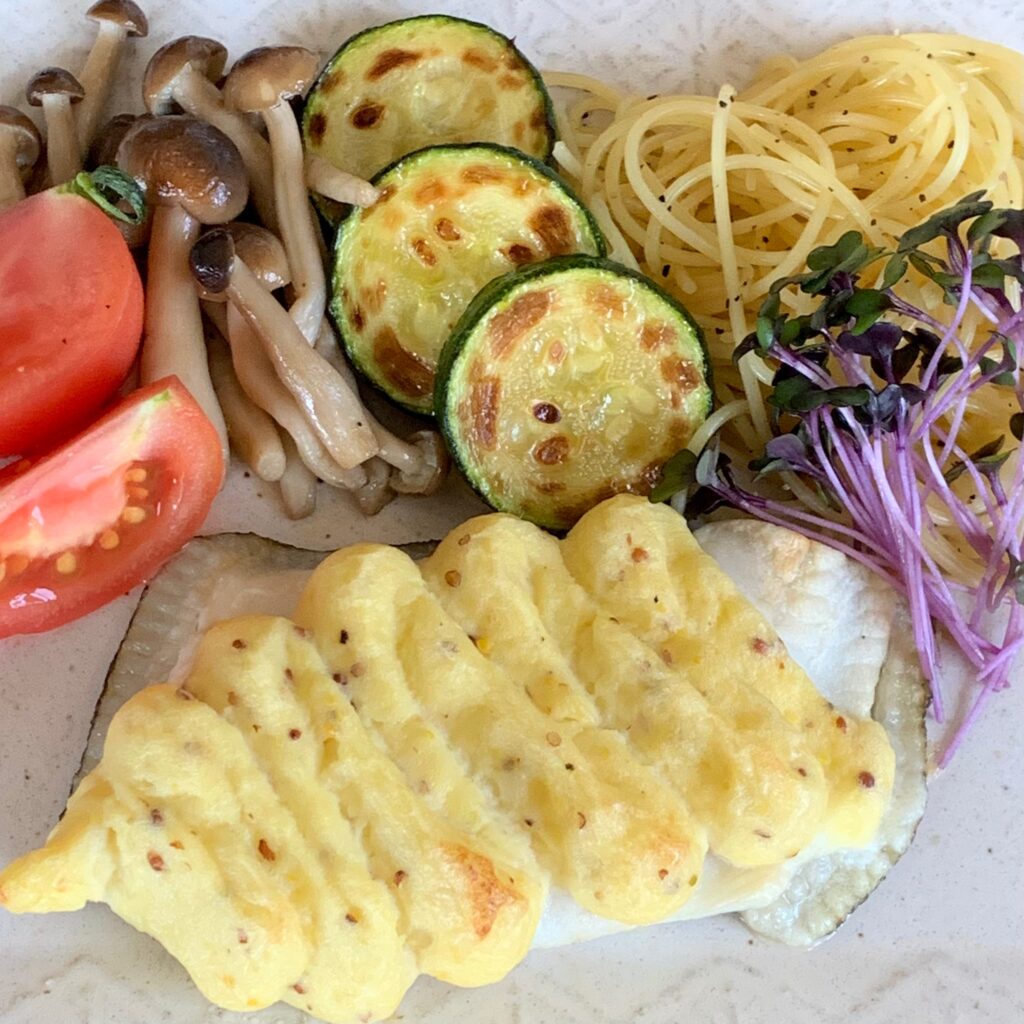
[Check out more Karei recipes and details here! 👉Right eye flounder with mashed potatoes]
The Science of the “Otoshi-buta” (Drop-lid)
Why do we place aluminum foil directly on the fish rather than covering the whole pan?
- Efficiency: It allows a small amount of liquid to circulate to the top of the fish via steam and convection.
- Protection: It holds the fish in place, preventing it from “dancing” in the boiling broth and breaking apart.
🥢 The “Second Day” Magic: Nikogori (Savory Fish Jelly)
If you have leftovers, you are in for a treat that many Japanese foodies actually look forward to more than the main meal!
As Seen on “Midnight Diner” (Shinya Shokudo) Fans of the hit Netflix series might remember the Karei no Nitsuke episode. The true highlight isn’t just the freshly cooked fish, but the Nikogori—the chilled, jellied broth from the next day.
What is Nikogori? Karei is naturally rich in collagen. When you refrigerate the leftover simmering liquid overnight, it transforms into a delicate, umami-packed jelly. In the West, this is similar to an aspic, but infused with the deep flavors of soy sauce, ginger, and sake.
The “Midnight Diner” Way to Eat:
- Prepare Hot Rice: Get a bowl of steaming, freshly cooked white rice.
- The Topping: Place a spoonful of chilled Nikogori jelly directly onto the hot rice.
- The Melt: Wait a few seconds. Watch as the golden jelly melts into a rich, glossy glaze that coats every grain of rice.
- The Flavor: It is a concentrated explosion of flavor. Add a pinch of wasabi or chopped green onions for a refreshing kick!
Substitutions for Global Cooks
If you cannot find Karei locally, look for these white fish:
- Sole (Shitabirame), Cod (Tara), Sea Bream (Tai), or Sea Bass (Suzuki). Any white fish with skin and bone will provide the collagen needed for that perfect Nikogori texture.
Nutrition Facts (Per Serving)
| Calories | Protein | Fat | Carbs | Salt Equivalent |
| 177 kcal | 20.8g | 6.2g | 10.1g | 2.4g |
Ingredients (2 Servings)
- Righteye Flounder (Karei): 200g
- Ginger: 5g (thinly sliced)
- Boiled Raw Wakame Seaweed: 60g
- Water: 100ml (adjust as needed)
- Hot Water: 1000ml (for Shimofuri blanching)
The Simmering Sauce (☆):
- Soy Sauce: 60g
- Mirin: 50g
- Sake: 50g
- Sugar: 10g
Cooking Instructions
- Shimofuri (Blanching): Briefly soak the fish in hot water. Once the surface turns slightly white, gently transfer it to your pan. Tip: Place the fish skin-side up. Handle with care, as the skin is delicate. This removes the blood and slime that cause odors.
- Prep: Slice the ginger into thin rounds.
- The Base: Combine ginger, water, mirin, sugar, sake, and soy sauce in the pan. Bring to a boil.
- The Sear: Place the fish into the boiling broth. This immediately sets the proteins to lock in the flavor. Reduce heat to low.
- Otoshi-buta: Cover the fish directly with aluminum foil. Simmer for 5 minutes. Do not flip the fish.
- Glazing: Remove the foil and simmer until the liquid is reduced by half. Occasionally spoon the broth over the fish to create a beautiful, shiny glaze.
- Finishing: Add the raw wakame at the very end. Simmer just until it absorbs the flavor.
Final Pro Tip: The secret is the water ratio. Use just enough to cook quickly—too much water will dilute that precious flavor!
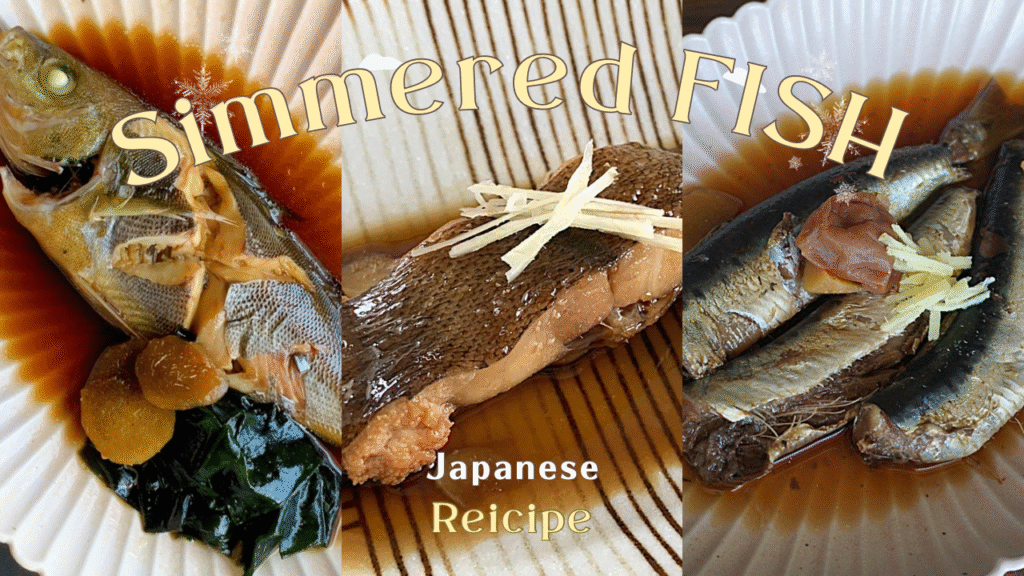
Nitsuke is a cooking method that is at the core of Japanese cuisine. Here are some recipes for nitsuke. Each article has details, so be sure to check them out. 👉 Tips for making nitsuke (simmered fish)
📖Related Link: Read the Japanese version of this article here! [カレイの煮付け]
魚の煮付け #煮付け #和食ごはん #おうちごはん #SimmeredFish #Nitsuke #JapaneseFood #HealthyEating

コメント