Miyazaki Specialty: Everything About Chicken Nanban
What is Miyazaki’s Famous “Chicken Nanban”?
Chicken Nanban is a nationally famous regional specialty from Miyazaki Prefecture, selected by Japan’s Ministry of Agriculture, Forestry and Fisheries as one of the “Top 100 Local Dishes of Agricultural, Mountain, and Fishing Villages.”
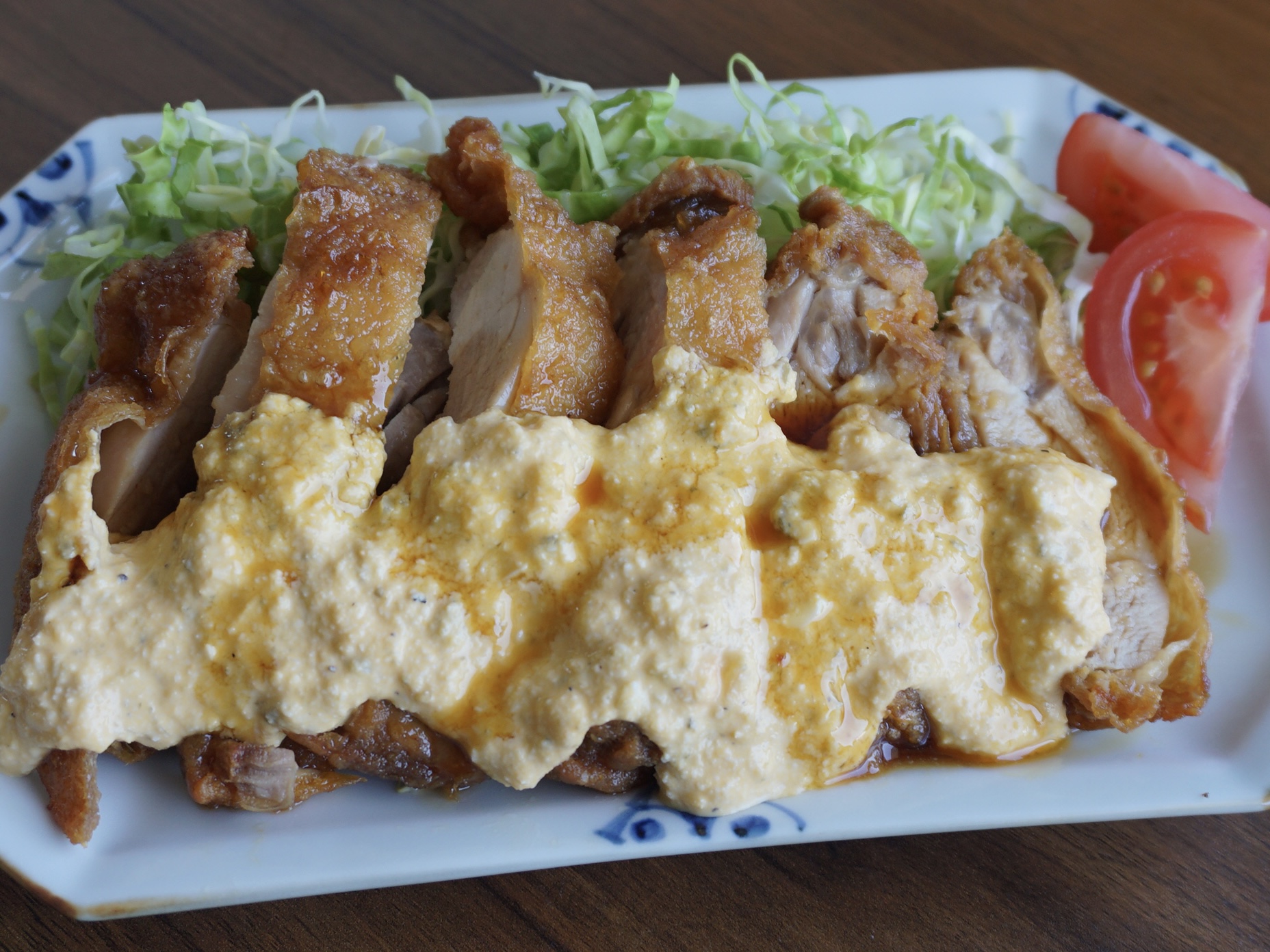
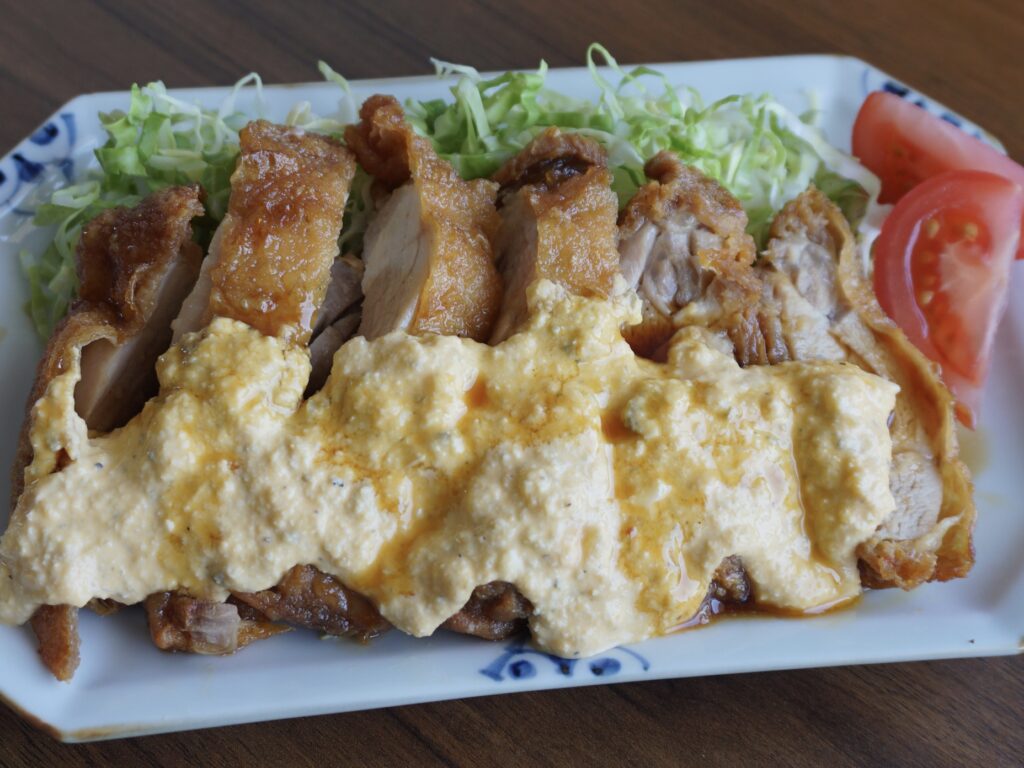
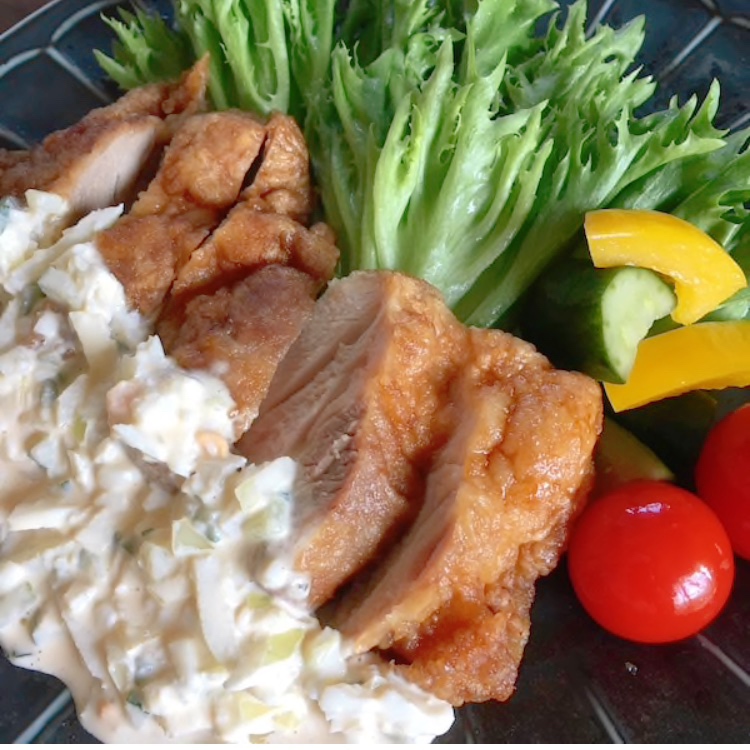
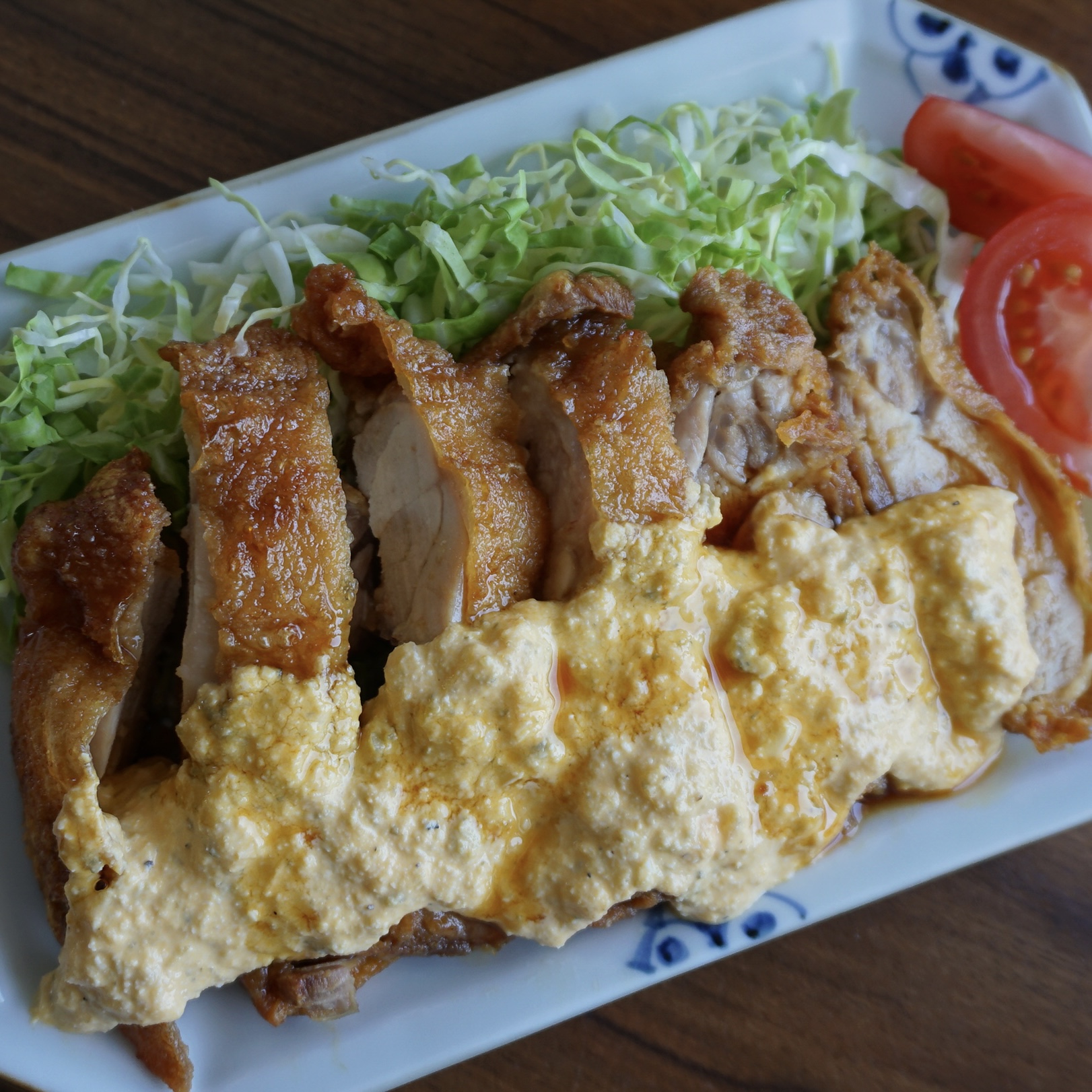
Originating in Nobeoka City, Miyazaki Prefecture, Chicken Nanban consists of battered chicken that is deep-fried, soaked in a sweet-and-sour vinegar glaze while piping hot, and topped with a generous coat of rich tartar sauce. The ultimate charm of Chicken Nanban lies in the exquisite contrast between the tangy vinegar and the rich, creamy tartar sauce!
The current mainstream style—served with tartar sauce—is said to have been created by Yoshimitsu Kai, the founder of the restaurant “Ogura,” which opened in 1956.
The Meaning of “Nanban”
Tracing back its historical roots, “Nanban” originally referred to the Portuguese and their culture. When trade began in Nagasaki in 1550, the Portuguese introduced Escabeche—a dish where fried meat or fish is marinated in vinegar. In Japan, this cooking method was named “Nanbanzuke,” which eventually evolved into the creation of today’s Chicken Nanban.
Chicken Nanban vs. Karaage
The main difference between the two lies in the batter:
- Karaage: Chicken is marinated in soy sauce, garlic, and other seasonings, dredged in flour or potato starch, and deep-fried.
- Chicken Nanban: Seasoned with a pinch of salt, dusted with flour, and then dipped in beaten egg before frying. The egg coating creates a soft, sponge-like layer that allows the chicken to absorb the sweet vinegar sauce perfectly.
- Cut of Meat: Traditionally, chicken breast is used, but juicy chicken thigh has also become very popular today.
Special Features of This Recipe
- Black Vinegar Twist: Using black vinegar instead of standard grain vinegar softens the acidity and adds a unique, deep sweetness to the sauce.
- Authentic Ogura-Style Tartar Sauce: While standard tartar sauces often use pickles, this recipe is inspired by the revealed recipe of the famous restaurant Ogura, using fresh onions and cucumbers instead. Adding a small touch of ketchup is also a key secret!
- Takemori-Style Texture: I personally love the commercial Takemori tartar sauce, so I blend the sauce slightly to give it a lighter, airier texture. If you want to replicate Takemori’s signature flavor even closely, try swapping the ketchup for a pinch of dashi stock powder and aonori (green dried seaweed flakes).
Tip: Tartar sauce is incredibly versatile! You can easily customize it with pickles, gochujang, or sweet chili sauce, making it fun to try different flavor combinations every time you make it.
Famous Restaurants & Varieties
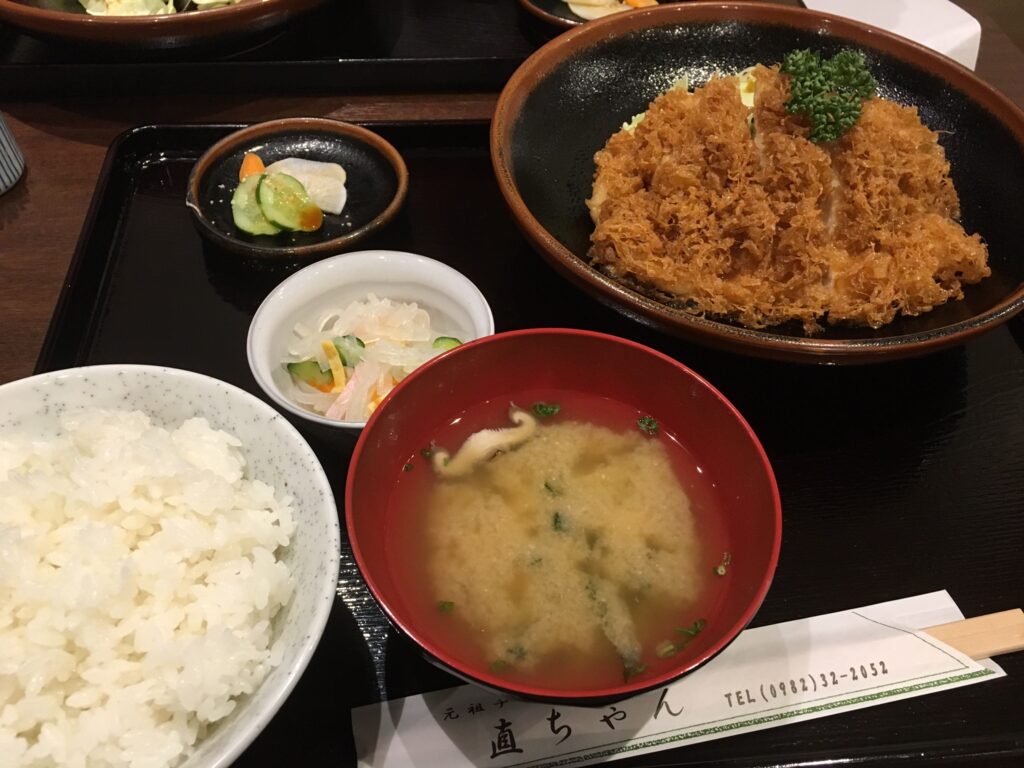
- Naochan (延岡市): https://nobekan.jp/gourmet/お食事の店-直ちゃん/
- The original style! Surprisingly, this version is served without tartar sauce. Its unique batter is a must-try.
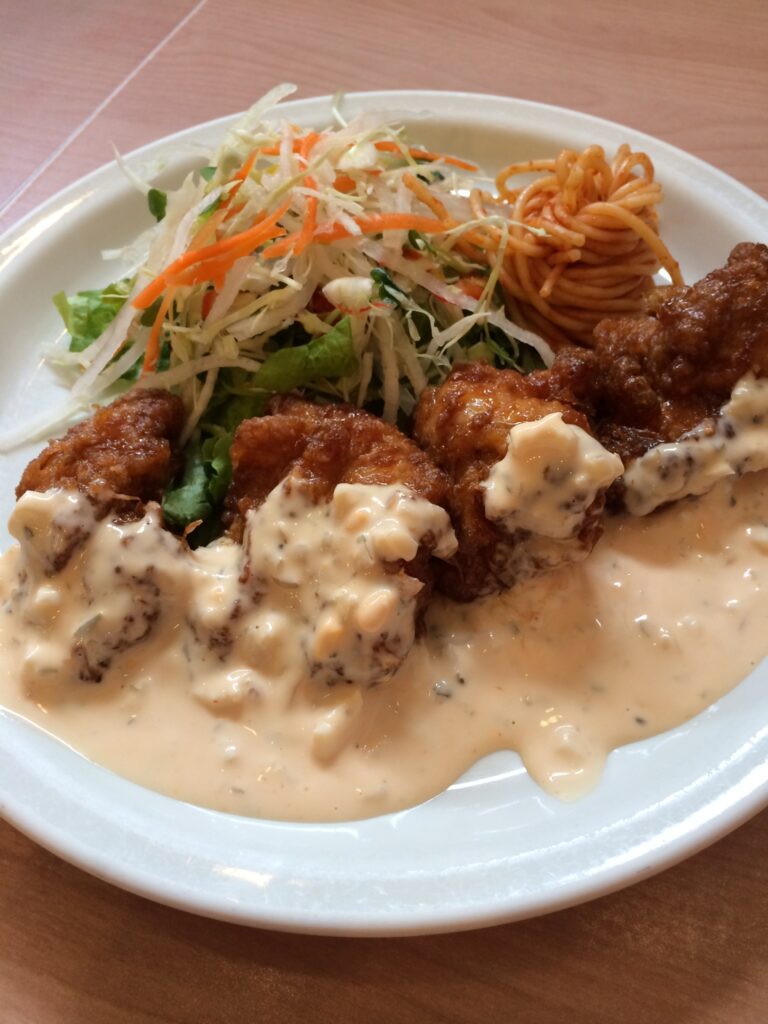
- Ogura: The restaurant that popularized the tartar sauce version. Their classic recipe includes eggs, mayonnaise, ketchup, onion, and cucumber.
- Clayton House: https://craighton-house.com
- Known for variety, offering unique tartar flavors like Mentaiko (spicy cod roe) or Doubanjiang (chili bean paste).
Ingredients (4 Servings)
1. Tartar Sauce
- Half-Fat Mayonnaise: 200g
- Sugar: 20g
- Ketchup: 15g
- Egg: 1 whole egg
- Onion: 100g
- Cucumber: 100g
2. Sweet and Sour Vinegar Sauce (Amazu / Nanbanzu)
- Dark Soy Sauce (Koikuchi): 200g
- Light Soy Sauce (Usukuchi): 200g
- Mirin: 100g
- Black Vinegar: 400g
- Sugar: 400g
- Salt: 3g
- Red Chili Pepper: 1 whole (stem removed)
3. Fried Chicken
- Chicken Thigh: 600g
- Salt: 6g
- Potato Starch: 20g
- All-Purpose Flour: 20g
- Eggs: 3 whole eggs
- Frying Oil: 40g (Calculated based on a 7% oil absorption rate)
INSTRUCTIONS
1. Make the Tartar Sauce
- Boil the Egg: Place the egg in boiling water and cook for 15 minutes. Transfer immediately to cold water, cool completely, and peel.
- Prep the Vegetables: Slice the cucumber and sprinkle with a pinch of salt (1g, extra ingredient). Let it sit for 5 minutes, then squeeze out the excess moisture thoroughly. Cut the onion into chunks, place in a heatproof bowl, cover loosely with plastic wrap, and microwave for 30 seconds. Allow to cool, then squeeze out any remaining moisture.
- Blend: Combine the boiled egg, onion, cucumber, half-fat mayonnaise, sugar, and ketchup in a blender or food processor. Blend briefly until it reaches a light, airy, and fluffy texture.
2. Prepare & Fry the Chicken
- Season: Rub the salt evenly all over the chicken thigh.
- Coat with Flour: Mix the potato starch and all-purpose flour on a tray. Dredge the chicken thigh completely in the flour mixture to coat evenly.
- Dip in Egg: Place the flour-coated chicken into a sealable bag with the beaten eggs. Massage well so the egg liquid covers the chicken thoroughly.
- Fry: Heat cooking oil to 180°C (350°F). Fry the chicken for about 15 minutes until golden brown and cooked through to the center.
3. Make the Sweet Vinegar Sauce & Finish
- Mix the Sauce: In a bowl, combine the red chili pepper, dark soy sauce, light soy sauce, mirin, black vinegar, sugar, and salt. Stir well.
- Marinate: While the fried chicken is still piping hot, submerge it in the sweet vinegar sauce for a few minutes. (Soaking the chicken while hot allows the sugar to dissolve completely and helps the soft egg coating absorb the flavors deeply.)
- Plate & Serve: Cut the chicken into bite-sized pieces and drizzle with any remaining sweet vinegar sauce. Top generously with the fluffy tartar sauce and enjoy!
Pro Tips for Extra Flavor:
This recipe is designed to be easy to make using everyday ingredients you already have at home. However, if you want to elevate it to a restaurant-quality flavor, try adding a splash of fresh lemon juice and a touch of heavy cream to the tartar sauce. Also, microwaving the sweet vinegar sauce for 30 to 60 seconds will gently soften the sharp acidity of the vinegar, making it remarkably smooth and mellow!
NUTRITION FACTS (Per Serving / Total 4 Servings)
Note: The calculated values reflect the actual amount consumed. It assumes about 20% of the sweet vinegar sauce is absorbed by the chicken, a 7% oil absorption rate during frying (approx. 42g absorbed for 600g of chicken thigh), and the use of half-fat mayonnaise in the tartar sauce.
- Calories: 592 kcal / 2,368 kcal
- Protein: 36.8 g / 147.2 g
- Fat: 33.2 g / 132.8 g
- Carbohydrates: 35.1 g / 140.4 g
- Net Carbs: 34.2 g / 136.8 g
- Dietary Fiber: 0.9 g / 3.6 g
- Sodium Equivalent (Salt): 3.8 g / 15.2 g
Read the Japanese version of this article here! [本場宮崎のチキン南蛮レシピ:ふわふわタルタルソース添え]

コメント