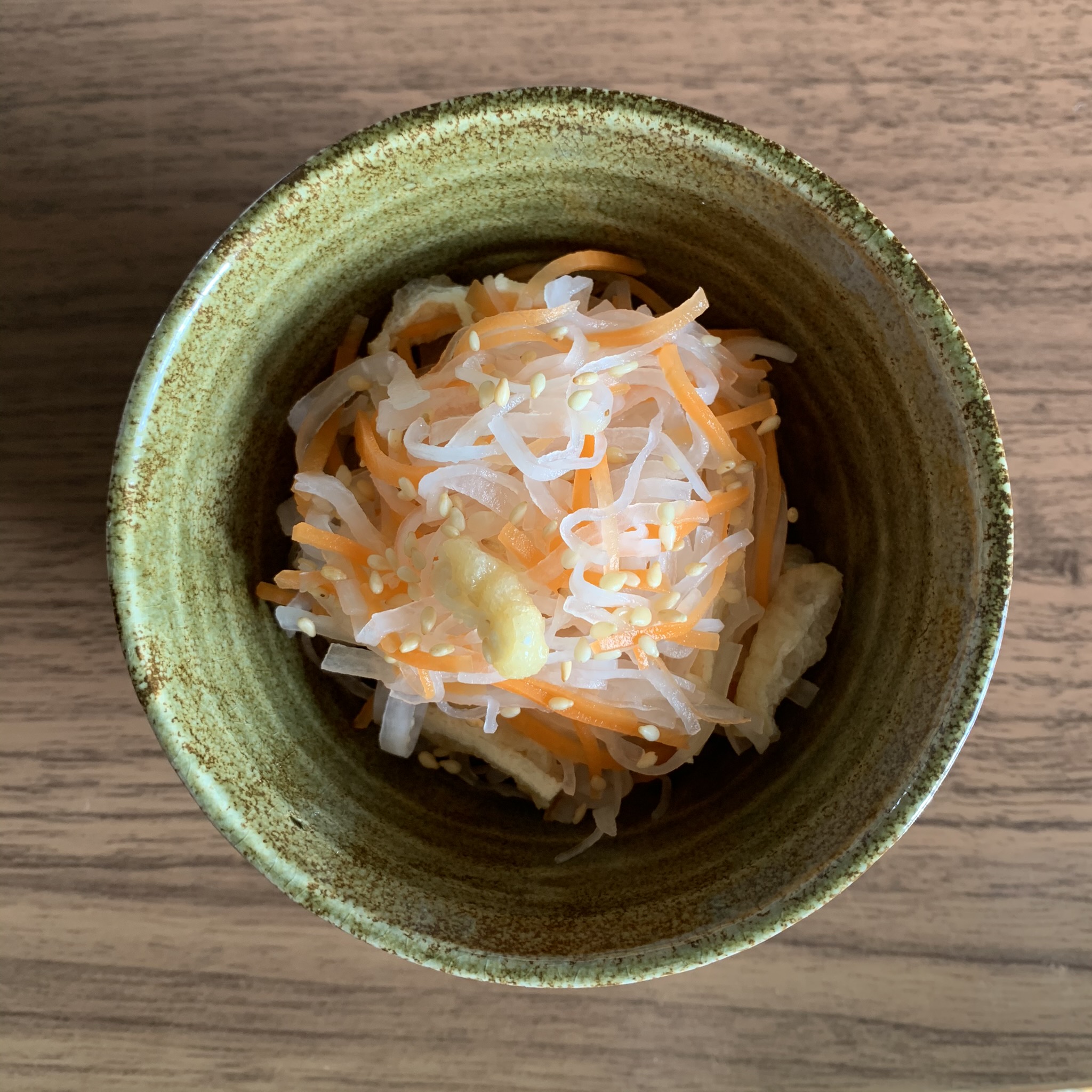
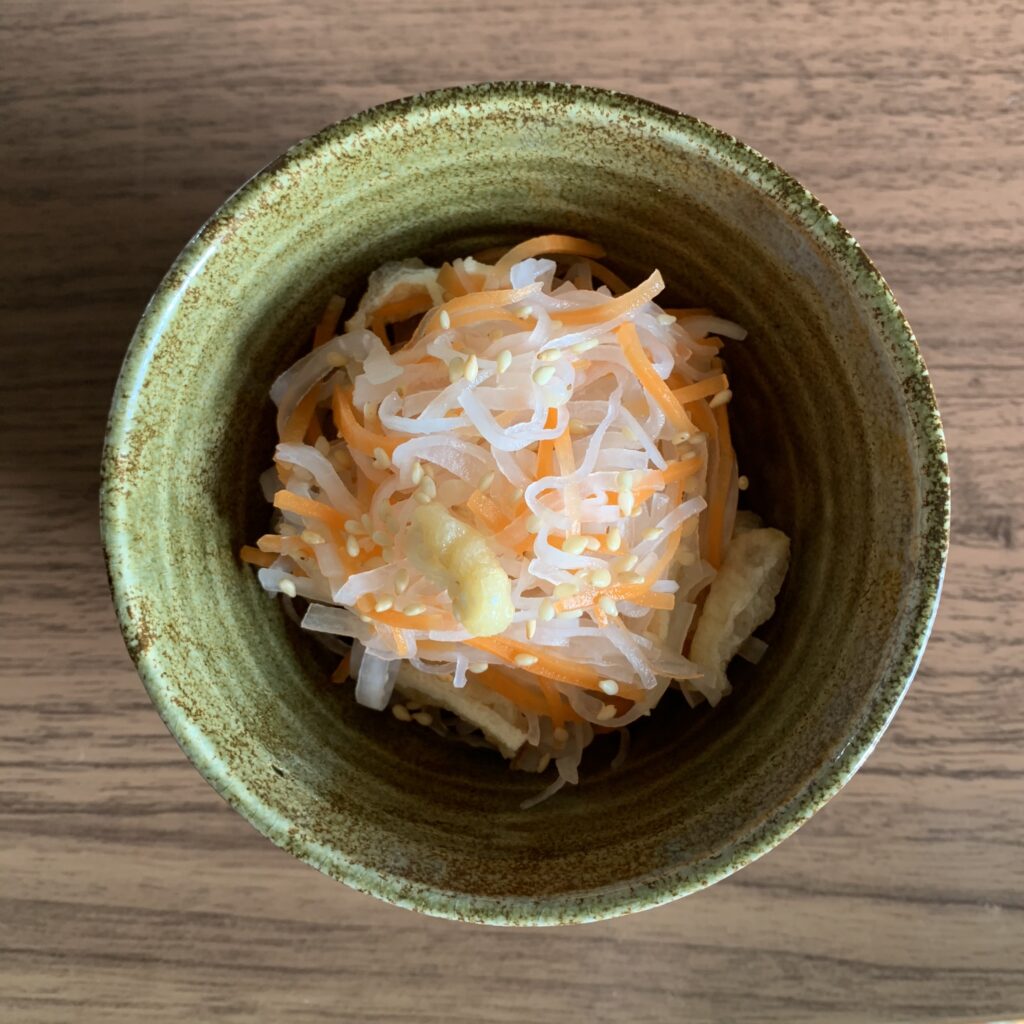
Celebrating the New Year with Kohaku Namasu (Red and White Pickles)
Kohaku Namasu is a quintessential staple of Osechi-ryori (Japanese New Year food). Known as an “auspicious dish,” it carries deep symbolic meaning and provides a refreshing balance to the richer flavors of the holiday feast.
🎀The Meaning Behind the Colors
The word Kohaku translates to “Red and White.” These colors represent mizuhiki—the decorative rice-paper cords tied around gift envelopes and New Year decorations. In Japanese culture, this color combination symbolizes a wish for peace and harmony within the home.
🪄A Brief History of “Namasu”
In ancient times, “namasu” referred to finely chopped raw fish or meat mixed with seasonings. Over time, the dish evolved. Today, it primarily refers to crisp, julienned vegetables tossed in a sweet vinegar dressing.
🎍Why We Eat It During New Year’s
- Preservation: In the past, people refrained from using fire during the first days of the New Year. Osechi dishes like namasu were designed to be preserved in jubako (tiered boxes) for several days.
- Health Benefits: Daikon radish contains diastase, an enzyme that promotes digestion and relieves fatigue. It is the perfect antidote for the overindulgence of food and drink that often happens during the holidays!
- Seasonality: Winter daikon is at its peak—sweet, juicy, and delicious.
✨ Chef’s Tips for the Perfect Batch
To make your Namasu truly professional, keep these two secrets in mind:
- The Secret to Longevity: Rubbing the vegetables with salt and squeezing out every drop of moisture is the most important step. Removing the excess water prevents the flavor from getting watered down and is the key to making the dish last for several days in the fridge.
- Mellow the Acidity: Briefly heating the vinegar and sugar in the microwave doesn’t just dissolve the sugar—it “rounds out” the sharp edge of the vinegar, making the flavor mild and elegant.
🍓 Flavor Upgrades: The Fruit Twist
While the basic daikon and carrot version is classic, adding seasonal fruit can take this dish to a whole new level.
- Persimmon (Kaki): Thinly sliced persimmon adds a natural, honey-like sweetness that pairs beautifully with the vinegar.
- Yuzu Citrus: Adding a bit of grated yuzu zest or a splash of fresh juice provides an incredible floral aroma that instantly elevates the dish.
🥗 Nutrition Facts; Kohaku Namasu
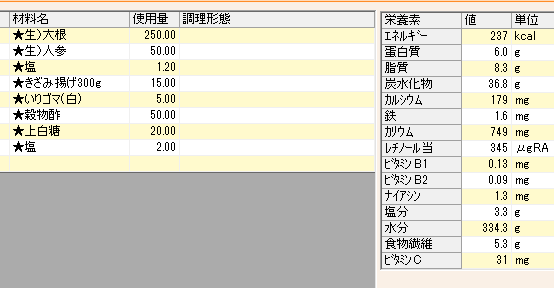
| 項目 (Nutrients) | 総量 (Total / Serves 4) | 1人分 (Per Serving) |
| エネルギー (Calories) | 237 kcal | 59.3 kcal |
| タンパク質 (Protein) | 6.0g | 1.5g |
| 脂質 (Total Fat) | 8.3g | 2.1g |
| 炭水化物 (Total Carbs) | 36.8g | 9.2g |
| 食塩相当量 (Salt) | 3.3g* | 0.8g* |
💡 The actual sodium intake is estimated at 40% of the total salt used, as most is removed during the moisture-squeezing process.
Ingredients (Serves 4); Kohaku Namasu
- Japanese Daikon Radish: 250g
- Carrot: 50g
- Salt (for rubbing): 3g
- Aburaage (Fried Tofu): 15g
- White Sesame Seeds: 5g
The Dressing (☆):
- Vinegar: 50g
- Sugar: 20g
- Salt: 2g
How to Make Kohaku Namasu
- Prep the Veggies: Peel the daikon and carrots. To ensure a delicate texture, slice them as thinly as possible (about 0.5 mm).
- Julienne: Cut the thin slices into narrow strips.
- Draw out Moisture: Mix the daikon and carrots with 3g of salt. Let it sit for 10 minutes, then firmly squeeze out the excess water.
- Prep the Aburaage: Soak the fried tofu in boiling water for 1 minute to remove excess surface oil (this helps the dressing soak in). Once cooled, cut it into thin strips.
- Prepare the Dressing: Combine the vinegar, sugar, and salt (☆) in a heat-resistant container. Microwave for 30 seconds to dissolve the sugar. This also helps mellow the sharp acidity of the vinegar.
- Combine: Once the dressing has cooled, toss all ingredients together and top with white sesame seeds.
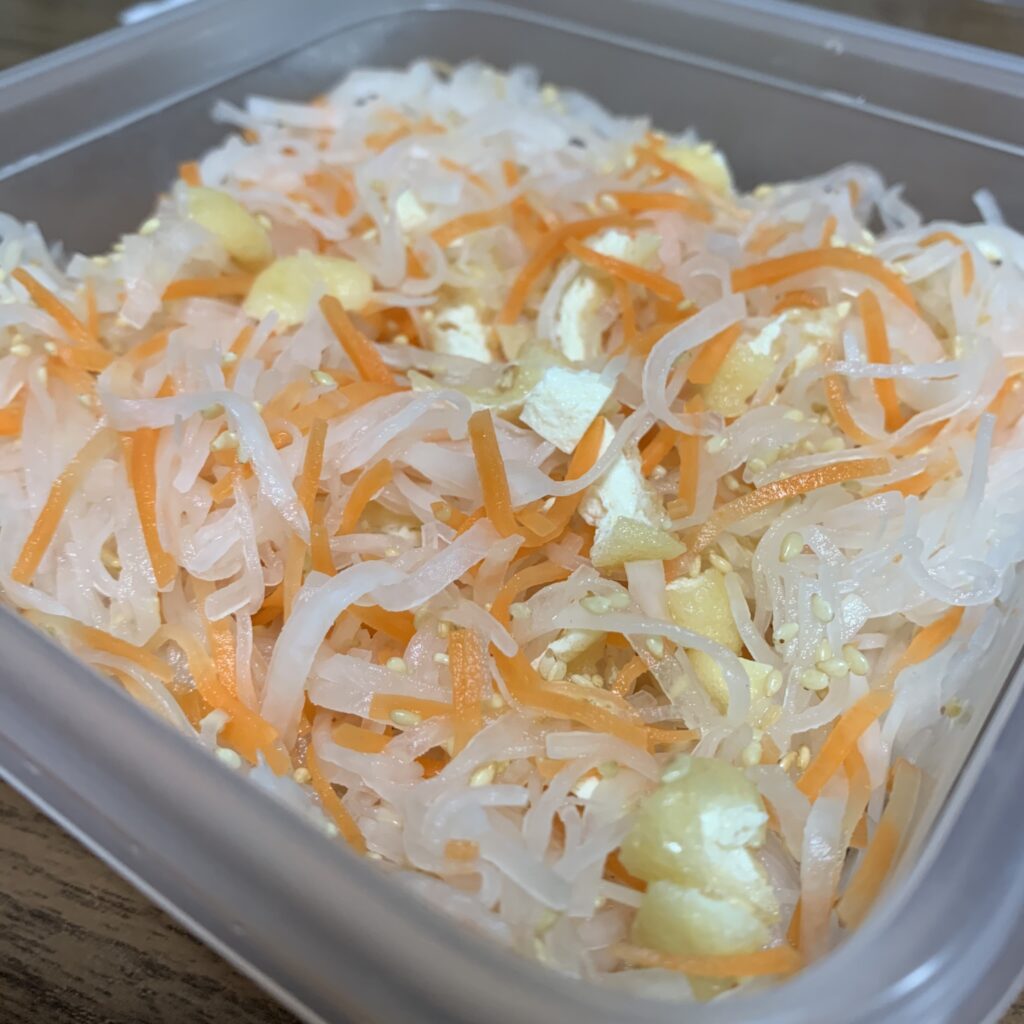
🔓 This dish stores beautifully in the refrigerator for several days, and the flavor actually improves as it marinates!
Celebrating Milestones
Check out my other traditional recipes here:
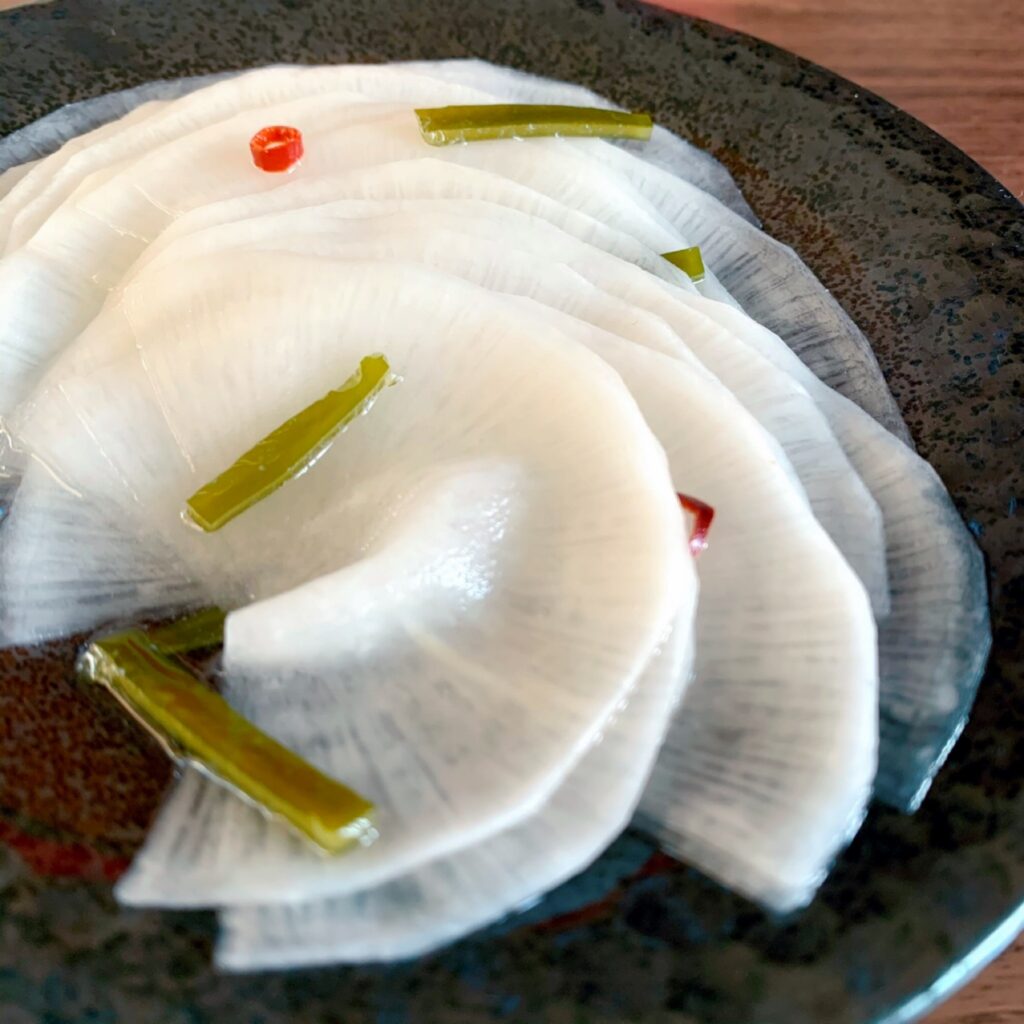
- Daikon radishes, which are in season in winter, are sweet and delicious. Check out the senmaizuke recipe as well.
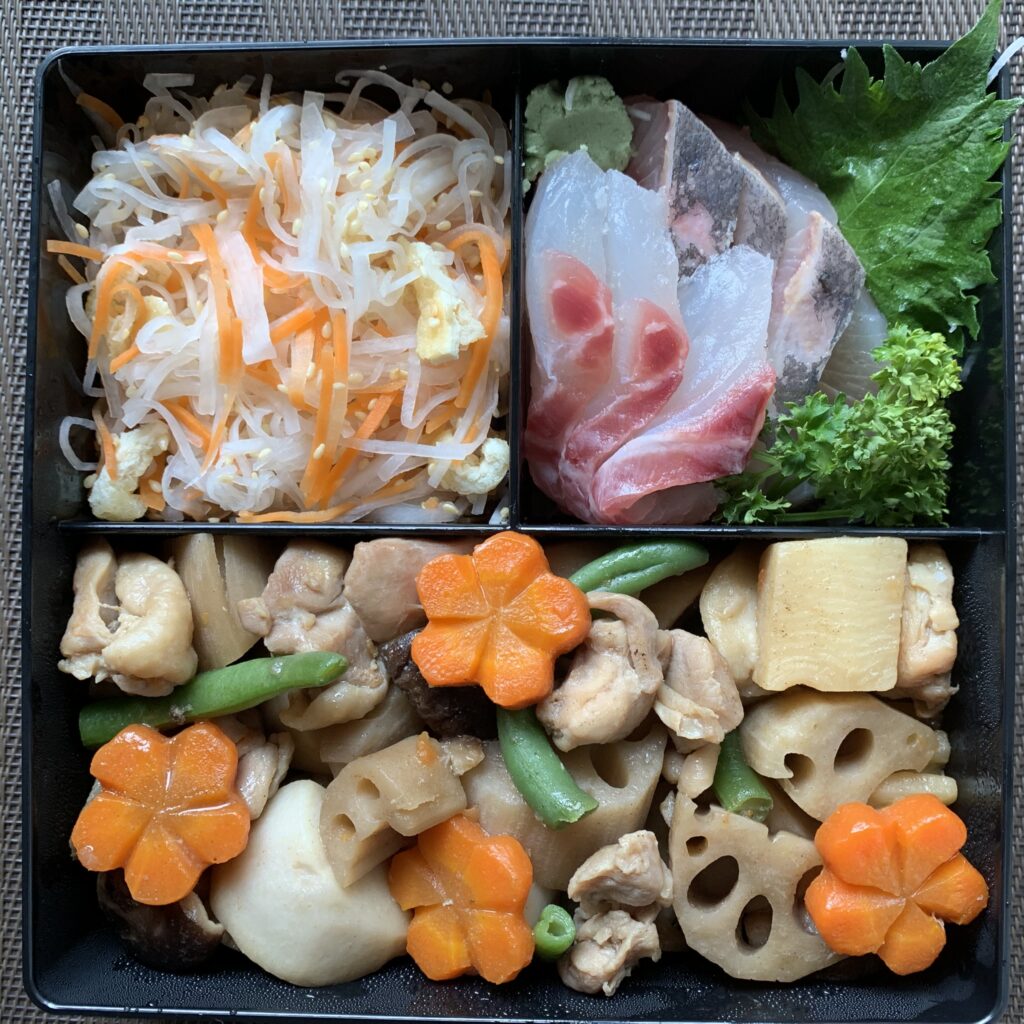
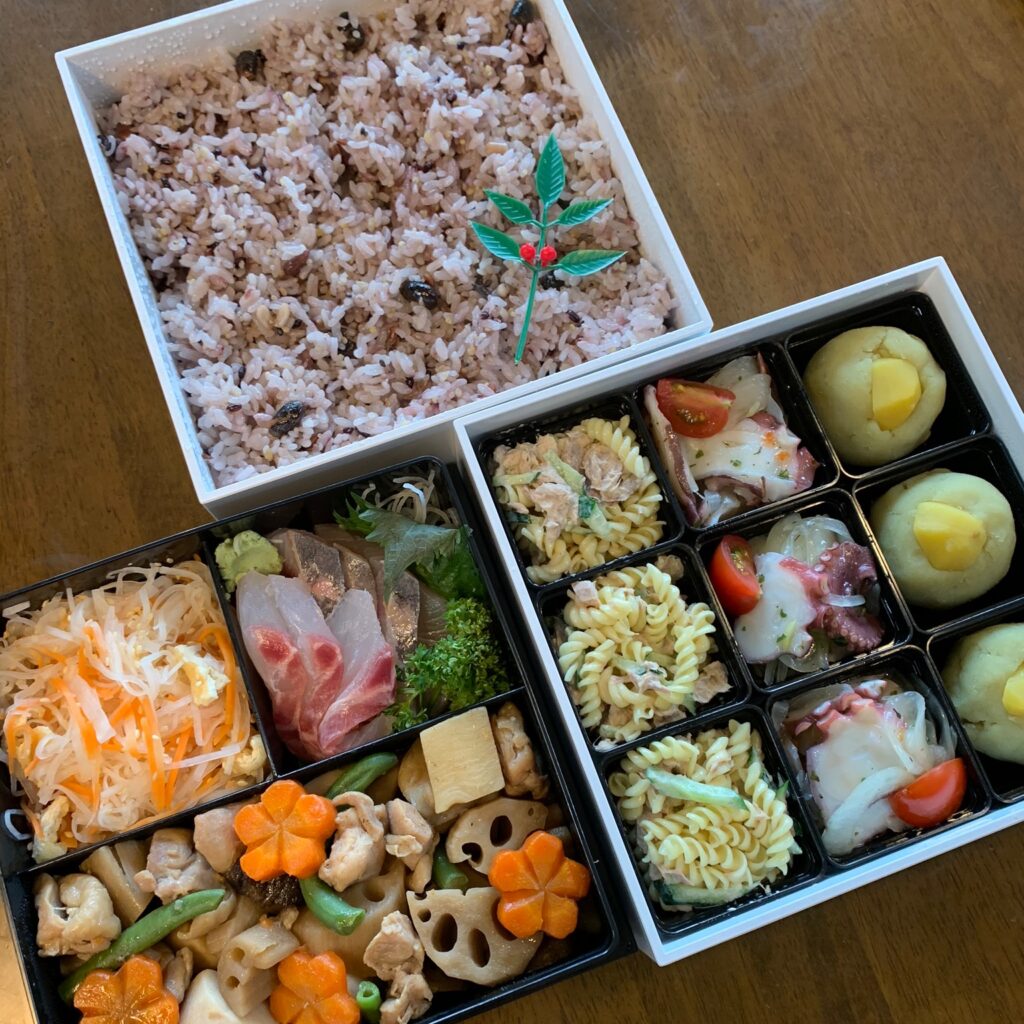
- I recently made this batch for my nephew’s “Hundred Days Celebration” (Okuizome)—a traditional ceremony held 100 days after a baby is born to wish them a life where they never go hungry.
📖Read the Japanese version of this article here! [【お正月の定番】紅白なますの作り方|平和を願う縁起物レシピ]

コメント