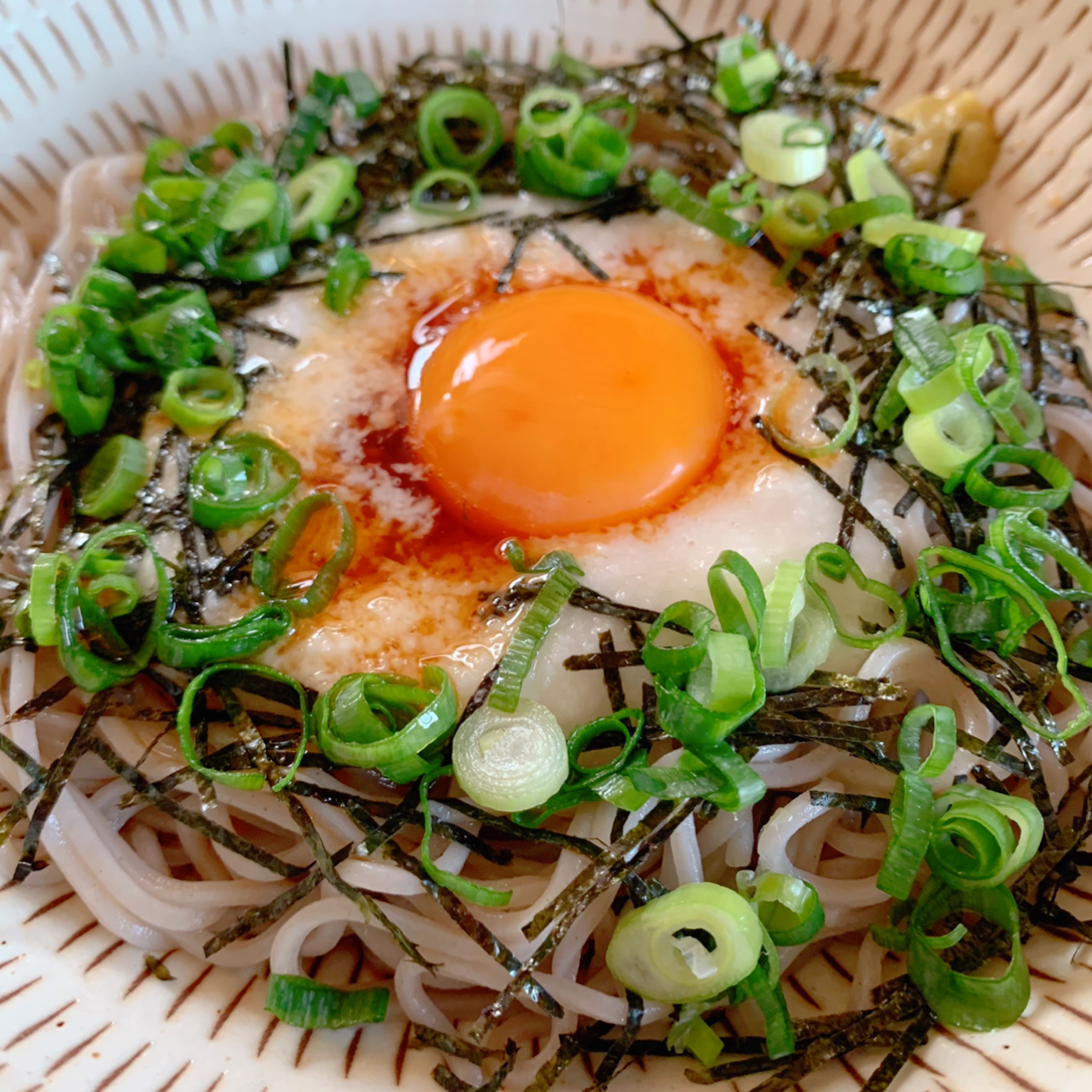
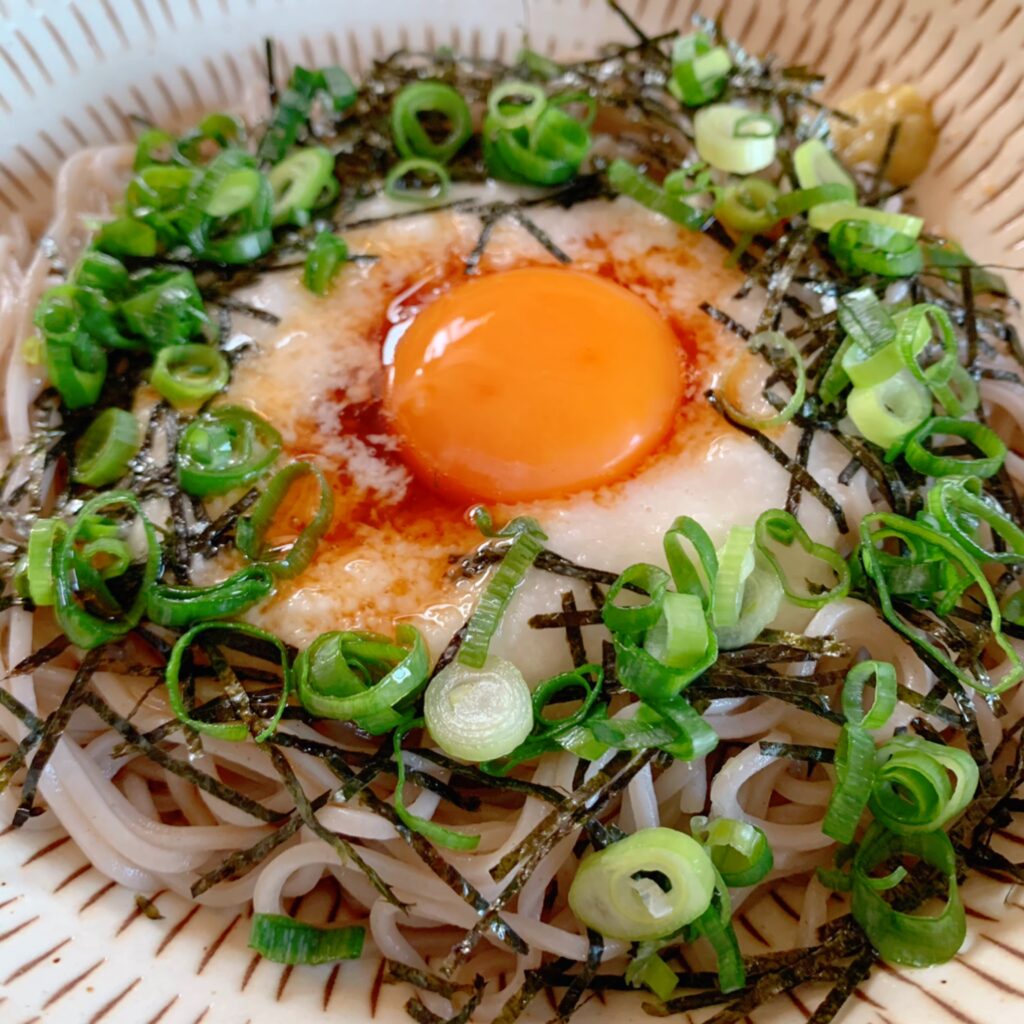
- Authentic Tororo Soba (Yamakake Soba) ~Healthy Japanese Buckwheat Noodles with Grated Yam~
- 📊NUTRITION FACTS (Per Serving): Tororo Yamakake soba
- 🍳 INGREDIENTS (Serves 6): Tororo Yamakake soba
- 🔪How to make Tororo Yamakake soba
Authentic Tororo Soba (Yamakake Soba) ~Healthy Japanese Buckwheat Noodles with Grated Yam~
Tororo Soba, also known as Yamakake Soba, is a popular variation of the traditional Japanese noodle dish soba, topped with a generous amount of grated yam.
The smooth texture of the grated yam, its slippery feel, and its sticky consistency bring out the full flavor of the light soba noodles.
Among the many soba toppings available, yam-flavored soba noodles are particularly popular.
💡 (Recommended Serving Instructions) Adding a raw egg to your liking adds a rich, mellow flavor to the smoothness of the grated yam, creating an even more mellow and profound taste. (If you don’t like raw eggs, feel free to omit the egg.)
🥢”Tororo” and “Yamakake”
- Tororo: Grated yam, characterized by its unique stickiness and smooth, silky texture.
- Yamakake: A general term for dishes topped with grated yam. It is used not only for soba , but also for udon and rice.
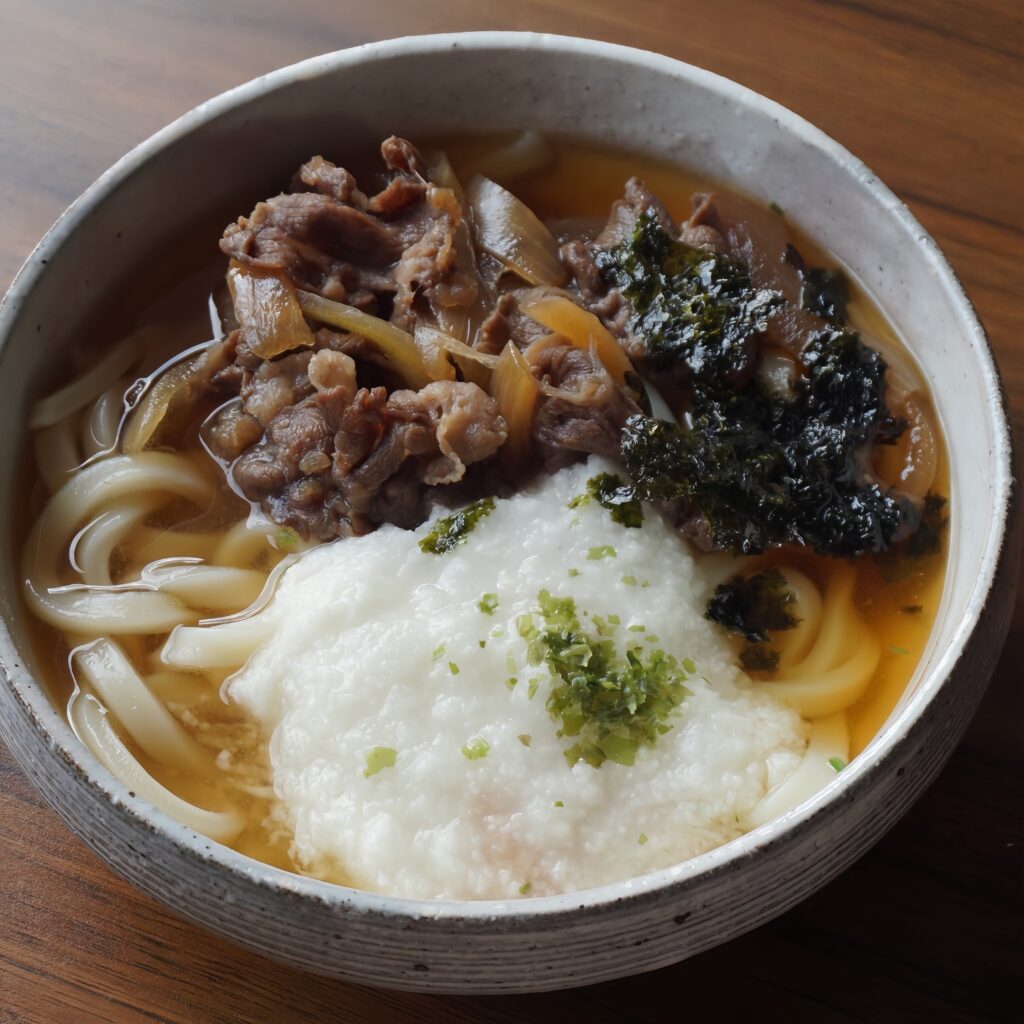
🍜 About Soba (Soba)
Soba is a Japanese noodle dish made primarily from buckwheat flour.
Buckwheat flour is kneaded with water, rolled thinly, and cut into thin strips. Because buckwheat flour has little gluten, it’s common to add wheat flour, mountain yam, or eggs as binders.
- Juwari Soba (100% Fresh Flour): This refers to soba noodles made without any binders other than buckwheat flour. This allows you to fully enjoy the soba’s original flavor.
📝Weight Changes in Soba Noodles
Dried Soba (Kanmen)
- Before cooking: 100g
- After boiling: Approx. 260g – 300g
Fresh Soba (Namamen)
- Before cooking: 100g
- After boiling: Approx. 190g
Standard Serving Size (Per Person)
A typical serving is 80g – 100g of dried noodles, which yields approximately 200g – 300g when cooked.
🌷Main Soba Variations (Example Toppings)
In addition to Yamakake Soba, soba noodles are available with a variety of toppings, including the following, to suit the season and your mood.
| Variety | Characteristic Topping |
| Niku Soba | Beef simmered in soy sauce and sugar (sweet and savory) |
| Sansai Soba | Seasonal wild vegetables such as bracken (warabi), bamboo shoots (takenoko), and nameko mushrooms |
| Zaru Soba / Seiro Soba | Cold noodles served with chopped green onions or nori seaweed and wasabi. Cold soba noodles are served on a board made of thin bamboo strips tied together with string called zaru. They are also known as “seiro soba.” |
| Kakiage Soba | Tempura of ingredients like shrimp and onion slices (mixed vegetable fritter) |
| Kamo Nanban Soba | It is topped with roasted duck and white leek. In Oita Prefecture, it is often garnished with yuzu pepper. |
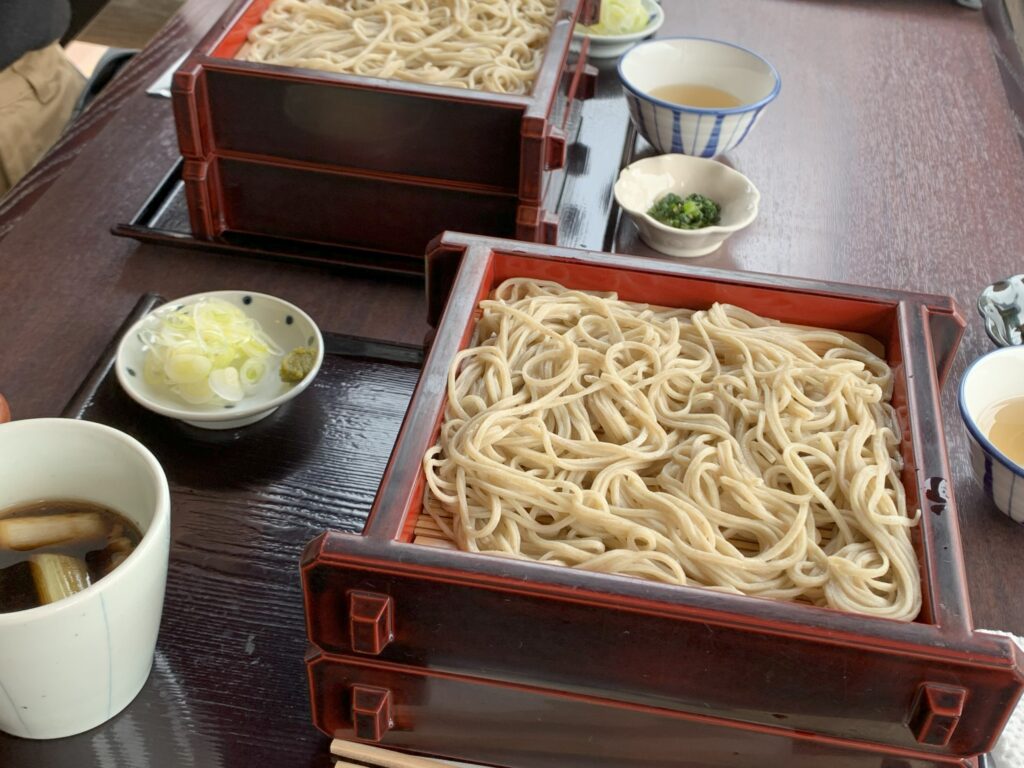
Kamo nanban Zaru soba This is Zaru soba with roasted duck. I ate it at a soba restaurant in Yufuin, a famous hot spring resort. If you choose the Kamo nanban Zaru soba at this restaurant, they will be served with hot soup. Only skilled craftsmen can make tokachi soba. And while there are dried soba noodles labeled as jyuwari soba(十割そば), freshly made, high-quality soba is noticeably different from other soba. Please give it a try.
💪Health benefits of Tororo Yamakake soba
Yamakake Soba offers excellent health benefits thanks to the combination of soba (buckwheat noodles) and yam (tororo), both of which are highly nutritious.
🌱Rutin Prevents Lifestyle-Related Diseases
Soba soupb (sobayu), the water used to boil soba noodles, contains dissolved rutin, a nutrient found in buckwheat flour.
🔹What is rutin? It is a flavonoid, a type of polyphenol. It is believed to help prevent high blood pressure and arteriosclerosis.
At soba restaurants, it’s customary to mix soba soup(sobayu) with leftover noodle soup and drink it, a logical way to ensure you’re getting the full rutin.
🥬Low GI Value Supports Blood Sugar Management
Soba noodles are known as a low GI (glycemic index) food.
Incorporating low-GI foods into your diet will help moderate blood sugar levels and support a healthy diet.
🔹Low GI Food Criteria According to the University of Sydney in Australia, foods with a GI value of 55 or less are classified as low GI foods.
Soba (buckwheat) GI Value: Compared to white rice, which has a GI of 77, soba has a low GI of 47.
🌈Yamaimo (Tororo)’s Digestive Support Effect
Unlike other tubers such as potatoes, yamaimo has the rare characteristic of being able to be eaten raw.
Raw yamaimo is easy to digest, making it a recommended food for when you’re feeling unwell or have a poor appetite.
The sticky components in yamaimo protect the stomach lining, and when combined with soba, it makes for a smooth, easy-to-eat meal and also helps provide nutrients.
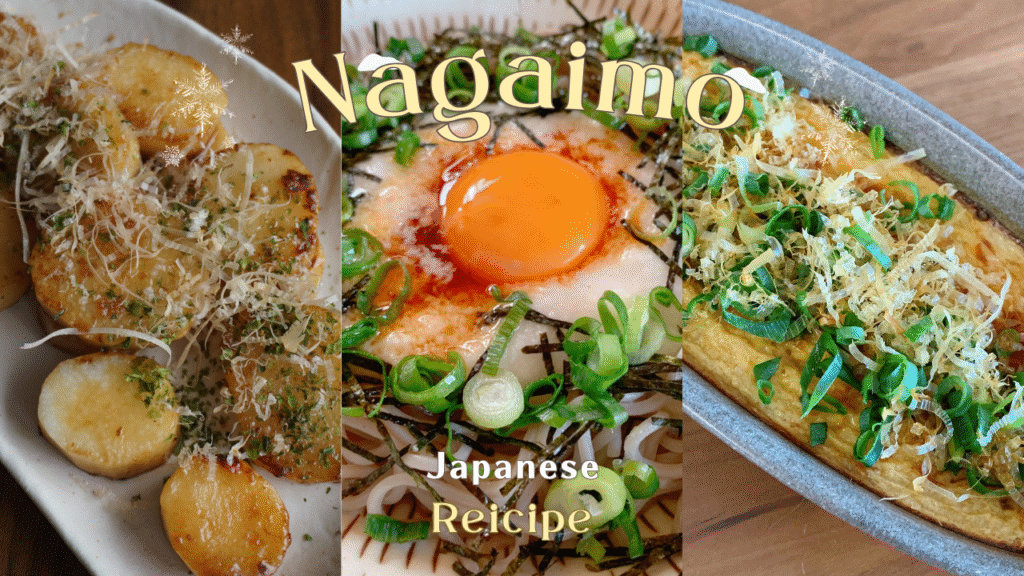
There are so many fun ways to cook nagaimo besides just grating it! Check out this article for more details and some of my favorite recipes. [Nagaimo Guide: Best Japanese Mountain Yam Recipes & Benefits]”
🍶About the soup used in Japanese noodle dishes
- Mentsuyu: Commercially available Mentsuyu can be purchased at supermarkets and convenience stores. It is a versatile seasoning that can be used for all kinds of Japanese cuisine, including simmered dishes, udon, and rice bowls (donburi).
- Soba Tsuyu: You use sugar to enhance the sweetness. This sweetness often complements the earthy flavor of buckwheat soba.
- Udon Tsuyu: You use mirin instead of sugar. Mirin provides sweetness along with a deeper, more complex umami flavor from the alcohol and aging process, which pairs well with the neutral flavor of wheat-based udon.
📊NUTRITION FACTS (Per Serving): Tororo Yamakake soba
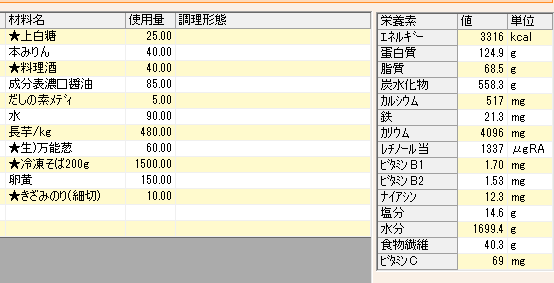
| total | per serving | |
| Calories | 3,316 kcal | 553 kcal |
| Protein | 124.9 g | 20.8 g |
| Total Fat | 68.5 g | 11.4 g |
| Total Carbohydrates | 558.3 g | 93.1 g |
| Salt Equivalent | 14.6 g | 2.4 g |
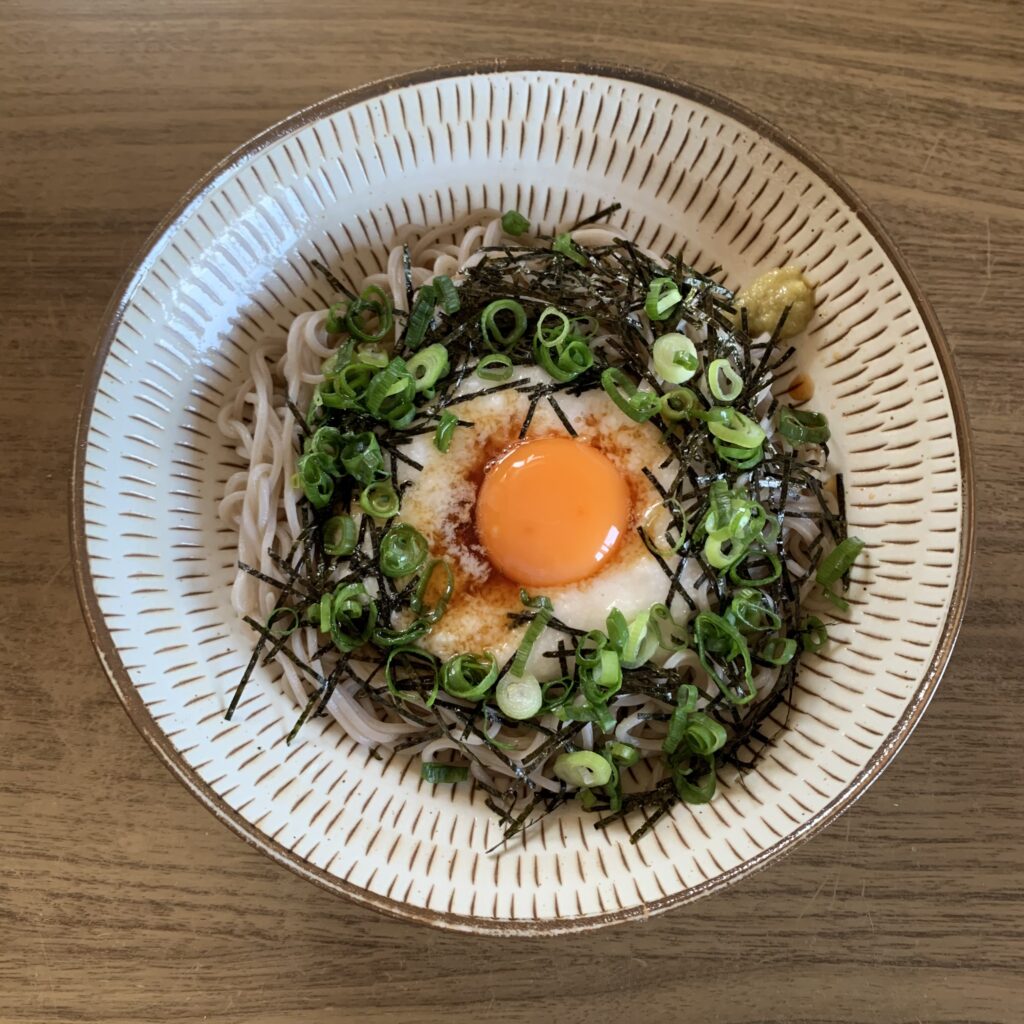
🍳 INGREDIENTS (Serves 6): Tororo Yamakake soba
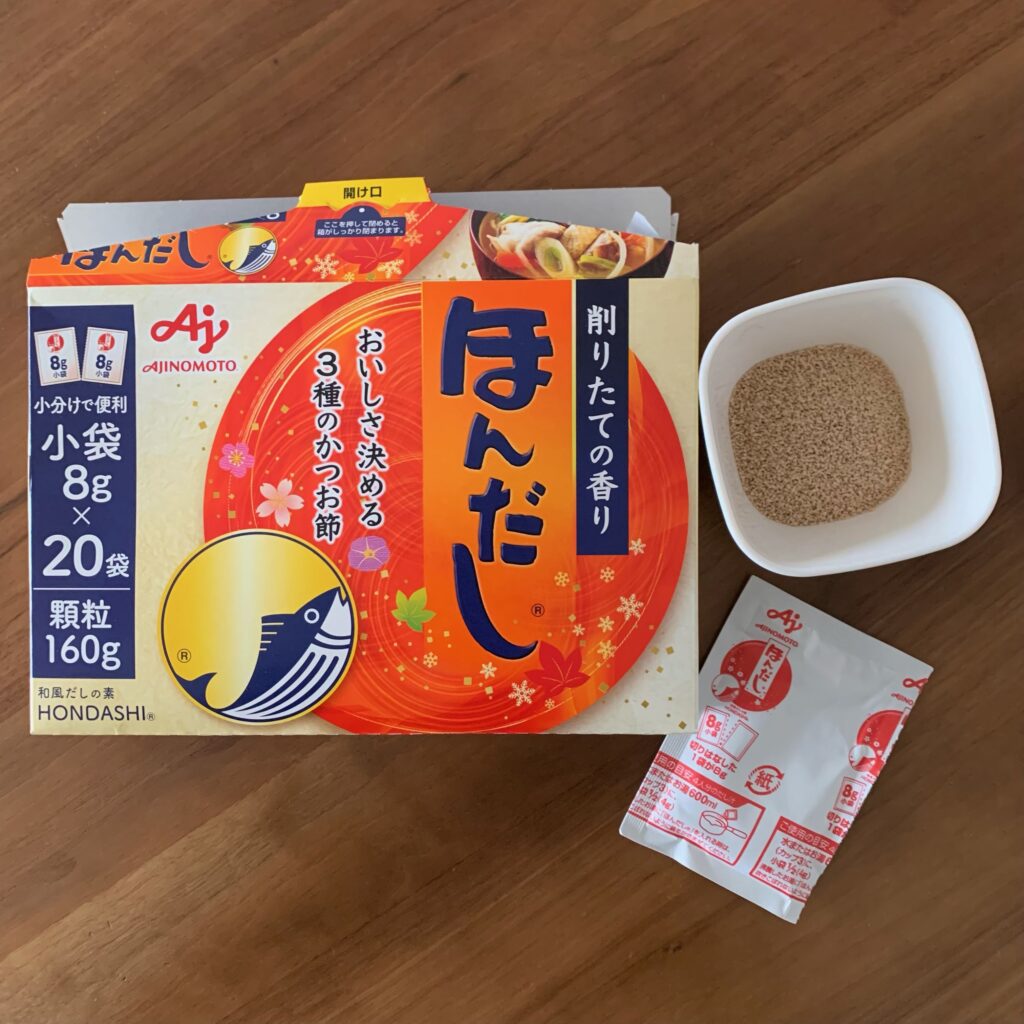
[Soba Tsuyu (Dipping Sauce)]
- Sugar: 25g
- Mirin: 40g
- Sake: 40g
- Soy Sauce: 85g
- Dashi Stock Granules: 5g
- Ice or Cold Water: 80–100g
[Tororo Soba]
- Nagaimo (Japanese Mountain Yam): 480g
- Green Onion: 60g
- Dried Soba Noodles: 600g (Note: Serving size guide per person: 100g dried, 140g fresh)
- Egg Yolks: 6 pieces
- Shredded Nori Seaweed: 10g
- Wasabi or yuzu kosho: to taste
🔪How to make Tororo Yamakake soba
🍜 Preparing the Concentrated Soba Tsuyu
- Put the measured amounts of sugar, mirin, sake, soy sauce, and dashi stock granules into a saucepan.
- Bring the mixture to a boil over medium heat.
- As soon as it comes to a boil, immediately turn off the heat. (This prevents the soy sauce flavor from becoming too cooked down or bitter and preserves the rich aroma).
- Let the mentsuyu cool down, and then chill it completely in the refrigerator.
Note📒: As you mentioned, this is a strong flavor because it will be diluted with water or dashi when preparing the final soba soup for the dish.
🥣 Completing the Tororo Yamakake Soba
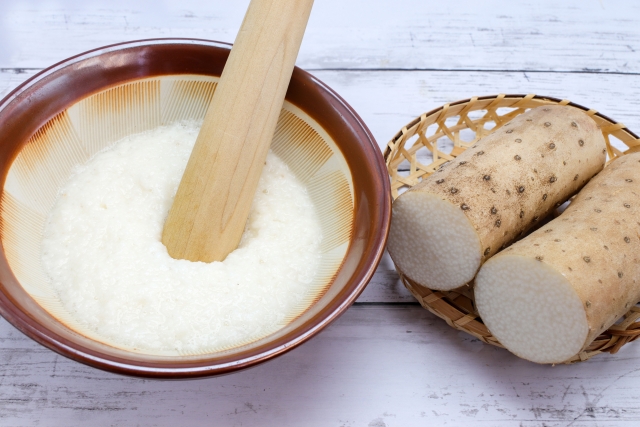
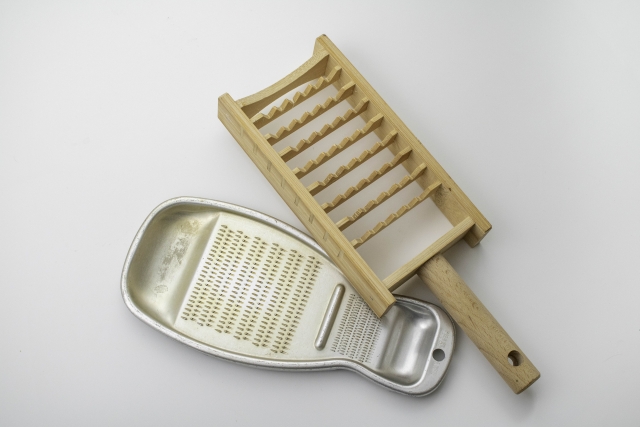
1. Prepare the Mountain Yam
- Peel: To prevent the yam from becoming slippery and to avoid injury, use a peeler to remove the skin while the yam is dry.
- Anti-itch Tip: The sticky components of the yam can cause skin irritation. We recommend wearing vinyl or rubber gloves to keep your hands from getting itchy.
- Final Touch: Once peeled, give the yam a quick rinse under water.
2. Grate and Prep the Garnish
- Grate: Grate the yam using a Japanese grater (oroshigane) or a grinding bowl (suribachi). (A food processor works too, but it may leave small lumps.)
- Green Onions: Finely chop the green onions into thin rounds.
3. Boil the Soba Noodles
- Bring plenty of water to a boil in a large pot and cook according to the package instructions:
- Dried noodles: Approx. 5 minutes
- Fresh noodles: Approx. 2 minutes
- Pre-boiled (soft) noodles: Approx. 1 minute
- Point: Maintain a steady, rolling boil throughout the entire cooking time.
4. Rinse and Chill (The Most Important Step!)
- Once cooked, immediately rinse the noodles under cold running water to remove excess starch.
- Finish by chilling them in ice water. This “shocks” the noodles, giving them a firmer texture (koshi) and a smoother throat-feel.
- Note: Soba noodles are delicate and break easily, so handle them gently.
5. Prepare the Tsuyu (Soup Base)
- Take your pre-made “concentrated tsuyu” from the fridge and dilute it with ice or cold water.
- Pro Tip: Since the other ingredients will slightly dilute the flavor, the soup is perfect when it tastes “just a little too strong” on its own.
6. Serving
- Place the chilled soba noodles in a bowl and top with the grated yam, egg yolk, green onions, and shredded nori seaweed.
- Finally, pour the tsuyu over everything.
- To taste: Enjoy with a touch of wasabi or yuzu pepper!
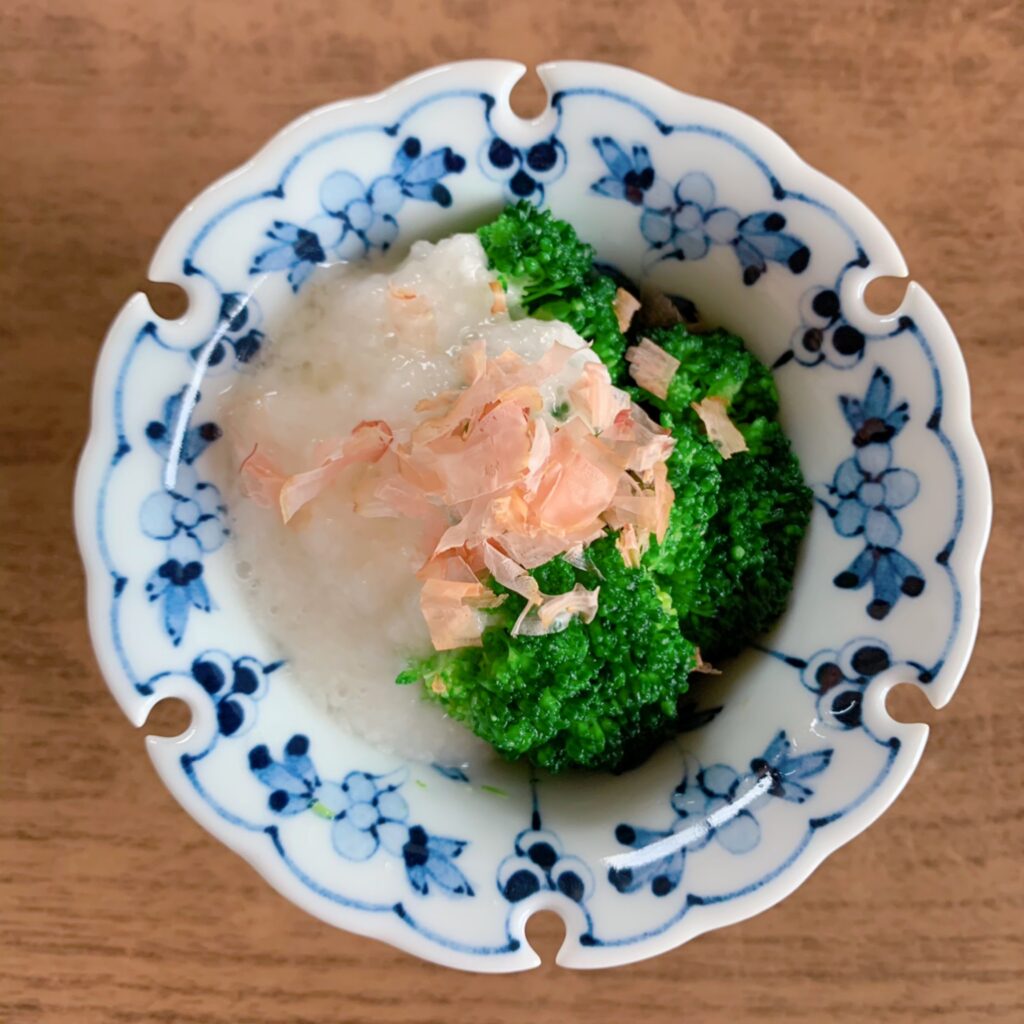
💡ヒント: If you have any leftover grated yam, we recommend topping it on broccoli or spinach. For seasoning, please use salt koji, soy sauce, or mentsuyu.
📖Related Link: Read the Japanese version of this article here! [とろろそば]


コメント