
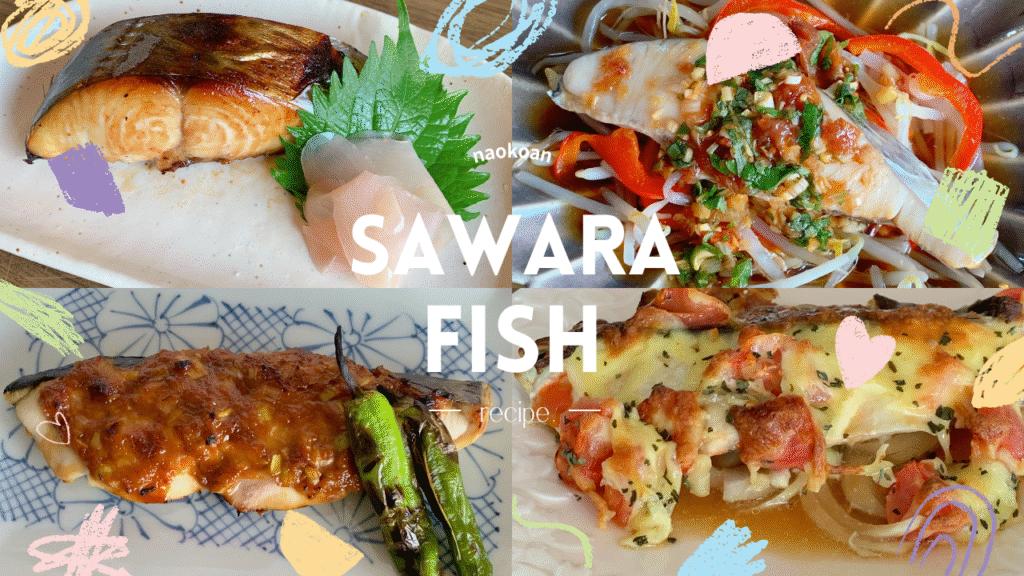
- What kind of fish is Sawara (Spanish Mackerel) ??
- Recipes using Sawara (Spanish Mackerel)
- 10-Minute Healthy Recipe: Steamed Spanish Mackerel with Special Umeboshi Sauce
- Aromatic Grilled Spanish Mackerel with Shiso | Low-Sodium & Oven-Baked Recipe
- Sawara Saikyoyaki (Spanish Mackerel Marinated in Sweet White Miso) | Dietitian’s Golden Ratio Recipe
- Sawara Yuan yaki (Spanish mackerel with yuzu)
- Aromatic Sawara Negimiso Yaki (Grilled Spanish Mackerel with Scallion Miso Glaze)
- Savory Spanish Mackerel with Tomato & Cheese | An Umami-Rich Oven Bake
- Kid-Friendly & Fish-Hater Approved: Baked Spanish Mackerel with Miso-Mayo Cheese
What kind of fish is Sawara (Spanish Mackerel) ??
Sawara, known as Spanish Mackerel, is a fascinating fish in Japanese cuisine. While it is classified as a white fish (shiromi), it possesses a rich, buttery flavor and a succulent fat content that rivals many blue-backed fish.
The name “Sawara” is written in Kanji as “鰆”, combining the characters for “Fish” (魚) and “Spring” (春). This beautifully reflects its role as a seasonal harbinger of spring in Japan.
Key Facts About Sawara:
- A “Growing” Name: Similar to Yellowtail (Buri), Sawara is a shusse-u—a fish that changes its name as it grows. Younger, smaller fish (around 50cm) are called “Sagoshi,” while only the large, mature ones (up to 1 meter) earn the title of “Sawara.”
- Nutritional Value: As a dietitian, I highly recommend Sawara for its high-quality protein and rich Omega-3 fatty acids, which are essential for heart and brain health.
- A Rare Seasonal Treat: In recent years, the annual catch has been decreasing, making it a premium, high-end fish in Japanese markets. Despite its rising price, its soft texture and elegant taste make it a seasonal luxury truly worth the experience.
- How to Enjoy (Cooked vs. Raw): While Sawara is versatile, it is most commonly enjoyed cooked—grilled, steamed, or fried—to bring out its rich oils. Because it loses freshness quickly, it is rarely eaten raw like typical sashimi. Instead, when served as sushi, it is traditionally cured with vinegar (su-jime) to enhance the flavor and ensure food safety.
- Culinary Versatility: Its delicate yet firm texture excels in various methods—from traditional Miso-marinating (Saikyo-yaki) to modern Western-style meunière.
Recipes using Sawara (Spanish Mackerel)
Discover Your New Favorite Sawara Recipe
Ready to bring the taste of Japan into your kitchen? Below, I’ve curated a collection of easy yet authentic recipes that showcase the versatility of Spanish Mackerel.
From traditional Kyoto-style marinades to quick oven-baked fusion dishes, these recipes are designed to be nutritionally balanced and simple enough for weeknight dinners. Click on each dish to explore the detailed steps, tips, and the science behind the flavors!
10-Minute Healthy Recipe: Steamed Spanish Mackerel with Special Umeboshi Sauce
- Healthy & Versatile: Fluffy steamed Spanish mackerel and crunchy vegetables paired with a sweet and tangy special plum sauce. This versatile sauce also goes wonderfully with chicken breast, yakitori, or tofu!
- Health Benefits: Packed with nourishing benefits—citric acid to recover from fatigue, alkaline properties to gently balance your body’s pH levels, and natural support for smooth digestion.

Aromatic Grilled Spanish Mackerel with Shiso | Low-Sodium & Oven-Baked Recipe
- Delicious Even with Less Sodium: By leveraging the refreshing aroma and flavor of shiso (green perilla), this recipe delivers a highly satisfying taste while keeping the sodium content low (lower in salt compared to typical fish dishes like teriyaki).
- Easy Oven Cooking & Less Odor: Baking in the oven (at 230°C / 445°F) leaves less lingering fish smell in the kitchen and makes cleanup effortless.
- Perfect Pairing with Senmaizuke: Serving this alongside sweet and sour pickled radish (Senmaizuke) creates a bright acidity that complements the rich taste of Spanish mackerel beautifully.
【Aromatic Grilled Spanish Mackerel with Shiso | Low-Sodium & Oven-Baked Recipe】

Sawara Saikyoyaki (Spanish Mackerel Marinated in Sweet White Miso) | Dietitian’s Golden Ratio Recipe
- Traditional Saikyoyaki: A quintessentially Japanese traditional dish featuring fish marinated in “Saikyo Miso,” a specialty sweet white miso from Kyoto, and grilled to perfection. It tastes delicious even when served cold, making it perfect for Bento!
- Foolproof Golden Ratio Marinade: The precise golden ratio of white miso, sugar, sake, and mirin ensures a sophisticated, gentle sweetness without being overly salty.
- Versatile Fish Selection: Beyond Spanish mackerel (Sawara), this marinade works equally well with silver cod (Gindara) or salmon.
【Easy & Authentic Sawara Saikyoyaki Recipe (Japanese Grilled Miso Fish)】

Sawara Yuan yaki (Spanish mackerel with yuzu)
- What is Yuan-yaki?: Invented by Kitamura Yuan, a tea master from the Edo period, this traditional Japanese dish features fish marinated in soy sauce, mirin, and sake infused with bright citrus aromas for an elegant, deep flavor profile. Because the fish stays tender even after cooling, it is also ideal for Bento boxes.
- Golden Ratio Marinade: By following a simple 1:1:1 ratio of soy sauce, mirin, and sake—along with using both the juice and zest of a whole yuzu—anyone can recreate a rich, professional taste at home. (You can also substitute Spanish mackerel with salmon, yellowtail, or chicken!)
- Ancient Wisdom of Yuzu & Winter Solstice: Just like the Japanese custom of taking a warm Yuzu-yu (yuzu bath) on the Winter Solstice, the refreshing fragrance of yuzu provides a therapeutic, relaxing effect. Furthermore, leveraging citrus acidity allows you to naturally reduce salt intake while remaining fully satisfied with the flavor
【The Scent of Yuzu: Authentic Sawara Yuan-yaki (Japanese Glazed Spanish Mackerel)】
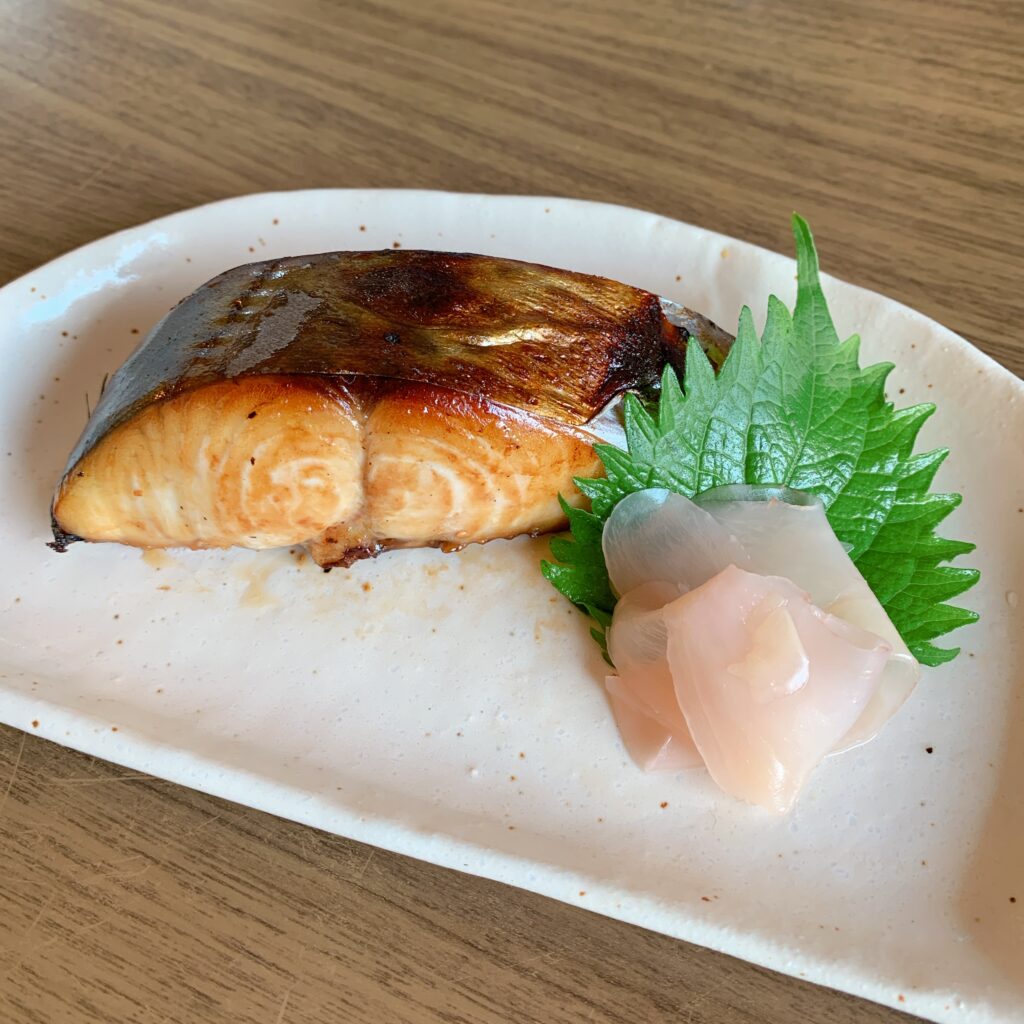
Aromatic Sawara Negimiso Yaki (Grilled Spanish Mackerel with Scallion Miso Glaze)
- Aromatic Scallion Miso: Seasonal, fatty Spanish mackerel (Sawara) coated in a savory-sweet scallion miso glaze and grilled until fragrant—an irresistible dish that naturally boosts your appetite!
- Versatile Miso Selection: While this recipe uses rich, deep red miso (Aka-miso), it easily adapts to your preference—try sweet white miso (Shiro-miso) for a refined flavor or mixed miso (Awase-miso) for a milder taste.
- Pro-Tip for Zero-Waste Leeks: The transition area where the white part of the leek meets the green top contains natural fibers that blend perfectly with miso and become exceptionally sweet when heated, making it ideal to use instead of discarding.
- Bonus Idea (Grilled Rice Balls): If you have any extra scallion miso sauce left over, brush it over a rice ball and toast it to make delicious Negimiso Yaki Onigiri!
【Sawara Negimiso Yaki: Grilled Spanish Mackerel with Scallion Miso Glaze】

Savory Spanish Mackerel with Tomato & Cheese | An Umami-Rich Oven Bake
- Effortless “Dump & Bake” Oven Cooking: Simply arrange the ingredients in a baking dish and let the oven do all the work! Say goodbye to scrubbing the messy fish grill.
- 8x Flavor Boost via Umami Synergy: Combining the inosinate from Spanish mackerel with the glutamate from tomatoes and cheese multiplies the savory flavor exponentially. Paired with the natural compatibility of fermented soy sauce and cheese, it delivers a deeply satisfying taste even with reduced salt.
- High-Protein & Low-Carb: Packing an impressive 25.4g of protein and only 7.4g of carbs per serving, this nutrient-dense main dish is ideal for muscle building, body-shaping, or low-carb diets.

Kid-Friendly & Fish-Hater Approved: Baked Spanish Mackerel with Miso-Mayo Cheese
- Perfect for Kids & Fish Lovers Alike: A mouthwatering, rice-friendly side dish combining the rich, savory depth of mayonnaise and miso with the melty, aromatic goodness of cheese.
- Quick 10-Minute Cooking: Fast and easy to whip up using a fish grill, toaster oven, or conventional oven—making it an ideal time-saver for busy weeknights. It stays delicious even when cold, perfect for Bento boxes too!
- Pro-Tips for Success: Thoroughly salting and patting dry the Spanish mackerel eliminates fishy odors, concentrates its natural umami, and prevents the melted cheese from sliding off. Bringing the cheese to room temperature beforehand also helps achieve a beautiful, golden-brown crust!
【Broiled Spanish Mackerel with Savory Miso-Mayo & Melted Cheese】
Read the Japanese version of this article here! []

コメント