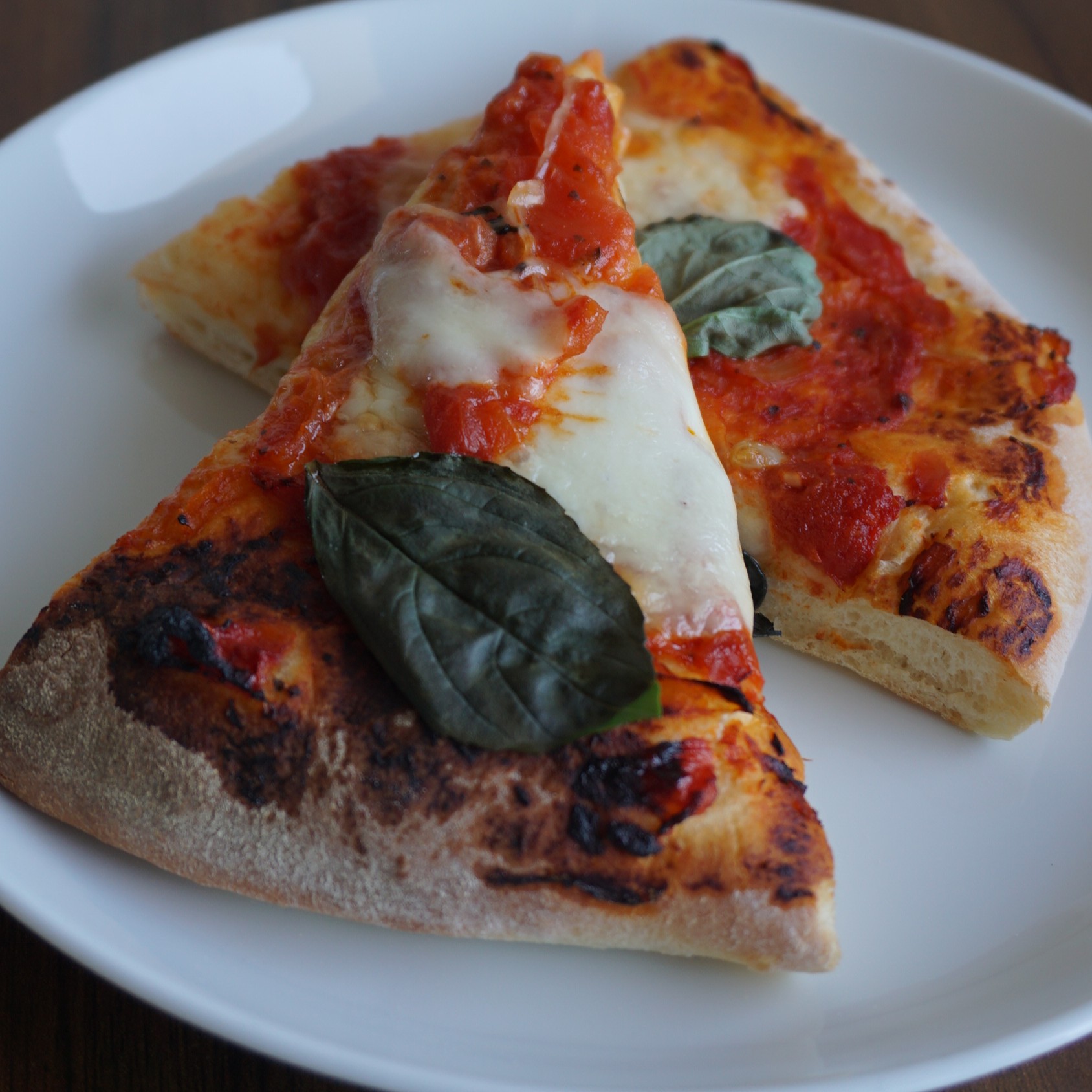
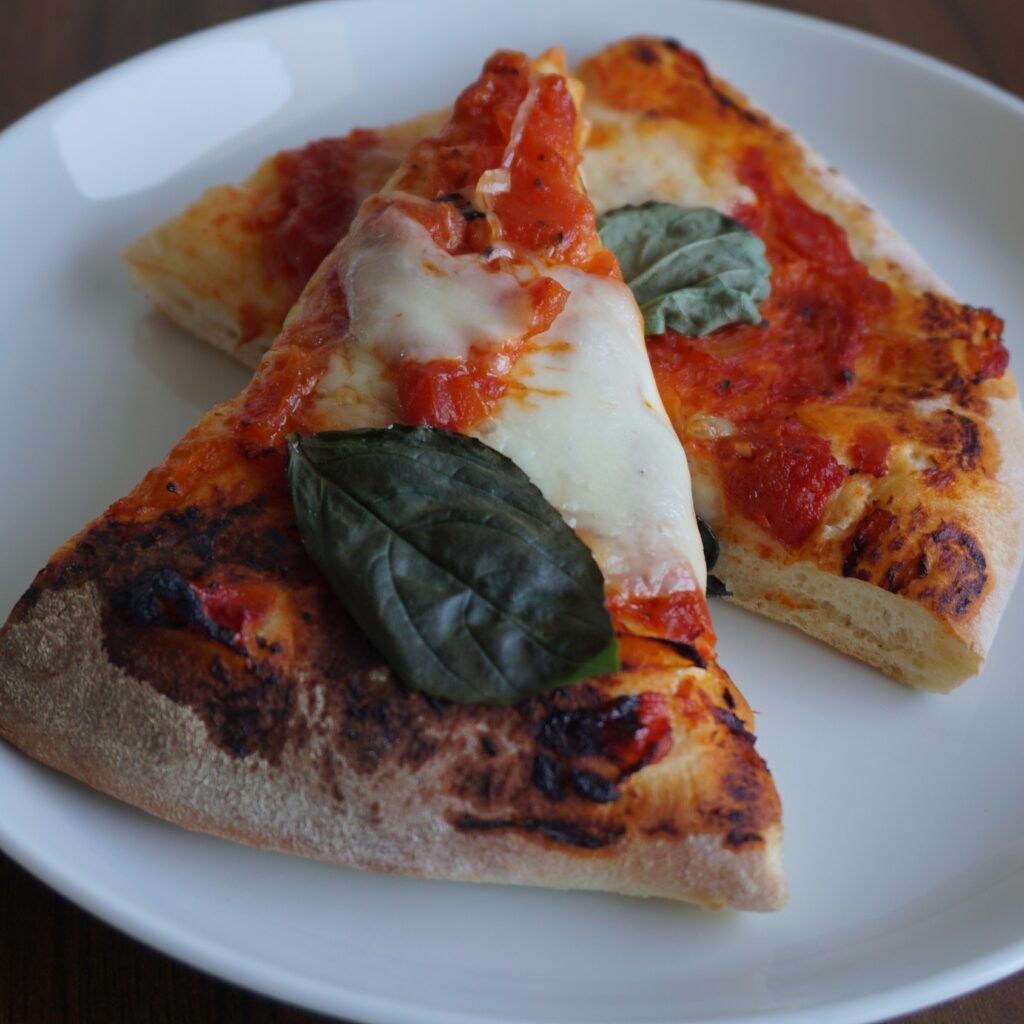
- Fluffy Japanese-Style Margherita Pizza: An Easy Bread Maker Recipe
- Nutritional Information (Total for 2 pizzas)
- Ingredients (For 2 pizzas)
- Pizza Margherita Instructions
- Pro-Tips for Delicious Results
Fluffy Japanese-Style Margherita Pizza: An Easy Bread Maker Recipe
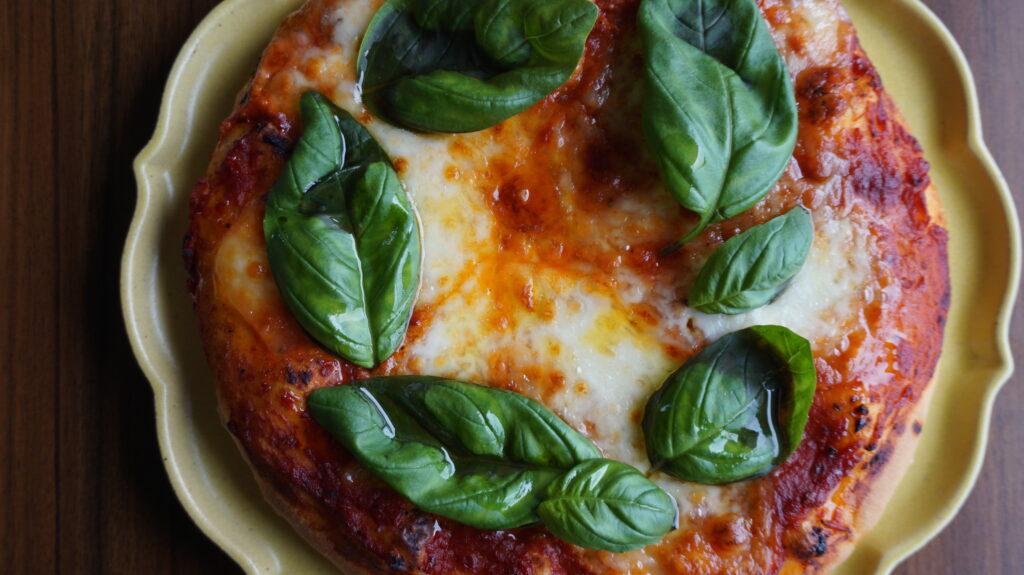
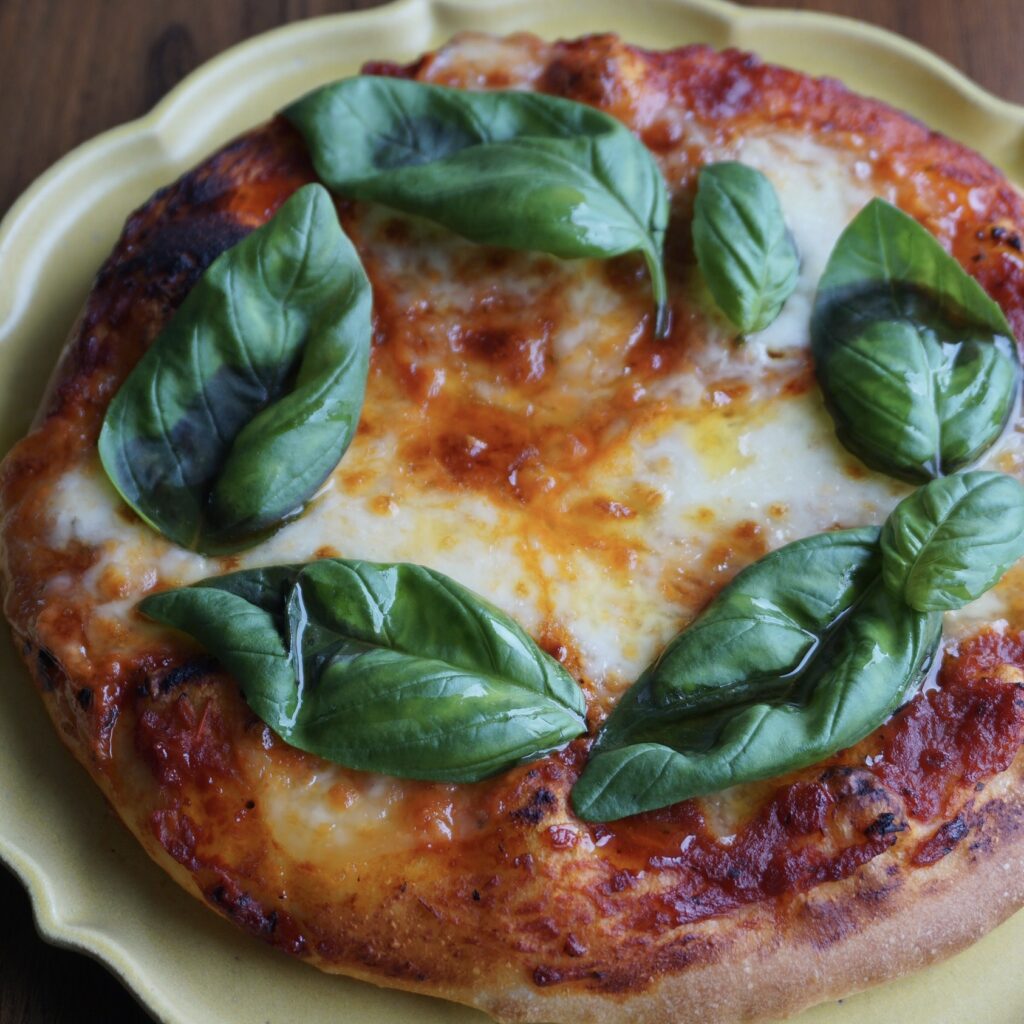
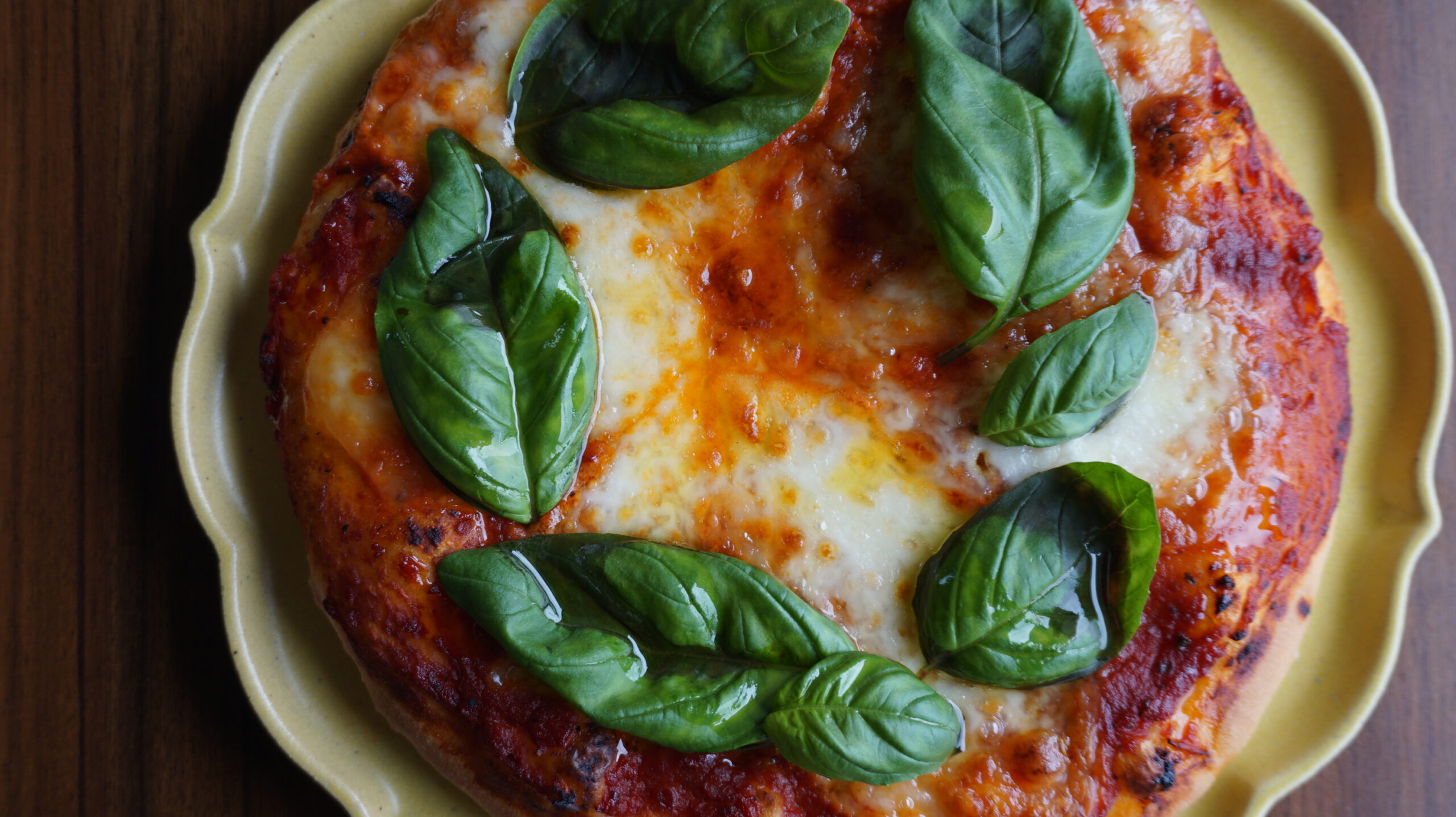
The red of tomatoes, the white of mozzarella, and the green of basil—the colors of the Italian flag. Said to have been dedicated to Queen Margherita, this pizza is a dish where the simplicity of the ingredients truly shines.
Today, I’ll show you how to make “home-style pizza” that tastes authentic but is easily prepared using a bread maker.
Differences in Pizza Dough Characteristics and Formulas by Country and Region
There are distinct differences between Japanese pizza dough and foreign pizza dough (primarily from Italy, the birthplace of pizza, and the United States, which pioneered delivery pizza culture) in terms of ingredients (the presence of fats and sugars), fermentation and shaping, and baking methods. These differences create clear variations in texture and flavor.
The most significant difference lies in their culinary roles: traditional Italian dough is a simple bread (a staple food meant to highlight the aroma of wheat flour and the umami of fermentation), whereas American and Japanese delivery pizza doughs have evolved toward enriched formulas closer to sweet buns or savory breads, designed to support rich toppings and remain soft even after cooling.
Structure and Characteristics of Each Dough
Italian Pizza Dough
- Neapolitan Pizza (Chewy Style): According to the standards of the Associazione Verace Pizza Napoletana (True Neapolitan Pizza Association), only four ingredients are permitted: flour, water, yeast, and salt. Because no oil or sugar is added, the subtle sweetness of the dough comes naturally from wheat starches breaking down during fermentation and baking. The dough is stretched by hand from the center outward without a rolling pin to push gas into the edges (cornicione), creating large air pockets that bake up crispy on the outside and pleasantly chewy (mochi-mochi) on the inside.
- Roman Pizza (Crispy Style): Olive oil is added to the dough, which is rolled out thinly and evenly with a rolling pin to press out air bubbles. Baked at high temperatures to evaporate moisture, it develops a light, cracker-like crunch that makes it ideal as an appetizer or snack alongside drinks.
American Pizza Dough
- Pan Pizza (Chicago, Detroit, and Delivery Styles): This style evolved independently in the United States from recipes brought over by Italian immigrants. To bake well in home or commercial electric and gas ovens (which operate at lower temperatures than Italian wood-fired ovens), the dough incorporates vegetable oil, shortening, and sugar. Baked in generously oiled pans, the bottom fries to a golden crunch while the interior stays thick, soft, and bread-like.
- New York Style: Stretched larger (around 45 cm / 18 inches in diameter) and thinner than Neapolitan pizza, this dough includes olive oil and a small amount of sugar. Instead of snapping like a cracker, it retains a pliable, flexible texture that allows slices to be folded in half and eaten with one hand.
Japanese Pizza Dough: “Shokupan Culture” and Adaptation to Toppings
Japanese pizza (especially delivery and store-bought chilled pizzas) is based on the American style but has evolved further to suit Japanese tastes and eating habits.
- Moisture Retention to Stay Soft When Cool: Because Japanese consumers frequently eat pizza after delivery or reheat leftovers the next day rather than eating it straight out of the oven, the dough is enriched with sugar, fats, and skim milk powder. This slows down starch retrogradation (staling), keeping the crust fluffy and tender even as it cools.
- Engineered to Support Heavy Japanese Toppings: The dough is given moderate thickness and elasticity so it will not turn soggy or tear under heavy, moisture- and oil-rich Japanese toppings such as teriyaki chicken, mochi (rice cakes), mentaiko (spicy cod roe) mayonnaise, and sweet corn.
Tips for Making Pizza Dough at Home or in a Bread Maker
- To recreate an Italian-style dough: Minimize sugar and oil, and use cold, slow fermentation in the refrigerator. This helps bring out rich wheat aroma and a chewy texture even in a standard home oven.
- To recreate a Japanese delivery or pan-style dough: Blend 20% to 30% cake/all-purpose flour (hakurikiko) into bread flour (kyorikiko), and add sugar along with butter or olive oil. This produces a tender, clean-biting, fluffy crust tailored to Japanese preferences.
Check the Video! How to Make the Dough
For a better look at the dough’s texture and how to shape it, check out this video (YouTube Shorts). Pizza Margherita Recipe Video
Nutritional Information (Total for 2 pizzas)
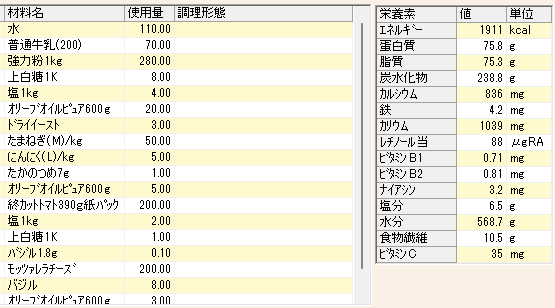
- Calories: 1911 kcal
- Protein: 75.8 g
- Fat: 75.3 g
- Carbohydrates: 238.8 g
- Salt Equivalent: 6.5 g
Ingredients (For 2 pizzas)
【Pizza Dough】
- Water: 110g
- Milk: 70g
- Bread Flour: 280g
- Sugar: 8g
- Salt: 4g
- Olive Oil: 20g
- Dry Yeast: 3g
【Homemade Tomato Sauce】
- Onion: 50g
- Garlic: 5g (1 clove)
- Red Chili Pepper: 1
- Olive Oil: 5g
- Canned Tomatoes (Diced or Whole): 200g
- Salt: 2g
- Sugar: 1g
- Dried Basil: 0.5g
【Toppings】
- Mozzarella Cheese: 200g
- Fresh Basil: 8g
- Olive Oil: A drizzle for finishing
Pizza Margherita Instructions
1. Prepare the Dough (Using a Bread Maker)
- Pour the water and milk into the bread pan.
- Add the bread flour, then place the sugar, salt, and olive oil in the four corners.
- Make a small well in the center of the flour and add the dry yeast.
- Set the machine to “Pizza Dough Mode” and start! (Kneading to first fermentation takes about 1 hour and 45 minutes).
- Point: Unlike bread dough, pizza dough only requires a single fermentation. The charm of this recipe is how quickly you can enjoy it!
2. Make the Tomato Sauce
- Finely mince the onion and garlic.
- In a frying pan, add olive oil, garlic, onion, and the chili pepper. Sauté until the onion is softened.
- Add the canned tomatoes and simmer slowly over low heat. Once the liquid has reduced, season with salt, sugar, and dried basil.
- Transfer to a dish and let it cool in the refrigerator.
3. Shaping and Baking
- Preheat your oven to 300°C.
- Cut the mozzarella into 6 portions and wrap them in paper towels to gently remove excess moisture.
- Divide the dough into 2 pieces, reshape them into balls, cover with a damp cloth, and let them rest for 15 minutes (Bench Time).
- Stretch the dough into thin circles on sheets of parchment paper.
- If the dough is sticky and difficult to handle, lightly dust the surface of the dough with a small amount of bread flour.
- Spread the tomato sauce and top with the mozzarella cheese.
- Lower the oven temperature to 250°C and bake for about 15 minutes until golden brown.
- Finish by garnishing with fresh basil and a drizzle of olive oil.
Pro-Tips for Delicious Results
- The Secret of Mozzarella: The word Mozzarella comes from the Italian word meaning “to tear off.” Its characteristic of melting beautifully when heated (the pasta filata method) makes it perfect for pizza. Be sure to drain the moisture thoroughly to prevent your pizza from becoming soggy.
- Utilizing Your Bread Maker: Even compact models like the “IBM-010-C” that I use can produce professional-grade dough. If your machine has pasta or mochi-making functions, it really expands your culinary repertoire!
Read the Japanese version of this article here! [【日本流ふんわり食感】ホームベーカリーで作る簡単マルゲリータ]


コメント