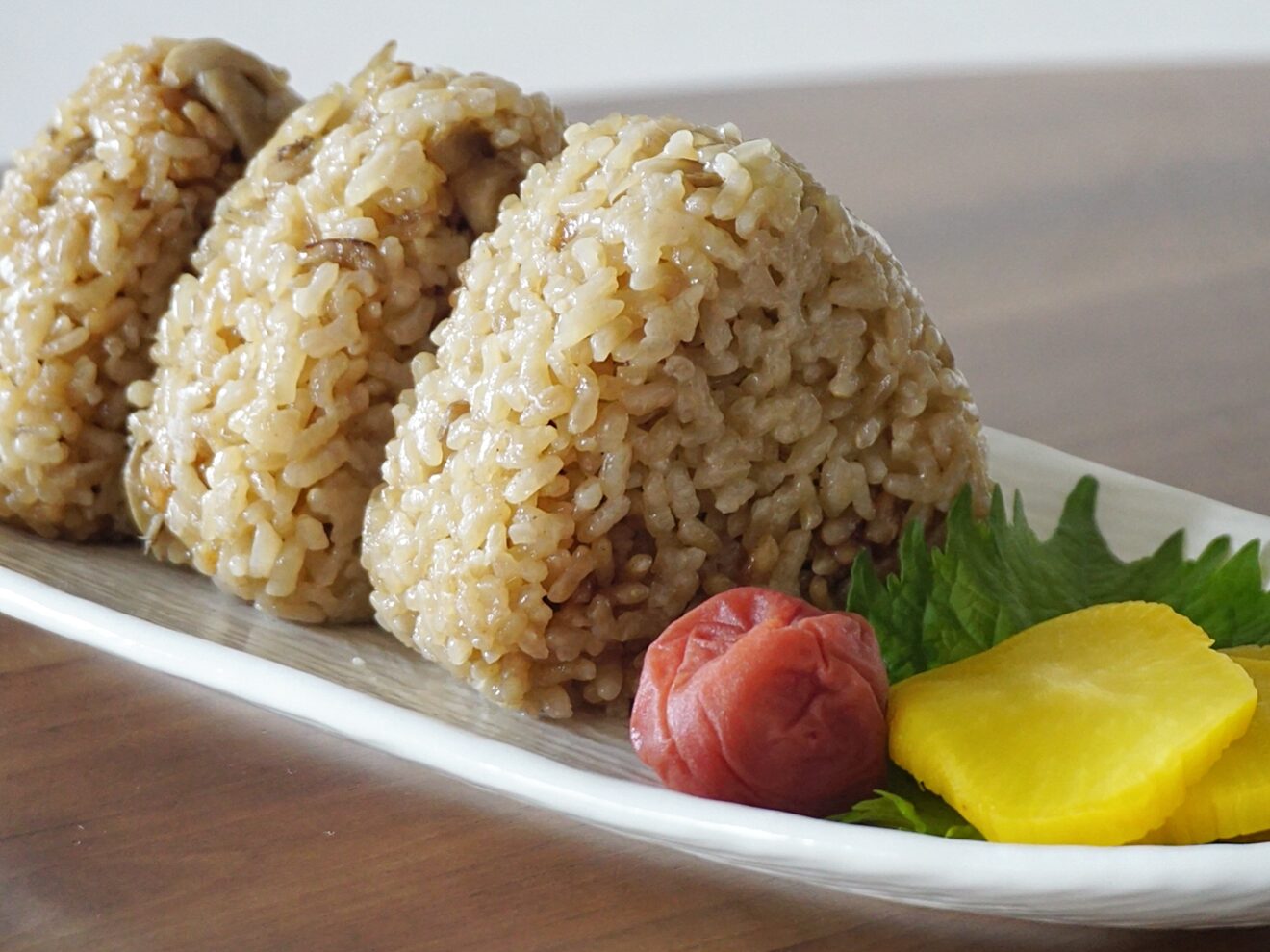
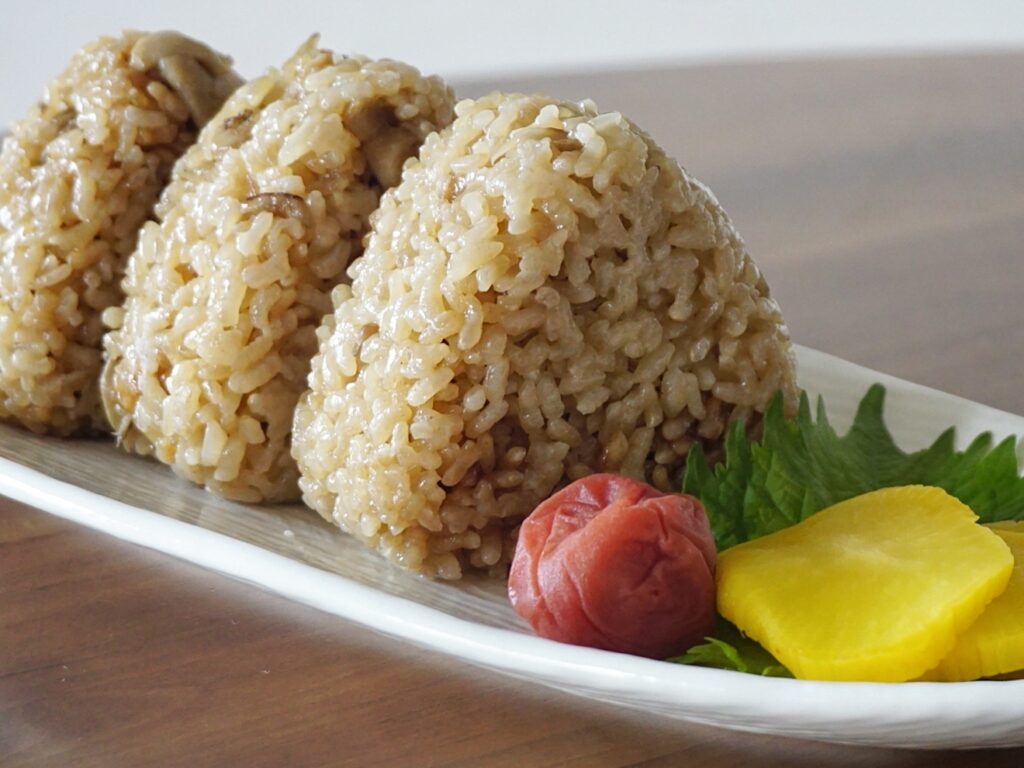
- Torimeshi (Japanese Chicken Rice): Oita’s Healthy Soul Food
- NUTRITION FACTS (5 Servings) : Torimeshi (Japanese chicken rice)
- Ingredients (Serves 5): Torimeshi (Japanese chicken rice)
- How to make Torimeshi (Japanese chicken rice)
- Recommended Recipes
Torimeshi (Japanese Chicken Rice): Oita’s Healthy Soul Food
The Charm, History, and Modern Adaptation of Oita’s “Yoshino Torimeshi”
1. The “Yoshino District” Behind the Name
Located in the mountainous southern area of Oita City, the Yoshino district has long been a thriving region for rice farming and agriculture. The home-style seasoned rice (mixed rice) passed down through generations in this area came to be known as “Yoshino Torimeshi.”
2. Origins and History
- Late Edo Period Origins: Originally, hunters in the Yoshino district used pheasant, pigeon, or other game birds caught in the mountains to entertain guests, which is said to be the beginning of the dish.
- A Feast for Special Occasions: It has a long tradition of being prepared by families and brought together for special gatherings, such as agricultural community meetings, festivals, and family reunions.
Today, the traditional taste is preserved by the “Yoshino Torimeshi Preservation Society,” and it is widely loved as Oita’s soul food, available at supermarkets, department stores, and roadside stations throughout Oita City.
3. Traditions and Culinary Secrets of “Yoshino Torimeshi”
Unlike seasoned rice dishes from other regions, it has unique characteristics:
- Simple Ingredients (“Chicken and Burdock Only”): The basic ingredients consist solely of domestic chicken and locally sourced burdock root—carrots and shiitake mushrooms are intentionally omitted.
- Unique Seasoning: Simmered slowly and thoroughly to a rich, sweet-and-savory finish using specialized soy sauce, sugar, and sake.
- Wisdom and Adaptation Passed Down Through Generations:Originally, because rice cookers did not exist and steam cookers were used instead, it is presumed that the mainstream style was to mix the cooked ingredients into already cooked rice afterward.In fact, I received this teaching from my skilled grandmother (who handmade everything from udon and konjac to miso!): ‘Although it’s a bit different from the old days and is my own unique way, ever since we started using rice cookers, I cook the regular rice and glutinous rice together, and about 15 minutes before it finishes cooking, I open the lid and add the ingredients along with their simmering liquid. It allows the seasonings to blend into the rice much better than mixing it after it’s fully cooked.’ Today, while utilizing modern conveniences like the quick-cook mode, I preserve the traditional taste by first stir-simmering the ingredients, then placing them right into the rice cooker from the start to cook together—a delicious style uniquely my own.
Oita and Torimeshi: Episodes & Culinary Details
“Torimeshi” is a local dish long beloved in Oita Prefecture. Because it uses glutinous rice, it is also referred to as okowa (steamed glutinous rice), allowing the savory flavor of chicken and the aromatic fragrance of burdock to fill your mouth.
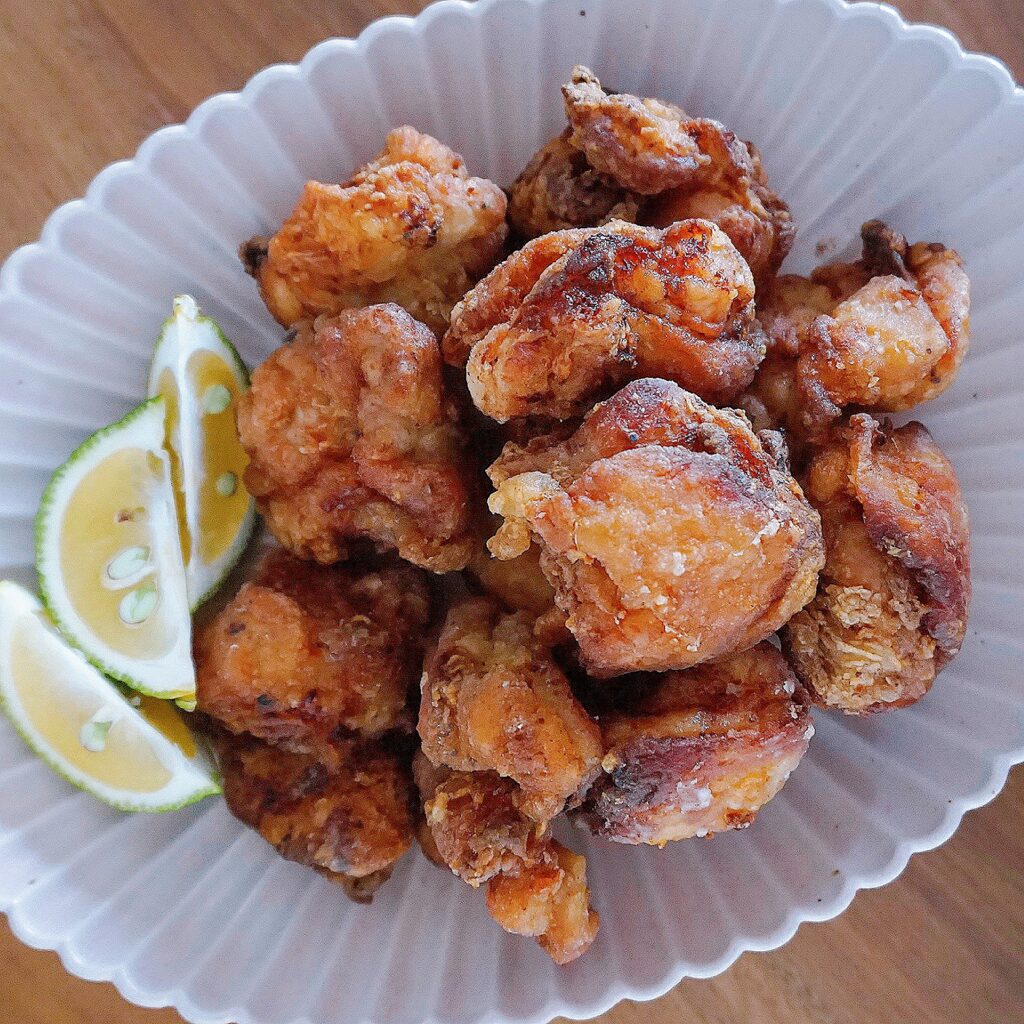
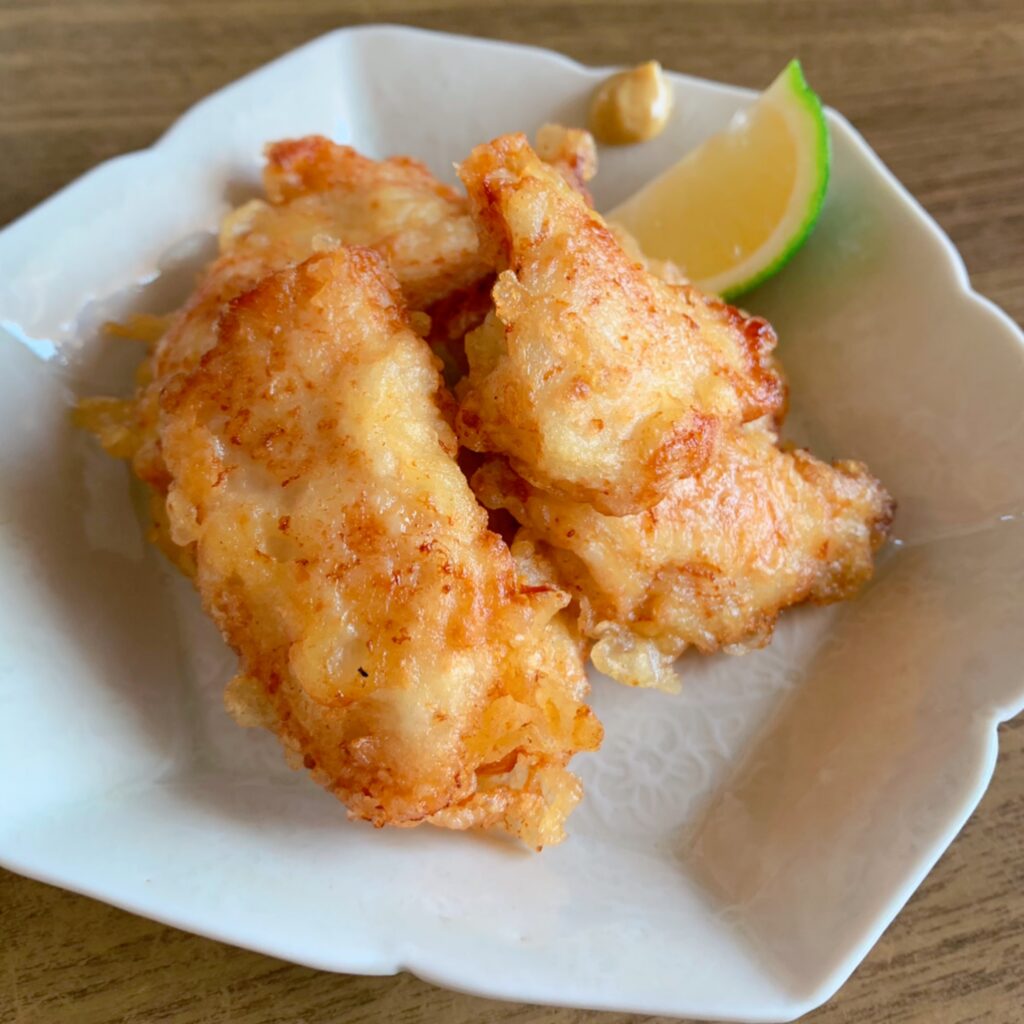
Oita Prefecture consistently ranks at the top in Japan for chicken consumption, and is also the birthplace of “Karaage” (fried chicken) and “Toriten” (tempura chicken). Torimeshi is cherished as a comforting home-style dish nurtured in this deep-rooted chicken culture.
Difference from Western Cuisine & the Secret of Umami
While Western chicken dishes rely on butter or cream for richness, Oita’s torimeshi features a surprisingly simple seasoning of “soy sauce, dashi broth, and salt.” The secret to its deliciousness lies in the synergistic effect of its components:
- Inosinic Acid: Chicken and dashi (katsuobushi/bonito)
- Glutamic Acid: Burdock root and dashi (kelp) Combining these two creates a deep richness without relying on heavy grease.
Burdock: The Secret to Detox
While burdock is often drunk as an herbal tea in Western countries, it is treated as a star ingredient in Oita.
- Flavor Lies in the Skin: About 80% of the aroma resides around the skin, so the golden rule is not to peel it, but rather to lightly scrape it with the back of a knife.
- The Magic of Sasagaki (Shaved Burdock): Shaving the burdock cuts through the fibers, releasing its aroma and making it much easier for flavors to absorb.
- Gut-Health Power: Rich in the water-soluble dietary fiber “inulin.” Stir-frying it in oil transforms any astringency into savory umami.
The Benefits of “Cold Rice” Perfect for Bento Boxes
Torimeshi using glutinous rice is delicious even when eaten cold because of its chewy texture, but it also offers practical health benefits:
- Resistant Starch: When rice cools down (to around 4–5°C), its starches transform into “resistant starch,” which is difficult to digest.
- Benefits: It helps suppress the absorption of sugars and moderates blood sugar spikes, making it the ultimate healthy food ideal for rice balls and bento boxes.
NUTRITION FACTS (5 Servings) : Torimeshi (Japanese chicken rice)
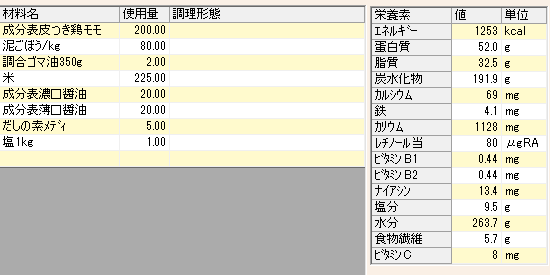
| Nutrient | Per Serving (1/5) | Total (5 Servings) |
| Calories | 251 kcal | 1,253 kcal |
| Protein | 10.4 g | 52.0 g |
| Total Fat | 6.5 g | 32.5 g |
| Total Carbohydrates | 38.4 g | 191.9 g |
| Sodium | 1.9 g | 9.5 g |
Ingredients (Serves 5): Torimeshi (Japanese chicken rice)
- Chicken Thigh: 200g (cut into 1cm cubes)
- Burdock Root (Gobo): 1 piece (approx. 80g)
- Rice: 225g (Standard white rice)
- Glutinous Rice: 75g (Mochi rice)
- Water: 380g
- Sesame Oil: 2g
- Dark Soy Sauce: 20g
- Light Soy Sauce: 20g
- Dashi Stock Granules: 5g
- Salt: 1g
How to make Torimeshi (Japanese chicken rice)
- 1. Prep the Ingredients
- Chicken: Cut into small 1cm cubes.
- Burdock: Do not peel with a peeler! To preserve the full flavor, gently scrape the skin off with the back of a knife.
- Shave: Shave the burdock into thin slivers (Sasa-gaki style). Soak them in a bowl of water briefly to prevent browning, then drain well.
- 2. Sauté for Umami
- Heat sesame oil in a frying pan over medium heat.
- Sauté the chicken and the drained burdock.
- Once the burdock is cooked through, add the dark soy sauce, light soy sauce, dashi granules, and salt. Stir-fry for about 1 minute to let the flavors meld, then turn off the heat.
- 3. Prepare the Rice
- Wash both types of rice together.
- Pro Tip: If using unwashed rice (Musenmai), soak it in plain water for 30 minutes first. However, do not soak glutinous rice as it absorbs water very quickly.
- Place the washed rice into the rice cooker.
- Wash both types of rice together.
- 4. The “Just-in-Time” Seasoning
- Place the sautéed chicken and burdock (including all the flavorful liquid from the pan) on top of the rice.
- Important: Add seasonings and the 380g of water just before hitting the start button. Rice doesn’t absorb water well if it’s already mixed with salt or soy sauce!
- 5. Cook & Steam
- Use the “Quick Cook” setting on your rice cooker.
- Once the timer goes off, open the lid and gently fold the ingredients into the rice using a rice paddle.
- Close the lid and let it steam for an additional 10 minutes to perfect the texture. Serve and enjoy!
My way of making it
“In the original recipe I learned from my grandmother, she used the Normal Cook setting and added the sautéed ingredients when there were only 15 minutes left in the cycle. My modern version uses the Quick Cook setting, allowing you to add everything right at the start for a faster, easier meal without losing that traditional taste!”
Recommended Recipes
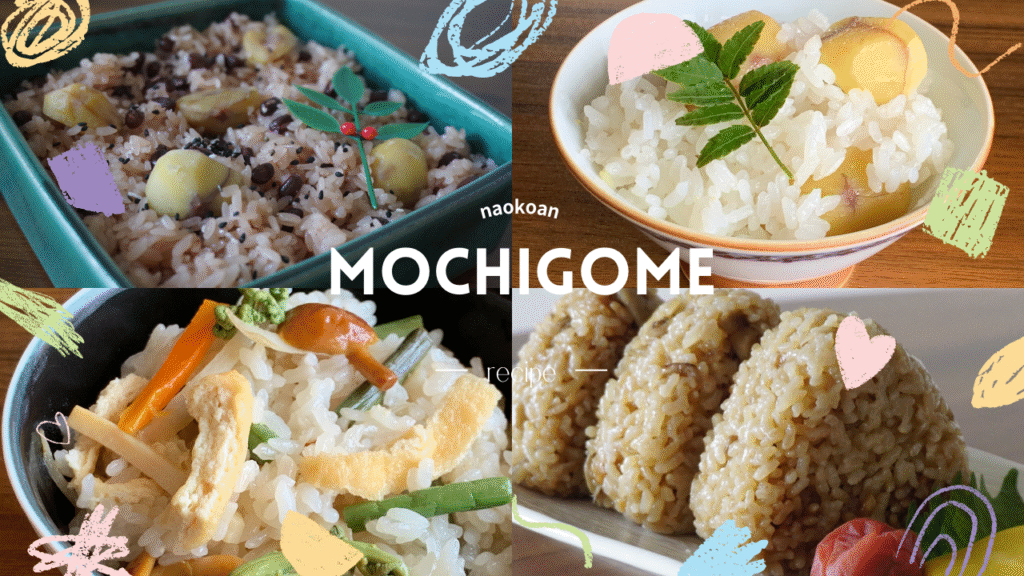
I’ve compiled a list of recipes using burdock and glutinous rice right here! Check them out at the link below!
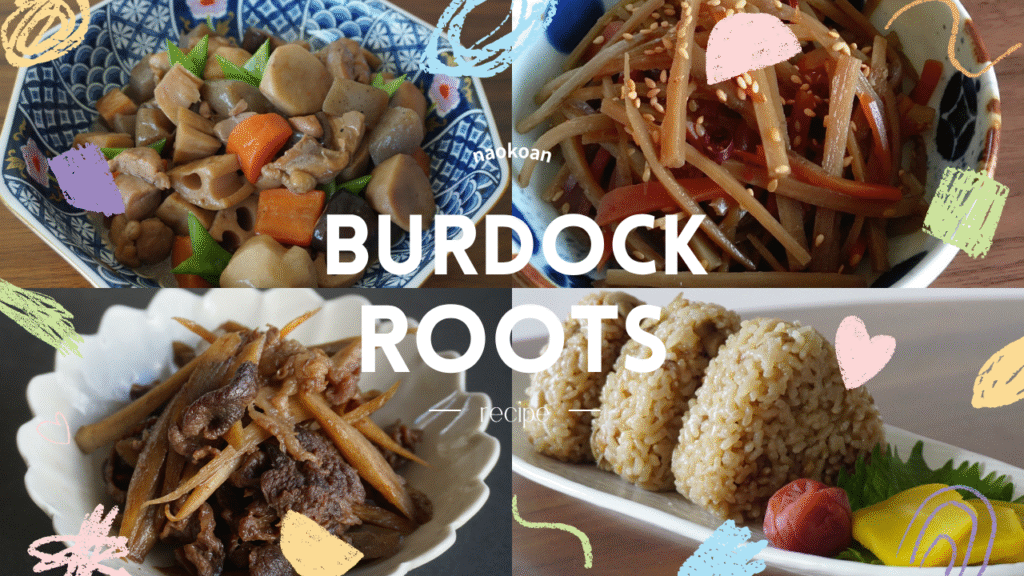
Also, don’t miss my specific recipes for Karaage (Japanese fried chicken) and Toriten (Chicken tempura). Click the links to see how to make these Oita favorites!
#ごぼう #きんぴらごぼう #和食ごはん #おうちごはん #食物繊維 #腸活レシピ #burdockroot #japanesecuisine #healthyfood
#もち米 #おこわ #モチモチ #蒸し料理 #おうちごはん #StickyRice #GlutinousRice #JapaneseFood #TraditionalCooking

コメント