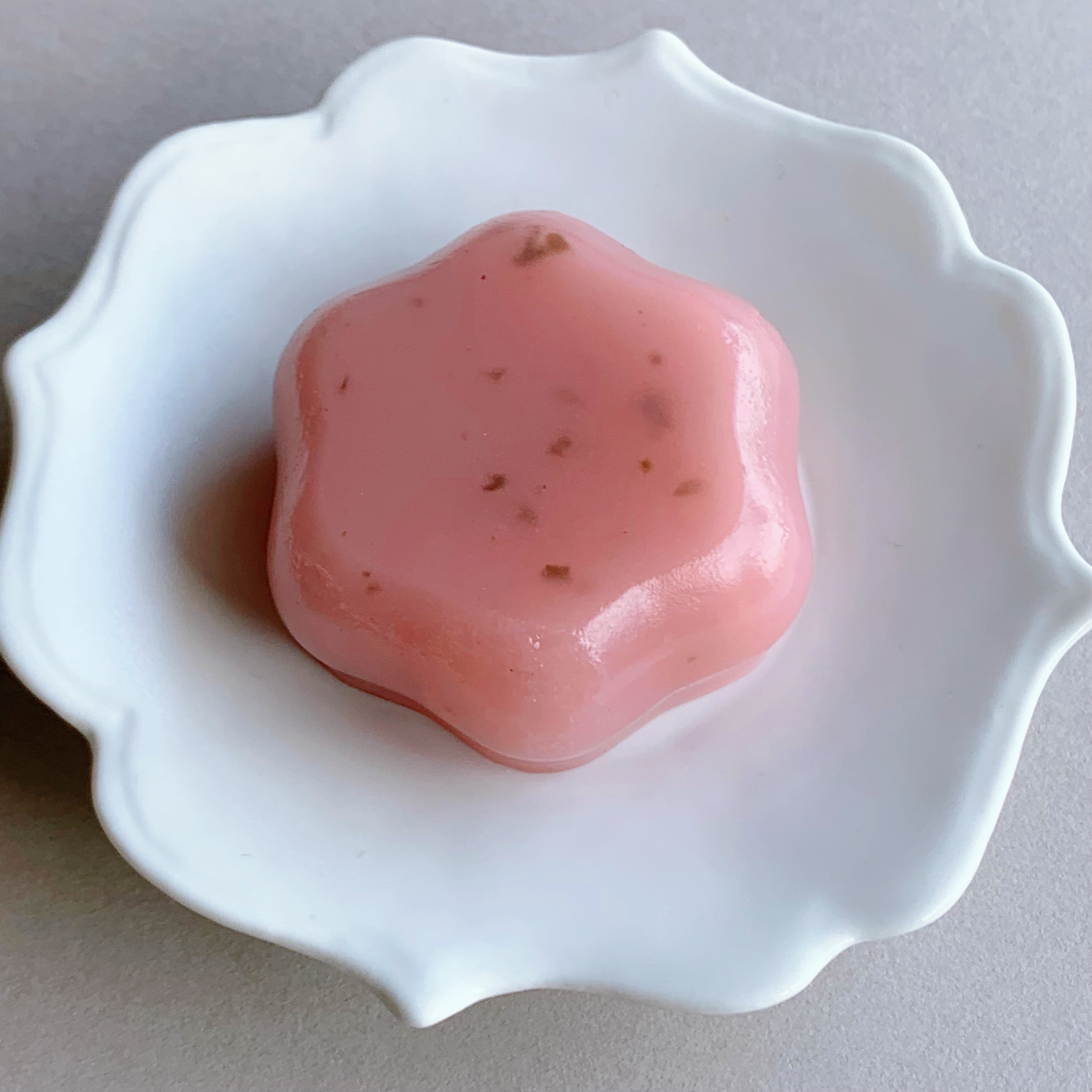
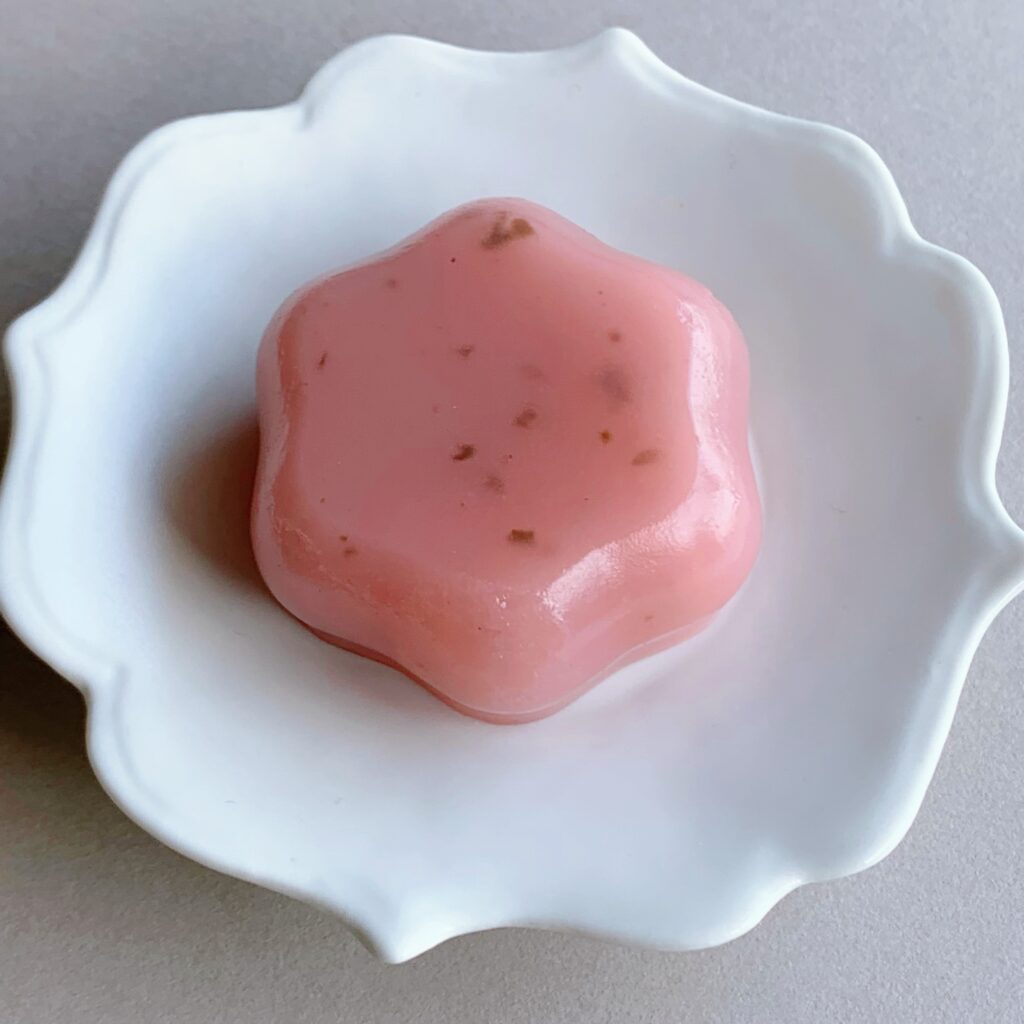
【The Ultimate Guide】Silky Smooth Sakura Yokan (Cherry Blossom Jelly) Made with Gelatin
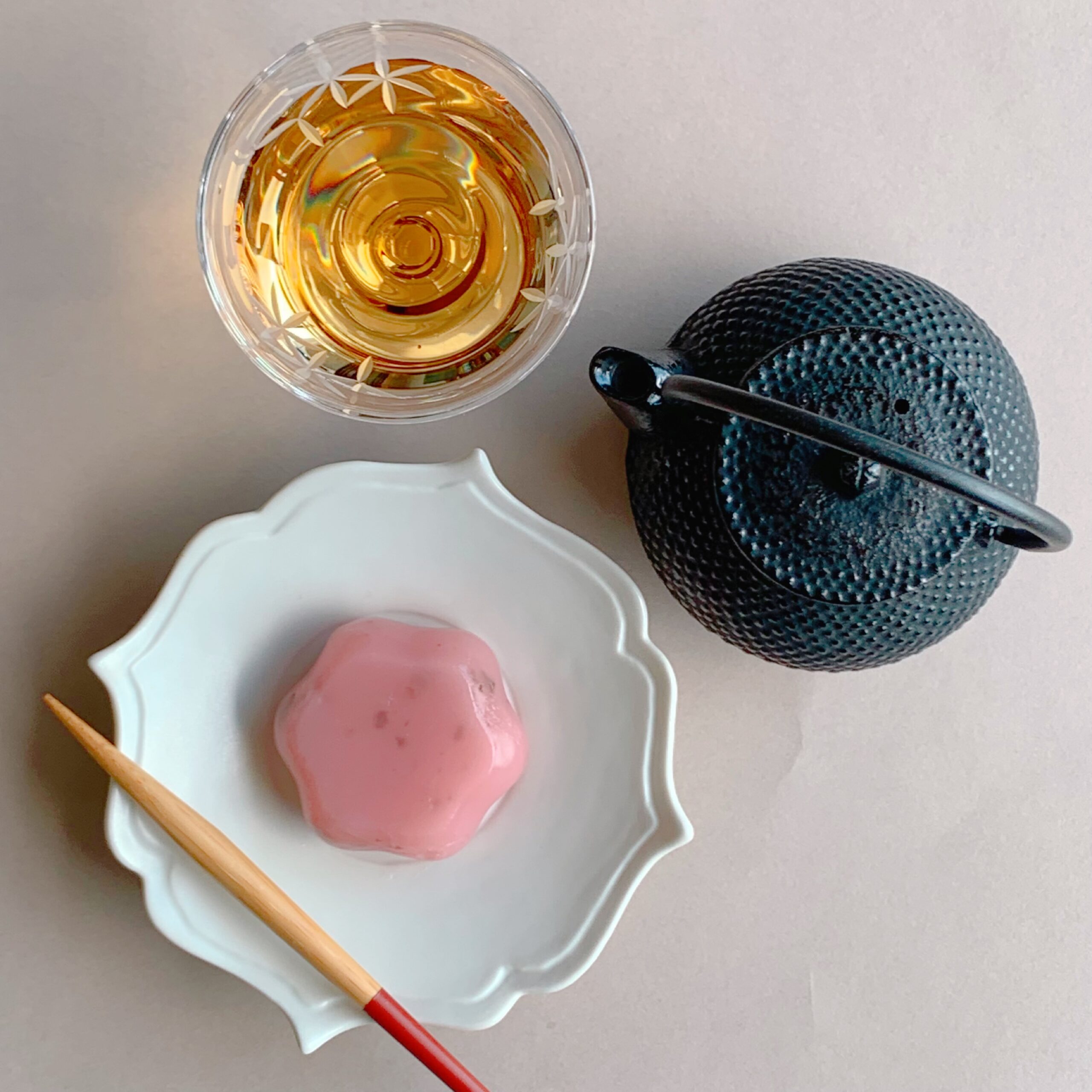
Sakura Yokan(さくら羊羹) is a beautiful Japanese treat characterized by its floral aroma and a subtle, refreshing hint of salt—the perfect way to welcome spring.
While traditional Yokan is typically set with kanten (agar-agar), this recipe uses gelatin to create a delicate, melt-in-your-mouth texture.
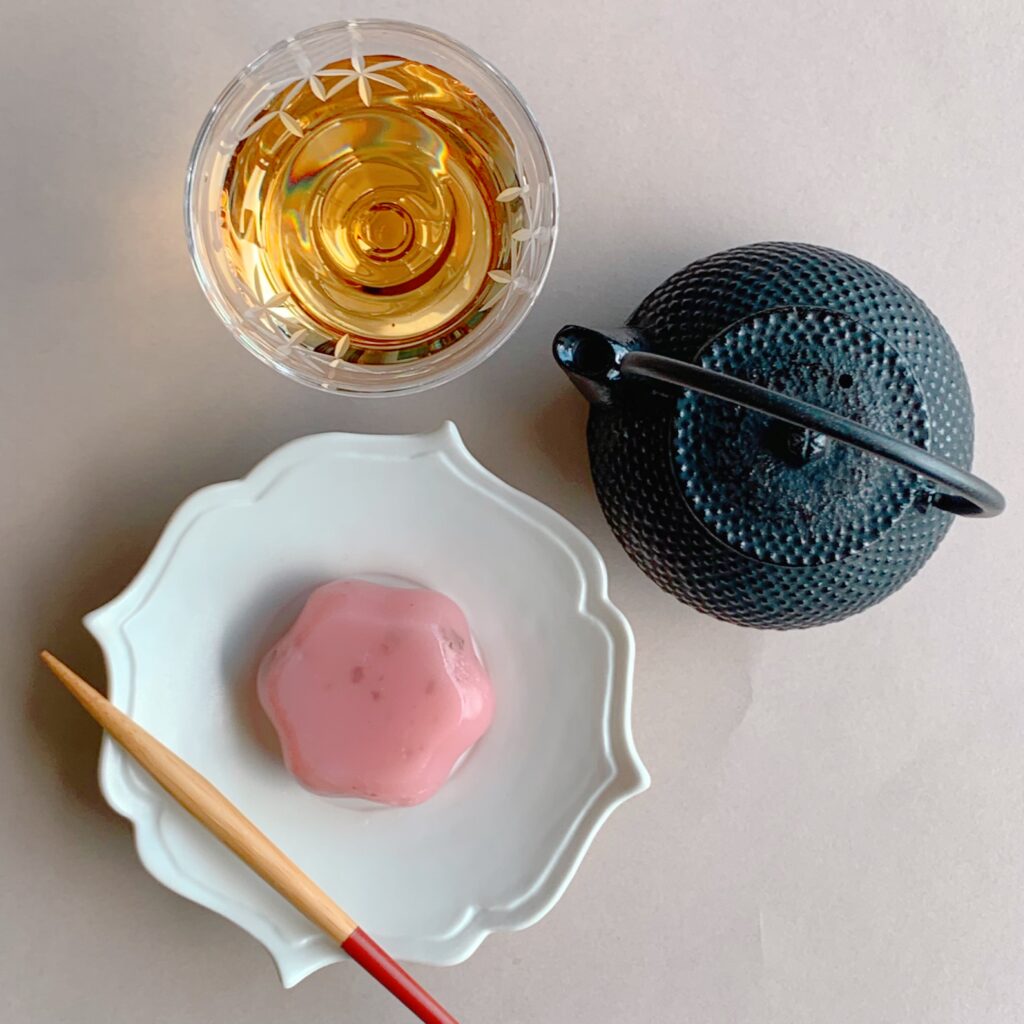
💡 What exactly is “Yokan”?
For those new to Japanese sweets, here is a quick introduction:
- What is Yokan? It is a traditional Japanese confection (Wagashi) made from anko (sweetened red or white bean paste). Think of it as a dense, rich, bean-based “confiture jelly.”
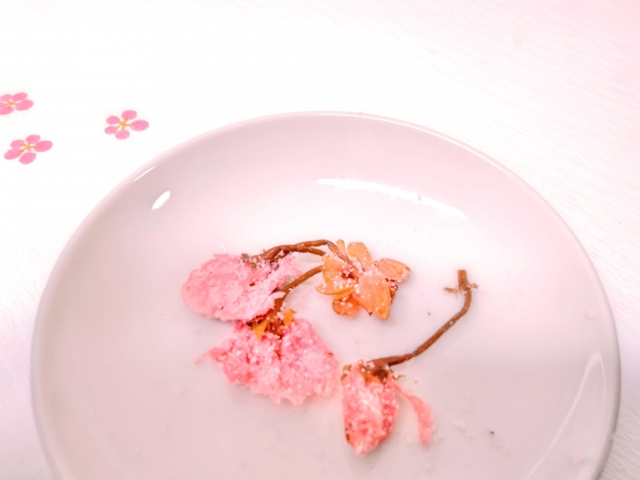
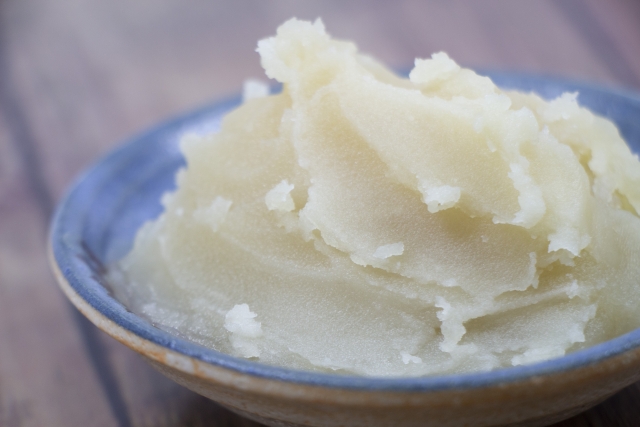
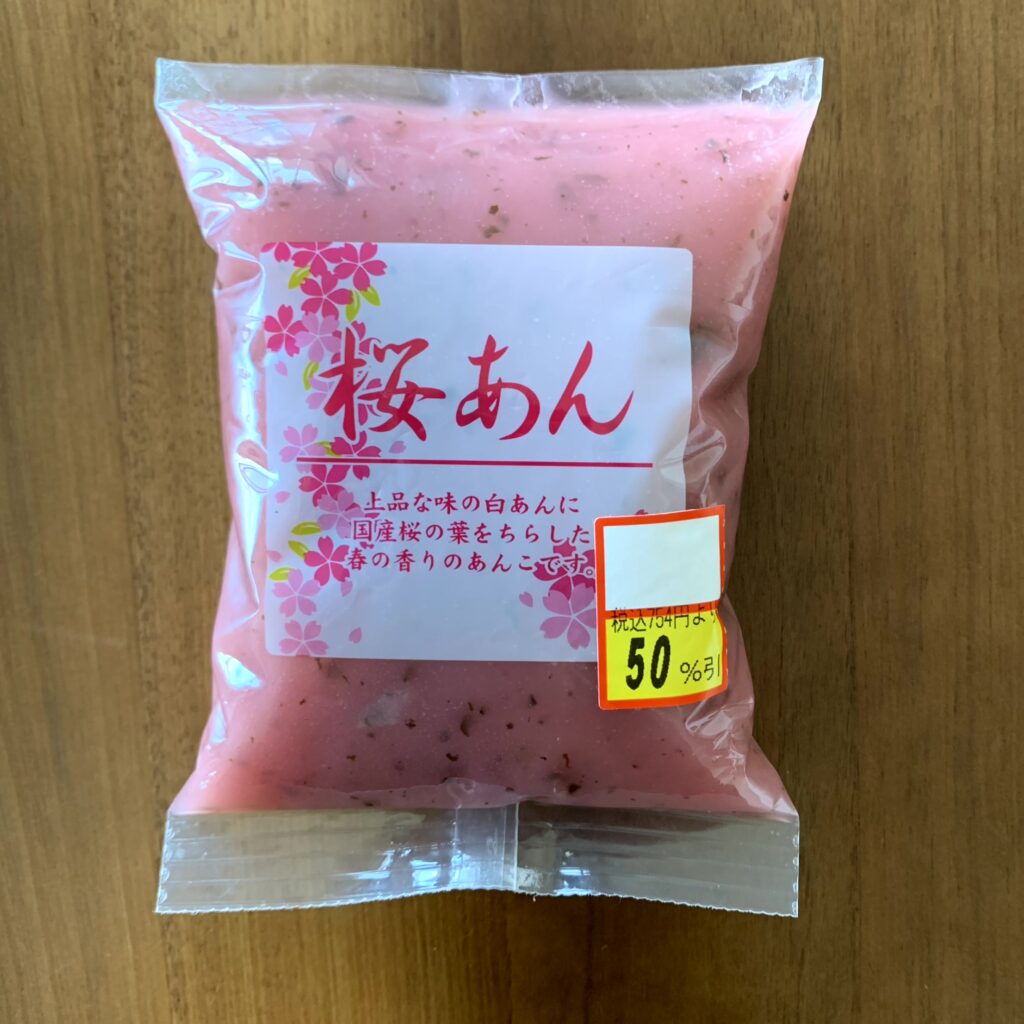
- The “Sakura” Version: Unlike the standard dark red Yokan made from Azuki beans, Sakura Yokan uses Shiro-an (white kidney bean paste) as a base. It is infused with salted cherry blossoms and leaves, resulting in a stunning pink color and a scent reminiscent of edible flowers.
- The Texture Magic: Traditional Yokan has a firm, clean bite thanks to kanten. However, by using gelatin, we transform it into a modern dessert with a smooth, velvety texture similar to a mousse or bavarois.
🌸 Key Terms to Know (Glossary)
To help you navigate this recipe, here are the essential Japanese ingredients and terms:
- Yokan (羊羹): A classic Japanese jelly dessert made from sweetened bean paste.
- Sakura (桜): Cherry blossoms. In sweets, they are often pickled in salt to provide a floral, slightly salty flavor.
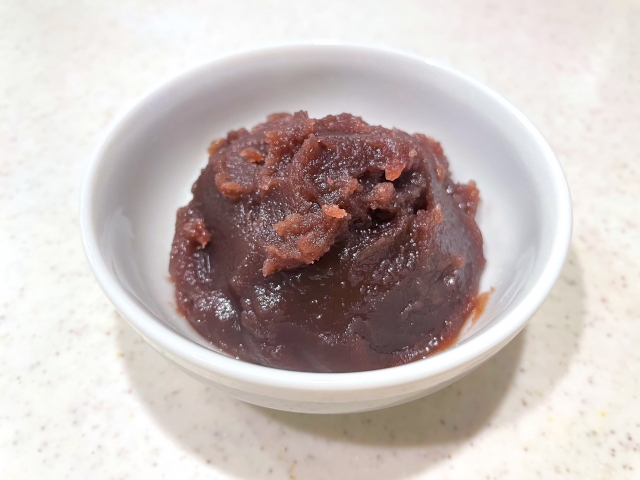
- Anko (あんこ): A general term for sweet bean paste.
- Azuki (小豆): The small, dark red beans traditionally used to make red bean paste.
- Shiro-an (白あん): Sweetened white bean paste made from white kidney beans. It’s the base for Sakura-an.
- Sakura-an (さくらあん): Shiro-an infused with chopped, salted cherry blossom leaves or petals.
- Kanten (寒天): A traditional gelling agent made from seaweed (often called agar in English).
- Mizuyokan (水羊羹): A softer, more hydrated version of Yokan with a high water content, usually eaten chilled in summer.
Check out our collection of Anko (sweet bean paste) recipes here! Every recipe is highly recommended. [👉About Red beans and Anko (red bean paste)]
💡Tips for Handling Gelatin
Gelatin is a delicate ingredient. To ensure your jelly sets perfectly every time, keep these key points in mind:
- Temperature Control: Never let the liquid reach a rolling boil (100°C/212°F). Heat the mixture to around 80°C (176°F) to dissolve the gelatin effectively without damaging its setting properties.
- Preventing Lumps: Adding gelatin directly into cold liquids often causes clumps. For a smooth finish, add it to a warm solution or dissolve the gelatin in a small amount of lukewarm water before mixing it into your cold base.
- Fruit Enzymes: Fresh pineapple and kiwi contain proteolytic enzymes that prevent gelatin from setting. To avoid this, mix the gelatin thoroughly with your base liquid first, and then fold in the fruit afterward (or use heat-treated canned fruits).
- Acidity: Highly acidic ingredients like lemon or yogurt can also weaken the gelatin’s structure, similar to fruit enzymes. Be mindful of the ratio when working with very tart flavors.
Want to learn more about gelling agents? Check out this article to learn how to choose between Gelatin, Agar, and Kanten for the perfect texture! 👉 [Link]
TOTAL NUTRITION FACTS: Sakura Yokan Jelly
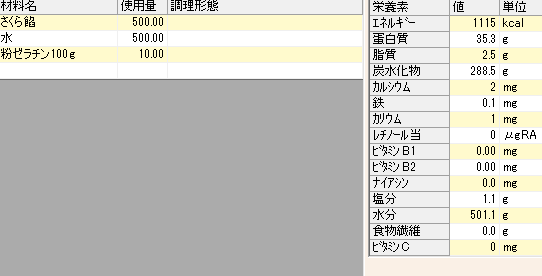
- Calories: 1115 kcal
- Protein: 35.3 g
- Total Fat: 2.5 g
- Total Carbohydrates: 288.5 g
- Sodium: 1.1 g
📋 Ingredients: Sakura Yokan Jelly
- Sakura-an: 500g
- Water: 500g
- Powdered Gelatin: 10g
💡 Important Tip on Gelatin Ratio!
Normally, the standard ratio for gelatin is 5g for every 250ml of liquid (or 20g per 1 liter).
However, when making Yokan, using the standard amount will make the texture far too firm and rubbery. Because the bean paste (anko) already has its own thickness, we use a lower ratio of gelatin to achieve that perfect, melt-in-your-mouth silkiness. Trust the measurements above for the best results!
How to make Sakura Yokan Jelly
The secret to success is Temperature Control.
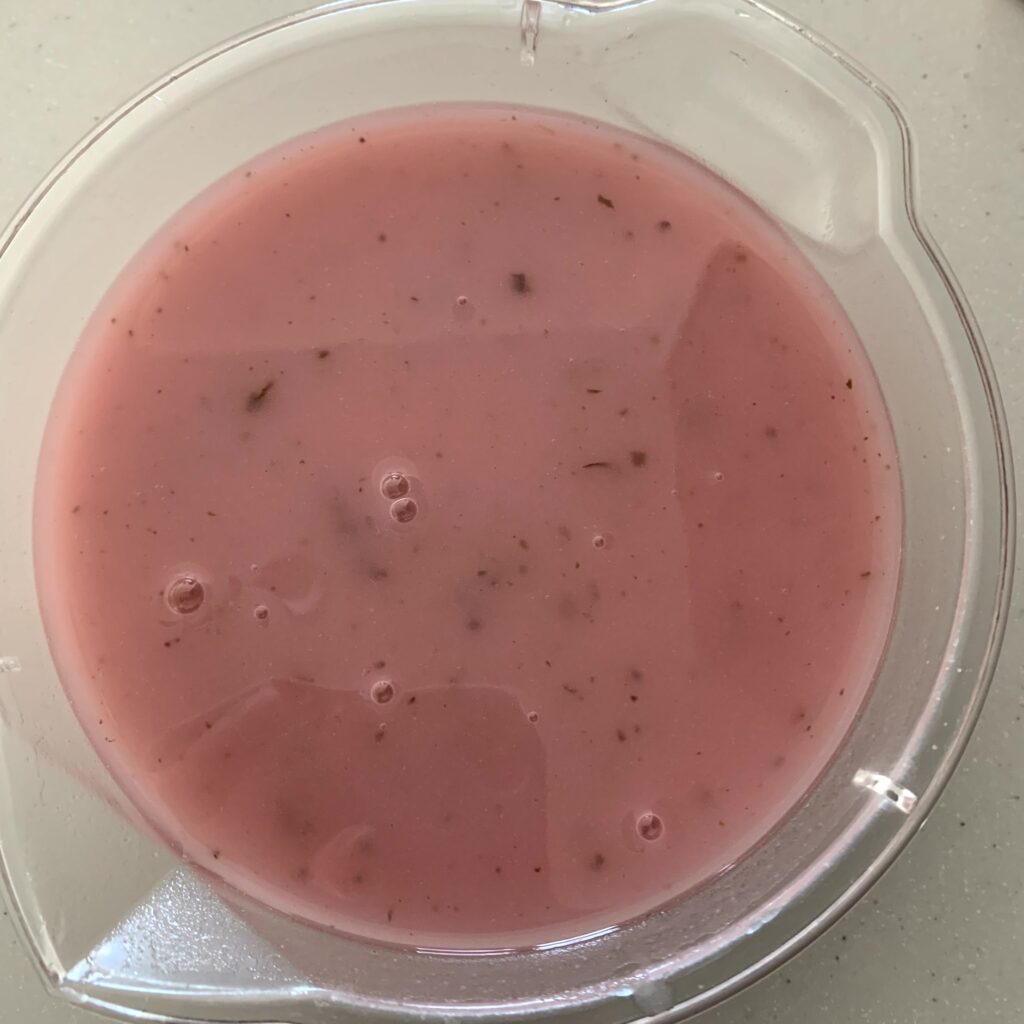
- Mix: Combine water, Sakura-an, and gelatin in a pot. Mix thoroughly until smooth and no lumps remain.
- Heat: Place over medium heat. Stir constantly with a spatula to prevent burning. Turn off the heat once it reaches 80°C (176°F).
- Caution: Do not let it boil! Excessive heat weakens the gelatin and may prevent it from setting.
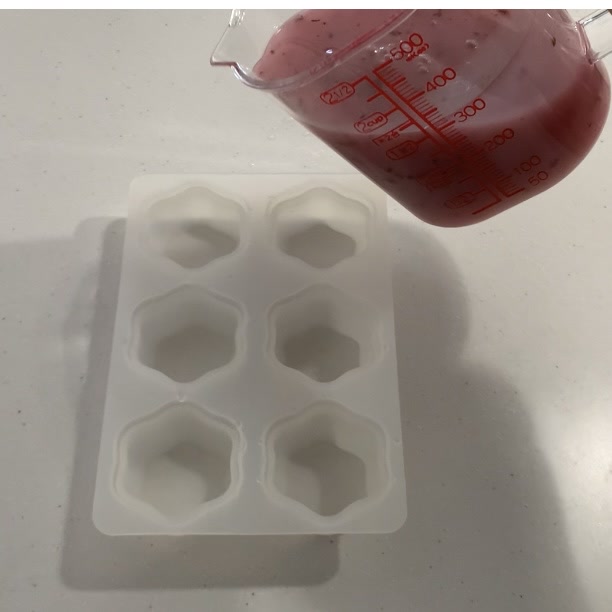
- Pour: Pour the liquid into your mold.
- Cool (Crucial Step!): Prepare a large bowl of ice water and place the mold in it. Stir occasionally with a spoon until the mixture cools down to about 35°C (95°F).
- Point: Skipping this step causes the bean paste and water to separate into two layers.
- Chill: Place in the refrigerator for at least half a day (6+ hours) to set completely.
📖Related Link: Read the Japanese version of this article here! [なめらかで美味しいさくら羊羹のレシピ]

コメント