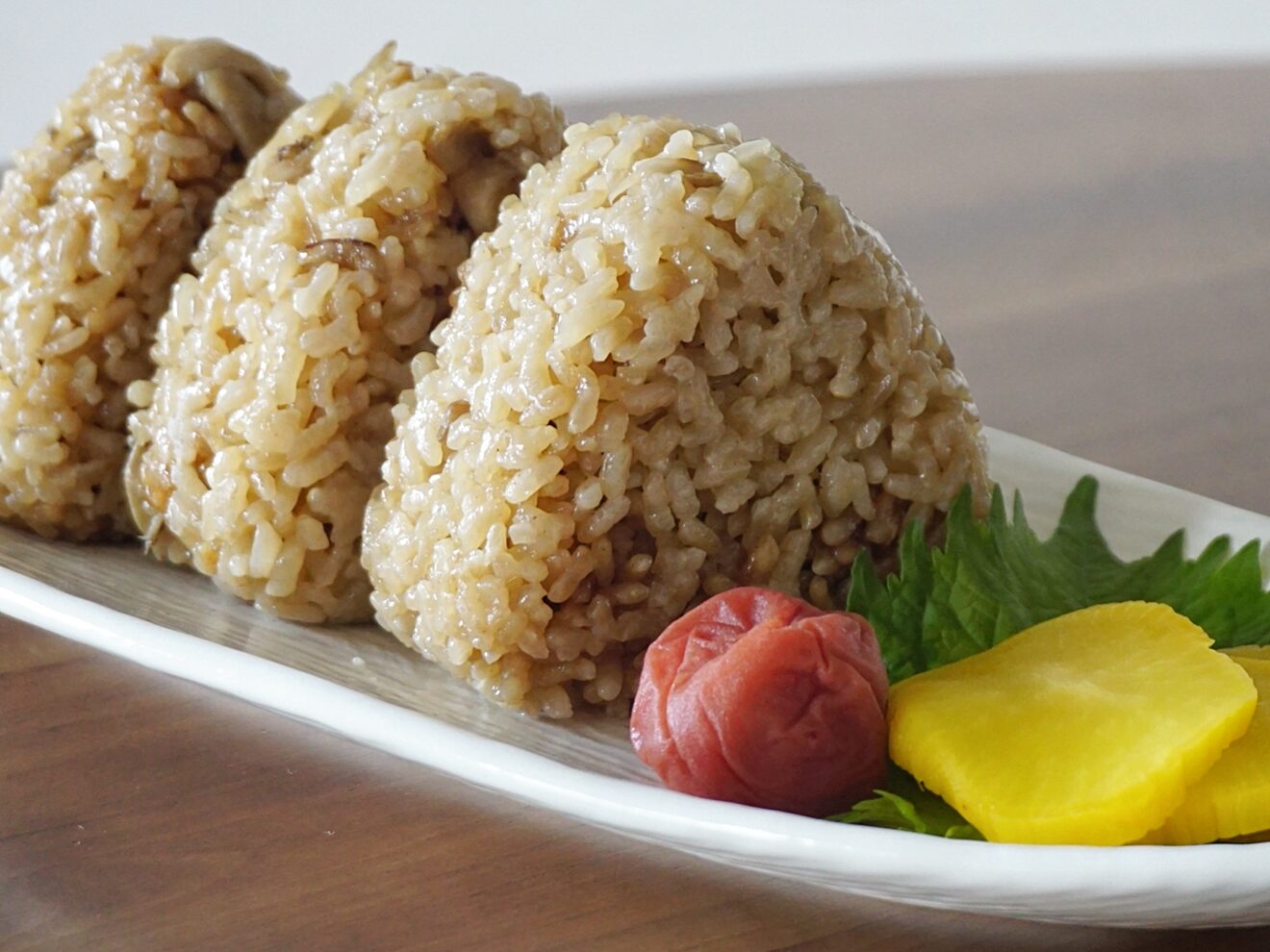
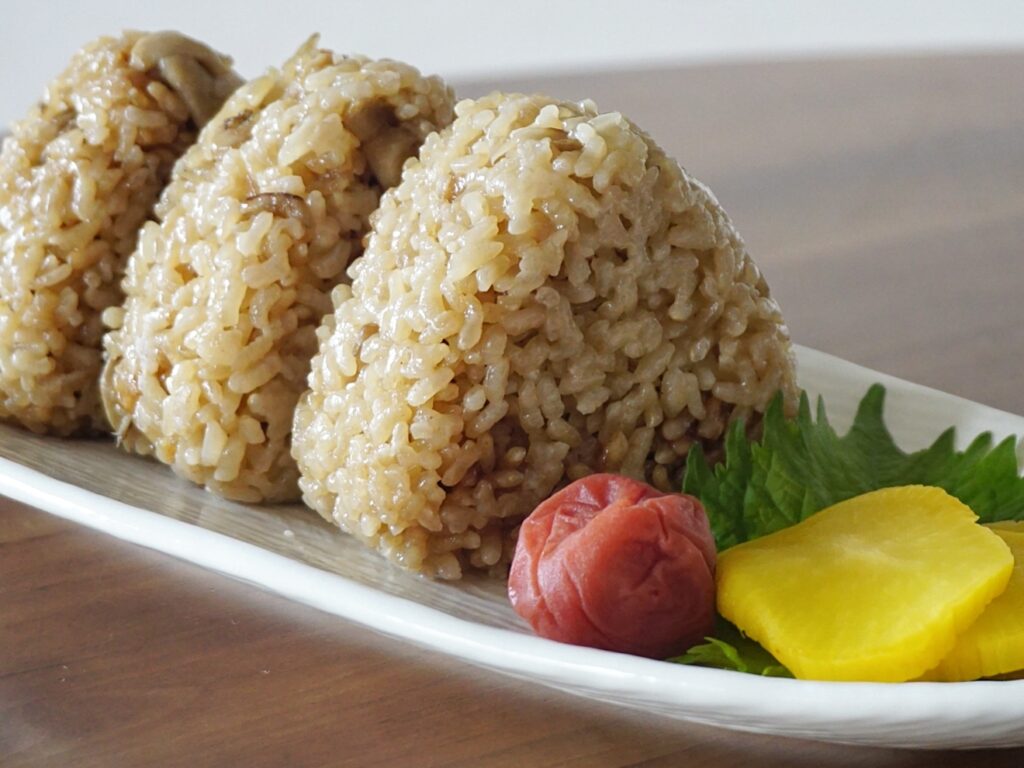
Torimeshi (Japanese Chicken Rice): Oita’s Healthy Soul Food / 鶏飯
Torimeshi (Chicken Rice) is a beloved traditional dish from Oita Prefecture, Japan. Often called “Okowa” because it uses glutinous rice, this dish features the savory umami of chicken and the rustic aroma of burdock root (Gobo).
It is a dish I learned directly from my grandmother—a master of handmade cooking who crafted everything from Udon noodles to Konjac and Miso from scratch. This Torimeshi remains my absolute favorite.
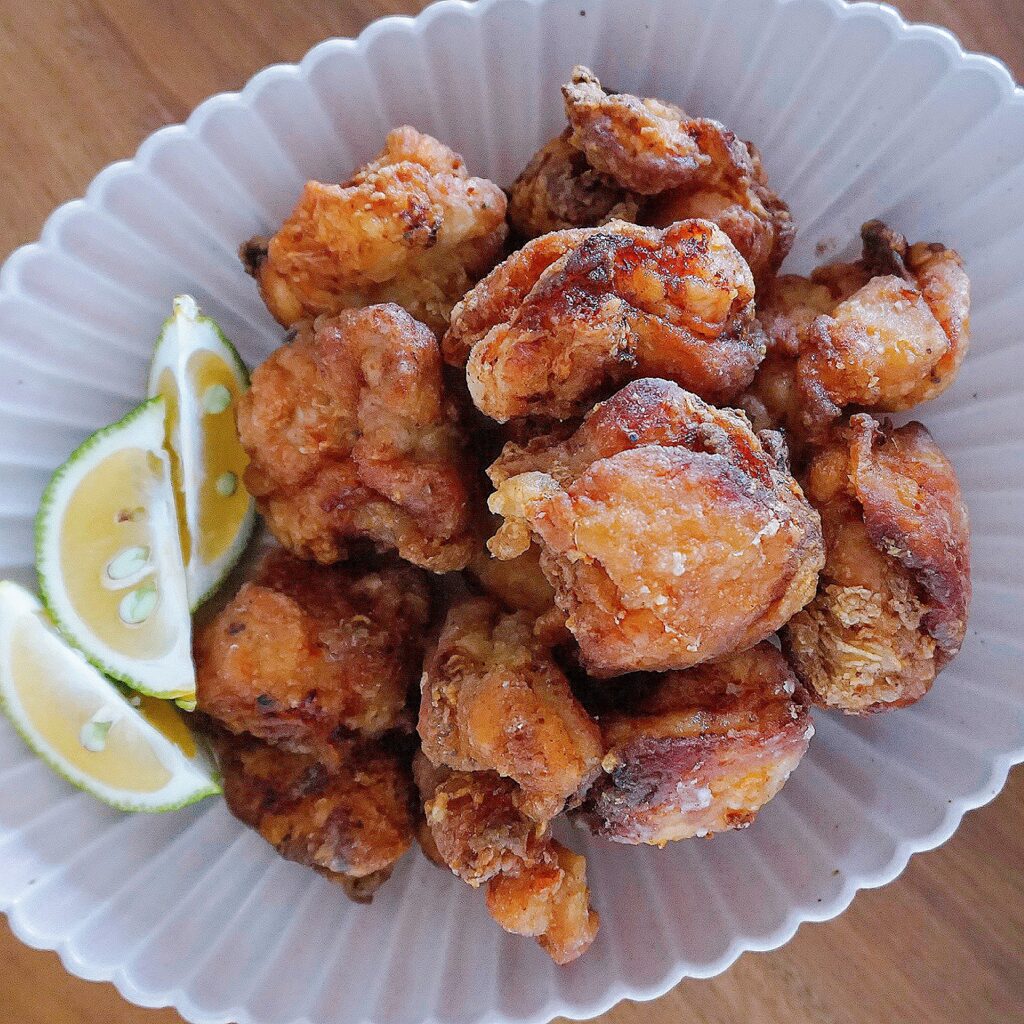
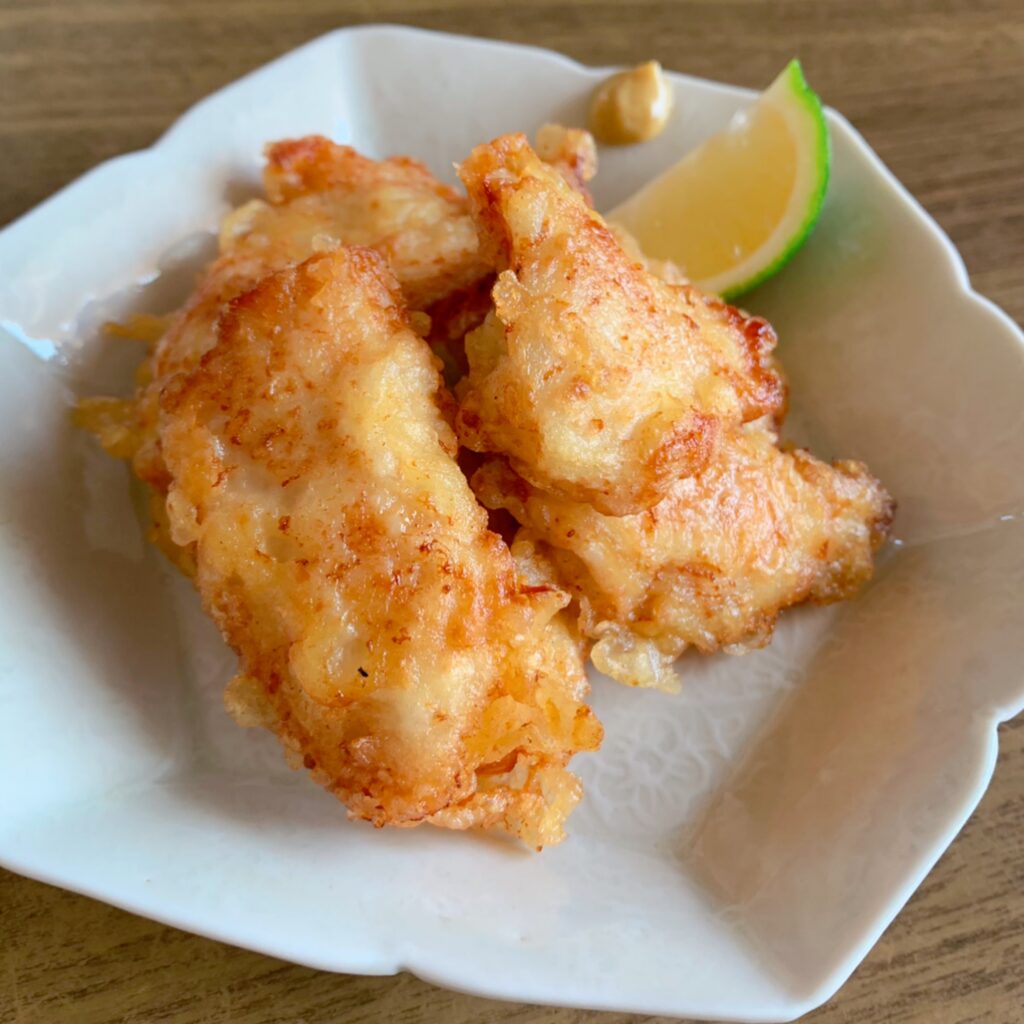
Oita Prefecture consistently ranks as one of the top consumers of chicken in Japan. It is the birthplace of the famous Karaage (Japanese fried chicken) and Toriten (Chicken tempura). Amidst this rich poultry culture, Torimeshi stands out as a staple of home cooking.
While Western chicken dishes often rely on butter or cream for richness, Oita’s Torimeshi is crafted with just three simple seasonings: Soy sauce, Dashi, and Salt.
The deep, complex flavor doesn’t come from fats, but from the Umami Synergy:
- Inosinic Acid: Found in chicken and Dashi (bonito).
- Glutamic Acid: Found in burdock and Dashi (kelp).
🥢 The Secret of Burdock (Gobo): A Detox Superfood
In the West, burdock is often enjoyed as a herbal tea, but in Oita, it’s a daily essential.
- Aroma is in the Skin: 80% of the fragrance is in the skin. Don’t peel it off! Simply scrub it gently or scrape it with the back of a knife.
- Sasa-gaki (Shaving): By shaving the burdock into thin slivers, you break the fibers and increase the surface area, allowing the aroma to bloom and the flavors to soak in.
- Prebiotic Power: Packed with Inulin, a fiber that nurtures gut health.
- Antioxidants: Rich in polyphenols that fight inflammation. Frying them in oil transforms bitterness into a rich, savory depth.
✨ Benefits for Your Lunch
Chicken rice, made with glutinous rice, is known for its delicious chewy texture even when cold, but it also has some sensible health benefits.
- Resistant starch: When rice cools (to 4-5°C), the starch transforms into “resistant starch,” which is less susceptible to digestion.
- Benefits: Suppresses carbohydrate absorption and slows the rise in blood sugar levels. It’s the perfect healthy food for onigiri (rice balls) or bento boxes.
📖 Recommended Recipes
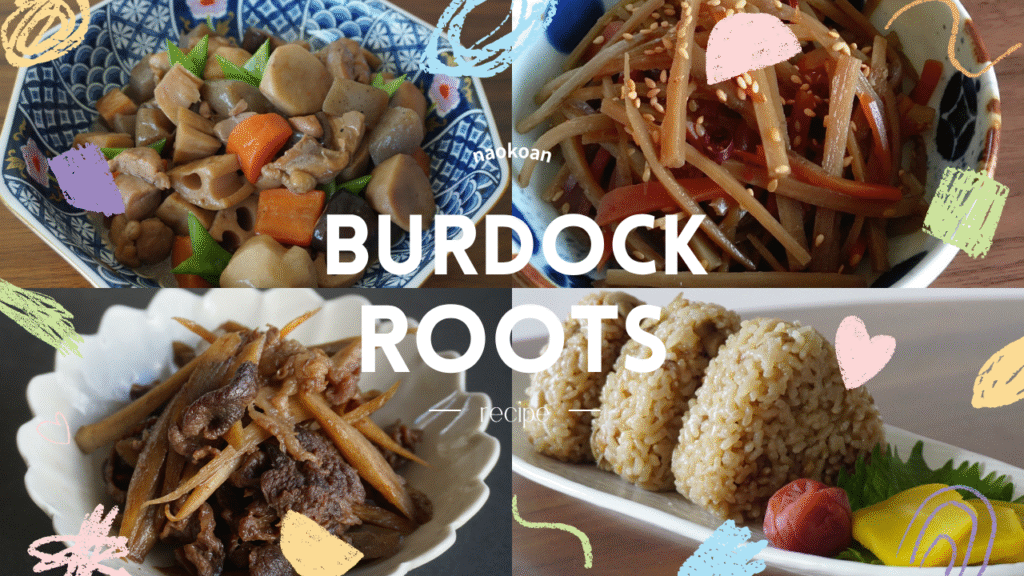
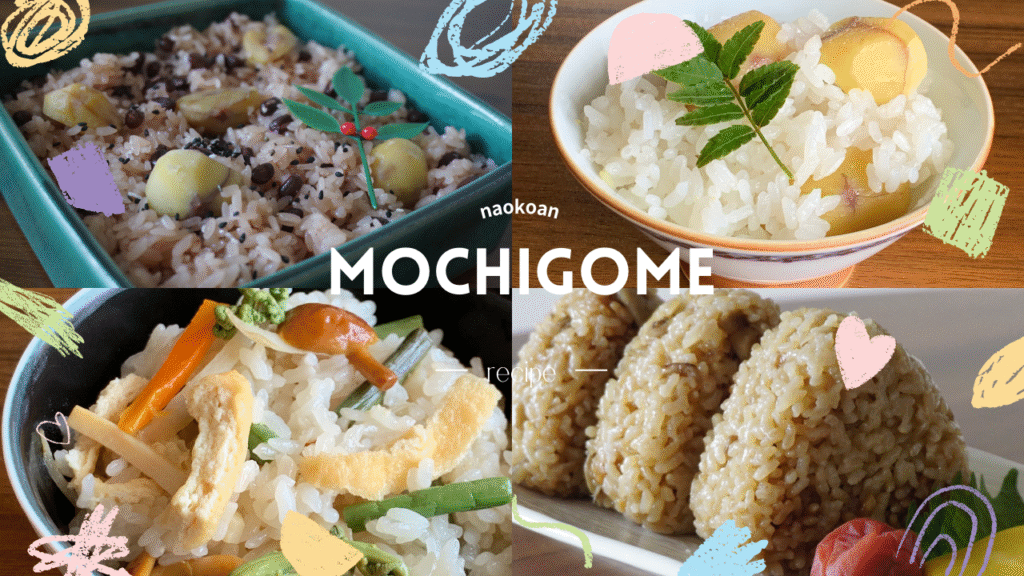
I’ve compiled a list of recipes using burdock and glutinous rice right here! Check them out at the link below! ✨ [Recommended recipes using burdock root] [Recommended recipes using Mochigome]
Also, don’t miss my specific recipes for Karaage (Japanese fried chicken) and Toriten (Chicken tempura). Click the links to see how to make these Oita favorites! 👉 [Moriyama Style Nakatsu Shio Karaage] 👉 [Toriten (Chicken Breast Tempura)]
📊 NUTRITION FACTS (5 Servings) : Torimeshi (Japanese chicken rice)
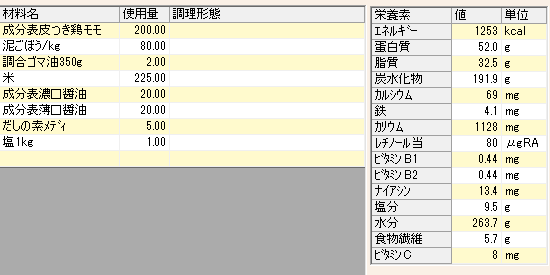
| Nutrient | Per Serving (1/5) | Total (5 Servings) |
| Calories | 251 kcal | 1,253 kcal |
| Protein | 10.4 g | 52.0 g |
| Total Fat | 6.5 g | 32.5 g |
| Total Carbohydrates | 38.4 g | 191.9 g |
| Sodium | 1.9 g | 9.5 g |
🛒 Ingredients (Serves 5): Torimeshi (Japanese chicken rice)
- Chicken Thigh: 200g (cut into 1cm cubes)
- Burdock Root (Gobo): 1 piece (approx. 80g)
- Rice: 225g (Standard white rice)
- Glutinous Rice: 75g (Mochi rice)
- Water: 380g
- Sesame Oil: 2g
- Dark Soy Sauce: 20g
- Light Soy Sauce: 20g
- Dashi Stock Granules: 5g
- Salt: 1g
👨🍳How to make Torimeshi (Japanese chicken rice)
- 1. Prep the Ingredients
- Chicken: Cut into small 1cm cubes.
- Burdock: Do not peel with a peeler! To preserve the full flavor, gently scrape the skin off with the back of a knife.
- Shave: Shave the burdock into thin slivers (Sasa-gaki style). Soak them in a bowl of water briefly to prevent browning, then drain well.
- 2. Sauté for Umami
- Heat sesame oil in a frying pan over medium heat.
- Sauté the chicken and the drained burdock.
- Once the burdock is cooked through, add the dark soy sauce, light soy sauce, dashi granules, and salt. Stir-fry for about 1 minute to let the flavors meld, then turn off the heat.
- 3. Prepare the Rice
- Wash both types of rice together.
- Pro Tip: If using unwashed rice (Musenmai), soak it in plain water for 30 minutes first. However, do not soak glutinous rice as it absorbs water very quickly.
- Place the washed rice into the rice cooker.
- Wash both types of rice together.
- 4. The “Just-in-Time” Seasoning
- Place the sautéed chicken and burdock (including all the flavorful liquid from the pan) on top of the rice.
- Important: Add seasonings and the 380g of water just before hitting the start button. Rice doesn’t absorb water well if it’s already mixed with salt or soy sauce!
- 5. Cook & Steam
- Use the “Quick Cook” setting on your rice cooker.
- Once the timer goes off, open the lid and gently fold the ingredients into the rice using a rice paddle.
- Close the lid and let it steam for an additional 10 minutes to perfect the texture. Serve and enjoy!
💡 My way of making it
“In the original recipe I learned from my grandmother, she used the Normal Cook setting and added the sautéed ingredients when there were only 15 minutes left in the cycle. My modern version uses the Quick Cook setting, allowing you to add everything right at the start for a faster, easier meal without losing that traditional taste!”
#ごぼう #きんぴらごぼう #和食ごはん #おうちごはん #食物繊維 #腸活レシピ #burdockroot #japanesecuisine #healthyfood
#もち米 #おこわ #モチモチ #蒸し料理 #おうちごはん #StickyRice #GlutinousRice #JapaneseFood #TraditionalCooking

コメント