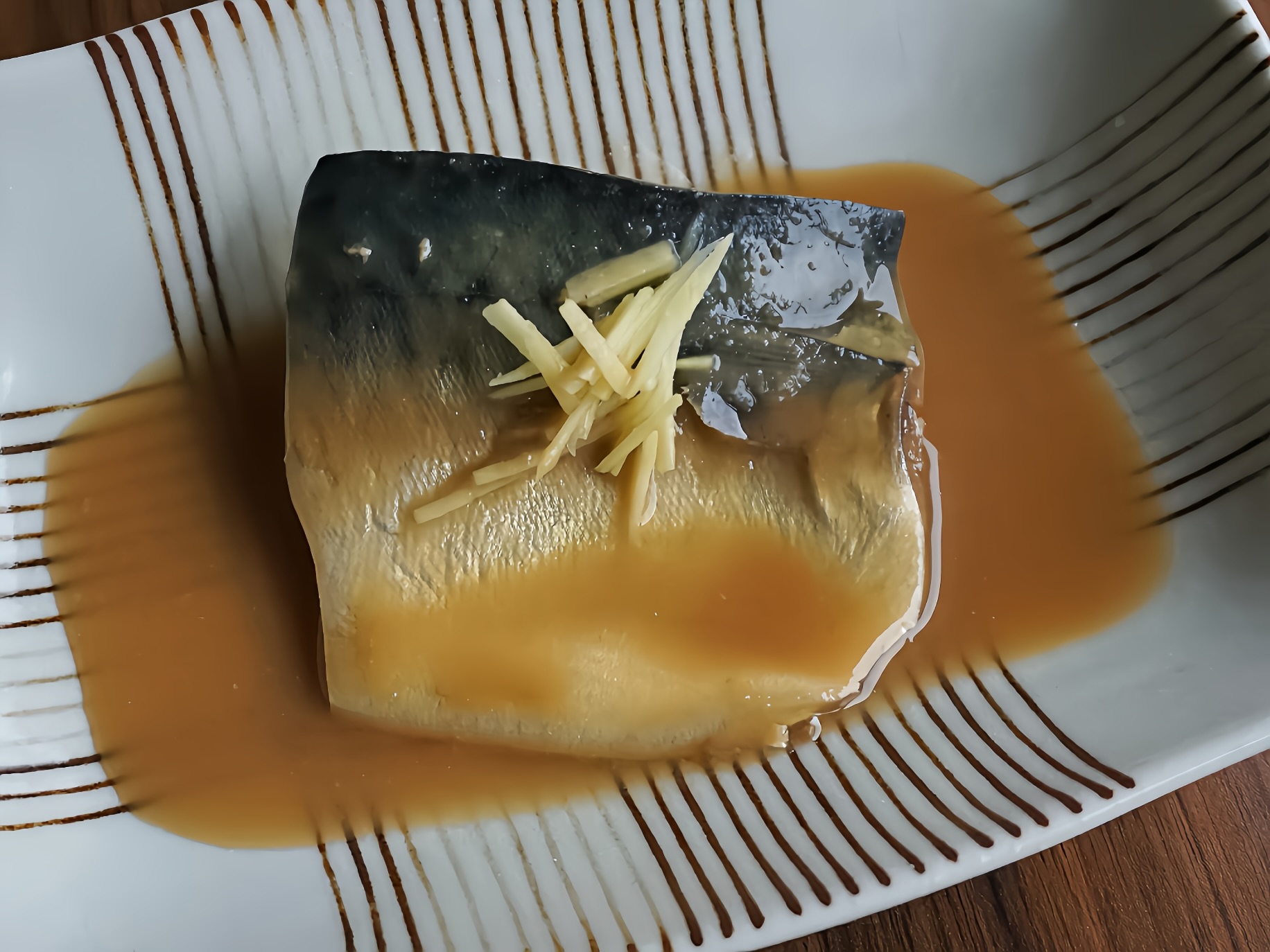
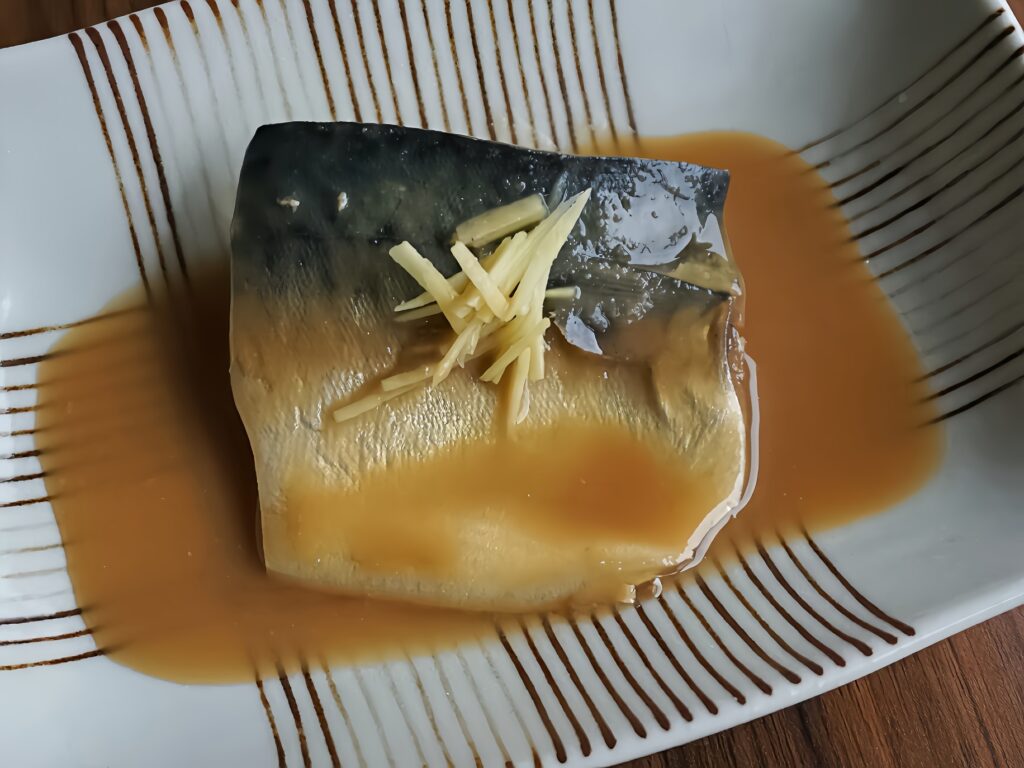
What is Saba no Miso-ni?
Saba no Miso-ni is a classic Japanese dish featuring mackerel (saba) simmered in a rich, savory miso-based sauce. It is a staple of “Ofukuro-no-aji” (home-cooked flavors) and is beloved for its deep umami and nutritional benefits.
- Pro Tip: I used Masaba (Pacific Mackerel, Scomber japonicus), which is in season during winter. You can also use Norwegian mackerel if you prefer a softer, fattier texture.
Nutritional Benefits: A Superfood from the Sea
Mackerel is packed with healthy fats like DHA and EPA (n-3 polyunsaturated fatty acids).
- Recommended daily intake of n-3 fatty acids: approx. 2g
- Just 100g of mackerel provides more than enough!
\ Learn More About Mackerel! /
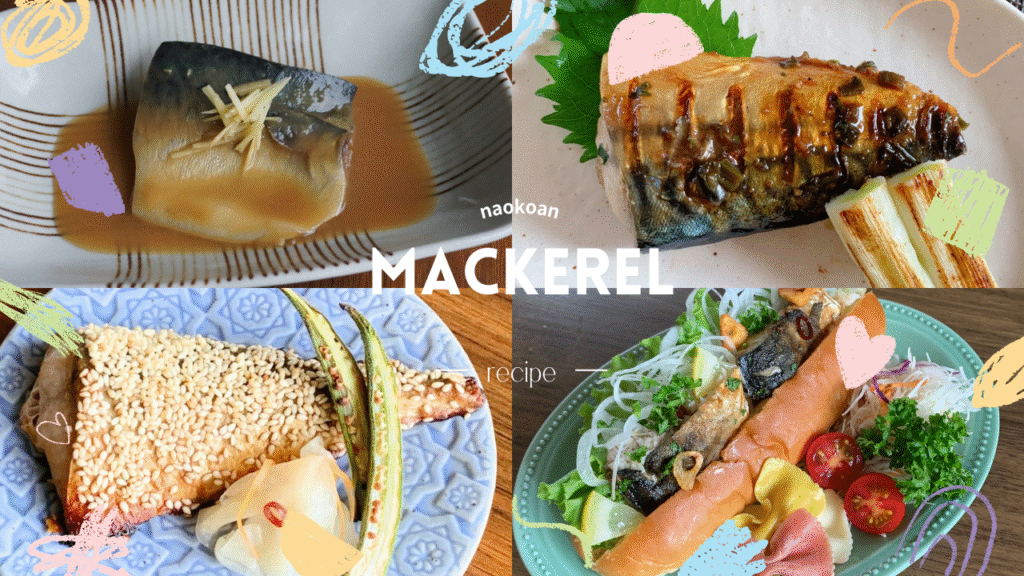
Check out this article for more information on the health benefits of mackerel and a variety of delicious recipes!
👉 [ Recommended recipes using mackerel (saba)]
Ingredients (2 Servings); Saba no Miso-ni
- Mackerel (Scomber japonicus): 2 fillets (180g)
- Sliced Ginger: 5g (Essential for removing odor!)
- Miso Paste: 30g (Awase, White, or Red – according to your taste)
- Water: 20g (for mixing with miso)
☆ Cooking Liquid (Broth):
- Sake: 20g
- Mirin: 20g
- Dark Soy Sauce: 7g
- Sugar: 9g
- Water: 50g
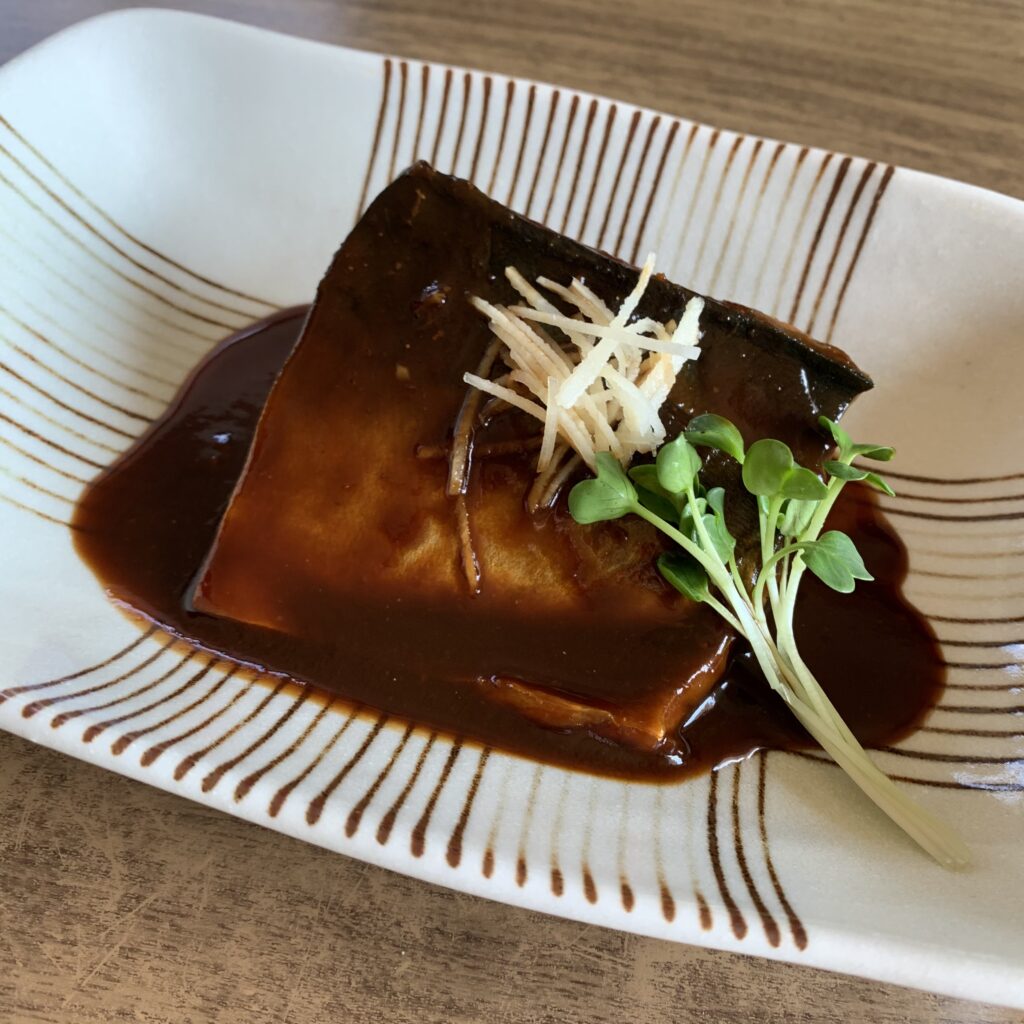
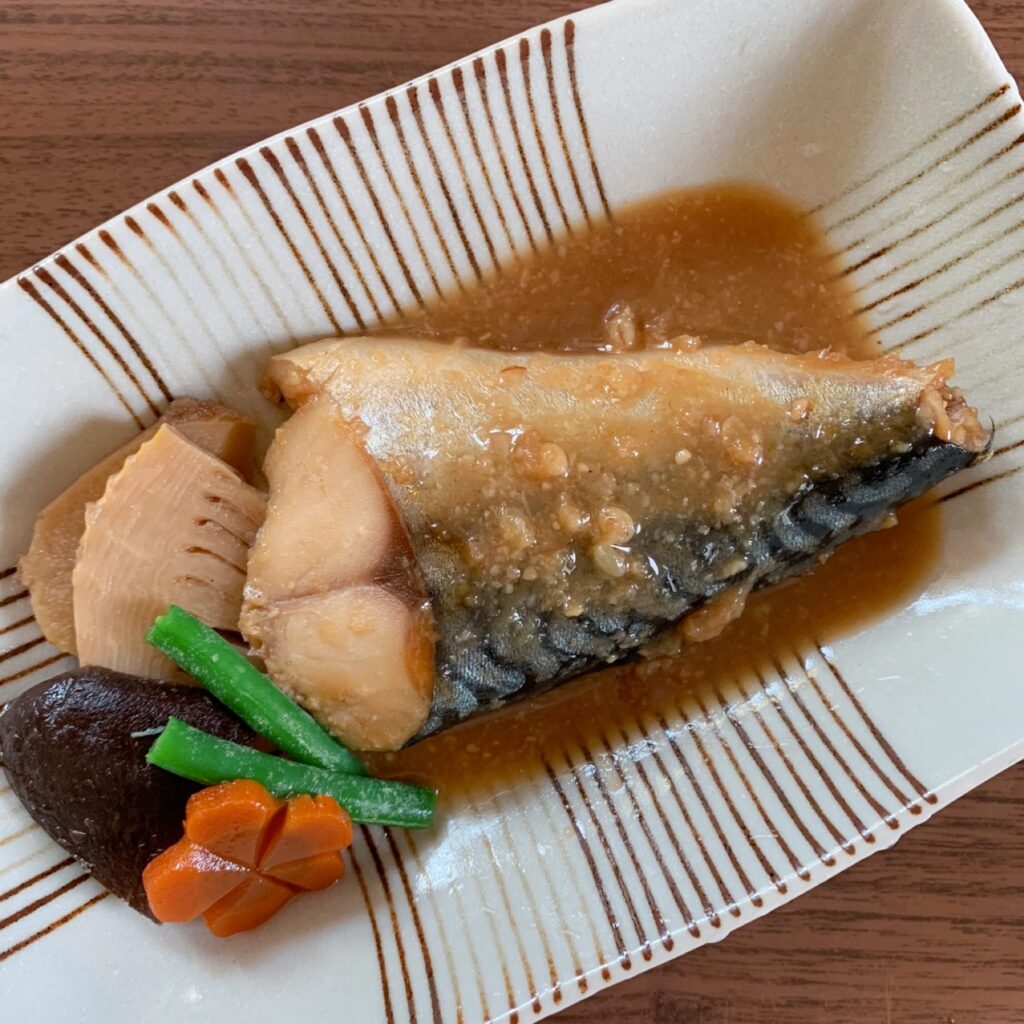
Since I used barley miso, some barley grains may remain, adding a rustic texture.
How to make Saba no miso-ni
Step 1: “Shimofuri” (The Secret to No Odor)
Arrange the mackerel in a tray and pour boiling water over it. When the surface turns white, discard the water. This process removes the blood and slime that cause fishy smells.
Step 2: Simmer the Base
In a pot, combine the broth ingredients (☆) and ginger. Bring to a boil.
Step 3: Add Mackerel
Place the mackerel skin side up in the pot. Cover and simmer over medium heat for 5 minutes.
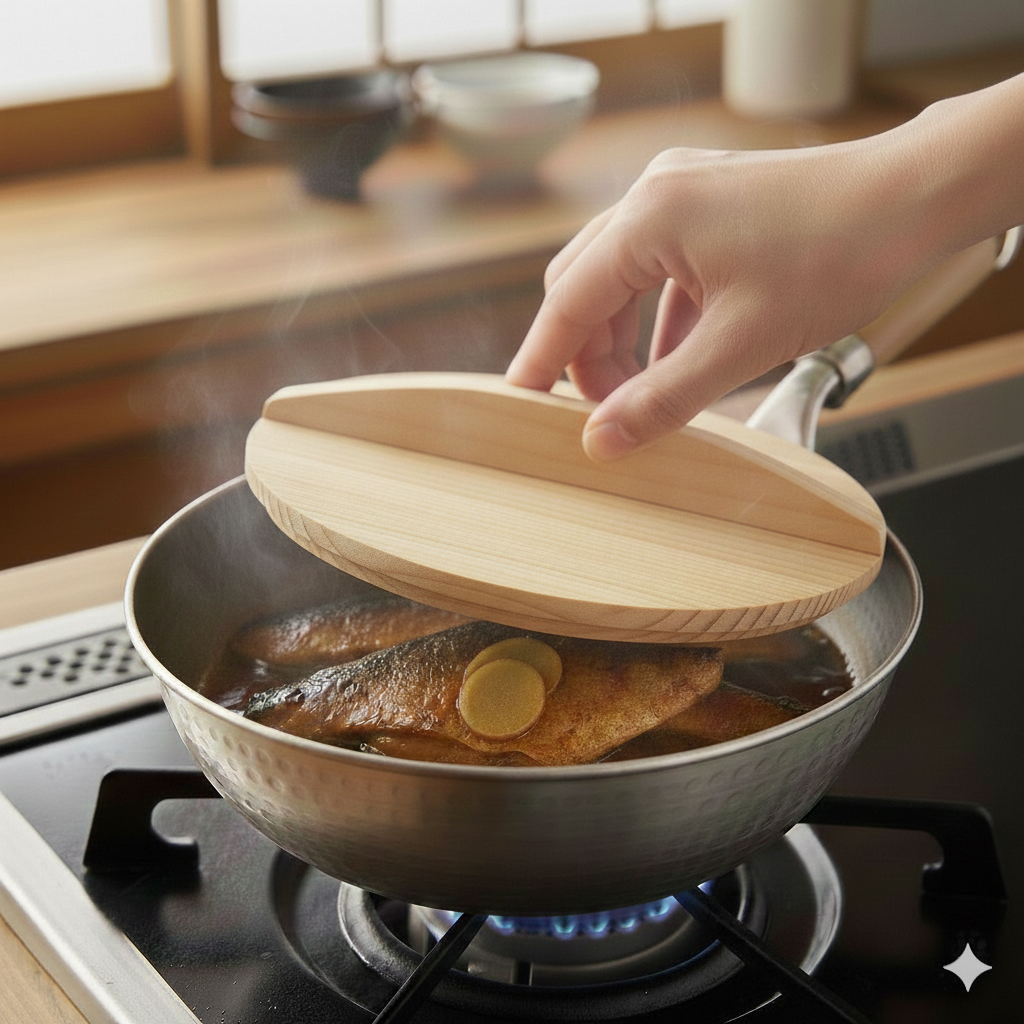
Step 4: Reduce the Sauce
Remove the lid and continue to simmer until the liquid is reduced by half.
Step 5: Add Miso
Mix the miso with 20g of water. Add it to the pot and shake the pot gently to distribute the sauce evenly.
- Important: Watch the water amount! Too much will make it soup, not a sauce.
Step 6: Finish
Once the sauce reaches your desired thickness, it’s done!
Nutrition Facts: Saba no Miso-ni (For 2 Servings)
These values represent the total for this recipe (2 servings) and the estimated intake per person.
| Item | Total (2 Servings) | Per Serving (1人あたり) |
| Calories | 547 kcal | 274 kcal |
| Protein | 40.9 g | 20.5 g |
| Fat | 32.0 g | 16.0 g |
| Carbohydrates | 30.1 g | 15.1 g |
| Salt Equivalent | 5.0 g | 2.5 g |
💡 Nutrition Highlights
- High Protein: Each serving provides about 20g of protein, making it an excellent choice for muscle health and satiety.
- Healthy Fats (Omega-3s): Mackerel is rich in DHA and EPA. Just one serving (approx. 100g of fish) more than covers the recommended daily intake of 2g of n-3 fatty acids.
- Balancing Sodium: While miso is savory and contains salt, you can balance your meal by adding sides rich in potassium (like fresh tomatoes or grilled vegetables) to help your body process the sodium.
Today’s Menu: A Balanced Japanese Meal

To complete your Japanese dining experience, I recommend pairing it with:
- Nyumen: Warm somen noodles with tororo konbu and chicken.
- Grilled bamboo shoots and shiitake mushrooms tsukudani.
- Fresh tomatoes.
👉 [Check out the Nyumen Recipe here! Warm somen with tororo konbu and chicken]
📖Related Link: Read the Japanese version of this article here! [サバの味噌煮:日本の伝統的な家庭の味をマスターする]
#魚の煮付け #煮付け #和食ごはん #おうちごはん #SimmeredFish #Nitsuke #JapaneseFood #HealthyEating

コメント