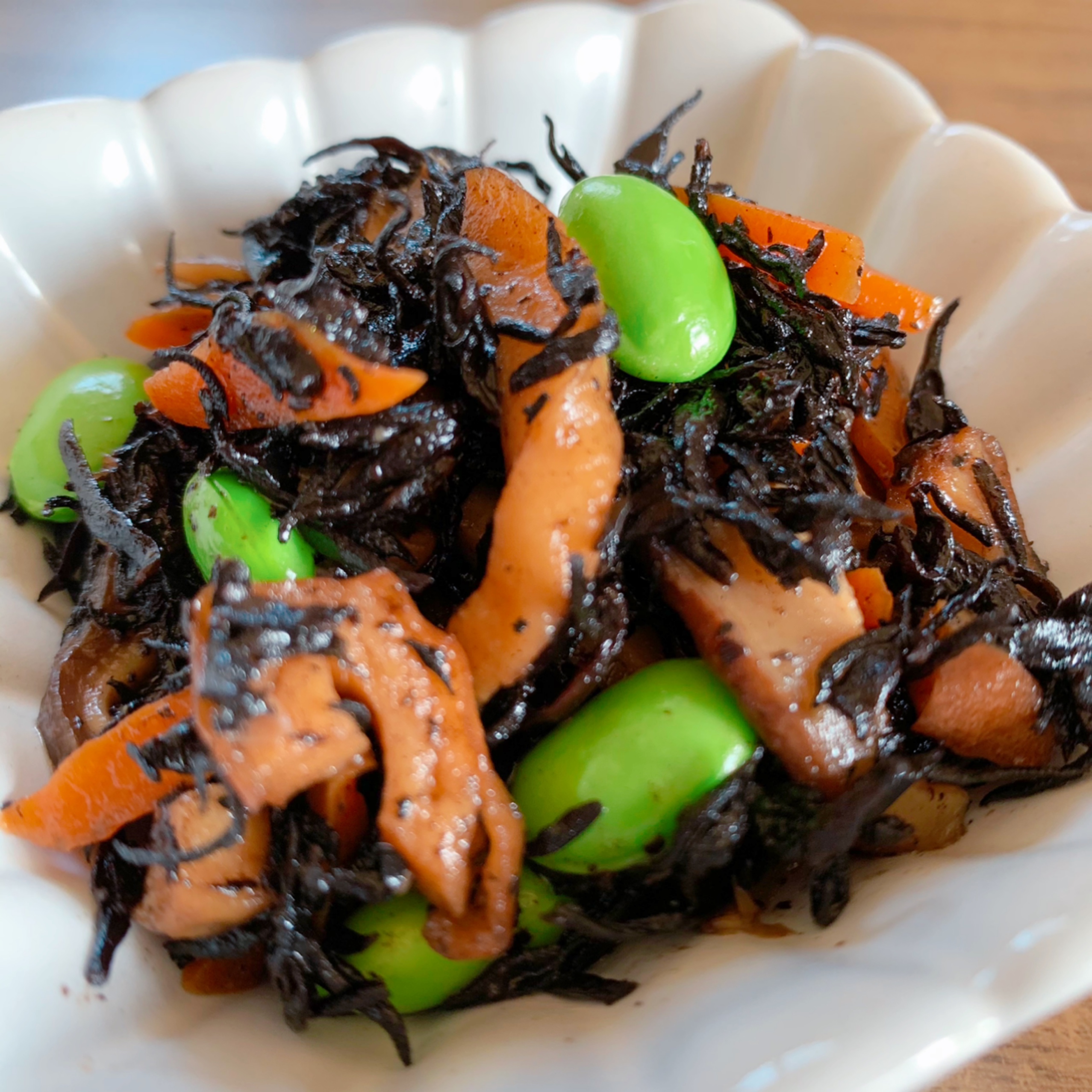

The Ultimate Guide to Hijiki No Nimono (ひじきの煮物)
Everything You Need to Know About Hijiki Seaweed
Hijiki no Nimono is a classic Japanese side dish made by simmering hijiki seaweed in a savory-sweet broth. Usually flavored with dried shiitake dashi, soy sauce, and sugar, it is a staple of “Ofukuro no aji” (mother’s home cooking).
You’ll almost always find a small portion of it in supermarket bento boxes. It’s perfect for meal prepping because you can make a large batch and repurpose it into:
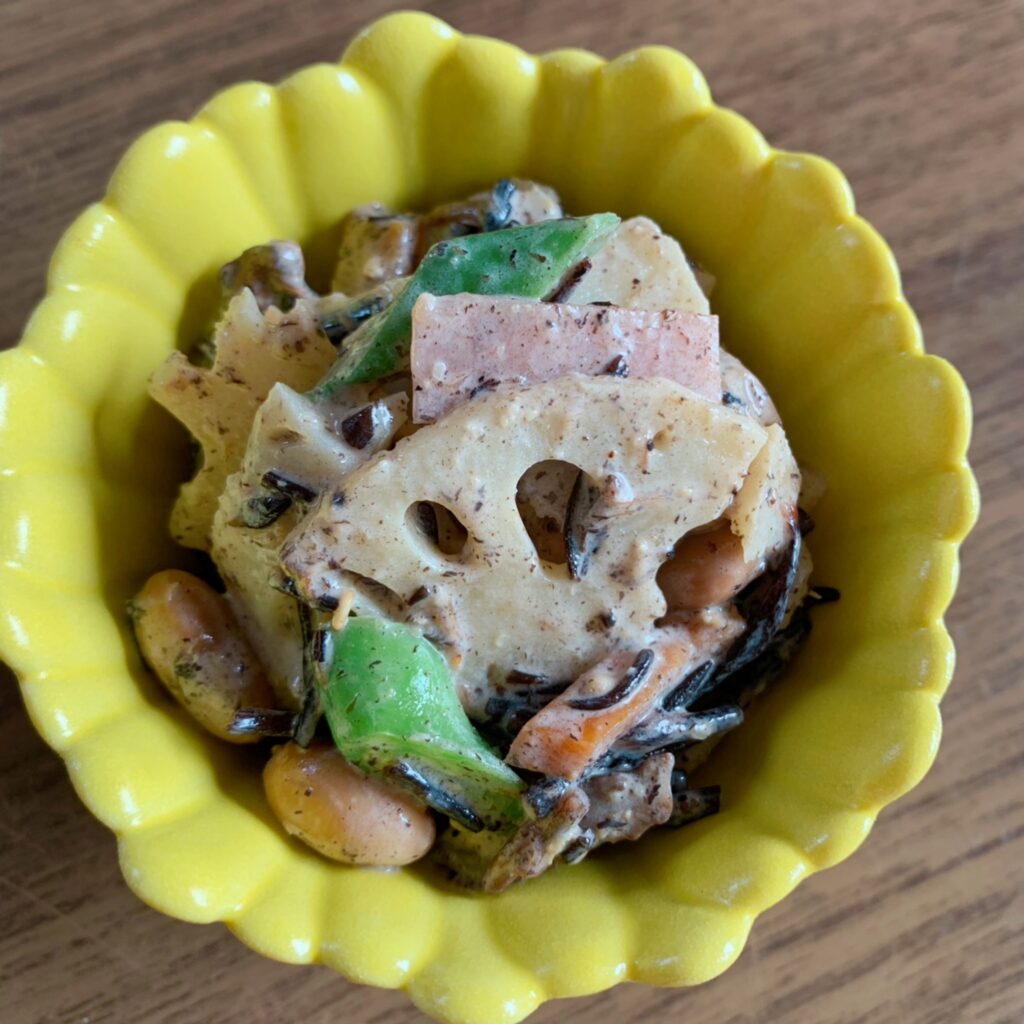
- Hijiki Salad: This dish is also my favorite base for a salad! 👉 Try adding lotus root for a crunchy, refreshing twist. Dried Hijiki Seaweed Mayonnaise Salad
- Fillings: Added to croquettes or tamagoyaki (rolled omelets).
- Hijiki Gohan: Mix 70g of this nimono (and a little broth) with 270g of cooked white rice.
💡 Quick Guide: Understanding Hijiki
🍃Types of Hijiki

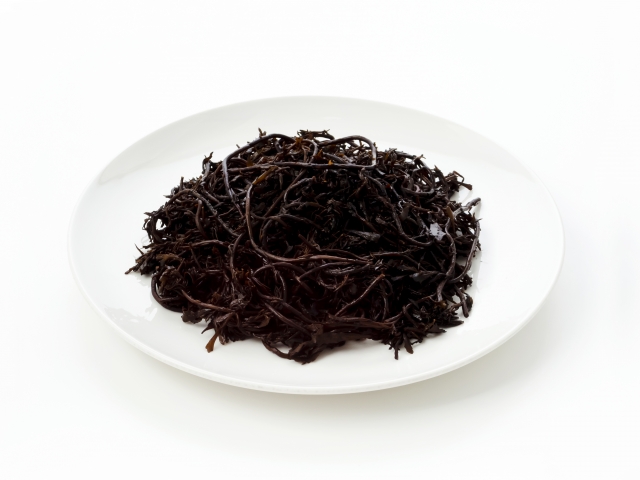
- Nama” (Fresh) Hijiki: Usually found in the refrigerated section. This is actually dried hijiki that has been professionally rehydrated by the store to mimic its original state. It is softer and more aromatic than home-rehydrated versions. (Highly Recommended!)
- Dried Hijiki: Great for long-term storage. Note that it expands significantly; its weight will increase by about 8 to 10 times after rehydration.
- The Pro Way to Rehydrate: Soak in water (40 times its weight) for 30 minutes. The optimal water temperature is 20°C.
🦴The Nutrition & The Iron “Myth”

Hijiki is low in calories but packed with minerals like calcium, magnesium, and dietary fiber.
A Quick Fact: Older cookbooks list hijiki as a massive source of iron. However, modern hijiki actually contains less iron than it used to. This is because manufacturers transitioned from traditional iron pots to stainless steel pots during the production process! It is still very healthy, but its reputation as an “iron powerhouse” has faded slightly.
⚠️Is Arsenic a Risk?
Hijiki does contain inorganic arsenic. However, you can easily reduce this by soaking and washing the seaweed. Research shows that:
- Washing/soaking removes about 60% of arsenic.
- Boiling and rinsing can remove up to 80%.At normal consumption levels in a balanced diet, there are no reported health risks.
🏗️How Hijiki is Processed: Ise vs. Boshu Methods
While most people only see the finished product, there are two traditional manufacturing methods in Japan. Over 80% of the hijiki on the market is made using the Ise method.
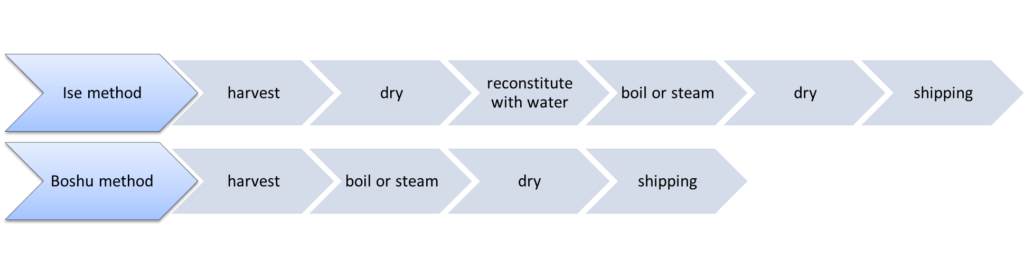
- 1. The Ise Method (伊勢製法)
- Used for over 80% of products
- Process: Harvest → Sun-dry → Boil or Steam → Final Drying.
- Equipment: Usually processed in stainless steel pots.
- Result: Since the seaweed is dried once before being cooked, it tends to be more uniform and is commonly found in most households.
- 2. The Boshu Method (房州製法)
- A traditional regional specialty
- Process: Harvest → Boil or Steam immediately (while fresh) → Sun-dry.
- Equipment: Can be processed in either stainless steel or traditional iron pots.
- Result: Because it is cooked while still “raw” and fresh from the ocean, Boshu hijiki is known for being thicker, softer, and having a richer aroma.
🍄 The Secret of Umami: Oita Shiitake
Why do dried shiitake sometimes taste different even in the same pack? You may have noticed that rehydration times and flavors can vary, even when using the same brand. This is often because different varieties of shiitake are mixed in the same package.
To solve this, producers in Oita Prefecture—Japan’s top shiitake region, producing about 50% of the nation’s supply—are working to stabilize quality and variety. Oita is famous for “Donko” shiitake, a thick, premium variety grown on sawtooth oak logs (Kunugi). These have won national competitions for 25 consecutive years!
If you want the best umami for your hijiki, look for Oita-grown shiitake. 👉 Check out their efforts here: https://oita-umamidake.jp
🥗Nutriition Facts (5 servings) : Healthy Hijiki Nimono
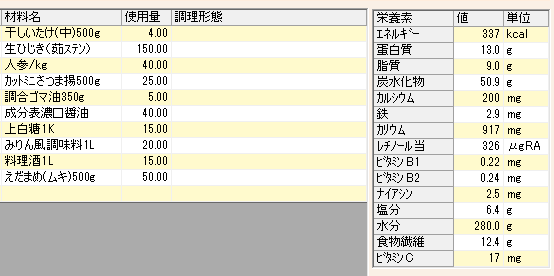
- Calories: 337 kcal
- Protein: 13.0 g
- Total Fat: 9.0 g
- Total Carbohydrates: 50.9 g
- Sodium: 6.4 g
- Dietary Fiber: 12.4 g
🛒INGREDIENTS (5 servings):Healthy Hijiki Nimono
- Nama Hijiki: 150g (If using dried, soak until soft)
- Dried Shiitake Mushroom: 1 piece (4g) soaked in 150g water
- Carrots: 40g (julienned)
- Satsuma-age (Fish Cakes): 25g (Alternatively: fried tofu, chikuwa, or pork)
- Frozen Edamame: 50g (Alternatively: boiled soybeans or green peas)
- Sesame Oil: 5g
- Liquid: 400g total (Combine the shiitake soaking water + plain water)
The Seasoning (☆):
- Dark Soy Sauce: 30–40g
- Sugar: 10–15g
- Mirin: 20g
- Sake: 15g
- Note: If your shiitake aren’t very flavorful, use dashi stock granules.
🥢How to make :Healthy Hijiki Nimono
- Prep the Shiitake: Soak dried shiitake in water (ideally the day before). Save the soaking water! This liquid is packed with umami and is the secret to the dish’s deep flavor. Once soft, remove stems and slice into 5mm x 2cm strips.
- Note: For the best results, use Oita-grown “Donko” shiitake. They are thick and rich in flavor, though rehydration times may vary unless you choose quality-controlled brands like .
- Prep the Hijiki: Wash nama hijiki under running water. (If using dried, soak for 5–20 mins). Drain well.
- Prep Veggies & Fish Cake: Peel and slice carrots into thin strips. Cut the fish cakes into 5mm x 2cm pieces.
- Stir-fry: Heat sesame oil in a pan. Quickly sauté the hijiki, carrots, and shiitake.
- Simmer (Part 1): Add the shiitake soaking water and extra water until ingredients are submerged. Simmer on low heat for about 10 minutes until soft.
- Season: Add the sake, sugar, mirin, and soy sauce. Stir occasionally and simmer over medium heat for 5 minutes.
- The Finish: Add the fish cakes and frozen edamame at the very end. This keeps the fish cakes from over-absorbing the seasoning and preserves the bright green color of the beans.
- Cooling: Turn off the heat when the liquid has almost evaporated. Let it sit and cool—the flavors soak in beautifully as it rests!
📖Related Link: Read the Japanese version of this article here! []

コメント