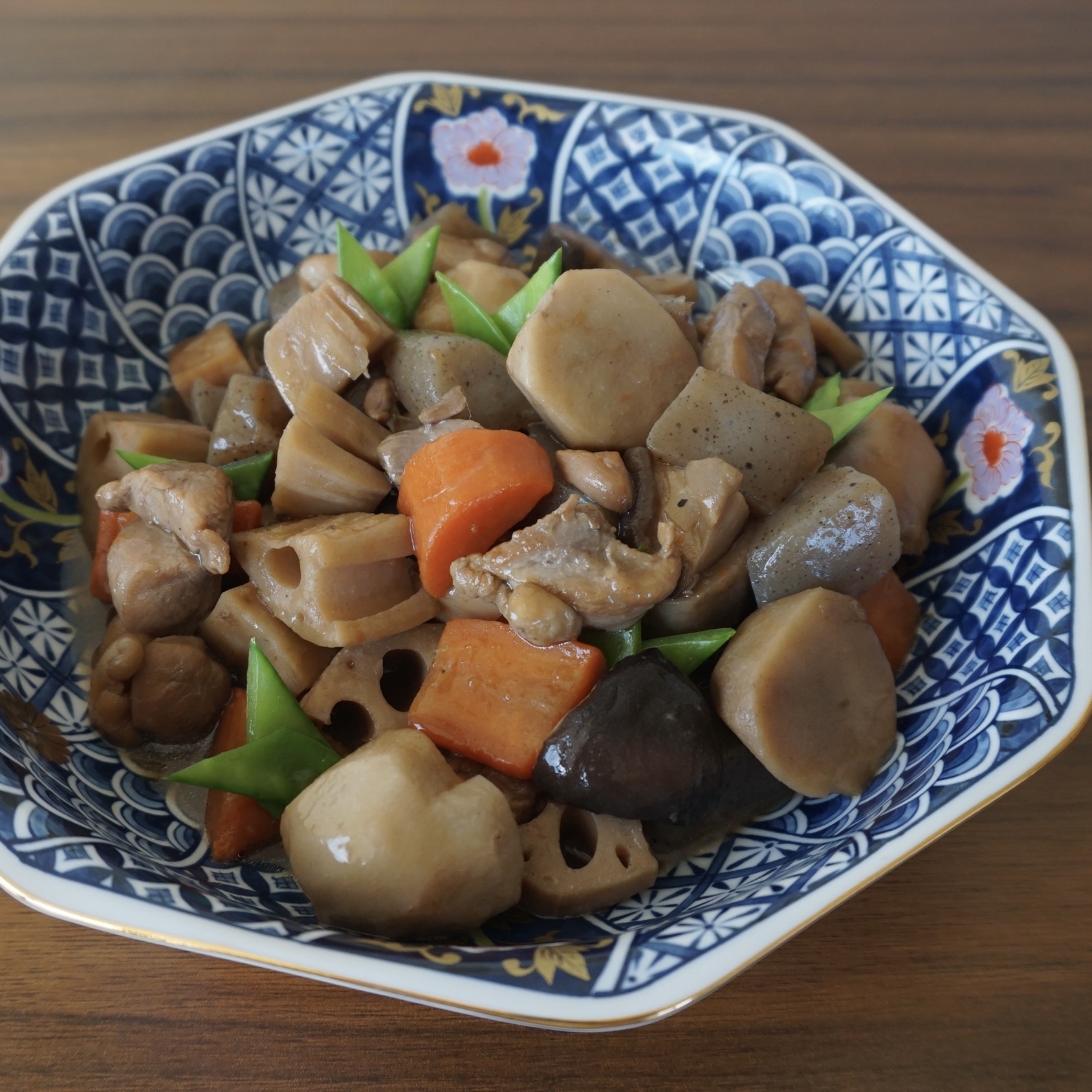
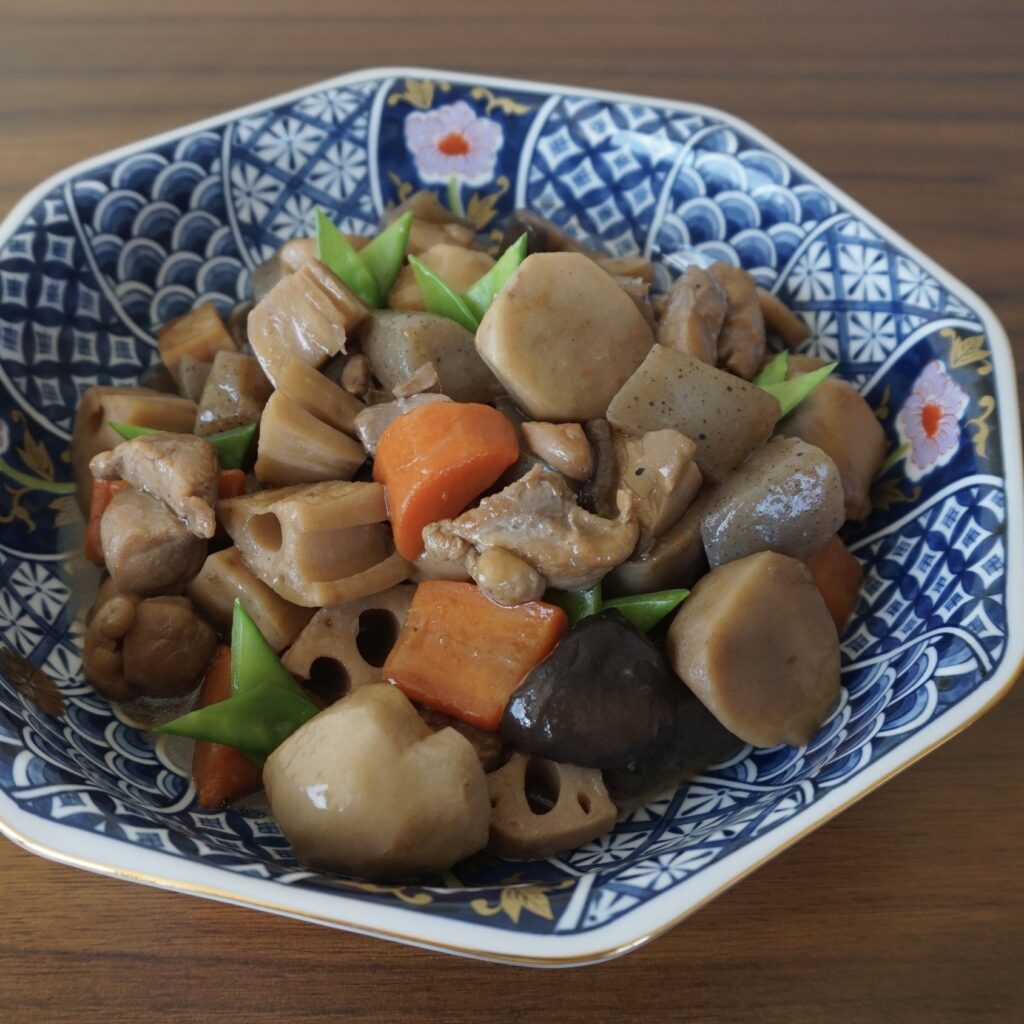
🥢 What is Chikuzenni(筑前煮)?
Chikuzenni is a classic Japanese dish consisting of chicken and earthy root vegetables simmered in a savory-sweet soy sauce glaze.
- Origin: Originally from the Chikuzen region (Fukuoka Prefecture), it was traditionally called “Gameni.”
- Symbolism: Because many ingredients are simmered together in one pot, it symbolizes “Family Unity and Prosperity.” That’s why it is a must-have dish for Osechi (New Year’s feast) and celebrations like the “Hundred Days Celebration” for babies.
- The Vibe: It’s the ultimate Japanese comfort food. One bite brings back a sense of nostalgia for home-cooked meals.
🥗 Nutrition Facts (Per Serving): Chikuzenni
- Calories: 267 kcal
- Protein: 13.3g
- Fat: 9.4g
- Carbs: 33.2g
- Salt: 2.3g
🛒 Ingredients (Serves 5): Chikuzenni
- Proteins & Vegetables:
- Chicken thigh (300g)
- Taro (300g) — Tip: Cut larger as they soften easily.
- Lotus root (200g)
- Carrot (150g)
- Burdock root (100g)
- Shiitake mushrooms (80g)
- Konnyaku / Konjac (100g)
- Ginger (5g)
- Snow peas (5 for garnish)
- Sesame oil (4g)
- ☆ The Seasoning Sauce:
- Water (400g)
- Dark soy sauce (40g) & Light soy sauce (20g)
- Sugar (40g)
- Mirin & Sake (20g each)
- Dashi stock granules (5g)
👩🍳How to make Chikuzenni
So, in the video, you’ll see a “gobo-free” version of this classic dish. Even without the burdock root, the flavors turned out perfectly! (LOL)
Please check it out and see how it’s made!
- Prep the Veggies:
- Scrape burdock skin with the back of a knife; peel lotus root and carrots. Cut all into bite-sized pieces.
- Pro Tip: Soak burdock and lotus root in water to prevent discoloration.
- Taro Tip: Peel while dry to avoid slipperiness! Rub with salt water to reduce sliminess if preferred.
- Prep the Konnyaku:
- Tear the konjac by hand or with a spoon (rough edges absorb flavor better!). Boil for 2 minutes to remove the “lye” smell.
- Sauté:
- Heat sesame oil and sliced ginger. Fry chicken until it turns white, then add all vegetables and konjac. Stir-fry briefly to coat in oil.
- The First Simmer (Water Only):
- Add water to cover. Simmer until vegetables are tender. Crucial: Don’t add seasonings yet, or the vegetables may stay tough!
- The Final Glaze:
- Add the ☆ seasonings. Simmer until the liquid is mostly reduced and the vegetables are beautifully glazed.
- Garnish:
- Boil snow peas separately and add them at the end to keep their vibrant green color.
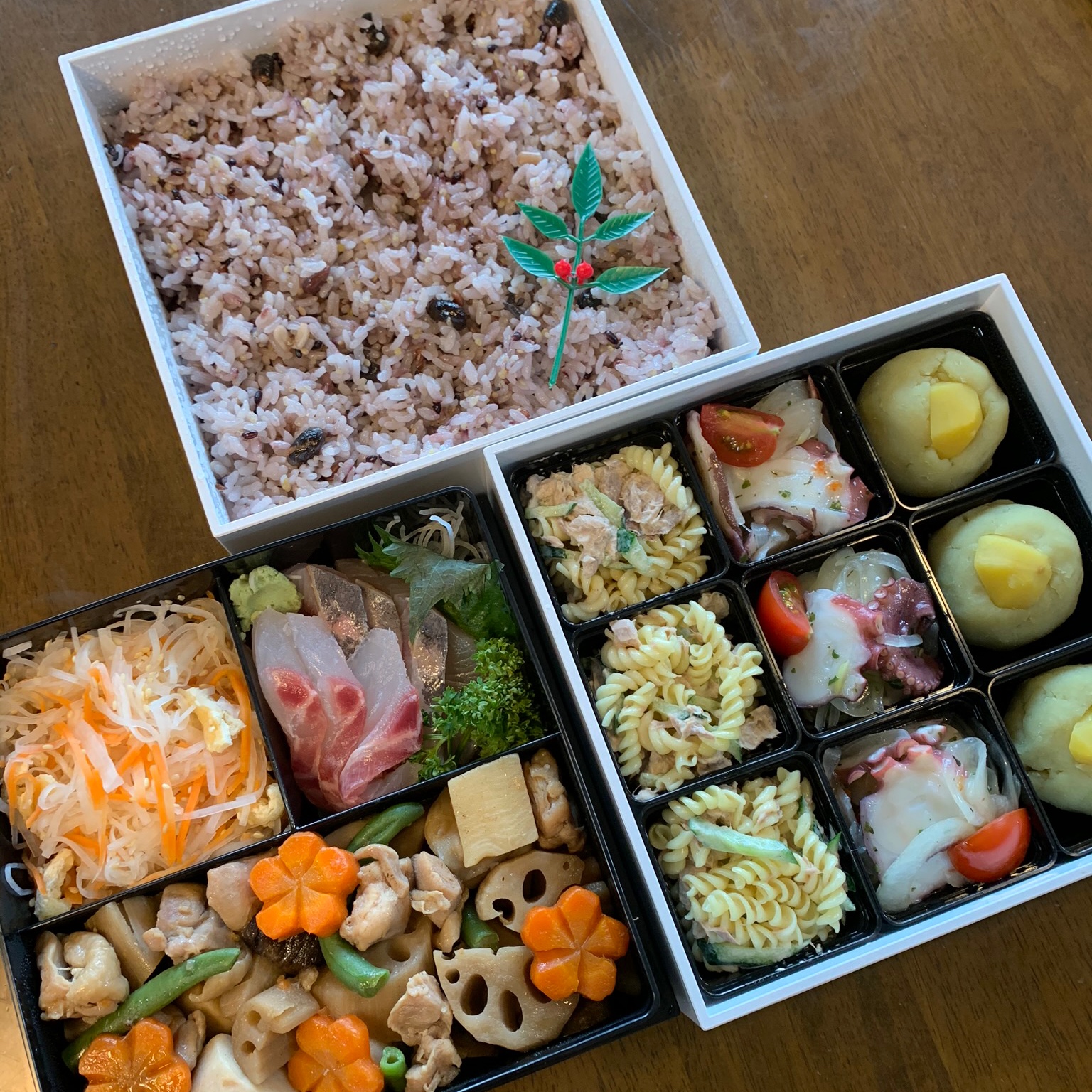
🌸 Celebrating My Nephew’s 100th Day
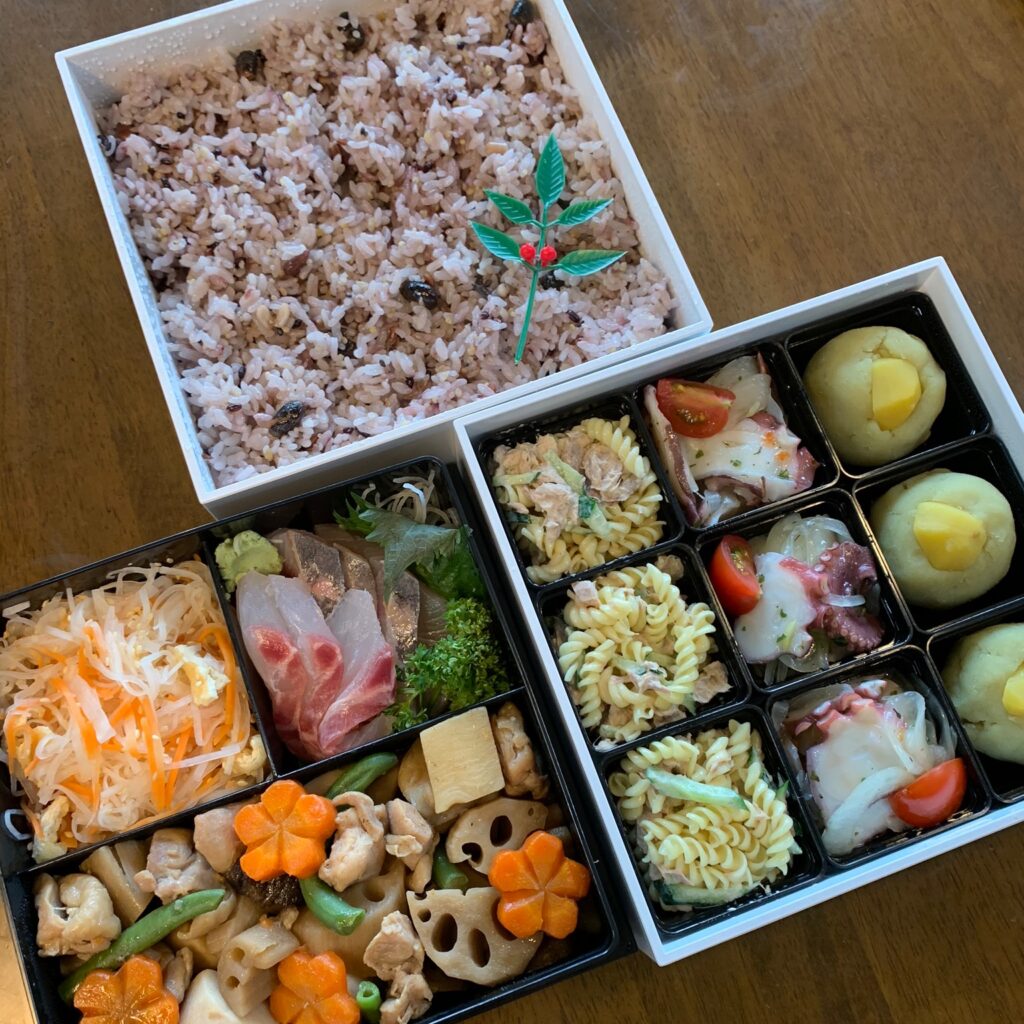
This is a dish I made for my nephew’s “Hundred Days Celebration.” “百日祝い (Momoka Iwai)” is a traditional Japanese ceremony held 100 days after a baby is born to wish them a lifetime of never going hungry.
🍱 Menu Highlights:
- Sekihan: Red bean rice for good luck.
- Chikuzenni: Simmered vegetables with beautiful flower-cut carrots.
- Sashimi & Sides: Fresh selection for the family.
- Namasu: A refreshing vinegared salad.
Check out this article for the recipe for Sekihan! 👉 Sekihan (Azuki Red Bean Rice)
Check out this article for the recipe for Namasu! 👉 Vinegared radish and carrot
📖Related Link: Read the Japanese version of this article here! [筑前煮のレシピ:鶏肉と根菜の煮込み]
ごぼう #きんぴらごぼう #和食ごはん #おうちごはん #食物繊維 #腸活レシピ #burdockroot #japanesecuisine #healthyfood

コメント