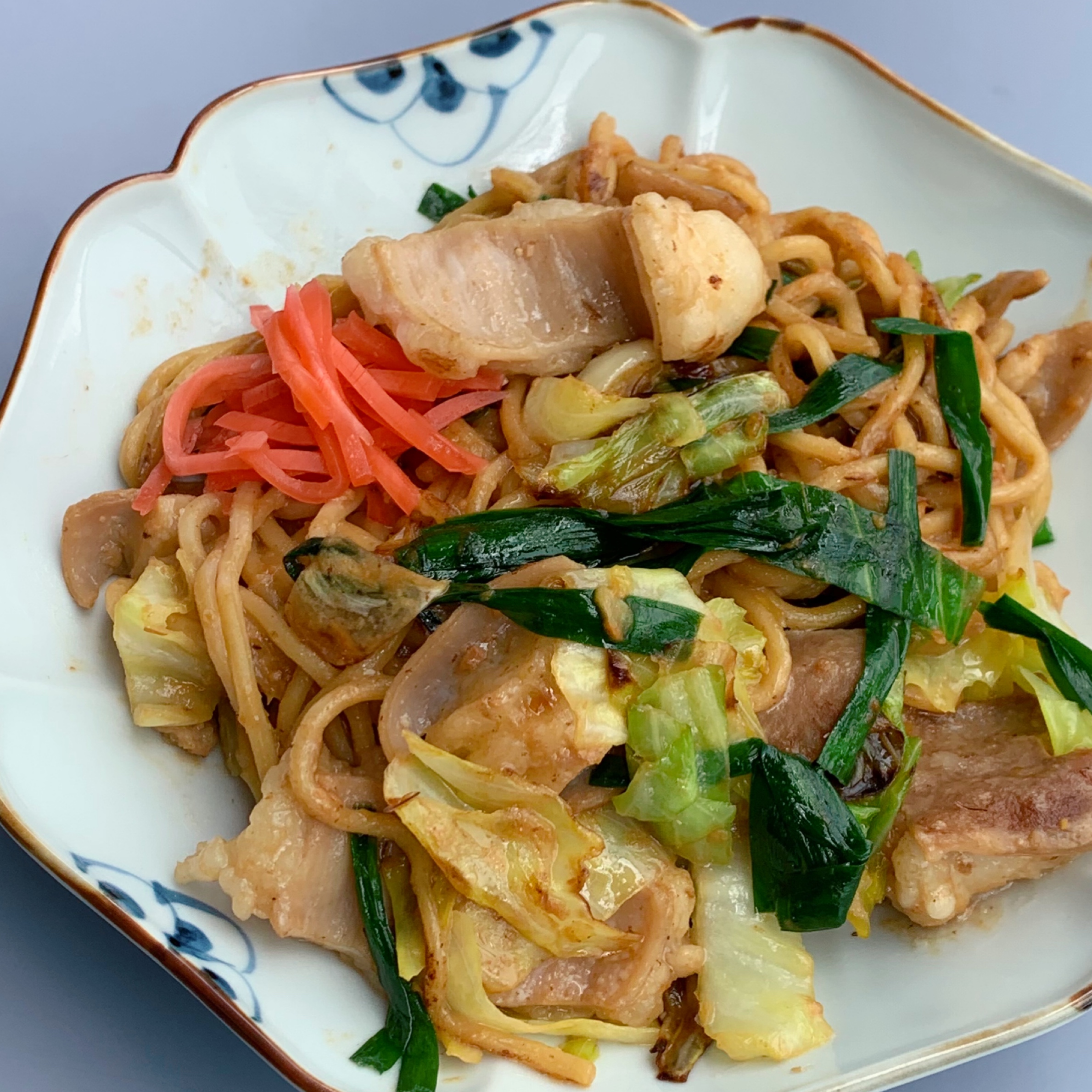
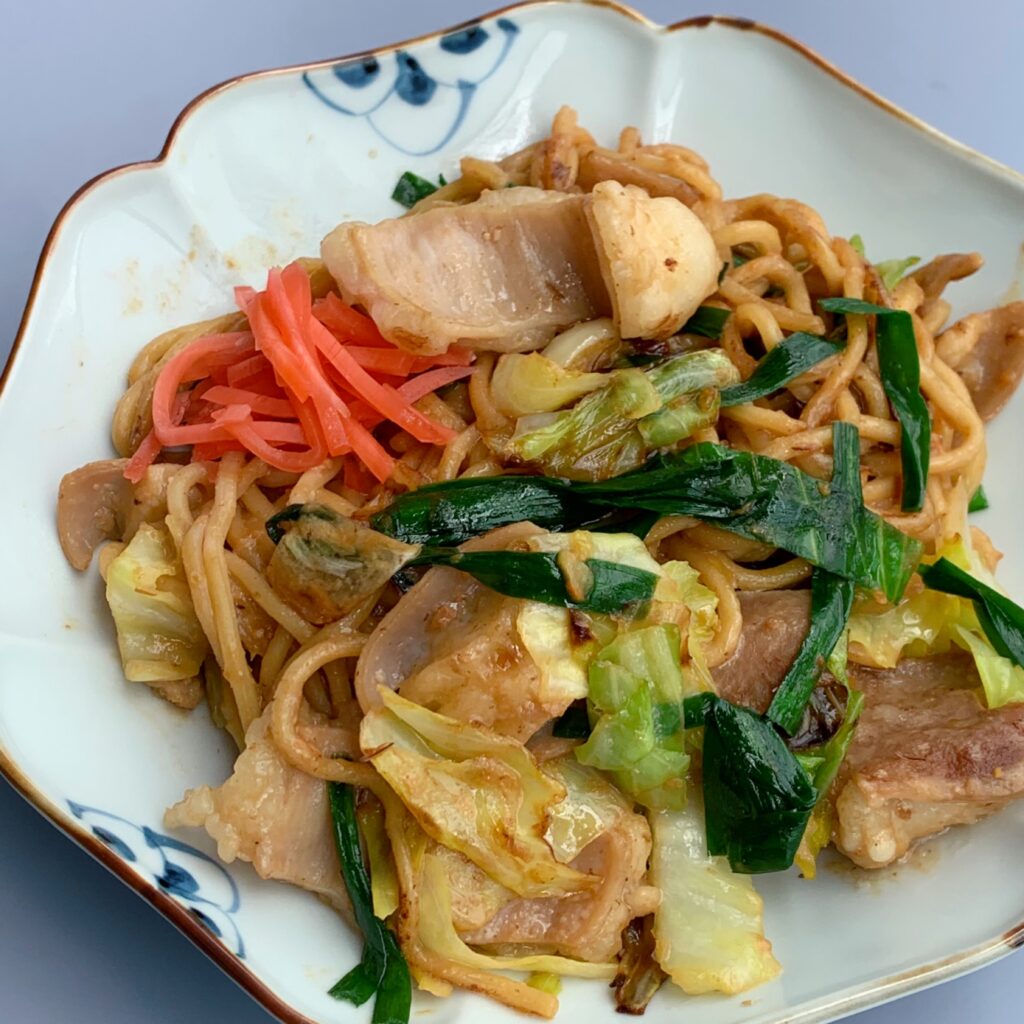
The Ultimate Guide to Hormone Yakisoba: Japan’s Savory “Soul Food”
If you love bold flavors, garlic, and satisfying textures, you need to meet Hormone (Horumon) Yakisoba. While standard Yakisoba is a festival staple, this version—upgraded with juicy beef offal and a rich miso sauce—is the ultimate comfort food found in Japanese izakayas and specialty shops.
What exactly is “Hormone (Horumon)“?
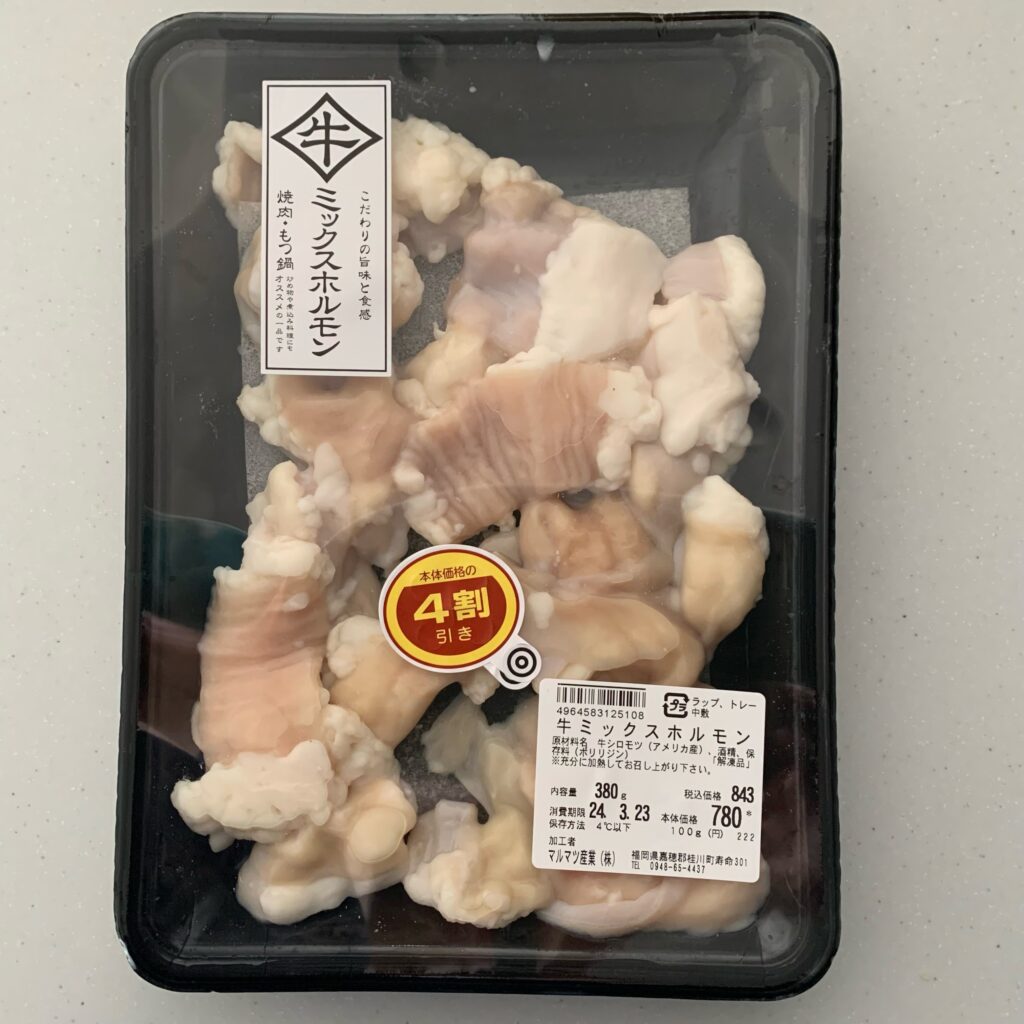
In Japan, Hormone (Horumon) refers to pork or beef offal (internal organs). The name supposedly comes from the Kansai dialect furu-mon, meaning “things to be thrown away,” but today it is a prized delicacy!
For this recipe, we use Shimachou (Large Intestine).
Beef offal (shimachou) NUTRITION VARUE PER 100g
- The Look: It has a distinct striped pattern (Shima = stripe).
- The Texture: It’s famous for being elastic, chewy, and rich.
- The Flavor: It absorbs sauces beautifully and releases a deep, umami-rich fat when grilled.
Many people are surprised to learn that offal is high in protein and contains zero carbohydrates.
- 150 Calories
- Protein 9.3 g
- Total Fat 13.0 g
- Total carbohydrates 0 g
- Sodium 0.2 g
Ingredients (Serves 2)
| Category | Ingredient | Amount | Notes |
| Protein | Beef Offal (Shimachou) | 380g | Beef Large Intestine (cleaned) |
| Carbs | Chinese Noodles | 2 packs | Pre-steamed yakisoba noodles (260g) |
| Vegetables | Cabbage | 150g | Cut into 3cm squares |
| Chinese Chives (Nira) | 50g | Cut into 3cm lengths | |
| Garlic | 15g | Freshly crushed | |
| Sauce | Red Miso | 40g | For deep, savory umami |
| Mirin | 25g | For sweetness and glaze | |
| Sake | 25g | To remove “gamey” odors | |
| Dark Soy Sauce | 20g | For rich color and depth |
The “Parchment Paper” Magic
Many people are surprised to learn that offal is high in protein and contains zero carbohydrates.
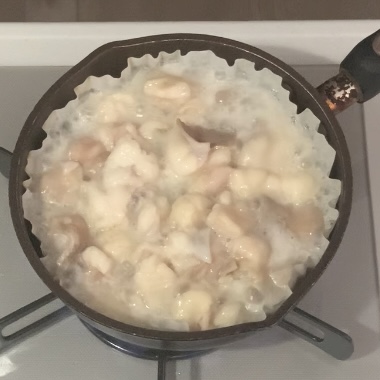
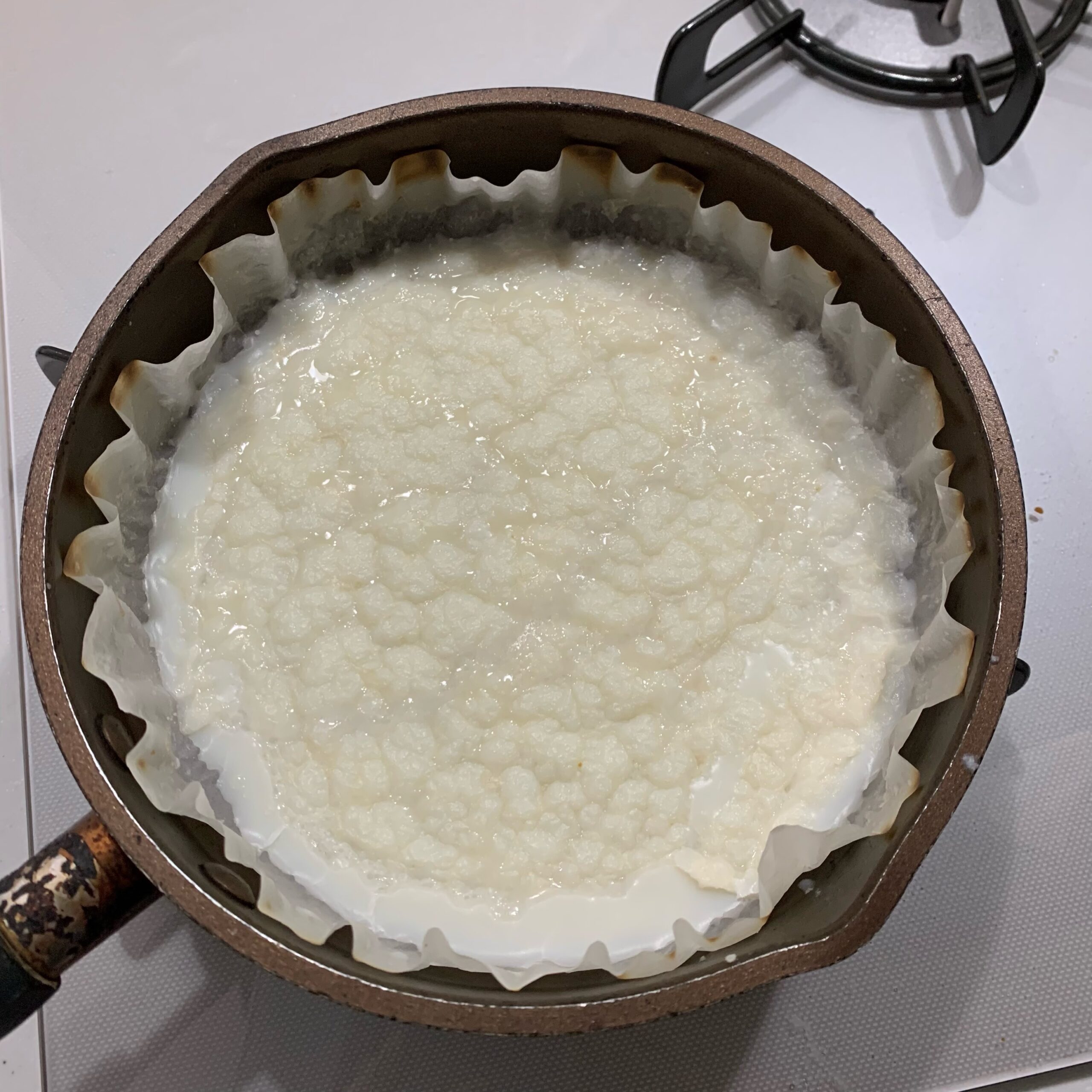
- The Setup: Line your frying pan with parchment paper (baking paper) or aluminum foil. Place the raw offal on top.
- The “Sweat”: As the offal heats up, it will release a lot of water and fat. Let it simmer in its own juices for a few minutes.
- The Transfer: Once the liquid has come out, move the offal to a different clean pan for the real stir-fry.
- The Easy Clean: Here is the best part! Wait for the fat left on the parchment paper to cool and harden, then just fold it up and toss it in the trash. > 💡 Why do this? > If you pour liquid animal fat down your kitchen sink, it will clog your pipes! Plus, washing a greasy pan is a nightmare. This method keeps your kitchen clean and your offal tasting crisp and fresh.
Step-by-Step Instructions
- Prep the Veg: Cut your cabbage and chives into 3cm strips. Crush the garlic to release those aromatic oils.
- The “Dry-Clean” Process: Place the offal on a parchment-lined pan. Let the water and fat cook out.
- The Golden Char: Move the offal to a fresh frying pan. Fry it thoroughly for a long time. You want the edges to be golden and slightly crispy—this is where the deep, beefy flavor lives.
- Add the Crunch: Toss in the crushed garlic and cabbage. Stir-fry until the cabbage is slightly wilted but still has a bite.
- The Sauce: Mix your red miso, mirin, sake, and soy sauce in a small bowl.
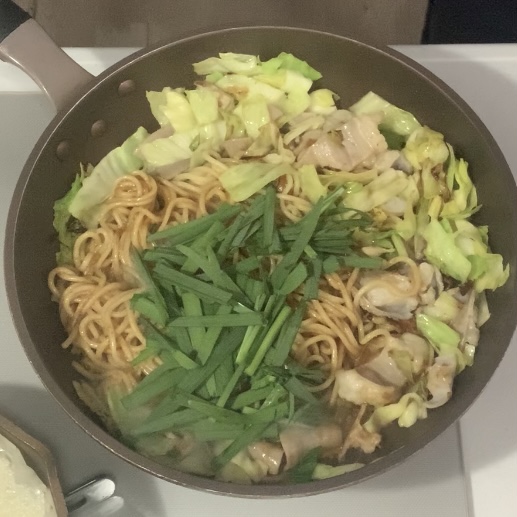
- The Grand Finale: Add the Chinese noodles, chives, and your miso sauce. Stir-fry on high heat until the noodles soak up every drop of that savory glaze.
What makes this “B-Grade Gourmet”?
In Japan, “B-Kyu Gurume” (B-Grade Gourmet) refers to local, affordable, and incredibly delicious comfort food. Horumon Yakisoba is the king of this category! It’s not fancy, but the combination of chewy Shimachou and salty Red Miso is addictive.
Helpful Tips for Beginners
- Texture: Expect a “rebound” chewiness. It’s not like a steak; it’s fun to chew, like a savory snack!
- Where to find it: If your local supermarket doesn’t have “Shimachou,” look for “Beef Large Intestine” at a Mexican carniceria (where it’s used for tripas) or a Chinese grocery store.
Nutrition Facts
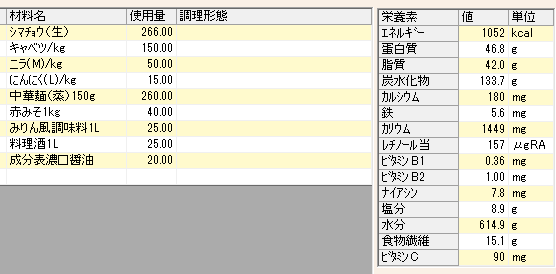
Since we discard a portion of the rendered fat during the cleaning process, these values are estimates.
- Calories: 526 kcal
- Protein: 23.4 g
- Total Fat: 21.0 g
- Carbohydrates: 66.8 g
- Sodium: 4.45 g
Why you should try this?
If you’ve never liked offal before, Shimachou is the “gateway” ingredient. Its chewy texture paired with the punchy garlic-miso sauce makes it taste almost like a savory gummy candy. It’s the perfect companion for a cold beer!
Wait, What’s the Difference Between “Horumon” and “Motsu”?
You might see both words on Japanese menus. Here is the simple breakdown:
- Motsu: A general term for all internal organs (offal).
- Horumon: Usually refers specifically to the intestines (small or large).
In short: All Horumon is Motsu, but not all Motsu is Horumon! Both are beloved in Japan for being high-stamina, high-collagen foods that go perfectly with a cold drink.
Love Offal? Try These Other Recipes!
If you enjoyed this Yakisoba, don’t miss these classic Japanese offal dishes:
👉 Horumonyaki: Japanese Offal Stir-Fry with Yakiniku Sauce Recipe The easiest way to enjoy offal! A quick stir-fry using sweet and savory BBQ sauce.
👉 Motsu Nabe (Japanese Offal Hot Pot) A famous specialty from Fukuoka. A warming hot pot with garlic, chili, and plenty of vegetables.
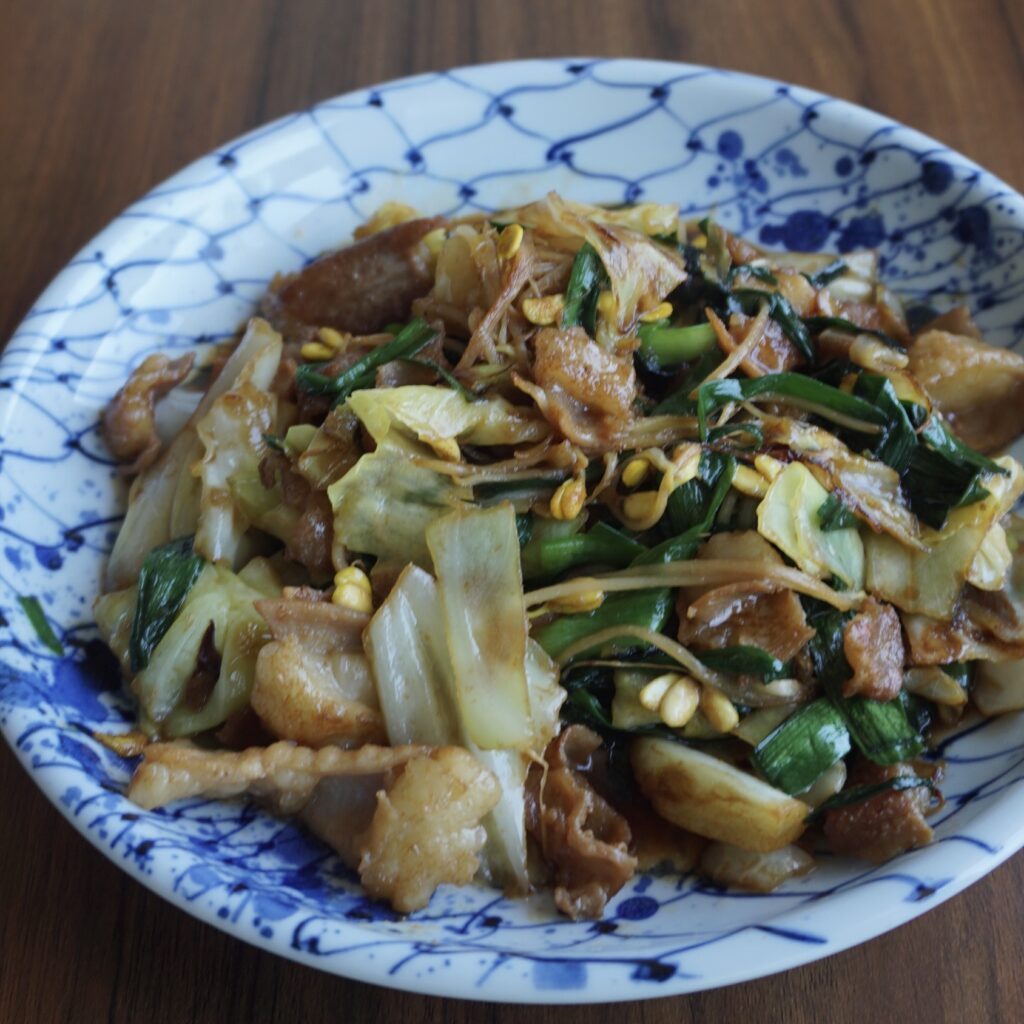
📖Read the Japanese version of this article here! [【完全版】ホルモン焼きそばの作り方|濃厚味噌ダレとシマチョウの極上レシピ]

コメント