The Ultimate Guide to Nama Chocolate (生チョコ)
The secrets to the melt-in-your-mouth Japanese delicacy.
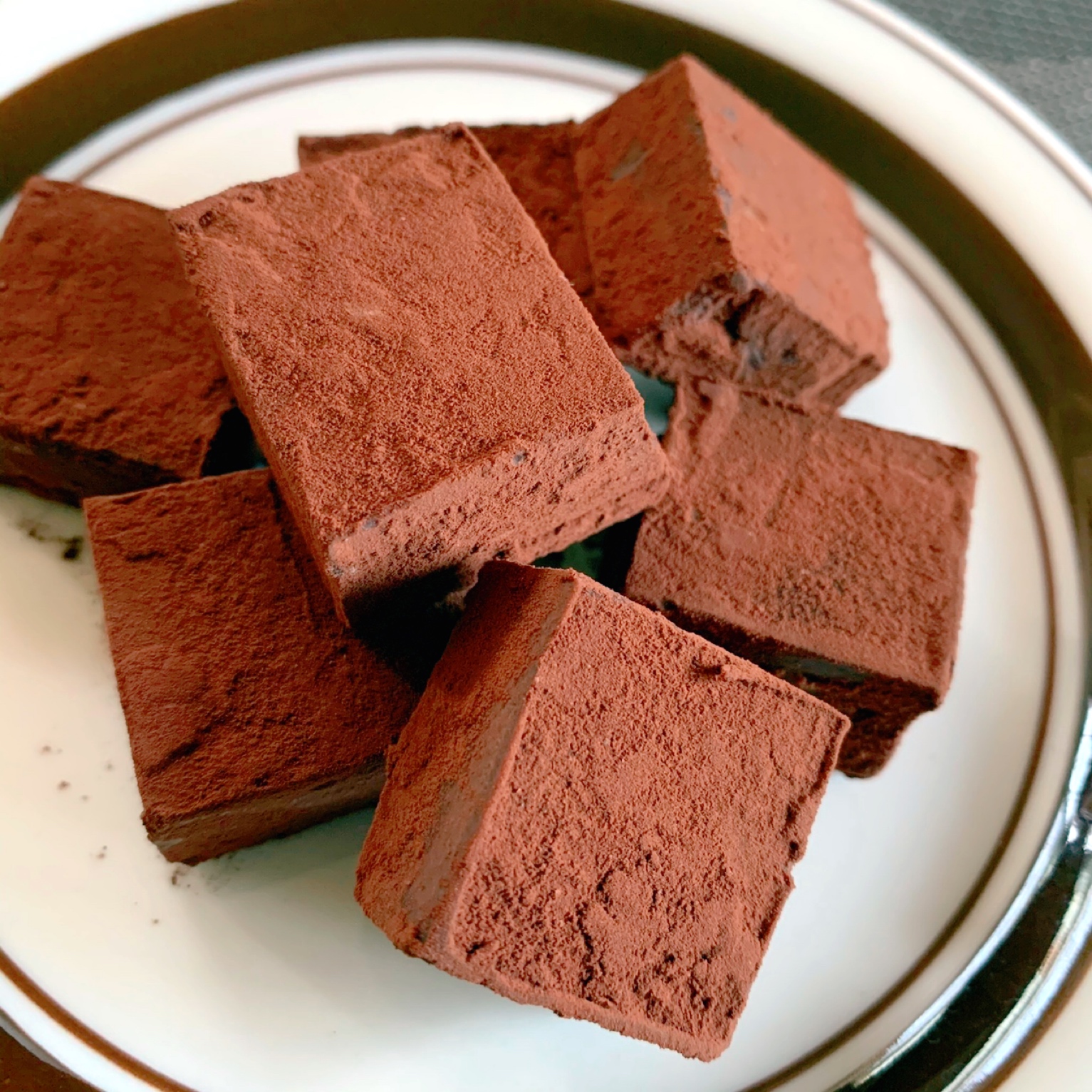
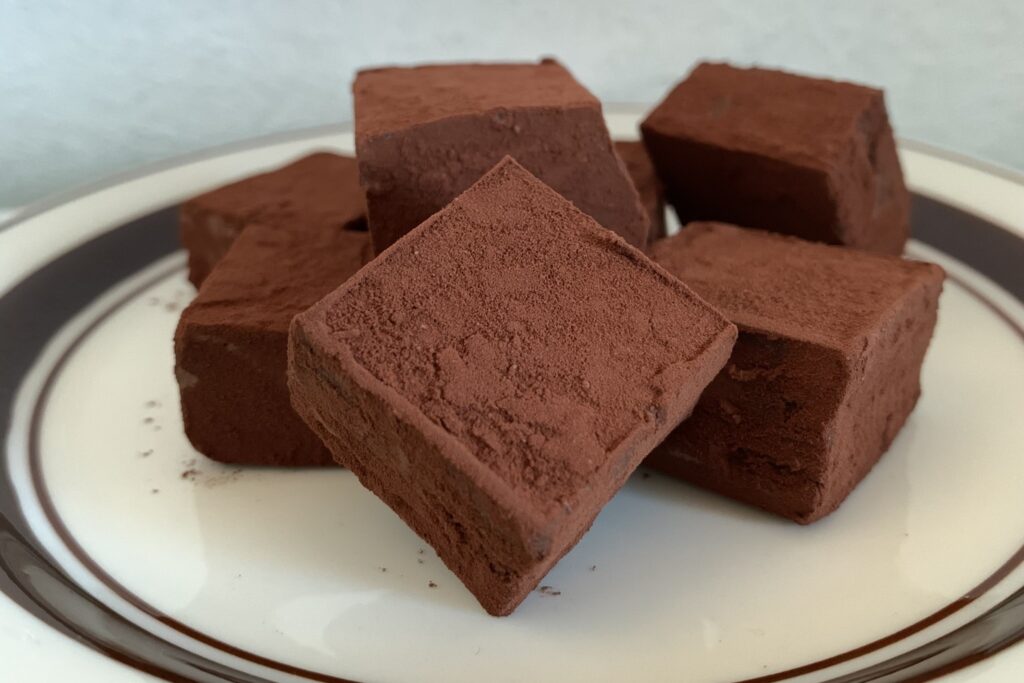
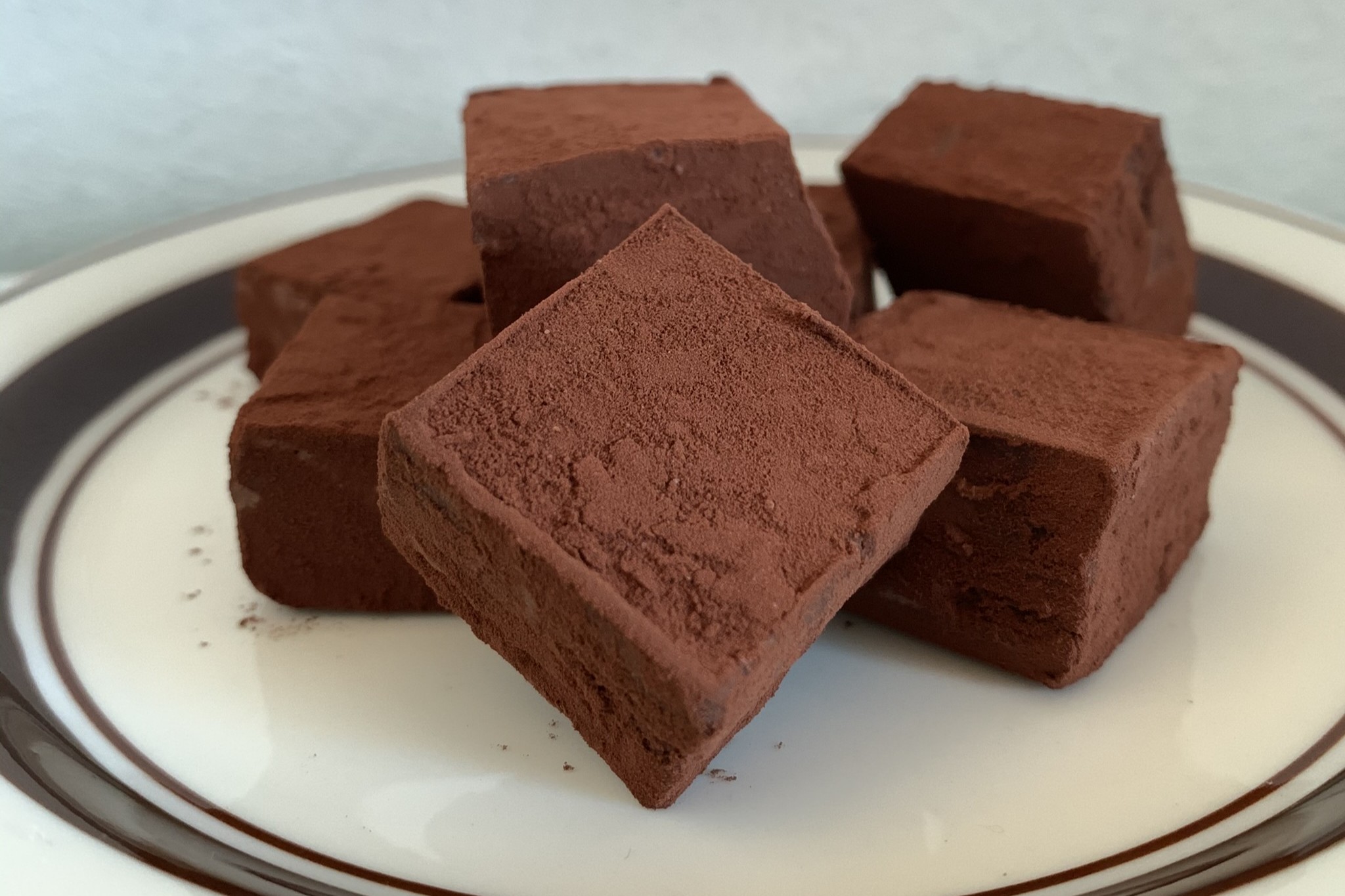
If you’ve ever visited Japan, you likely encountered those elegant, cocoa-dusted squares known as Nama Chocolate.
Unlike a standard chocolate bar, Nama Chocolate is made by adding heavy cream (nama cream) and spirits to a chocolate base, resulting in an incredibly soft and smooth finish. The word “Nama” (meaning raw or fresh) refers not only to the generous use of heavy cream (nama cream) but also captures the essence of its “farm-to-table” freshness and delicate tenderness. True to its name, its greatest characteristic is a silky texture that dissolves instantly on your tongue.
📜 What Defines “Nama Chocolate” in Japan?
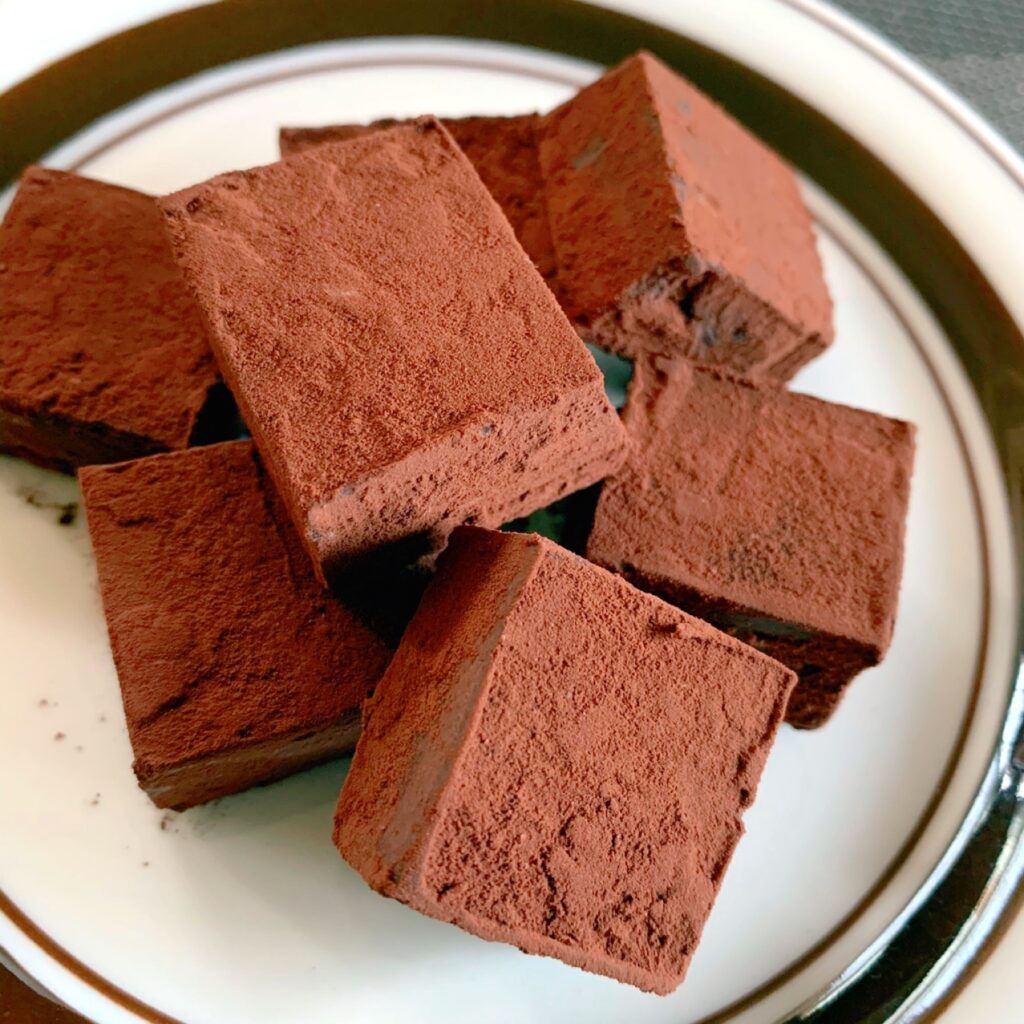
While it may look like a simple ganache, Japan has strict quality standards to ensure its premium texture. Technically, “Nama Chocolate” is a ganache—a liquid mixture of chocolate and heavy cream that is cooled and hardened—which is then coated with cocoa powder, powdered sugar, or matcha.
To be officially labeled as “Nama Chocolate” in Japan, it must meet the following criteria:
- Chocolate content: Must be at least 60% of the total weight.
- Cream content: Must be at least 10% of the total weight.
- Water content: Must be at least 10% of the total weight.
- Final Composition: After coating, the ganache itself must make up at least 60% of the total weight, and the pure chocolate content must remain at least 40% of the total weight.
🏛️ A Quick History Lesson
The roots of Nama Chocolate trace back to the 1930s in Switzerland with a creation called “Pavé” (meaning “cobblestone”). The name was inspired by its distinct square shape, which resembles the stones of a paved street.
In Switzerland, it is traditionally dusted with powdered sugar. This gives it the appearance of “snow-covered cobblestones,” leading locals to call it “Pavé Grasse” (literally “cold cobblestones”).
The specific style of Nama Chocolate that we know and love in Japan today is said to have originated in 1988, when a Western-style confectionery shop in Kanagawa Prefecture first began selling it. While a coating of cocoa powder is the classic finish in Japan, these days you can enjoy a wide variety of flavors, including Matcha, Strawberry, Champagne, and even Black Sesame!
💡 Pro-Tips for the Perfect Emulsion
The most common mistake when making Nama Chocolate is separation (where the oil splits from the solids). This happens because water and fat don’t naturally mix. To achieve that signature silky texture, you must master the “emulsion.”
1. Temperature is Key
Don’t just microwave everything together! Heating chocolate and cream at the same time often leads to overheating and separation. The most reliable method is adding warm heavy cream to moderately melted chocolate.
2. Choose the Right Chocolate
If you’re a beginner, I highly recommend using couverture chocolate. It contains a higher percentage of cocoa butter and lacks the “filler” vegetable oils found in some candy bars, making it much easier to emulsify without splitting.
3. Understanding Your Cream (The 40% Standard)
In Japan, “Nama Cream” (fresh cream) typically has a high milk fat content of around 40%. When recreating this recipe abroad, choosing the right substitute is crucial for the best results:
- In the US: Look for Heavy Cream (36%+ fat). “Whipping Cream” in the US usually has 30–36% fat, which is slightly lower than the Japanese standard. For the richest, most authentic texture, Heavy Cream is your best bet.
- Vegetable Cream vs. Dairy: I personally use vegetable-based cream (30% fat) for my recipes. While it is often said that vegetable cream separates more easily, I have found that it works perfectly fine if you follow the correct temperature steps!
- The Bottom Line: If flavor and richness are your top priorities, go with Heavy Cream. If you want a lighter option, vegetable cream works too, as long as you are careful with the emulsion.
🍫 Recipe: Authentic Nama Chocolate
Yields: One 15cm square mold
| Ingredient | Amount |
| Dark or Milk Chocolate | 240g |
| Vegetable-based nama cream | 120g |
| Unsalted Butter | 10g |
| Cocoa Powder | 50g |
Nutrition Facts (Total)
2033 kcal | Protein: 35g | Fat: 144g | Carb: 138.7g | Salt: 0.7g
The nutritional value is based on using vegetable-based cream.
👩🍳 How to make Nama Chocolate
1. The Melting Process
- Place chopped chocolate in a metal bowl.
- Set the bowl over a pot of hot water (bain-marie). Melt slowly, ensuring no water or steam gets into the chocolate.
2. The Emulsion
- Heat the cream in a saucepan until it is just about to boil. Do not let it boil over!
- Add the warm cream to the melted chocolate little by little, stirring gently until glossy.
- Add the butter and mix until the mixture is thick and smooth.
3. Setting & Shaping
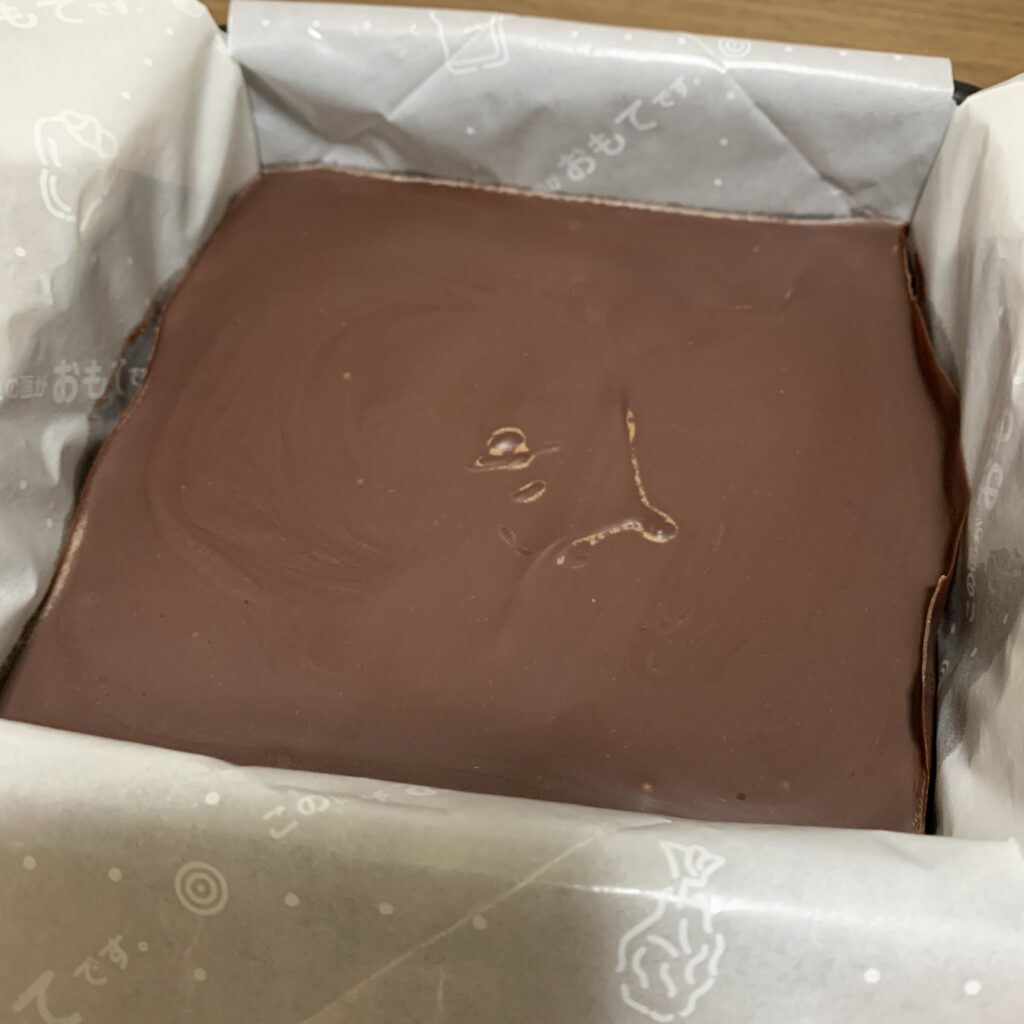
- Pour into a 15cm square mold lined with parchment paper.
- Chill in the refrigerator for 12 to 24 hours.
4. The Perfect Finish

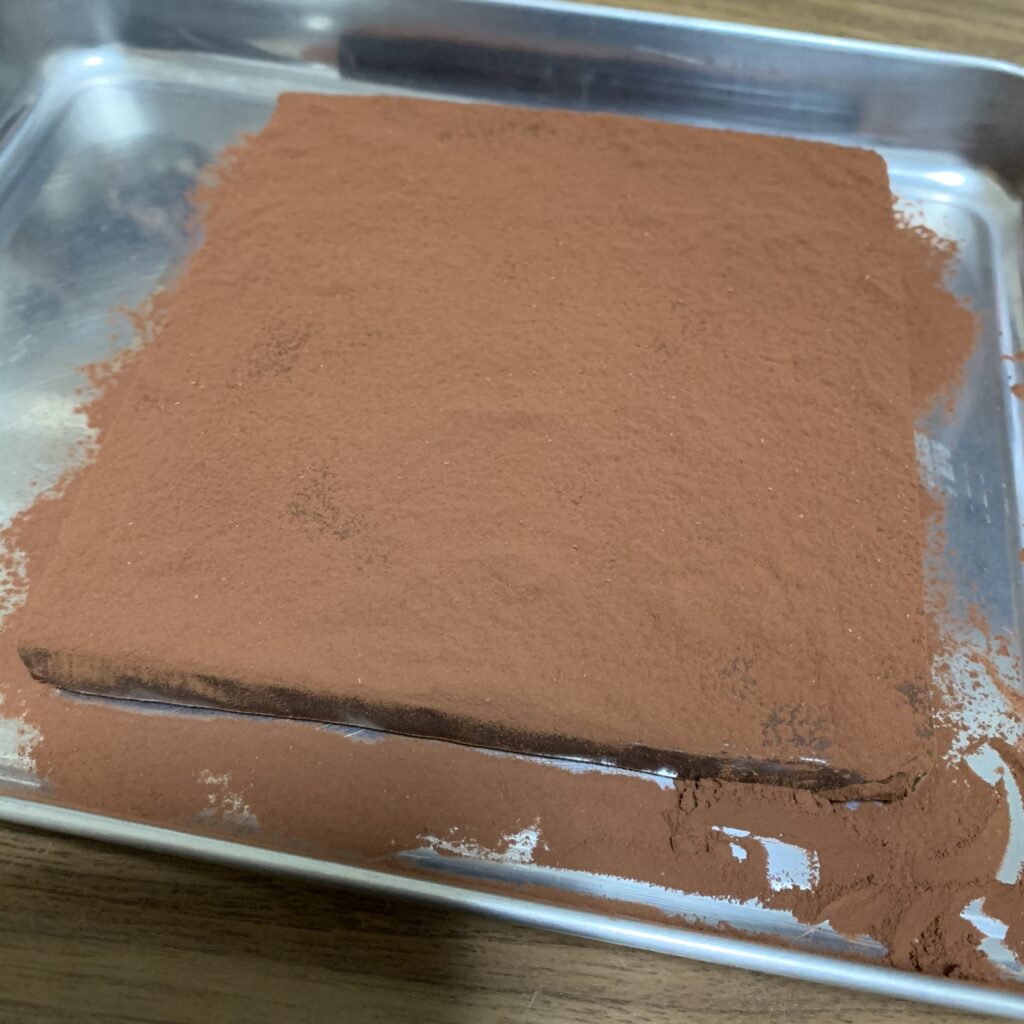
- Dust 1/3 of the cocoa powder over the top using a tea strainer.
- Flip it onto a tray and dust the bottom with another 1/3 of the cocoa.
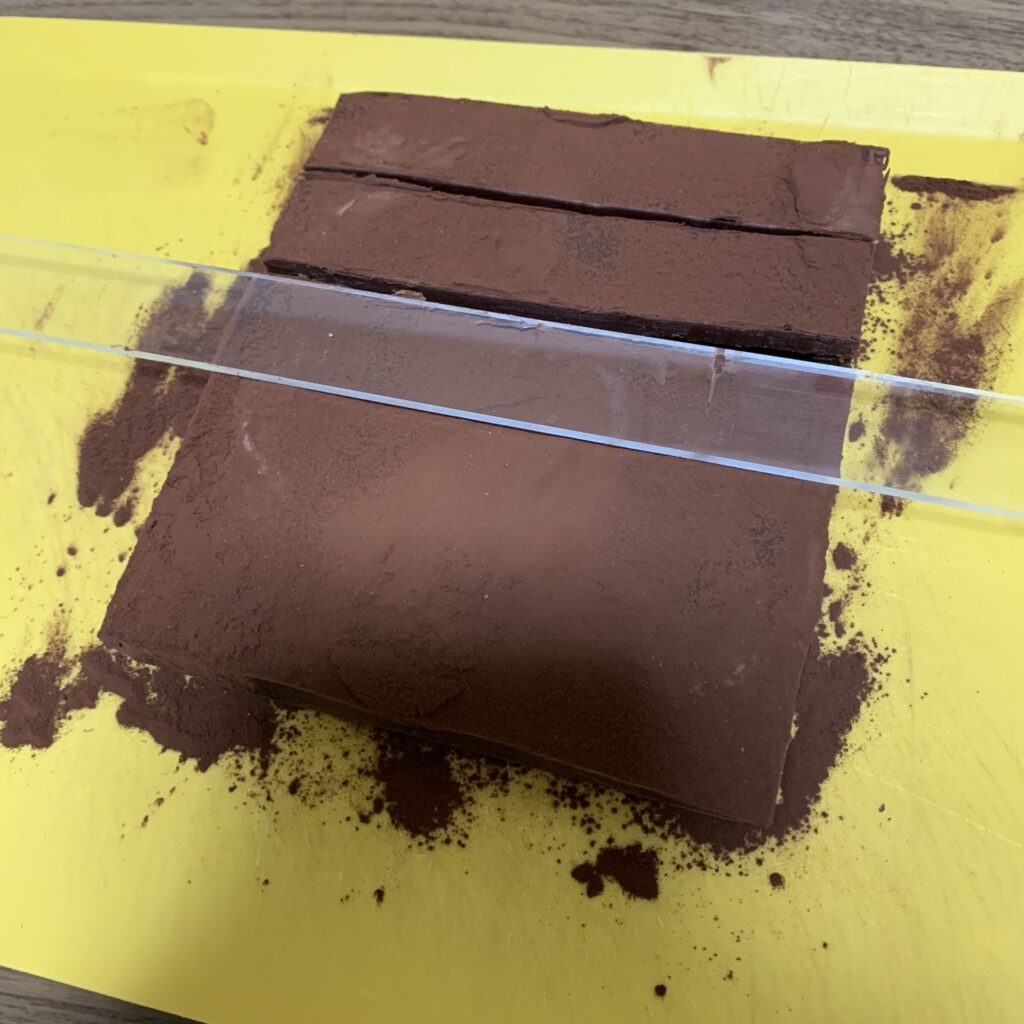
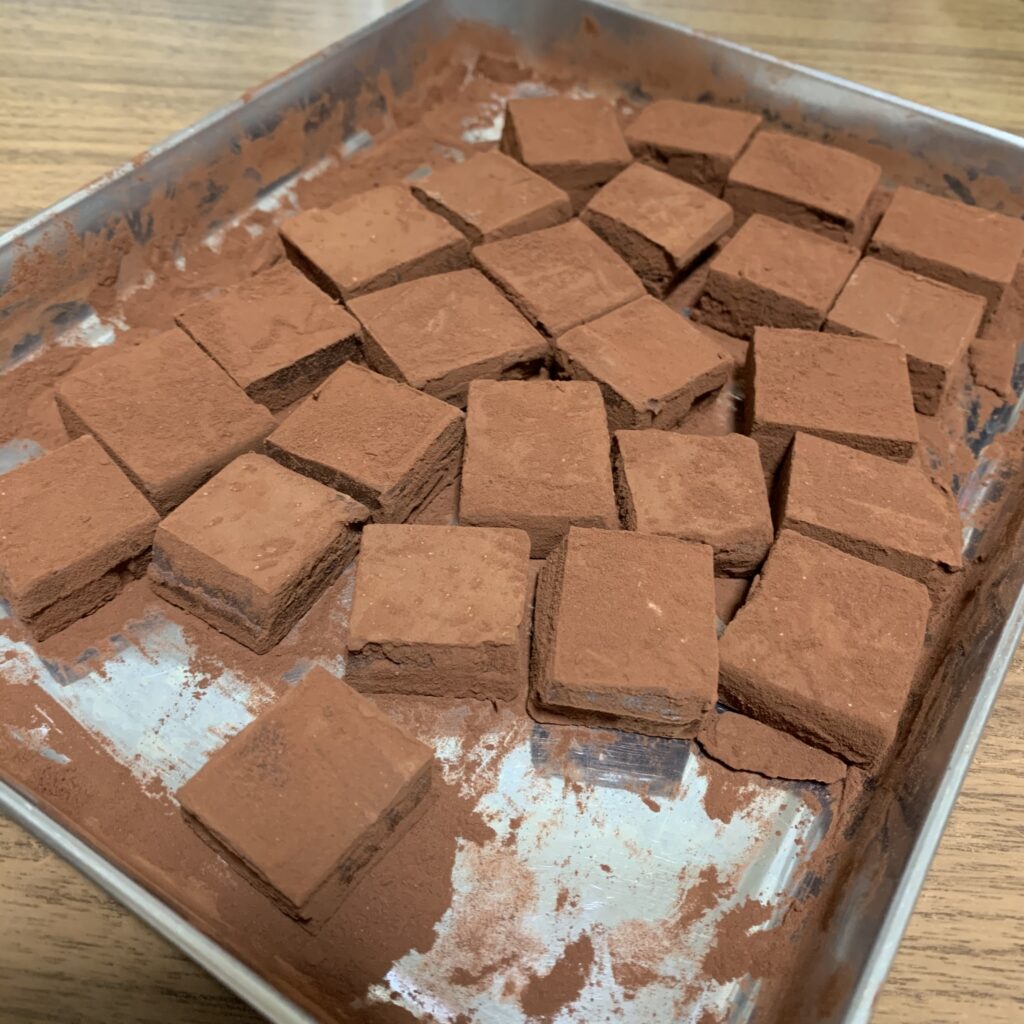
- The Pro Cut: Slice into squares. Tip: Wipe your knife with a paper towel between every single cut for clean edges!
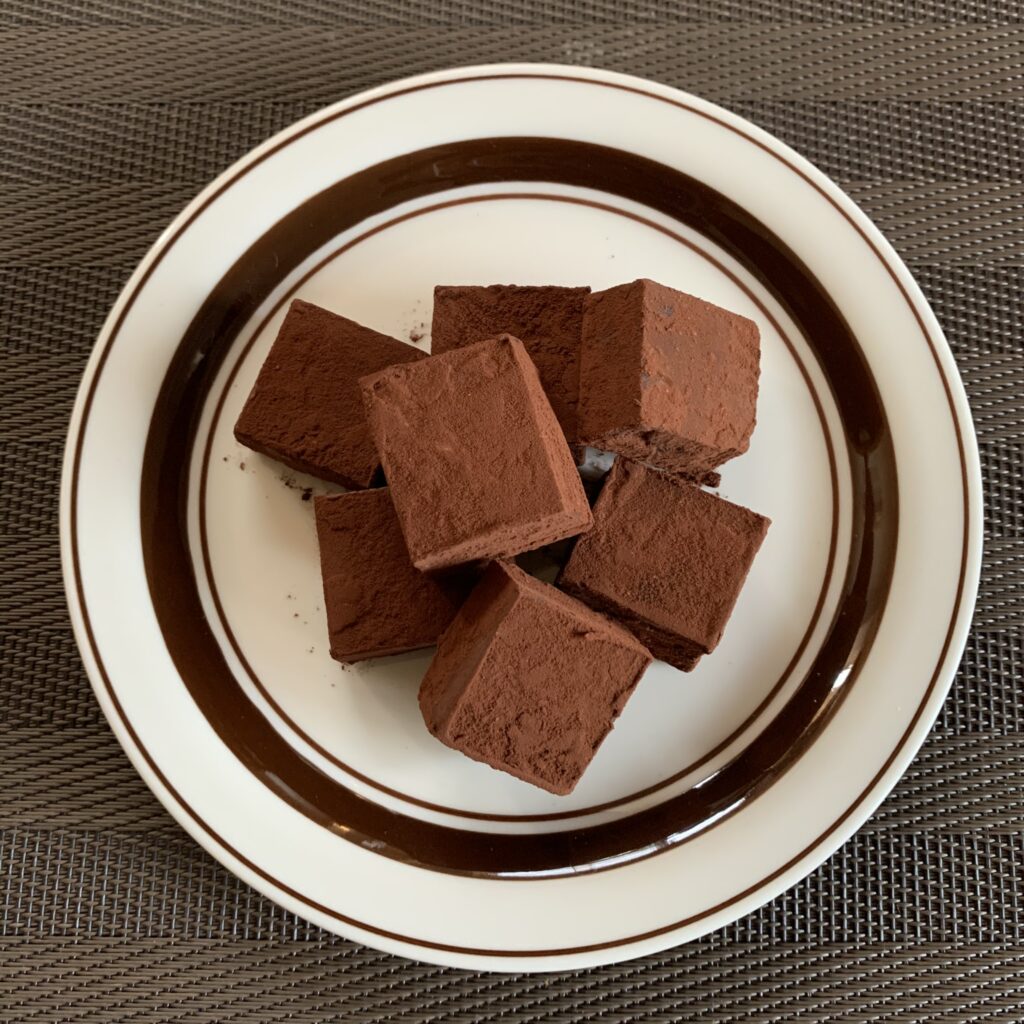
- Toss the squares in the remaining cocoa powder to coat the sides.
🔍Q&A
To make your blog post even more helpful for international readers, here are three common questions they search for:
Q: Is Nama Chocolate the same as a Truffle?
A: Almost! While both are made from ganache, truffles are usually rolled into balls and coated in a hard chocolate shell. Nama chocolate is set in a block, cut into cubes, and remains soft without a hard outer shell.
Q: Can I use Half-and-Half instead of Heavy Cream?
A: It is not recommended. The fat content in half-and-half is too low (10-18%), which will make the chocolate too soft to hold its shape and more likely to separate.
Q: How long does it last?
A: Because of the high “Nama” (fresh) cream content, it should be kept refrigerated and consumed within 4 to 7 days.
📖Related Link: Read the Japanese version of this article here! [自宅で再現!究極の生チョコガイド|材料4つでプロの味]

コメント