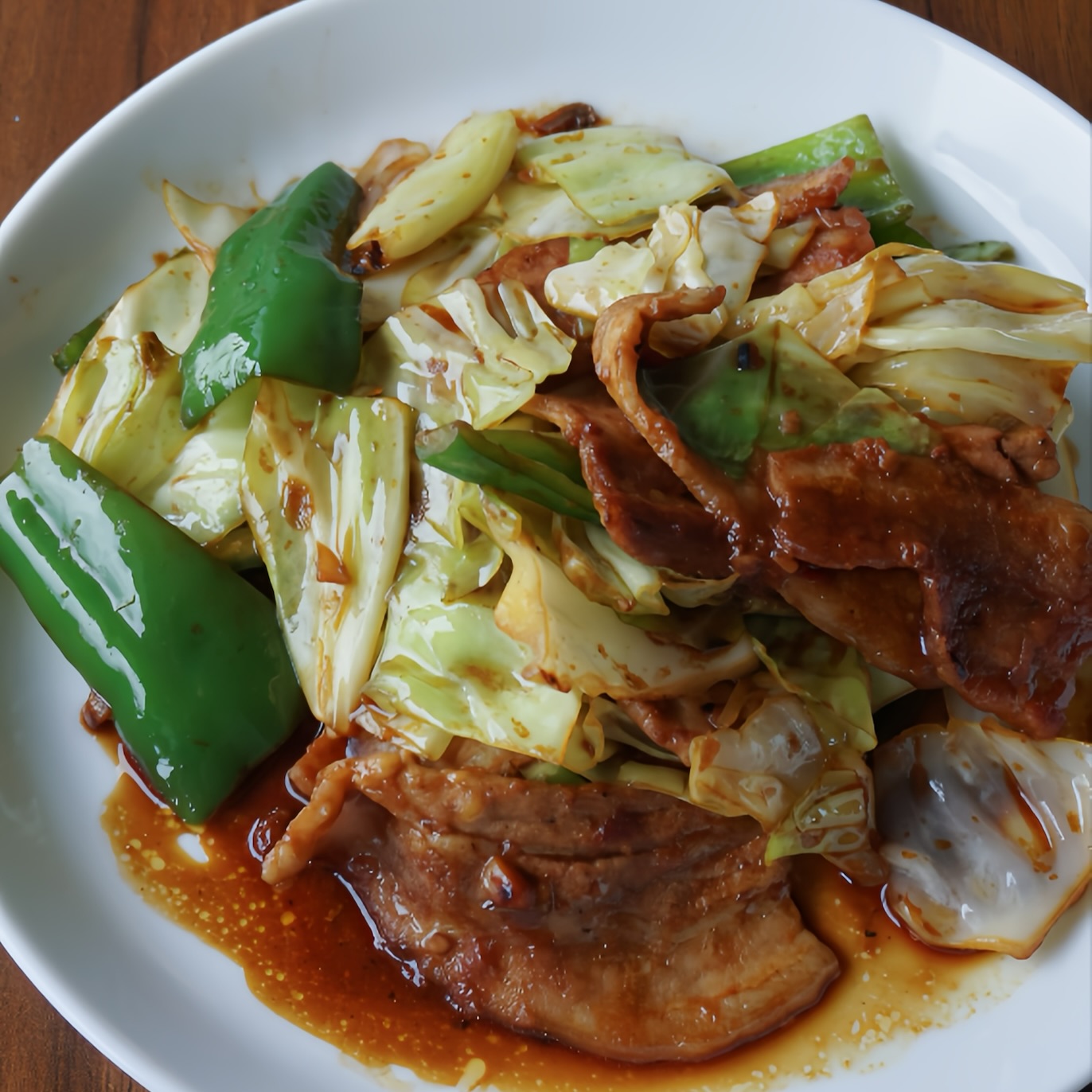
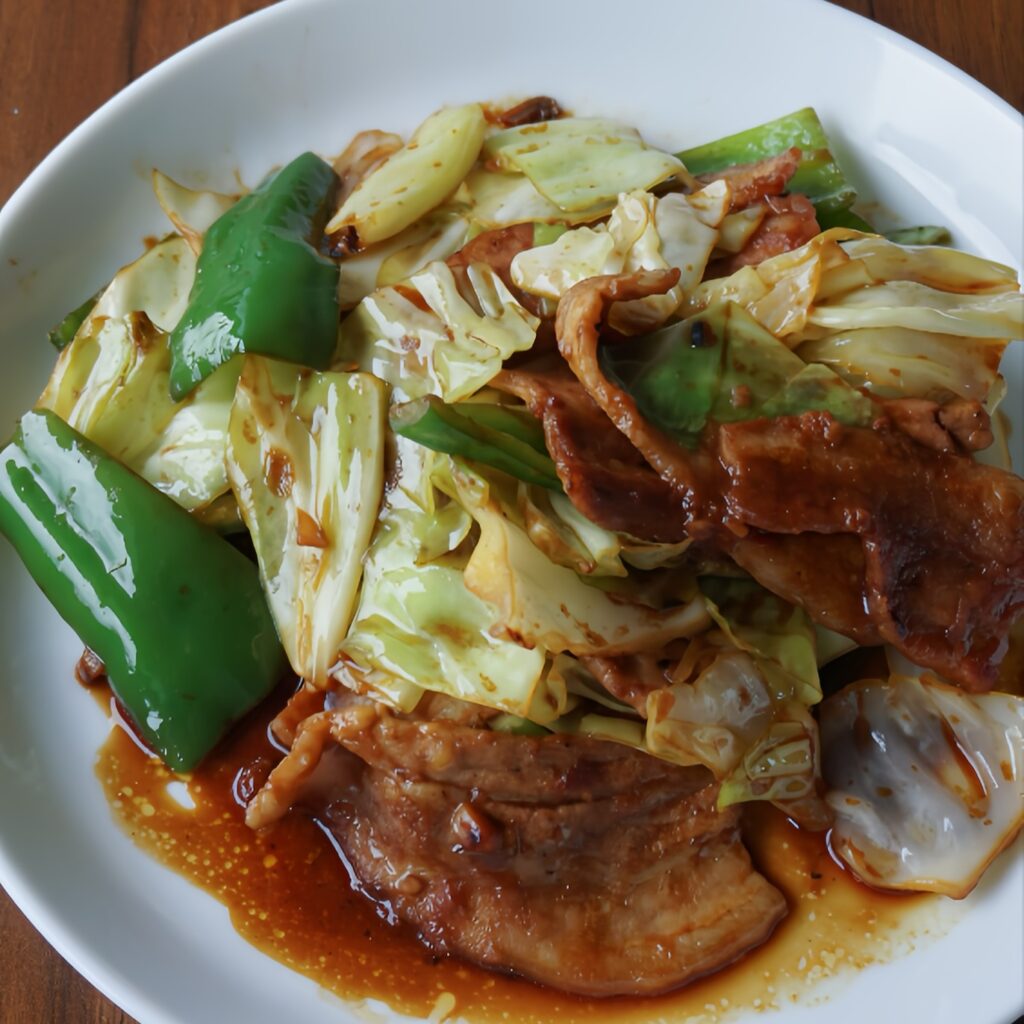
What is “Japanese-Style Twice-Cooked Pork” (Hoi Ko Rou)?
It is a dish of savory, stir-fried pork belly and crisp, sweet cabbage thoroughly coated in a rich, sweet and savory special miso sauce. With an exquisite balance of richness and mild spice, it is a staple of authentic Japanese-Chinese cuisine that goes irresistibly well with hot white rice.
While Hoi Ko Rou originally comes from Sichuan Province, China, essential ingredients like garlic sprouts (garlic greens) were once difficult to obtain in Japan. As a result, it evolved into a unique “Japanese style” using readily available everyday ingredients.
Because its seasoning and key ingredients differ significantly from the original dish, it often comes as a “refreshing surprise” to people from China!
Although distinct from the original Sichuan version, Japanese-style Hoi Ko Rou has become one of the most popular Chinese dishes in Japan, widely loved in both home kitchens and local restaurants.
Name Origin: “Hoikoro” literally means “returning meat to the pan.” Historically, in China, leftover boiled pork from festivals was sliced and stir-fried again with vegetables to avoid waste.
Sichuan Style vs. Japanese Style
- Vegetables: Garlic sprouts (Sichuan) vs. Cabbage & Bell peppers (Japanese)
- Seasoning: Doubanjiang (sharp spice) & Douchi/Sichuan peppercorns (Sichuan) vs. Tianmianjiang (sweet flavor) & soy sauce/sugar (Japanese)
- Meat Preparation: Boiled whole blocks sliced later (Sichuan) vs. Thinly sliced meat stir-fried directly (Japanese)
How to Substitute Tianmianjiang (Sweet Bean Sauce)
Tianmianjiang (sweet bean sauce) is often said to be essential for Japanese-style Twice-Cooked Pork (Hoikoro), but standard households rarely keep it in stock.
Tianmianjiang, which gives Twice-Cooked Pork its signature key flavor, is originally a fermented condiment made from wheat flour and koji. Although it is sometimes described as “sweet miso,” its production process differs from typical Japanese miso, which is made primarily from soybeans.
Since there aren’t many opportunities to use Tianmianjiang in everyday Japanese home cooking outside of Twice-Cooked Pork, many people might hesitate to buy a whole bottle.
I must admit, before I know it, my fridge is always overflowing with half-used condiments… So when I asked a chef friend of mine if there was a way to substitute it, they shared some wonderfully practical ideas with me!
Even if you don’t have Tianmianjiang at home, you can easily recreate that authentic flavor using everyday pantry staples.
- Alternative Ratio: Red Miso (Aka-miso) 2 tbsp + Sugar 2 tbsp (Equivalent to 3 tbsp / 45g of Tianmianjiang)
Ingredients (Serves 4)
- Main Ingredients:
- Pork Belly: 200g (cut into 3cm width, 5cm length, 3mm thickness)
- Flour: 10g (to coat the pork)
- Cabbage: 350g (approx. 1/4 head)
- Bell Peppers: 130g (approx. 4 peppers)
- Aromatics & Oil:
- Sesame oil: 5g
- Garlic: 8g (minced)
- Ginger: 8g (minced)
- Doubanjiang (Chili bean paste): 6g
- Seasoning Sauce (Mix beforehand):
- Tianmianjiang (or substitute): 40g
- Soy sauce: 10g
- Sake (Cooking rice wine): 20g
Step-by-Step Instructions
Preparation:
- Cut the cabbage into 5cm squares.
- Remove stems and seeds from the bell peppers and cut them into quarters.
- Mince the garlic and ginger.
- Lightly coat both sides of the pork belly slices with flour.
Cooking:
- Heat sesame oil in a pan and sear the pork. Once browned on both sides, remove them to a plate.
- In the same pan, stir-fry the garlic, ginger, and Doubanjiang until aromatic.
- Add the cabbage and stir-fry.
- Once the cabbage softens, add the bell peppers and stir quickly (to keep their bright color).
- Return the pork to the pan and toss everything together.
- Chef’s Tip: Removing the pork temporarily and evaporating excess moisture from the cabbage prevents the dish from becoming soggy and keeps the meat juicy!
Finishing:
- Add the Tianmianjiang.
- Pour in the sake, dissolving the paste so it coats the ingredients evenly.
- Add the soy sauce and mix well.
- Stir-fry quickly over high heat until the sauce thickens slightly. Ready to serve!
Nutrition Facts (Estimated per serving / 4 servings total)
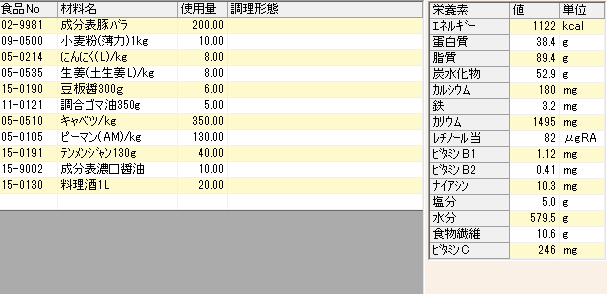
- Calories: 280 kcal (Total: 1,122 kcal)
- Protein: 9.6 g (Total: 38.4 g)
- Total Fat: 22.4 g (Total: 89.4 g)
- Carbohydrates: 13.2 g (Total: 52.9 g)
- Salt Equivalent: 1.25 g (Total: 5.0 g)
Quick Guide: Doubanjiang vs. Tianmianjiang vs. Gochujang
These three fermented seasonings are indispensable in East Asian cuisine, yet they each have distinct characteristics.
- Doubanjiang (China): Made from broad beans (Fava Beans) and chili peppers; adds a sharp, spicy kick when heated. Originally made without chili peppers, but chili addition is now the norm.
- Tianmianjiang (China): Made from wheat flour and koji; thick, sweet, and savory.
- Gochujang (Korea): Made from glutinous rice and koji; combines both sweetness and a distinct sticky heat.
Explore the “Sichuan-Inspired Japanese Style” Series
If you enjoyed this Juicy Hoikoro, you’ll love the other stars of Japanese-Chinese cuisine! In Japan, we’ve uniquely adapted bold Sichuan flavors to be milder and more family-friendly.
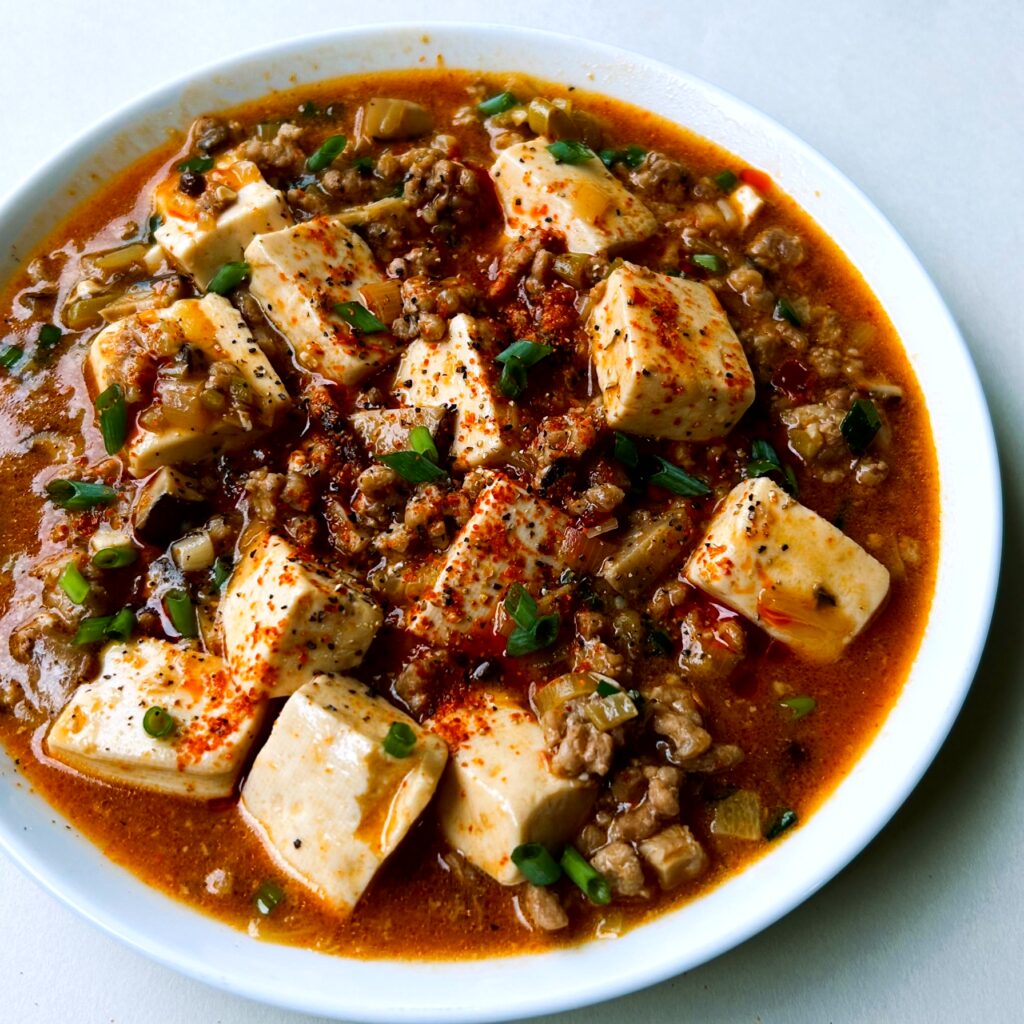
Like Twice-cooked pork, mapo tofu is a masterpiece that made its way from faraway Sichuan to Japan and is now a beloved staple of home cooking.
It’s not just spicy; once you’ve tried it, you’ll never forget the profound umami flavor that comes from the combination of numbing (麻: ma) and spicy (辣: la).
Mapo tofu combines the complex spices of authentic Sichuan with the ease of eating that has been developed in Japan. Discover the secret to its popularity with this recipe.
Enjoy your dinner table with the aromas of Sichuan and the familiarity of Japanese cuisine—check it out now!【Easy Sichuan style Mapo Tofu】
Read the Japanese version of this article here! [ジューシー回鍋肉]

コメント